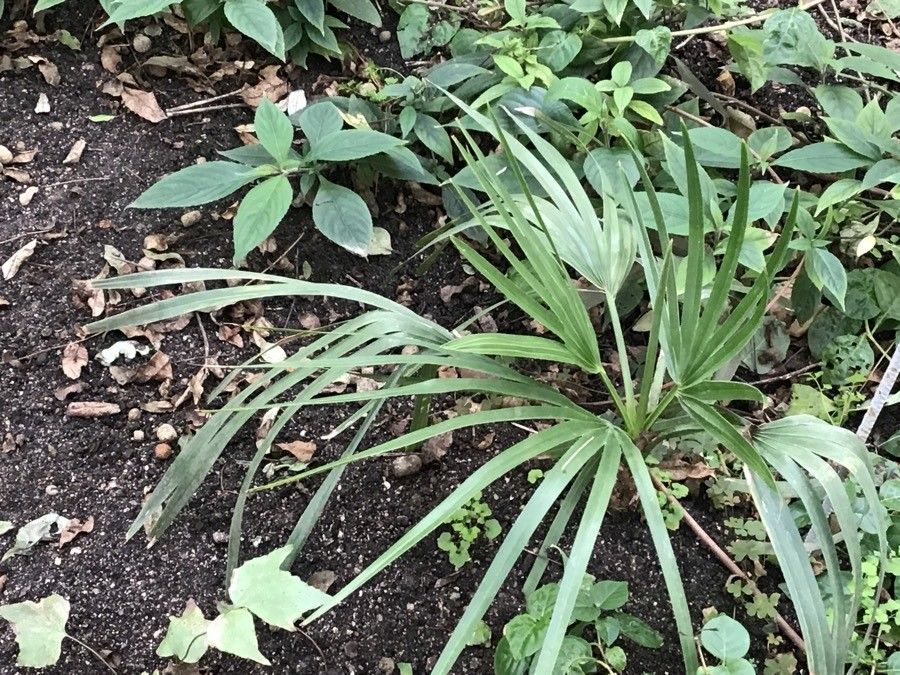
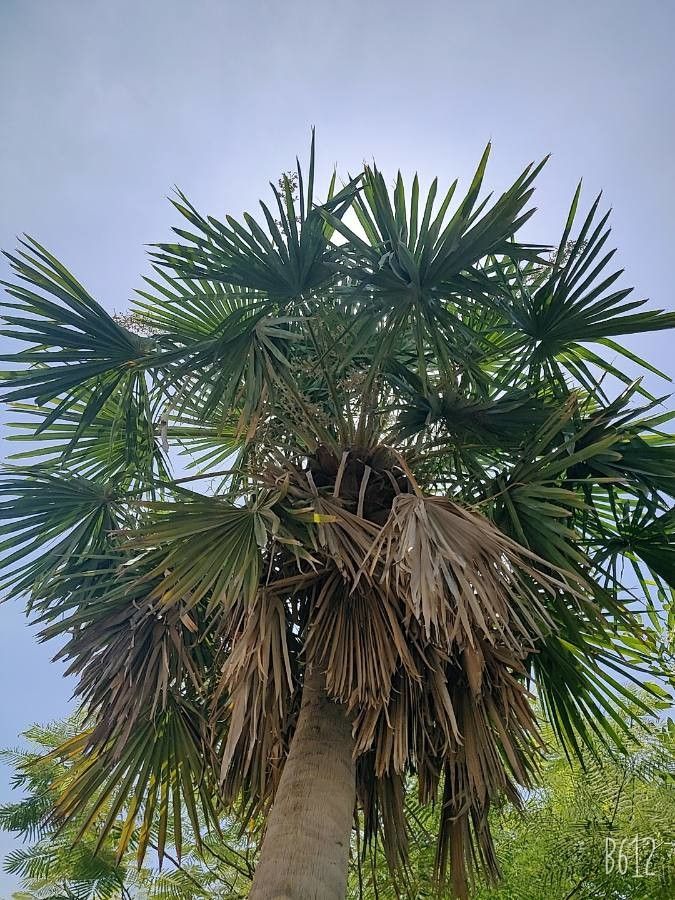
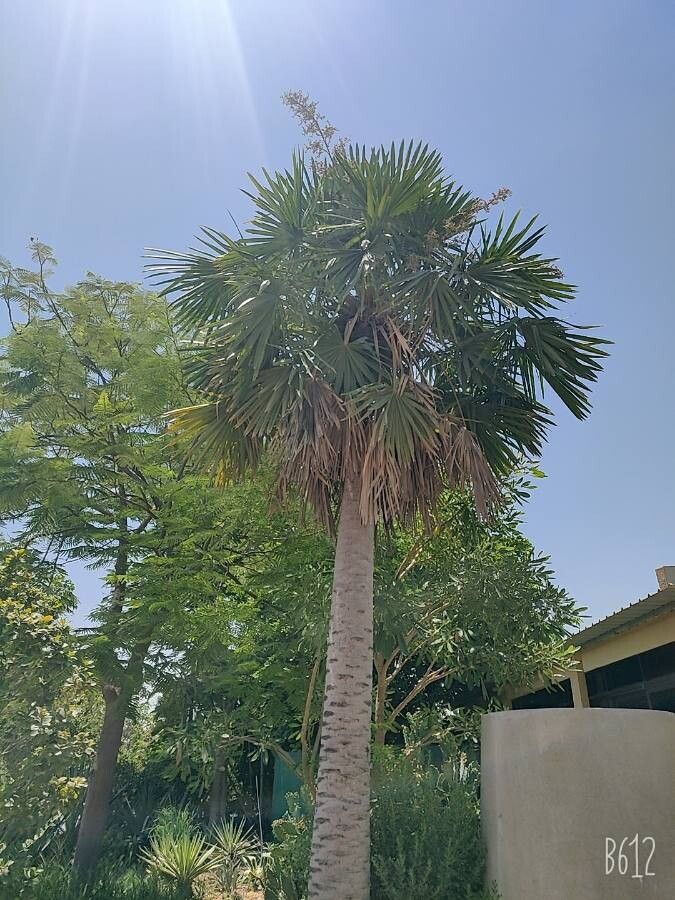
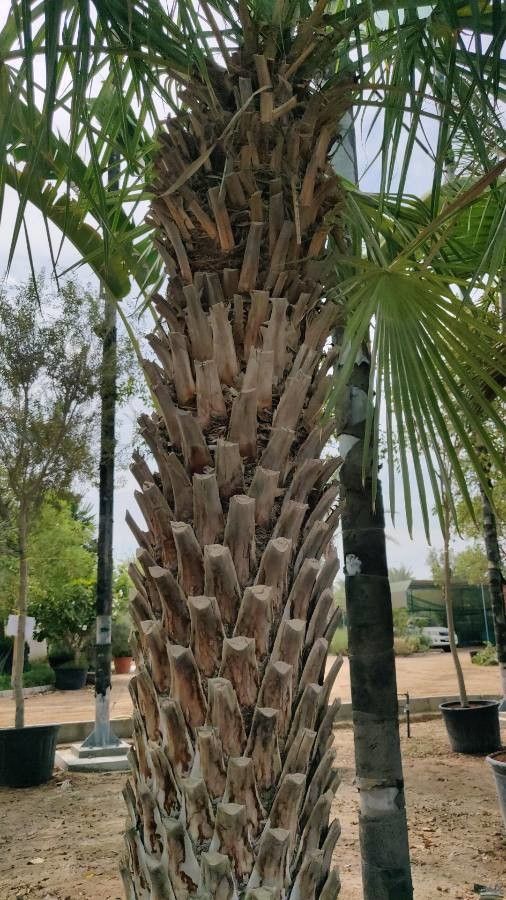
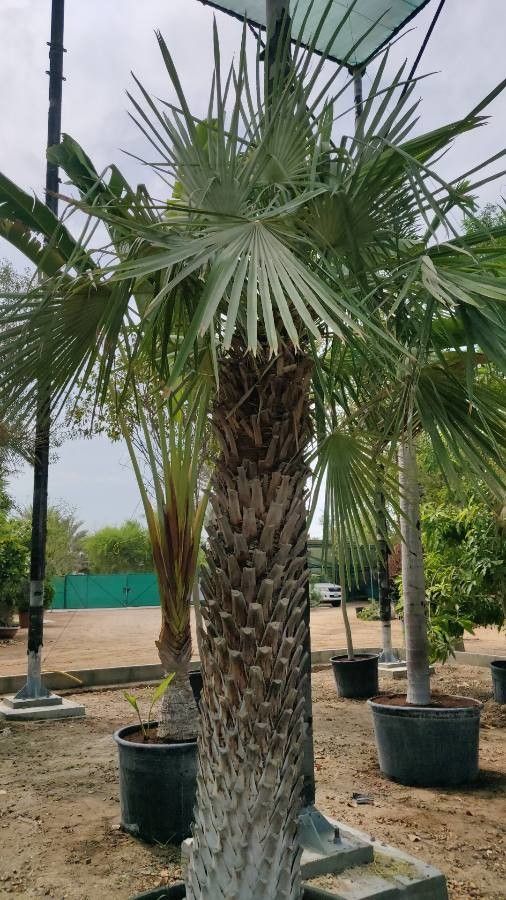
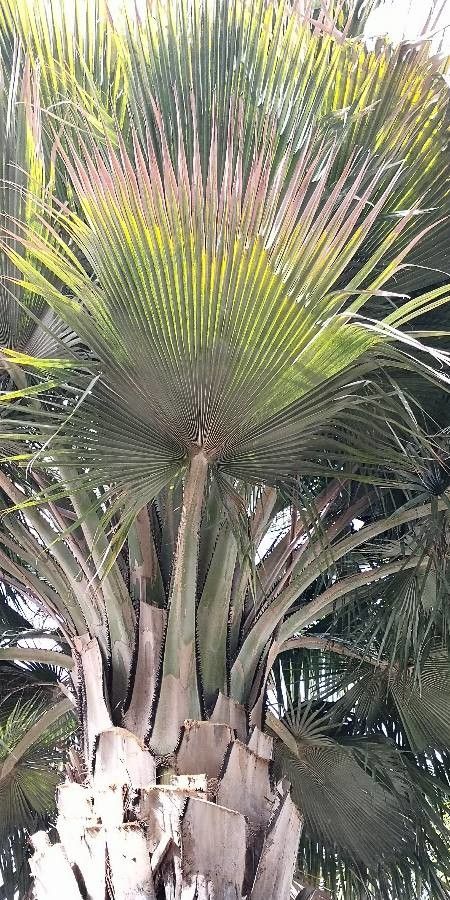
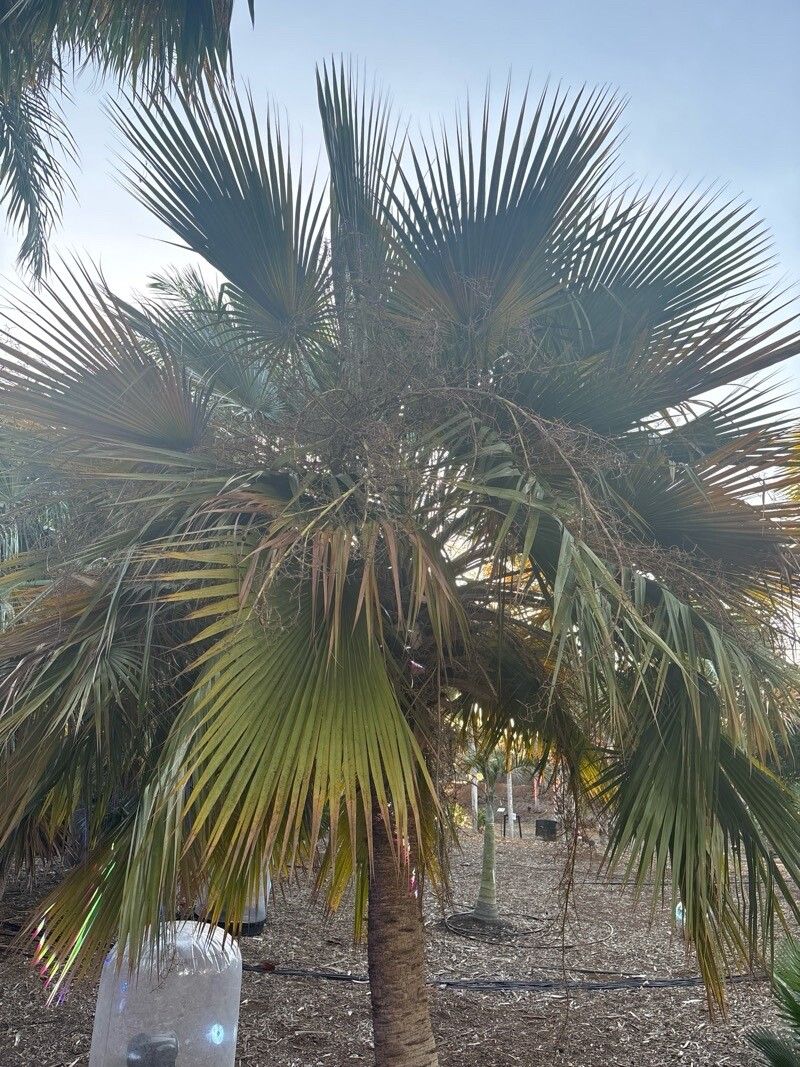
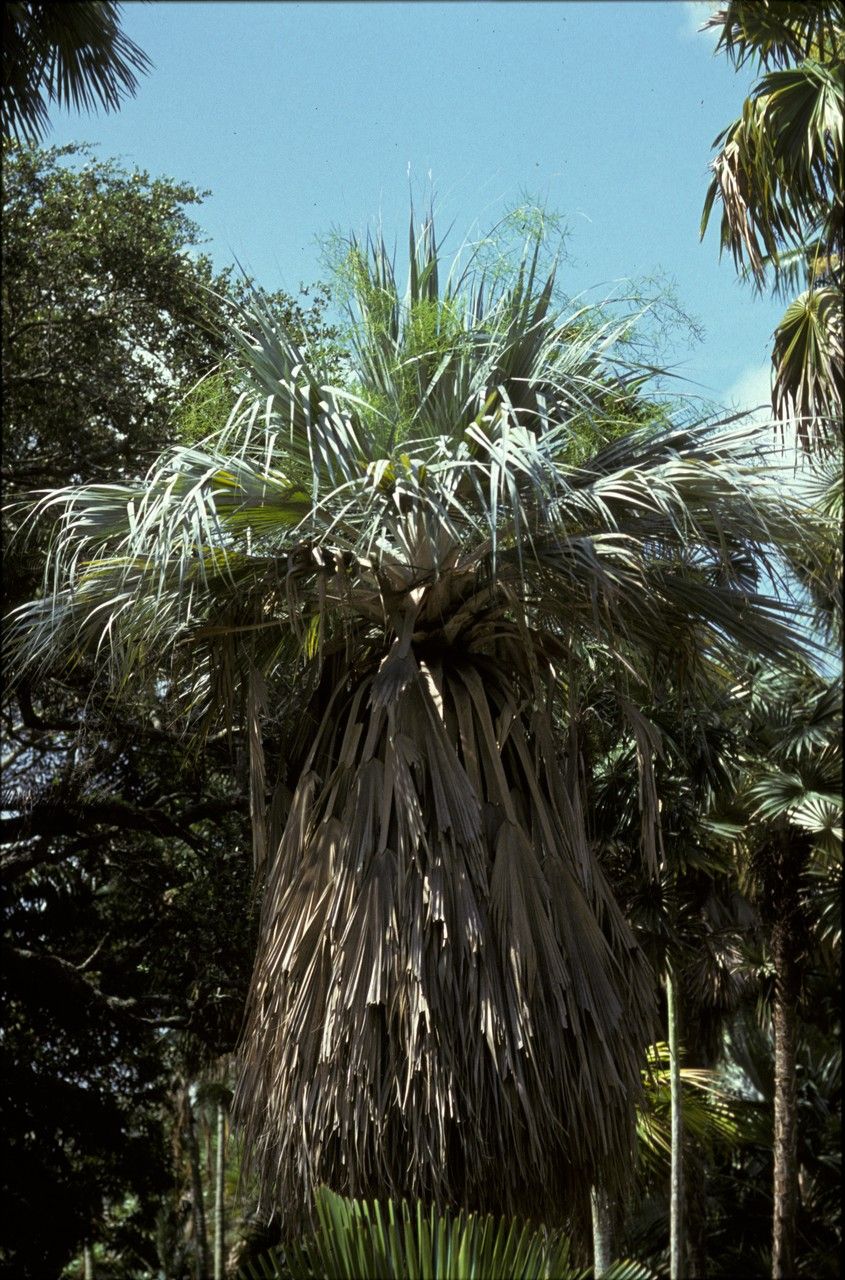
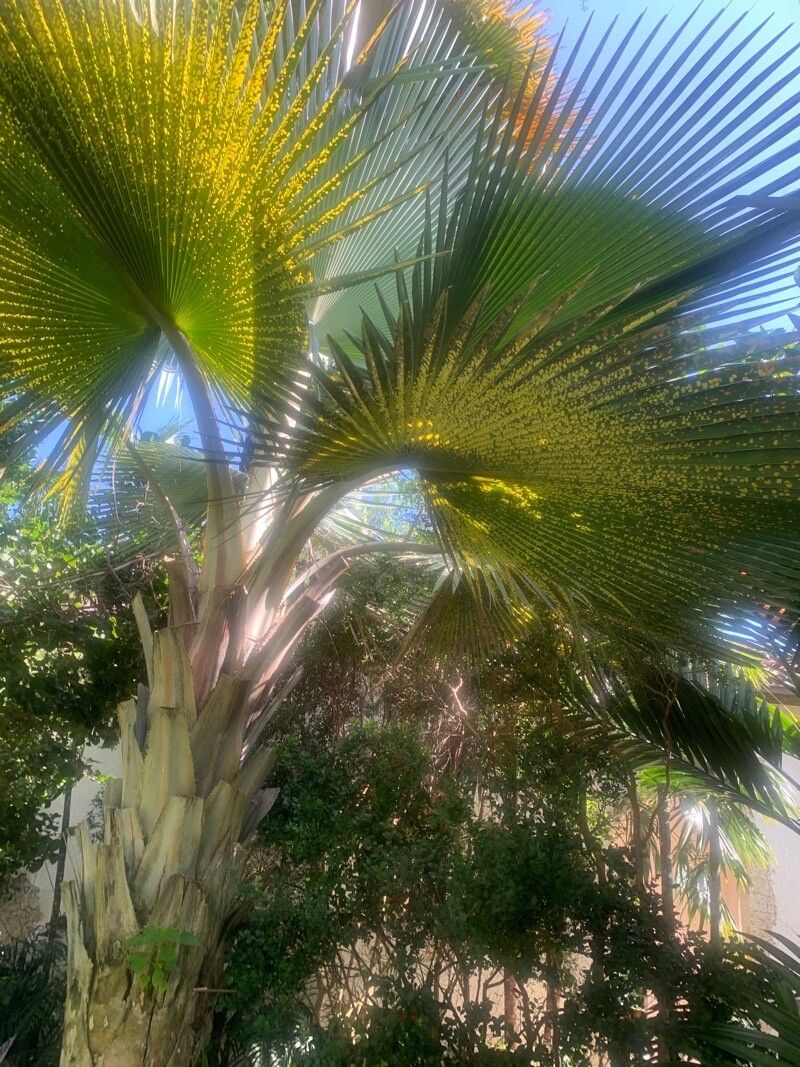
Copernicia alba, commonly known as the carnauba palm or Brazilian wax palm, is a palm tree species native to northeastern Brazil. This slow-growing tree can reach up to 20 meters in height and features a single trunk that can measure up to 40 cm in diameter. Its fan-shaped leaves can grow as long as 2 meters, each adorned with numerous leaflets arranged along the stem.
The carnauba palm is renowned for its valuable wax that coats its leaves and stems. This wax has various applications, ranging from cosmetics and food products like chewing gum and candy coatings to industrial uses such as car and floor polishes.
The carnauba palm thrives in well-drained soils with ample sunlight. While it is drought-tolerant once established, it requires regular watering during its early growth stages.
Due to over-harvesting for commercial purposes, Copernicia alba has been listed as "vulnerable" on the International Union for Conservation of Nature (IUCN) Red List of Threatened Species since 1998. Local communities are making conservation efforts through sustainable harvesting practices and reforestation programs.
Botanical profile.
- Genus
- Copernicia
- Family
- Arecaceae
Other names.