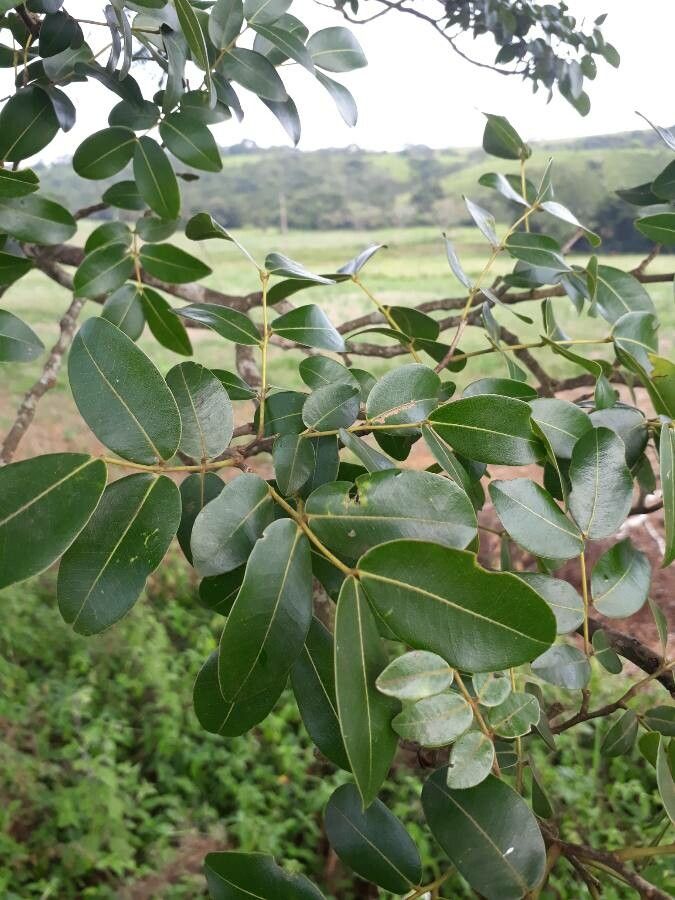
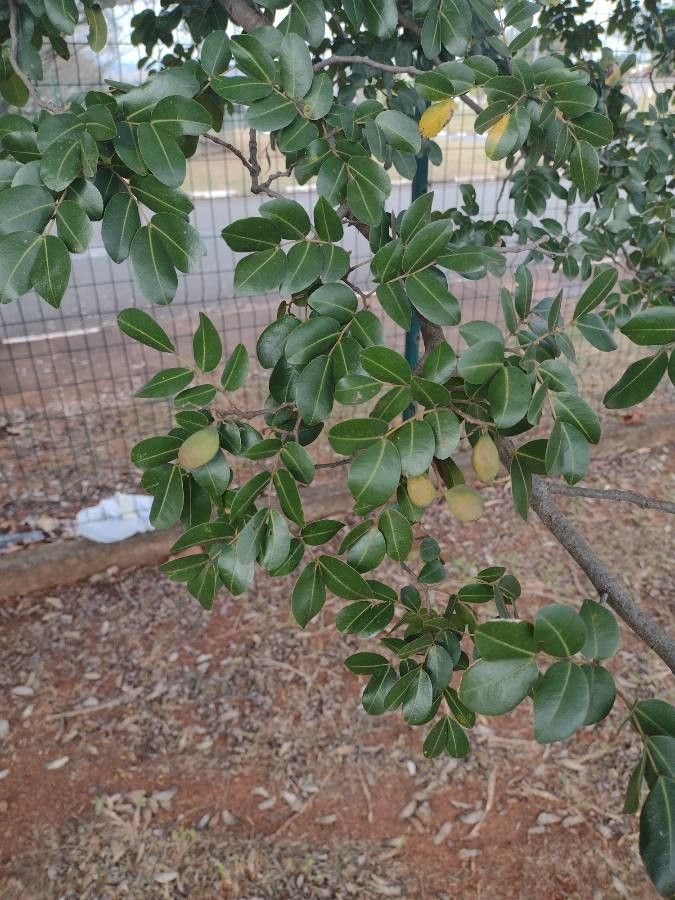
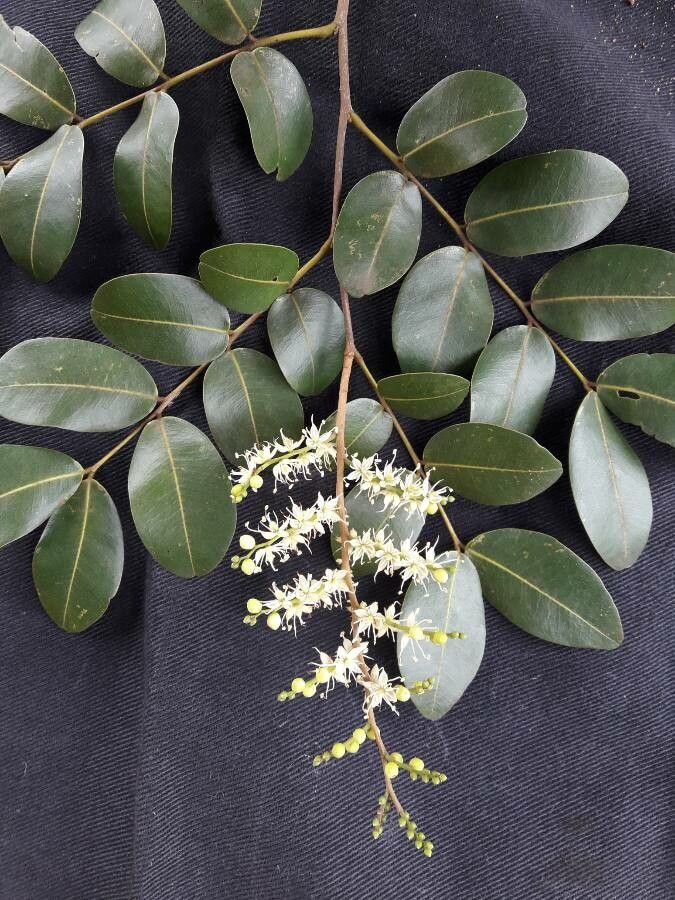
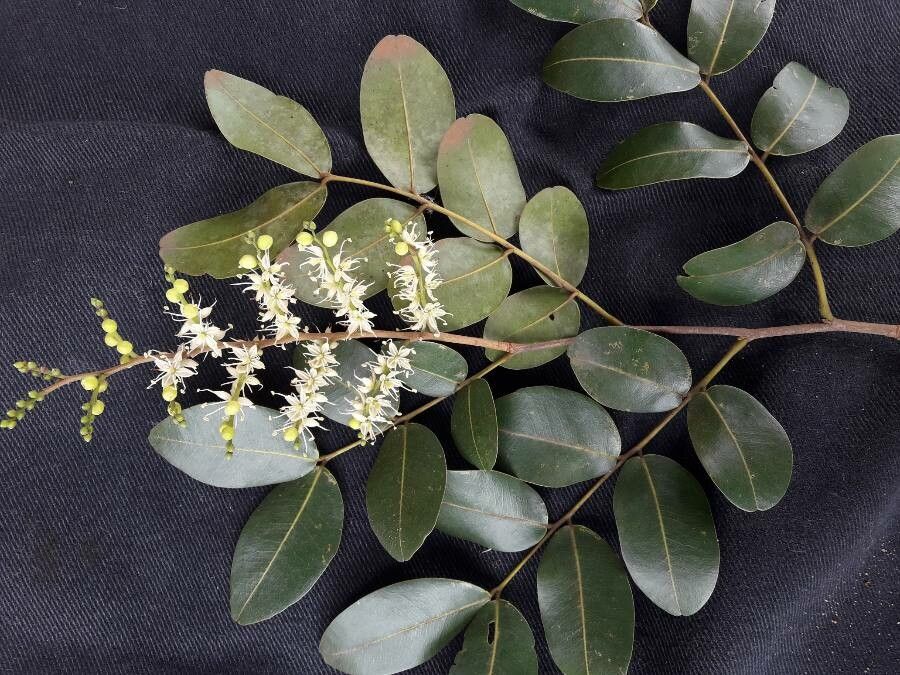
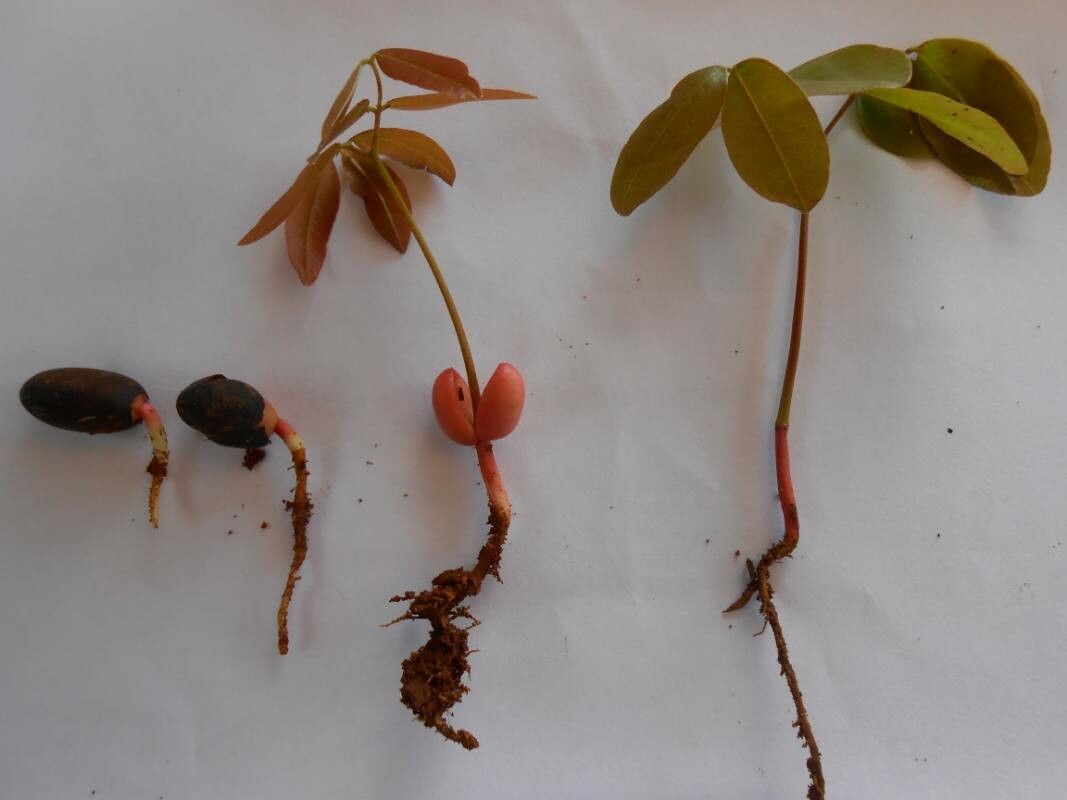
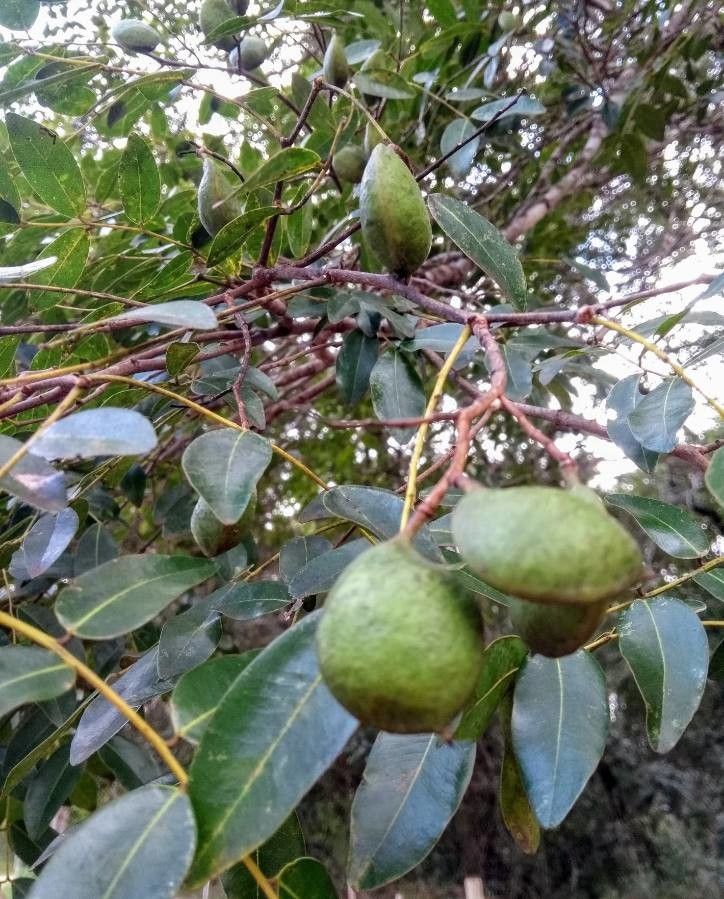
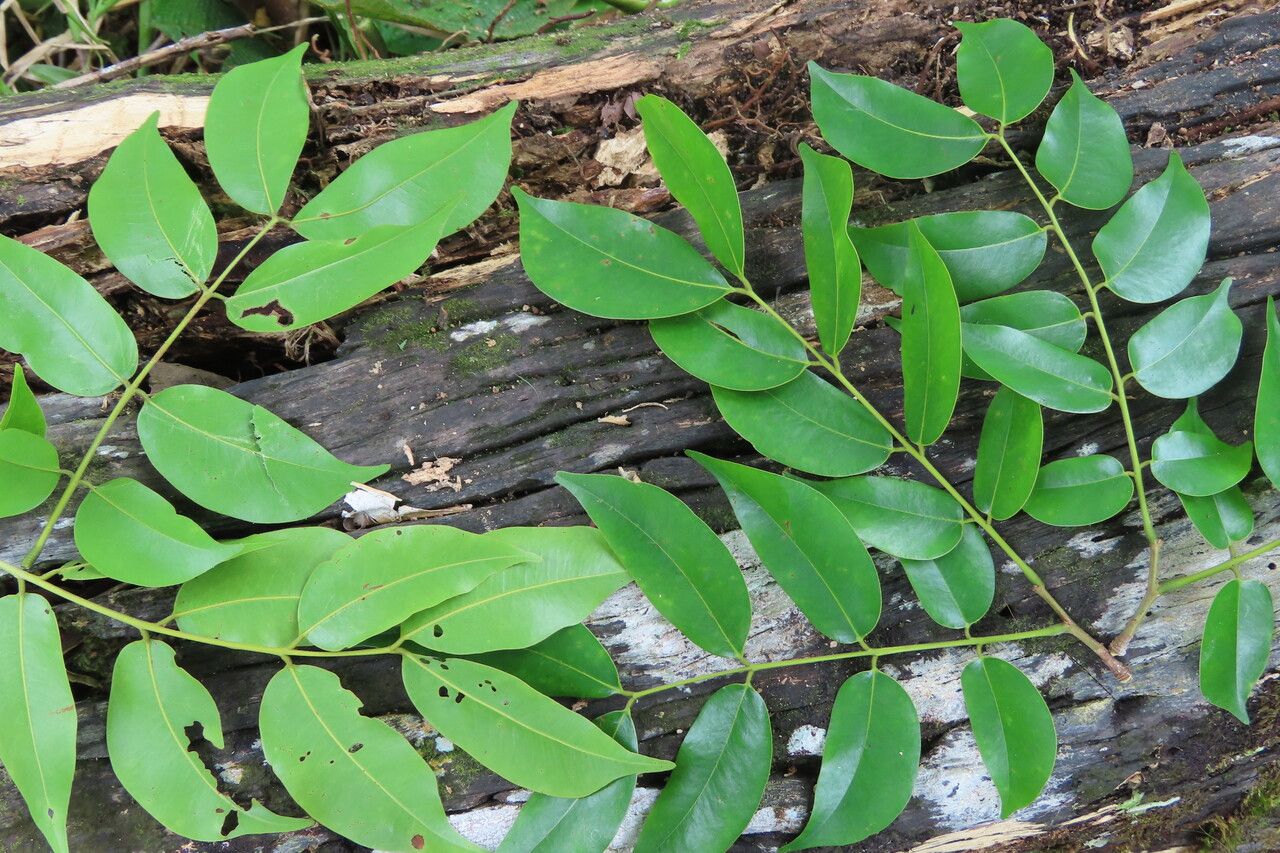
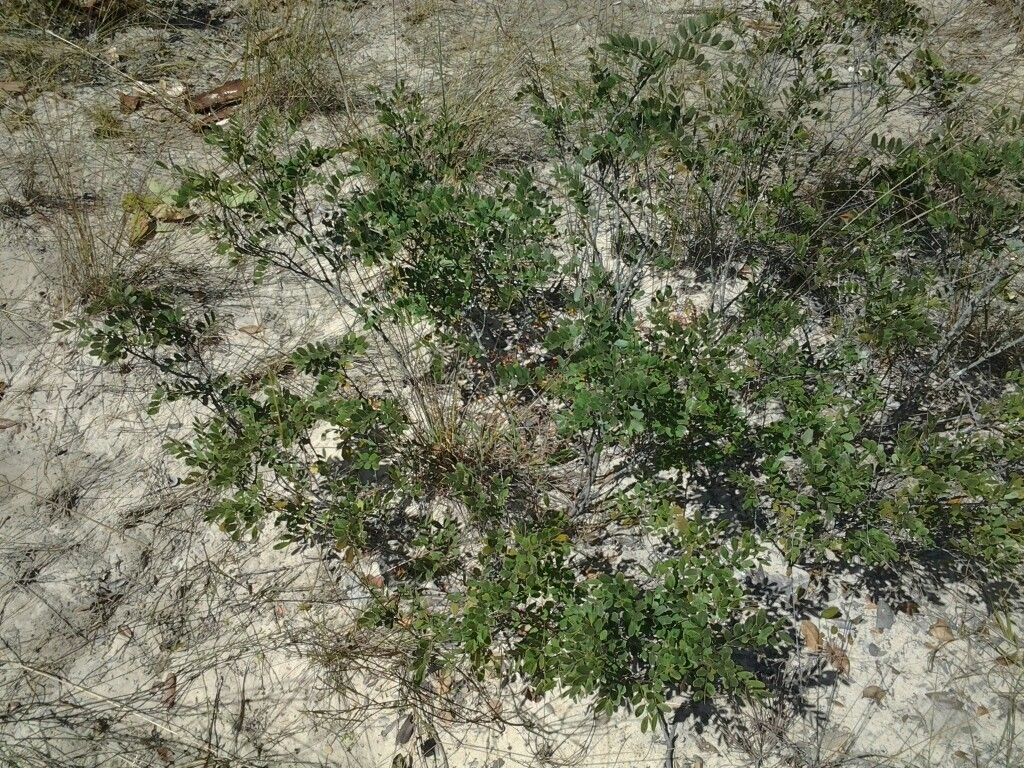
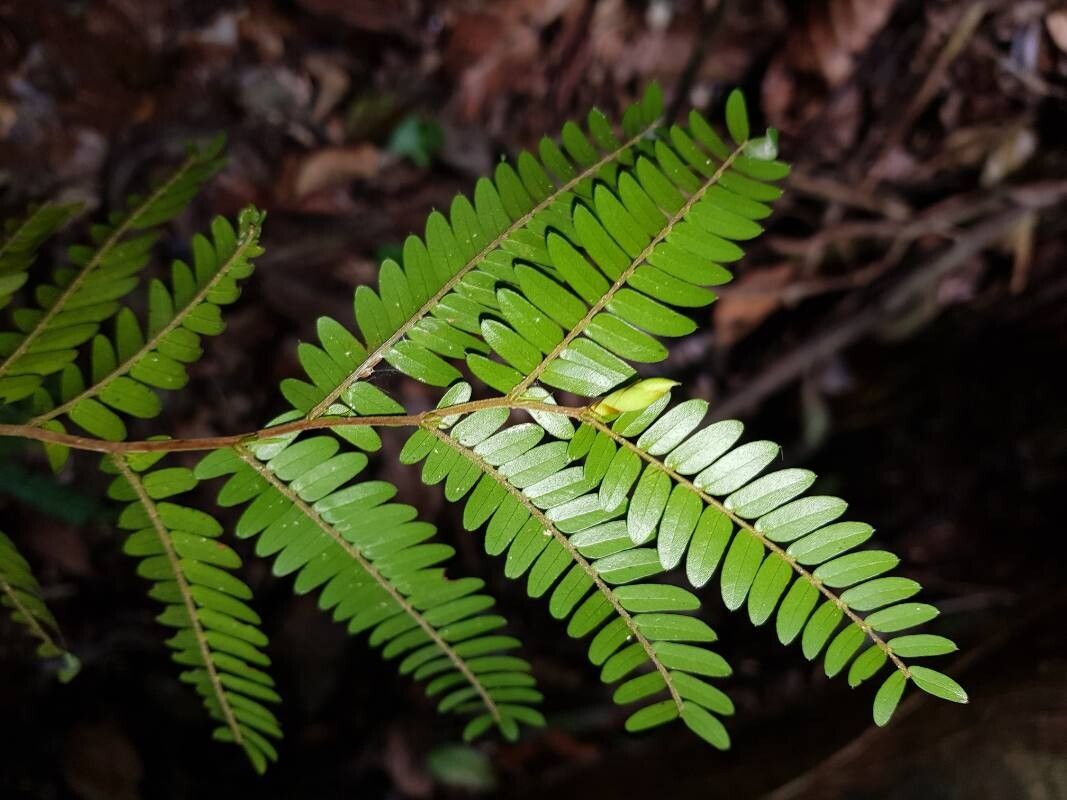
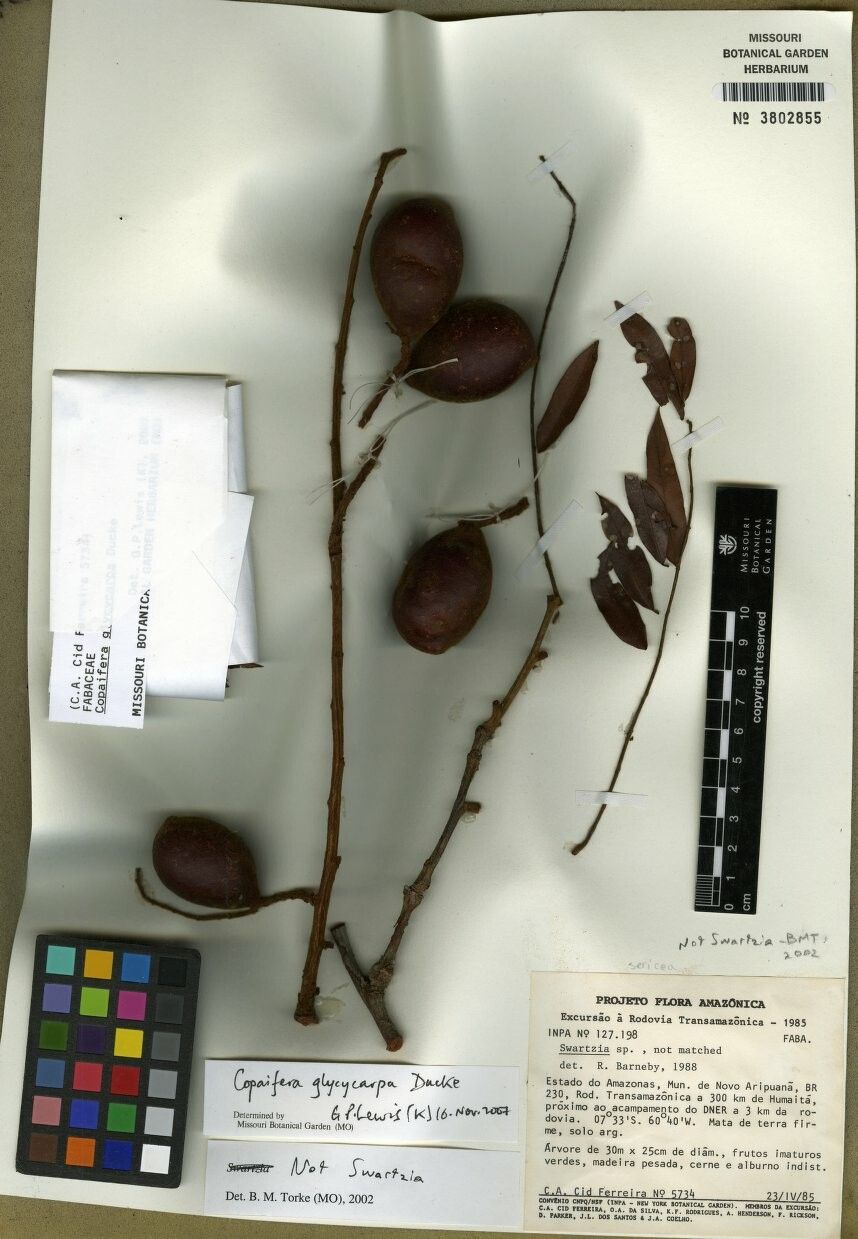
Copaifera langsdorffii, commonly known as the Copaiba tree, is a large evergreen tree native to South America. It can grow up to 30 meters tall and has a straight trunk reaching a diameter of up to 1.5 meters. The bark is grayish-brown and rough, while the leaves are pinnate, comprising 4-8 pairs of leaflets.
The Copaiba tree is renowned for its resinous sap, which has been used for medicinal purposes by indigenous people for centuries. The resin is rich in beta-caryophyllene, a compound with anti-inflammatory properties, making it useful for treating various ailments such as arthritis, bronchitis, and skin conditions.
The wood of the Copaiba tree is also highly valued in Brazil for its durability and resistance to decay. It is commonly used in construction projects, including flooring, furniture making, and boat building.
Copaifera langsdorffii plays an important role in the ecosystem by providing habitat for various species of birds and mammals, including monkeys that feed on its fruit.
Despite its importance as a natural resource in South America, the Copaiba tree faces the threat of overexploitation. Due to its long maturation period of around 30 years, conservation efforts are urgently needed to ensure the species not only survives but thrives for future generations.
Botanical profile.
Other names.