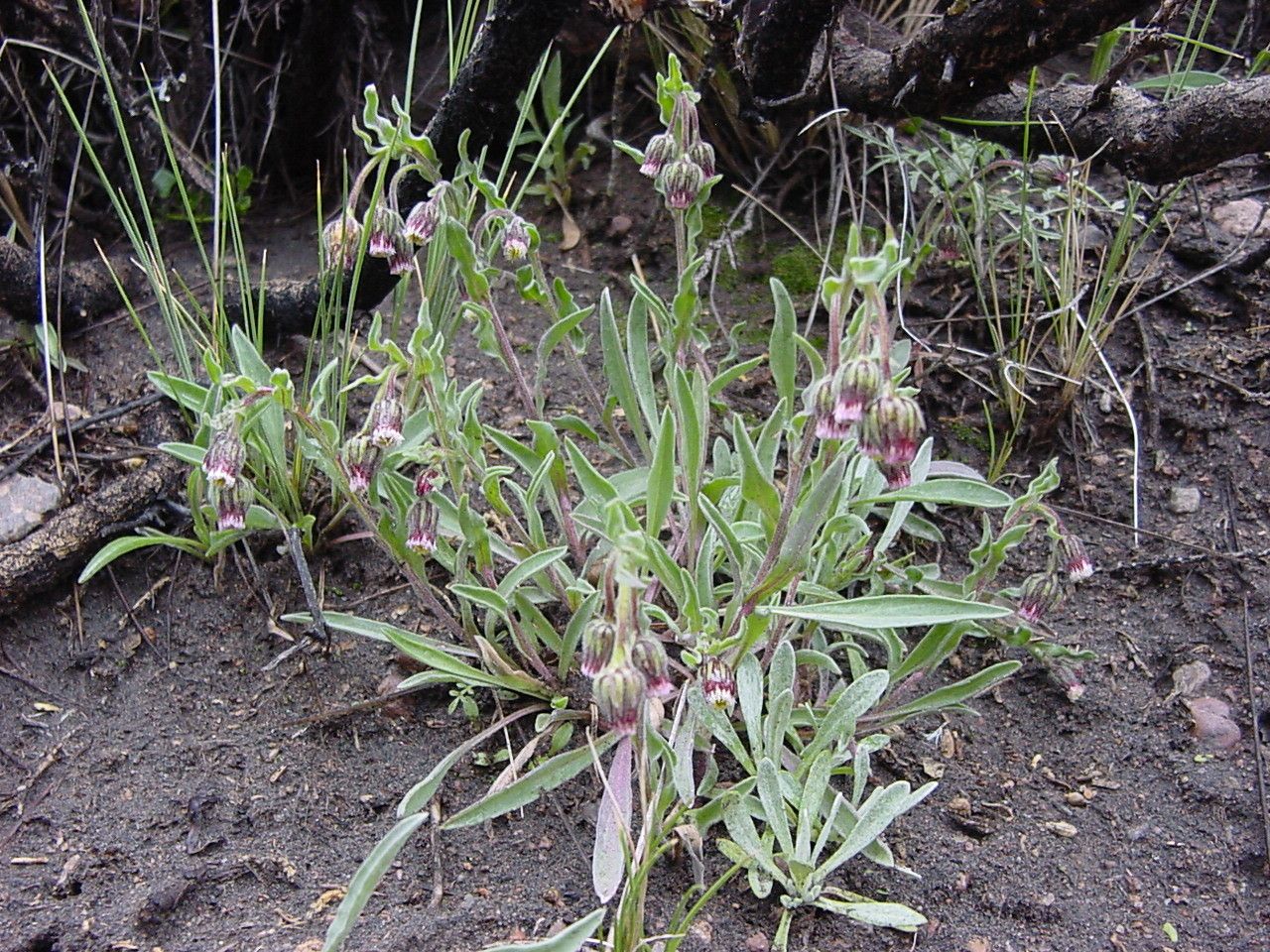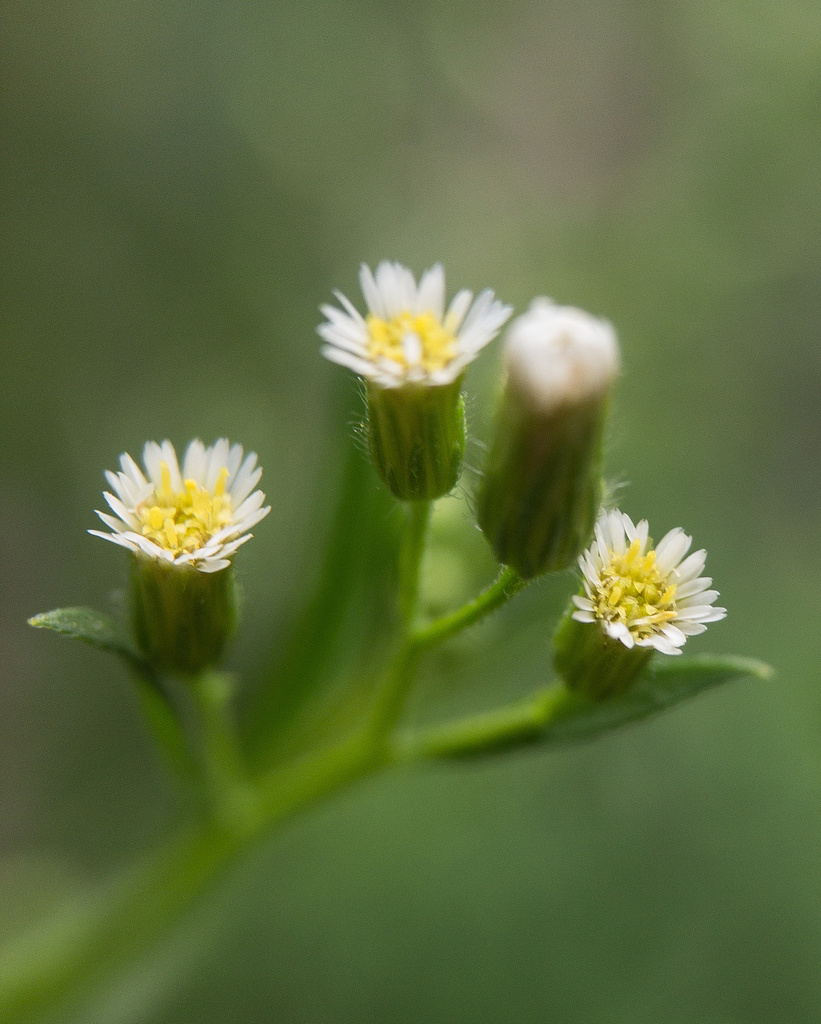
Conyza canadensis, commonly known as Canadian horseweed or mare's tail, is a herbaceous annual plant in the Asteraceae family. Native to North America, it has now spread to other parts of the world. The plant can grow up to 2 meters tall, featuring a slender stem with numerous branches that bear small white or pinkish flowers.
Canadian horseweed thrives in disturbed areas such as roadsides, fields, and waste places. It can grow in a wide range of soil types and tolerate both wet and dry conditions. The plant reproduces via seeds that are dispersed by the wind.
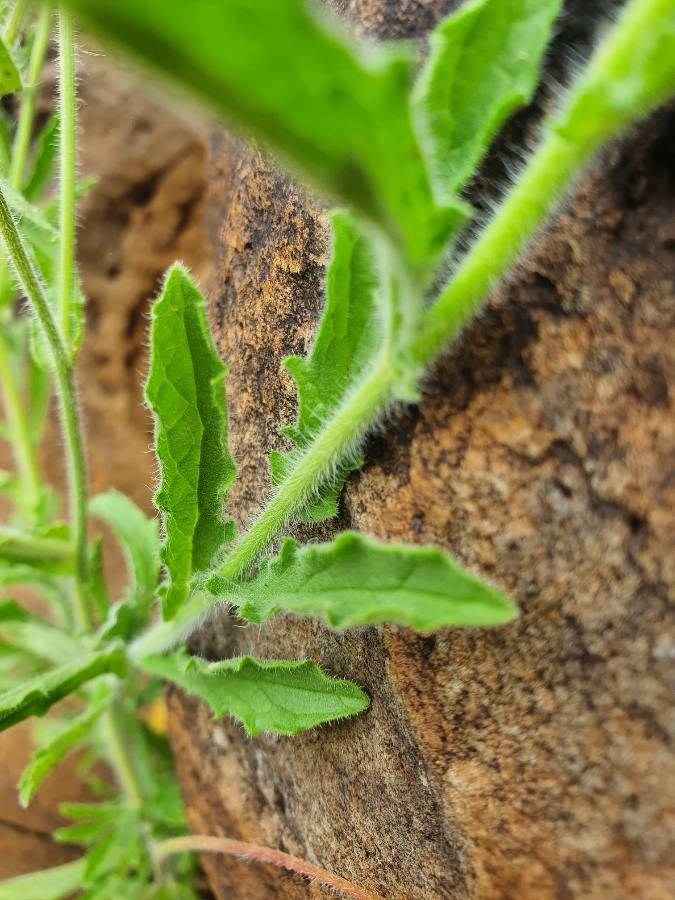
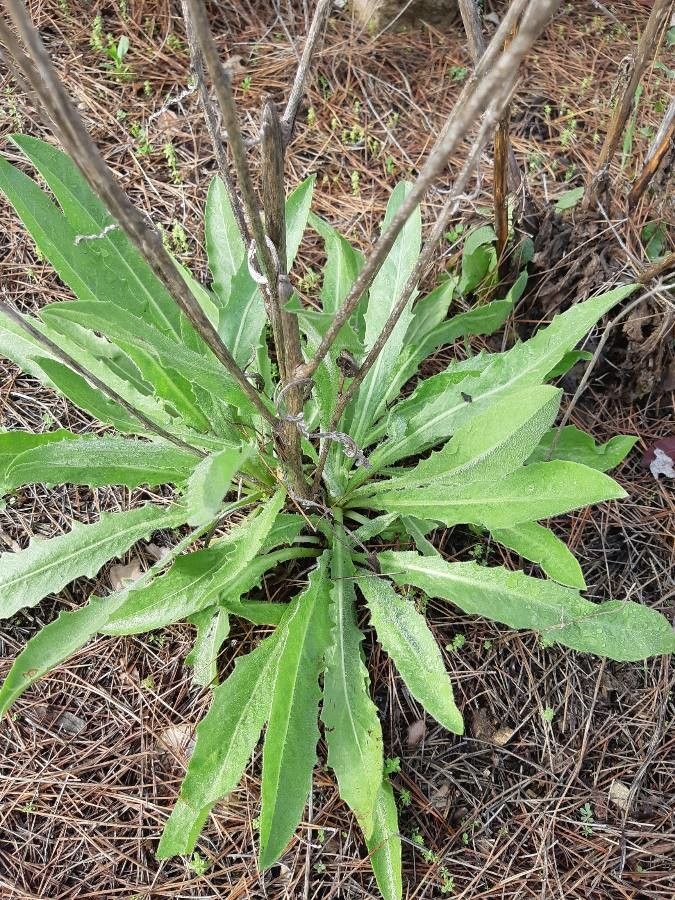
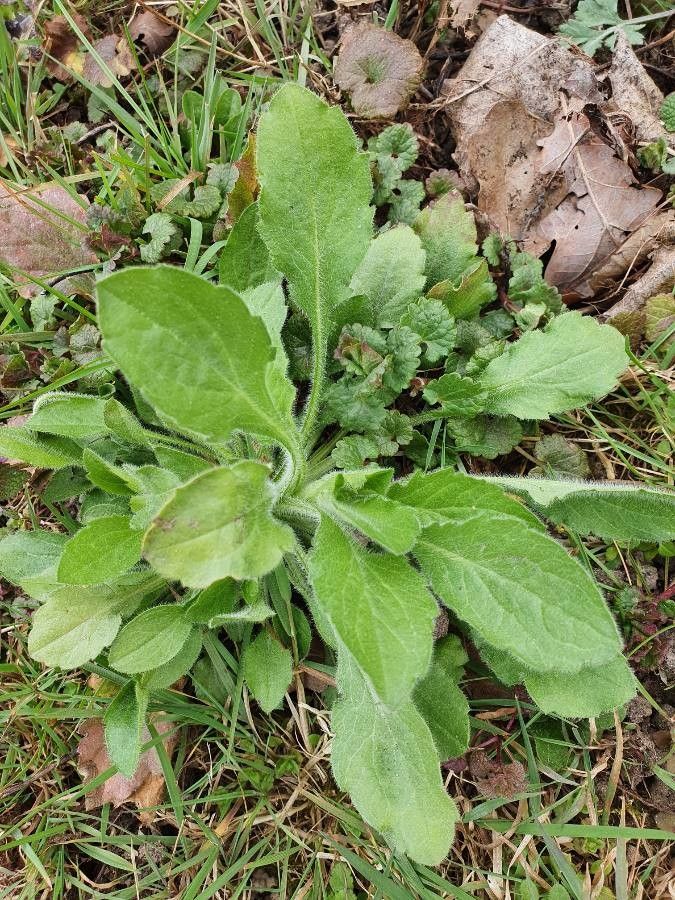
The leaves of Conyza canadensis are alternate, lance-shaped, and have serrated edges covered in fine hairs. When crushed, the leaves emit a distinctive odor often described as pungent or unpleasant.
For centuries, Native Americans have used the plant for medicinal purposes, believing it had anti-inflammatory properties useful for treating respiratory ailments such as asthma and bronchitis.
However, Canadian horseweed is now considered an invasive species in many parts of the world. It competes with native plants for resources like water and nutrients, and its rapid growth rate makes it difficult to control once established.
In summary, Conyza canadensis is an annual herbaceous plant with small white or pinkish flowers that thrives in disturbed areas. It reproduces through seeds dispersed by the wind, has alternate lance-shaped leaves with serrated edges covered in fine hairs, and was historically used by Native Americans for its medicinal properties. However, due to its invasive nature and rapid growth, it outcompetes native plants and is challenging to control once established.
Horseweed is fairly resistant to diseases and generally not prone to them. It can, however, be affected by pests and diseases present in its environment, though such infections are typically mild. Regarding care, this plant needs a moderate level of maintenance. Regular pruning is necessary to preserve a tidy appearance and encourage healthy growth, and applying fertilizer can support flowering. Horseweed is a good choice for anyone with outdoor space, like a garden or patio, and does not demand much prior plant-care experience. It might need extra attention if kept indoors.
How to keep Conyza Canadensis.
Light
Horseweed strongly prefers abundant sunlight to grow well. Its development is greatly aided by the sun's radiant energy. Nevertheless, it is hardy enough to establish in places with moderately reduced light. In its natural range it is frequently found in spots receiving plenty of sun. Extremely low or excessively high light levels can impair its normal growth.
Water
It prefers dry or moist soil and can tolerate drought. It has good resistance to summer drought, although some of the lower leaves may turn yellow and wither away.
Humidity
This plant prefers dry conditions, so don't mist it. However, watering it less often can also thrive in higher humidity.
Temperature
Horseweed is native to regions with mild climates and thrives best at temperatures between 68 and 95 °F (20 and 35 °C). Seasonal temperature adjustments may be required to reproduce these conditions.
Fertilizer
Horseweed responds well to regular, light fertilizer applications to encourage healthy leaf development. You should apply fertilizer roughly once a month during the summer. Nitrogen is vital for the foliage, and adding nitrogen-rich sources supports Horseweed's growth.
Toxicity
These plants contain cardiac glycosides, and they are the most common toxin affecting cardiovascular health. Generally, all parts of the plant are highly toxic and lethal if eaten in small quantities.
Further reading →
The toxicity and danger assessments provided are for reference only. We do not assure their accuracy, so it's crucial not to depend on them. Seek professional advice when necessary for accurate guidance.
Botanical profile.
- Plant Type
- Herb
- Life Cycle
- Annual, Biennial
- Genus
- Conyza
- Family
- Asteraceae
- Hardiness Zone
- 3-10
- Mature Height
- 0.49 m to 1.52 m
- Mature Spread
- 49 cm
- Leaf Color
- Green
- Leaf Type
- Deciduous
- Flower Color
- White
- Flower Size
- 1.02 cm
- Bloom Time
- Early summer, Mid summer
- Planting Time
- Spring, Summer, Autumn, Winter
- Harvest Time
- Mid summer
- Native Area
- Colombia, Bahamas, Belize, Honduras, Mexico, Guatemala, Bolivia, Venezuela, Peru, El Salvador, Nicaragua, Ecuador, Costa Rica, Panama, Jamaica, China