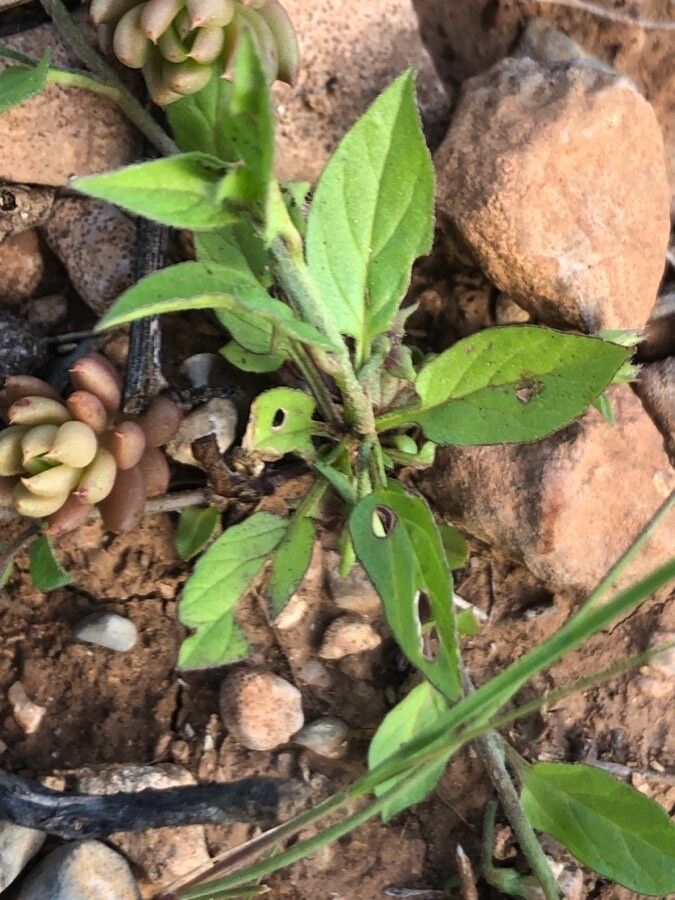
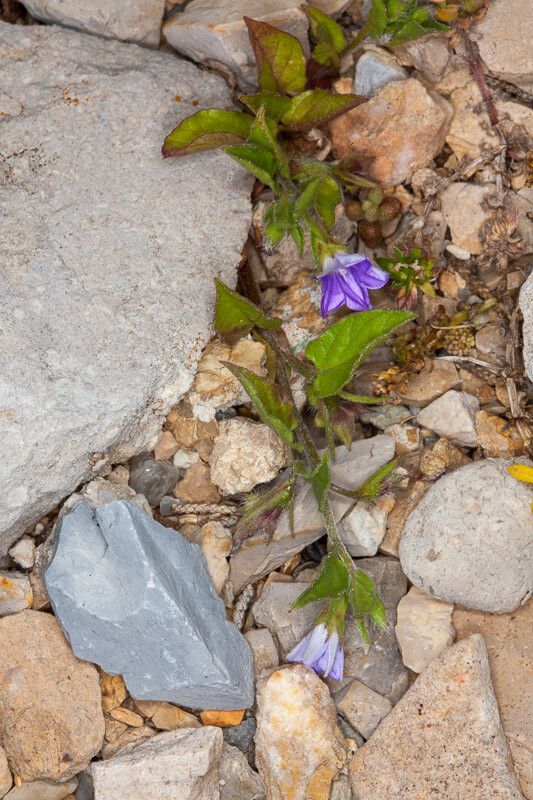
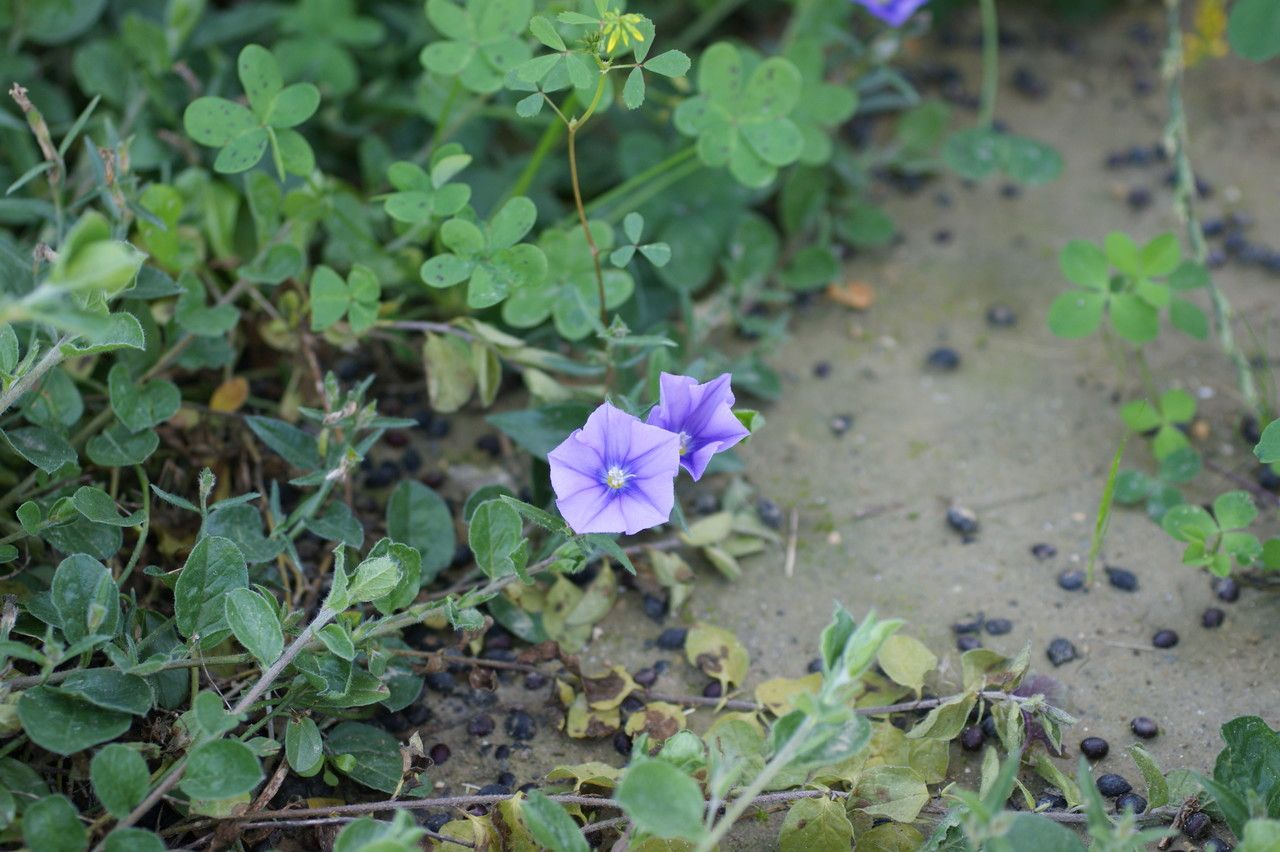
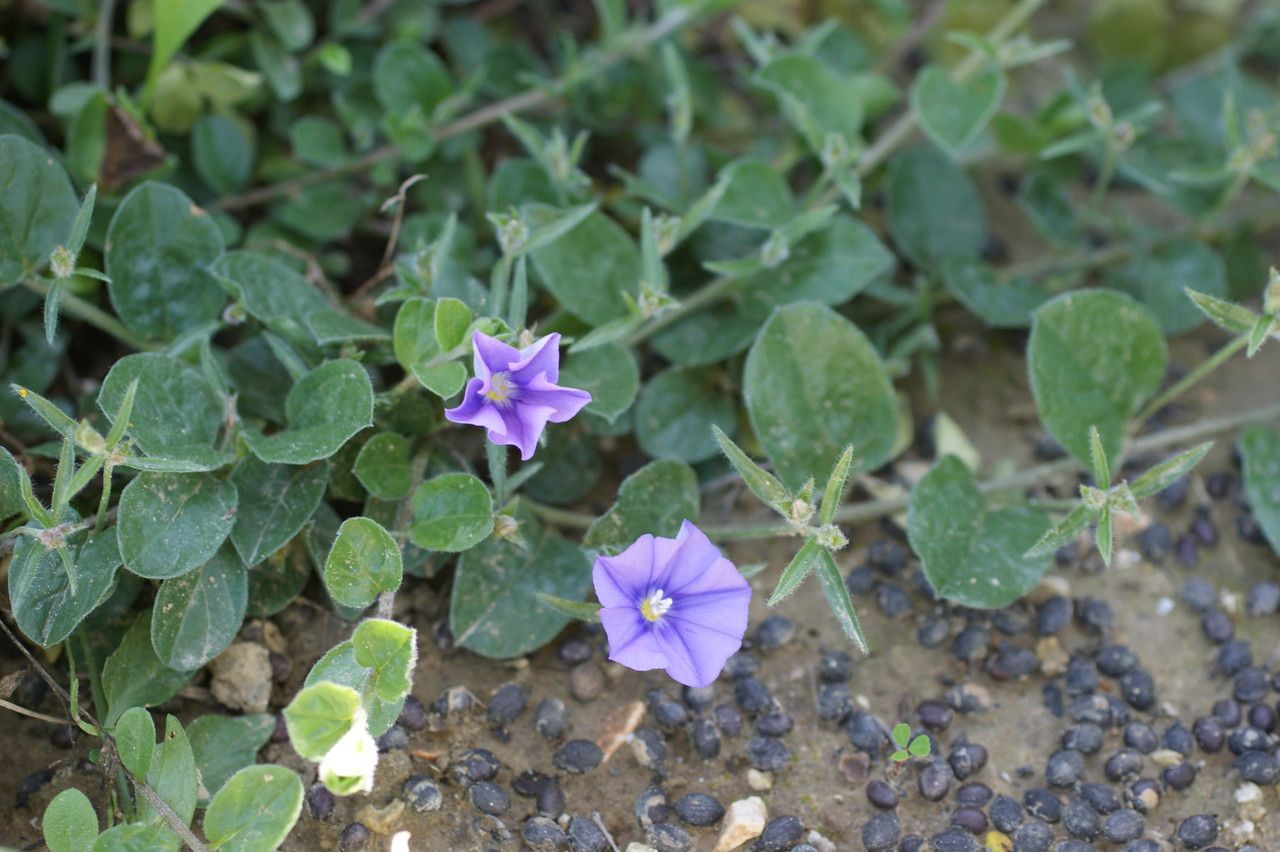
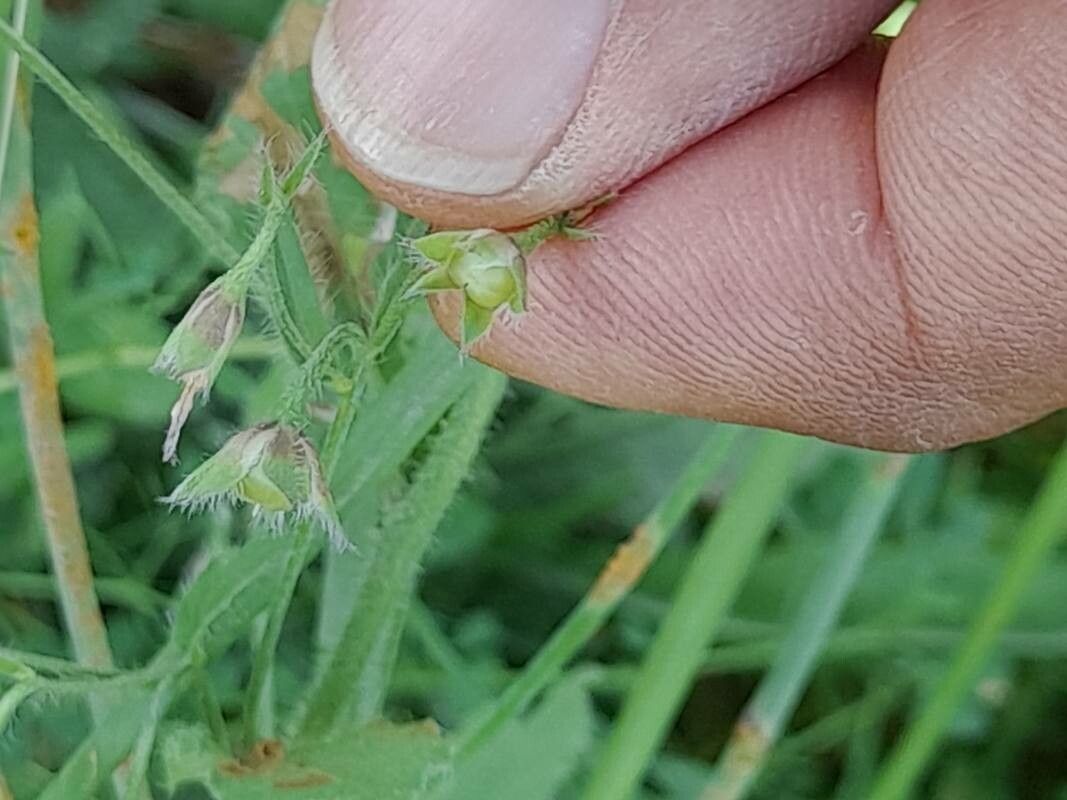
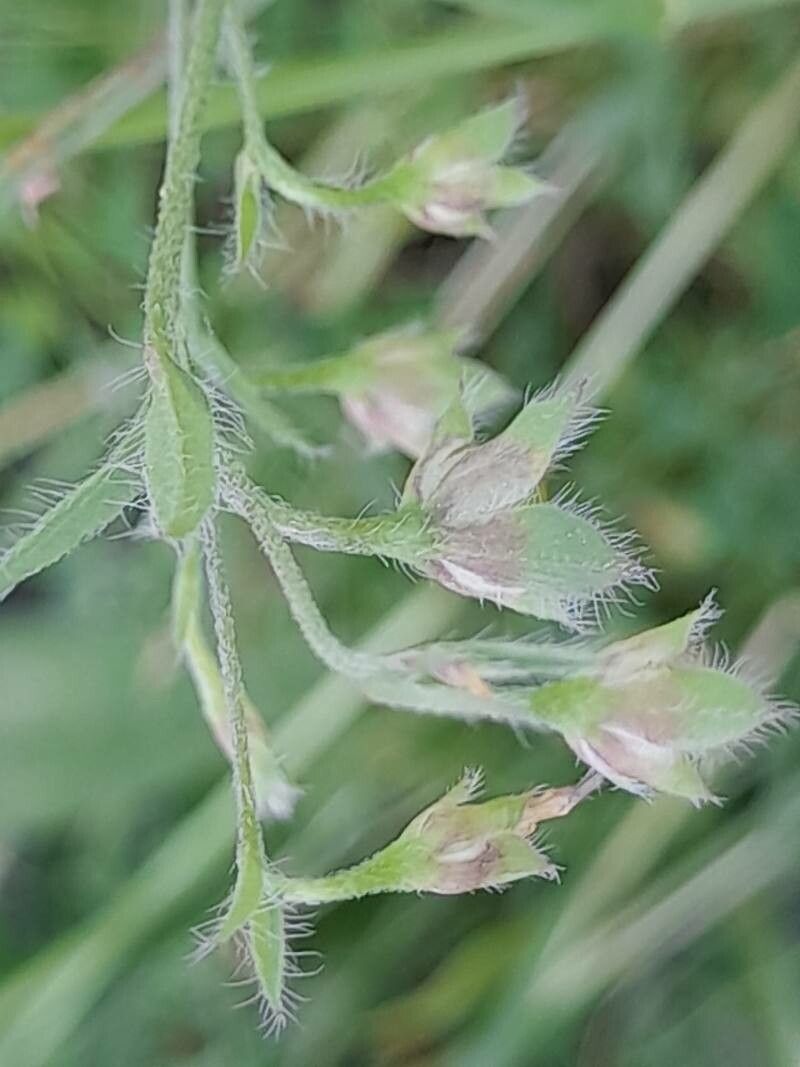
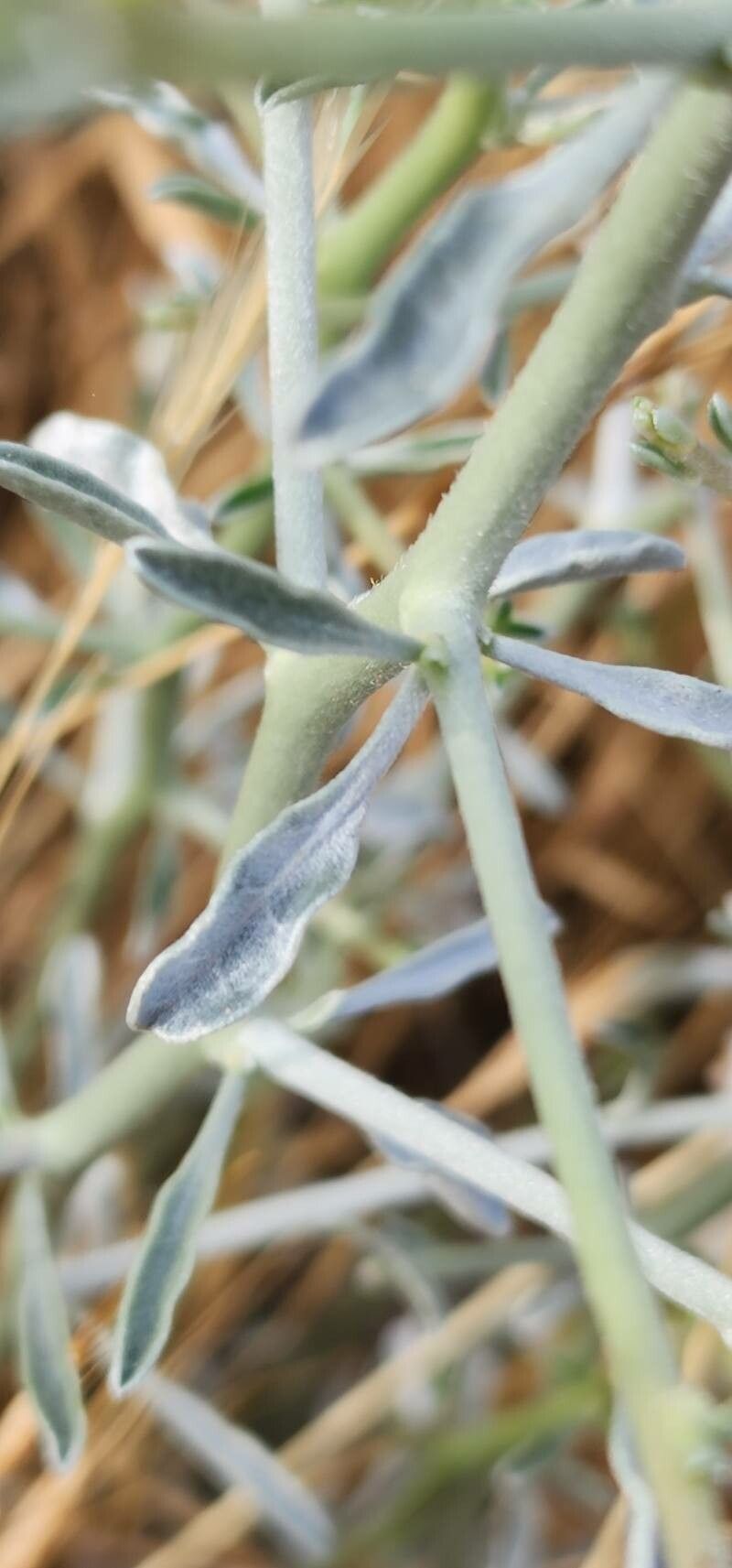
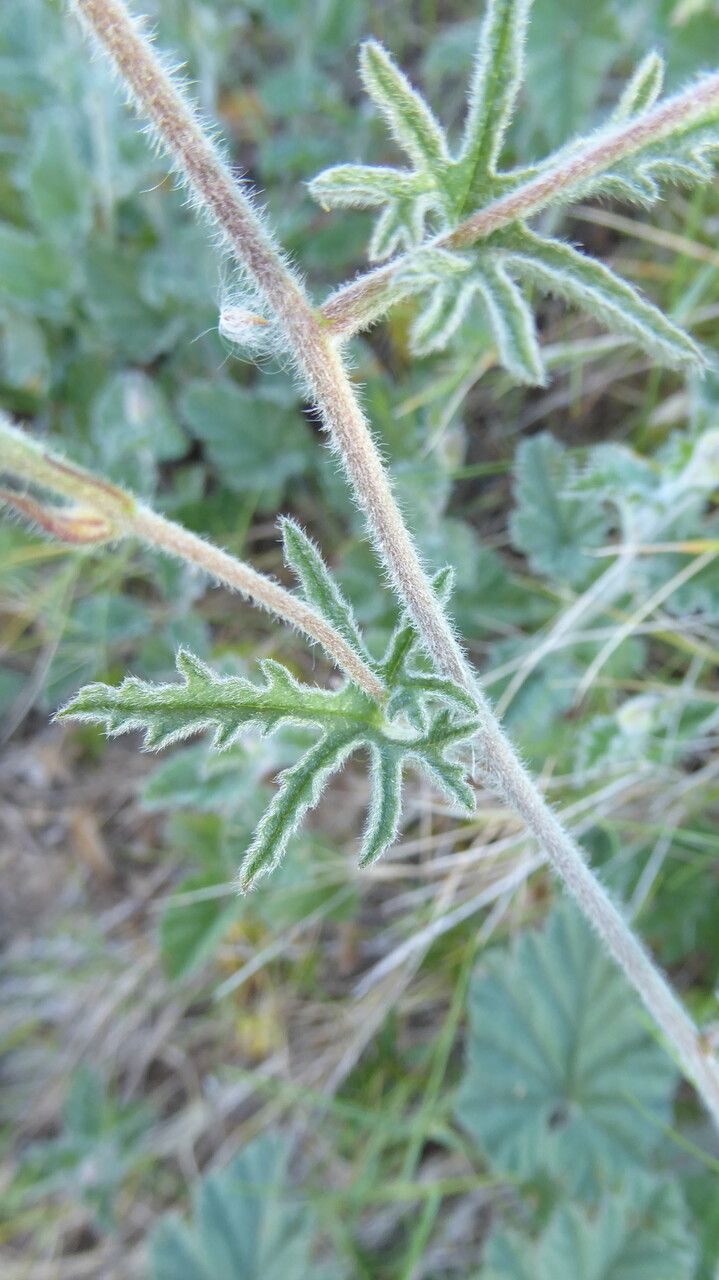
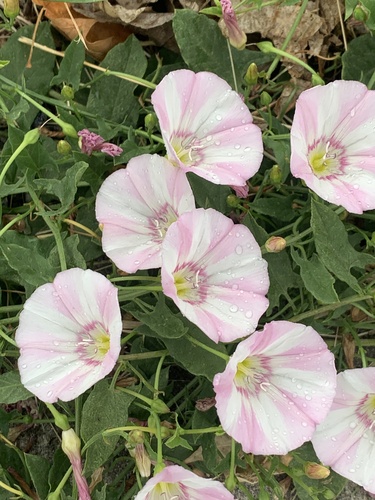
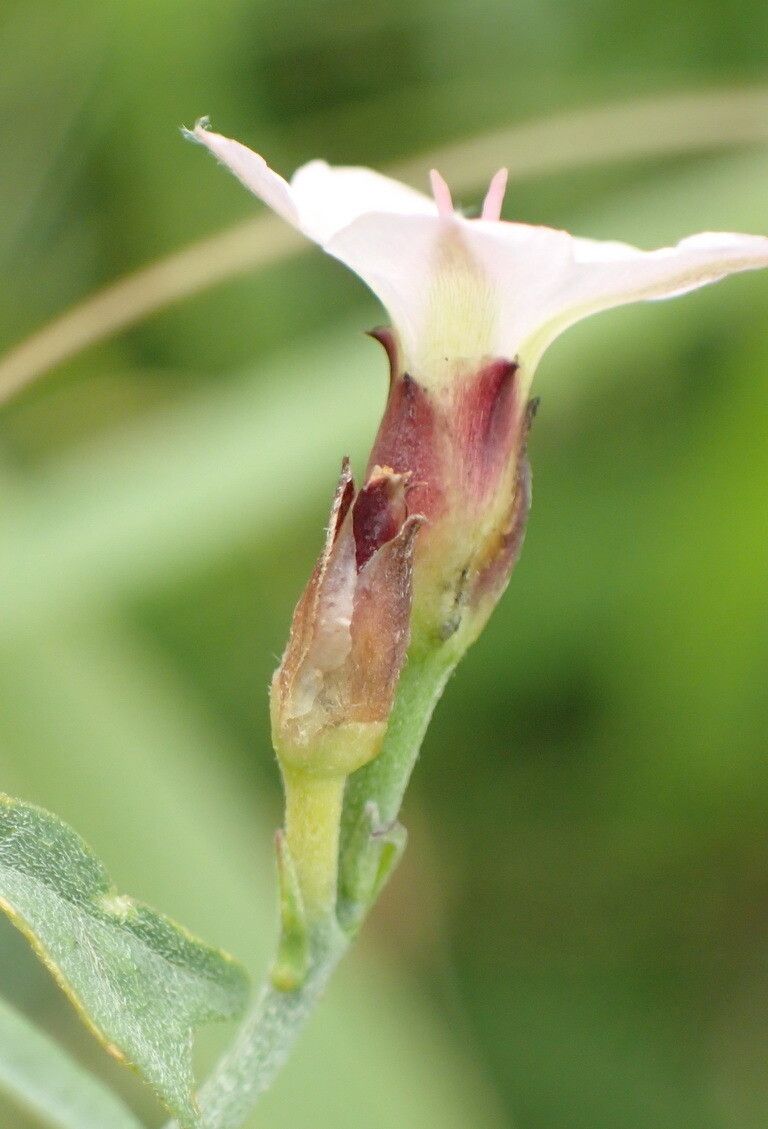
Convolvulus siculus is a species of annual herb in the family Convolvulaceae. They have a self-supporting growth form and simple, broad leaves and dry fruit. Individuals can grow to 39 cm tall.
Blue bindweed is fairly resistant to disease and typically does not suffer from illnesses. Still, it can be affected by pests and diseases present in its environment. Such infections tend to be mild. Regarding care, this plant needs moderate maintenance. Regular pruning is necessary to preserve a neat appearance and support healthy growth. Applying fertilizer can also encourage blooming. Blue bindweed is well suited for people with outdoor areas like a garden or patio and does not demand extensive gardening experience. It may need more attention if kept indoors.
How to keep Convolvulus Siculus.
Light
Blue bindweed comes from bright, open habitats where it does best in full sun. It can tolerate partial sun but favors direct sunlight for optimal growth. This plant, which may be annual or biennial, is known for its sun-loving nature.
Water
Blue bindweed thrives in a Mediterranean climate, where it enjoys a mix of sunshine and occasional rainfall. Once the plant is established, it should be watered twice a week to maintain optimal hydration. Ensuring consistent soil moisture is crucial for flowering, especially during the growing season, but be careful to avoid waterlogging.
Temperature
Blue bindweed originates from habitats with temperatures between 68 and 95°F (20 to 35℃). It performs best in temperate conditions. Season by season, it is necessary to monitor and adjust temperature controls to reproduce its native climate for optimal growth.
Fertilizer
When most of the Blue bindweed flowers have fully opened, you should resume fertilizing. Around the peak flowering period, restart feeding every three to four weeks, depending on weather. Once the Blue bindweed begins producing fewer new flowers, stop fertilizing; there’s no point in fertilizing when the plant can no longer produce additional blooms.
Pruning
The blue bindweed plant is known for its vibrant blue flowers. To maintain its health and appearance, prune the plant from early to late spring. This will help remove dead stems and improve airflow. Make sure to make clean cuts just above the leaf nodes, as this can lead to healthier blooms. Regular pruning not only boosts the plant's vigor but also enhances its overall appearance. For the best results, consult trusted gardening sources for expert advice and techniques.
Botanical profile.
- Plant Type
- Herb
- Life Cycle
- Annual
- Genus
- Convolvulus
- Family
- Convolvulaceae
- Hardiness Zone
- 3
- Mature Height
- 10 cm to 30 cm
- Mature Spread
- 20 cm to 49 cm
- Leaf Color
- Green, Dark Green
- Leaf Type
- Semi-evergreen
- Flower Size
- 1.02 cm to 1.52 cm
- Bloom Time
- Mid spring, Late spring, Early summer
- Planting Time
- Spring, Summer, Autumn
- Harvest Time
- Summer
Other names.