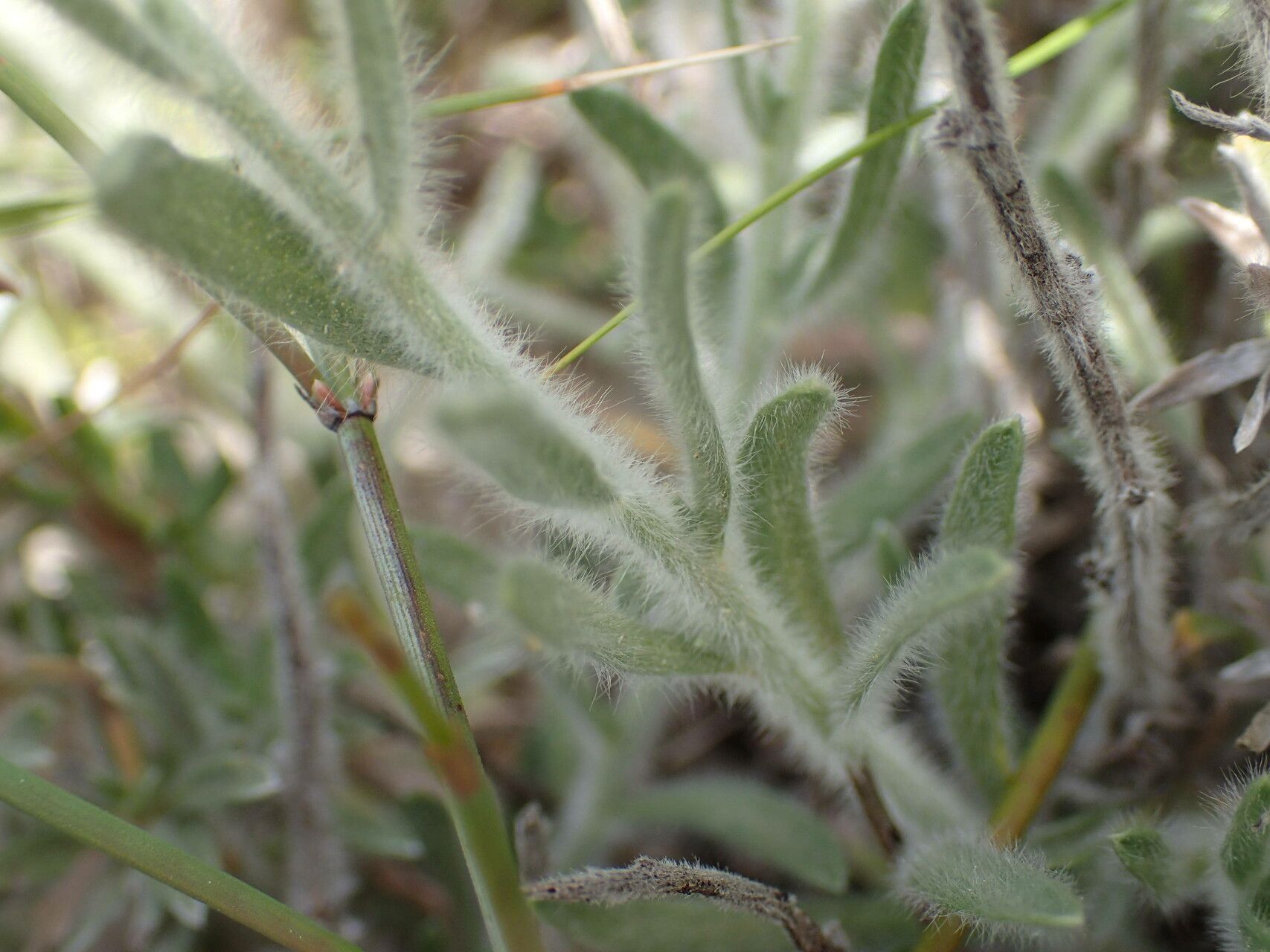
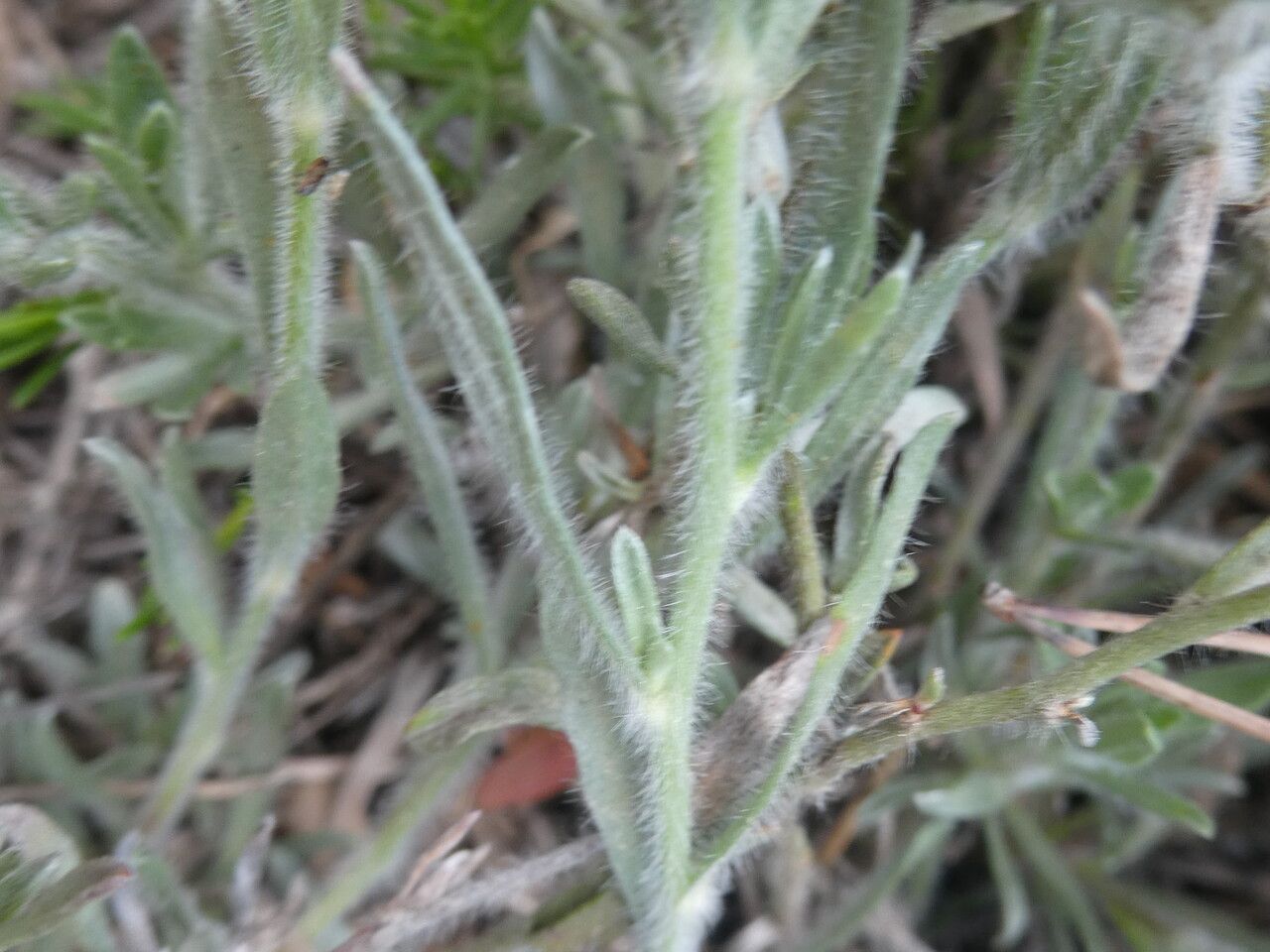
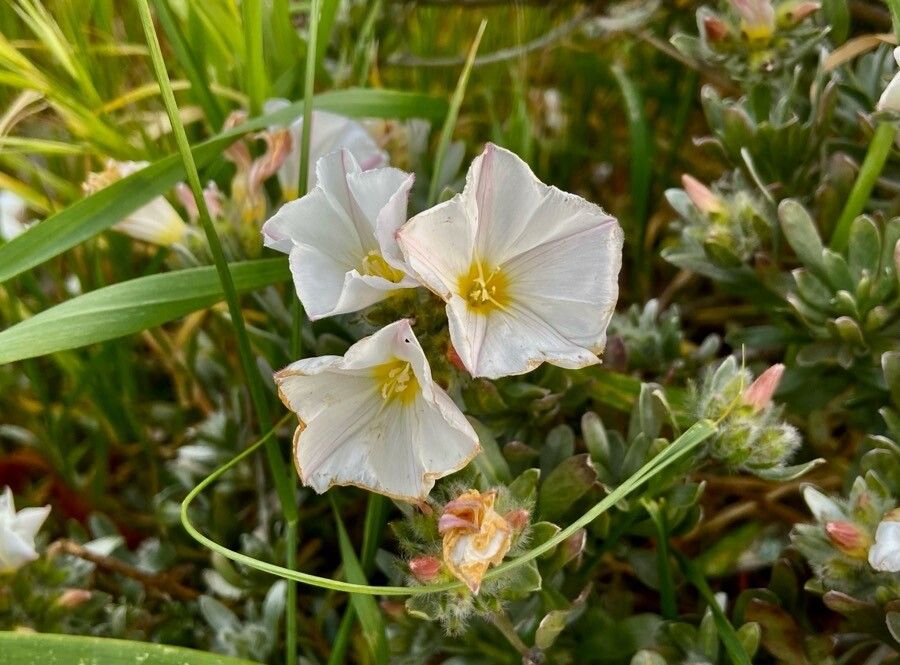
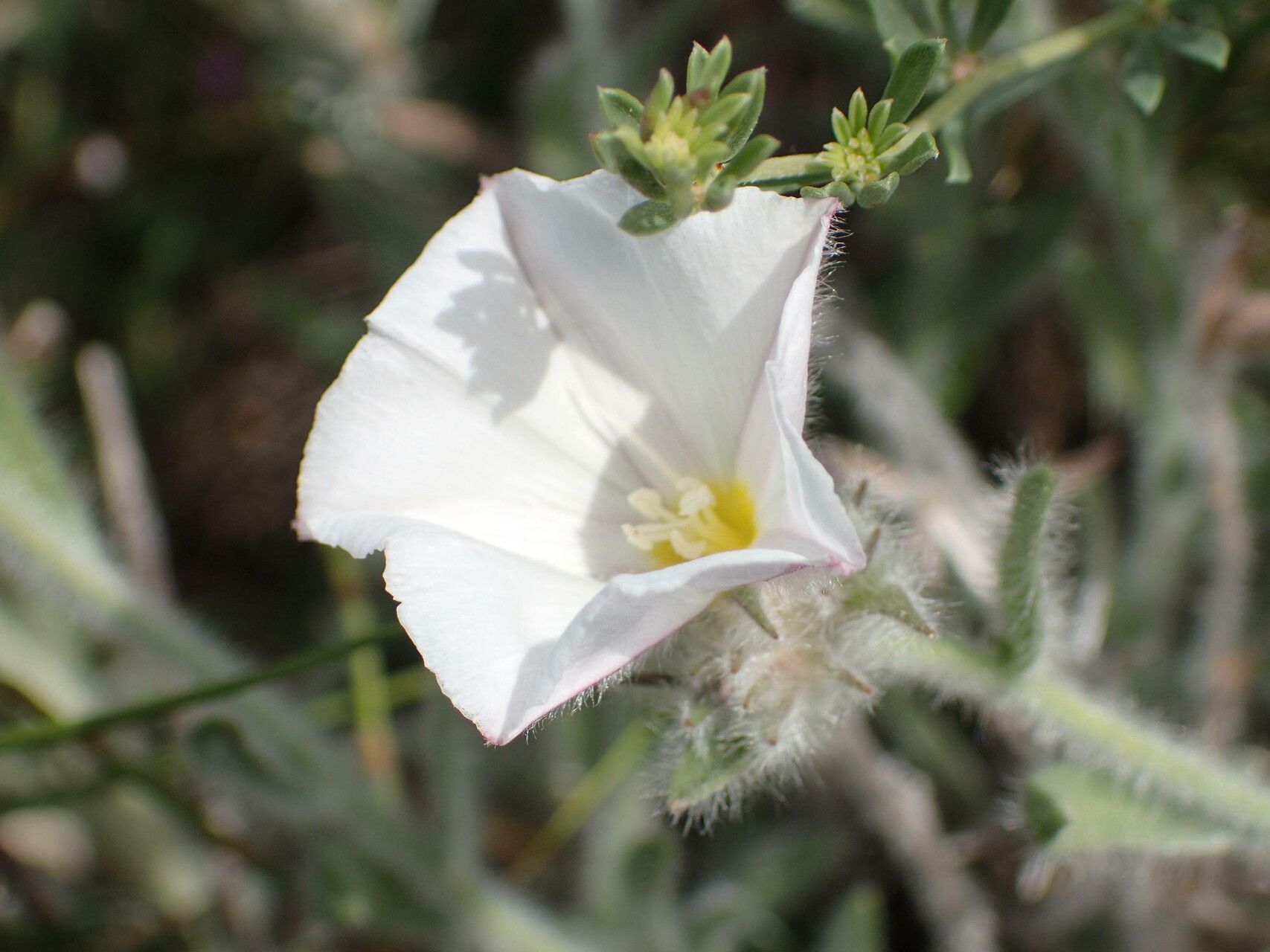
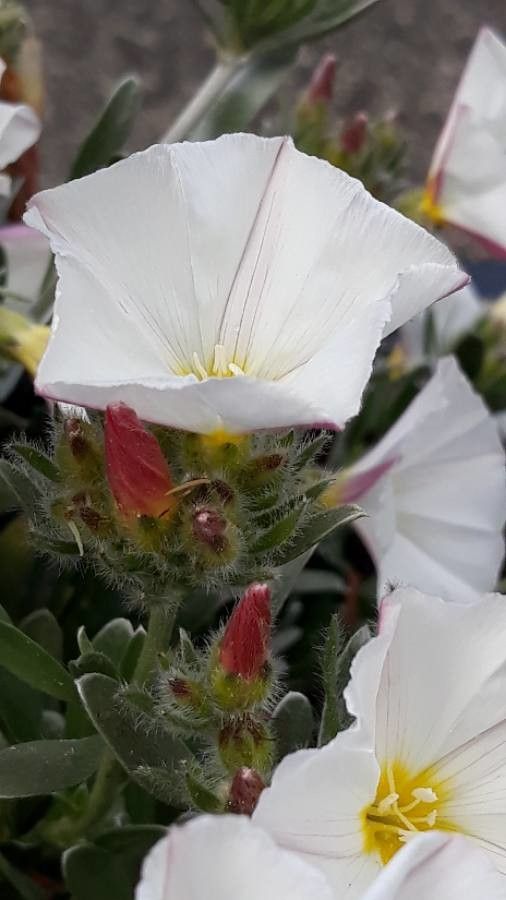
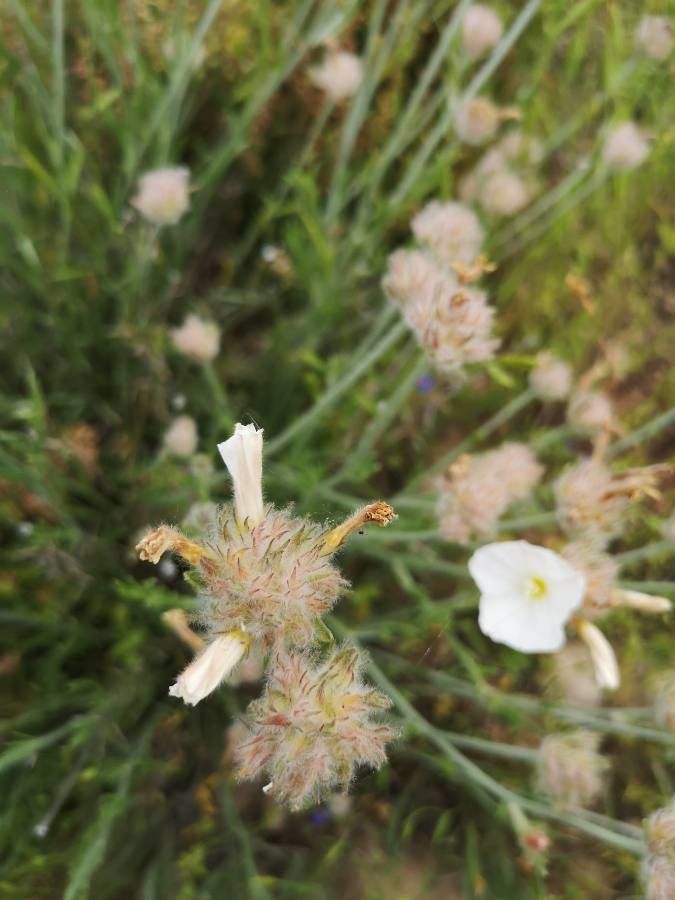
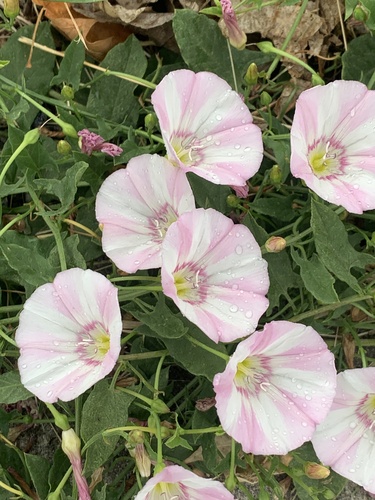
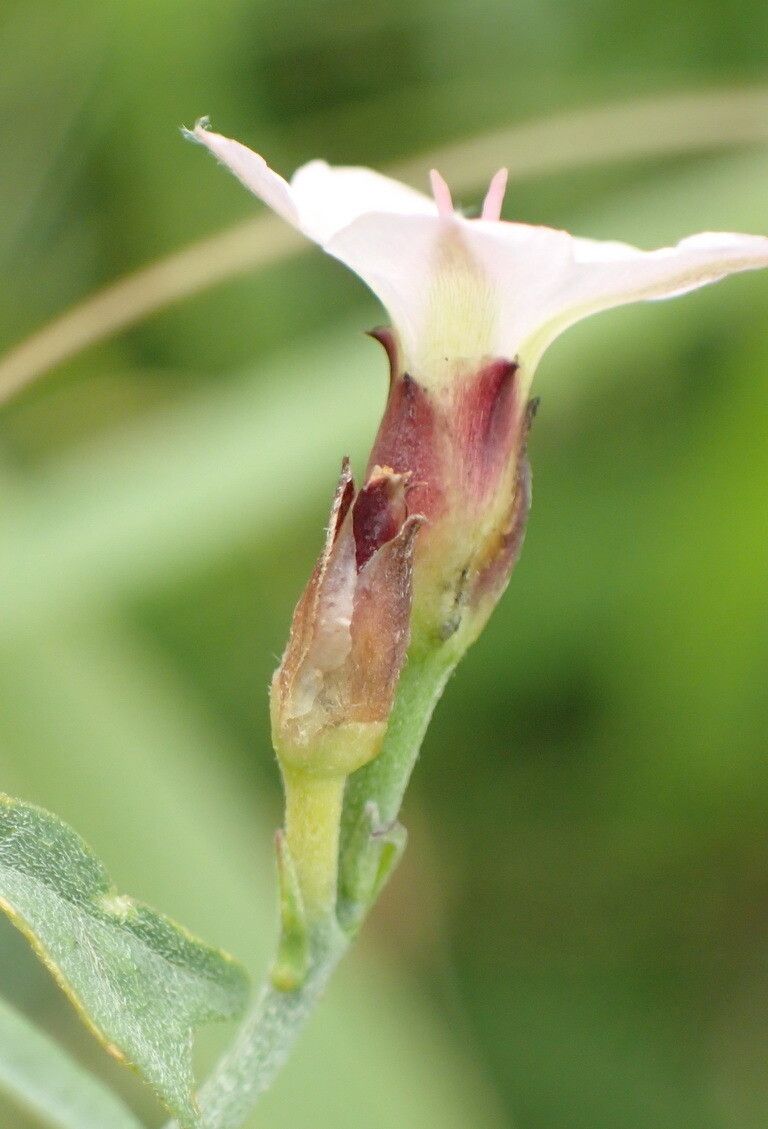
Woolly bindweed has strong resistance to disease and is typically not prone to illnesses. Still, it can be affected by pests and diseases present in its environment. When infections do occur, they are generally mild. As for care, the plant needs a moderate amount of maintenance. It should be pruned regularly to preserve an attractive appearance and ensure healthy growth. Fertilizing can also encourage better flowering. Woolly bindweed is appropriate for anyone who has outdoor space, such as a garden or patio, and it does not require extensive care experience. It can demand more attention if cultivated indoors.
How to keep Convolvulus Lanuginosus.
Light
Woolly bindweed grows most vigorously when it receives abundant sunlight throughout the day, though it can also tolerate circumstances with less light. It originated in well-lit habitats, which has supported its healthy growth. However, too little or too much sun can adversely affect its development.
Water
Woolly bindweed, native to arid regions, is highly drought-tolerant and thrives in dry conditions. It requires minimal watering—ideally just once a week—to prevent the soil from becoming too moist. Thanks to its adaptation to variable rainfall, woolly bindweed can endure periods of low precipitation without disrupting its growth cycles.
Temperature
Woolly bindweed comes from tropical areas, where the climate is generally warm and humid. Therefore it is adapted to high temperatures and humidity. It does not tolerate sudden temperature changes and prefers a consistent thermal environment, so avoiding temperature fluctuations indoors is important. It typically cannot withstand cold and needs higher temperatures to grow. If the surrounding temperature falls too low, the plant may stop growing or even die.
Fertilizer
Proper fertilization is essential for Woolly bindweed's health and appearance. Fertilize Woolly bindweed in the summer, repeating the treatment every month throughout the season. Nutrients supply energy for growth and help maintain the plant's parts. Fertilization improves Woolly bindweed's flowering, ensuring the best blooms.
Pruning
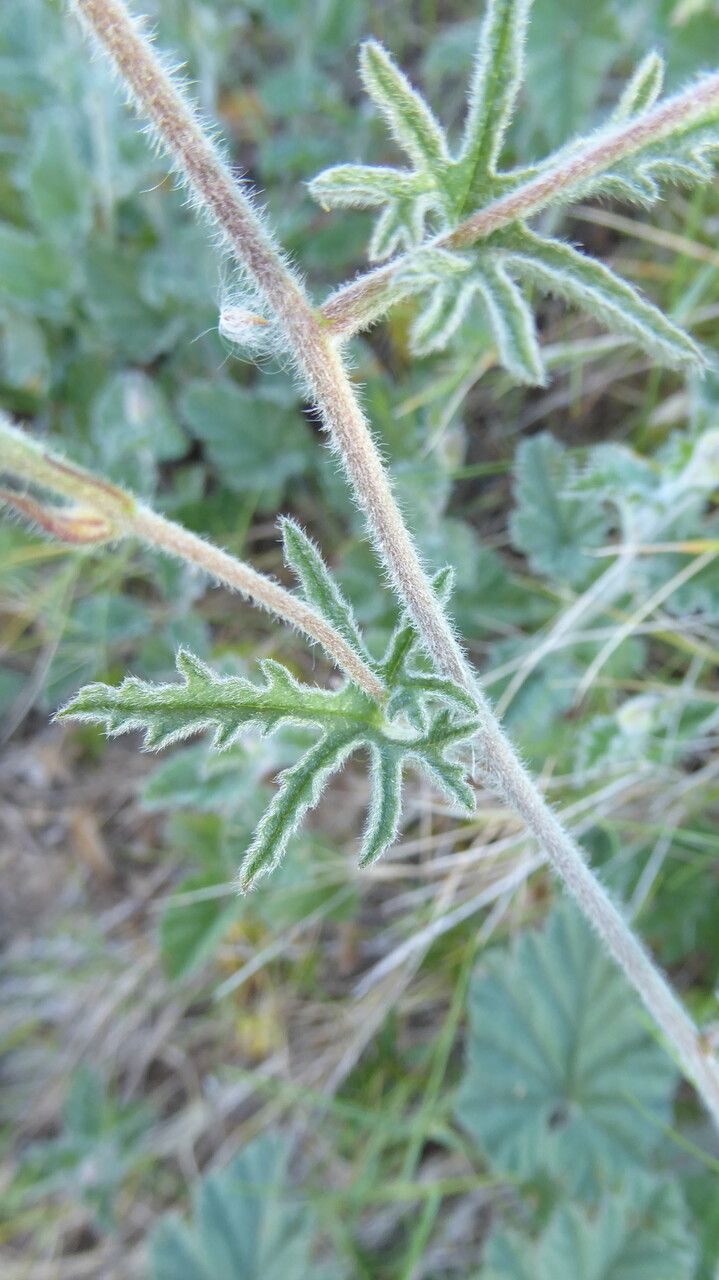
Woolly bindweed, known for its fuzzy leaves and twisting stems, benefits from pruning between early and late spring. Use clean tools to cut away any damaged stems. This practice enhances growth and flowering, improves air circulation, maintains the plant's shape, boosts its overall health, and prevents disease, all while enhancing its appearance.
Botanical profile.
- Plant Type
- Herb, Shrub
- Life Cycle
- Perennial
- Genus
- Convolvulus
- Family
- Convolvulaceae
- Hardiness Zone
- 7-10
- Mature Height
- 10 cm to 30 cm
- Mature Spread
- 30 cm to 61 cm
- Leaf Color
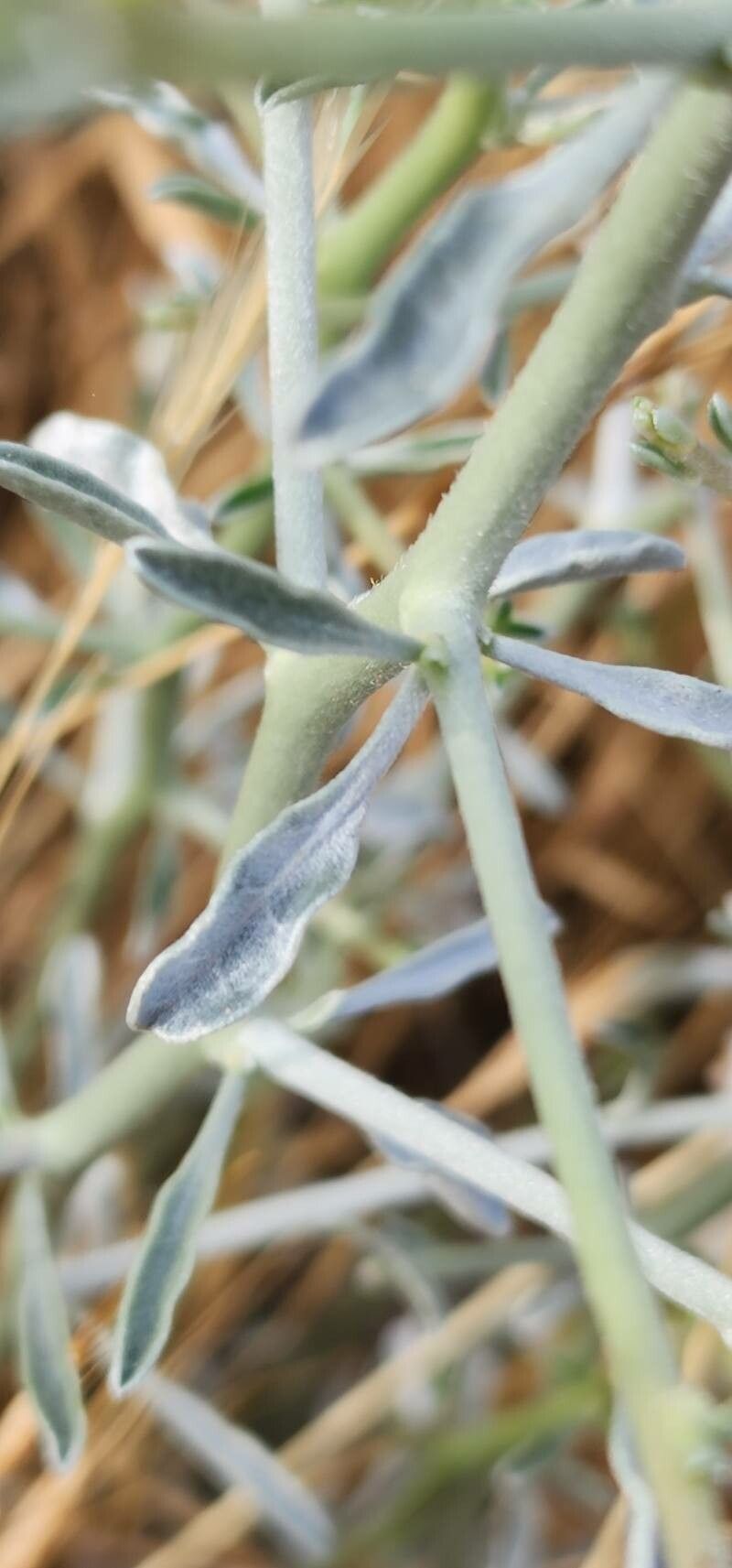
- Silver, Gray
- Leaf Type
- Semi-evergreen
- Flower Color
- White
- Flower Size
- 1.02 cm to 2.03 cm
- Bloom Time
- Late spring, Early summer, Mid summer
- Planting Time
- Spring, Summer
- Harvest Time
- Late summer, Early fall
- Native Area
- Spain, France
Reader questions.
How can I water my Woolly bindweed properly?
When watering the Woolly bindweed, it is important to use filtered water at room temperature. Tap water may contain harmful particles that can negatively affect the health of the plant. The water should be at room temperature or slightly warmer because the Woolly bindweed thrives in warm environments and cold water can be a shock to its system. Instead of overhead watering, it is best to apply filtered room temperature water directly to the soil. This ensures that the soil is completely soaked, which benefits the plant by keeping the roots moist and aiding in the spread and collection of necessary nutrients.
What are the sunlight requirements for Woolly Bindweed?
Woolly bindweed, or Convolvulus lanuginosus, requires full sun, defined as more than 6 hours of sunlight daily, for optimal growth. It can also tolerate partial sun, which entails about 3-6 hours of sunlight. This plant has adapted to thrive in environments with ample illumination, benefiting its healthy development. However, it's important to observe the movement of sunlight through your garden to find spots that offer a good balance of light and shade, ensuring the plant's well-being. Insufficient or excessive sunlight could negatively impact its growth.
What is Woolly Bindweed?
Woolly Bindweed, known botanically as Convolvulus lanuginosus, does not have specified details regarding its essentials or symptoms as part of the provided information. This indicates that there might be a need for more research or data to fully describe its characteristics and any related symptoms.
What should I do if I give my Woolly bindweed too much or too little water?
Overwatering is a more common issue than underwatering for Woolly bindweed, and it can cause wilting, yellowing, and diseases like root rot, mold, and mildew that can be fatal to the plant. Underwatering is less likely to occur, but when it does, the leaves may become brittle and brown. It is important to recognize the signs of overwatering early and reduce watering immediately to prevent irreversible damage. If the soil drains poorly, it should be replaced with a well-draining potting mix. If signs of underwatering are present, watering more regularly will help resolve them.
How do indoor plants benefit from artificial lighting?
Indoor plants, including woolly bindweed, require adequate lighting to grow optimally. When natural sunlight is insufficient, especially in winter or less sunny spaces, artificial lighting provides a necessary alternative. LED lights are a popular choice for indoor plant lighting due to their ability to offer specific wavelengths needed by plants. Full sun plants need 30-50W per square foot, partial sun plants require 20-30W per square foot, and full shade plants need 10-20W per square foot. The light source should be placed 12-36 inches above the plant, mimicking natural sunlight, and plants typically need 8-12 hours of light per day.
How frequently do I need to water my Woolly bindweed?
If you have a potted Woolly bindweed plant, the best way to check if it needs water is by sticking your finger in the soil. If the top two to three inches of soil are dry, it's time to water it. For outdoor plants, you can use the same method to test the soil. When the top few inches of soil are dry, it's time to add water. Generally, you'll need to water the plant once a week during spring and early fall. However, during hot weather, you may need to water it twice or more per week. It's worth noting that mature, well-established Woolly bindweed plants can tolerate drought well.
What are the symptoms of inadequate lighting for Woolly Bindweed?
When woolly bindweed does not receive enough light, several symptoms may manifest. These include smaller new leaves, leggy or sparse growth, faster leaf drop, and a halt in new growth indicating the plant has entered survival mode. Leaves may also develop lighter colors or show irregular patterns, suggesting a lack of chlorophyll. Overexposure to sunlight can lead to chlorosis, sunscald, leaf curling or twisting, wilting, and leaf scorching, all of which affect the plant's ability to photosynthesize and maintain overall health.
How much water does my Woolly bindweed require?
To properly water your Woolly bindweed, make sure to give it a good amount of water. Check if the top two to three inches of soil are dry before watering. It's best to thoroughly soak the soil, adding enough water until it starts to flow out of the drainage holes at the bottom of the pot. If you don't see excess water draining, you may have not watered enough, but be careful not to let water accumulate in the soil. On the other hand, if water doesn't drain at all, it might signify poorly draining soil, which is not good for the plant. If it's planted outdoors, about 1 inch of rainfall each week should be sufficient.
How can you improve the lighting situation for Woolly Bindweed indoors and outdoors?
To optimize growth for woolly bindweed in low-light conditions, gradually move the plant to sunnier locations, aiming for a minimum of 6 hours of direct sunlight daily. For indoor plants, consider using artificial light such as desk lamps or professional grow lights for at least 8 hours daily. For outdoor plants, avoid sudden changes in light intensity to prevent sunburn. Removing obstacles that block sunlight, such as pruning branches of nearby trees, can also help increase sun exposure. When transplanting smaller plants for better light access, do so during their dormant period with minimal disturbance to their roots.
How do I water my Woolly bindweed as it grows?
Depending on its growth stages, the water needs of the Woolly bindweed can vary. In the first few years of its life or after transplanting, it requires more water because it focuses on developing new roots. These young roots need extra moisture to support future growth. However, as the plant matures over a few seasons, it requires less water. Another stage that may require more water is during blooming, as flower development requires a significant amount of moisture.
How do I water my Woolly bindweed during different seasons?
The water needs of the Woolly bindweed are highest during the hottest months, like summer. Depending on how quickly the soil dries out, you may need to water this plant more than once a week. However, during winter, the plant enters a dormant phase and requires significantly less water. It's even possible that you won't need to water it at all during winter. If you do choose to water, it's recommended to do so only about once a month. Over-watering during this time increases the chances of the Woolly bindweed getting sick.
What's the difference between watering my Woolly bindweed inside and outside?
When growing Woolly bindweed indoors, it is important to consider that container soil can dry out faster than ground soil. Additionally, factors like air conditioning units can cause the plant to require more frequent watering compared to if it were planted outside. In outdoor conditions with regular rainfall, watering may not be necessary. However, for indoor gardeners, it will be necessary to water the plant more often since rainwater cannot be relied upon to saturate the soil.