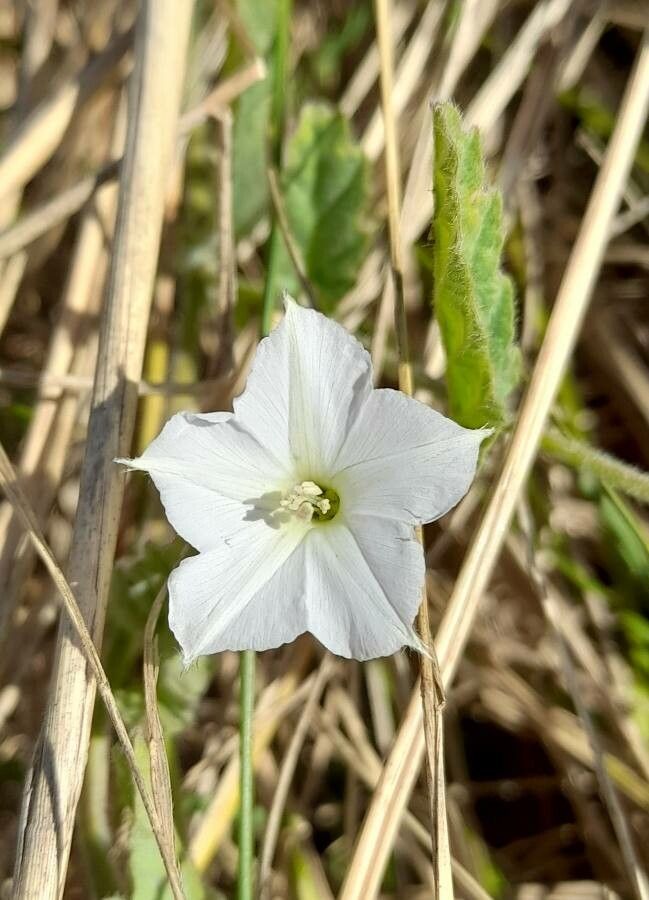
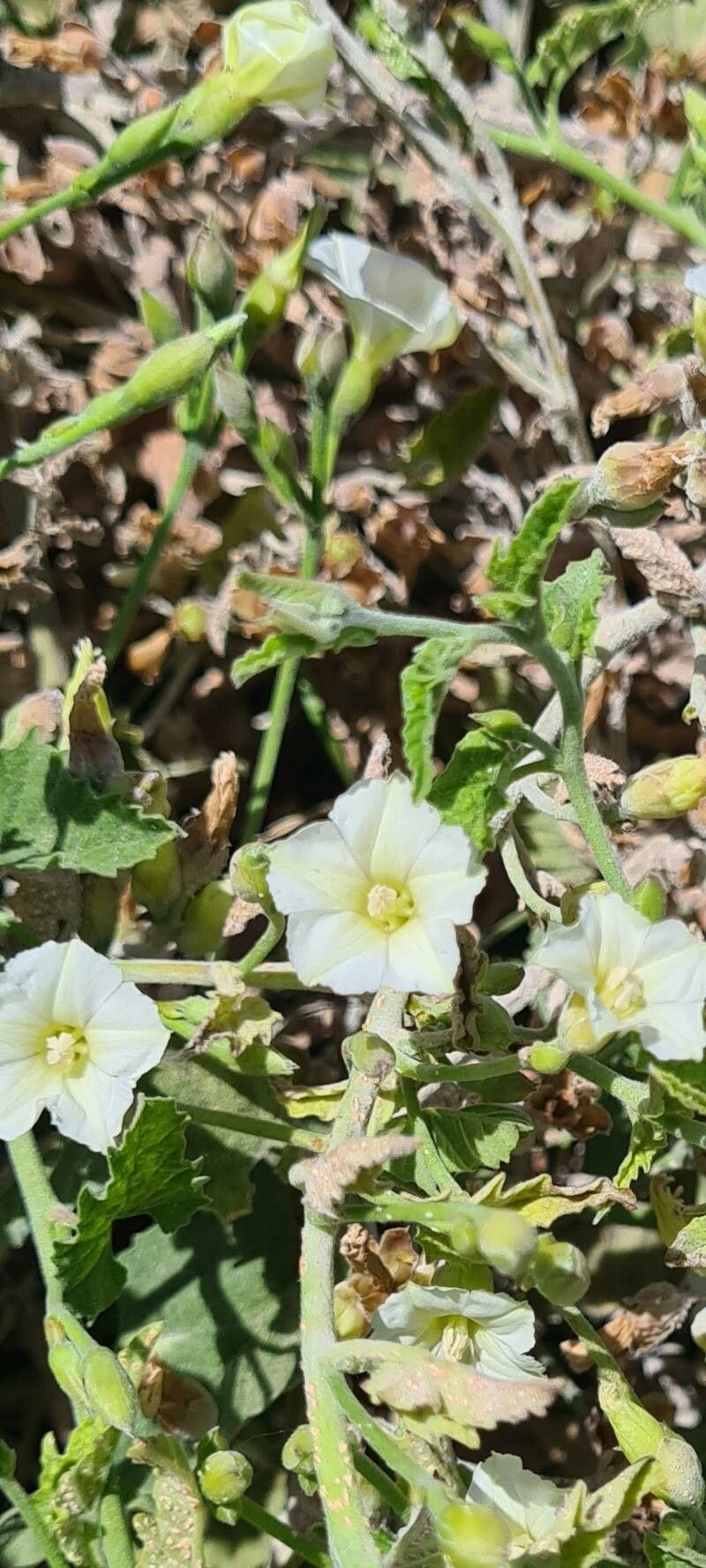
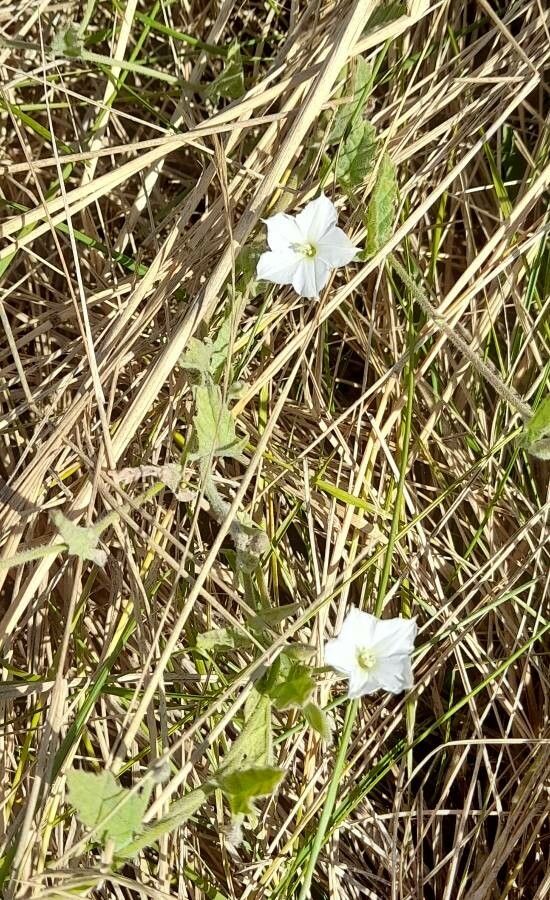
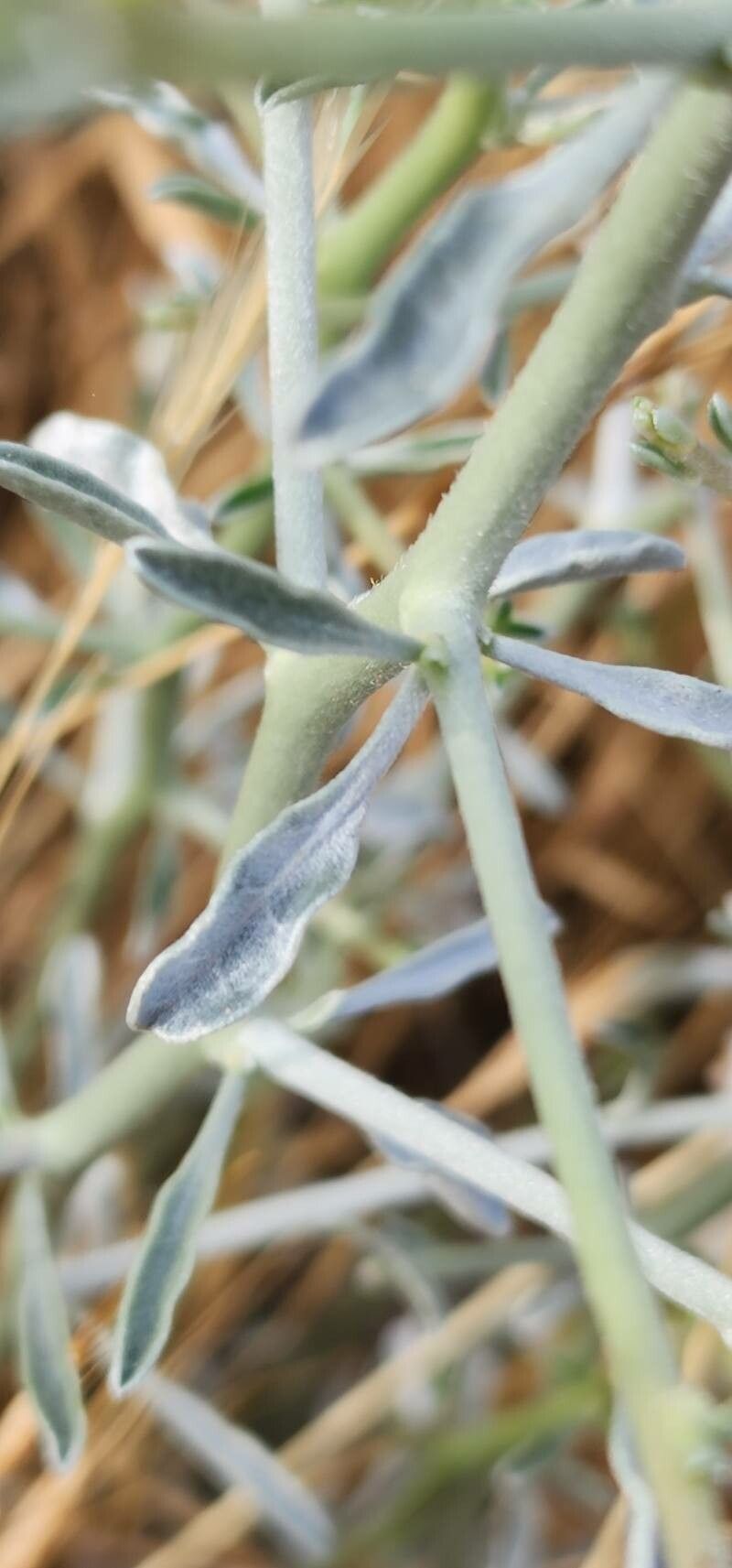
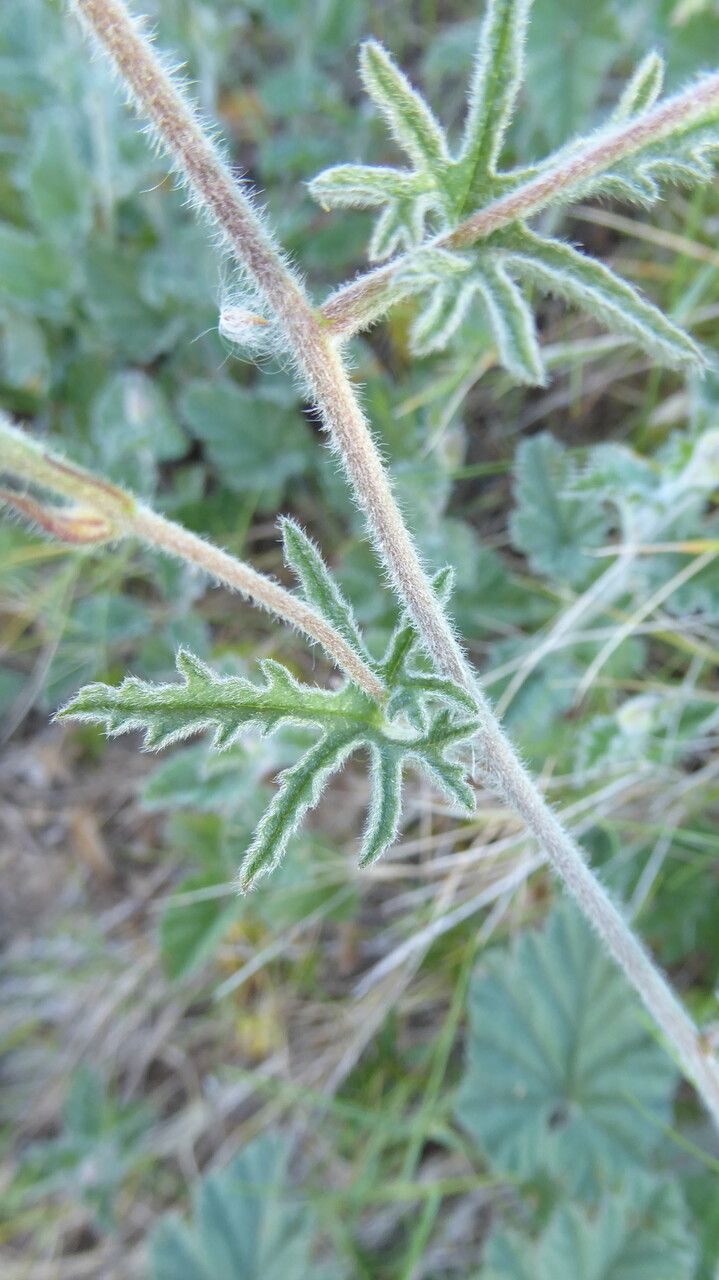
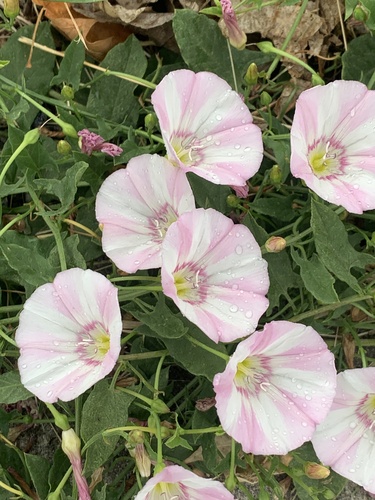
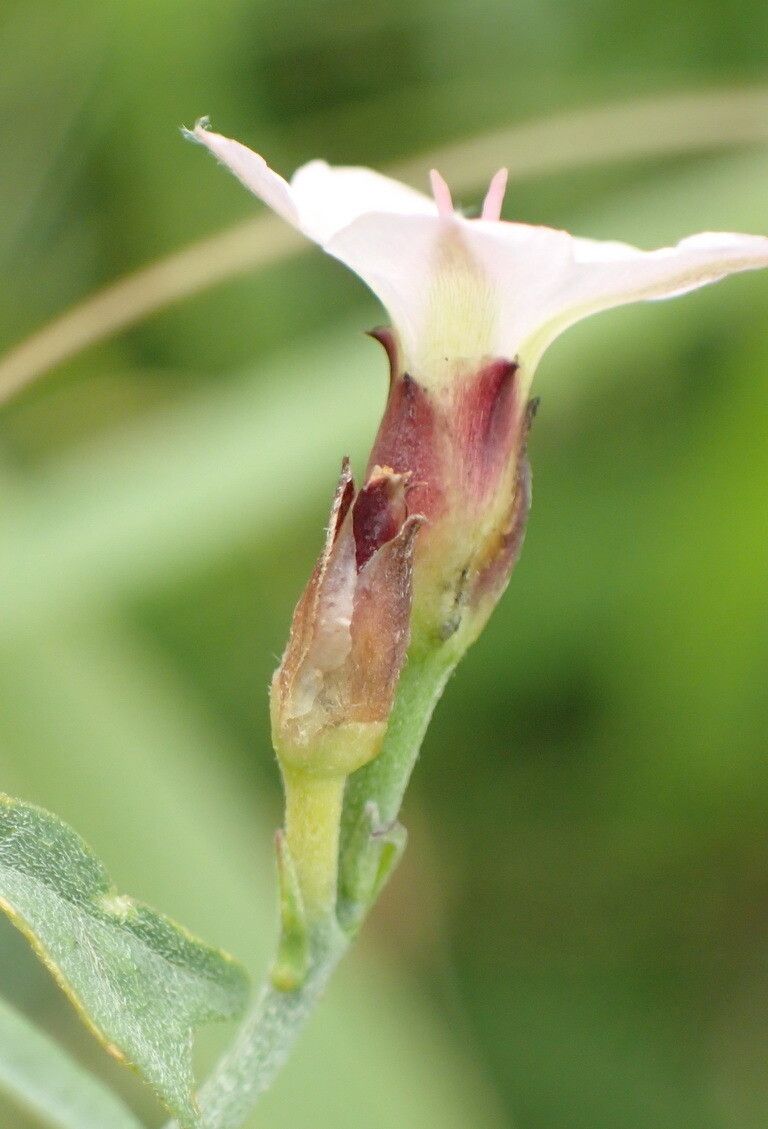
Texas bindweed has strong resistance to disease and is generally not prone to illnesses. Still, it can be affected by pests and diseases present in its environment. These problems are generally mild. Care-wise, the plant needs moderate upkeep. It benefits from regular pruning to keep a neat appearance and support healthy growth. Applying fertilizer can also encourage blooming. The species is appropriate for anyone with outdoor space, such as a garden or patio, and does not demand extensive gardening experience. It may need more attention if grown indoors.
How to keep Convolvulus Hermanniae.
Light
Texas bindweed performs best with moderate sunlight, which promotes healthy growth. Its liking for these light conditions comes from its native habitat. Yet too much sun can be damaging, and too little light can slow its growth.
Temperature
Texas bindweed is adapted to a temperature range of 68 to 95 °F (20 to 35 °C), reflecting the conditions of its native habitat. Adjusting the environment with seasonal changes is essential to replicate those conditions.
Fertilizer
When most Texas bindweed blooms have fully opened, it's time to resume fertilizing. Around the point when bloom production is at its peak, begin fertilizing again every three to four weeks, as weather permits. Then, once Texas bindweed starts producing fewer new blooms, stop fertilizing; there's no need to fertilize when the plant can't produce any more blooms.
Botanical profile.
- Plant Type
- Herb, Vine
- Life Cycle
- Annual, Perennial
- Genus
- Convolvulus
- Family
- Convolvulaceae
- Hardiness Zone
- 6-9
- Mature Height
- 0.3 m to 4.57 m
- Mature Spread
- 8 cm to 13 cm
- Leaf Color
- Green, Dark Green
- Leaf Type
- Semi-evergreen
- Flower Color
- Pink, White
- Flower Size
- 2.54 cm
- Bloom Time
- Mid spring, Late spring, Summer, Early fall
- Planting Time
- Spring, Summer, Autumn
- Harvest Time
- Summer, Fall
- Native Area
- Mexico
Other names.