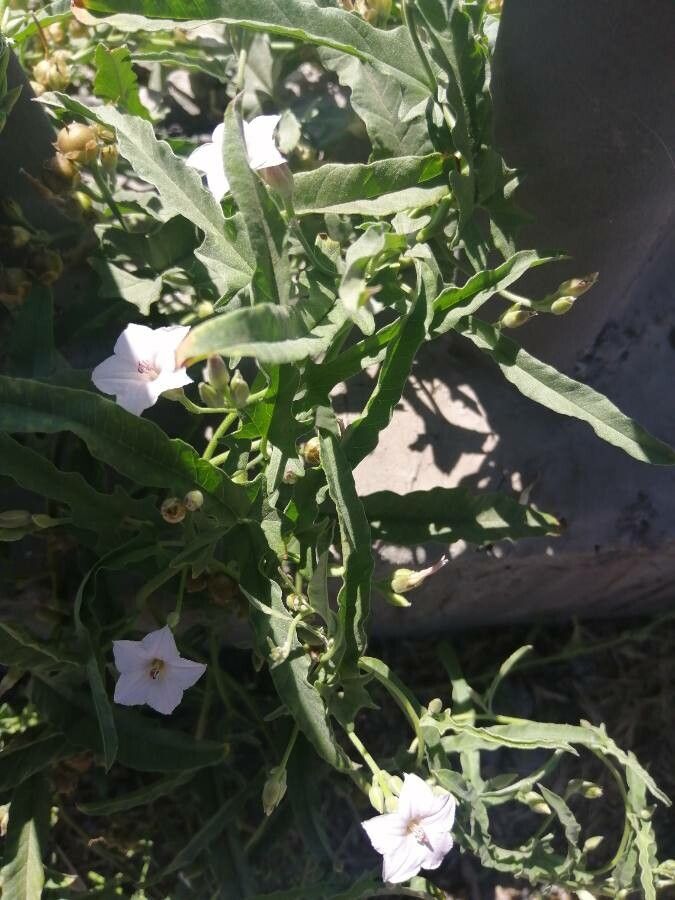
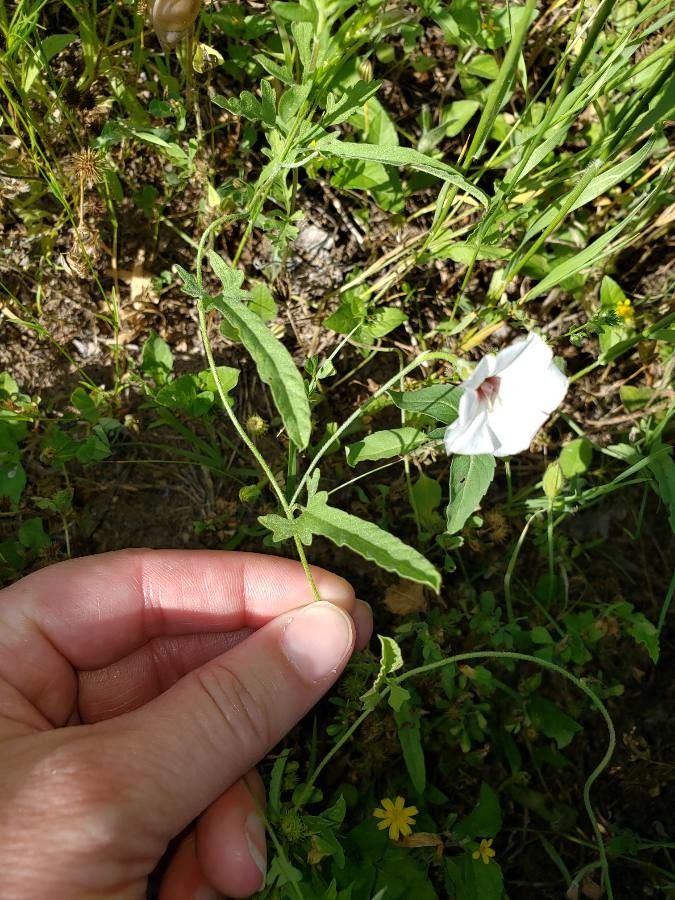
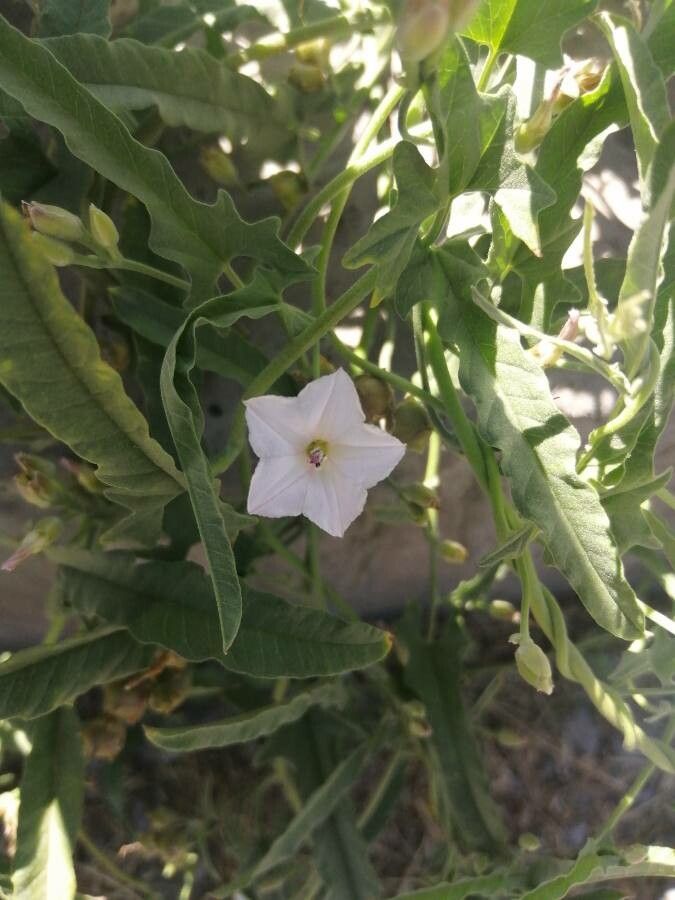
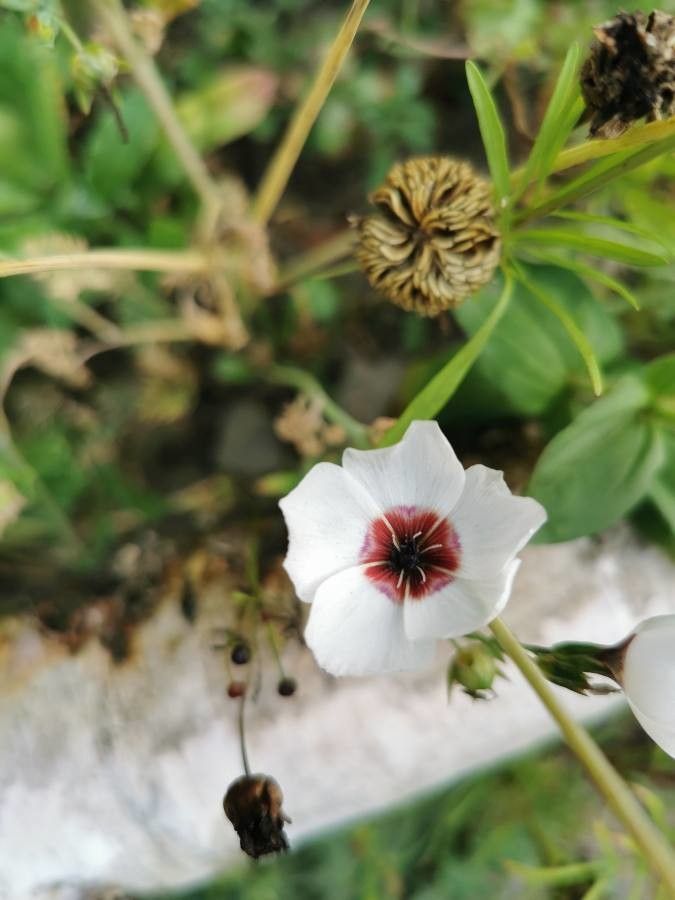
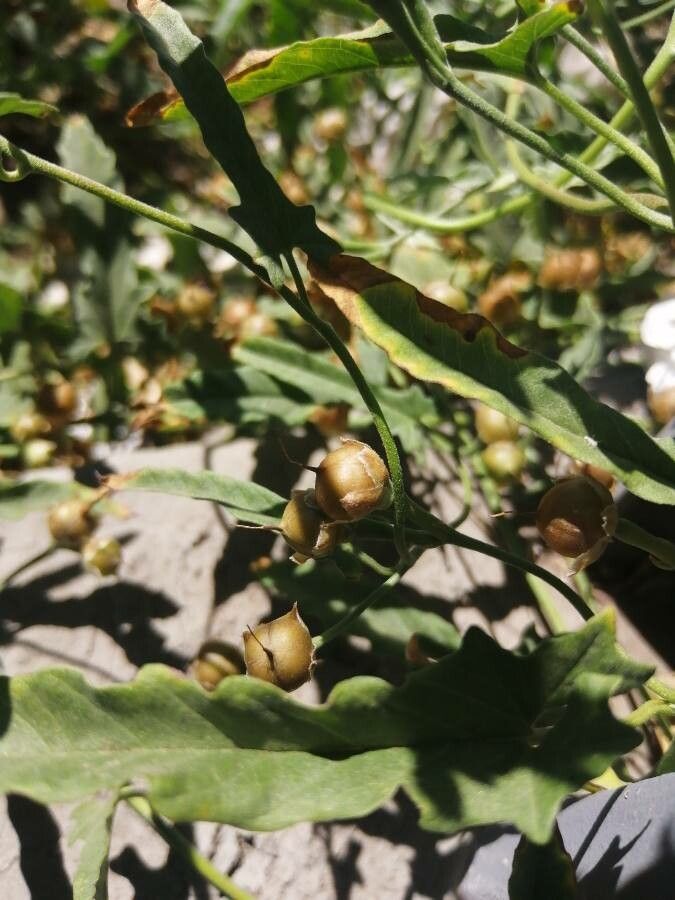
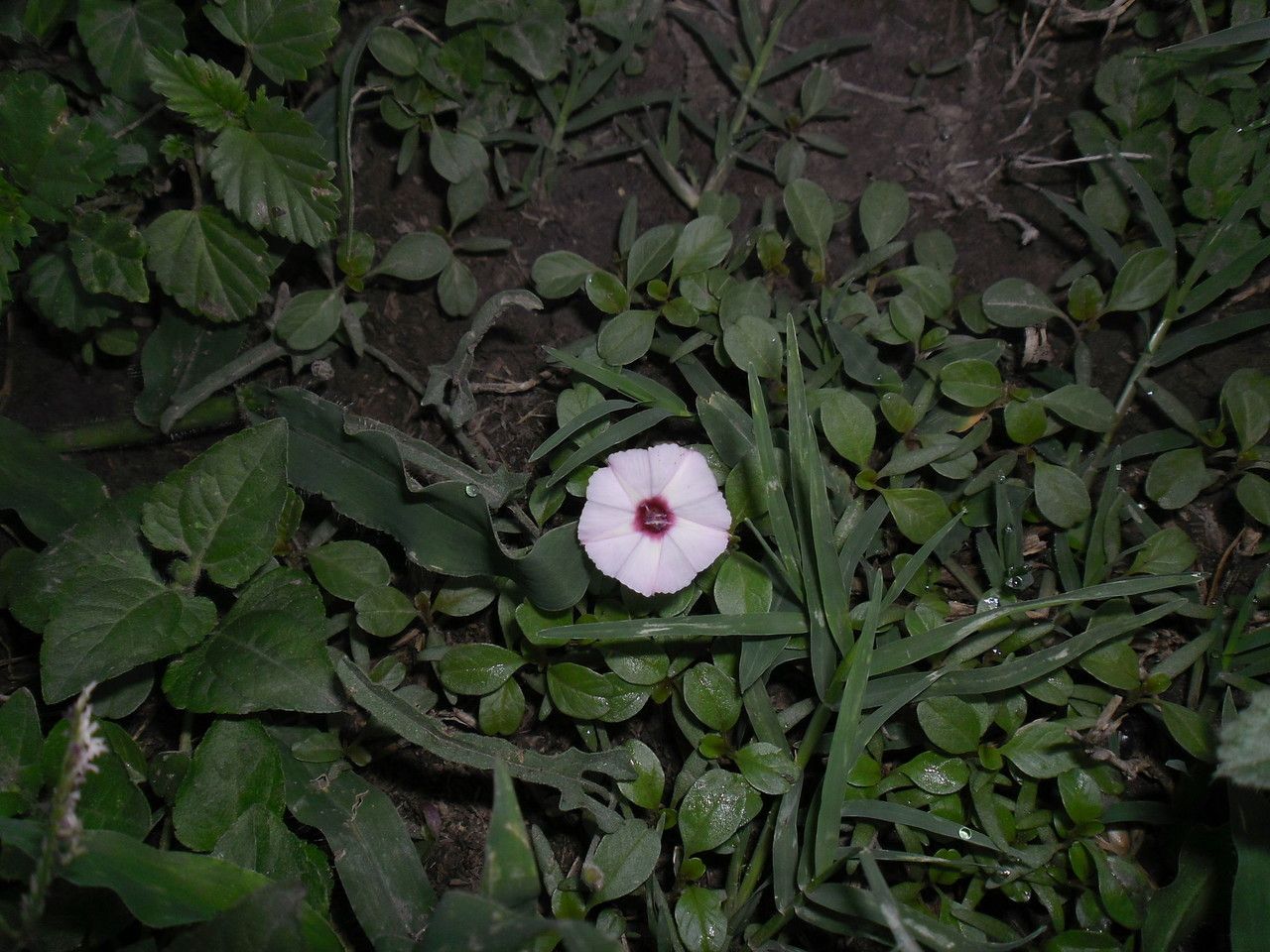
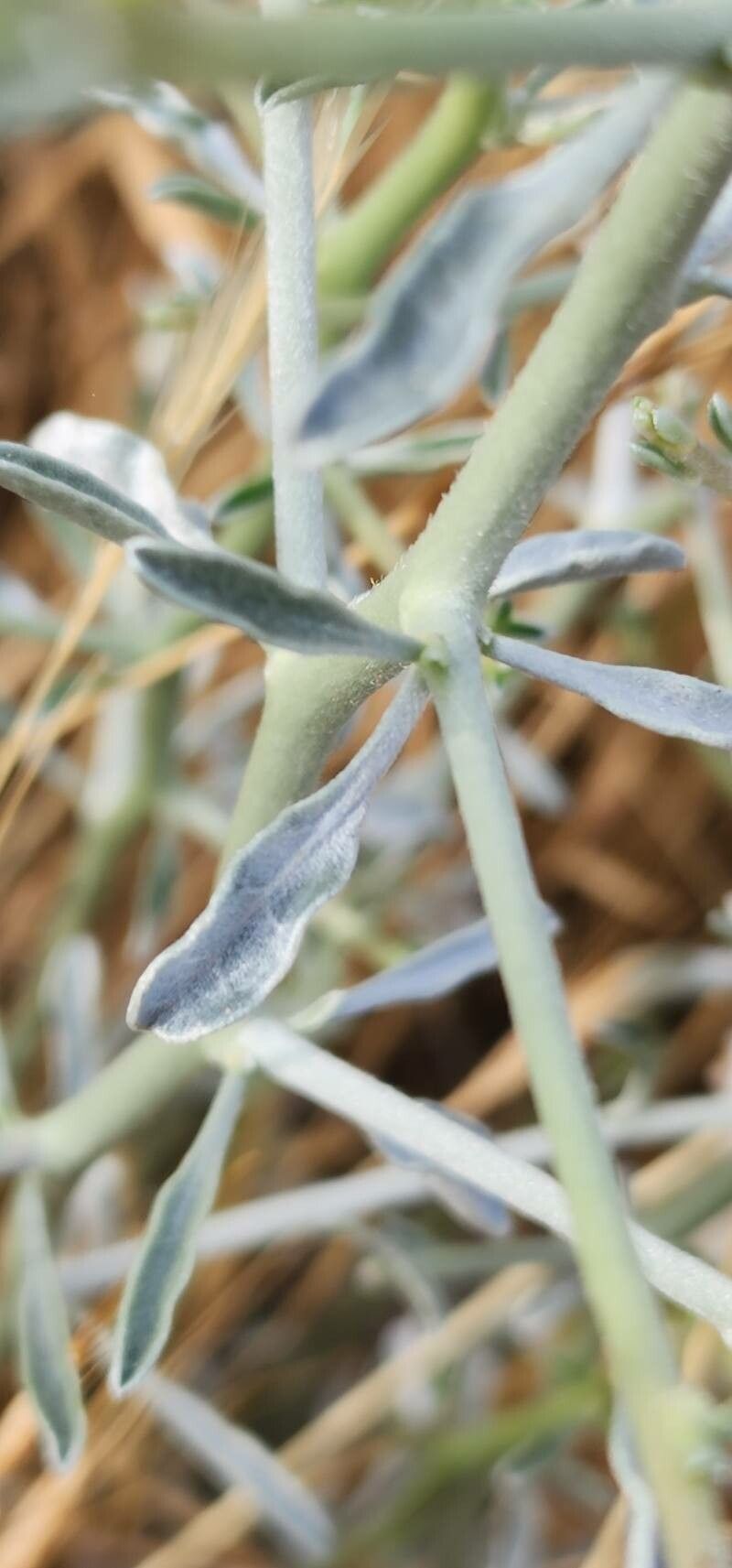
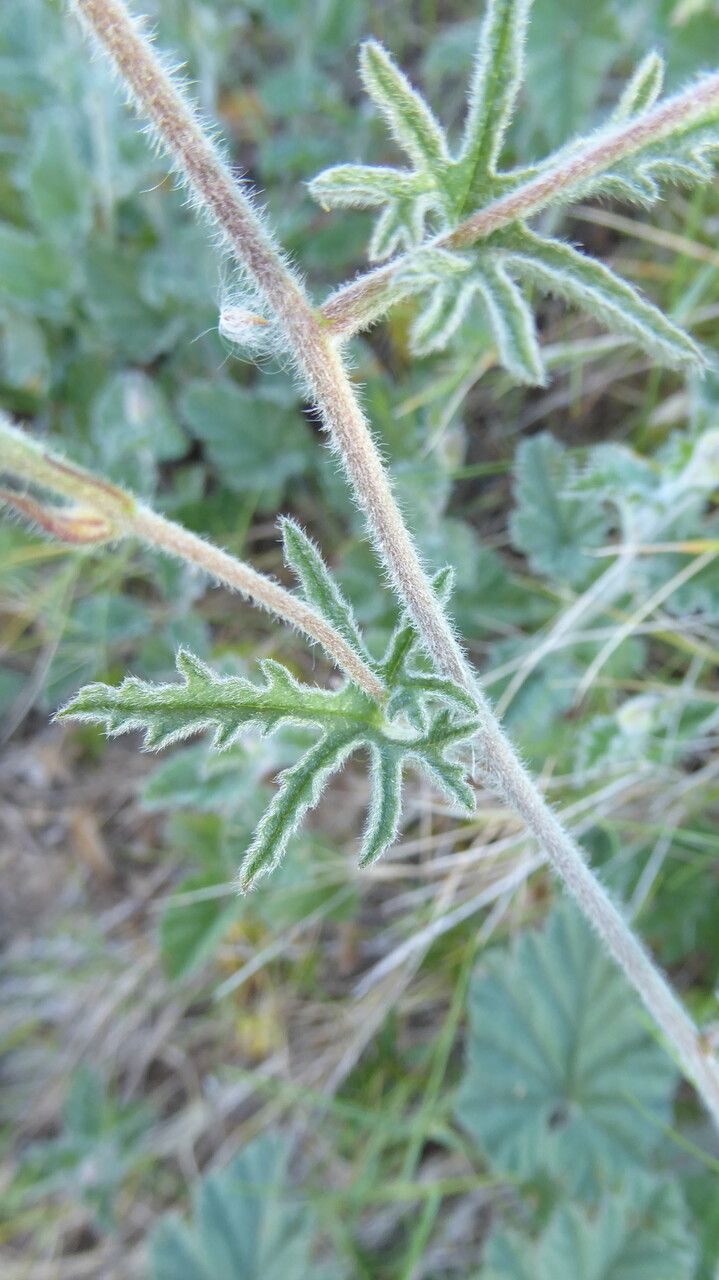
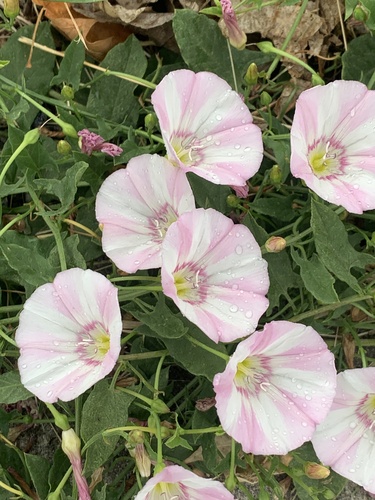
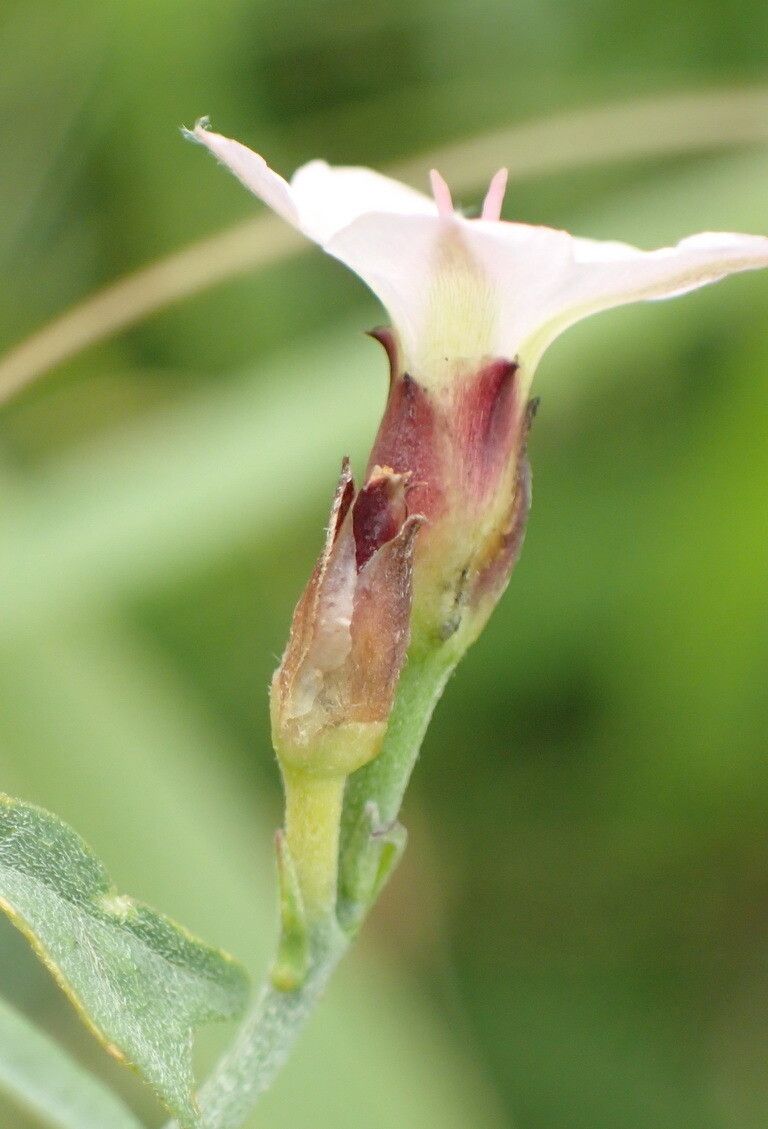
Convolvulus equitans, commonly known as Texas bindweed, is a species of morning glory. It is native to the central and western United States and Mexico.
Texas bindweed has strong resistance to disease and is generally not prone to illnesses. Still, it can be affected by pests and diseases present in its environment. These problems are generally mild. Care-wise, the plant needs moderate upkeep. It benefits from regular pruning to keep a neat appearance and support healthy growth. Applying fertilizer can also encourage blooming. The species is appropriate for anyone with outdoor space, such as a garden or patio, and does not demand extensive gardening experience. It may need more attention if grown indoors.
How to keep Convolvulus Equitans.
Light
Texas bindweed performs best with moderate sunlight, which promotes healthy growth. Its liking for these light conditions comes from its native habitat. Yet too much sun can be damaging, and too little light can slow its growth.
Water
Texas bindweed flourishes in semi-arid regions due to its moderate drought tolerance. To maintain healthy soil, it should be watered once a week. This plant is best cultivated outdoors, where it requires a balance of sunlight and moisture, particularly during its active growing season for optimal growth.
Temperature
Texas bindweed is adapted to a temperature range of 68 to 95 °F (20 to 35 °C), reflecting the conditions of its native habitat. Adjusting the environment with seasonal changes is essential to replicate those conditions.
Fertilizer
When most Texas bindweed blooms have fully opened, it's time to resume fertilizing. Around the point when bloom production is at its peak, begin fertilizing again every three to four weeks, as weather permits. Then, once Texas bindweed starts producing fewer new blooms, stop fertilizing; there's no need to fertilize when the plant can't produce any more blooms.
Pruning
Texas bindweed features climbing stems and trumpet-shaped flowers. To maintain its health and appearance, it should be pruned regularly, ideally between early and late spring. Trim away any overgrown or dead growth to promote better blooms and keep its invasiveness in check. Make sure to use sterilized tools to ensure clean cuts and prevent the spread of disease.
Botanical profile.
- Plant Type
- Herb, Vine
- Life Cycle
- Annual, Perennial
- Genus
- Convolvulus
- Family
- Convolvulaceae
- Hardiness Zone
- 6-9
- Mature Height
- 0.3 m to 4.57 m
- Mature Spread
- 8 cm to 13 cm
- Leaf Color
- Green, Dark Green
- Leaf Type
- Semi-evergreen
- Flower Color
- Pink, White
- Flower Size
- 2.54 cm
- Bloom Time
- Mid spring, Late spring, Summer, Early fall
- Planting Time
- Spring, Summer, Autumn
- Harvest Time
- Summer, Fall
- Native Area
- Mexico
Other names.
Reader questions.
What should I do if I give my Texas bindweed too much or too little water?
The solution for underwatering Texas bindweed is simple: water it more regularly when you see that it lacks moisture. On the other hand, overwatering can be a serious problem, especially if it goes unnoticed. It can cause diseases that ultimately lead to the plant's decline and death. To prevent this, it's important to choose a proper growing location that gets plenty of sunlight to dry the soil and has good drainage to avoid waterlogged soil. If your Texas bindweed in a pot is being overwatered, consider changing it to a new pot. The old container may have had poor soil drainage or insufficient drainage holes. When repotting, use loose soil and a pot that drains well.
What are the sunlight requirements for Texas bindweed?
Texas bindweed requires about 3-6 hours of sunlight daily, classified as partial sun requirements. It's important to watch the sunlight movement through your garden to choose spots that offer the right balance between light and shade, ensuring the plants grow healthily and happily. While Texas bindweed thrives under moderate solar exposure, too much sunlight can be harmful, and too little can slow its growth. This balance is essential for its health, mirroring its natural habitat preferences.
What is the ideal temperature range for Texas bindweed?
Texas bindweed thrives in a temperature range of 68 to 95°F (20 to 35°C), which is typical of its native habitat. To ensure the plant grows well, it's important to adjust its environment according to seasonal changes to mimic these conditions. Despite its strong cold resistance, special frost protection measures are not usually necessary. However, if temperatures are expected to drop below -25°C, providing cold protection by covering the plant with soil or straw is recommended. Before the first freeze in autumn, watering the plant abundantly to keep the soil moist can help it cope better with winter and early spring.
How frequently should I water my Texas bindweed?
Texas bindweed requires regular watering throughout the growing season. In spring, it's recommended to water the plant once a week. As the season progresses and temperatures rise, you may need to increase watering to two or three times a week. However, exceeding this rate can harm the plant. Regardless of the frequency, it's important to maintain relatively moist but not wet soil for the Texas bindweed. When watering Texas bindweed in a pot, the frequency should be increased due to the soil heating up and drying out faster. For container-grown plants, watering a few times per week is generally sufficient, compared to once a week for plants in the ground.
How can artificial lighting be used for Texas bindweed indoors?
When natural sunlight is insufficient, especially in less sunny spaces or during winter, artificial lighting becomes crucial for Texas bindweed's growth indoors. It's recommended to use LED lights as they can be adjusted to provide the specific wavelengths needed by the plant. For full sun plants, 30-50W/sq ft is required, partial sun plants need 20-30W/sq ft, and shade plants need 10-20W/sq ft of artificial light. The light source should be placed 12-36 inches above the plant, emulating natural sunlight, and be kept on for about 8-12 hours daily to mimic the natural daylight hours.
How does Texas bindweed respond to low temperatures?
Texas bindweed is cold-tolerant and thrives best when temperatures are above 20°C, but it should be kept above 0°C during winter. When temperatures fall below -25°C, there may not be noticeable changes during winter, but a decrease in sprouting or even no sprouting at all might be observed in springtime. The suggested solution is to remove any parts of the plant that have failed to sprout in spring.
How much water does my Texas bindweed require?
Determining the appropriate amount of water for your Texas bindweed can be done in a few ways. One option is to feel the soil for moisture and water until the top six inches are moist. Another approach is to use a set measurement, such as two gallons per week, adjusting according to temperature and soil moisture. However, this method may result in overwatering if your plant requires less. When growing Texas bindweed in a container, you should water until all dry soil layers are moistened. To test for moisture, insert your finger in the soil or water until excess water trickles out of the drainage holes.
What are the symptoms of inadequate lighting for Texas bindweed?
Symptoms of inadequate lighting in Texas bindweed include new leaves growing smaller than mature ones, sparse and leggy growth, premature leaf drop, halted or delayed new growth, pale new leaves, and chlorosis (yellowing leaves due to the breakdown of chlorophyll). Excessive sunlight can cause sunscald, leaf curling, wilting, and leaf scorching, highlighting the importance of optimal light exposure for the plant's health.
How does Texas bindweed respond to high temperatures?
During summer, it is recommended to keep Texas bindweed's surrounding temperatures below 35°C. If the temperature exceeds 38°C, the leaves might become lighter in color, curl, become susceptible to sunburn, and in severe cases, the entire plant may wilt and dry out. To mitigate damage, trim away sunburned and dried parts of the plant. Moving the plant to a location with shade during the midday and afternoon sun or using a shade cloth can protect it. Watering the plant in the morning and evening to maintain soil moisture is also beneficial.
How do I know if I'm watering my Texas bindweed enough?
Avoiding overwatering your Texas bindweed can be a bit challenging. These plants have deep roots, so they need to be watered weekly. However, Texas bindweed is prone to root rot, which can cause browning of the leaves. Underwatering is less of a concern as these plants can survive without additional watering for some time. But if you wait too long to water them, they may wilt and develop dry leaves.
What solutions can be applied to address light-related issues in Texas bindweed?
To address light-related issues in Texas bindweed, gradually adapt your plants to the desired sunlight levels by moving them to sunnier spots each week until they achieve 3-6 hours of direct sunlight daily. If the plant is large or not easily movable, consider using a desk or ceiling lamp for at least 8 hours daily, or invest in professional plant grow lights for ample light. Outdoors, avoid sudden changes in light intensity to prevent sunburn. If sunlight is blocked by obstructions like trees, consider pruning or transplant smaller plants to sunnier locations. Note that parts of the plant damaged by insufficient sunlight may not recover, but new growth will be healthy after adjusting light exposure.
How should I water my Texas bindweed throughout the year?
As the seasons change, the water requirements for your Texas bindweed will also change. During spring, you should water it once a week. However, as the summer heat sets in, you may need to water it more frequently, potentially up to three times a week. This is especially important for Texas bindweed in containers, as the soil in containers tends to dry out faster in warm weather. In autumn, when the temperature cools down and the sun is not as intense, your Texas bindweed may require less water, even though it is still blooming.