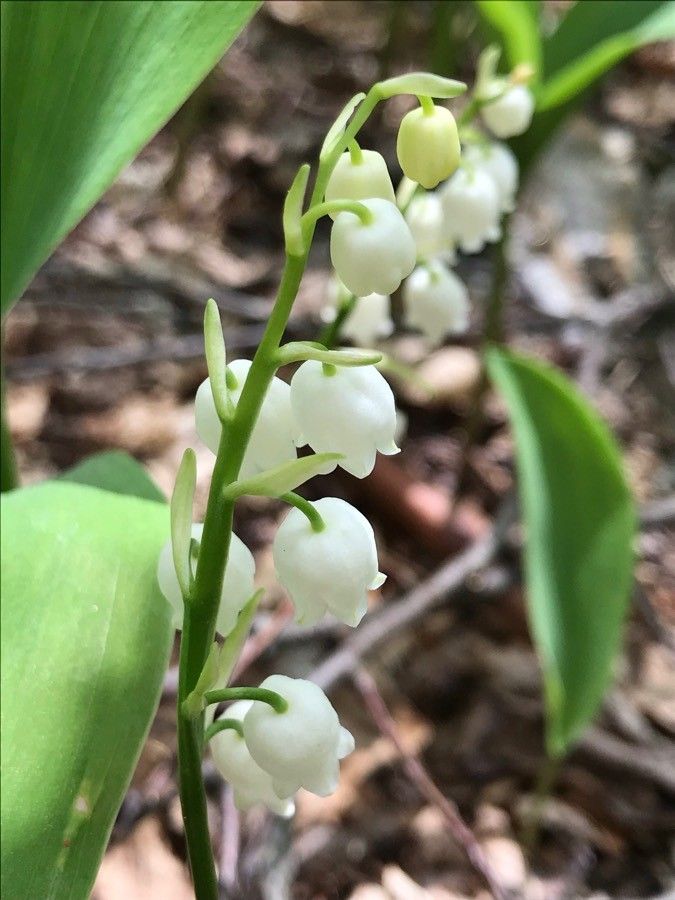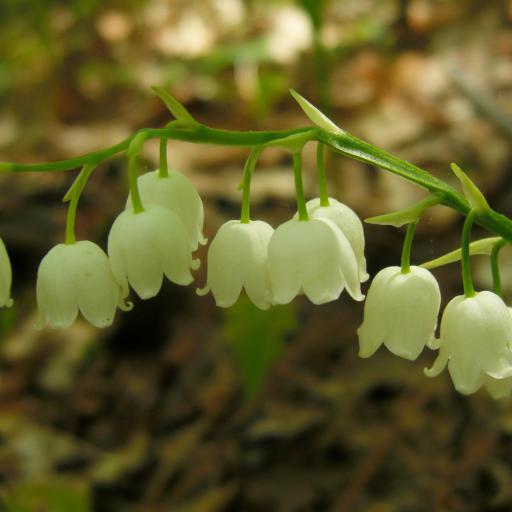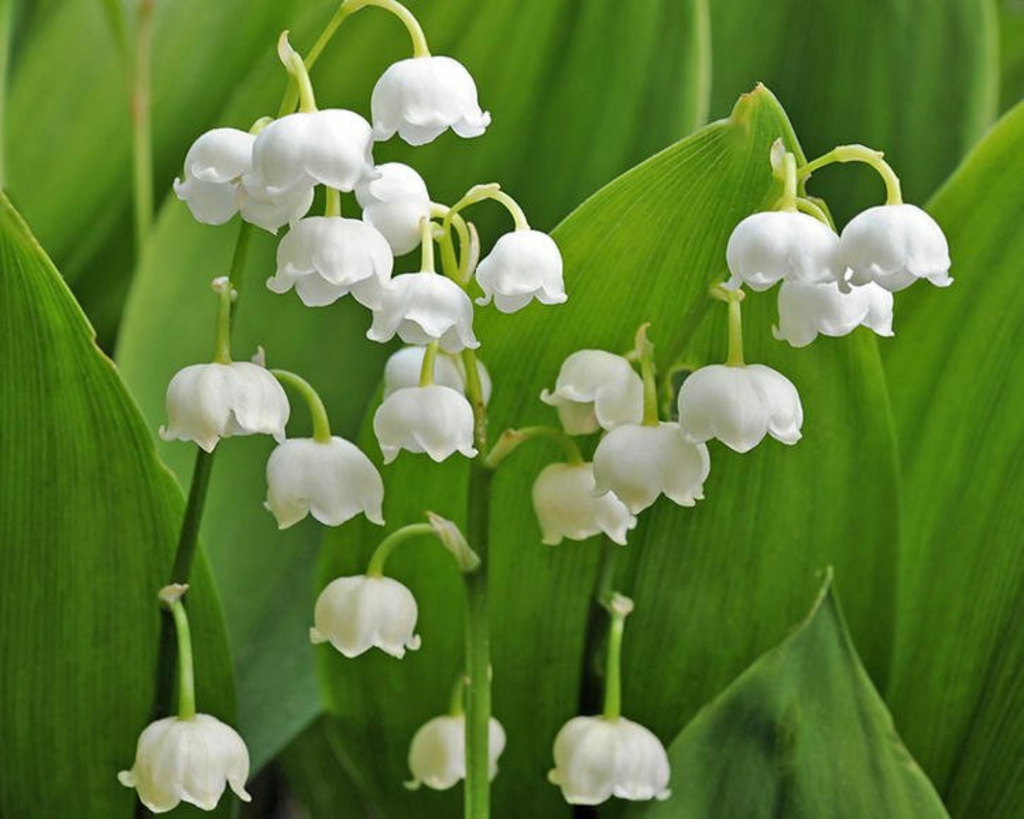
Convallaria majalis, commonly known as Lily of the Valley, is a perennial flowering plant from the Asparagaceae family. Native to Europe and Asia, it has been widely cultivated in gardens worldwide for its ornamental value.
The plant reaches up to 15 cm in height and features lance-shaped, dark green leaves. Its small, bell-shaped flowers, which can be white or pink, emit a sweet fragrance that attracts bees and other pollinators.
Lily of the Valley thrives in moist soil with partial shade but can also adapt to full sun or full shade. It typically blooms from late spring to early summer.
For centuries, the plant has been utilized for medicinal purposes due to its cardiac glycosides content. While these compounds can be toxic if ingested in large quantities, they have been used to treat heart conditions such as arrhythmia under medical supervision.
In summary, Convallaria majalis is a stunning ornamental plant with fragrant flowers that bring charm and elegance to any garden. Additionally, it possesses medicinal properties that, when used properly and under medical guidance, can be beneficial.
Lily of the valley is fairly resistant to disease and generally does not suffer from them. However, it can be vulnerable to pests and diseases present in its environment, and such infections are usually mild. In terms of care, this plant requires moderate upkeep. Regular pruning is necessary to maintain a good appearance and encourage healthy growth. Fertilizing can also help promote flowering. Lily of the valley is suitable for anyone with outdoor space, such as a garden or patio, and does not require extensive care experience. It may need more attention when grown indoors.
How to keep Convallaria Majalis.
Light
The lily of the valley grows best with a balance of sun and clouds, and can also prosper under fully overcast conditions, reflecting its native environment of dappled woodland floors. Excessive or insufficient light does not severely affect its growth, contributing to its versatility and adaptability.
Water
Lily of the valley thrives in cool, moist environments, and it benefits from consistent moisture and moderate humidity. To ensure optimal growth, it should be watered weekly. This plant is quite resilient, adapting well to different soil moisture levels, which makes it ideal for outdoor cultivation even when rain patterns are unpredictable.
Humidity
This plant will thrive in moderate humidity, which is probably the level in your home. However, misting it a few times a week can be very beneficial. Make sure the room has good ventilation.
Temperature
Lily of the valley naturally grows in cool, moist forests. Consequently, it prefers temperatures of 41 to 95 ℉ (5 to 35 ℃). In winter, keep the soil moist and protect the plant from severe cold; in summer, provide partial shade to prevent scorching.
Fertilizer
Generally, a single application of fertilizer in spring is enough for Lily of the valley, though repeated feedings can maximize growth. Apply fertilizer about once every month to six weeks. Fertilization improves the leaves' appearance and function, helping them keep an even color and healthy texture. It also encourages root development and nutrient uptake, supporting long-term plant health.
Pruning
To keep lily of the valley healthy, follow these care tips: Prune during early to late spring to remove dead foliage and encourage new growth. After the flowers have bloomed, trim the spent stalks to prevent the plant from self-seeding. Every 2-3 years, thin out any overcrowded clumps. This will improve air circulation and help prevent disease, ensuring lush foliage and a longer blooming period.
Pot & Repot
When repotting Lily of the valley, pick a pot 1-2 inches (2.5–5.1 cm) larger with ample drainage. Use a well-draining potting mix. Repot in spring or fall, making sure the root ball is slightly below the rim of the flower pot. Water thoroughly after repotting and place in a warm spot with indirect sunlight.
Botanical profile.
- Plant Type
- Herb
- Life Cycle
- Perennial
- Genus
- Convallaria
- Family
- Asparagaceae
- Hardiness Zone
- 4-9
- Mature Height
- 15 cm to 30 cm
- Mature Spread
- 23 cm to 30 cm
- Leaf Color
- Green
- Leaf Type
- Deciduous
- Flower Color
- White
- Flower Size
- 0.51 cm to 1.02 cm
- Bloom Time
- Late spring, Early summer
- Planting Time
- Spring
- Harvest Time
- Early summer, Mid summer
- Native Area
- Northern Hemisphere of Asia and Europe
Other names.
Reader questions.
When should I water my lily of the valley?
Watering your lily of the valley is crucial for its overall health, growth, and resistance against diseases. To determine when to water, check the soil's moisture level by inserting a finger about 1-2 inches into the soil. If it feels dry, it's time to water. Look out for wilted or yellowing leaves as indicators of under-watering. Additionally, during the bud formation stage, ensure the plant receives sufficient water to prevent bud drop. Be cautious of watering too early or too late, as over-watering can lead to root diseases, and under-watering can cause wilting, stunted growth, or death.
Why should I put fertilizer on my Lily of the valley?
The main structure of the Lily of the valley is made up of its leaves. Fertilization is crucial for maintaining the appearance and function of these leaves. It ensures that the leaves have a consistent color and a healthy texture. Fertilization also benefits the plant below the soil surface by promoting the growth of new roots and maintaining existing ones. This not only keeps the plant healthy in the present but also improves its ability to absorb nutrients from the soil in the future.
What are the sunlight requirements for lily of the valley (Convallaria majalis)?
Lily of the valley requires partial sun, which means about 3-6 hours of sunlight, and can also thrive in full shade with less than 3 hours of sunlight. Observing how sunlight moves through your garden is essential for choosing the ideal spots that offer the right balance of light and shade, ensuring the plants' well-being. This adaptability allows the lily of the valley to prosper under a mix of sun and cloud conditions, reflecting its natural habitat on dappled woodland floors. Even in fully clouded conditions, this plant manages to flourish, indicating its resilience to varying light exposures.
What is the ideal growing environment for lily of the valley?
Lily of the valley, or Convallaria majalis, thrives in cool and moist forests, enjoying temperatures ranging from 41 to 95°F (5 to 35°C). For optimal growth, it is essential to keep the soil moist throughout the winter and protect the plant from harsh cold. In contrast, during the summer months, providing partial shade to prevent the leaves from scorching is beneficial. Despite its strong cold resistance, in regions where winter temperatures drop significantly, it's crucial to ensure cold protection by covering the plant with soil or straw. Additionally, watering the plant abundantly before the first freeze in the autumn will help maintain moisture in the soil, further protecting the plant during winter and early spring.
How should I water my lily of the valley?
Lily of the valley has moderate watering needs and requires specific techniques for optimal growth. Bottom-watering is an effective method, allowing roots to absorb moisture without oversaturating the soil surface, which could lead to root rot. Using a watering can with a narrow spout helps in applying water directly at the base, avoiding foliage which can promote mold growth. A moisture meter can be beneficial for keeping the soil at the ideal moisture level. Use room-temperature water for better absorption, and water early in the morning to allow excess moisture to evaporate, minimizing disease risks.
When should I put fertilizer on my Lily of the valley?
If you grow your Lily of the valley outdoors, it will start to grow new leaves in early spring, indicating that it's time to fertilize. Usually, one application of fertilizer in the spring is enough for the plant to thrive. However, if you want to maximize its growth, you can fertilize several times during the spring and early summer, around once a month to a month and a half.
How does artificial lighting benefit indoor lily of the valley plants?
Indoor lily of the valley plants can benefit greatly from artificial lighting, especially when natural sunlight is insufficient, such as in winter or less sunny spaces. Artificial lights promote faster, healthier growth. LED lights are preferred for their ability to provide specific wavelengths needed by the plants. Full sun plants require 30-50W per square foot, partial sun plants need 20-30W per square foot, and full shade plants need 10-20W per square foot of artificial light. The light source should be placed 12-36 inches above the plant, mimicking natural sunlight conditions. Furthermore, the duration of light exposure should align with natural daylight hours, generally 8-12 hours per day, depending on the plant species.
How does lily of the valley respond to temperature changes?
Lily of the valley shows a remarkable tolerance to cold, generally faring best when temperatures remain above a minimum threshold suitable for its growth. If winter temperatures plummet below this limit, you might not observe immediate damage, but there could be a significant impact on its ability to sprout during spring, with reduced sprouting or even none at all. Conversely, during hot summers, it's crucial to keep the plant cooler than the maximum tolerable temperature. Exceeding this temperature can cause the leaves to lighten, curl, suffer sunburn, and in extreme cases, lead to the plant wilting and drying out. The key to managing these temperature extremes involves removing damaged parts in spring and providing shade, along with adequate watering in the morning and evening during hot summers.
How much water does lily of the valley really need?
Understanding the hydration needs of lily of the valley is key to its care. Originating from moist, well-draining woodland areas in Europe and Asia, it thrives in conditions that mimic its natural habitat. The amount of water needed will depend on various factors such as soil type, weather, and plant stage. However, the guiding principle should be to maintain moist but not saturated soil conditions.
When is it not a good idea to put fertilizer on my Lily of the valley?
During late fall and winter, your Lily of the valley goes into a dormant phase and stops growing. So, avoid fertilizing it during this time. In spring and summer, if you choose to fertilize, start decreasing the amount as summer approaches because the growth rate of your Lily of the valley slows down. In general, it's not a good idea to fertilize your Lily of the valley when it's very hot or when the soil is extremely dry. Fertilizing in such conditions can stress the plant and cause it to die early.
What are the symptoms of light deficiency in lily of the valley?
Indoor lily of the valley showing light deficiency may exhibit several symptoms: New leaves may grow smaller than previously matured ones, indicating insufficient light. The plant may also demonstrate leggy or sparse growth, characterized by longer spaces between leaves or stems, giving it a thin and stretched-out appearance. Furthermore, faster leaf drop and a halt in new growth may occur as the plant enters survival mode due to poor light conditions. Leaves may develop irregular color patterns or appear pale, a sign of chlorosis, which indicates a lack of chlorophyll and essential nutrients. Additionally, the plant might experience sunscald, leaf curling, wilting, and leaf scorching under extreme sunlight conditions.
What kind of water is best for lily of the valley?
Lily of the valley prefers water that's clean and free from heavy salts and chemicals. Distilled water is ideal due to its purity. Rainwater is also suitable, assuming it's free from pollutants. Tap water can be used if it's the only option, but let it sit for 24 hours to allow chlorine to evaporate. Filtered water that removes impurities without stripping away beneficial minerals can be beneficial. The plant is sensitive to chlorine and possibly to high levels of fluoride, so avoiding water with these elements is crucial. Opt for water temperatures between 60-75°F and maintain a slightly acidic to neutral pH in the soil.