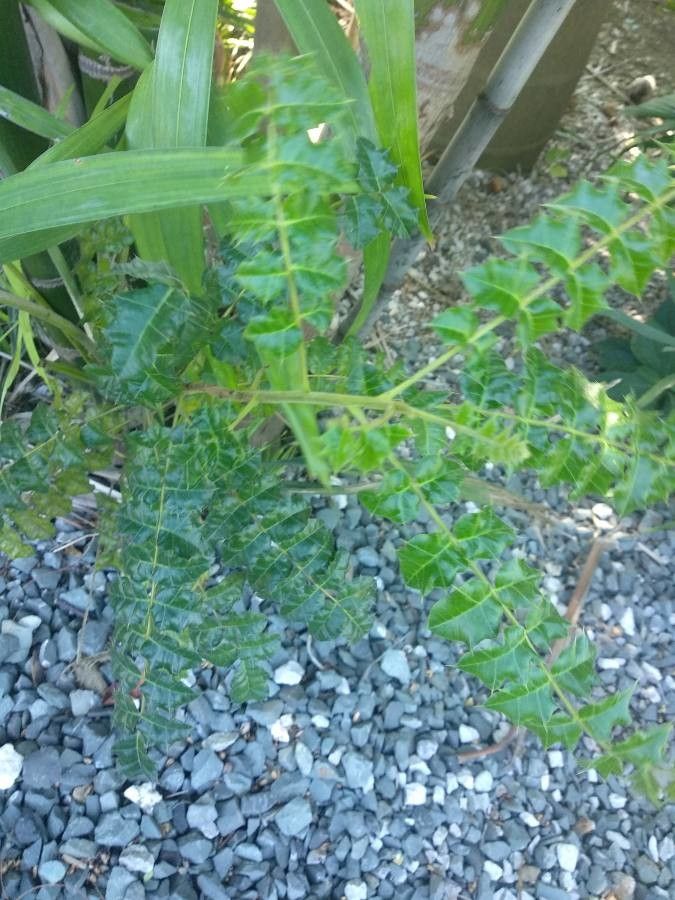
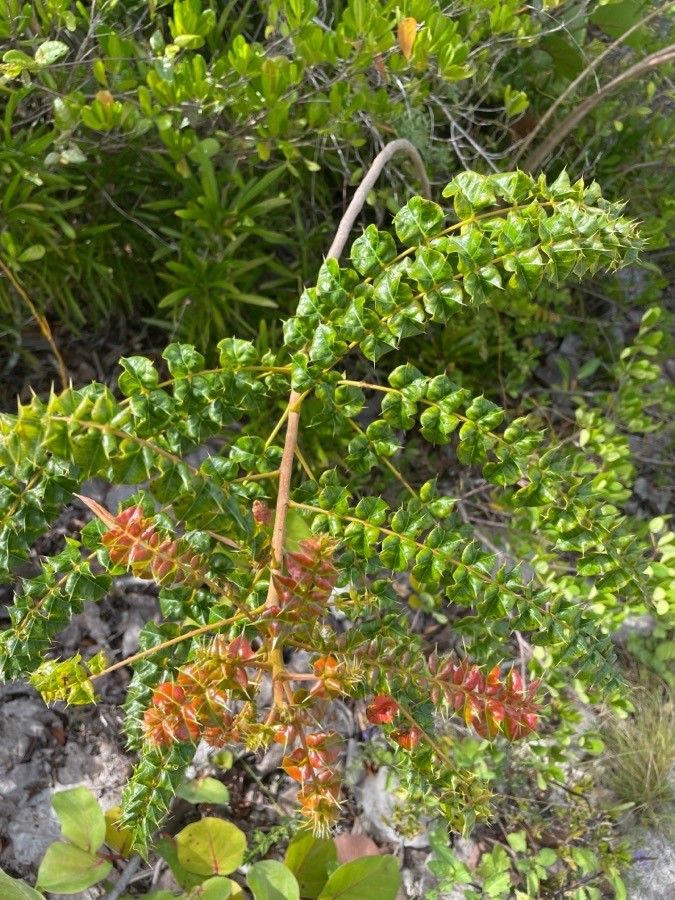
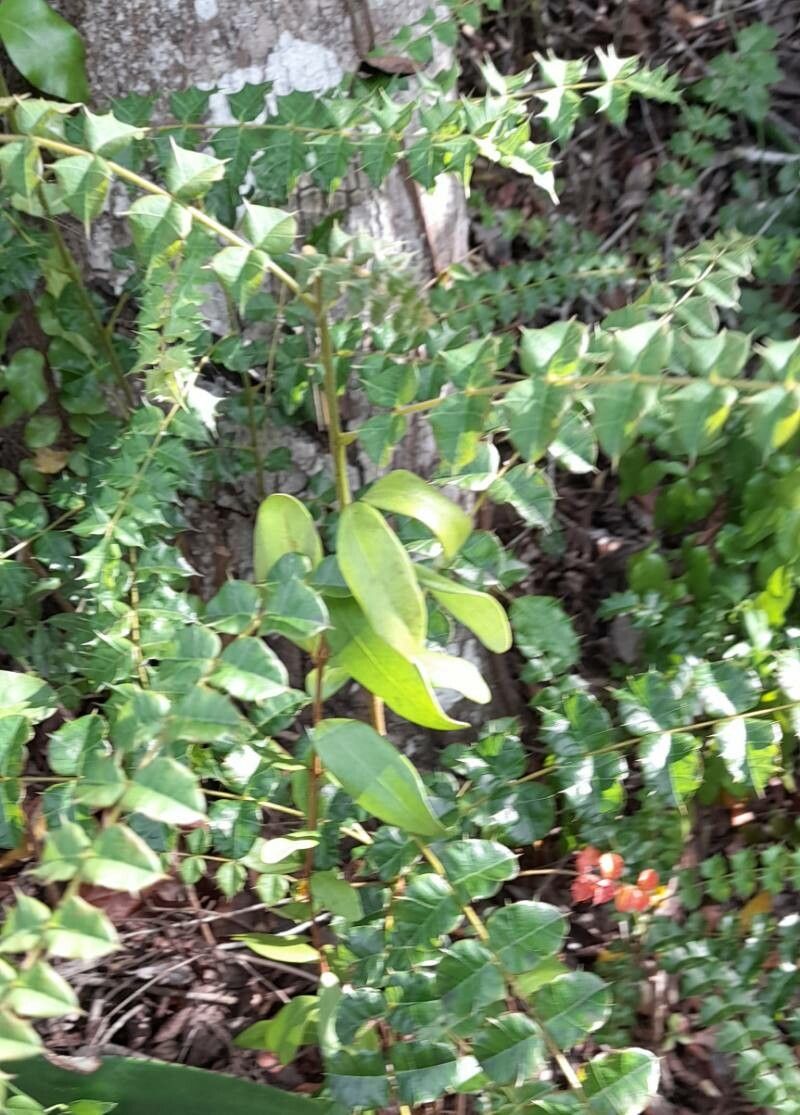
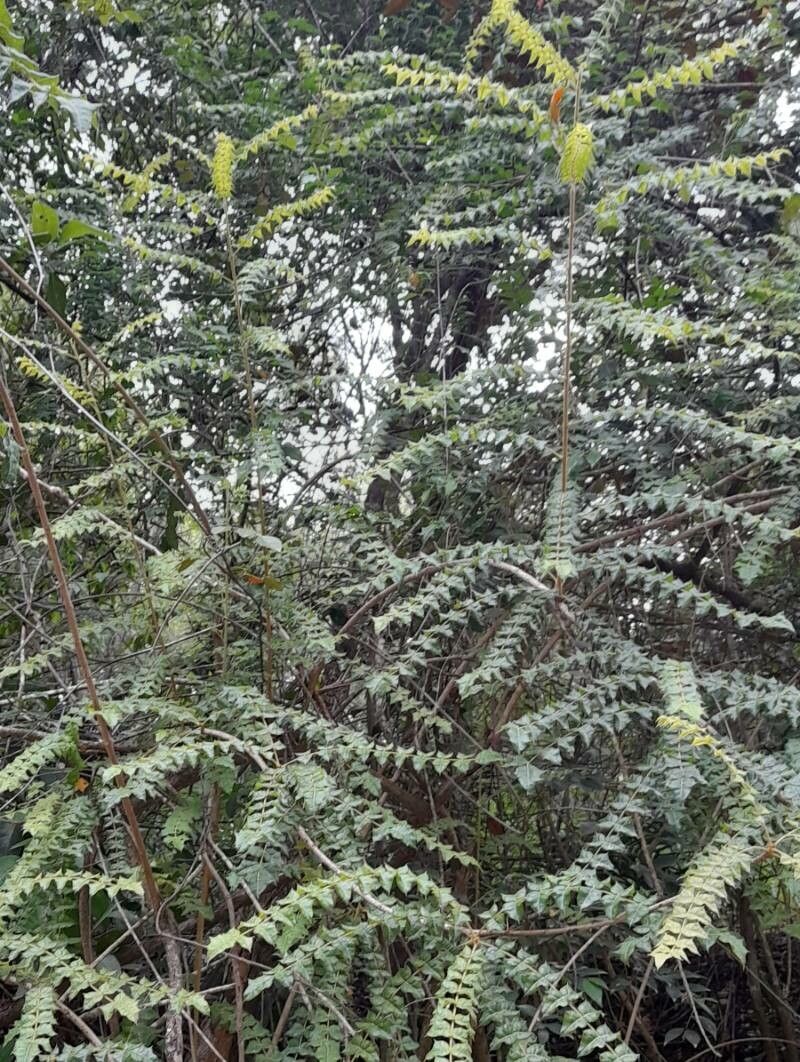
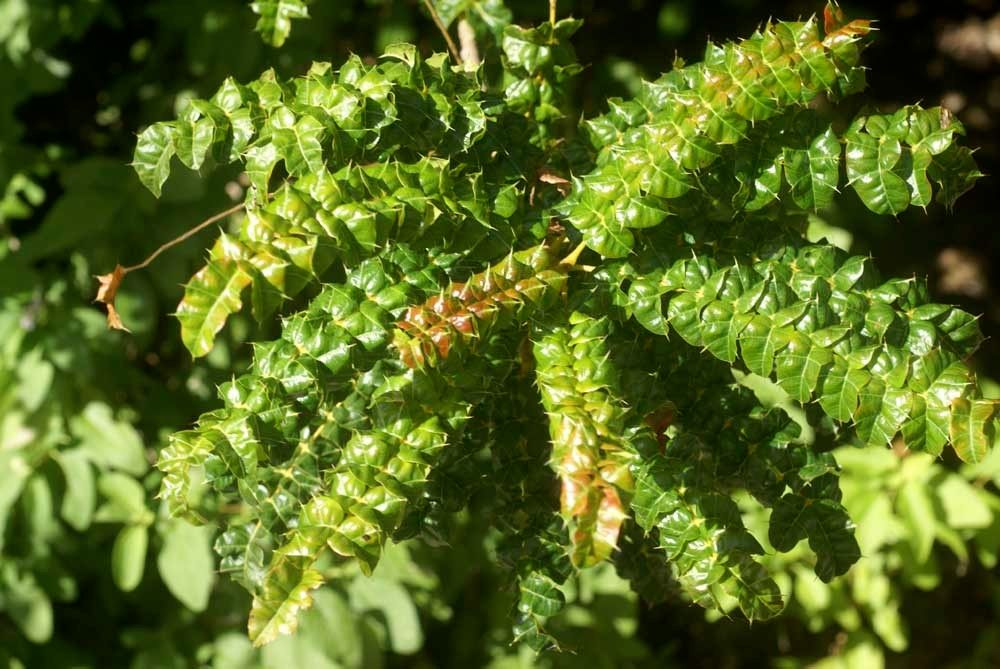
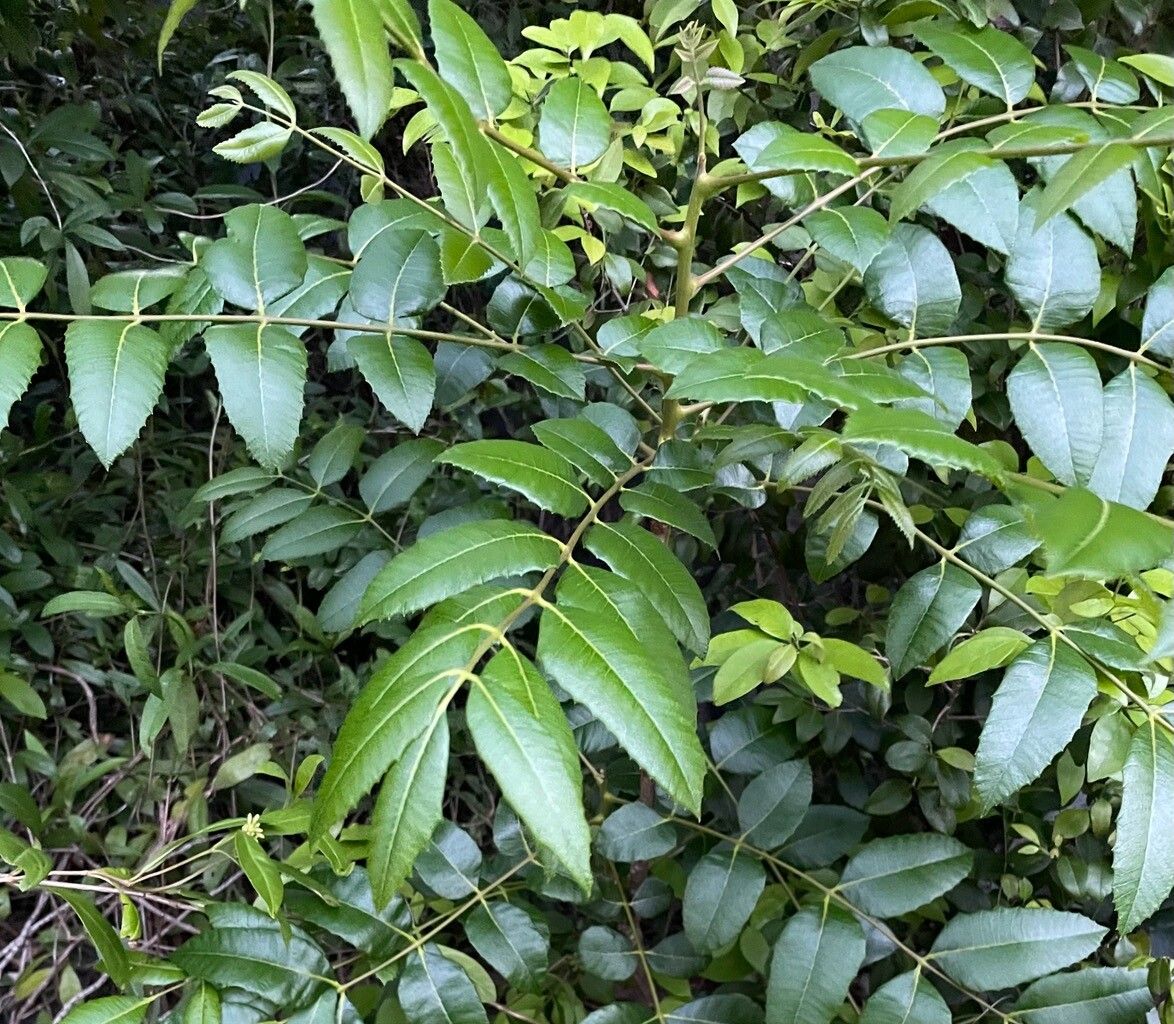
Comocladia dodonaea, with common names poison ash, and Christmas bush, is a species of tree in the cashew family, Anacardiaceae. It is native to Caribbean islands.In the sap of the plant and on the surface of the leaves is an urushiol poison similar to that in poison ivy.
Poison ash has strong resistance to diseases and is generally unlikely to suffer from them. Regarding maintenance, this plant is fairly easy to care for. When grown outdoors it needs only infrequent watering, and larger specimens typically do not require pruning. Smaller specimens, however, should be trimmed after they finish blooming. Poison ash is appropriate for anyone with outdoor space like a garden or a deck and does not demand extensive plant-care experience.
How to keep Comocladia Dodonaea.
Light
Poison ash comes from open habitats, such as sunny meadows and forest edges, which provide ample light. It thrives in Full Sun but can also tolerate Partial Sun, remaining adaptable to various light conditions.
Temperature
Poison ash comes from tropical areas, where the climate is generally warm and humid. Consequently, it is well adapted to high temperatures and humidity. It does not tolerate sudden temperature shifts and prefers a stable temperature environment, so avoiding indoor temperature fluctuations is important. It generally does not tolerate cold and needs warmer temperatures to grow. If the surrounding temperature falls too low, the plant may stop growing or even die.
Fertilizer
Fertilizing is essential for caring for Poison ash. Regular feeding during the growing season maintains the energy required for its showy foliage and supports overall growth. If fertilization is neglected, leaves can become unhealthy, the plant’s ornamental value can decline, and growth may be stunted or weak and more prone to breaking.
Pruning
Poison ash is recognizable by its compound leaves and is known for its toxic properties. To promote healthy growth and maintain its shape, prune it in early spring. Be sure to wear gloves while handling the plant, as its sap can cause irritation. Additionally, sanitize your tools to prevent the spread of disease. Maintaining an open canopy will improve air circulation and help reduce the risk of pathogens.
Botanical profile.
- Plant Type
- Shrub
- Life Cycle
- Perennial
- Genus
- Comocladia
- Family
- Anacardiaceae
- Hardiness Zone
- 10-12
- Mature Height
- 3.05 m to 4.88 m
- Mature Spread
- 2.13 m to 3.05 m
- Leaf Color
- Dark Green, Forest Green
- Leaf Type
- Deciduous
- Flower Size
- 0.25 cm to 0.51 cm
- Bloom Time
- Early summer, Mid summer
- Planting Time
- Spring, Summer
- Harvest Time
- Late summer, Early fall, Mid fall
Other names.