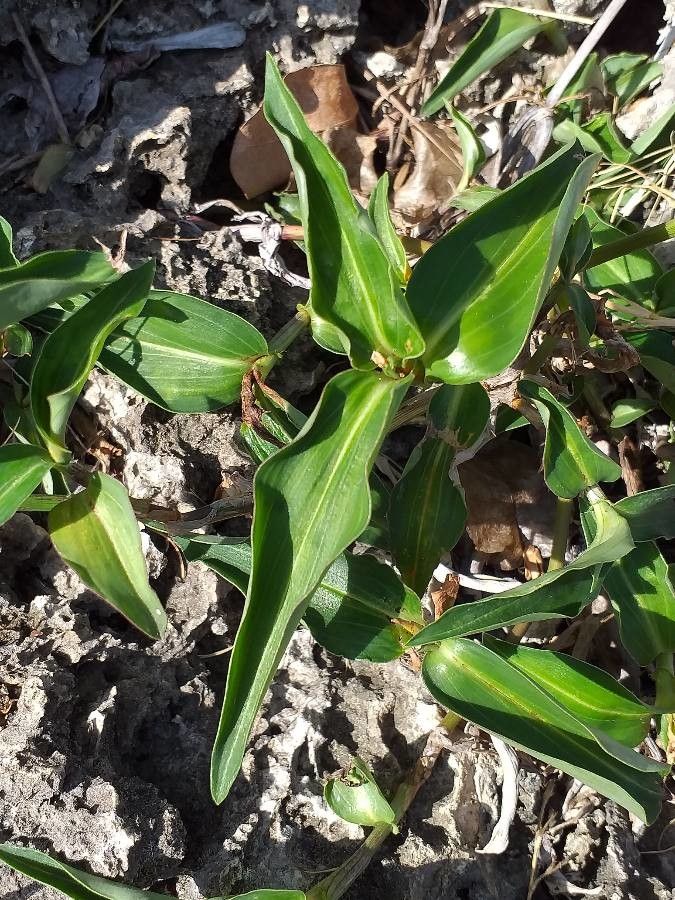
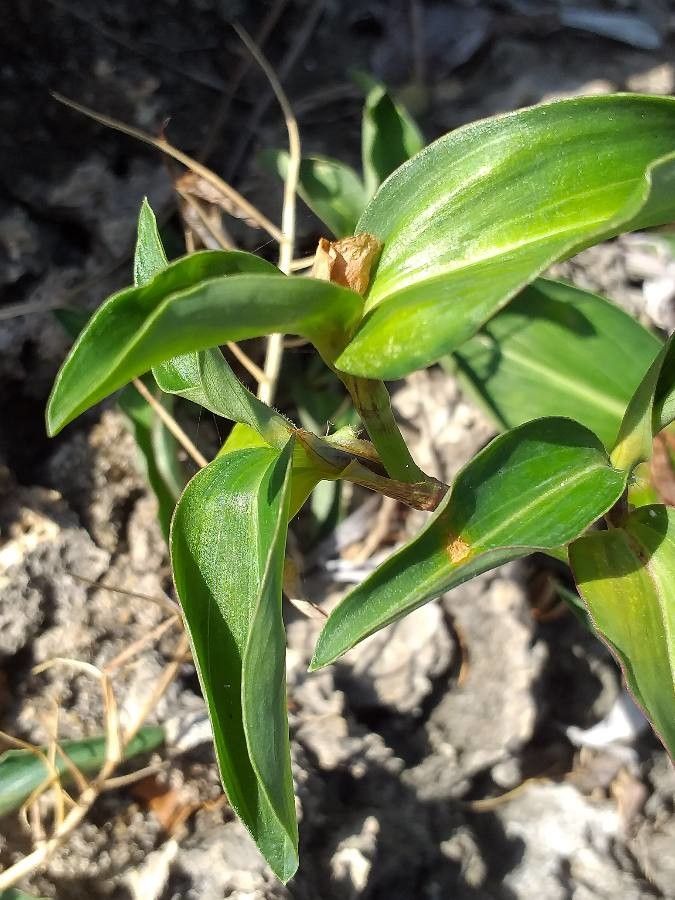
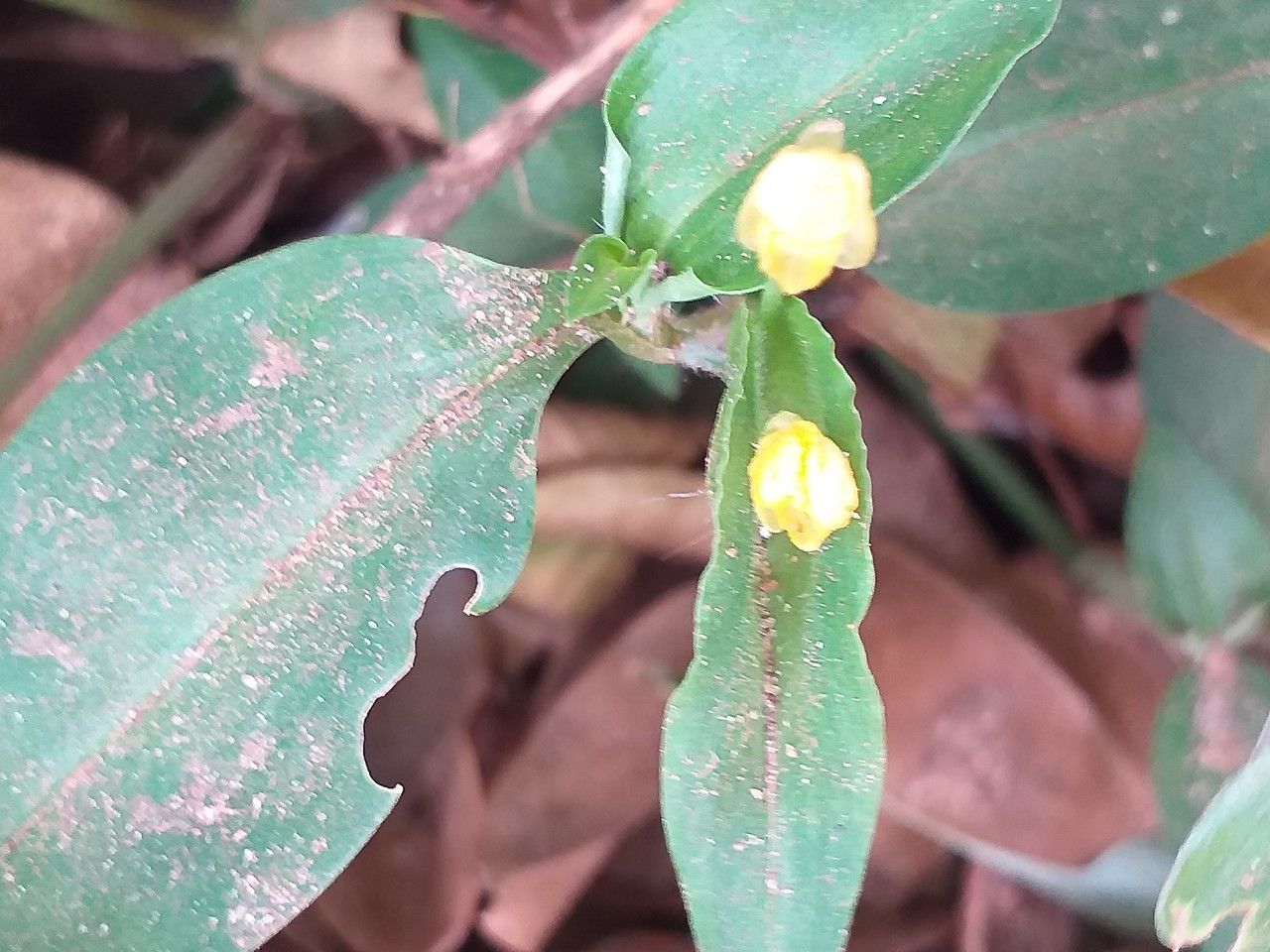
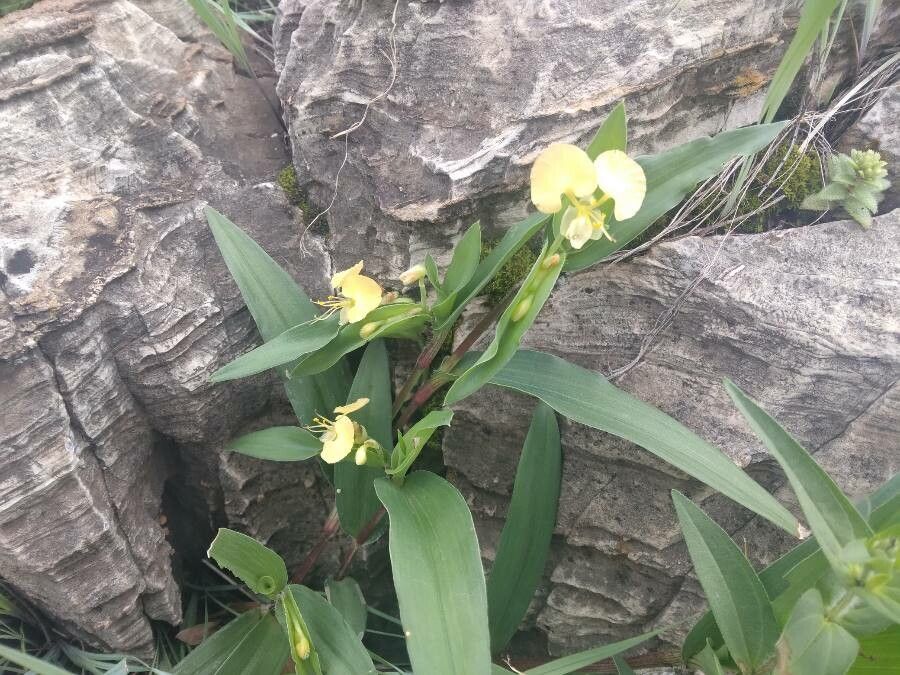
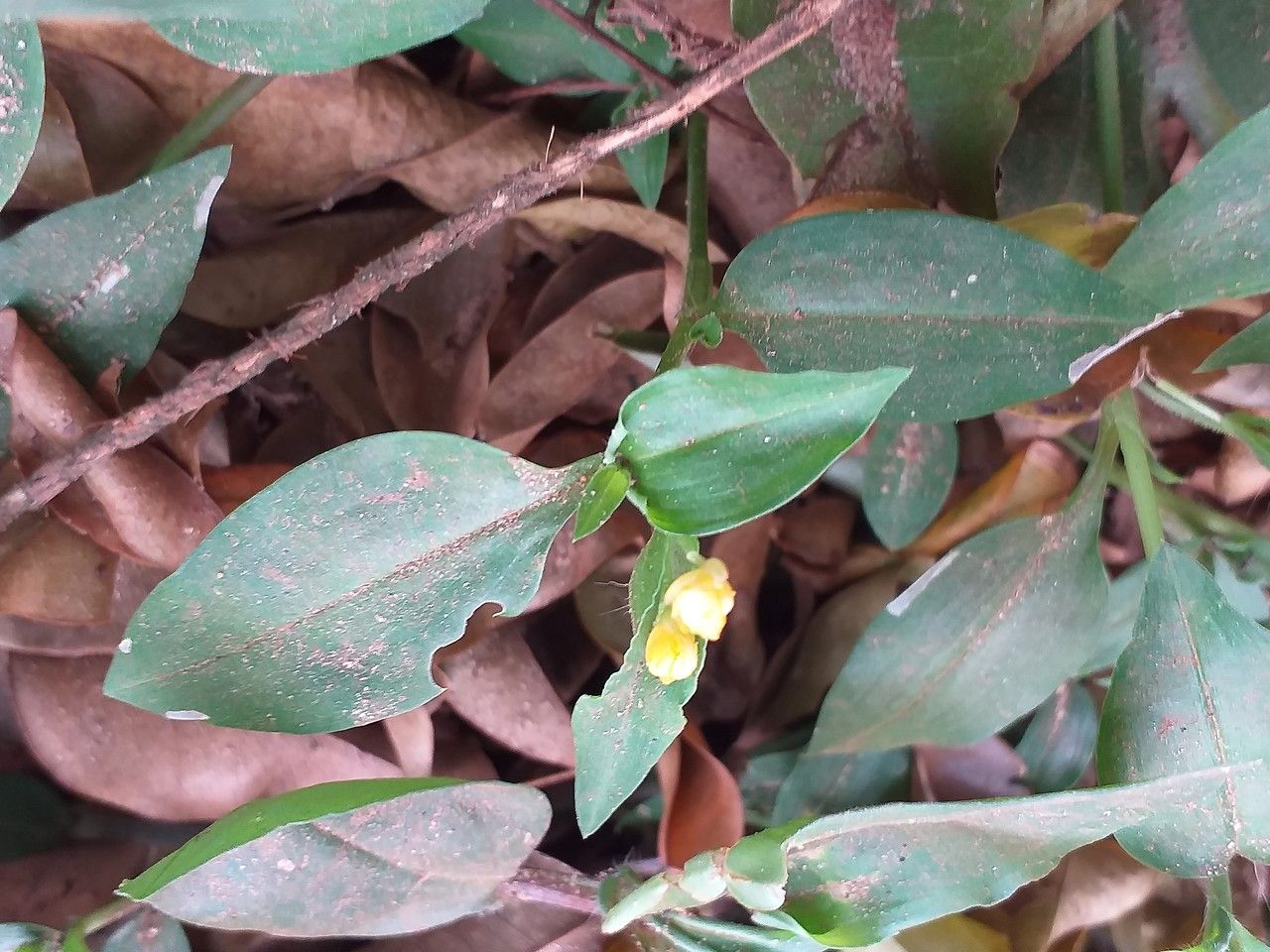
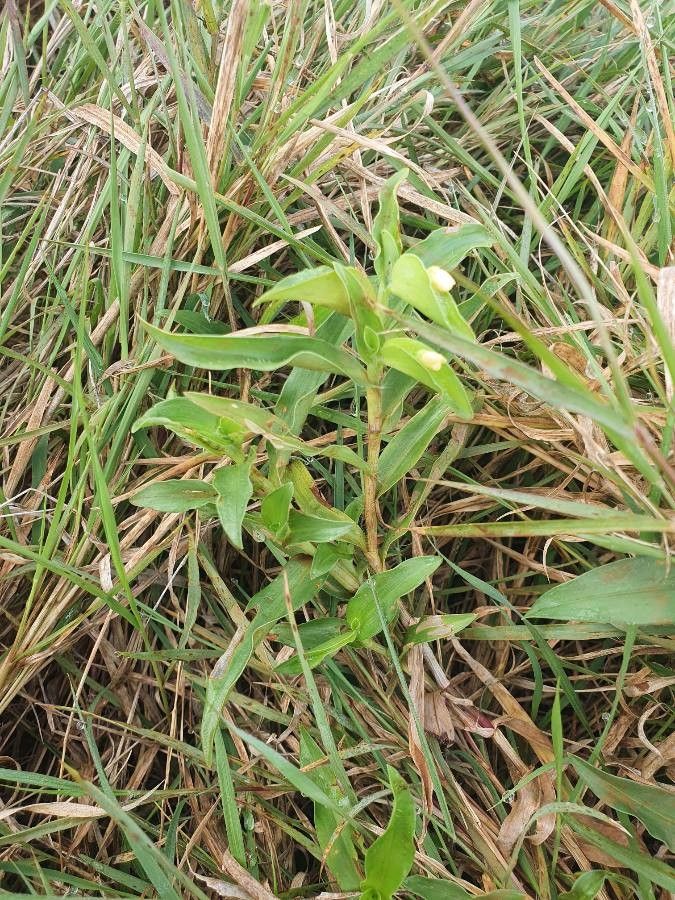
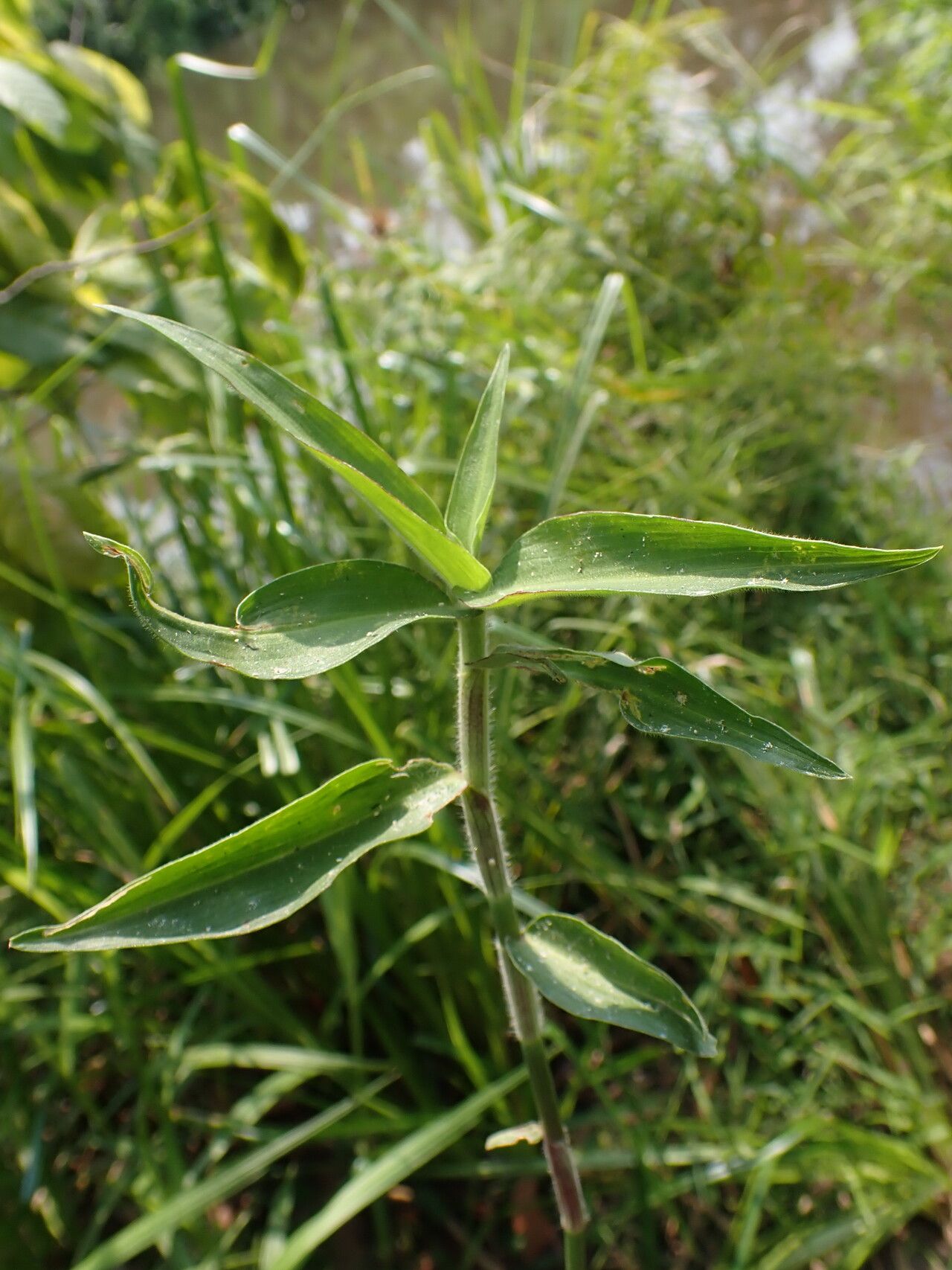
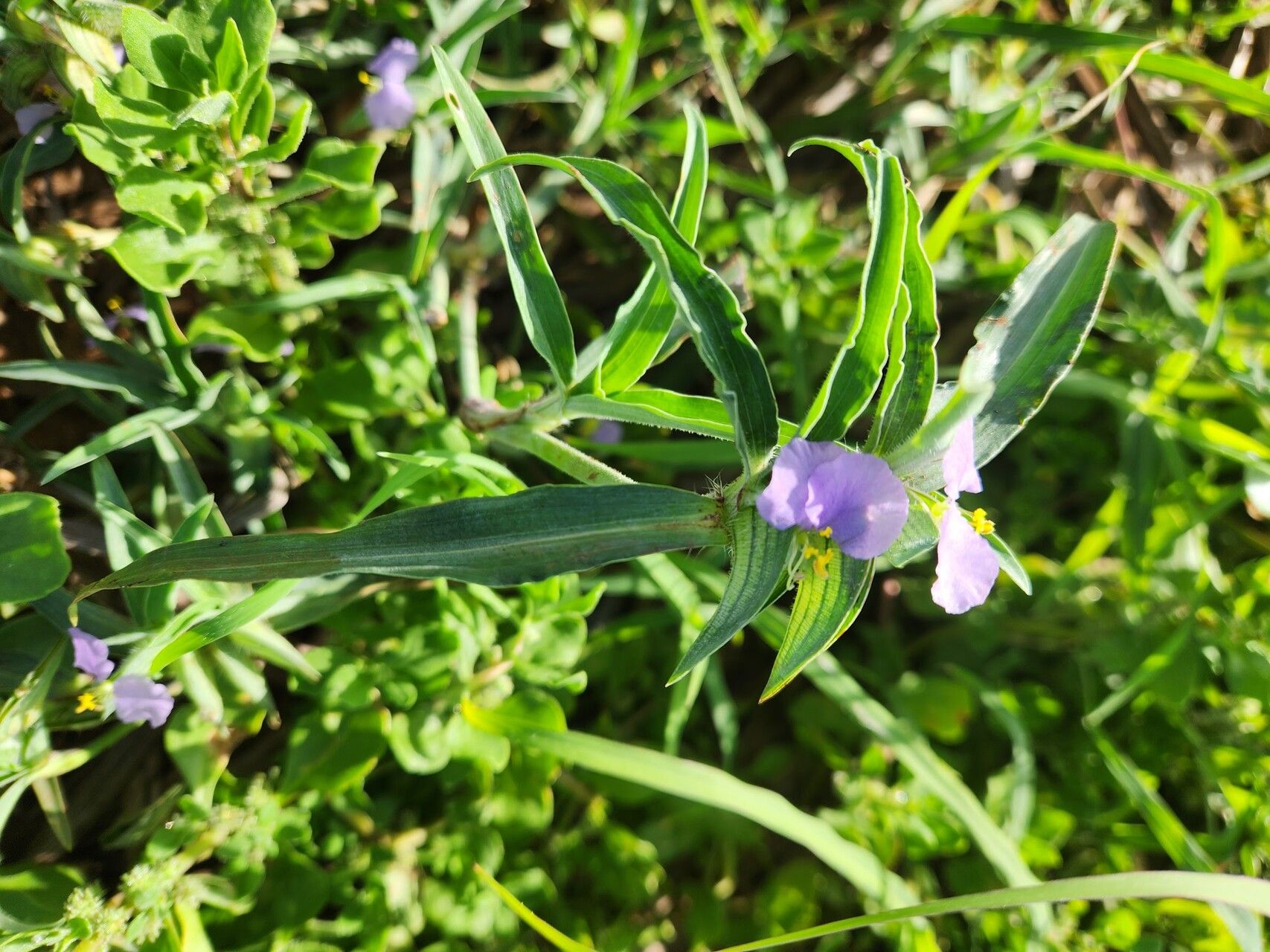
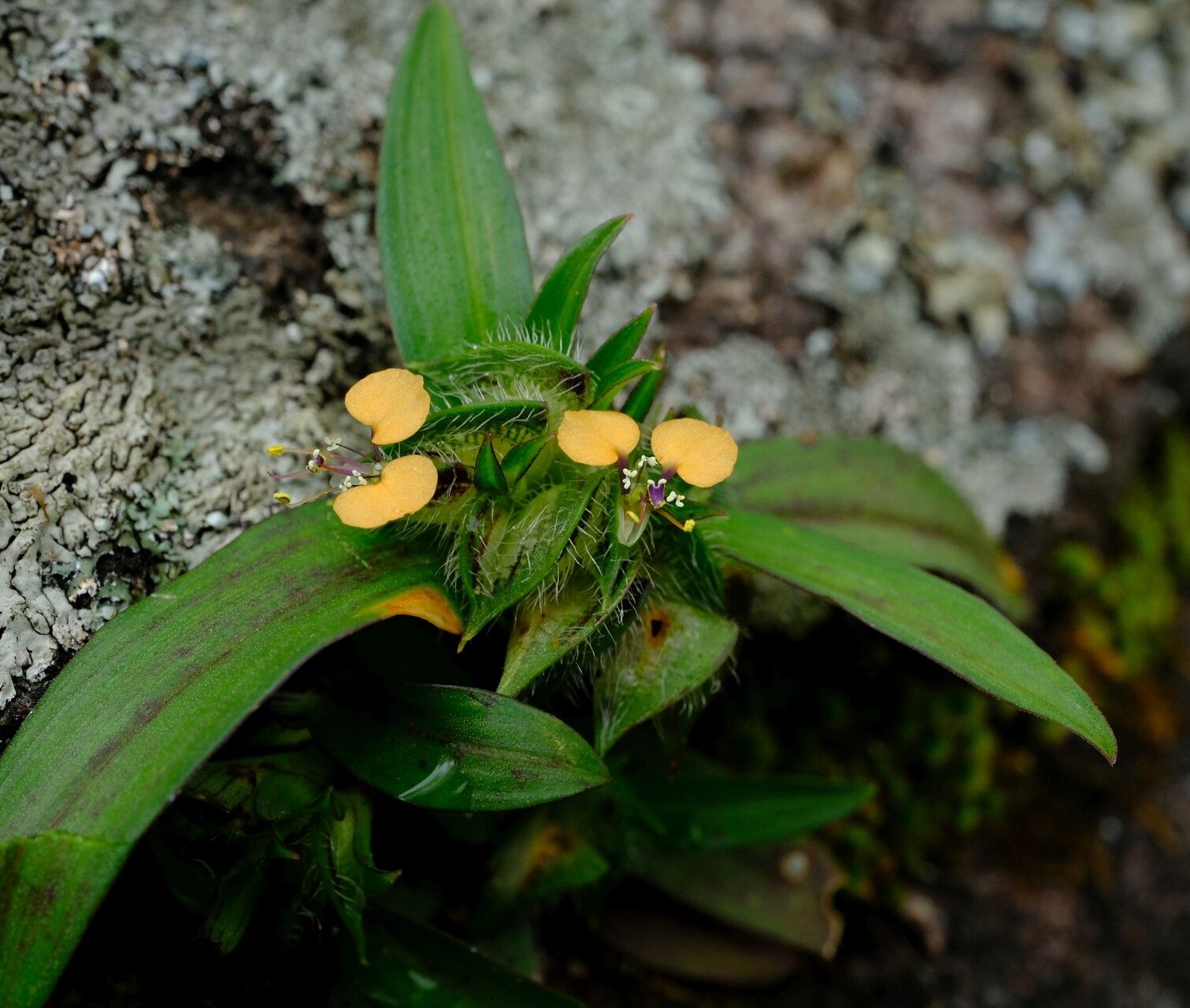
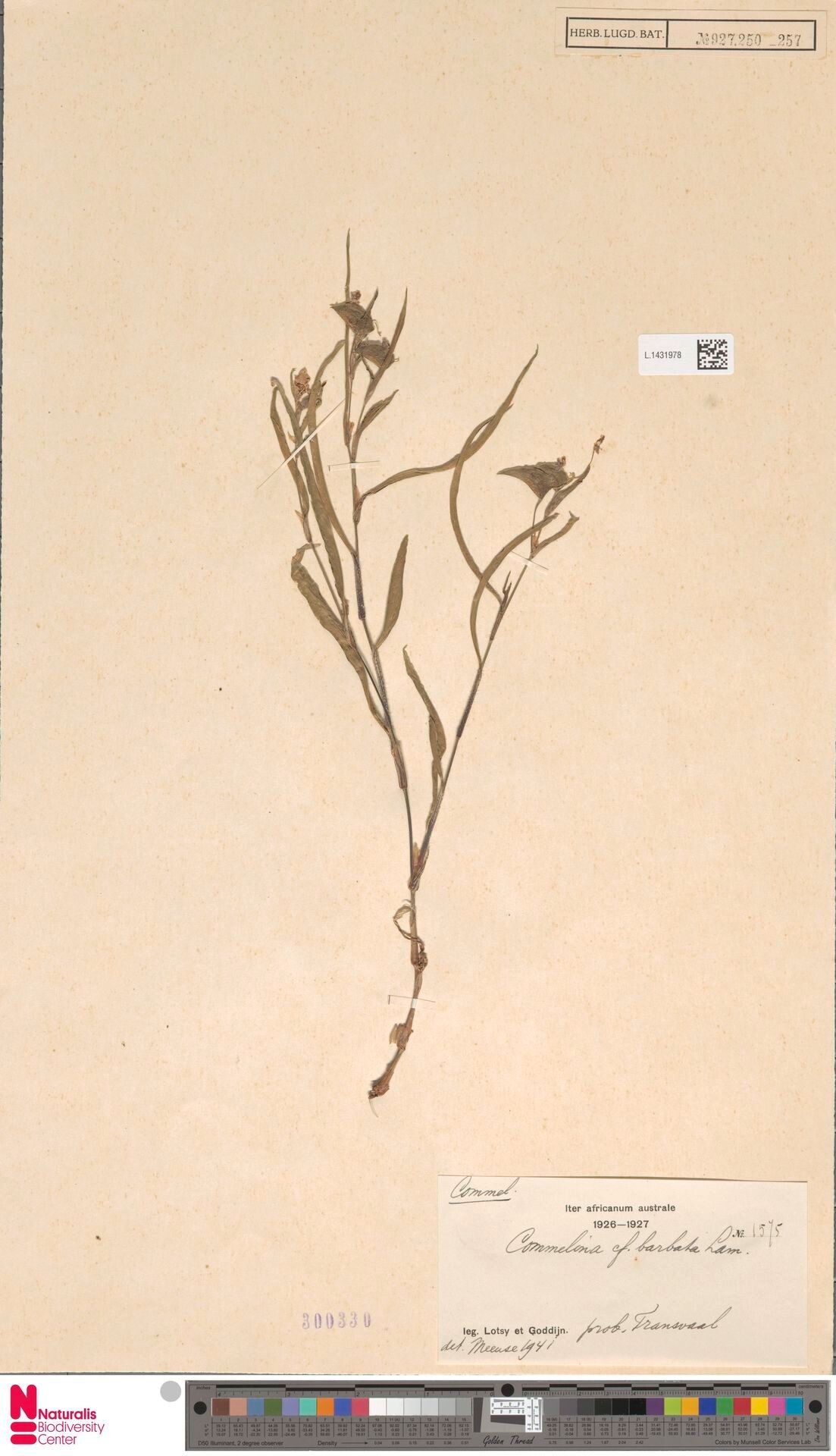
Commelina africana, the common yellow commelina, is a widespread species of flowering plant in the family Commelinaceae. It is native to Sub‑Saharan Africa, Madagascar, Réunion, and the Arabian Peninsula, and has been introduced to India. It is occasionally consumed as a leaf vegetable, and occasionally fed to rabbits and pigs.
Yellow commelina has strong resistance to disease and typically does not suffer from illnesses. Still, it can be affected by pests and diseases found in its environment. Such problems are generally mild. Regarding maintenance, this plant is moderately demanding. It should be pruned on a regular basis to preserve an attractive appearance and vigorous growth. Applying fertilizer can also encourage blooming. Yellow commelina is well suited for anyone with an outdoor area, like a garden or patio, and does not demand extensive horticultural experience. When kept indoors, it may need more attentive care.
How to keep Commelina Africana.
Light
Yellow commelina occurs in habitats like forest understories and rocky areas, where it grows in natural shade. It prefers partial sun but can adjust to both full sun and full shade, reflecting its adaptable, hardy character.
Water
Yellow commelina flourishes in tropical climates and requires consistent moisture to thrive. To maintain healthy growth, water it weekly, aligning with natural rainfall patterns, particularly when grown outdoors. During dry spells, effective irrigation is essential for preserving its vibrant blooms and overall vitality.
Temperature
Yellow commelina comes from tropical areas, where the climate is generally warm and humid. Consequently, it is well suited to high heat and humidity. It does not tolerate sudden temperature changes and prefers a steady temperature, so avoiding indoor temperature fluctuations is important. It typically cannot withstand cold and needs warmer conditions to grow. If the surrounding temperature falls too low, the plant may stop growing or even die.
Fertilizer
Appropriate fertilization is vital for Yellow commelina's health and appearance. Feed Yellow commelina during summer, repeating the application monthly throughout the season. Nutrients provide energy for growth and help maintain the plant's parts. Fertilizing improves Yellow commelina's flower display, ensuring the finest blooms.
Pruning
To promote healthy growth, it's beneficial to regularly prune yellow commelina from early to late spring. Use sterilized shears to focus on removing dead stems and thinning out dense areas. This practice improves air circulation and light penetration, which encourages robust blooming. Be sure to avoid heavy pruning outside the growing season.
Botanical profile.
- Plant Type
- Herb
- Life Cycle
- Perennial
- Genus
- Commelina
- Family
- Commelinaceae
- Hardiness Zone
- 9-11
- Mature Height
- 49 cm
- Mature Spread
- 10 cm to 61 cm
- Leaf Color
- Green
- Leaf Type
- Semi-evergreen
- Flower Color
- Yellow
- Flower Size
- 1.02 cm to 1.52 cm
- Bloom Time
- Late spring, Summer, Early fall
- Planting Time
- Spring, Autumn
- Harvest Time
- Mid summer, Late summer, Fall
Other names.
Reader questions.
What is Yellow Commelina?
Yellow Commelina, scientifically known as Commelina africana, is a plant species. It's part of the Commelina genus, which is known for its unique floral structure and vibrant colors. Although specific details such as its essentials, symptoms of its presence, or additional characteristics were not provided, this plant is notable for its classification and botanical interest.