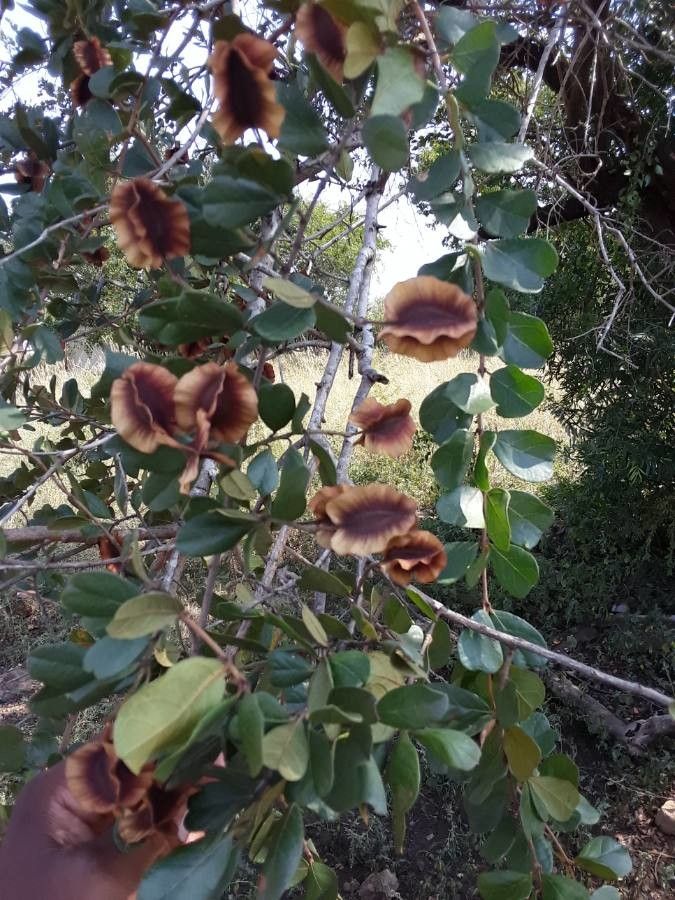
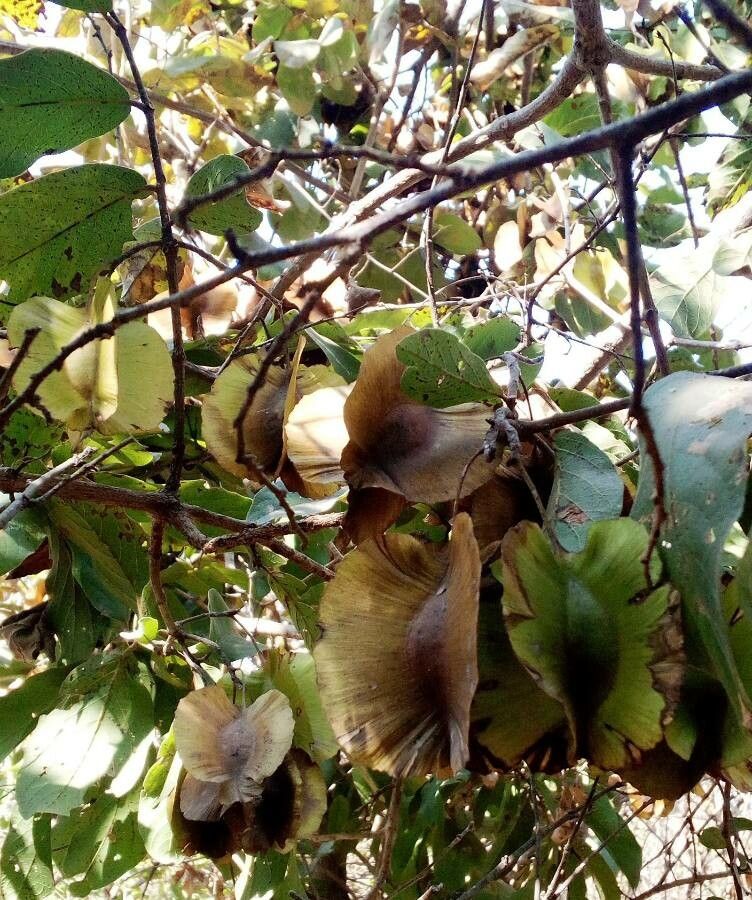
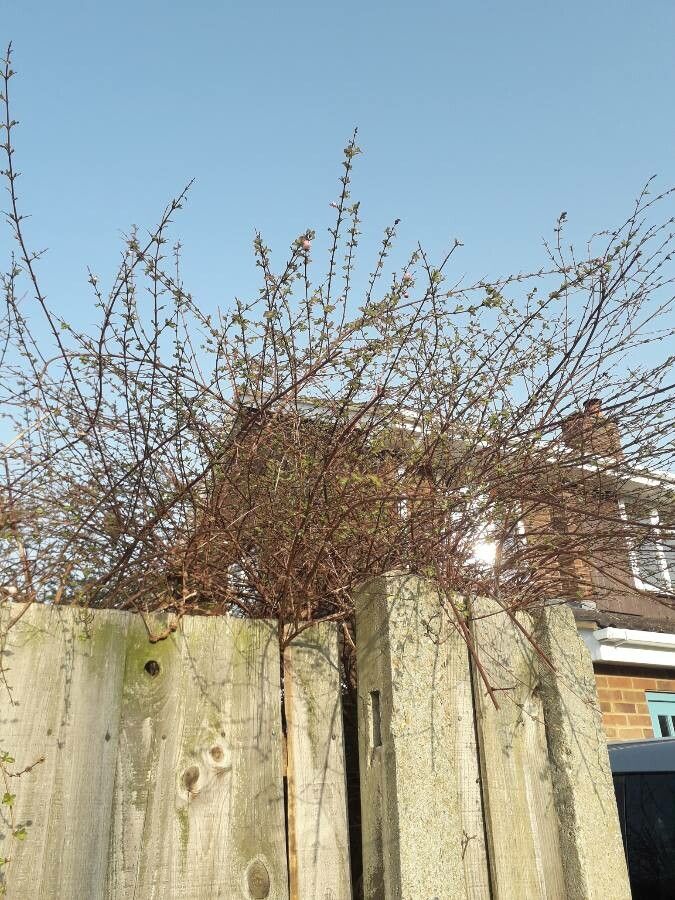
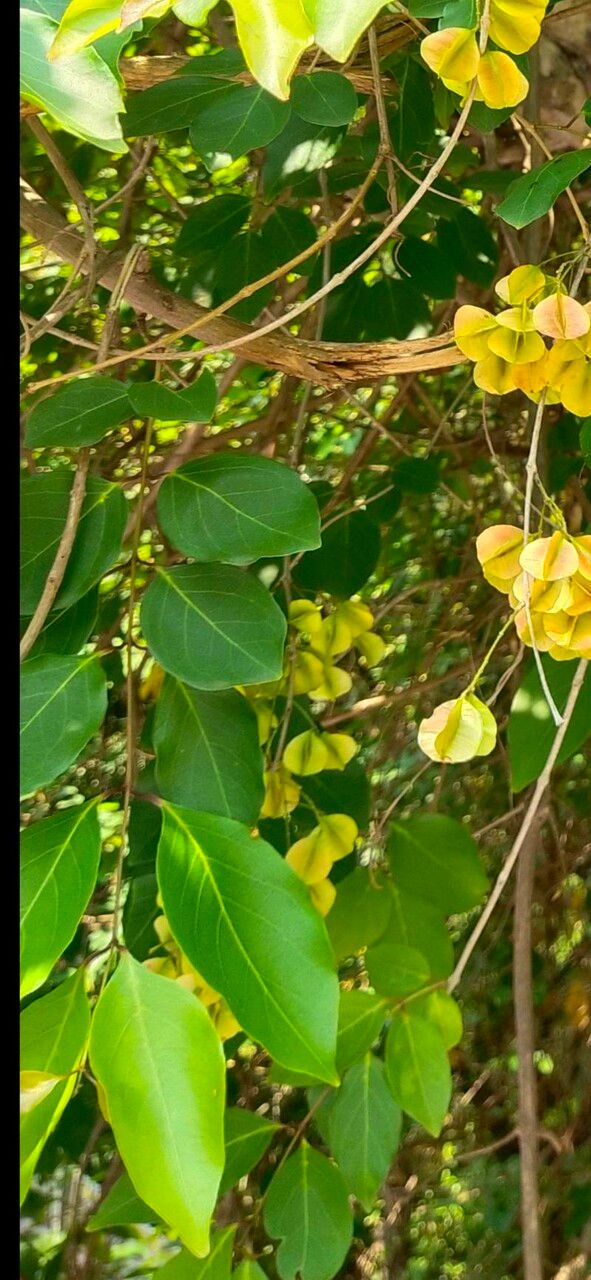
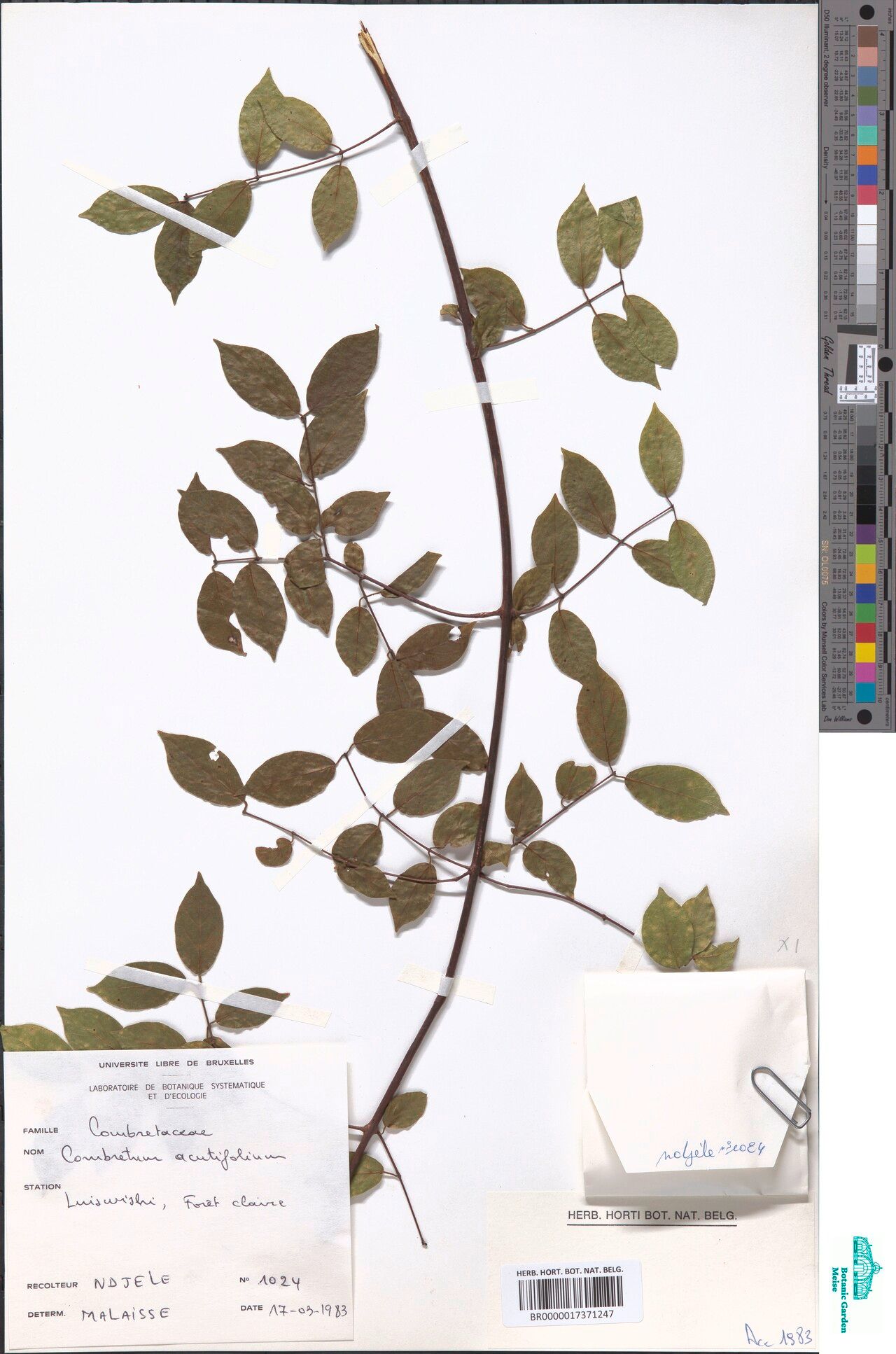
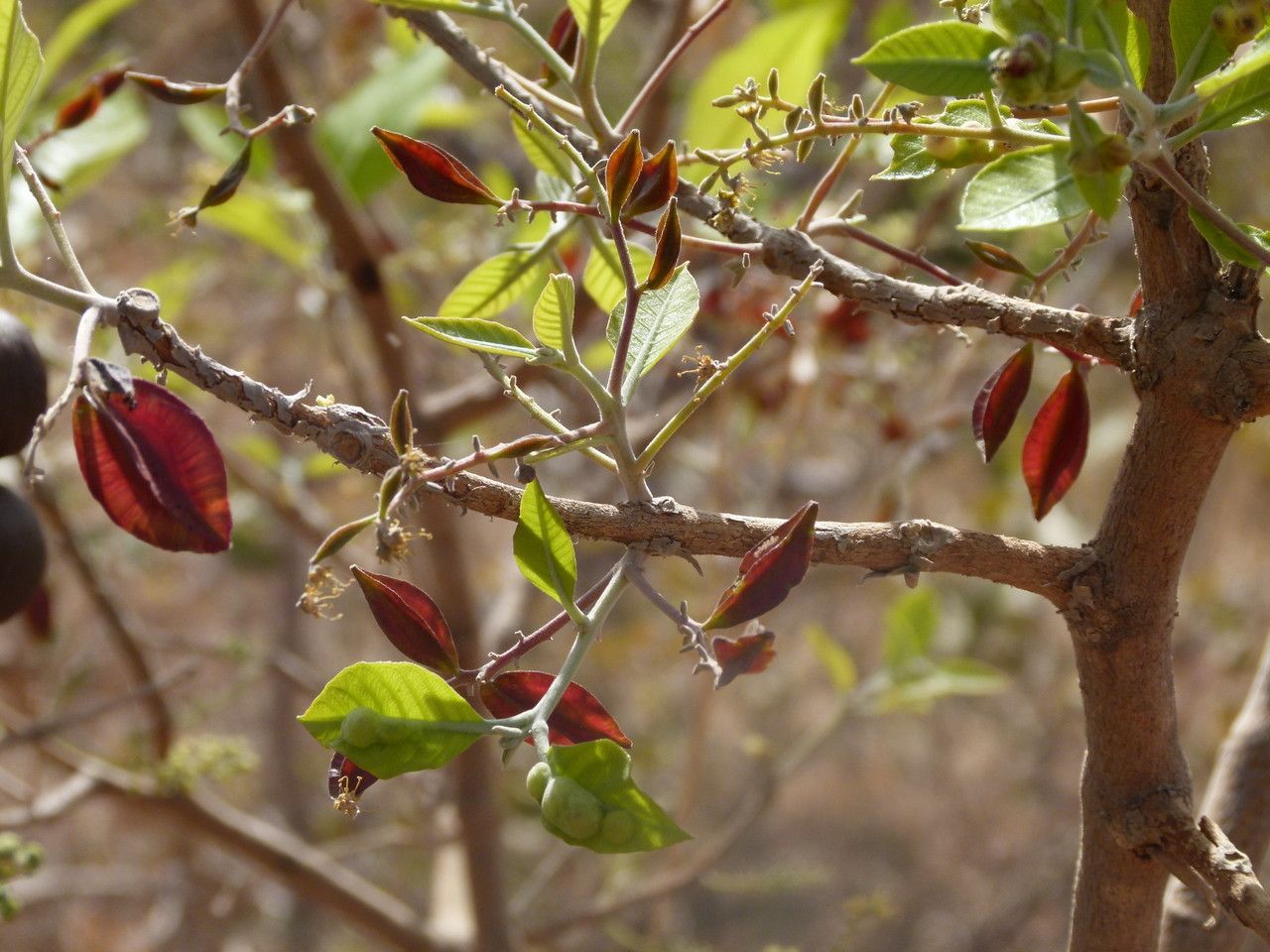
Combretum zeyheri, the large-fruited bushwillow or Zeyher's bushwillow, is a species of flowering plant in the family Combretaceae, usually found growing on acidic or sandy soils in tropical African savannas. A small to medium-sized tree, its roots are used as a source of material for making baskets and as a traditional medicine for haemorrhoids.
Large-fruited bush willow shows strong resistance to disease and is generally unlikely to be affected by illnesses. Regarding care, this plant is fairly low-maintenance. When grown outdoors it needs minimal watering, and larger plants typically do not require pruning. Smaller plants, however, should be pruned after they have finished blooming. Large-fruited bush willowt is suitable for anyone with outdoor space, such as a garden or deck, and does not need extensive plant-care experience.
How to keep Combretum Zeyheri.
Light
Large-fruited bush willow is native to open habitats, like sunny meadows and forest margins, where light is plentiful. It does best in full sun but will also tolerate partial sun, adapting well to different light conditions.
Temperature
Large-fruited bush willow is native to regions where temperatures range from 68 to 100 °F (20 to 38 ℃). This species prefers warm climates, and seasonal changes may require adjusting temperatures to keep conditions within that range.
Fertilizer
The best time to fertilize a Large-fruited bush willow is in early spring as it breaks dormancy. This encourages overall growth and the development of flowers. Fertilization improves the foliage, stems, and branches, and fosters flowers that are large, bright, and long-lasting. It helps move nutrients from the roots to the flowers and enhances the plant's health and resistance to disease.
Pruning
To ensure a healthy and well-structured large-fruited bush willow, it is beneficial to prune it annually in early spring. Begin by using clean tools to remove any dead branches. This process helps promote vigorous growth, improves air circulation, and enhances both flowering and fruit production. Consistent care and maintenance are crucial for optimal development of the plant.
Botanical profile.
- Plant Type
- Shrub
- Life Cycle
- Perennial
- Genus
- Combretum
- Family
- Combretaceae
- Hardiness Zone
- 9-11
- Mature Height
- 10.97 m
- Mature Spread
- 4.88 m to 7.92 m
- Leaf Color
- Green
- Leaf Type
- Deciduous
- Flower Color
- Yellow
- Flower Size
- 3.05 cm to 7.62 cm
- Bloom Time
- Mid spring, Late spring
- Planting Time
- Spring, Summer, Autumn
- Harvest Time
- Mid summer, Late summer, Early fall
- Native Area
- Malawi, Angola, Mozambique, Tanzania, South Africa, Zambia, Eswatini, Namibia, Kenya, Congo (DRC), Botswana, Zimbabwe
Other names.
Reader questions.
What are the sunlight requirements for a Large-fruited bush willow (Combretum zeyheri)?
The Large-fruited bush willow (Combretum zeyheri) thrives under specific sunlight conditions. It requires 'Full sun' which means it should receive above 6 hours of sunlight daily. However, it can also grow under 'Partial sun' conditions, which implies about 3-6 hours of sunlight. It's important to observe the movement of sunlight through your garden to find spots that offer the right mix of light and shade, ensuring the plant's well-being and growth.
What is the native temperature range for Large-fruited bush willow?
The Large-fruited bush willow, scientifically known as Combretum zeyheri, thrives in native regions where the temperature ranges from 68 to 100 °F (20 to 38 °C). This species is well-suited to warm climates, and maintaining the temperature within this range across different seasons may be necessary for its optimal growth.