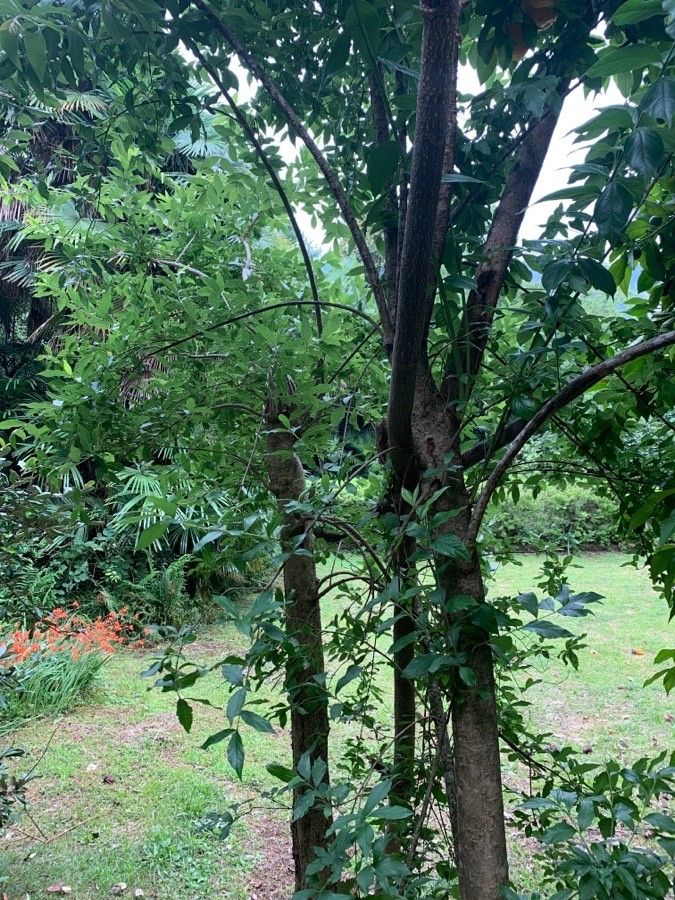
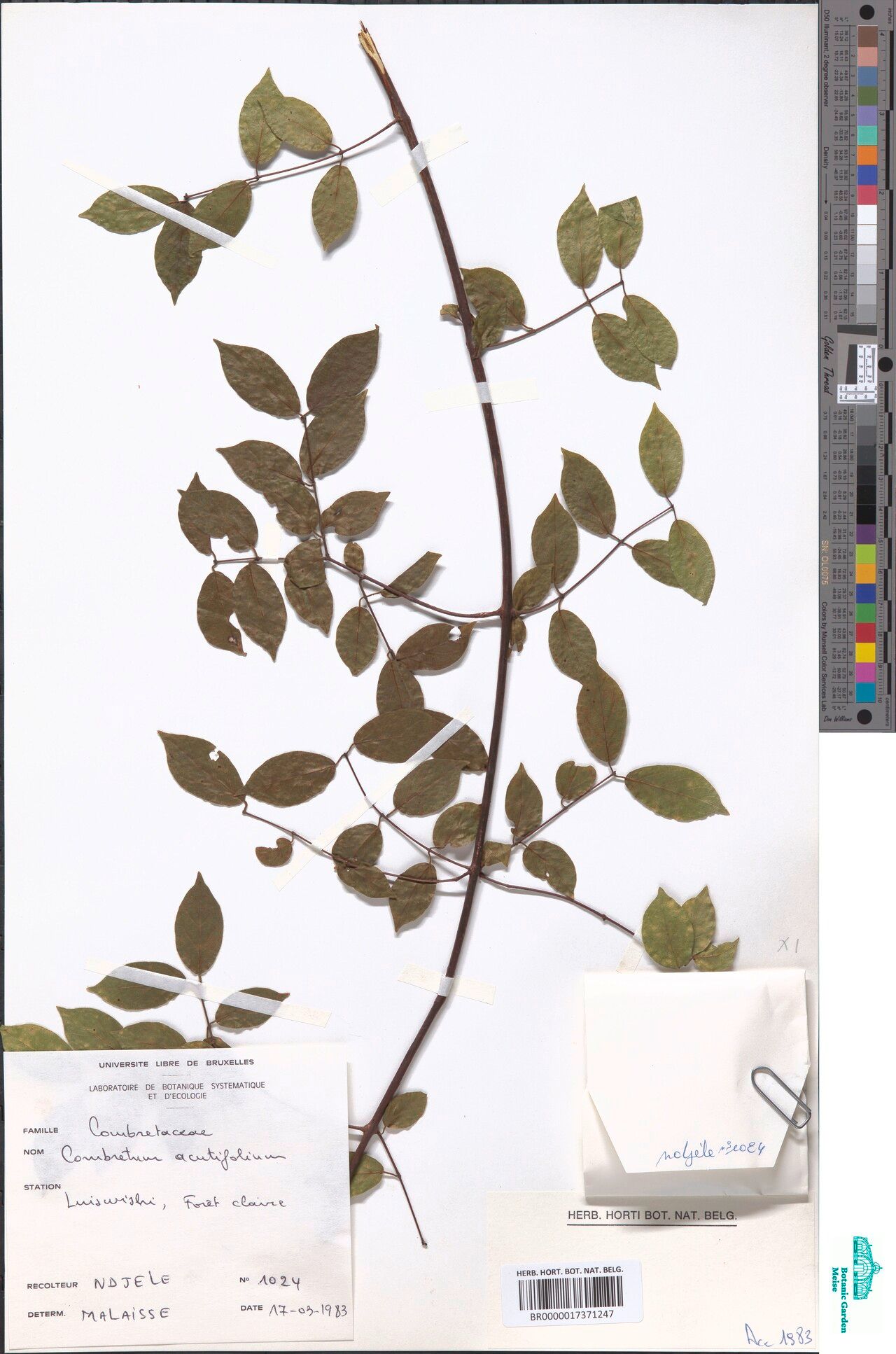
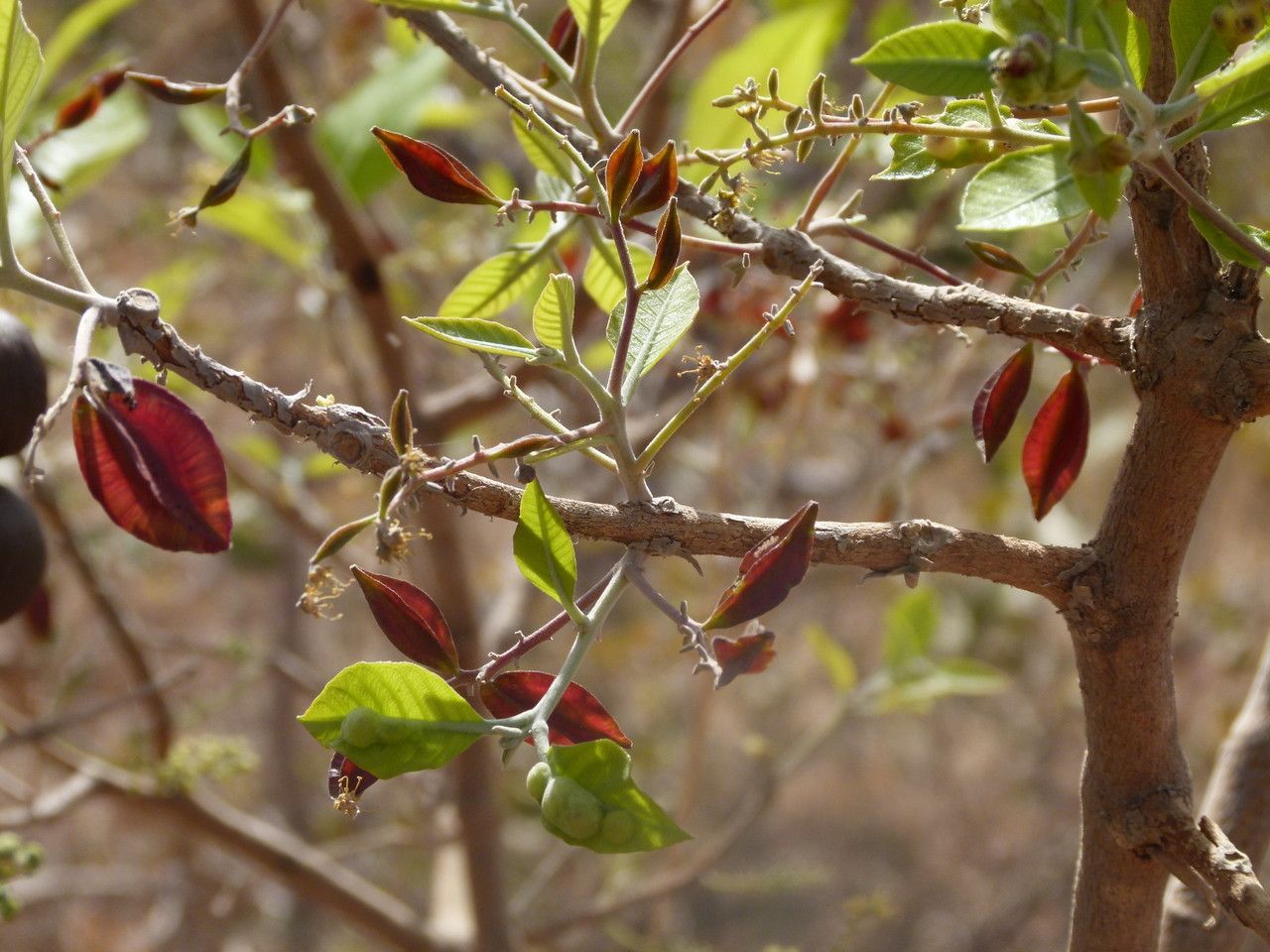
Combretum erythrophyllum, commonly known as the river bushwillow, is a deciduous tree belonging to the Combretaceae family. Native to southern Africa, this tree thrives in various habitats, including woodlands, savannas, and riverbanks. It can reach up to 15 meters in height, with a spreading crown and a trunk diameter of up to 1 meter.
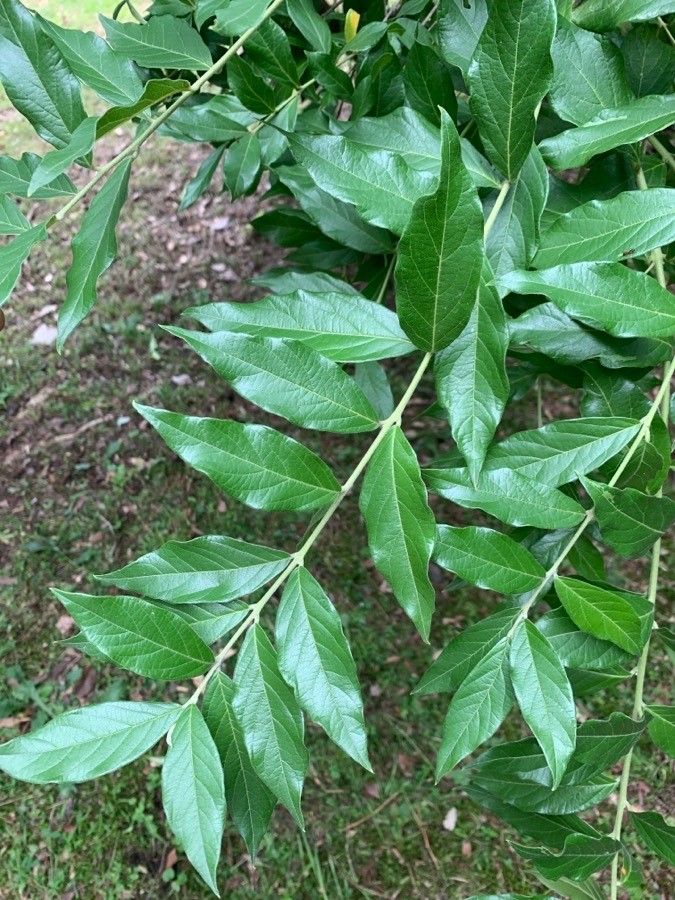
The leaves of Combretum erythrophyllum are simple, alternate, and elliptical, featuring a glossy green surface. The flowers are small and inconspicuous but are arranged in dense spikes that can grow up to 15 centimeters long. Blooming from late spring through summer (October to February), these nectar-rich flowers attract bees, butterflies, and other pollinators.
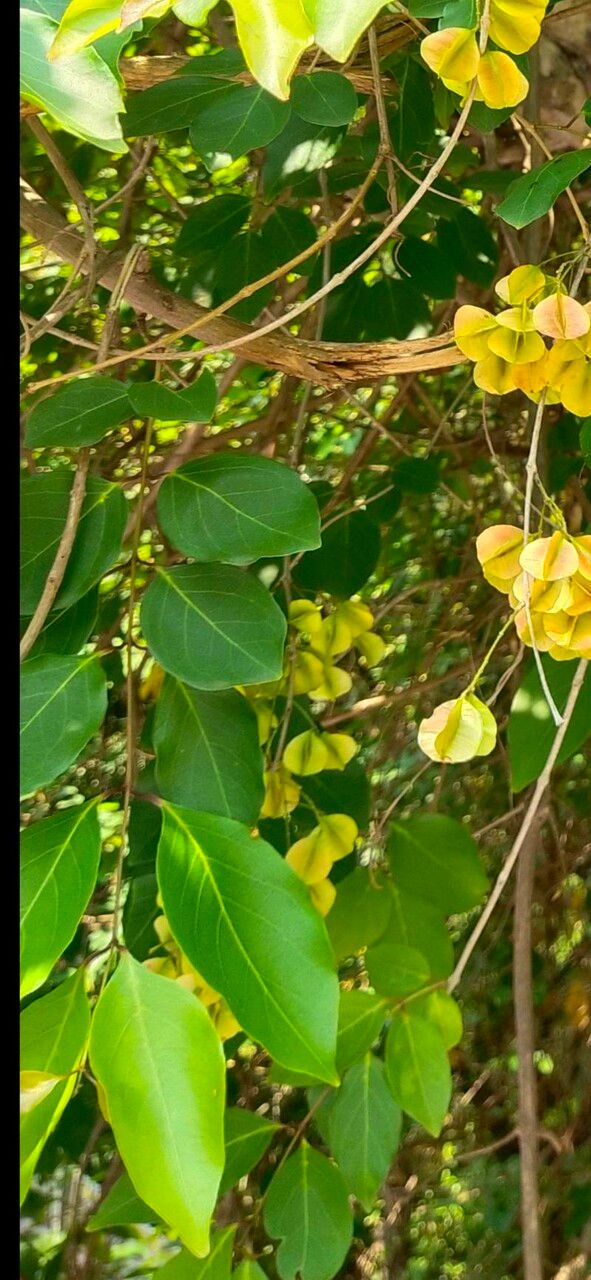
The fruit of the river bushwillow is an oblong capsule containing a single seed, which is dispersed by wind or water. Indigenous people have used the bark of this tree for medicinal purposes for centuries due to its anti-inflammatory properties.
Combretum erythrophyllum has numerous uses, including being a valuable source of firewood due to its high calorific value. It provides shade for livestock during the hot summer months and serves as a crucial food source for various animals, such as elephants, which feed on its leaves.
Overall, this plant plays a vital role in maintaining biodiversity within southern Africa's ecosystems. It offers numerous ecological and economic benefits, making it an essential species in these regions.
Bush-willow shows strong resistance to disease and is usually not susceptible to illnesses. As for care, this plant is fairly low maintenance. When grown outdoors, it needs minimal watering and larger specimens generally do not require pruning. However, smaller plants should be pruned after they finish blooming. Bush-willowt is suitable for anyone with an outdoor area, such as a garden or deck, and does not require a lot of care experience.
How to keep Combretum Erythrophyllum.
Light
Bush-willow prefers as much daily light as possible, ideally unobstructed by other plants or the surroundings. This light increases its vigor and encourages strong growth. In its native range it generally receives abundant light. Excessive light seldom causes problems, whereas too little sunlight can stunt growth or lead to leaf discoloration.
Water
The bush-willow is a drought-tolerant plant that prefers to be watered every two weeks. It is typically found near riverbanks, where it can take advantage of occasional flooding to store water. Its growth is directly related to the amount of water it receives: it thrives when well-hydrated and goes dormant during dry periods.
Temperature
Bush-willow is fairly adaptable to temperature, able to endure high heat and considerable temperature fluctuations. In hot weather, attention to watering and providing adequate shade is necessary to prevent sunburn. Conversely, Bush-willow is not very tolerant of low temperatures. It can resist some cold, but overly cold conditions can cause frost damage.
Fertilizer
Timing is essential for fertilizing Bush-willow. Apply fertilizer in early spring and continue monthly until early summer. Fertilizer encourages attractive blooms and supplies energy during both dormant and active growth phases.
Pruning
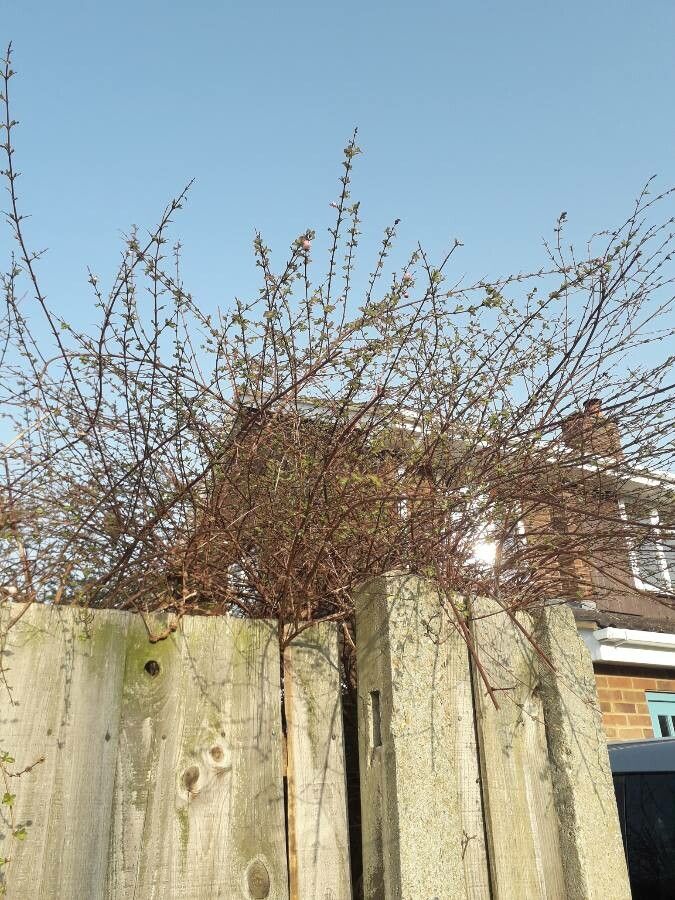
The Bush-willow is a deciduous shrub or tree that features attractive red foliage and distinctive winged seeds. To improve its structure, prune it from early to late winter by removing dead or crossing branches. Use clean, sharp tools and make cuts at a 45-degree angle above the buds to promote optimal growth and appearance.
Botanical profile.
- Plant Type
- Tree
- Life Cycle
- Perennial
- Genus
- Combretum
- Family
- Combretaceae
- Hardiness Zone
- 9-11
- Mature Height
- 7.01 m to 11.89 m
- Mature Spread
- 3.96 m to 10.06 m
- Leaf Color
- Green, Orange Red
- Leaf Type
- Evergreen
- Flower Color
- White
- Flower Size
- 10.16 cm
- Bloom Time
- Mid fall, Late fall
- Planting Time
- Spring, Summer, Autumn
- Harvest Time
- Winter
- Native Area
- Mozambique, South Africa, Zambia, Eswatini, Namibia, Botswana, Zimbabwe
Other names.
Reader questions.
What are the sunlight requirements for Bush-willow?
Bush-willow thrives best in full sun conditions, requiring more than 6 hours of sunlight daily to maintain optimal health and growth. It is essential to observe how sunlight moves through your garden throughout the day and select locations that offer a good balance of light and shade. This ensures that your Bush-willow receives the ideal amount of sunlight it needs to flourish, mirroring its native habitat's conditions where it usually enjoys abundant light. Excessive sunlight is rarely harmful to Bush-willow; however, insufficient sunlight can lead to stunted growth or discoloration of leaves.
How does artificial lighting benefit indoor Bush-willow plants?
For indoor Bush-willow plants or when natural sunlight conditions are suboptimal, especially in winter or less sunny spaces, artificial lighting can be a lifesaver. These lights support optimal plant growth by providing a vital light source that encourages healthier, faster development. Indoor plants can benefit greatly from artificial lighting solutions like LED lights, which can be tailored to emit specific light wavelengths necessary for plant growth. For full sun plants, 30-50 watts per square foot is recommended, with the light source placed 12-36 inches above the plant to simulate natural sunlight conditions. Ensuring your plant receives 8-12 hours of light per day can mimic the natural daylight duration and is crucial for its well-being.
What are the common symptoms of light deficiency in Bush-willow?
Bush-willow shows several symptoms when it doesn't receive enough sunlight, including smaller new leaves, leggy or sparse growth, faster leaf drop, slowed or ceased growth, and lighter-colored or yellowing leaves indicating chlorosis. Excessive sunlight can also cause issues such as sunscald, leaf curling, wilting, and leaf scorching which appear as damaged or necrotic patches on leaves or stems, signifying that the plant is receiving more light than it can handle. These symptoms highlight the plant's need for an adequate balance of sunlight to ensure healthy growth and development.
What solutions can help Bush-willow with insufficient sunlight exposure?
For Bush-willow struggling with insufficient sunlight, gradually relocating the plant to a sunnier spot can make a significant difference. For indoor plants, moving them to a south-facing window or providing additional light through artificial means, such as keeping a lamp on for at least 8 hours a day or investing in professional grow lights, can be beneficial. Outdoor plants should be moved gradually to avoid shock from sudden light changes. If the location is fixed and light is obstructed, consider pruning obstacles or transplanting the plant to a better-lit area. Although parts of the plant affected by low light may not recover, new growth should show improved health with proper light exposure.