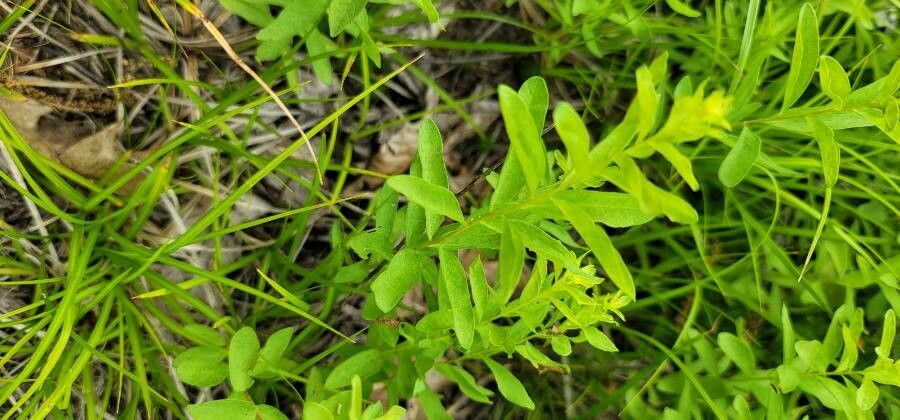
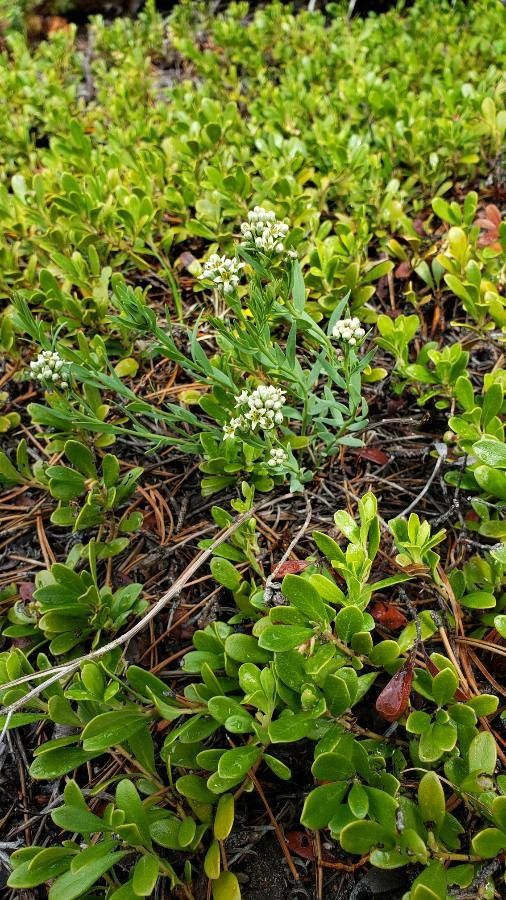
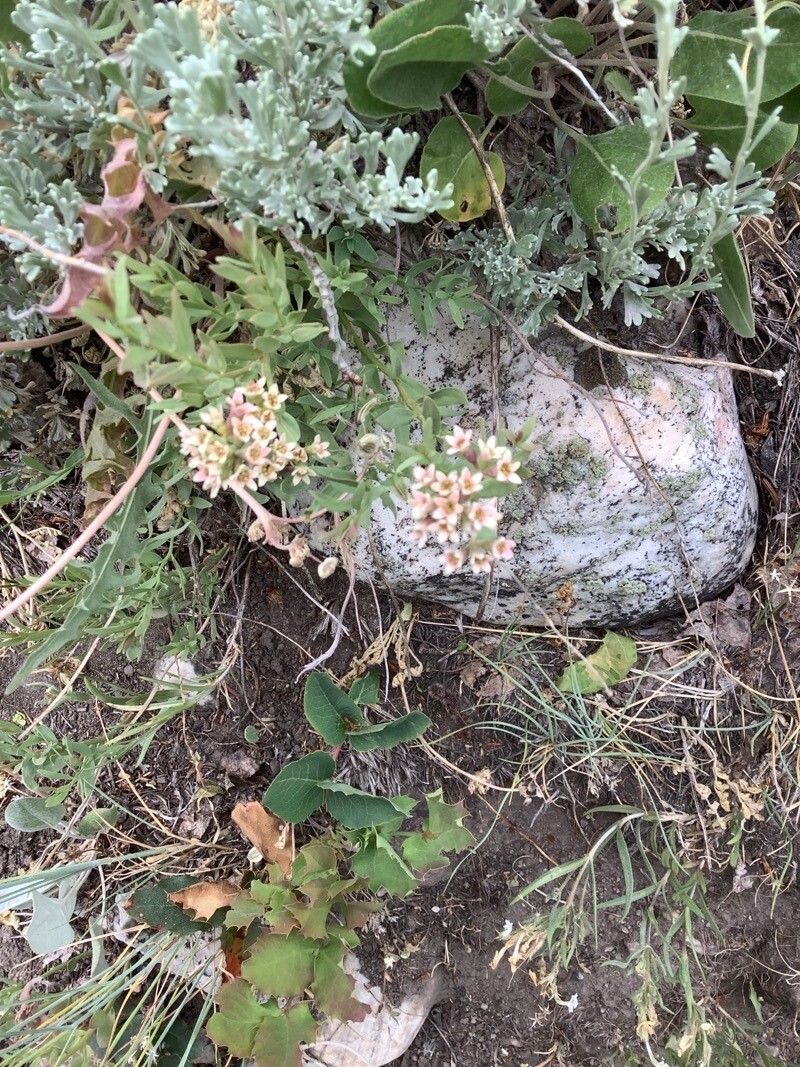
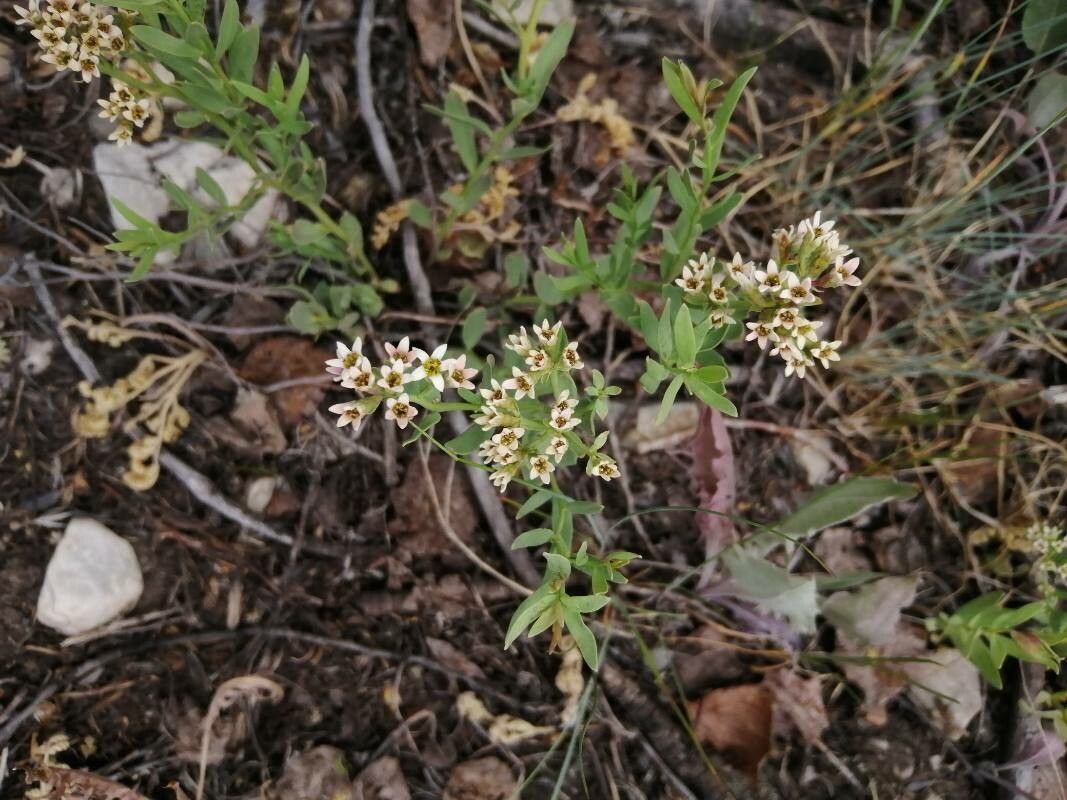
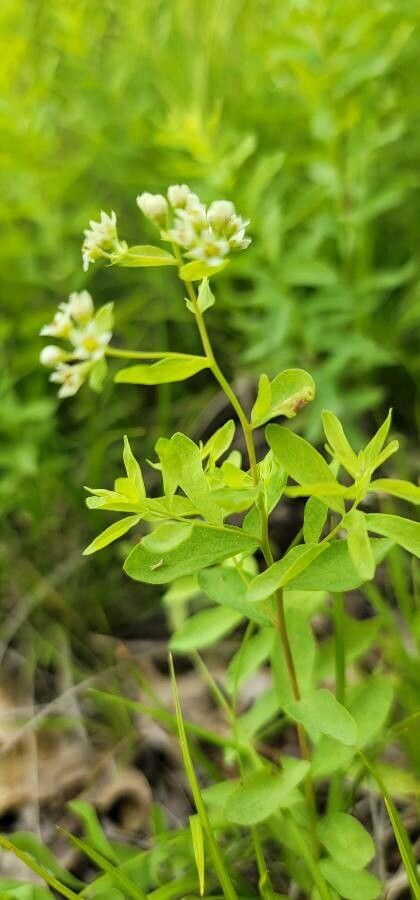
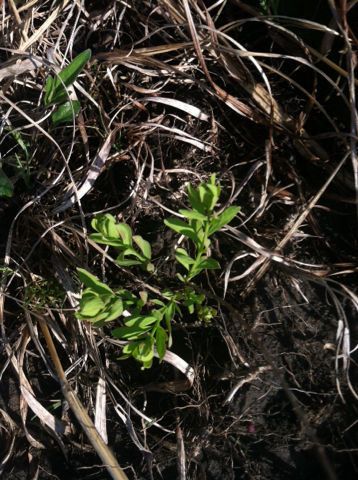
Comandra is a monotypic genus containing the single species Comandra umbellata. Its common names include bastard toadflax, umbellate bastard toadflax, and common comandra. The plant has a disjunct distribution; its four subspecies occur in North America and the Mediterranean.
Umbellate bastard toad-flax has good disease resistance and is generally not prone to diseases. However, it can be susceptible to pests and diseases found in its surroundings. These infections are usually not severe. In terms of care, this plant requires medium maintenance. It should be pruned regularly to keep a neat appearance and support healthy growth. Fertilizing can also help encourage flowering. Umbellate bastard toad-flax is suitable for anyone with outdoor space, such as a garden or patio, and does not require much gardening experience. It may need more attention when grown indoors.
How to keep Comandra Umbellata.
Light
The umbellate bastard toad-flax does best in places where sunlight is plentiful. It needs a significant amount of sun exposure for proper growth and good health. Insufficient or excessive sunlight can negatively impact the plant, resulting in poor growth or discoloration. Its native habitat aligns with this requirement for sunlight.
Water
The umbellate bastard toad-flax thrives best with weekly watering that mimics its natural rainfall patterns. It requires consistent moisture without becoming overly saturated. This plant grows well outdoors, benefitting from environmental changes and seasonal rainfall, particularly during its active growing season when adequate hydration is crucial for its development.
Humidity
This plant will thrive in moderate humidity, which is probably the level in your home. However, misting it a few times a week can be very beneficial. Make sure the room has good ventilation.
Temperature
Fond of mild climates, umbellate bastard toad-flax is most comfortable at temperatures between 41 to 89.6 °F (5 to 32 ℃). If it ends up in a warmer or cooler location, there's no need to worry — it's fairly adaptable. Gentle adjustment of temperature with the seasons can boost its well-being.
Fertilizer
A single fertilizer application in spring is generally adequate for Umbellate bastard toad-flax, but multiple feedings can optimize growth. Feed every month to every month and a half. Fertilizing improves leaf appearance and function, helping maintain even color and a healthy texture. It also promotes root development and nutrient uptake for long-term plant health.
Pruning
The umbellate bastard toadflax is a low-growing perennial plant with small green leaves and white flowers. It is best to prune it from early to late spring by removing any dead stems and lightly trimming to maintain its shape. Minimal intervention is recommended to improve air circulation and prevent disease. Always use clean, sharp tools for pruning.
Botanical profile.
- Plant Type
- Herb
- Life Cycle
- Perennial
- Genus
- Comandra
- Family
- Santalaceae
- Hardiness Zone
- 4-8
- Mature Height
- 8 cm to 34 cm
- Mature Spread
- 61 cm
- Leaf Color
- Green
- Leaf Type
- Evergreen
- Flower Color
- White
- Flower Size
- 0.76 cm
- Bloom Time
- Early spring, Mid spring
- Planting Time
- Spring, Summer
- Harvest Time
- Early summer, Mid summer
Other names.
Reader questions.
How should I water my Umbellate bastard toad-flax plant?
To properly water the Umbellate bastard toad-flax, it is recommended to use filtered water at room temperature. Tap water may contain harmful particles, so filtered water is a safer choice. Since this plant is native to warm environments, it is important to avoid using cold water, as it can be a shock to the plant. Additionally, overhead watering should be avoided to prevent foliage complications. Instead, the filtered room temperature water should be applied directly to the soil until it is completely soaked. This helps to moisten the roots and promote their spread in the soil, allowing the plant to absorb the necessary nutrients.
What are the sunlight requirements for Umbellate bastard toad-flax?
The Umbellate bastard toad-flax requires full sun, which means it needs more than 6 hours of sunlight daily for optimal growth and health. It is crucial to observe how sunlight moves through your garden to find spots that offer a perfect balance of light and shade, ensuring the plants' happiness. This species thrives where sunlight is abundant, and its health and growth can be negatively affected by both the lack and surplus of sun exposure. Originating from habitats with plentiful sunlight, it's vital to replicate such conditions for the plant to flourish.
What is the ideal temperature range for Umbellate bastard toad-flax?
Umbellate bastard toad-flax, known botanically as Comandra umbellata, thrives in moderate climates with its ideal temperature range being between 41 to 89.6 °F (5 to 32 °C). It is adaptable to temperatures outside this range, but for optimal health, keeping it within these limits is advisable. The plant exhibits strong cold resistance, making special frost protection measures unnecessary in most cases. However, extra care is needed when winter temperatures are forecasted to drop below -30°C.
What should I do if I give my Umbellate bastard toad-flax too much or too little water?
Both overwatering and underwatering can harm the health of your Umbellate bastard toad-flax, but overwatering is more commonly a problem. When this species receives excess water, its stems and leaves may wilt and turn yellow. Overwatering for a long time can also lead to root rot, mold, and mildew, which can be fatal for your plant. Underwatering is less likely for the Umbellate bastard toad-flax since it can tolerate drought relatively well. However, underwatering is still possible and can cause the leaves to become brittle and brown. It's important to detect signs of overwatering early when taking care of your Umbellate bastard toad-flax. Some diseases caused by overwatering, like root rot, may be irreversible if you wait too long. If you notice early signs of overwatering, reduce your watering immediately. It's also a good idea to check the soil quality where your Umbellate bastard toad-flax is growing. If the soil drains poorly, replace it with a loose, well-draining potting mix. On the other hand, if you see signs of underwatering, simply water more regularly until those signs disappear.
How can artificial lighting be used for indoor Umbellate bastard toad-flax plants?
For indoor Umbellate bastard toad-flax plants, adequate lighting is essential, especially when natural sunlight is insufficient. Artificial lights, such as LED lights which can provide specific wavelengths needed by plants, are recommended. For plants requiring full sun, 30-50W/sq ft of artificial light is suggested; for partial sun plants, 20-30W/sq ft; and for full shade plants, 10-20W/sq ft. The light source should be placed 12-36 inches above the plant, mimicking natural sunlight. Additionally, the duration of light exposure should replicate natural daylight hours, typically needing 8-12 hours of light per day.
How can Umbellate bastard toad-flax be protected during extreme winter conditions?
During harsh winter conditions, especially when temperatures are expected to fall below -30°C, Umbellate bastard toad-flax requires cold protection. This could involve covering the plant with soil or straw to insulate it. Additionally, it is recommended to water the plant abundantly before the first freeze of autumn. Keeping the soil moist allows it to enter a frozen state preparedly, which aids in preventing drought and water scarcity during the colder months and early spring.
How often do I need to water my Umbellate bastard toad-flax?
If your Umbellate bastard toad-flax is in a pot, the most precise way to determine if it needs water is by checking the soil with your finger. When the top two to three inches of soil are dry, it's time to water. For those growing Umbellate bastard toad-flax outdoors in the ground, you can use a similar method. When the first few inches of soil have dried out, it's a sign to add water. In the spring and early fall, watering once a week is usually enough. However, during extremely hot weather, watering may need to be increased to twice a week or more. It's worth noting that mature and well-established Umbellate bastard toad-flax plants have a remarkable ability to tolerate drought.
What are the symptoms of inadequate light in Umbellate bastard toad-flax?
Symptoms of light deficiency in Umbellate bastard toad-flax include smaller new leaves, leggy or sparse growth, quicker leaf drop, halted or no new growth, lighter-colored new leaves, chlorosis (loss of green color and turning yellow), sunscald (damage from intense sunlight), leaf curling (as a defense mechanism), wilting from overexposure to sunlight causing increased water loss, and leaf scorching (appearance of brown, dry patches due to excessive sunlight). These indicate that the plant is not receiving adequate sunlight for its needs.
What are the symptoms of Umbellate bastard toad-flax experiencing low temperature stress?
Umbellate bastard toad-flax is cold-tolerant, best thriving when temperatures are above 5°C and should preferably be kept above -25°C during winter. If temperatures plummet below -30°C, the plant might not exhibit immediate distress but come spring, it could show a decrease in sprouting or fail to sprout altogether. In such cases, it is advisable to remove any parts of the plant that have not sprouted in spring as a solution to revitalize it.
How much water does my Umbellate bastard toad-flax require?
To properly water your Umbellate bastard toad-flax, don't hold back on the amount of water you give. When the top two to three inches of soil are dry, it's time to water thoroughly. Make sure to water until the soil is fully soaked and excess water drains through the pot's drainage holes. If no excess water drains, it means you haven't watered enough, but be careful not to let the water accumulate in the soil as it can harm the plant. Improving soil drainage is important to avoid any issues, as poorly draining soil can negatively impact the plant's health. If the plant is outdoors, 1 inch of rainfall per week should be sufficient.
What are the solutions for Umbellate bastard toad-flax experiencing insufficient sunlight?
To address insufficient sunlight for Umbellate bastard toad-flax, gradual exposure increase to direct sunlight is recommended, aiming for at least 6 hours daily. Indoor plants can be aided with south-facing windows or artificial lights for 8 hours a day. Outdoors, adapt plants to sunnier spots gradually to prevent sunburn. If sunlight is blocked by obstructions such as trees, consider pruning or transplanting plants to sunnier locations with better drainage during their dormant period, typically late winter or early spring. It's important to note that the parts of a plant already affected by light deficiency may not recover, but new growth should be healthy with improved light exposure.
What are the symptoms and solutions for Umbellate bastard toad-flax exposed to high temperatures?
When exposed to high temperatures, particularly above 32°C and more severely above 35°C, Umbellate bastard toad-flax may display symptoms like leaves becoming lighter in color, curling, and being susceptible to sunburn. Extreme heat can lead to wilting and the plant drying out. To mitigate these effects, trim away sunburned and dried parts of the plant. Relocate it to a shaded area or provide shade using a cloth during the intense midday and afternoon sun. It is crucial to water the plant in the morning and evening to maintain soil moisture, helping the plant stay hydrated.