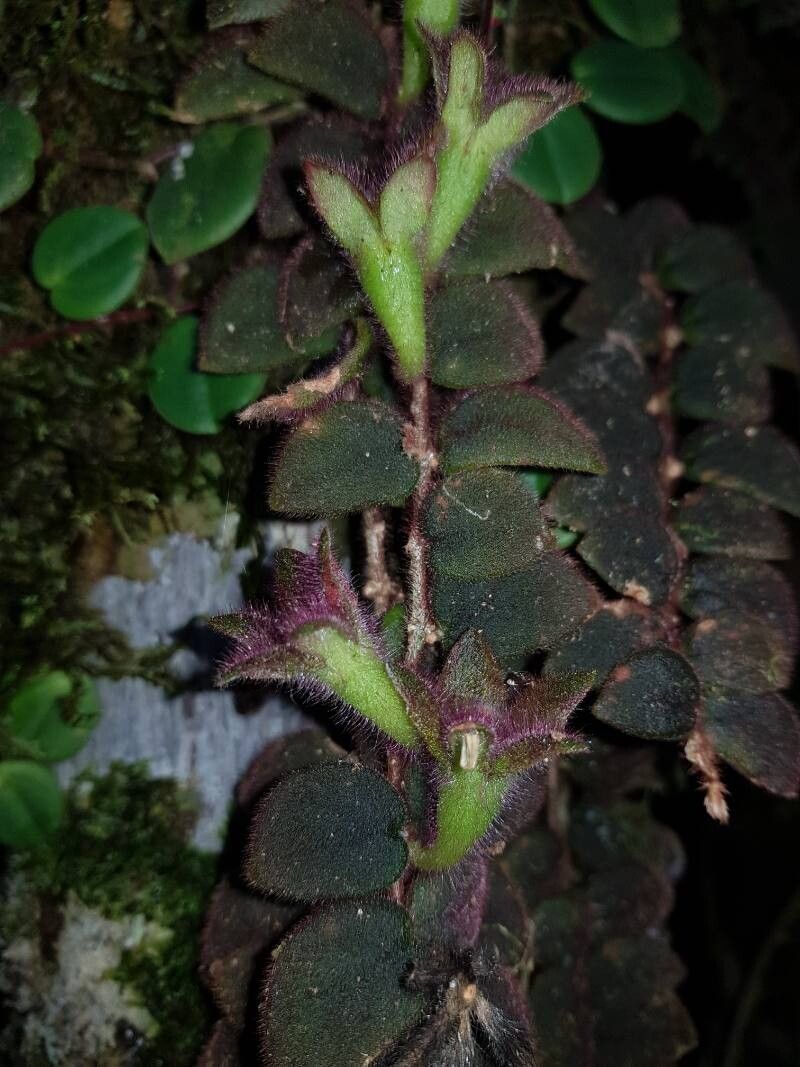
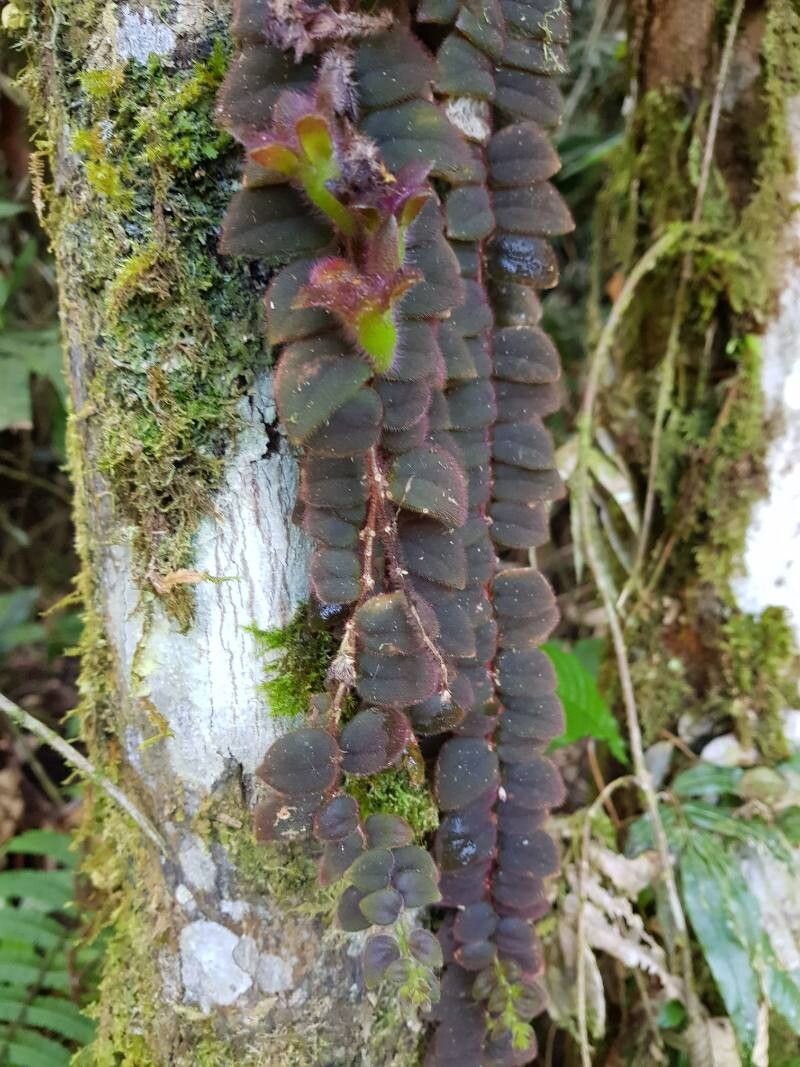
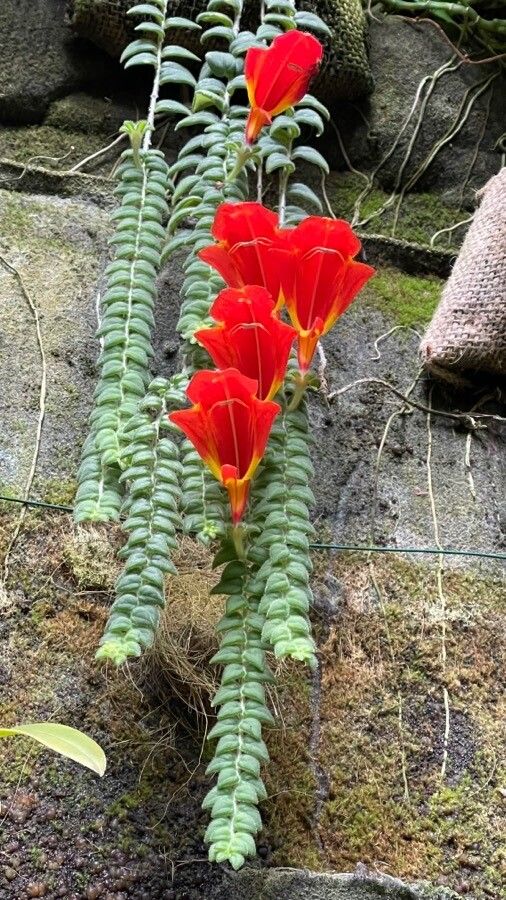
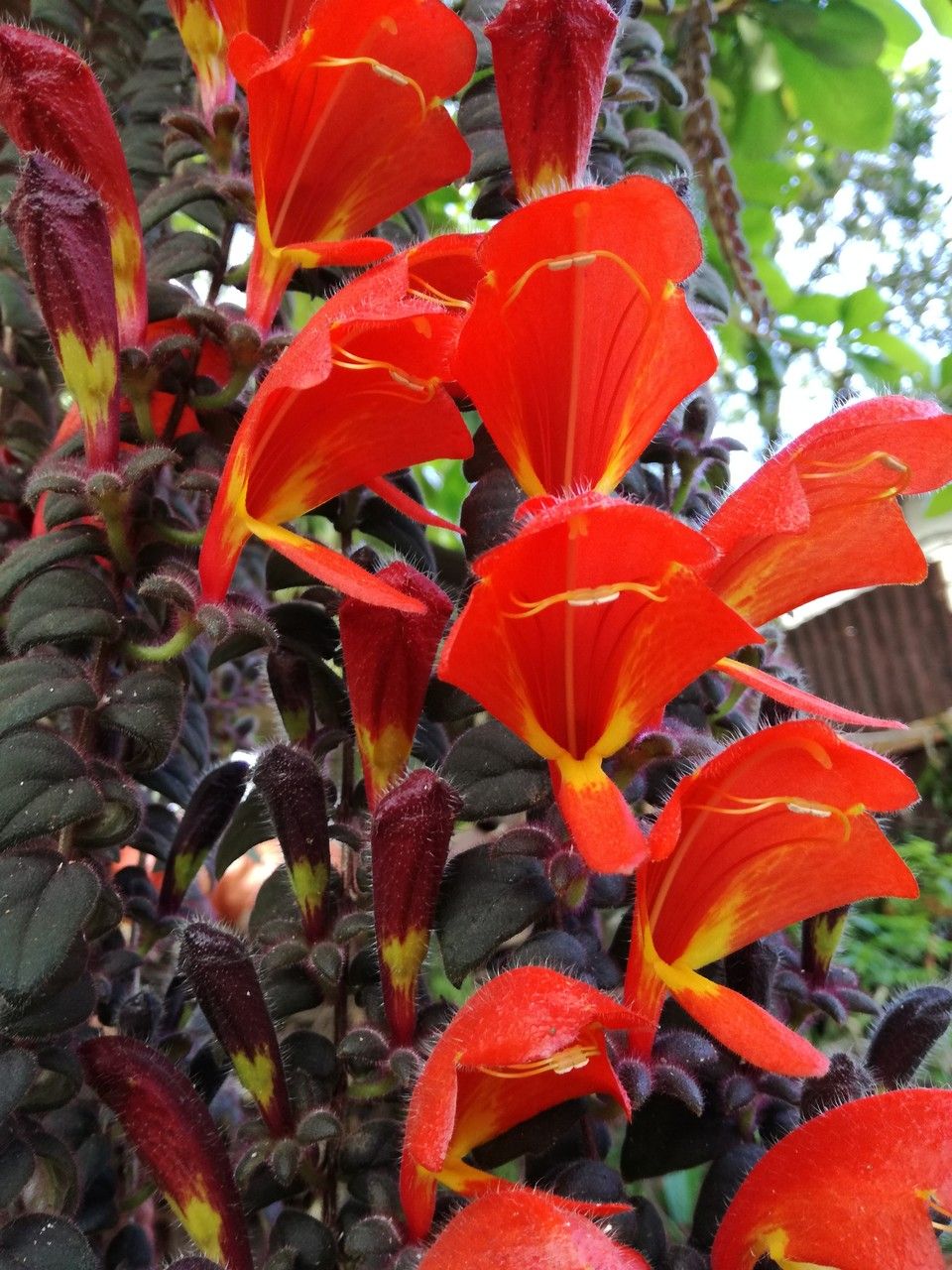
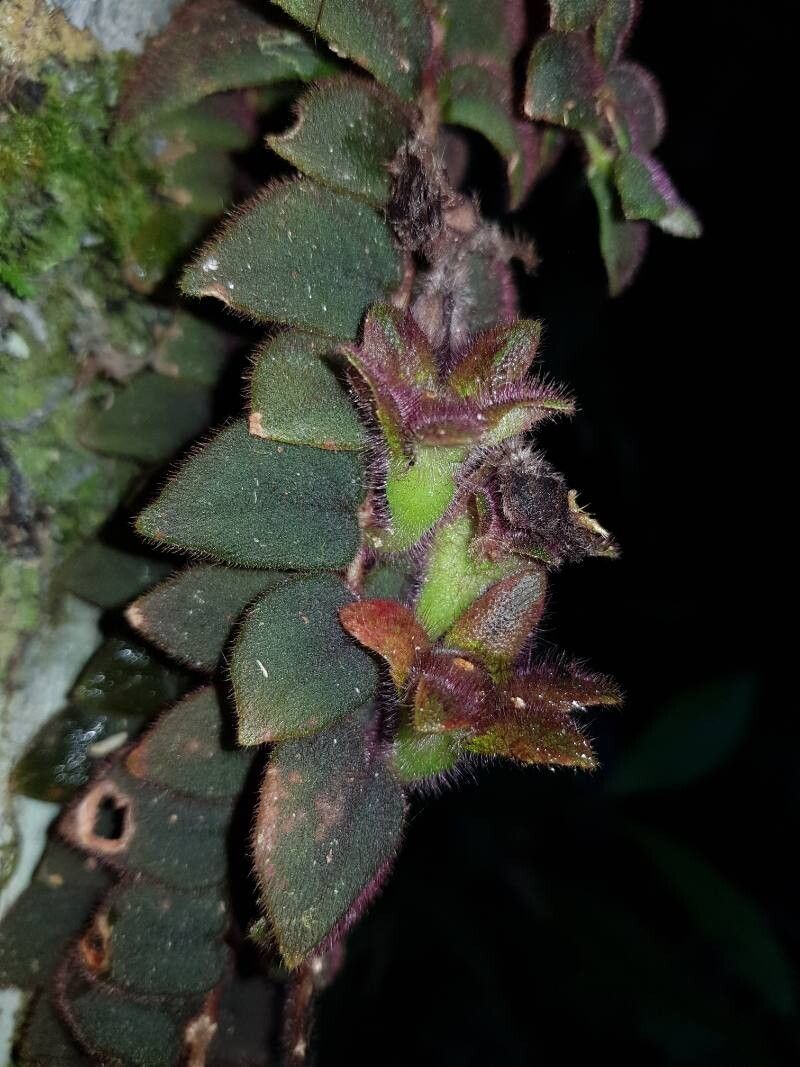
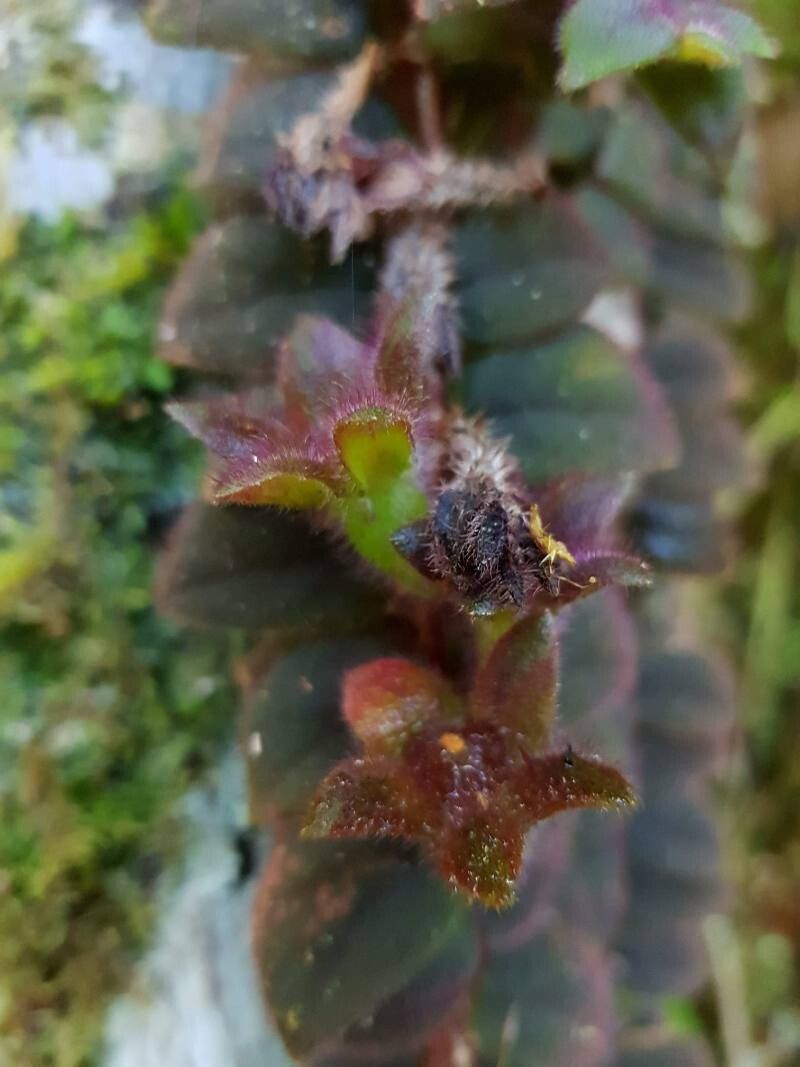
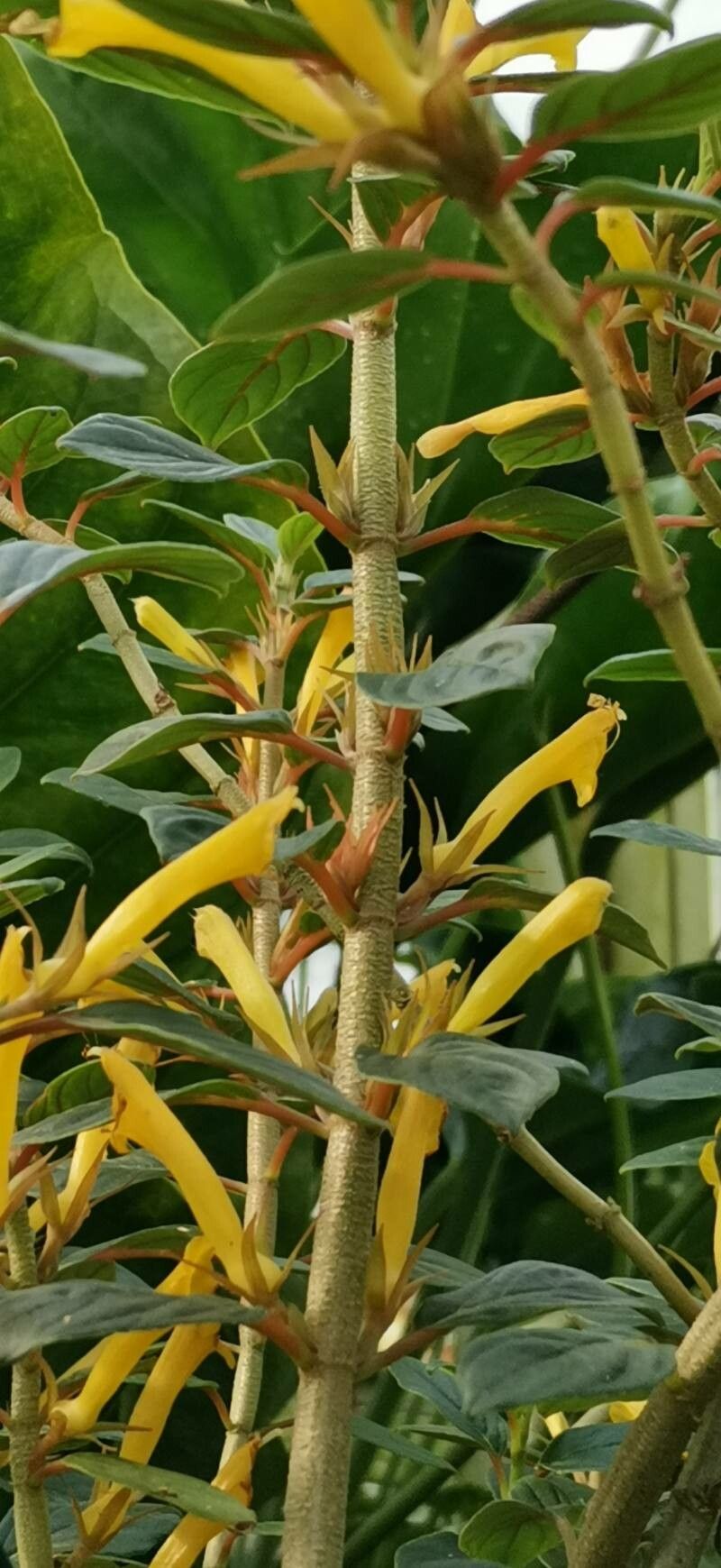
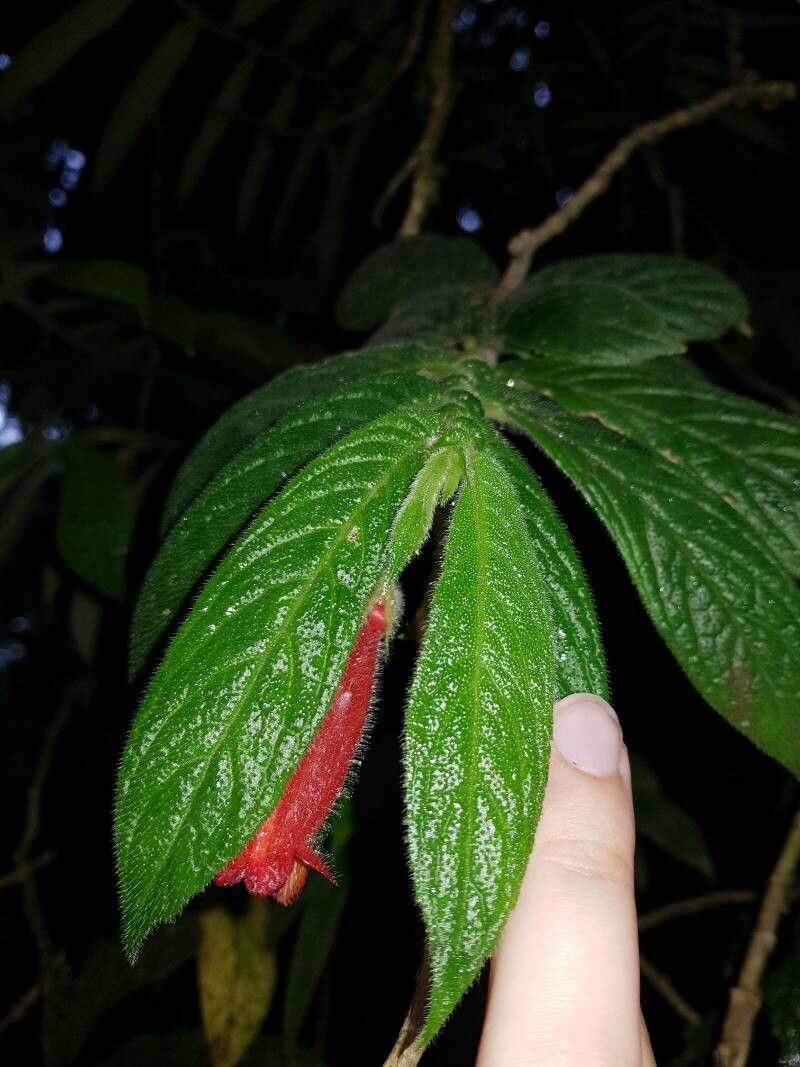
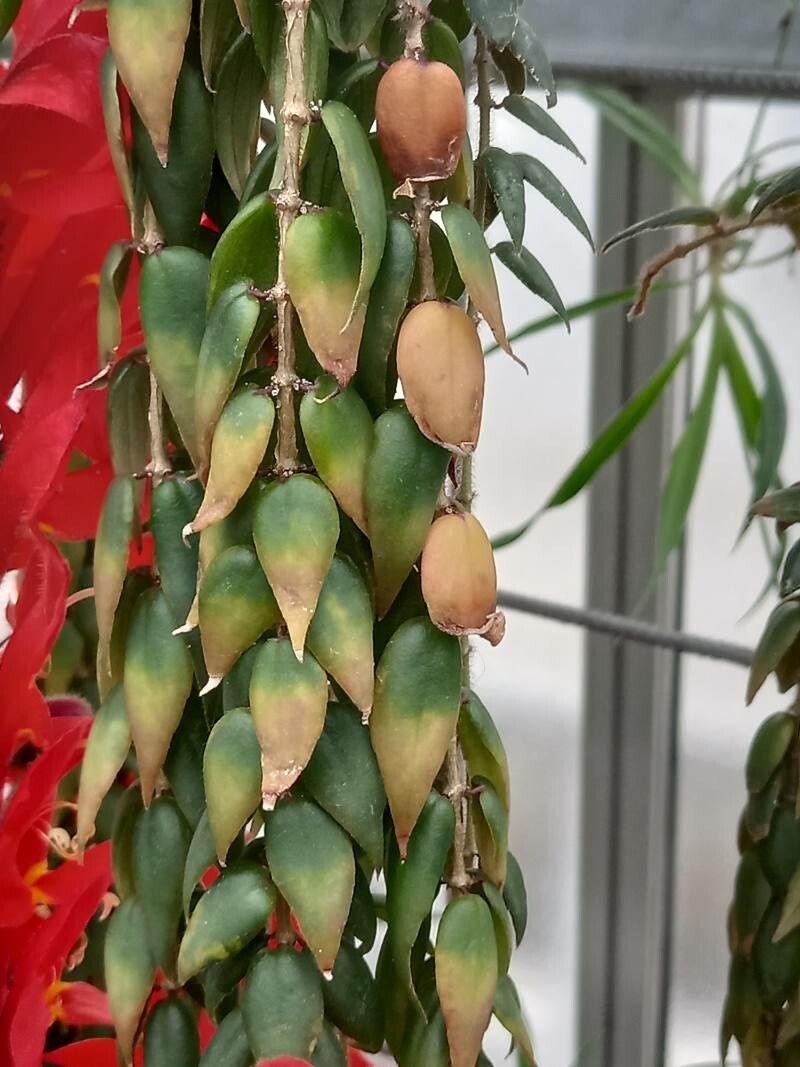
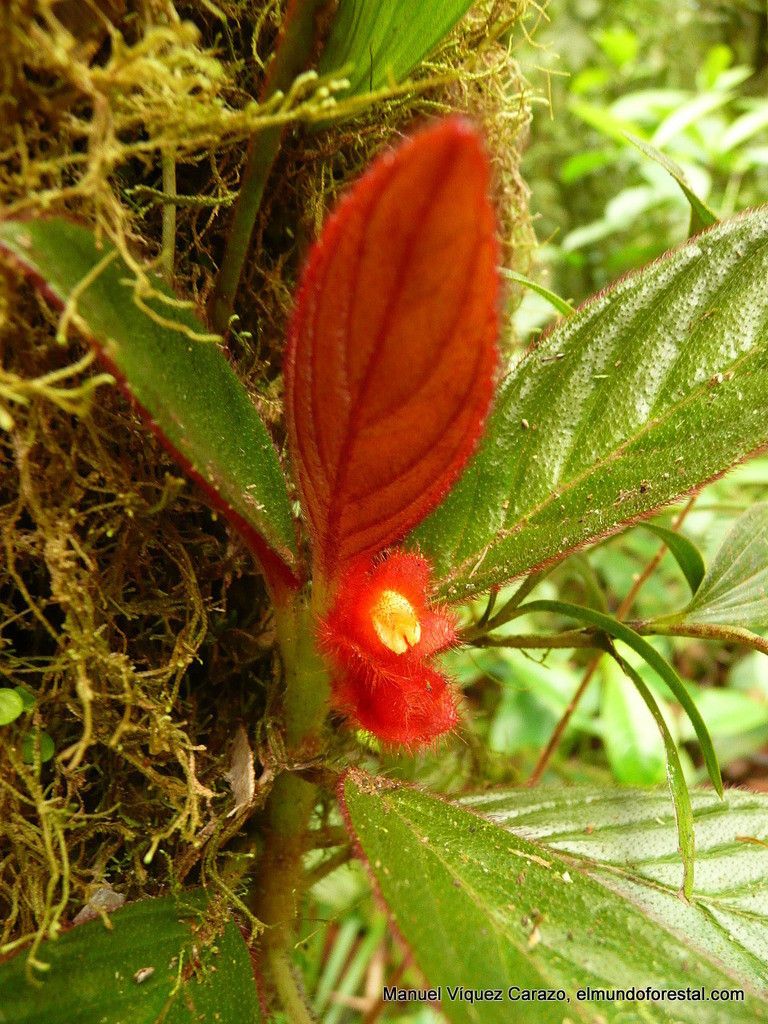
Columnea microcalyx, called the goldfish plant or orange columnea, is a species of flowering plant in the genus Columnea, native to southeast Mexico, Central America, Columbia and Venezuela. Its cultivar 'Superba' has gained the Royal Horticultural Society's Award of Garden Merit.
Columnea is fairly resistant to disease and usually not susceptible to illnesses. That said, if the plant is kept in poor conditions it can become more vulnerable to disease. It also encounters few insect pests. As for care, this plant has moderate requirements. It needs plenty of sunlight, since insufficient light can make it more prone to disease and cause leggy, thin growth. Because it is commonly grown indoors, it may need to be moved periodically to a bright spot. It does not need frequent watering. Overall, Columnea is suitable for most people, though it does best with those who can provide good lighting.
How to keep Columnea Microcalyx.
Light
Columnea naturally occurs in habitats like forest understories or rocky sites, where it receives natural shade. It prefers partial sun but can tolerate full sun or full shade, showing its adaptable and resilient nature.
Water
Columnea thrives in high humidity and consistent moisture, which mimic its natural tropical rainforest habitat. Water it every three weeks, letting the soil dry out partially between waterings. Since Columnea is an epiphyte, it also benefits from regular misting to maintain the necessary ambient moisture levels.
Temperature
Columnea comes from tropical areas, where the climate is normally warm and humid. Therefore it is well suited to high temperatures and humidity. It dislikes sudden temperature shifts and prefers a steady temperature, so avoiding indoor temperature fluctuations is important. It generally does not tolerate cold and needs warmer conditions to grow. If the surrounding temperature becomes too low, the plant may stop growing or even die.
Fertilizer
The best time to fertilize a Columnea is in early spring, when it comes out of dormancy. This encourages overall growth and the development of flowers. Applying fertilizer improves the leaves, stems, and branches, and encourages flowers that are large, colorful, and longer-lasting. It also helps move nutrients from the roots to the blooms and strengthens the plant's health and resistance to disease.
Pot & Repot
Repot Columnea in early spring, selecting a pot only slightly larger than the current one and with good drainage. Use a well-draining potting mix and place the root ball at the same level as before. Gently loosen any root-bound roots. After repotting, water thoroughly and put the plant in a warm, shady spot. Regular pruning helps maintain its size and promotes new growth.
Botanical profile.
- Plant Type
- Vine
- Life Cycle
- Perennial
- Genus
- Columnea
- Family
- Gesneriaceae
- Hardiness Zone
- 10-12
- Mature Height
- 8 cm to 30 cm
- Mature Spread
- 30 cm to 46 cm
- Leaf Color
- Green
- Leaf Type
- Semi-evergreen
- Flower Color
- Red
- Flower Size
- 6.35 cm
- Bloom Time
- All year round
- Planting Time
- Spring, Summer, Autumn
- Harvest Time
- All year round
- Native Area
- Colombia, Honduras, Guatemala, Venezuela, Nicaragua, Costa Rica, Panama
Other names.