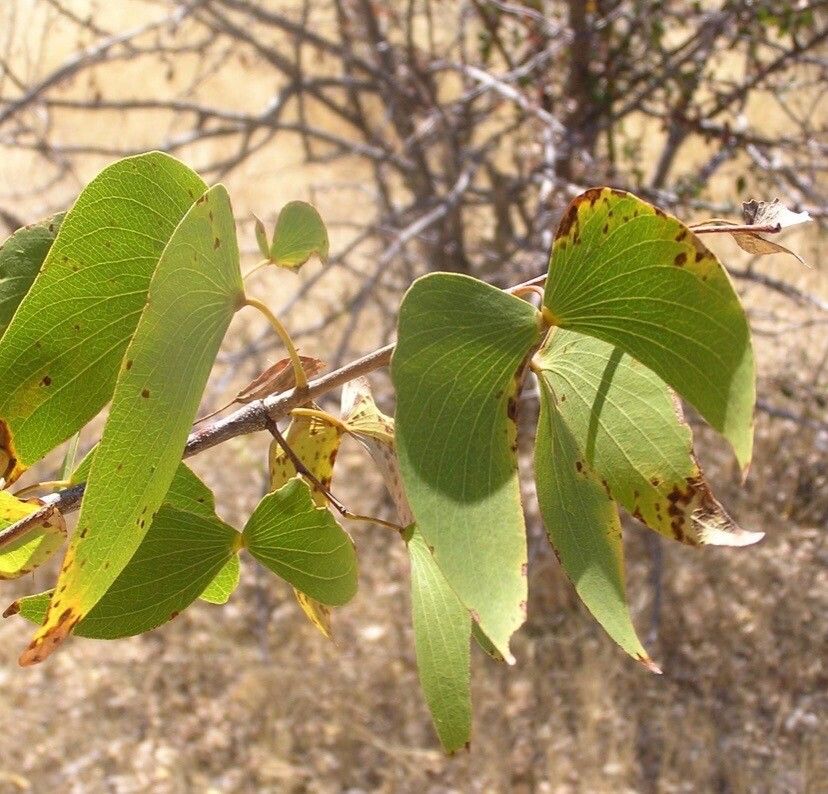
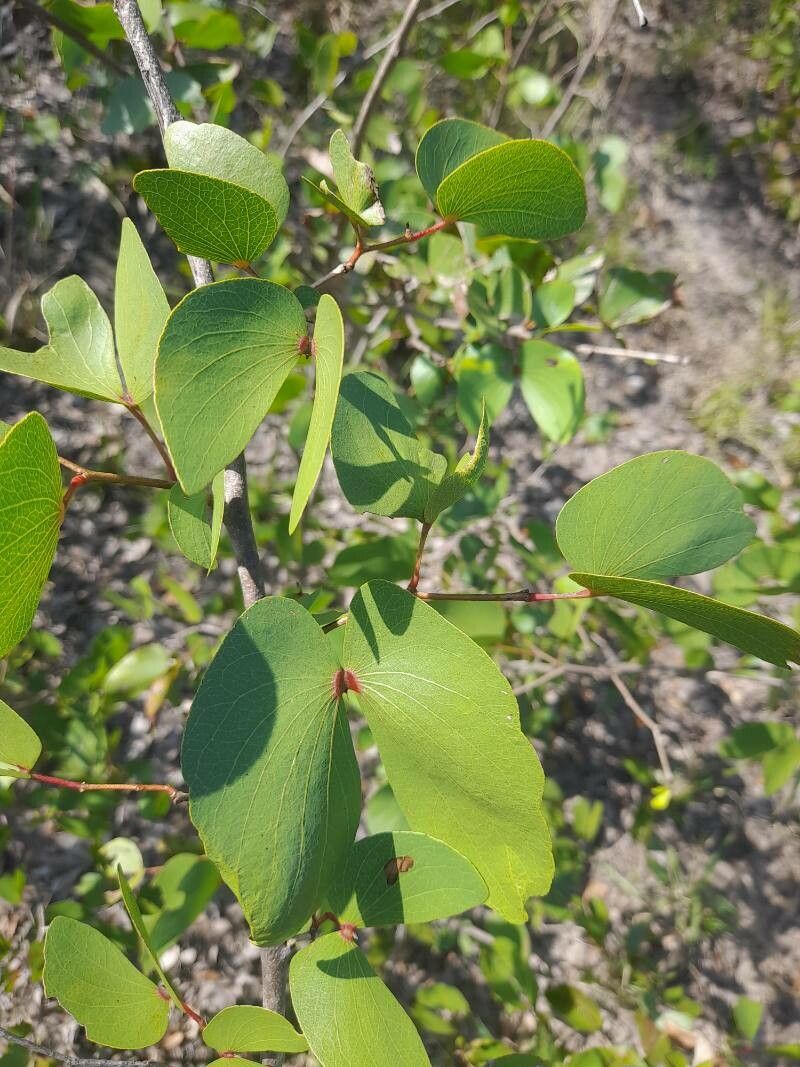
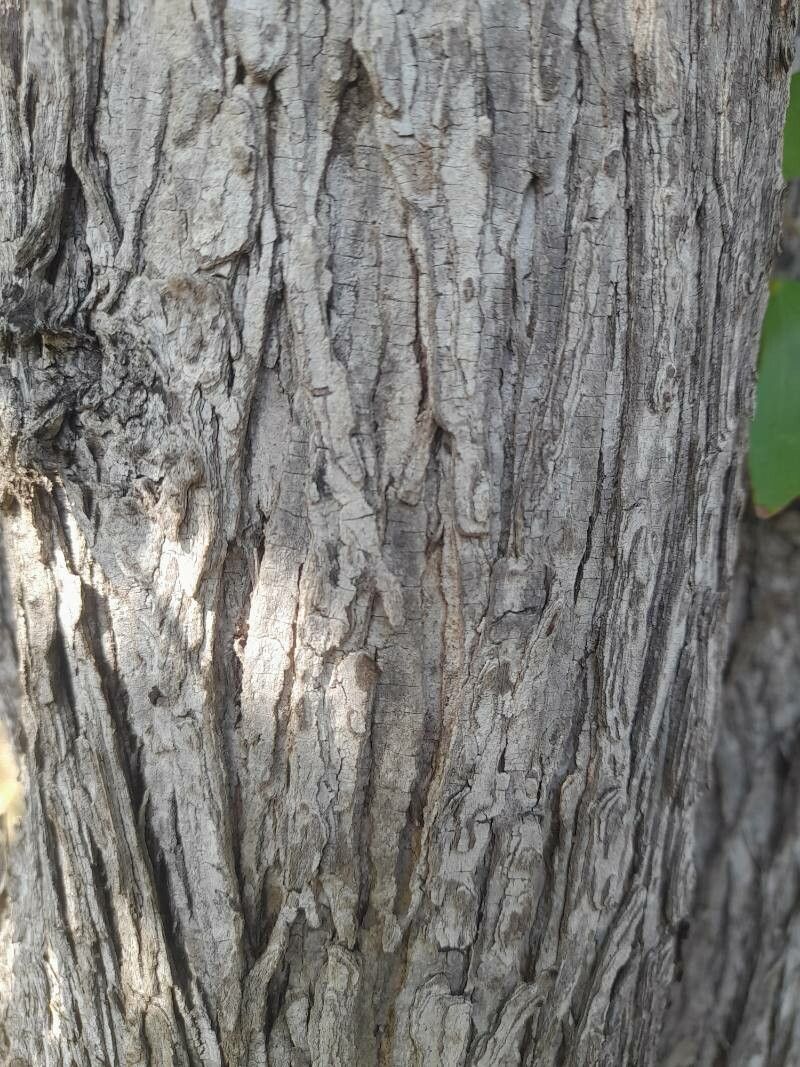
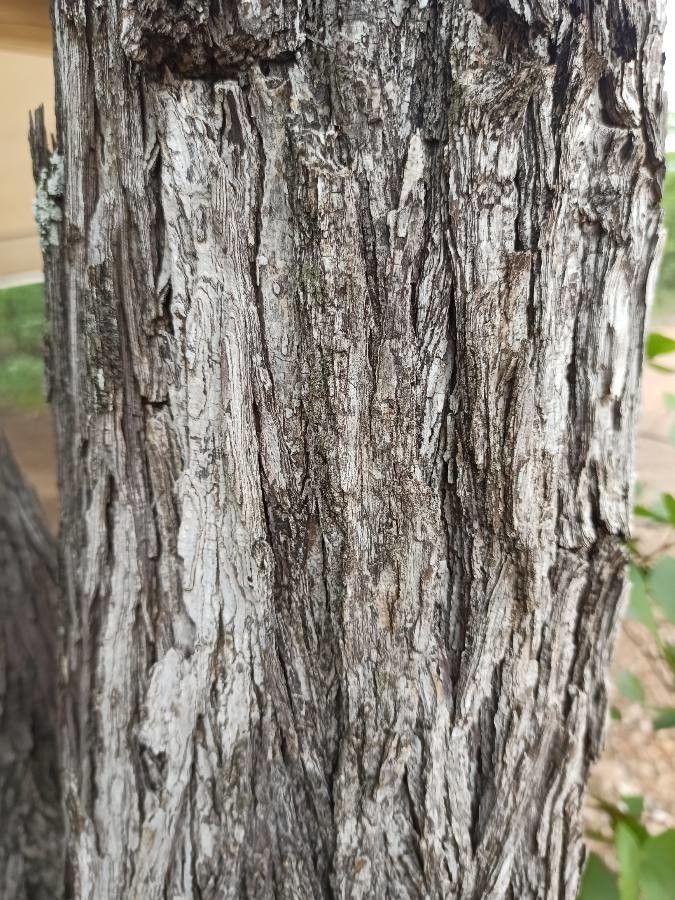
Colophospermum mopane, commonly known as mopane, is a deciduous tree species native to southern Africa. Belonging to the legume family, this tree can grow up to 20 meters tall. It is easily identifiable by its distinctive butterfly-shaped leaves and the small yellow flowers it produces during the summer months.
Mopane trees are renowned for their resilience in harsh environments, thriving in regions with low rainfall and high temperatures. They play a crucial role in providing food and shelter for wildlife such as elephants, giraffes, and antelopes.
The wood of the mopane tree is highly valued for its strength and durability. It is widely used for making furniture, flooring, fence posts, and charcoal, as well as for firewood.
In addition to its practical uses, the leaves of the mopane tree possess medicinal properties that have been utilized by traditional healers across Africa. These leaves contain compounds with anti-inflammatory properties believed to help treat various ailments such as fever, diarrhea, and stomach pains.
Overall, the Colophospermum mopane plant is significant both ecologically, by providing habitat and food sources, and economically, through its wood products.
The Balsam tree has strong resistance to disease and is typically not prone to illnesses. In terms of care, this plant is fairly low maintenance. When planted outdoors it needs only minimal watering, and larger plants usually do not require pruning. Smaller plants, however, should be trimmed after they have finished blooming. The Balsam tree is suitable for anyone with outdoor space, such as a garden or a deck, and does not demand extensive plant-care experience.
How to keep Colophospermum Mopane.
Light
Balsam tree is a tropical woody plant native to bright, sunlit habitats; it thrives in full sun yet can tolerate partial sunlight. It typically grows in open, well-illuminated locations with little shade.
Water
The balsam tree is exceptionally drought-tolerant, thriving in arid regions with little water. It requires watering only once every 2 to 3 weeks. This tree prefers dry climates and usually grows outdoors. Its growth cycle is aligned with the rainy season, allowing it to make the most of the limited water available.
Humidity
This plant will thrive in moderate humidity, which is probably the level in your home. However, misting it a few times a week can be very beneficial. Make sure the room has good ventilation.
Temperature
Balsam tree originates from areas with temperatures from 68 to 100.4°F (20 to 38℃). It favors hotter climates. In cooler regions, seasonal adjustments may be required to maintain its health.
Fertilizer
Fertilizing is essential to the care of the Balsam tree. Consistent feeding during the growing season maintains the energy for its showy foliage and supports overall growth. If fertilization is neglected, leaves can become unhealthy, the tree’s ornamental value can decline, and growth may be stunted or weak and prone to breaking.
Pruning
The balsam tree is characterized by its butterfly-shaped leaves. To maintain its health and promote growth, it requires pruning in early spring. This pruning helps to remove any dead or diseased branches, thereby improving air circulation and stimulating new growth. Light shaping of the tree also helps to ensure it maintains an attractive form. It's important to use clean, sharp tools during pruning to prevent infection. This practice encourages vigorous regeneration, keeping the tree healthy and visually appealing.
Botanical profile.
- Plant Type
- Tree
- Life Cycle
- Perennial
- Genus
- Colophospermum
- Family
- Fabaceae
- Hardiness Zone
- 10-12
- Mature Height
- 3.96 m to 17.98 m
- Mature Spread
- 11.89 m
- Leaf Color
- Dark Green, Olive Drab
- Leaf Type
- Deciduous
- Flower Color
- Yellow
- Flower Size
- 6.35 cm
- Bloom Time
- Winter
- Planting Time
- Spring, Summer
- Harvest Time
- Spring
Other names.
Reader questions.
What are the sunlight requirements for Balsam trees?
Balsam trees, native to bright, sun-drenched environments, require full sun exposure, which is above 6 hours of direct sunlight daily, to thrive. However, they can also tolerate partial sun, receiving about 3-6 hours of sunlight. It's essential to watch how sunlight moves through your garden to choose locations that provide the right balance of light and shade, ensuring the plants' happiness.
What is the native environment of the Balsam tree?
The Balsam tree is native to environments where temperatures range from 68 to 100.4°F (20 to 38°C), favoring hotter climates. It requires seasonal adjustments in cooler regions to maintain its health, as it is extremely heat-loving. During colder months, particularly in autumn, it is advised to bring outdoor-grown Balsam trees indoors, placing them near a bright window but away from heaters to ensure the temperature remains above 20°C. Temperatures approaching 5°C or lower are harmful to the plant.
How do Balsam trees adapt to indoor environments with insufficient natural sunlight?
In indoor environments where natural sunlight is insufficient, especially during winter or in less sunny spaces, artificial lighting serves as a vital solution for Balsam trees. Adequate artificial lighting promotes faster, healthier growth. LED lights are popular for indoor plant lighting, as they can be customized to provide specific wavelengths of light needed by plants. Full sun plants need 30-50W/sq ft of artificial light, partial sun plants require 20-30W/sq ft, and full shade plants need 10-20W/sq ft. The light source should be placed 12-36 inches above the plant to mimic natural sunlight, with the duration mimicking natural daylight hours, generally needing 8-12 hours of light per day.
How does low temperature affect the Balsam tree, and what are the solutions?
Balsam trees prefer warm temperatures and do not tolerate cold well, thriving best above 20°C and requiring temperatures to be kept above 5°C during winter. Exposure to temperatures below 1°C may lead to leaves lightening in color, and after frost damage, leaves can turn brown or black, exhibiting wilting and drooping. To mitigate frost damage, trim the frost-damaged parts and move the plant to a warm indoor environment. The plant should be placed near a south-facing window for sunlight, avoiding close proximity to heaters or air conditioning vents, which could cause excessive dryness.
What are the symptoms of insufficient light for indoor Balsam trees?
When Balsam trees are cultivated indoors with insufficient lighting, several symptoms can manifest, indicating light deficiency. These symptoms include smaller new leaves compared to mature ones, leggy or sparse growth, faster leaf drop, slower or no new growth, lighter-colored new leaves, chlorosis (leaves losing green color), sunscald (damage from intense exposure), leaf curling, wilting, and leaf scorching. These symptoms show the plant's struggle to adapt to inadequate light conditions.
How are Balsam trees affected by high temperatures, and what remedies can be applied?
During summer, it's crucial to keep Balsam trees' temperature below 38°C. Exposure to temperatures above 43°C can cause leaf discoloration and increase the risk of sunburn. Remedying this involves trimming away the sunburned and dried-up parts of the plant. It's also beneficial to relocate the plant to a spot that provides shade from the intense midday and afternoon sun. To maintain moisture, water the plant during the cooler hours of the morning and evening.
What solutions can improve light exposure for Balsam trees?
To enhance light exposure for Balsam trees, gradual adaptation to sunlight is key. For indoor plants, gradually move them to a sunnier location each week until they receive at least 6 hours of direct sunlight daily, using a south-facing window and keeping curtains open during the day. Artificial light can also be used, especially for large or immovable plants, by keeping a desk or ceiling lamp on for at least 8 hours daily or investing in professional plant grow lights. Outdoors, gradually moving plants to sunnier spots helps avoid sunburn. Reducing obstructions such as pruning tree branches allows more sunlight to reach the plants. For smaller plants, consider transplanting during their dormant period to a location with ample sunlight and good drainage.