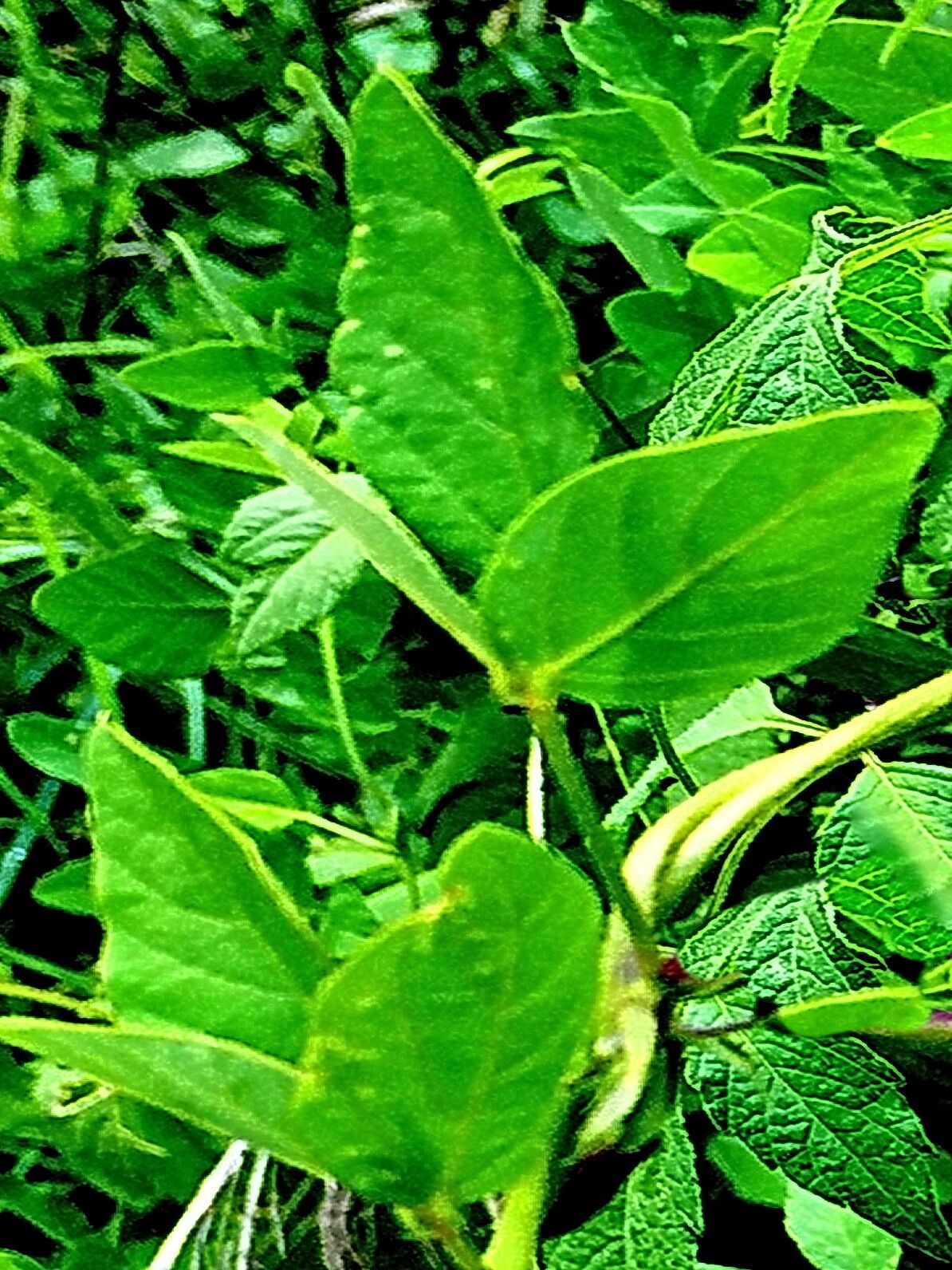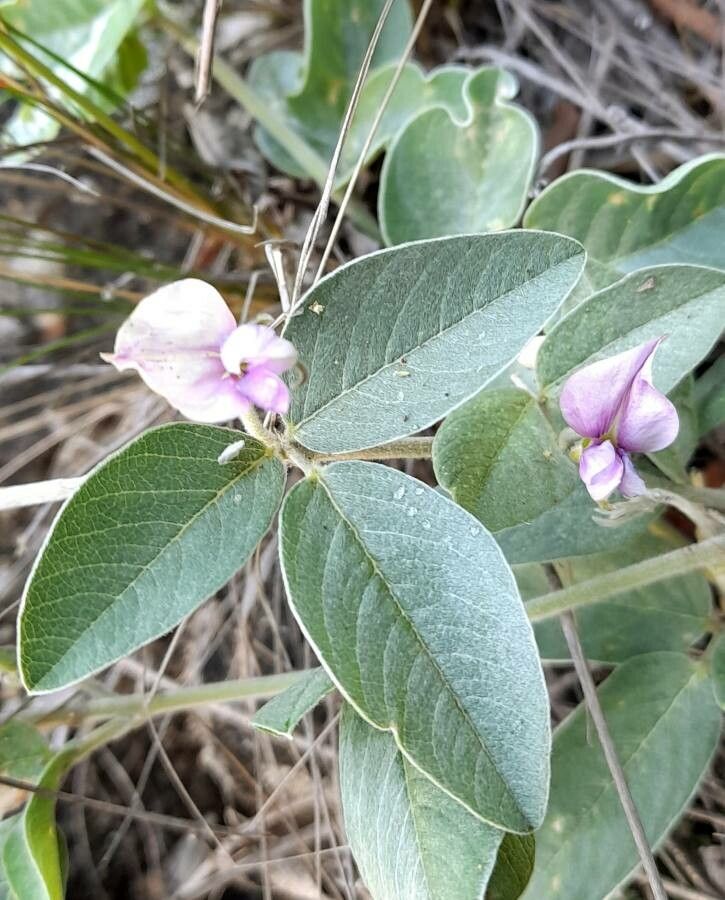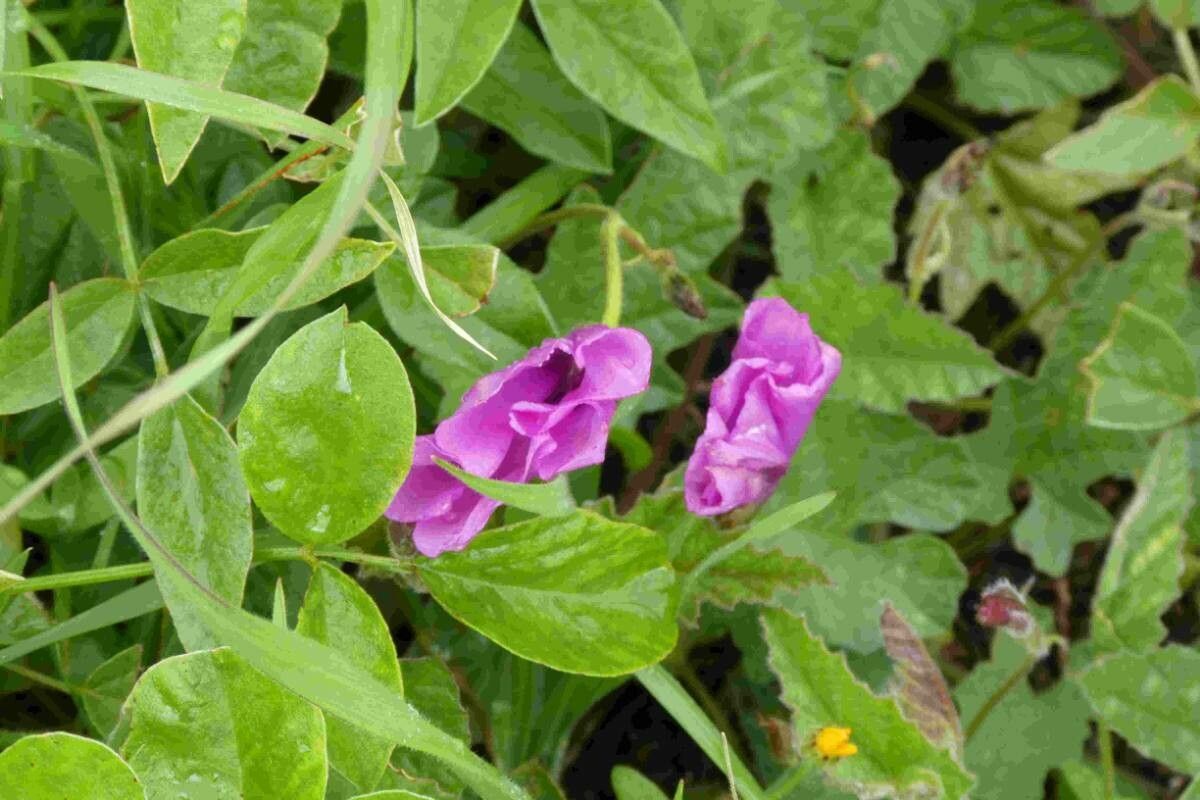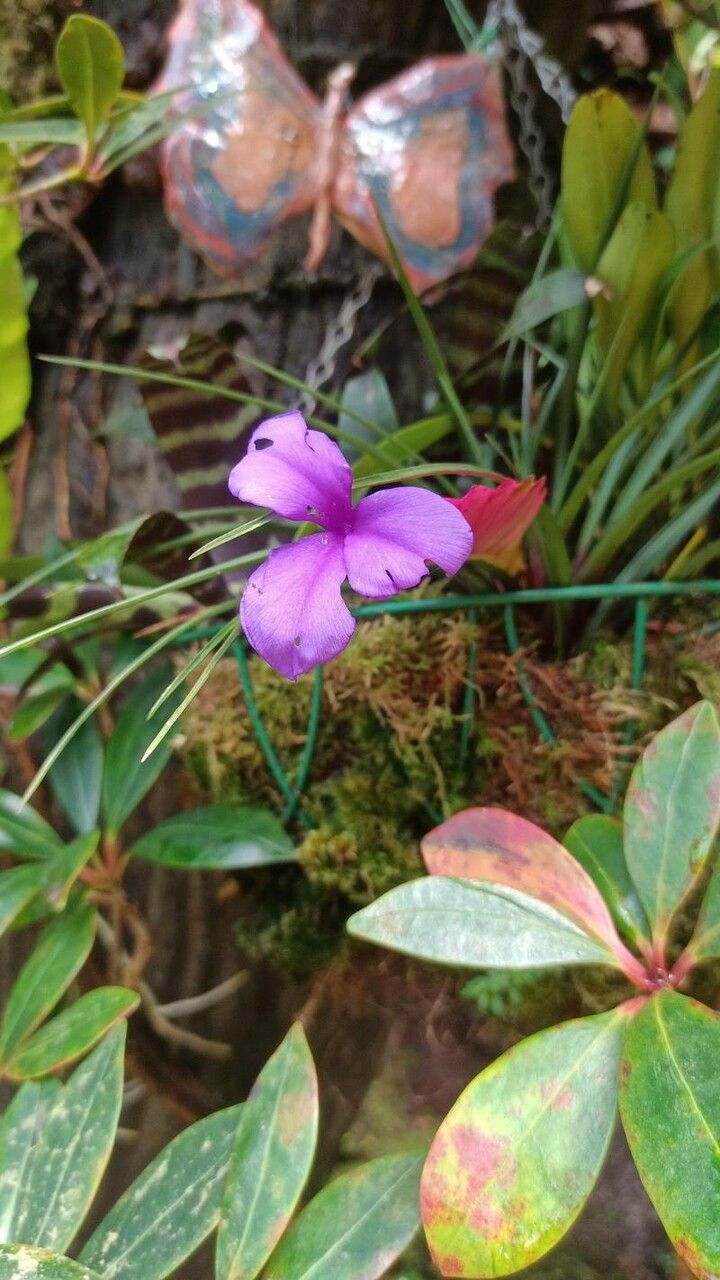
Longleaf cologania has strong disease resistance and is generally not prone to illnesses. Nevertheless, it can be affected by pests and diseases present in its surroundings, though such infections are usually mild. Regarding care, this plant needs moderate maintenance. It should be pruned regularly to preserve an attractive appearance and healthy growth. Fertilizing can also help encourage flowering. Longleaf cologania is appropriate for anyone with outdoor space, like a garden or patio, and does not demand extensive care experience. It may need more attention when grown indoors.
How to keep Cologania Angustifolia.
Light
Longleaf cologania is a sun-loving, herbaceous perennial that originates in open habitats and often thrives in meadows and grasslands. It prefers full sun but can also tolerate partial sun.
Water
Longleaf cologania, a plant native to moist environments, thrives with consistent weekly watering while avoiding waterlogging. It prefers stable humidity and evenly moist soil, particularly during its active growing season, making it ideal for outdoor cultivation.
Temperature
Longleaf cologania comes from tropical areas, where the weather is usually warm and humid. As a result, it is adapted to high heat and moisture. It is sensitive to sudden temperature changes and prefers a steady temperature, so avoiding indoor temperature fluctuations is important. It generally does not tolerate cold and needs warmer conditions to grow. If the environmental temperature falls too low, the plant may stop growing or even die.
Fertilizer
Longleaf cologania needs the most fertilizer during its active growth period, which occurs mainly in spring, summer, and early fall. Fertilizing supplies essential nutrients that the soil may lack, supporting healthy root and stem development and sustaining the attractive foliage that is a defining characteristic of this plant.
Pruning
Longleaf cologania has long leaves and flowing stems that need pruning from early to late spring. Pruning helps remove dead stems, shape the plant, and promote air circulation, all of which contribute to healthier growth. Be sure to use clean, sharp tools for precise cuts and to prevent the spread of disease.
Botanical profile.
- Plant Type
- Herb
- Life Cycle
- Perennial
- Genus
- Cologania
- Family
- Fabaceae
- Hardiness Zone
- 9-11
- Mature Height
- 46 cm
- Mature Spread
- 30 cm to 49 cm
- Leaf Color
- Green, Dark Green
- Leaf Type
- Semi-evergreen
- Flower Color
- Purple, Red
- Flower Size
- 2.03 cm
- Bloom Time
- Summer, Early fall
- Planting Time
- Spring, Summer, Autumn
- Harvest Time
- Fall
- Native Area
- Mexico
Other names.
Reader questions.
What are the sunlight requirements for Longleaf cologania?
Longleaf cologania, or Cologania angustifolia, is a perennial herbaceous plant that thrives in full sun conditions, requiring above 6 hours of sunlight daily. However, it can also tolerate partial sun, which means it can grow with about 3-6 hours of sunlight. It is crucial to observe the movement of sunlight through your garden to identify the best spots that provide the right balance of light and shade, ensuring the plant's well-being.
How can artificial lighting be used for Longleaf cologania indoors?
When natural sunlight is insufficient, especially during winter or in less sunny spaces, artificial lighting serves as a crucial substitute to ensure optimal growth of Longleaf cologania indoors. LED lights, being customizable to provide specific light wavelengths needed by plants, are a popular choice. Full sun plants require 30-50W/sq ft of artificial light, whereas partial sun plants need 20-30W/sq ft. The artificial light source should be placed 12-36 inches above the plant, simulating natural sunlight's intensity and duration, with most plants benefiting from 8-12 hours of light per day.
What are the symptoms of improper lighting for Longleaf cologania?
Symptoms of light deficiency in Longleaf cologania include smaller new leaves, leggy or sparse growth, faster leaf drop, slower or halted new growth, lighter-colored or irregularly colored new leaves, chlorosis (leaves turning yellow), sunscald (damaged areas from intense light), leaf curling, wilting, and leaf scorching. Each of these symptoms indicates a discrepancy between the plant’s light requirements and its environment.
What are the solutions for Longleaf cologania's light deficiencies?
To address light deficiencies in Longleaf cologania, gradually acclimate the plant to a sunnier location outdoors or use artificial lighting indoors for at least 8 hours daily. For outdoor plants, move them to a spot that receives ample sunlight while ensuring not to overwhelm them with sudden intense exposure. In case of physical obstructions like trees blocking sunlight, consider pruning or transplanting the plant to a more suitable location. Remember, parts of the plant damaged due to poor lighting might not recover, but new growth should be healthy with adequate light exposure.