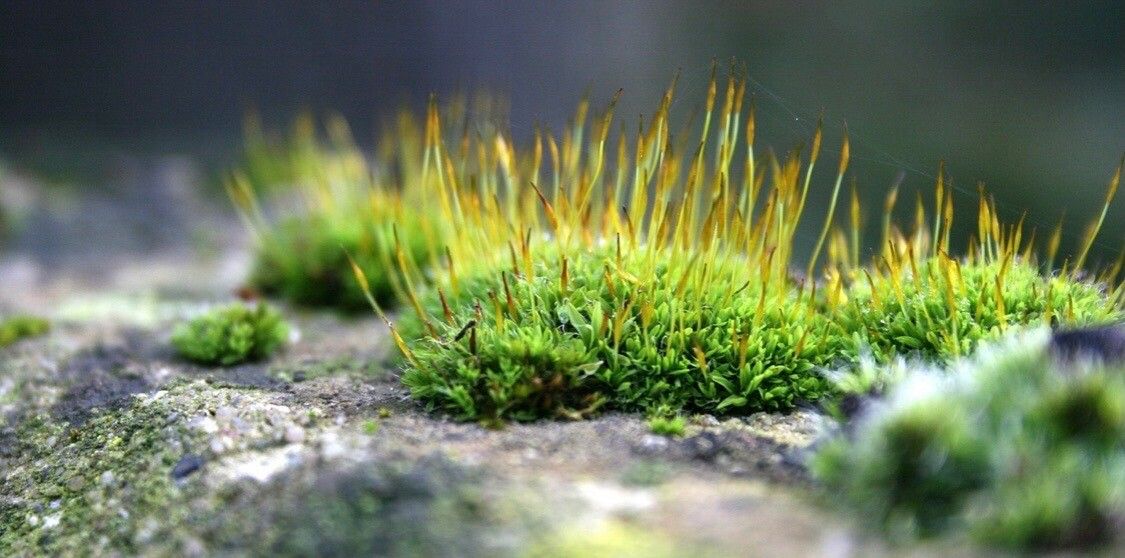
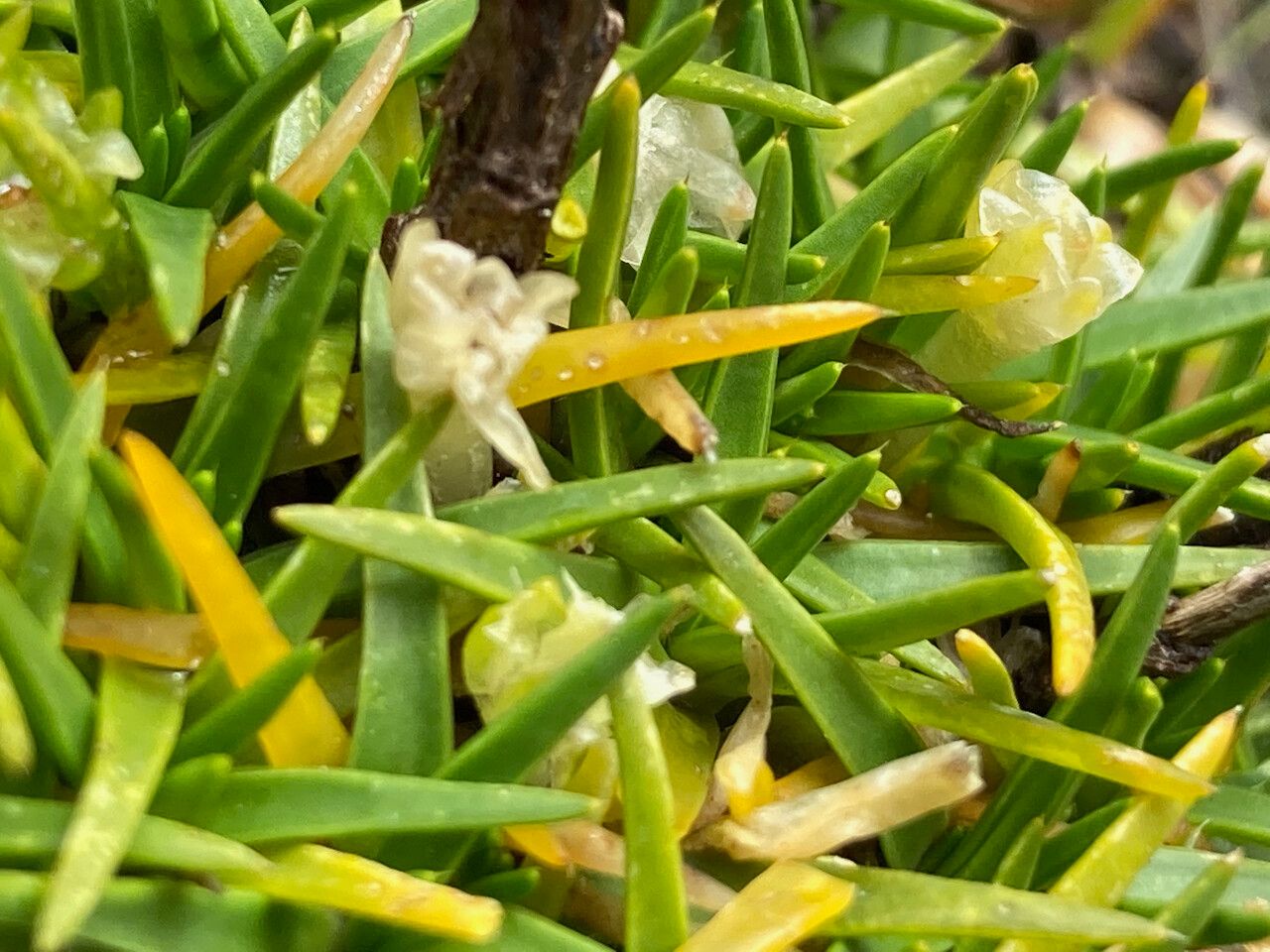
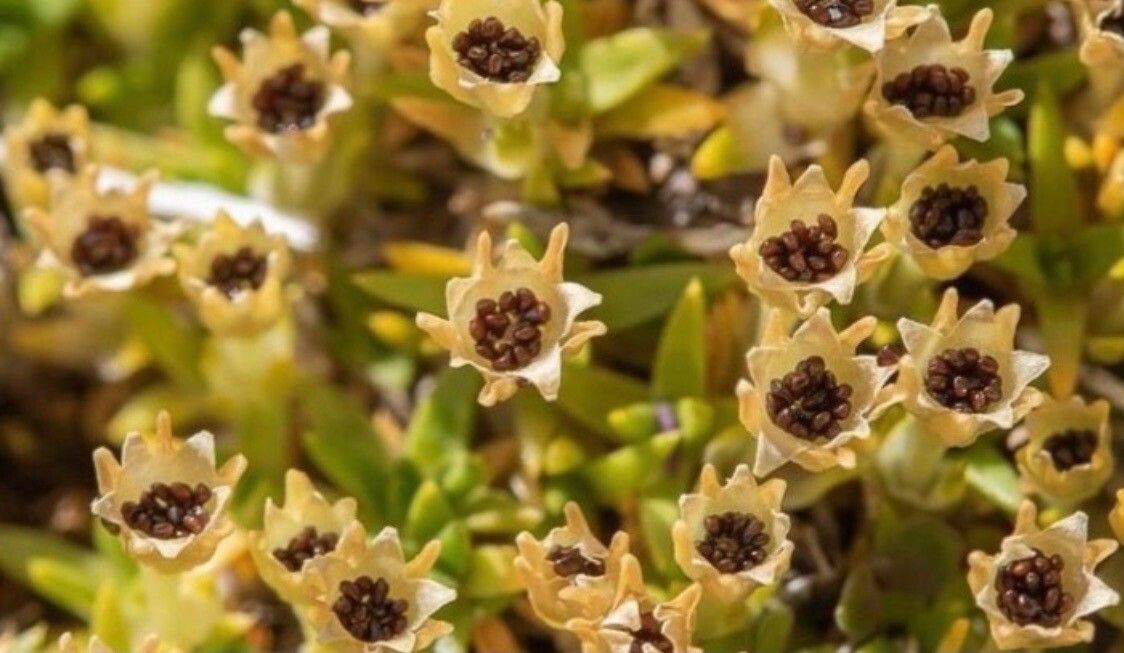
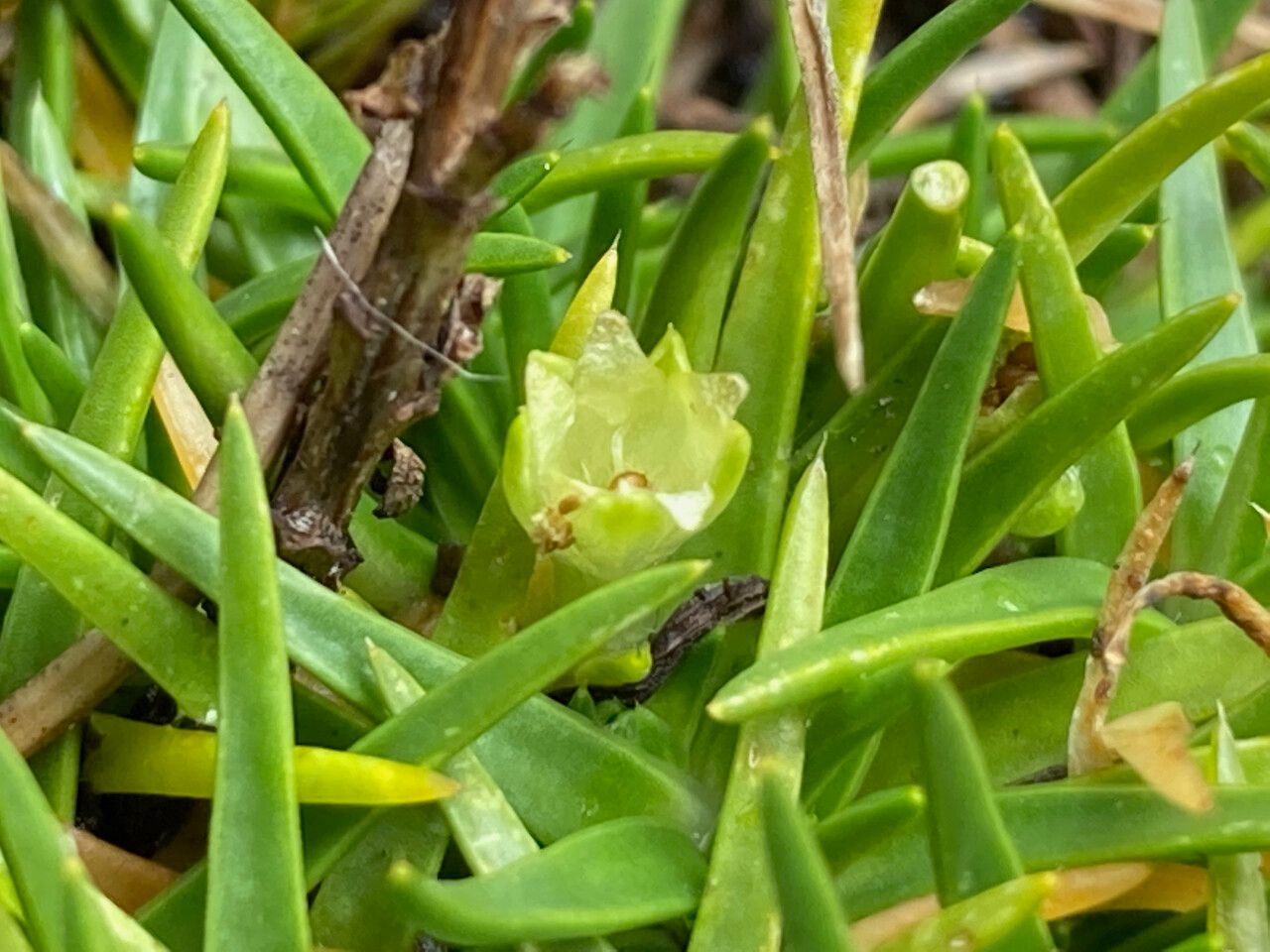
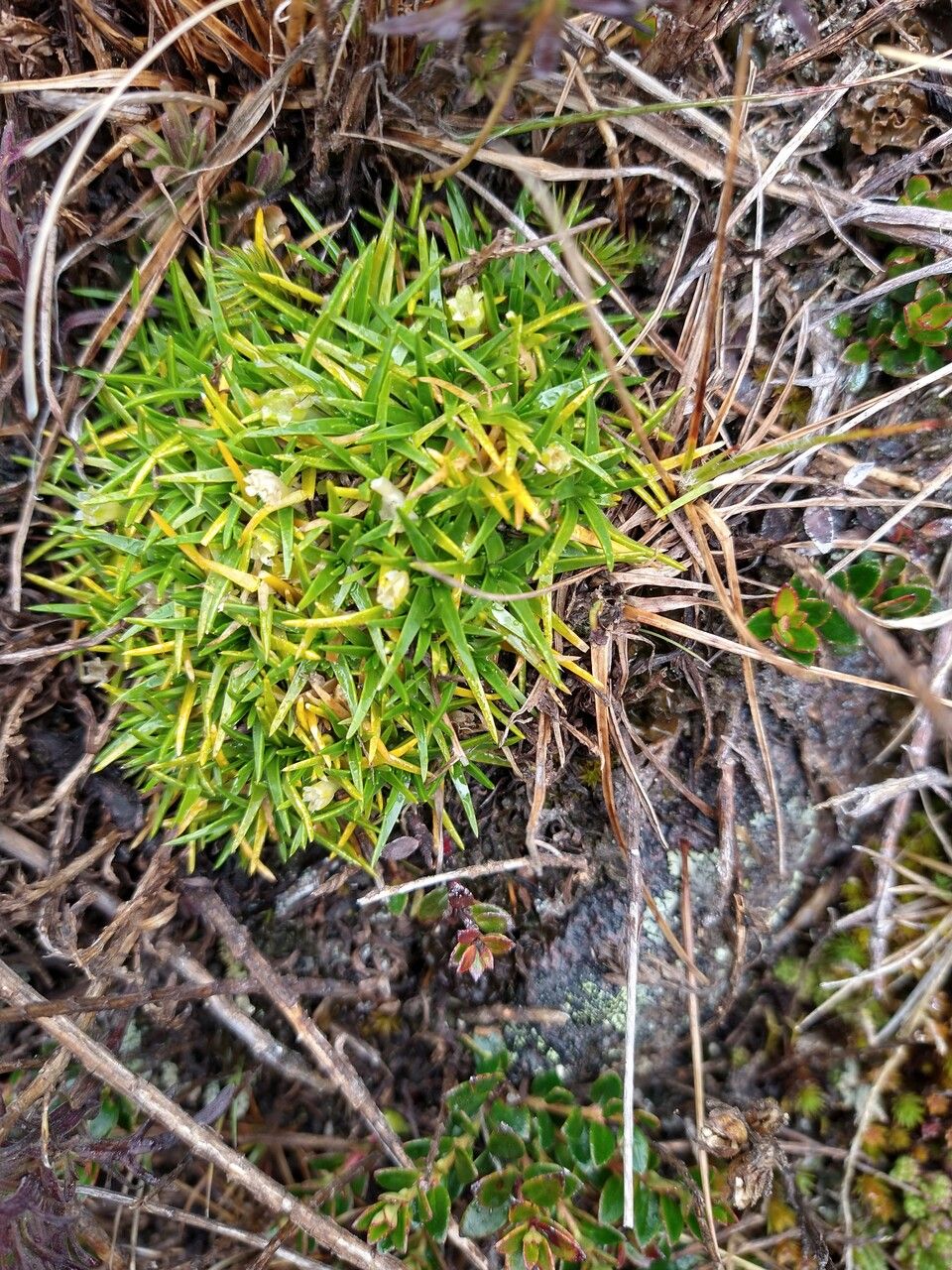
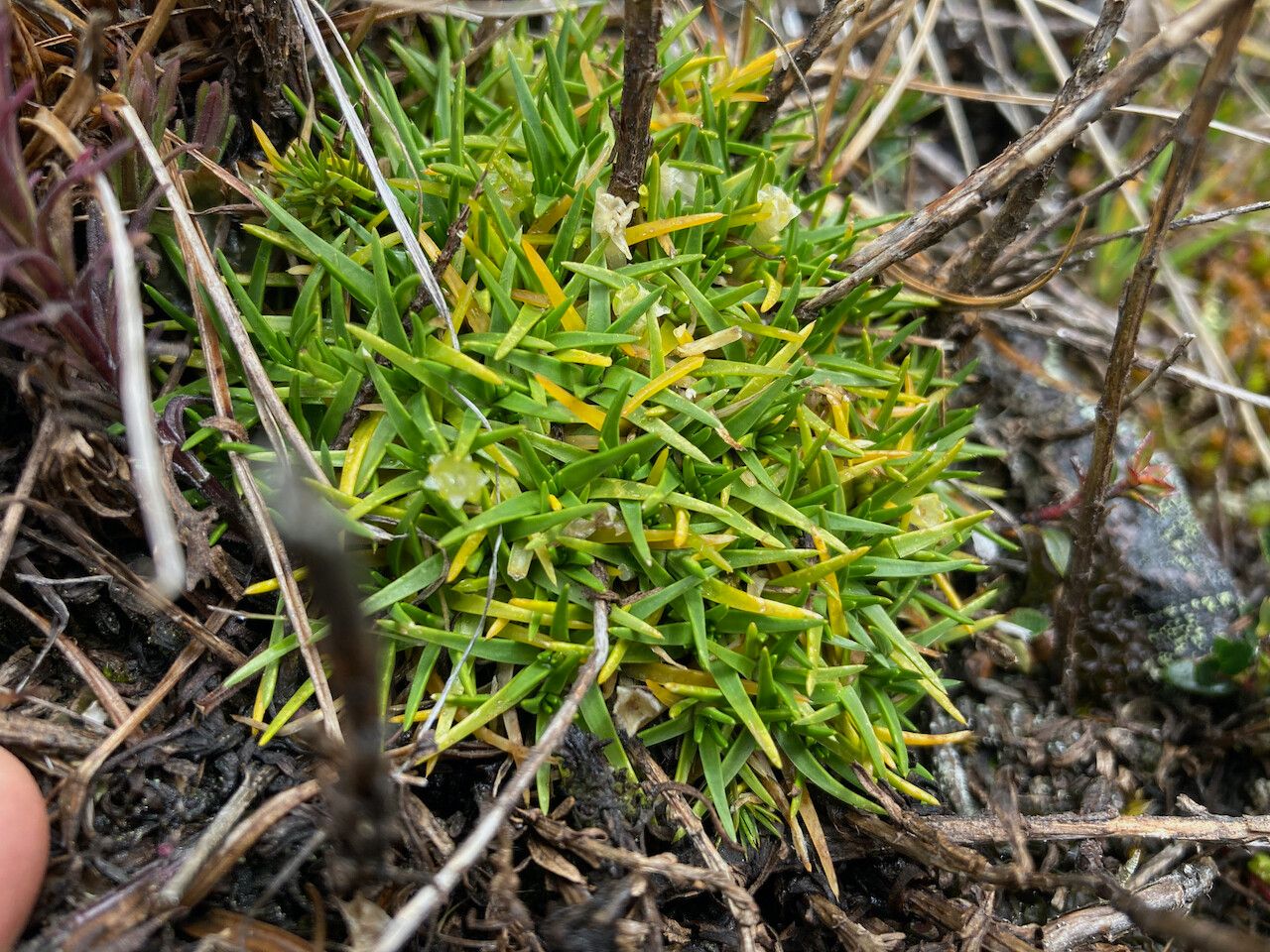
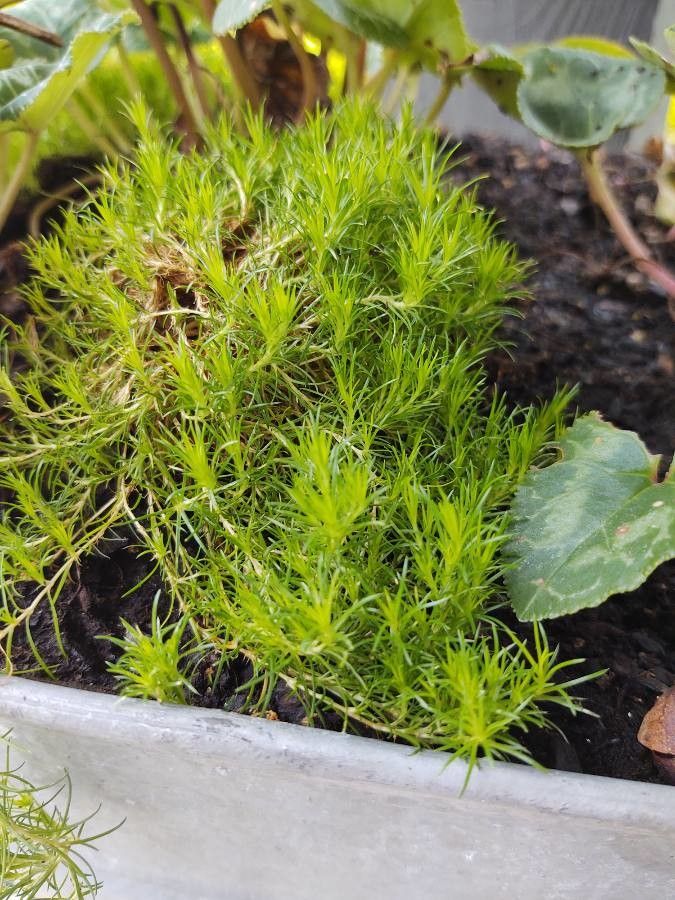
Colobanthus quitensis, the Antarctic pearlwort, is one of two native flowering plants found in the Antarctic region. It has yellow flowers and grows about 5 cm (two inches) tall, with a cushion-like growth habit that gives it a moss-like appearance.
Antarctic pearlwort has good resistance to disease and is generally not prone to illnesses. However, it can be vulnerable to pests and diseases present in its surroundings. These infections are typically mild. In terms of care, the plant requires moderate maintenance. It should be pruned regularly to preserve a neat appearance and support healthy growth. Fertilizing can also help stimulate flowering. Antarctic pearlwort is suitable for anyone with an outdoor area, such as a garden or patio, and does not demand extensive care experience. It may need more attention if grown indoors.
How to keep Colobanthus Quitensis.
Light
Antarctic pearlwort is a perennial herbaceous plant that favors sunny, open habitats and is frequently found in meadows and grasslands. It prefers full sun but can also tolerate partial sun conditions.
Water
Antarctic pearlwort, native to Antarctica, thrives in consistently moist environments. It benefits from weekly watering but can withstand short periods of drought. This outdoor plant efficiently uses meltwater found in rocky crevices, demonstrating its adaptability to extreme conditions during a brief growing season.
Temperature
Antarctic pearlwort does best in cold areas and at high altitudes. It prefers cool temperatures, good air circulation, and a moist environment. In summer, measures should be taken to keep it cool because it is very sensitive to heat and can easily die from it. Dry conditions can also damage the plant. In winter, no special cold protection is required, but maintaining soil moisture is important.
Fertilizer
Usually a single fertilizer application in spring is enough for Antarctic pearlwort, though repeated feedings can maximize growth. Apply fertilizer once every month to a month and a half. Fertilizing improves the leaves' appearance and function, helping maintain even color and a healthy texture. It also encourages root development and nutrient uptake for the plant's long-term health.
Pruning
Antarctic pearlwort flourishes in tough conditions and benefits from early spring pruning, which encourages growth and flowering. Remove dead stems and overcrowded shoots to improve air circulation. Regular pruning helps maintain the plant's shape and vitality, but be gentle to minimize stress on this hardy plant.
Botanical profile.
- Plant Type
- Herb
- Life Cycle
- Perennial
- Genus
- Colobanthus
- Family
- Caryophyllaceae
- Hardiness Zone
- 3-7
- Mature Height
- 2 cm to 5 cm
- Mature Spread
- 3 cm to 8 cm
- Leaf Color
- Dark Green
- Leaf Type
- Evergreen
- Flower Color
- White
- Flower Size
- 0.51 cm to 1.02 cm
- Bloom Time
- Early summer, Mid summer
- Planting Time
- Spring, Summer, Autumn
- Harvest Time
- Late summer, Early fall
- Native Area
- Colombia, Bolivia, Ecuador, Peru
Other names.