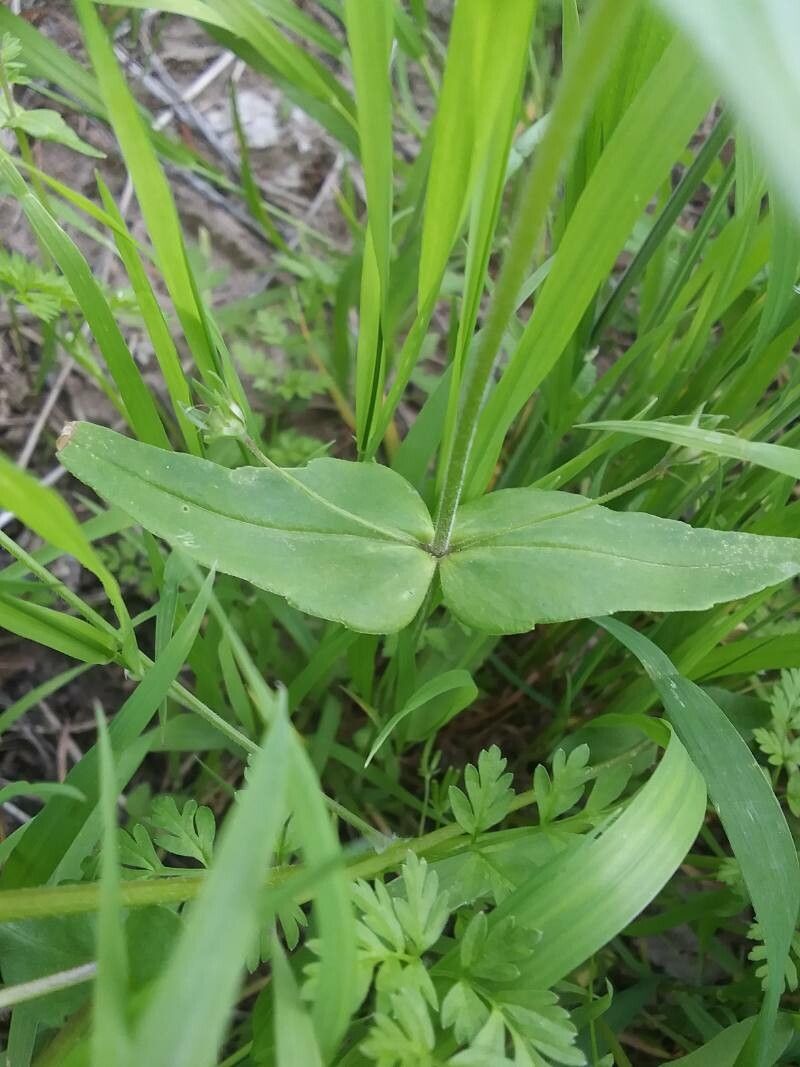
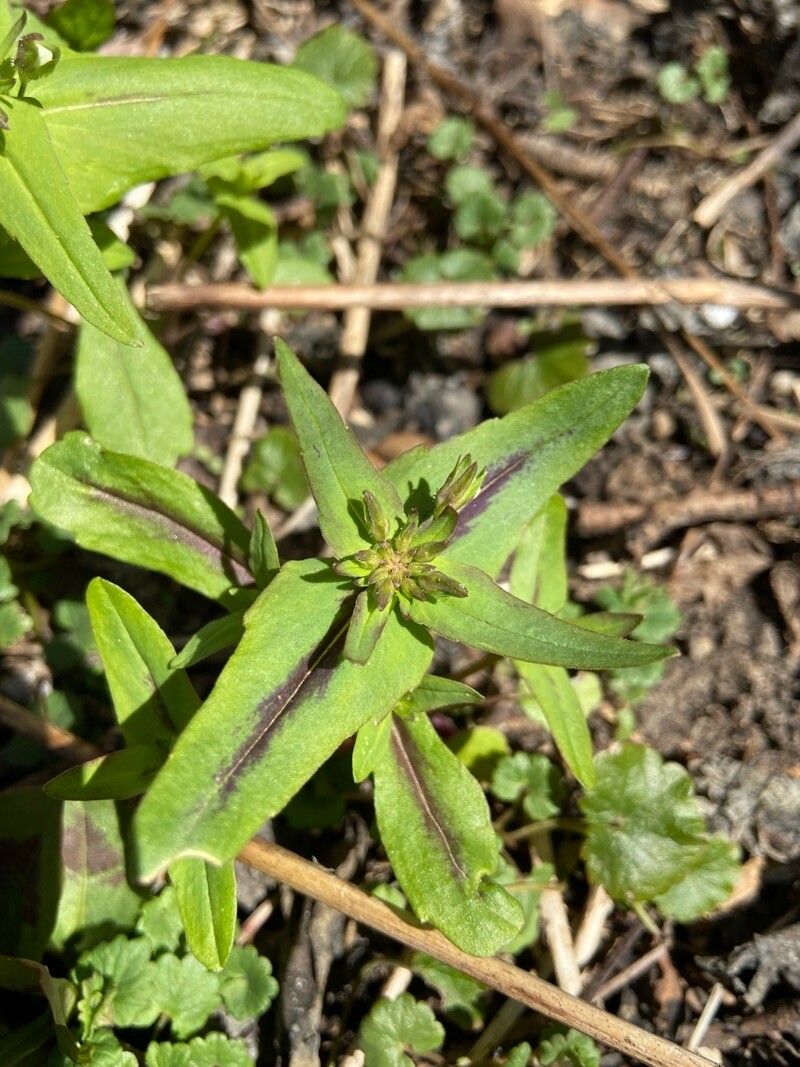
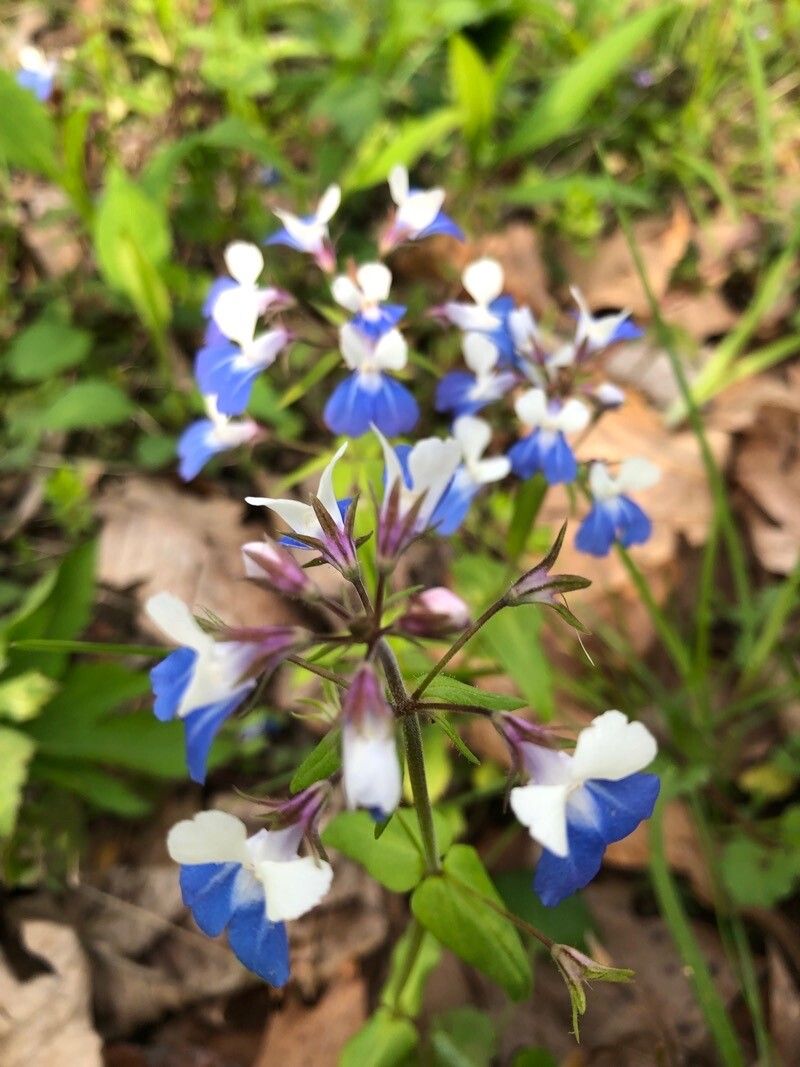
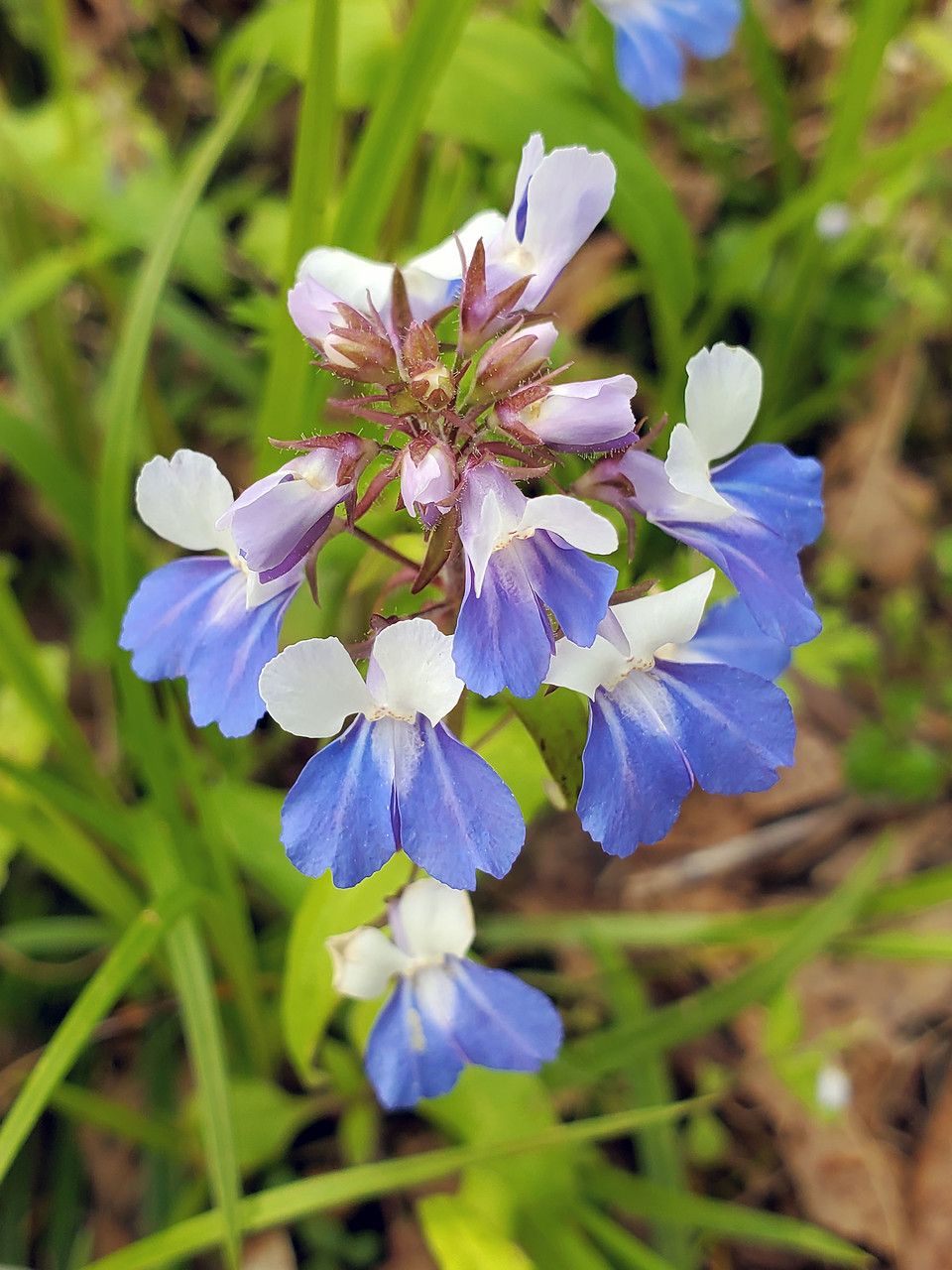
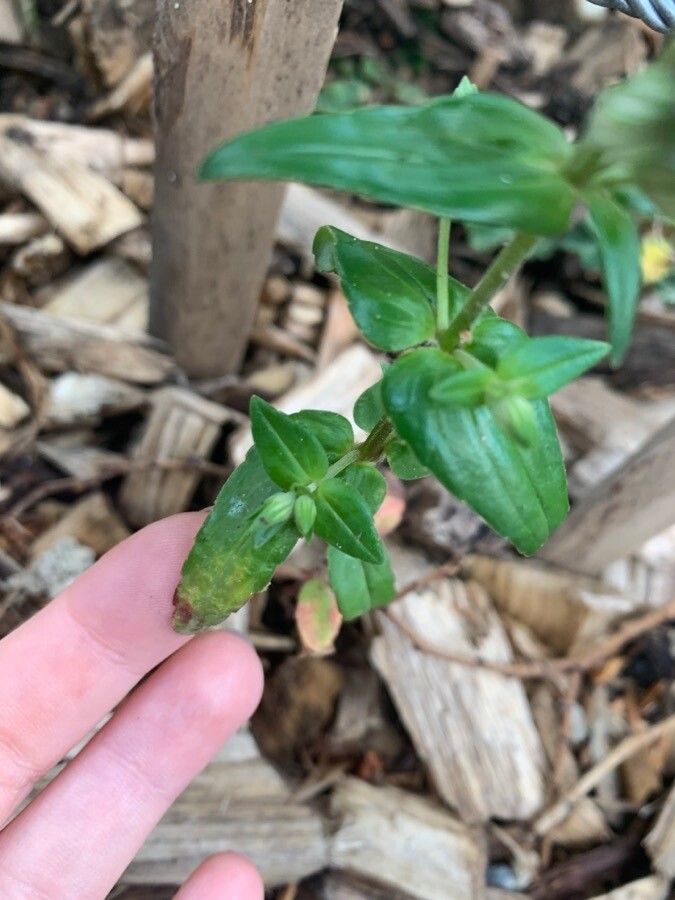
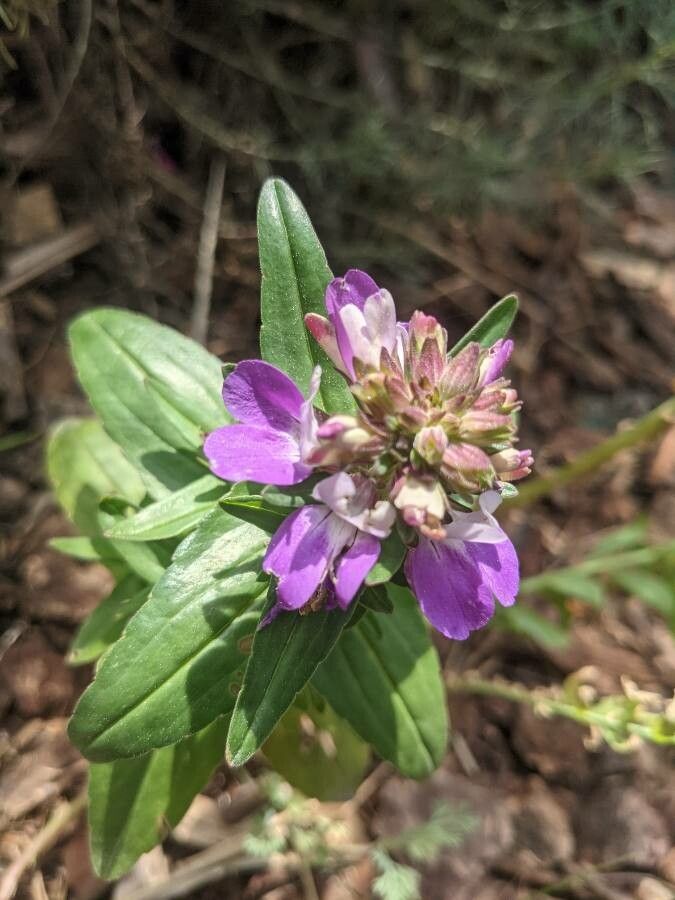
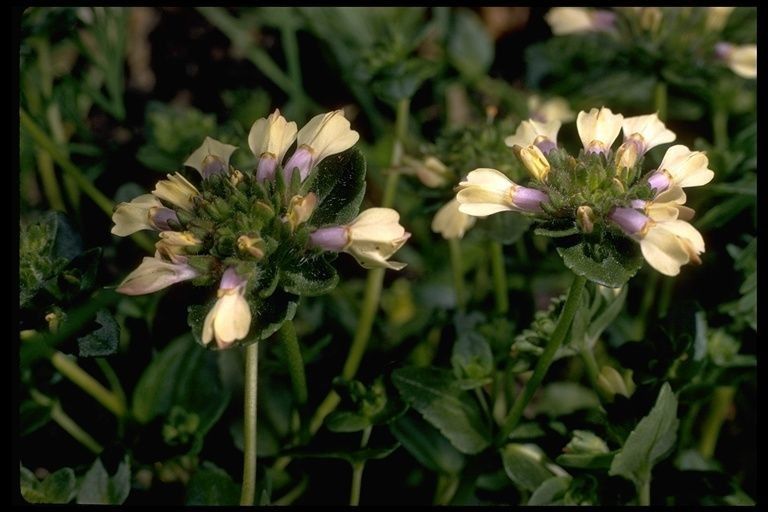
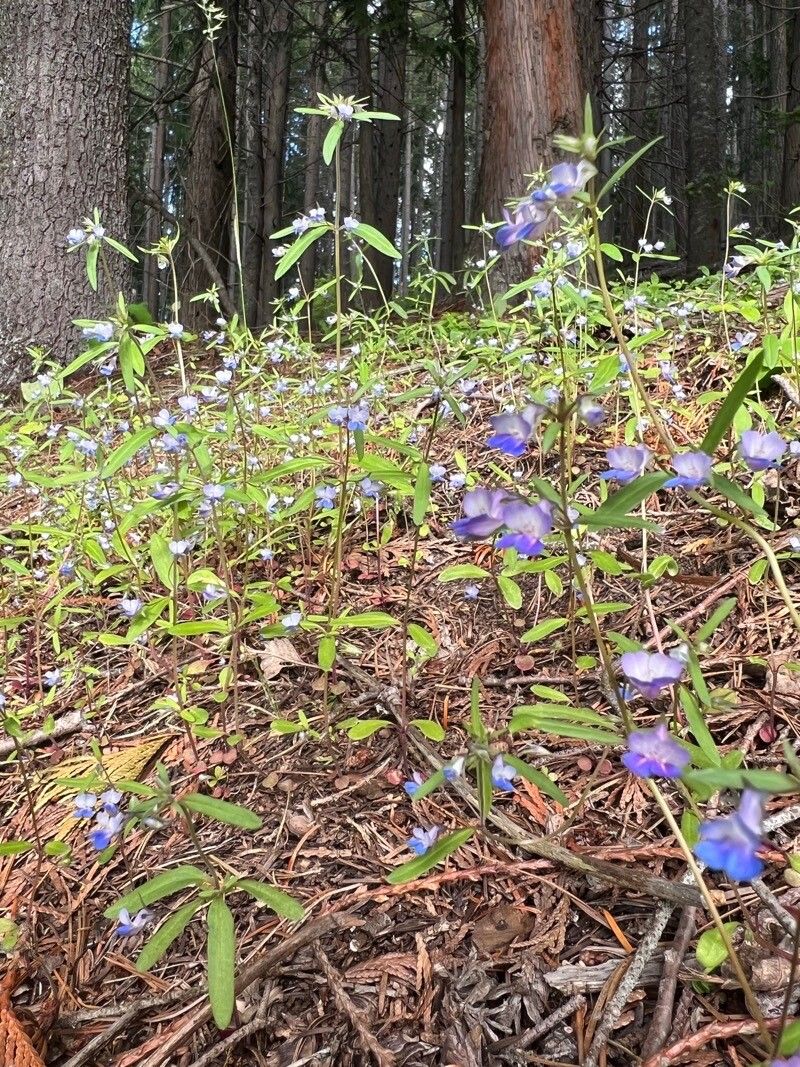
Collinsia verna, or blue-eyed Mary, is a winter annual that is native to the eastern and central parts of North America but has become endangered in the states of New York and Tennessee. The flowers are bicolored white and blue. It is a plant of valley bottoms and moist bottom slopes, in areas with moderate lighting and requires some shade.
Spring blue eyed mary has strong disease resistance and is generally not likely to suffer from illnesses. However, it can be affected by pests and diseases present in its surroundings. These problems are typically mild. For care, this plant needs moderate maintenance. It should be pruned regularly to keep a tidy appearance and support healthy growth. Fertilizing can also encourage flowering. Spring blue eyed mary is appropriate for anyone with outdoor space, such as a garden or patio, and does not demand extensive gardening experience. It may need extra care when cultivated indoors.
How to keep Collinsia Verna.
Light
Spring blue eyed mary does best with moderate sun exposure, which lowers the risk of leaf scorching. Its native habitat is made up of moderately sun-lit areas, allowing it to take in enough light for healthy growth and flowering. However, if kept in excessively dim conditions for a prolonged period, its growth may be stunted.
Water
The spring blue-eyed Mary thrives in moist, well-drained soil that is characteristic of its woodland habitat. To avoid drought stress, especially during its active growing season, it needs to be watered weekly. When growing outdoors, consider the natural rainfall to ensure the soil maintains optimal moisture levels.
Temperature
Spring blue-eyed Mary originates from temperate regions and favors temperatures of 68 to 100.4°F (20 to 38℃). To thrive fully, it requires exposure to those temperature conditions. During seasons when that range is not naturally present, artificial temperature adjustments may be necessary.
Fertilizer
When most of Spring blue eyed mary's blooms are fully open, resume fertilizing. During peak bloom, feed it once every three to four weeks, weather permitting. Once the plant begins producing fewer new blooms, stop fertilizing; there's no need to feed it when it can no longer make more flowers.
Pruning
Spring blue eyed mary thrives with minimal pruning. For best results, prune from early to late spring to promote growth and blooming. Remove any damaged stems to enhance plant health, and perform light trims to maintain its shape and improve airflow, which helps reduce pests and diseases. Avoid heavy cutting to preserve its natural growth pattern and ensure vibrant blooms year after year.
Botanical profile.
- Plant Type
- Herb
- Life Cycle
- Annual
- Genus
- Collinsia
- Family
- Plantaginaceae
- Hardiness Zone
- 2-11
- Mature Height
- 30 cm to 61 cm
- Mature Spread
- 30 cm to 61 cm
- Leaf Color
- Green, Dark Green
- Leaf Type
- Semi-evergreen
- Flower Color
- White
- Flower Size
- 2.54 cm
- Bloom Time
- Early spring, Mid spring
- Planting Time
- Spring, Summer
- Harvest Time
- Late spring, Early summer
Other names.
Reader questions.
How should I water my Spring blue eyed mary plant to keep it healthy?
There are several options for watering your Spring blue eyed mary plant. You can use a garden hose with a spray nozzle or a watering can, or any other common watering tool. This plant is not very picky when it comes to water, as it can survive with rainwater, tap water, or filtered water. However, it's generally not recommended to water this plant from overhead because it can damage the leaves and flowers, and potentially cause disease. A drip irrigation system is often the best method for watering Spring blue eyed mary, as it distributes water evenly and directly to the soil. If you have a container-grown Spring blue eyed mary, you can use a cup, watering can, or tap water to water the soil directly.
Why is it important to add fertilizer to my Spring blue eyed mary plant?
Plants need nutrients to grow, and while some plants can obtain all the nutrients they need naturally, others require fertilizers as supplements. Spring blue eyed mary is one of the plants that uses nutrients for growth and various internal processes. Nitrogen, phosphorus, and potassium are the primary nutrients plants need, each contributing to essential functions. In particular, nitrogen is crucial for foliage growth. Since it can be challenging for Spring blue eyed mary to obtain enough nitrogen from the soil, many gardeners choose to provide nitrogen supplements to ensure proper nourishment.
What are the sunlight requirements for Spring blue-eyed mary?
Spring blue-eyed mary thrives under moderate sun exposure, generally requiring about 3-6 hours of sunlight per day to prevent leaf scorching and ensure healthy growth and flowering. It's native to moderately sun-lit areas, making it essential to choose locations that provide a balance of light and shade. Observing how sunlight moves through your garden can help in picking the perfect spots for your plants.
What is the preferred climate for Spring blue eyed mary?
Spring blue eyed mary, botanically known as Collinsia verna, thrives in temperate regions with a preference for climates within the temperature range of 68 to 100.4°F (20 to 38°C). For optimal growth, these specific temperature conditions should be maintained. During seasons when natural temperatures fall outside this range, it might be necessary to adjust the environment artificially to meet the plant's requirements.
What should I do if I give my Spring blue eyed mary plant too much water or too little water?
If your Spring blue eyed mary is not getting enough water, the solution is simple - start watering it more regularly. However, overwatering can be a more serious problem if you don't catch it early enough. Overwatering can cause diseases that lead to the decline and death of your plant. To prevent this, choose a suitable location with plenty of sunlight to dry the soil and good drainage to avoid waterlogged soil. If you've overwatered a potted Spring blue eyed mary, consider transferring it to a new pot. The old container might not have had proper drainage holes or well-draining soil. When repotting, ensure that you use loose soil and a pot that drains efficiently.
When should I fertilize my Spring blue eyed mary?
Spring blue eyed mary generally grows well, but to give the plant a boost while it is actively growing, you can apply fertilizer about once a month. It is important to only fertilize Spring blue eyed mary during the spring and summer months, as the plant is less active and requires fewer nutrients during fall and winter. If you notice new growth, it is a sign that it is time to start fertilizing. Whether your plant is grown outside or in a container indoors, the fertilization schedule remains the same. However, if your Spring blue eyed mary is in a container, you may not need to fertilize for the first one to two months. Container plants already have sufficient nutrients in the potting soil, so fertilization should only begin after the plant has been in the same soil for a while.
How can artificial lighting support the growth of indoor Spring blue-eyed mary plants?
Indoor Spring blue-eyed mary plants require adequate lighting to achieve optimal growth, especially when natural sunlight is insufficient, such as in winter or in less sunny spaces. Artificial lighting, particularly LED lights, can be customized to provide specific wavelengths needed by the plants. For full sun plants, 30-50W/sq ft of artificial light is recommended; for partial sun plants, 20-30W/sq ft; and for full shade plants, 10-20W/sq ft. The light source should be placed 12-36 inches above the plant, mimicking natural sunlight conditions for 8-12 hours per day.
Does Spring blue eyed mary require frost protection in winter?
The Spring blue eyed mary possesses strong cold resistance, rendering special frost protection measures generally unnecessary throughout the winter. However, in extremely cold climates where temperatures are expected to plummet below -40°C, taking steps to protect the plant against the cold becomes crucial. This can be effectively done by covering the plant with soil or straw. Additionally, watering the plant abundantly before the first freeze of autumn is advisable to ensure the soil is moist as it freezes, which helps prevent water scarcity for the plant during the cold winter and early spring months.
How often do I need to water my Spring blue eyed mary?
To take care of your Spring blue eyed mary throughout the growing season, regular watering is essential. At the start of the season, watering once a week is sufficient. Gradually, as the weather gets warmer, you may need to increase watering to two or three times a week. However, be cautious not to overwater, as it could harm the plant. Regardless of the watering frequency, it's important to keep the soil consistently moist but not overly wet. If your Spring blue eyed mary is in a pot, it will require more frequent watering. The soil in a pot tends to heat up and dry out faster than ground soil. In most cases, plan to water a container-grown plant a few times per week, compared to just once per week for an in-ground plant.
When is it not a good time to fertilize my Spring blue eyed mary?
To ensure the health of your Spring blue eyed mary, refrain from fertilizing if it is already diseased or infested with insects. Additionally, avoid fertilizing dehydrated plants, as this can exacerbate the issue. Only apply fertilizer to plants that are already in good health. While watering, be mindful not to splash fertilizer onto the leaves or stem, as it can cause burned spots. Unless you are using a specialized fertilizer meant for foliage application, make sure the fertilizer does not make direct contact with the plant.
What are the symptoms of incorrect lighting for Spring blue-eyed mary?
Symptoms of incorrect lighting in Spring blue-eyed mary include small or lighter-colored new leaves indicating insufficient sunlight, leggy or sparse growth, faster leaf drop, and a halt in new growth under poor light conditions. Additionally, chlorosis, sunscald, leaf curling, wilting, and leaf scorching may occur due to excessive sunlight exposure. These conditions indicate the plant's struggles with adapting to its lighting environment.
How does low temperature affect Spring blue eyed mary, and what are the solutions?
Spring blue eyed mary is well-adapted to cold and flourishes in temperatures above 20°C. It should, however, be kept above 0°C during the winter months. Exposure to temperatures below -40°C won't cause noticeable changes in the winter but could lead to reduced or non-existent sprouting in the spring. Should this occur, the recommended course of action is to remove any parts of the plant that have failed to sprout once spring arrives.