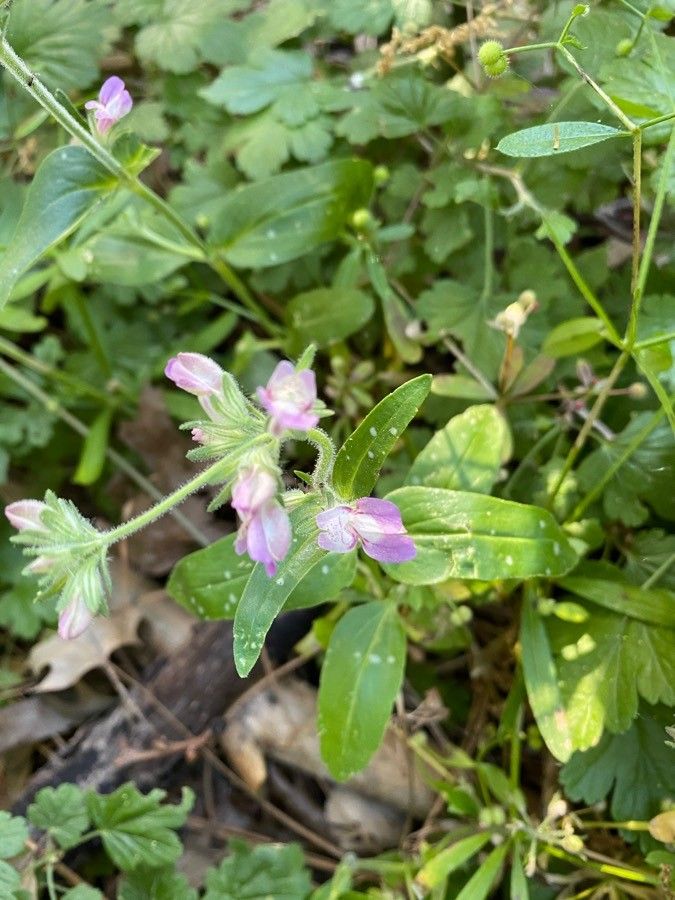
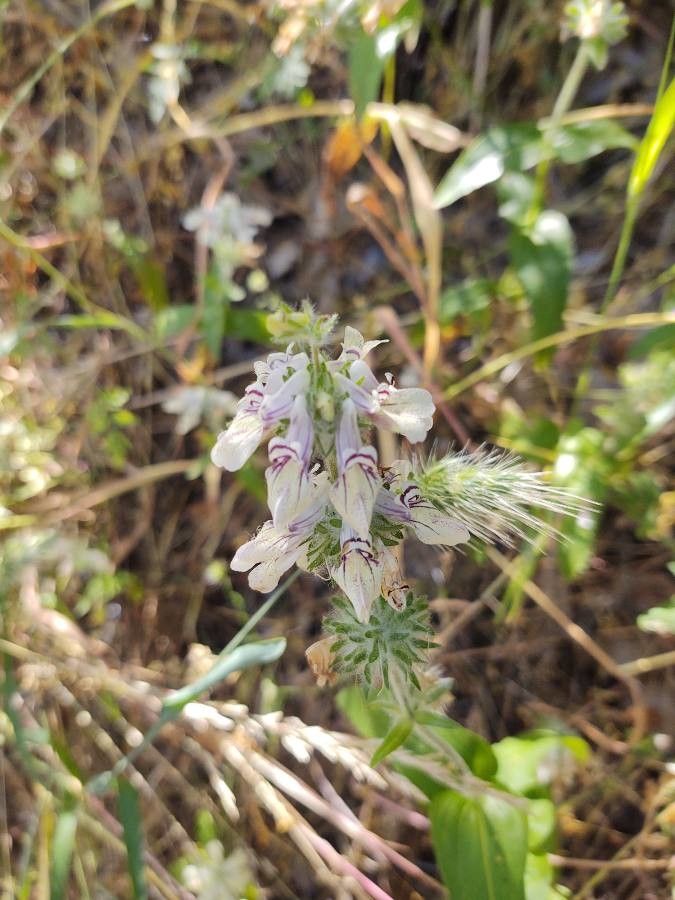
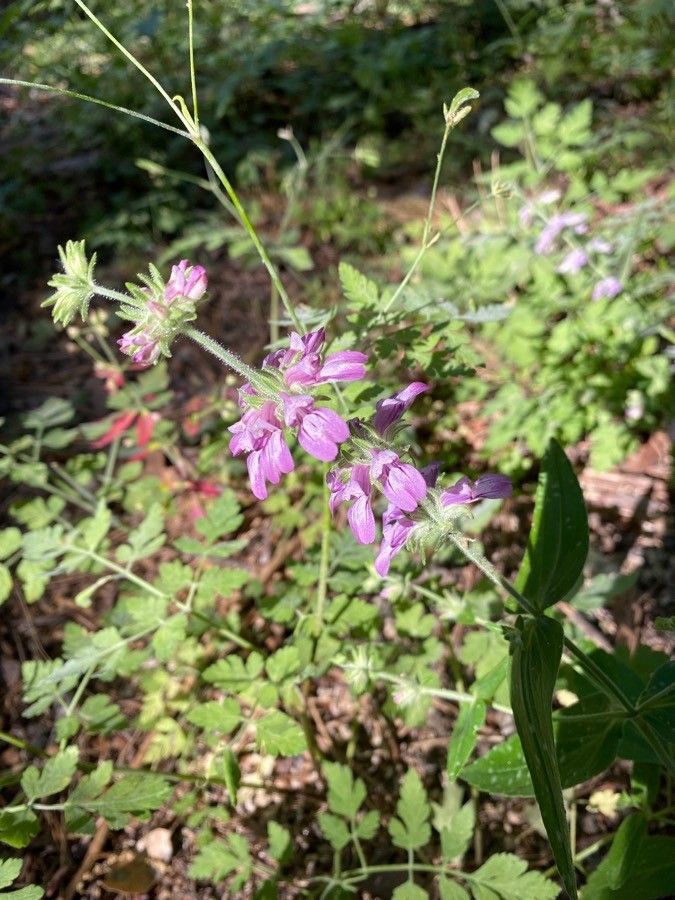
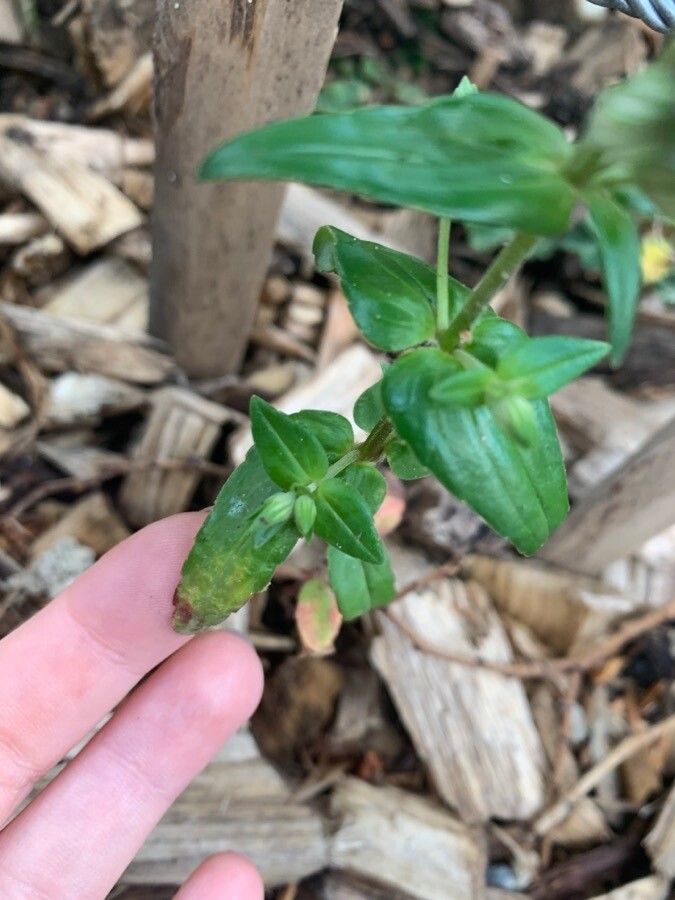
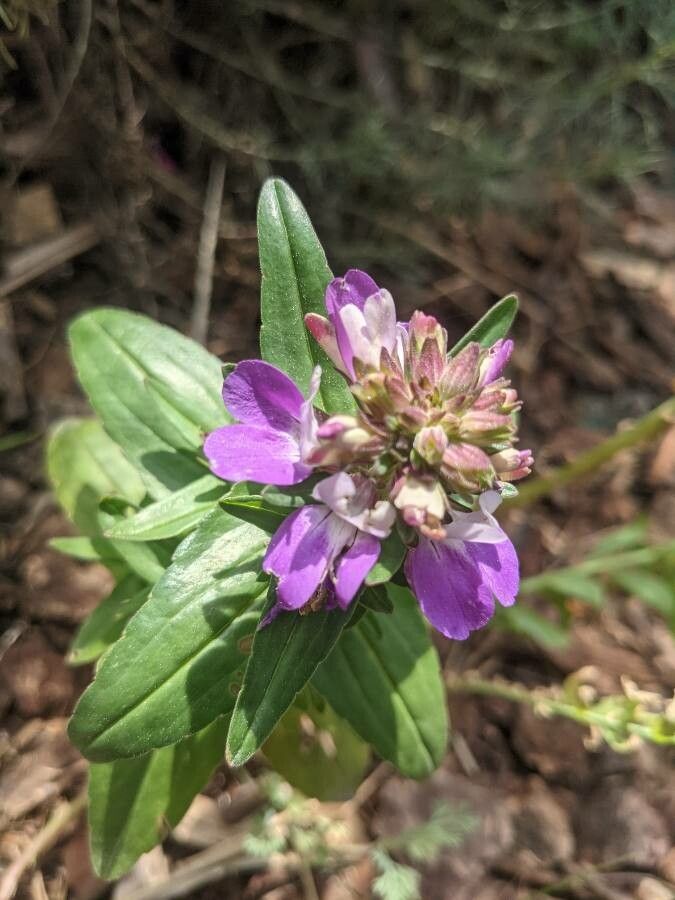
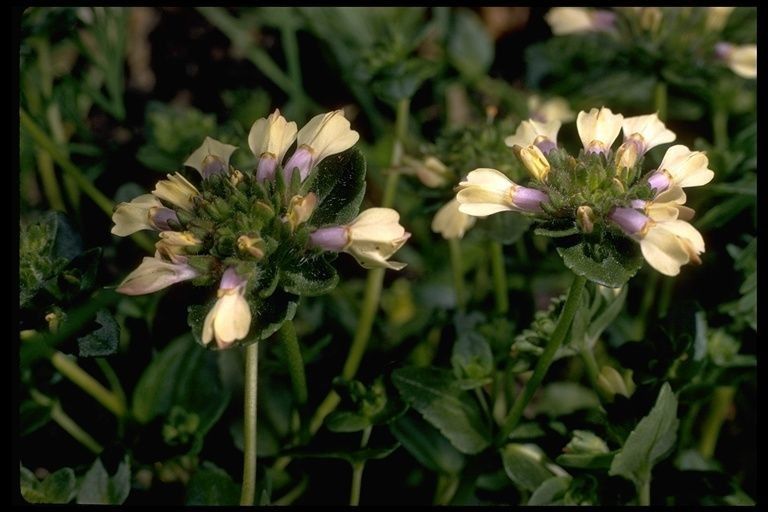
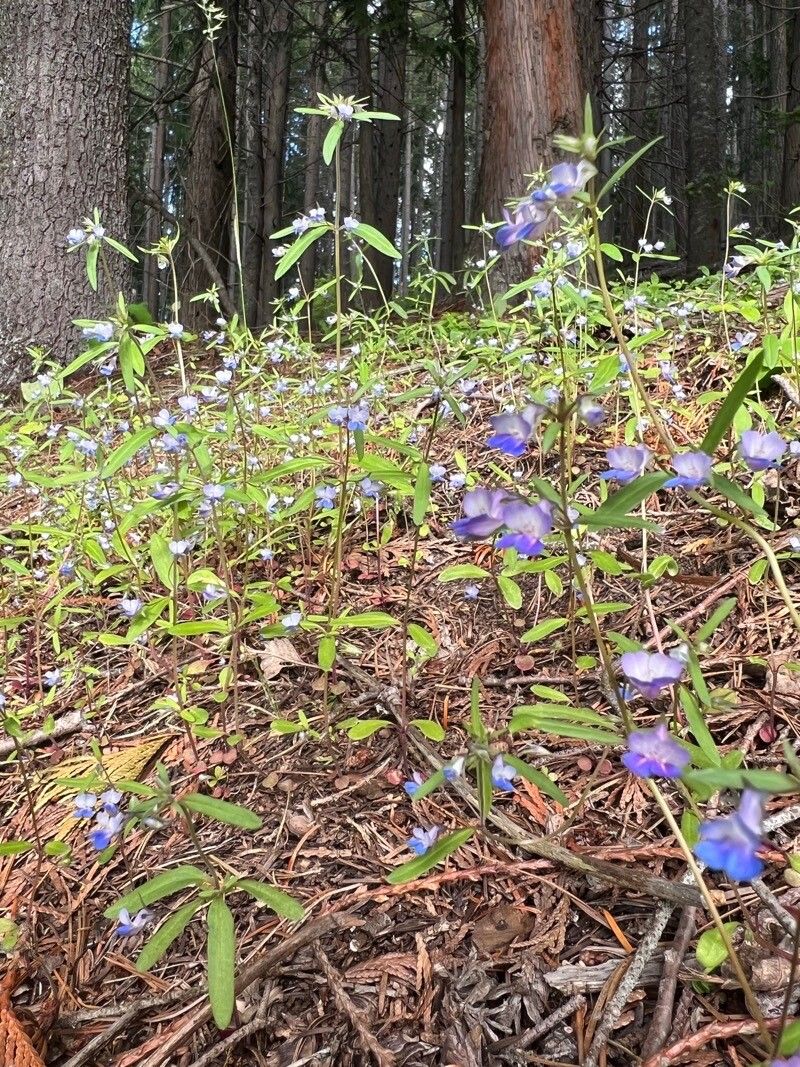
Collinsia tinctoria is a species of flowering plant in the family Plantaginaceae known by the common names sticky Chinese houses and tincture plant. It is endemic to California, where it grows in the woodlands and forests of the mountain ranges of the central and northern regions of the state.
Sticky chinese houses has good resistance to disease and is generally unlikely to suffer from illnesses. However, it can be vulnerable to pests and diseases present in its surroundings. Such infections are typically mild. Regarding care, this plant needs moderate maintenance. Regular pruning is necessary to keep it looking good and to encourage healthy growth. Applying fertilizer can also help promote flowering. Sticky chinese houses is suitable for someone with an outdoor area, such as a garden or patio, and does not demand extensive care experience. It may need more attention when grown indoors.
How to keep Collinsia Tinctoria.
Light
Sticky Chinese houses comes from habitats with dappled sunlight, such as forest understories or rocky sites that offer natural shade. It flourishes in partial sun but can also tolerate full sun conditions.
Temperature
Sticky chinese houses shows strong temperature adaptability, able to withstand higher heat and broader temperature swings. In hot weather, attention should be paid to watering and providing adequate shade to avoid sunburn. On the other hand, Sticky chinese houses is not very tolerant of low temperatures. It can endure some cold, but overly cold conditions may result in frost damage.
Fertilizer
Once Sticky chinese houses has opened the majority of its blooms to full size, it's time to resume fertilizing. Around the time the blooms reach peak production, apply fertilizer every three to four weeks, weather permitting. Then, when Sticky chinese houses begins producing fewer new blooms, stop fertilizing; there's no need to feed the plant when it can no longer produce more blooms.
Pruning
Sticky Chinese houses have vibrant, colorful blooms and sticky leaves. To maintain their health, prune these plants from early to late spring. This involves removing any dead wood and thinning crowded areas to improve air circulation. Additionally, cut back spent flowers to encourage new blooms, which will enhance both the plant's appearance and vitality.
Botanical profile.
- Plant Type
- Herb
- Life Cycle
- Annual
- Genus
- Collinsia
- Family
- Plantaginaceae
- Hardiness Zone
- 7-10
- Mature Height
- 30 cm to 91 cm
- Mature Spread
- 10 cm to 20 cm
- Leaf Color
- Green
- Leaf Type
- Deciduous
- Flower Color
- White
- Flower Size
- 1.02 cm to 1.52 cm
- Bloom Time
- Mid spring, Late spring
- Planting Time
- Spring, Summer
- Harvest Time
- Early summer, Mid summer
Other names.