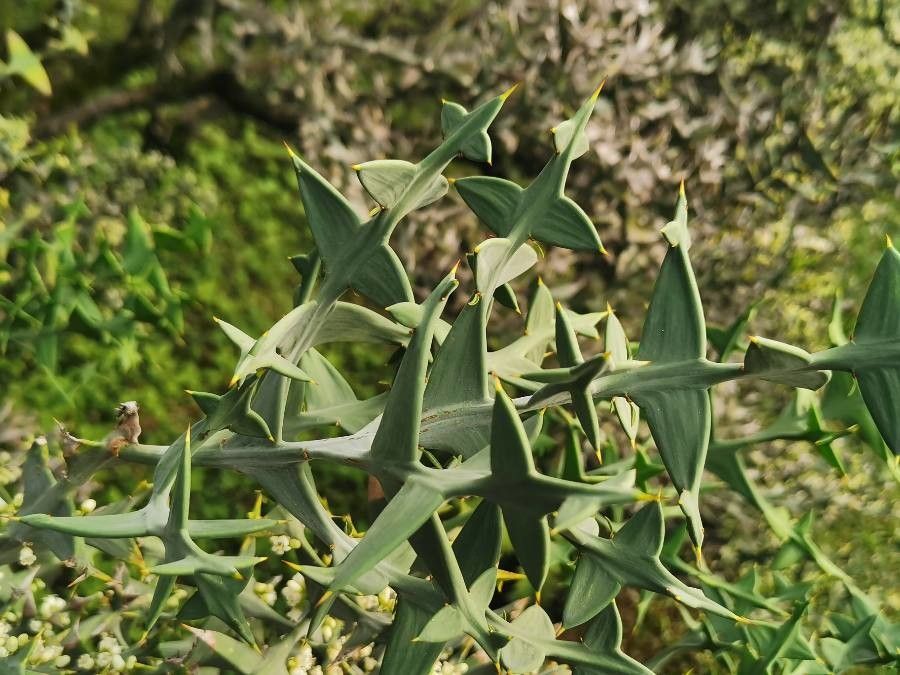
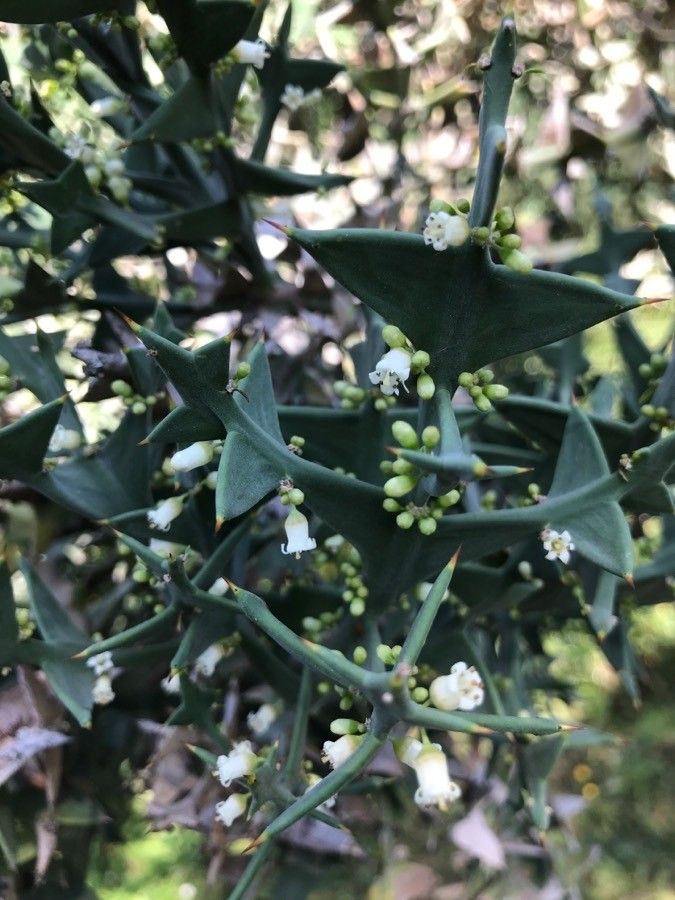
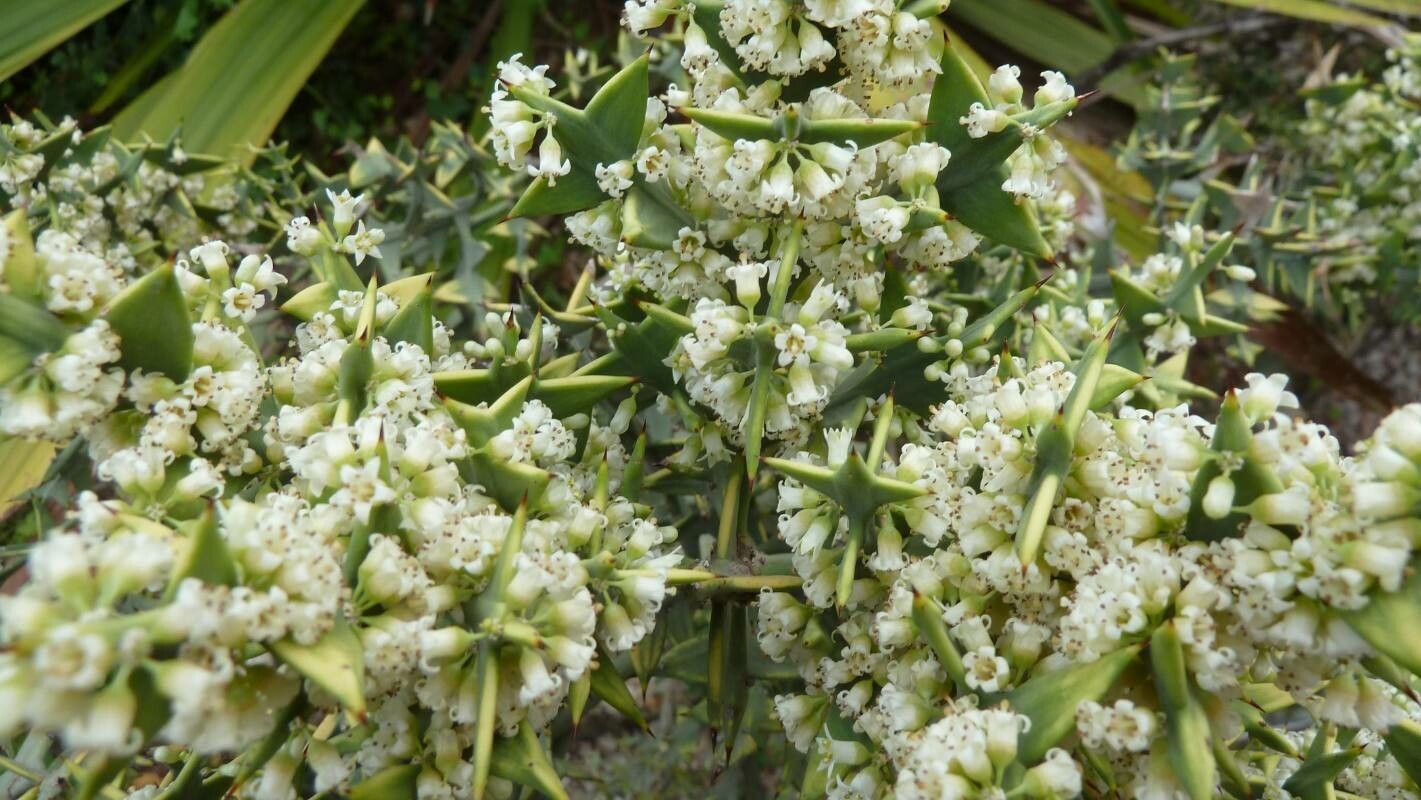
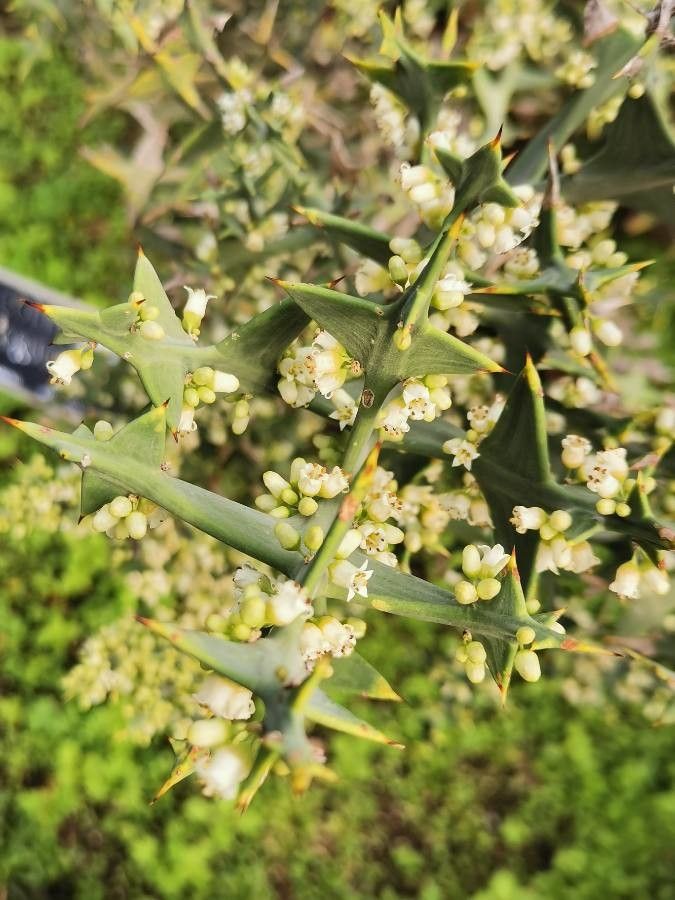
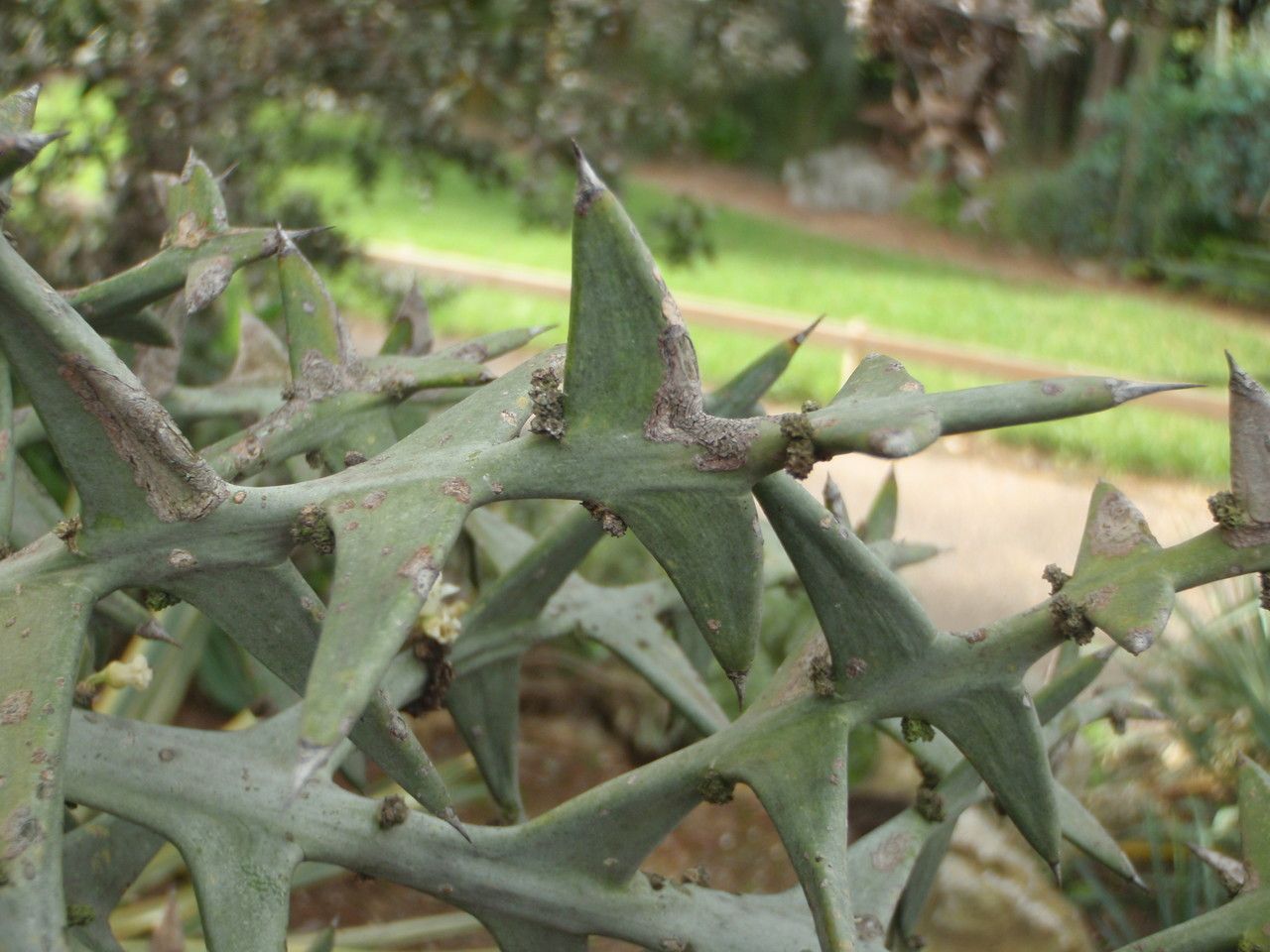
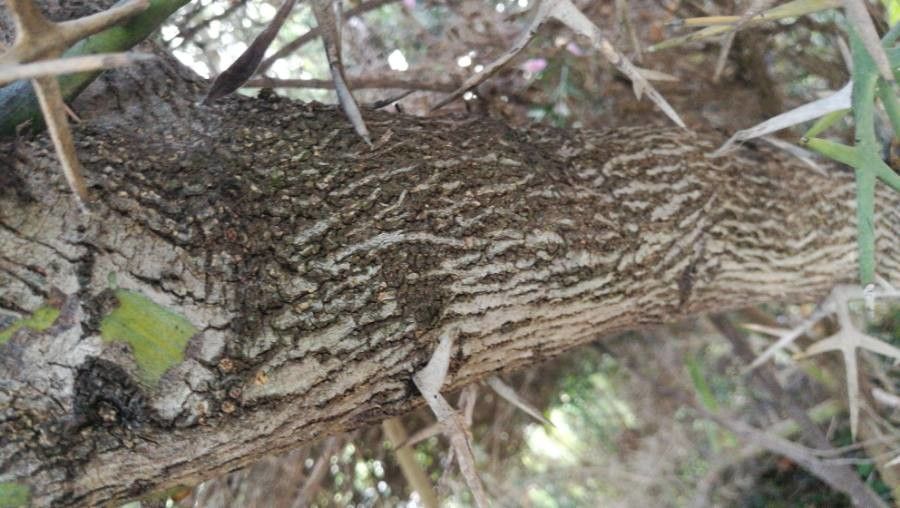
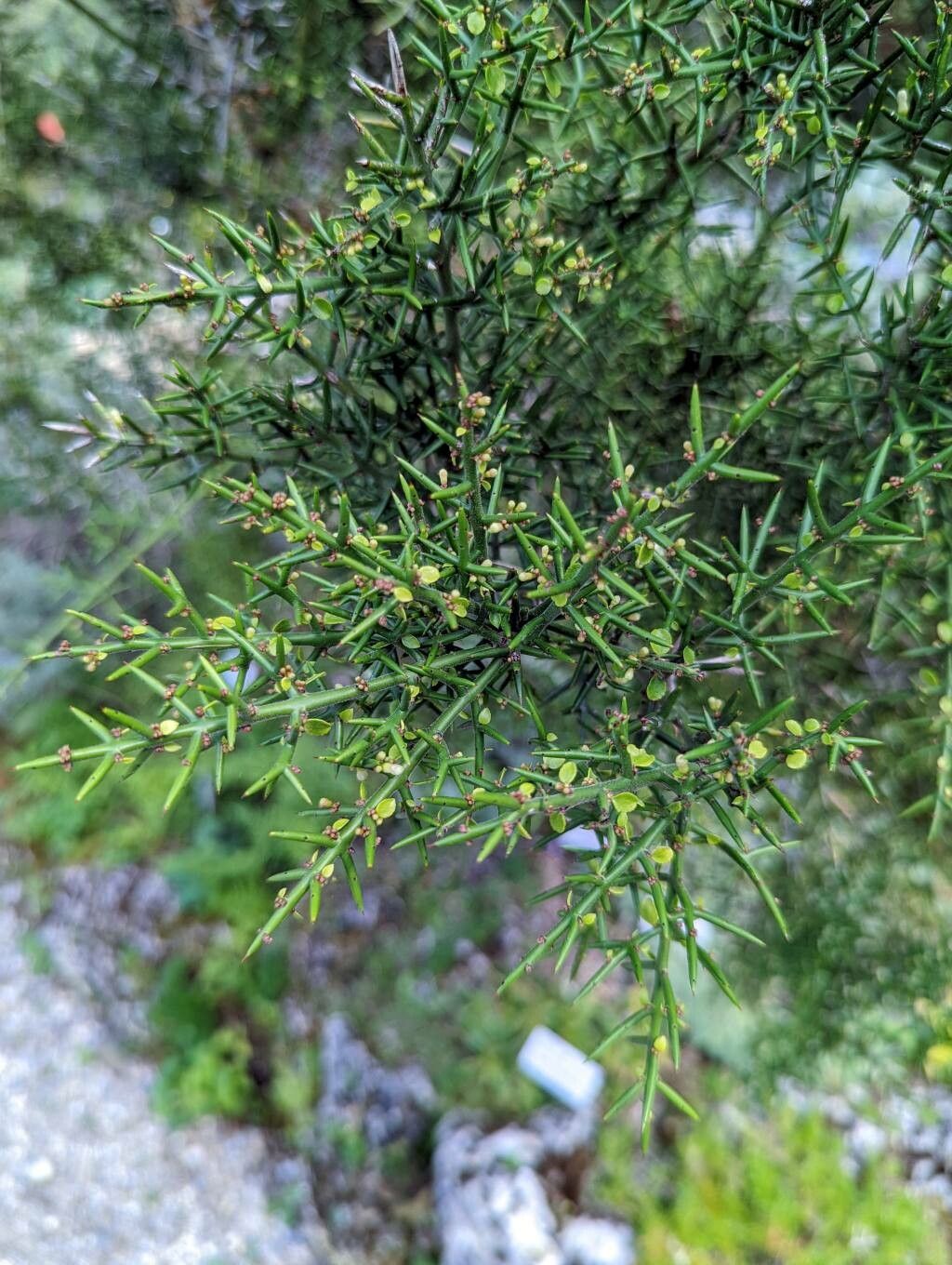
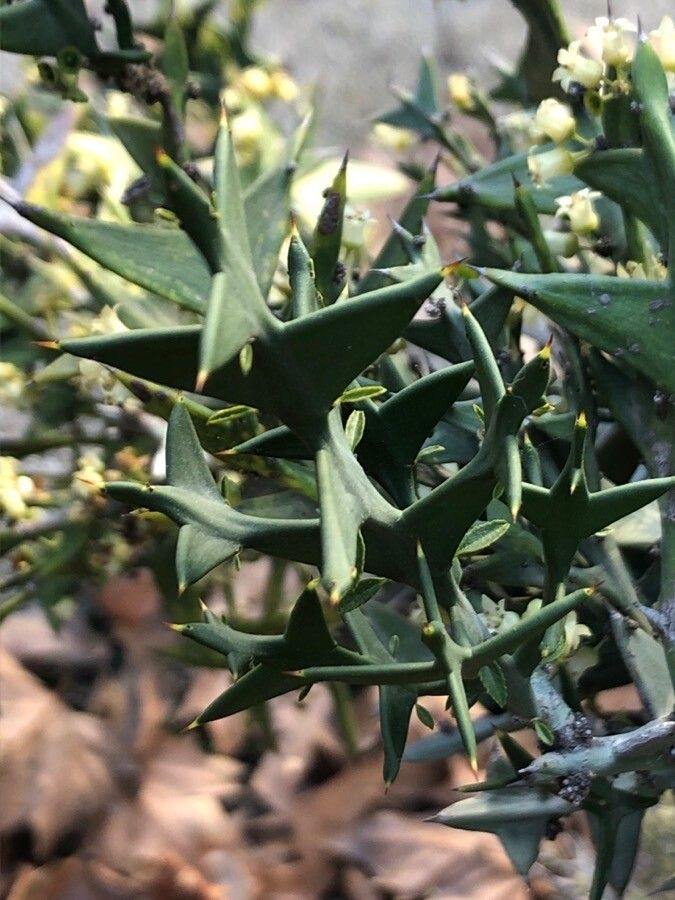
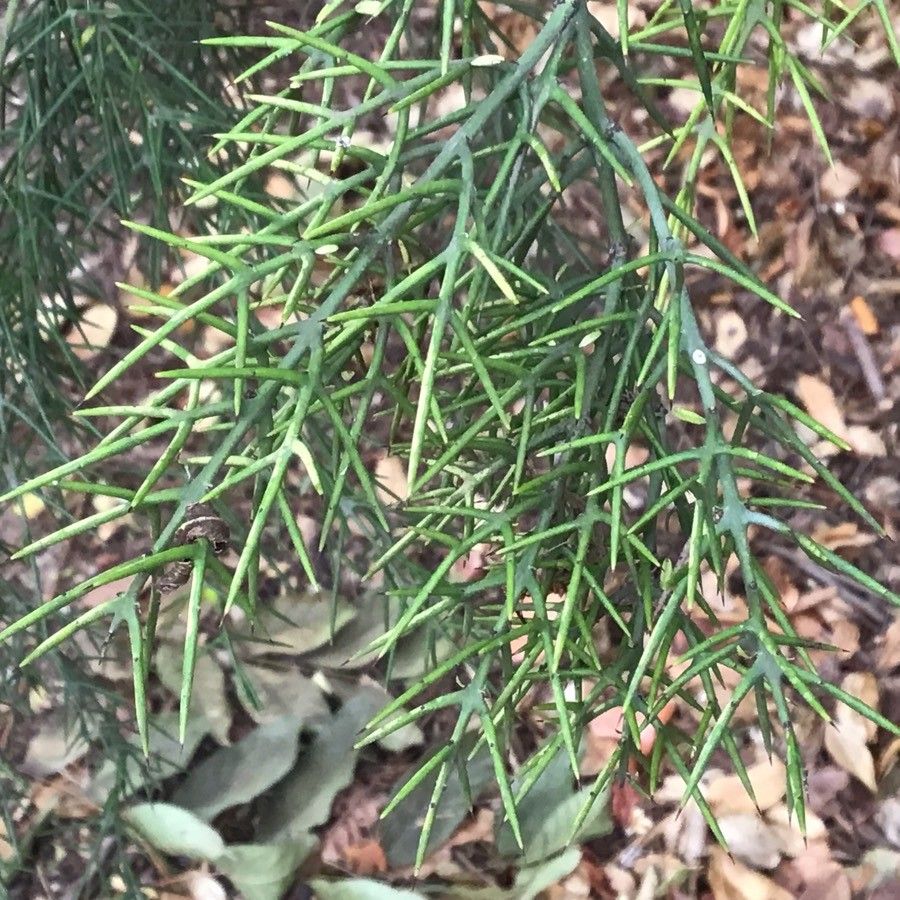
The anchor plant has strong resistance to disease and is generally not susceptible to illnesses. In terms of care, this plant is fairly low-maintenance. When grown outdoors it needs minimal watering, and larger specimens typically do not require pruning. Smaller specimens, however, should be pruned after they have finished blooming. The anchor plant is suitable for anyone with an outdoor area, such as a garden or deck, and does not demand much prior experience in plant care.
How to keep Colletia Cruciata.
Light
For healthy growth, the anchor plant prefers a spot where it gets uninterrupted sunlight throughout the day. Originating in open environments, this preference is vital for its development. Either too much shade or too much exposure can cause suboptimal growth or even damage the plant.
Temperature
The anchor plant is native to areas where seasonal temperatures range from 59 to 95 °F (15 to 35 ℃). In colder seasons, you may need to adjust the temperature to replicate its natural growing conditions.
Fertilizer
The timing of fertilizing the Anchor plant is important. Begin fertilizing in early spring and continue once a month until early summer. Fertilizer encourages attractive blooms and supplies energy during both dormant periods and active growth.
Botanical profile.
- Plant Type
- Shrub
- Life Cycle
- Perennial
- Genus
- Colletia
- Family
- Rhamnaceae
- Hardiness Zone
- 7-10
- Mature Height
- 2.44 m
- Mature Spread
- 2.44 m
- Leaf Color
- Green, Blue
- Leaf Type
- Deciduous
- Flower Color
- White
- Flower Size
- 2.54 cm
- Bloom Time
- Late summer, Early fall, Mid fall
- Planting Time
- Spring, Autumn
- Harvest Time
- Late fall, Early winter, Mid winter
- Native Area
- Brazil
Other names.