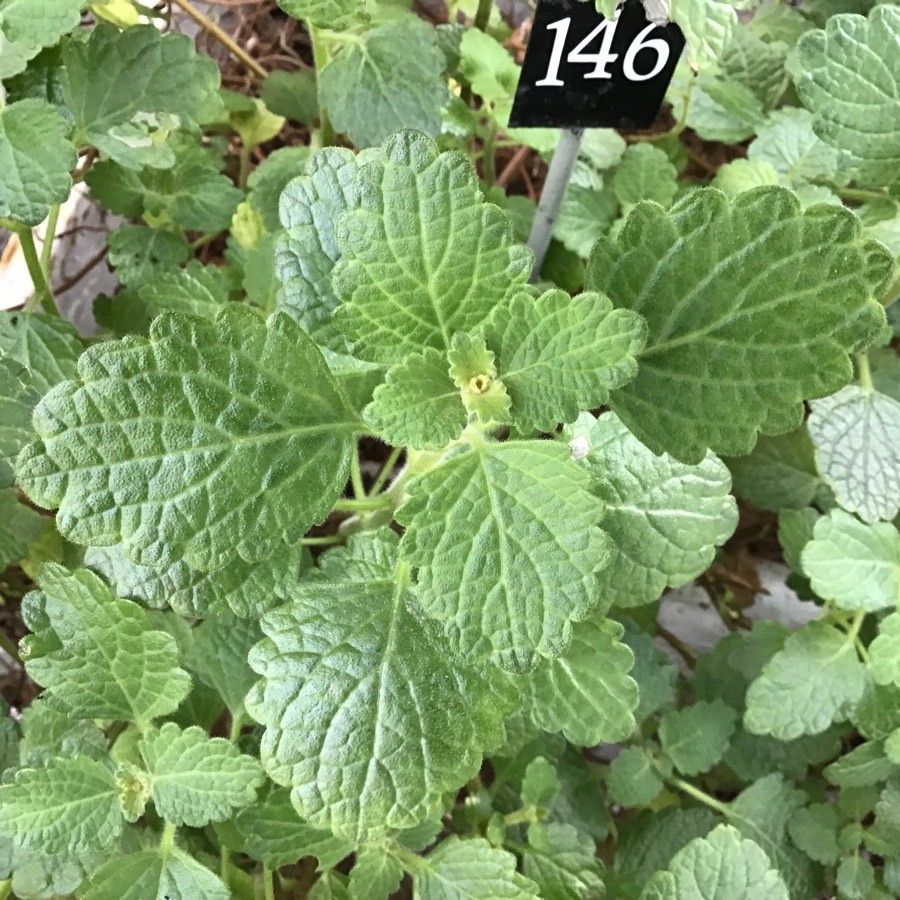
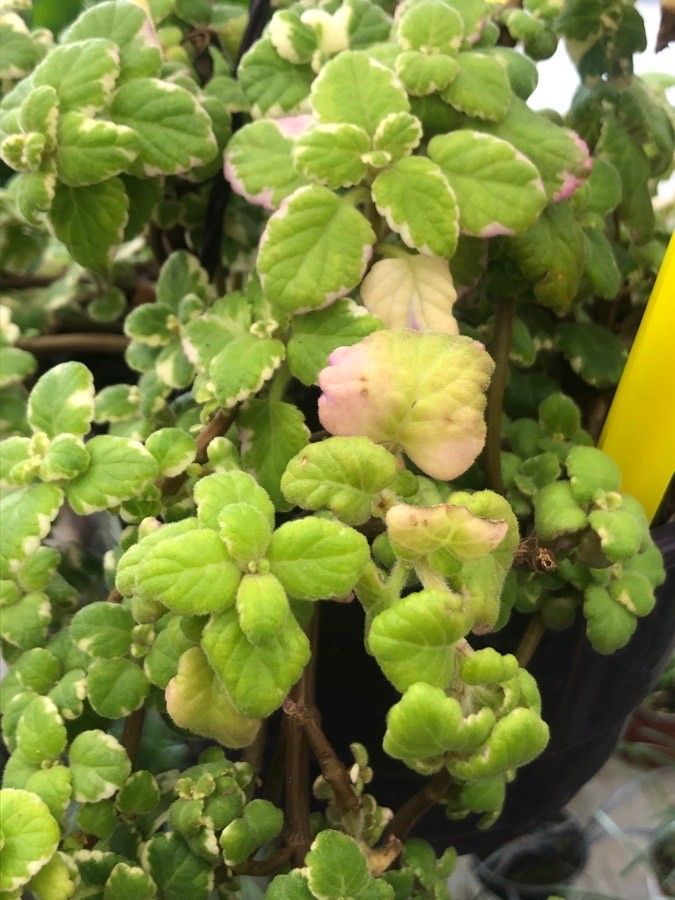
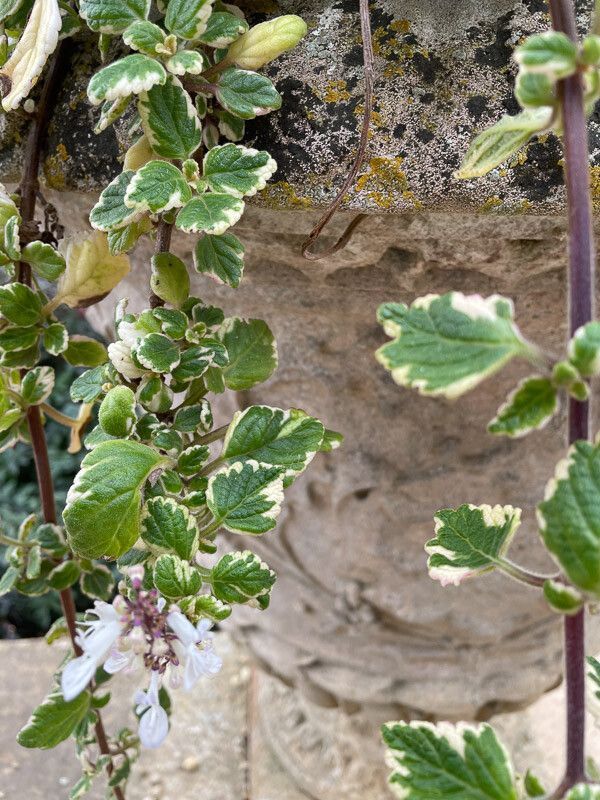
Swedish Ivy is generally resistant to disease and is usually not susceptible to it. However, it can be prone to leaf spots if light and ventilation are poor and if watering is excessive. The plant's care level is considered easy, since it only needs regular watering and does not require much attention otherwise. Swedish Ivy is appropriate for people who don't have much time or energy to devote to regular care.
How to keep Coleus Paniculatus.
Light
Swedish Ivy does best with ample light for several hours each day, though it can tolerate lower light levels. Seasonal changes may require moving it indoors or outdoors to keep suitable light conditions. Insufficient light can reduce Swedish Ivy's growth and vigor.
Temperature
Swedish Ivy originates from warmer regions and does best in temperatures between 68 and 100°F (20 to 38℃). The plant favors milder climates and may require temperature adjustments during harsher seasons — it's recommended to keep it indoors in colder weather.
Fertilizer
Correct feeding is essential for Swedish Ivy's health and appearance. Feed Swedish Ivy during the summer, doing so monthly throughout the season. Nutrients provide energy for growth and help maintain the plant's parts. Fertilizing improves Swedish Ivy's flowering display, ensuring the best blooms.
Pot & Repot
When repotting Swedish Ivy, select a pot 1–2 inches (2.5–5.1 cm) larger with good drainage. Use a well-draining potting mix. Repot in spring or fall, making sure the root ball sits slightly below the rim of the flower pot. Water thoroughly after repotting and place it in a warm spot with indirect sunlight.
Botanical profile.
- Plant Type
- Herb
- Life Cycle
- Perennial
- Genus
- Coleus
- Family
- Lamiaceae
- Hardiness Zone
- 9-12
- Mature Height
- 15 cm to 30 cm
- Mature Spread
- 30 cm to 91 cm
- Leaf Color
- Green, White
- Leaf Type
- Semi-evergreen
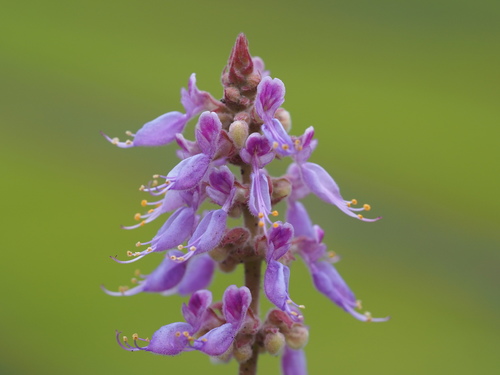
- Flower Color
- Purple, Lavender
- Flower Size
- 2.54 cm
- Bloom Time
- Late spring, Summer
- Planting Time
- Spring, Summer, Autumn
- Harvest Time
- Summer, Early fall