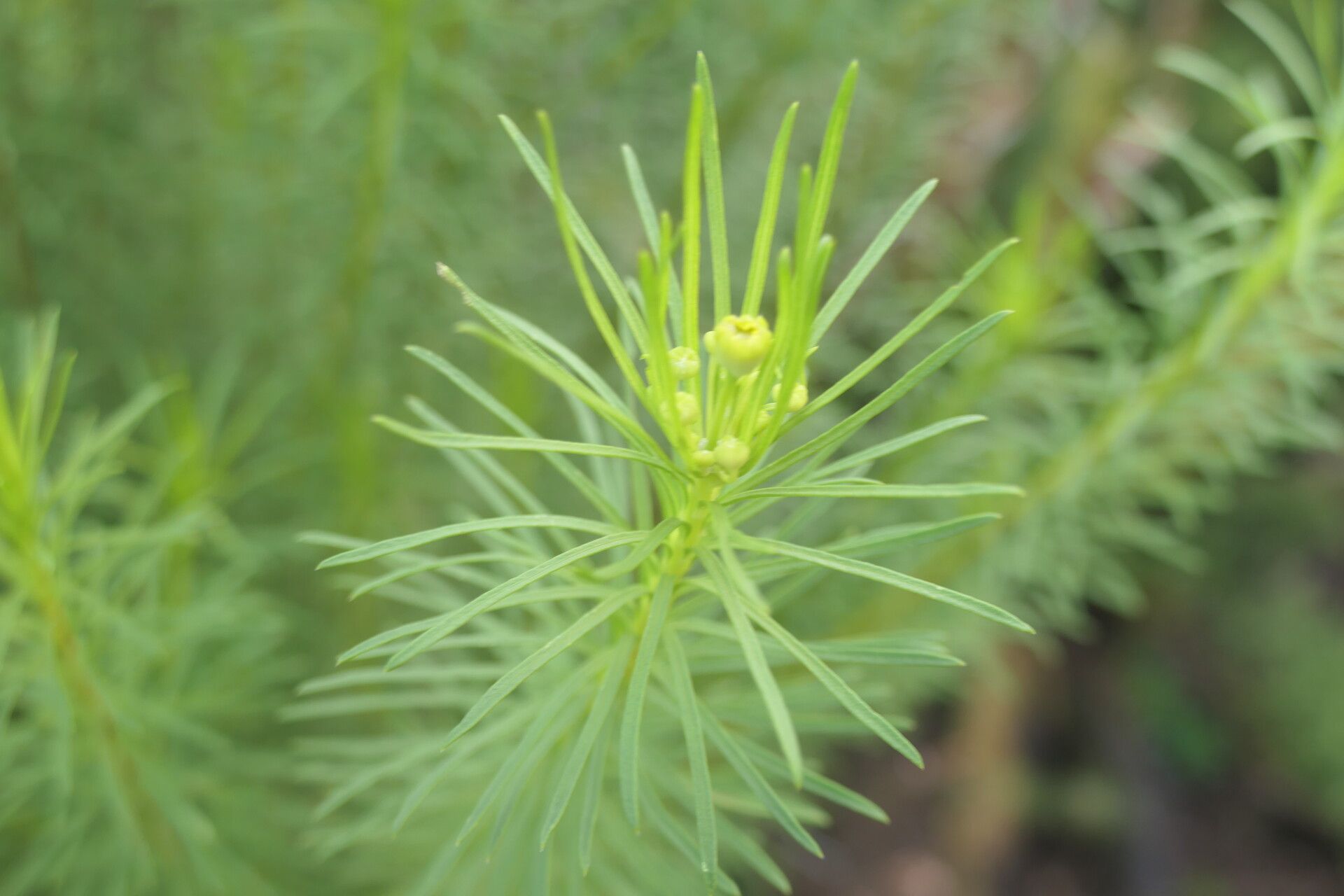
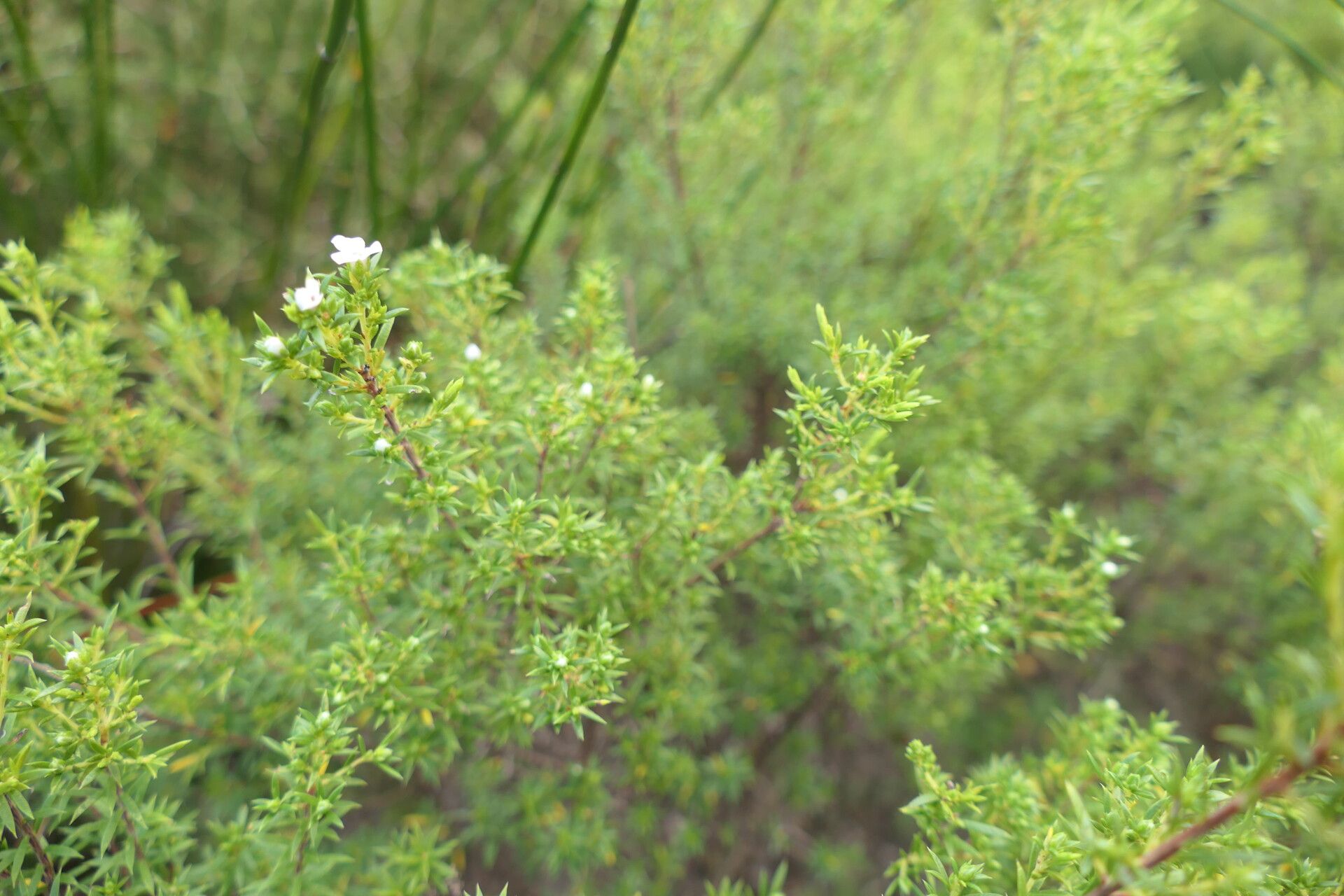
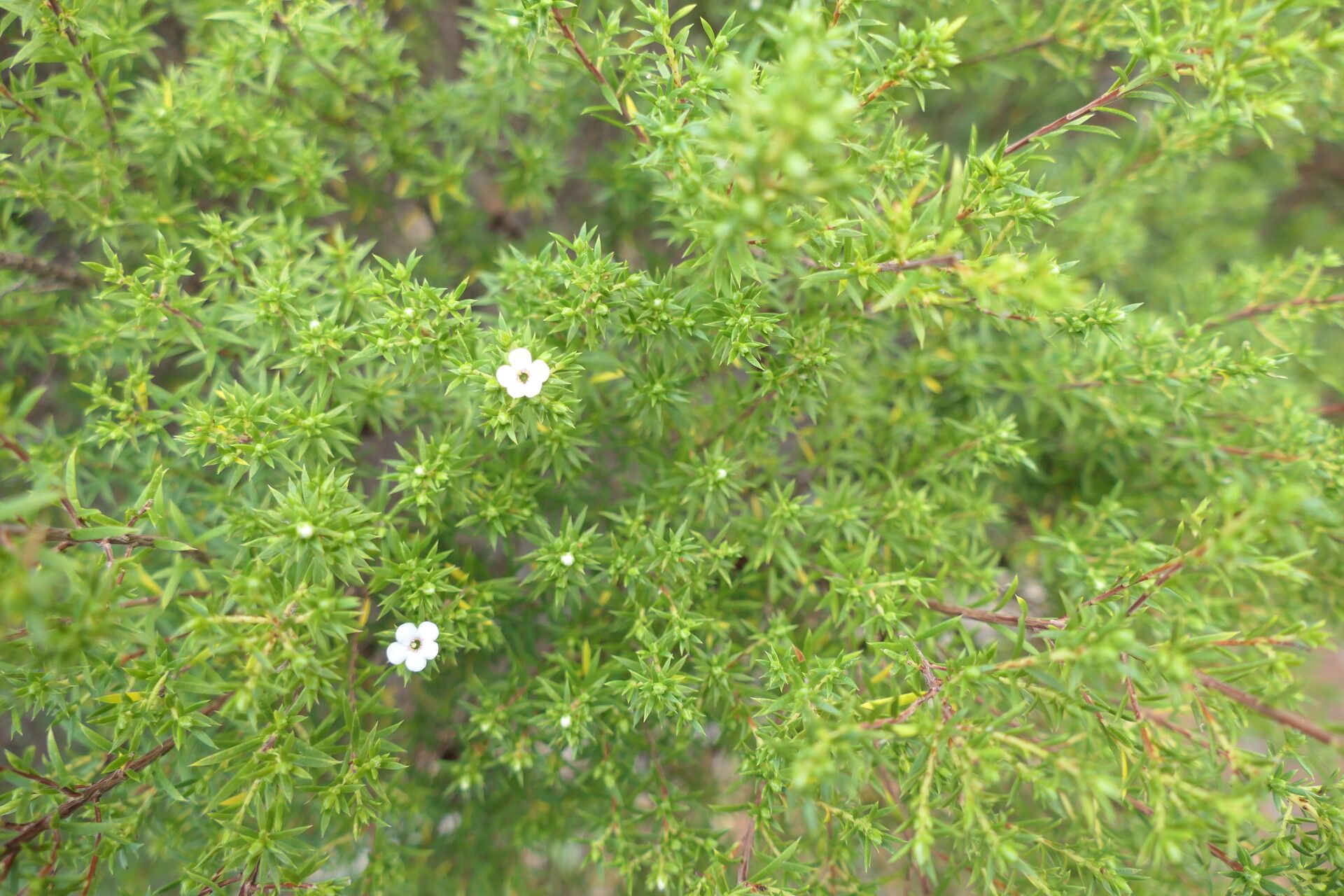
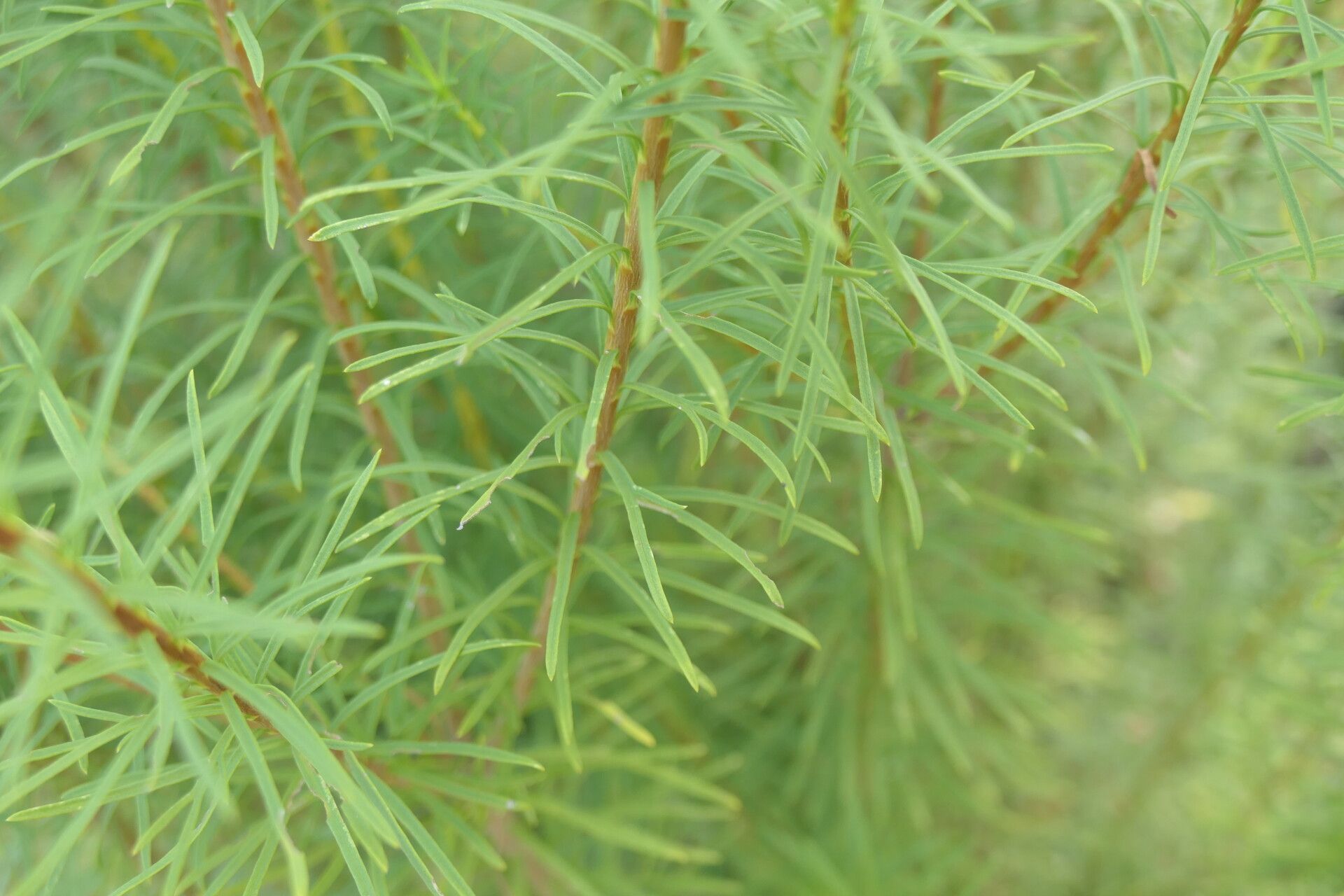
White breath of heaven is fairly resistant to disease and is generally not prone to illnesses. In terms of care, this plant is relatively low maintenance. When grown outdoors it needs little watering, and larger plants typically do not require pruning; smaller plants should be pruned after they have finished blooming. White breath of heaven is suitable for anyone with outdoor space, such as a garden or deck, and does not demand much gardening experience.
How to keep Coleonema Album.
Light
White breath of heaven favors abundant, unfiltered light all day, reflecting its natural habitat, yet it can also thrive in semi-shade. However, too little light can impede its growth, while too much light can cause plant stress.
Water
Native to the less arid regions of South Africa, the white breath of heaven plant thrives in well-drained soil and requires infrequent watering, every 2 to 3 weeks. As an evergreen, it retains moisture within its foliage, demonstrating resilience to temperature fluctuations, which makes it ideal for outdoor cultivation.
Temperature
White breath of heaven is native to regions with moderate temperatures, specifically between 59 and 100.4 °F (15 and 38 ℃). For optimal growth, keep it warm in summer and slightly cooler in winter, adjusting as necessary during unexpected heatwaves or cold snaps.
Fertilizer
Timing is essential when fertilizing White breath of heaven. Begin fertilizing in early spring and continue once a month until early summer. Fertilizer encourages attractive blooms and supplies energy during both dormant and active growth periods.
Pruning
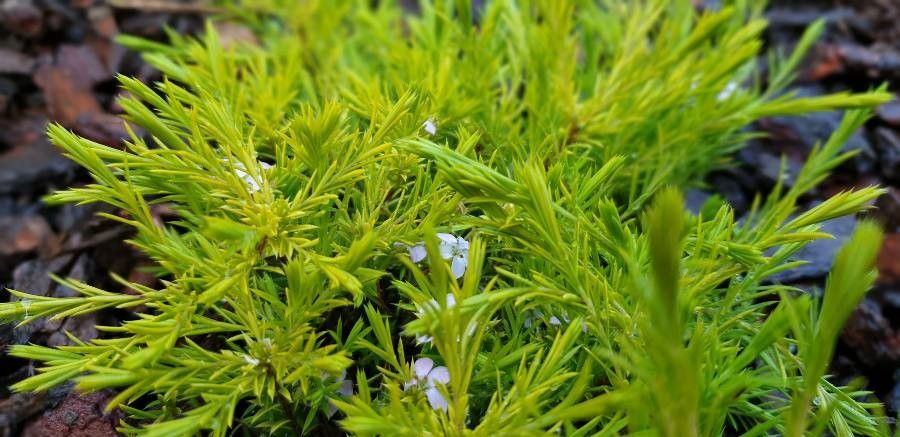
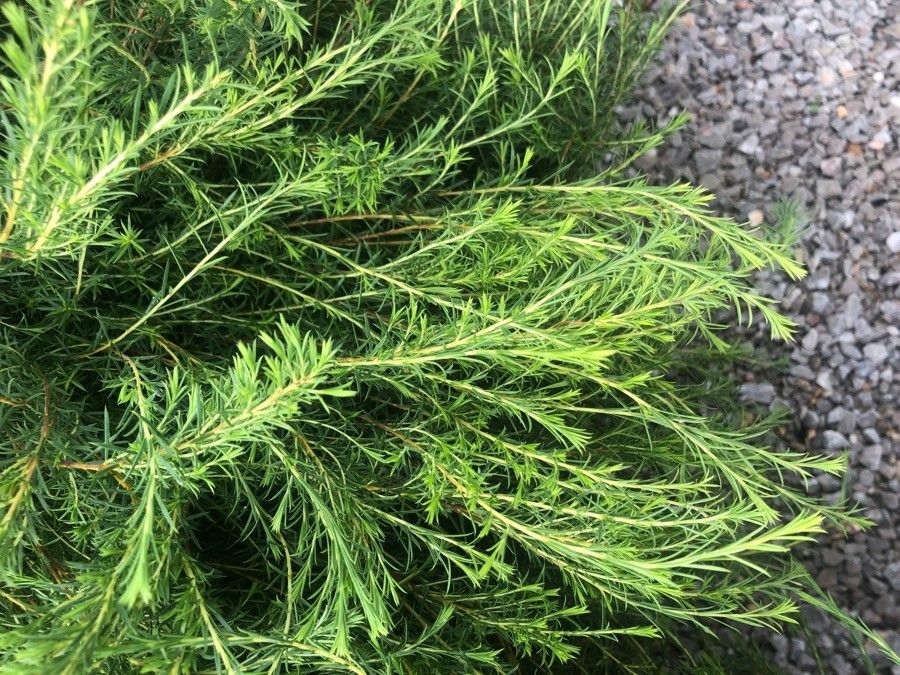
The plant known as "White Breath of Heaven" is characterized by its aromatic foliage and delicate white flowers. To maintain its health and appearance, it is advisable to perform light pruning after its blooming period in late spring. This helps remove dead stems, encourages bushier growth, and supports the production of healthy blooms. It's important to avoid heavy pruning to preserve the plant's vigor. Instead, regular, gentle trimming will enhance air circulation, reduce the risk of disease, and promote robust growth.
Botanical profile.
- Plant Type
- Shrub
- Life Cycle
- Perennial
- Genus
- Coleonema
- Family
- Rutaceae
- Hardiness Zone
- 8-11
- Mature Height
- 1.22 m to 1.52 m
- Mature Spread
- 1.22 m to 1.52 m
- Leaf Color
- Green
- Leaf Type
- Evergreen
- Flower Color
- White
- Flower Size
- 2.54 cm
- Bloom Time
- Late winter, Spring
- Planting Time
- Autumn
- Harvest Time
- Late spring, Summer
- Native Area
- South Africa
Reader questions.
How should I water my White breath of heaven plant?
Your White breath of heaven plant is not particular about how you water it. You can use common watering tools like watering cans, hoses, or even cups. Regardless of the tool you use, it's important to water the soil directly and make sure all areas are evenly moistened to provide water to the entire root system. Using filtered water is recommended to avoid harmful particles found in tap water. Additionally, it is best to use water that is at or slightly above room temperature, as extremely hot or cold water can be a shock to the White breath of heaven plant. However, this plant generally responds well to any type of water you give it.
Why should I put plant food on my White breath of heaven plant?
Fertilizing your White breath of heaven is essential for several reasons. Firstly, it will result in beautiful blooms. To achieve this, it is recommended to fertilize in early spring, as it greatly enhances flower production during that season. Additionally, fertilizer provides your plants with the necessary energy to store in the ground during their dormant growth phases. By giving your White breath of heaven extra nutrients during fall planting or late spring, you will ensure it has more energy reserves to utilize once active growth resumes.
How many hours of sunlight does White breath of heaven need each day to grow well?
To ensure healthy growth, it is important to provide White breath of heaven with a minimum of 3-6 hours of sunlight daily. While most plants that can tolerate part sun are also able to flourish in full sun, they have greater adaptability due to their lower photosynthesis light requirement compared to plants that need full sun or part shade.
What is the best temperature for White breath of heaven?
Plants are affected by colder temperatures, as they tend to match the temperature of the surrounding air. When exposed to sunlight, they can warm up again, but this doesn't happen in winter. The White breath of heaven typically thrives in temperatures ranging from 70 to 85℉ (21 to 30℃). Although they can tolerate temperatures as low as 20 to 30℉ (-6 to 0℃) or even 15℉ (-10℃), prolonged exposure to such cold can result in frost damage. On the other hand, maximum temperatures should stay within the 70 to 85℉ (21 to 30℃) range. To maintain their health, it is advised to occasionally spray water on them and provide some shade to prevent wilting.
What should I do if I give my White breath of heaven plant too much or too little water?
Outdoor plants, especially new or young ones, are prone to not getting enough water. Make sure to water them adequately for a few months when they are small or recently planted. Once the roots are established, White breath of heaven can rely on rain most of the time. When White breath of heaven is planted in pots, overwatering is more likely. If you accidentally overwater your plant, take immediate action to fix the situation. First, stop watering the plant to minimize the effects of overwatering. Then, remove the plant from its pot to check the roots. If there is no root rot, you can return the plant to its pot. However, if there is root rot, trim away any affected roots and apply a fungicide. Finally, repot the plant in well-draining soil. In the case of underwatering, simply water the White breath of heaven more frequently. Underwatering is an easy fix as the leaves will droop and dry out, but they will regain fullness after sufficient watering. Make sure to adjust your watering frequency when you notice underwatering.
When should I put fertilizer on my White breath of heaven?
To properly fertilize White breath of heaven, it is important to consider the timing. Applying fertilizer too early while the plant is still dormant will not be effective and may be washed away by rainwater, resulting in waste and pollution. The ideal timing for the first fertilizer application is early spring. After that, continue to fertilize monthly until early summer.
What kind of sunlight does White breath of heaven require?
White breath of heaven thrives in full or part sun. It flourishes with direct morning light, but it requires protection from the intense afternoon sun during summer. Excessive afternoon sun can scorch the leaves, leading to a decline in the plant's overall look and well-being, particularly in temperate climates.
Do I need to change the temperature for White breath of heaven as it grows?
To effectively grow White breath of heaven, it is important to research and ensure the right temperature conditions. Some growers may consider lowering the plants' thermostats to save on HVAC costs during the growing season. However, it is crucial to understand that temperature impacts various aspects such as flowering, pest control, and plant quality. During winter, some White breath of heaven species may enter a dormant state, causing growth to halt. As the seasons change and the base temperature increases, White breath of heaven can grow more rapidly. Species native to warmer environments have higher optimum temperatures compared to those adapted to cooler climates. Exposing White breath of heaven seeds to cooler temperatures can lead to reduced uniformity and delays in growth. Lowering the temperature during flowering may be beneficial, but other phases may not require such adjustment. Additionally, cooler night temperatures will result in decreased water requirements, so irrigation should be adjusted accordingly.
How often should I water my White breath of heaven plant?
Most outdoor plants can rely on natural rainfall for their water needs. However, if your area doesn't receive enough rainfall, it's important to water your plants adequately. In the spring and fall, watering every 2 weeks should be sufficient. During the summer, more frequent watering is necessary. In the winter, when plants grow slower and require less water, be more sparing with watering or even skip it altogether. If you have a young or newly planted White breath of heaven plant, it needs more frequent watering to establish and become drought-tolerant. For potted plants, there are two ways to determine watering frequency. A set schedule, such as once a week or every other week, can work, but it may not consider the specific conditions of your White breath of heaven. Alternatively, you can base watering on soil moisture. Wait until the top two to four inches of soil in the pot have completely dried out before watering again. This method ensures you don't overwater. Remember to adjust your watering frequency during the summer when the plant's water needs are greater.
When is it better to not use fertilizer on my White breath of heaven?
To ensure optimal growth and blooming of White breath of heaven, it is important to use a fertilizer with a balanced nitrogen level. Too much nitrogen can result in excessive leaf growth but fewer blooms. When selecting a fertilizer, prioritize lower nitrogen levels in comparison to other nutrients. Avoid fertilizing White breath of heaven in late autumn, as this can lead to excessive growth right before winter. Additionally, refrain from fertilizing the plant during hot and dry periods, as dry soil does not effectively deliver the fertilizer and can lead to increased growth that requires more water than may be available. It is advisable to apply fertilizer earlier in the season when temperatures are cooler. Lastly, be mindful that White breath of heaven can absorb nearby fertilizers, so be cautious to avoid inadvertently over-fertilizing the plant.
Can the sun harm White breath of heaven plants? How can White breath of heaven plants be protected from damage caused by the sun and heat?
When moving White breath of heaven plants from indoors to outdoors, it is crucial to be mindful of direct sunlight as it can cause damage. A gradual transition is recommended, by moving the pots progressively from a shaded location to a brighter area. Even if the plants have become accustomed to the summer sun, they can still suffer from heat damage during a heatwave. To help them withstand excessive heat, it is important to maintain consistent moisture levels in the soil. During extreme weather conditions, providing afternoon shade or using a shade cloth can offer protection to the delicate White breath of heaven plants in containers.
How can I keep the White breath of heaven plant warm during cold seasons?
To help the plant withstand colder temperatures, stop using fertilizer to prevent new growth and allow the existing ones to toughen up. You can protect the White breath of heaven by constructing structures like cages or trellises to provide warmth. Another option is to use heat mats that can gently warm the soil and maintain an ideal temperature range for the plant.