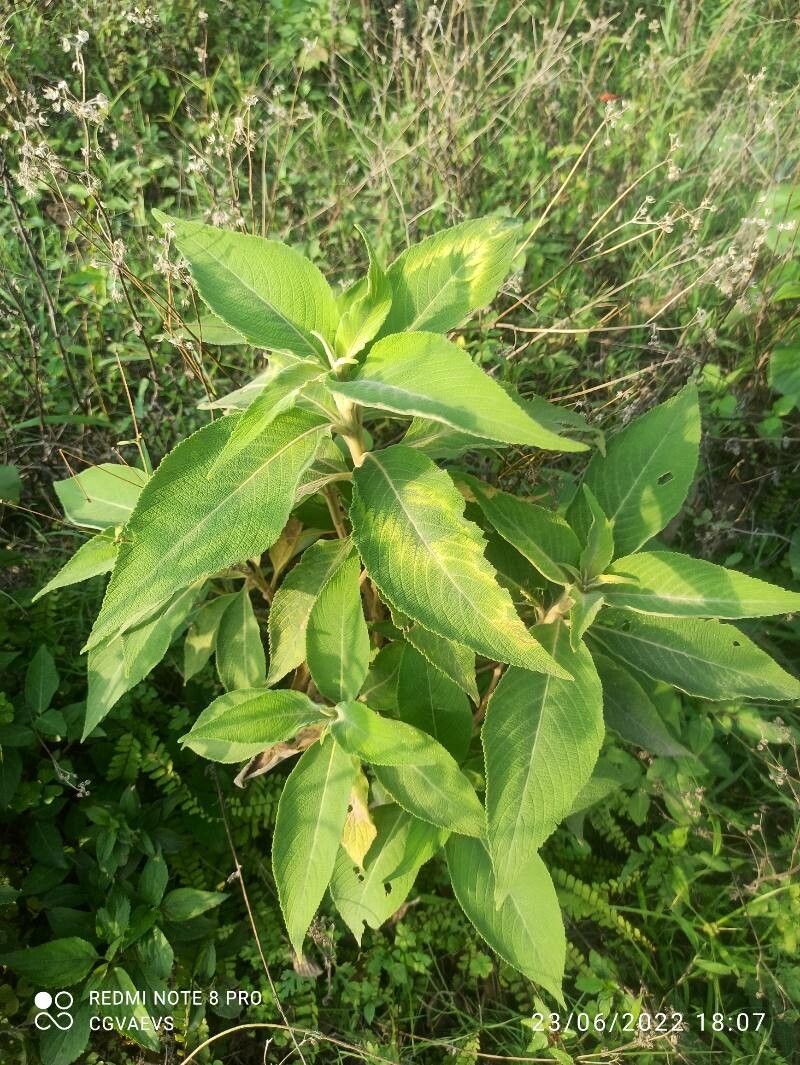
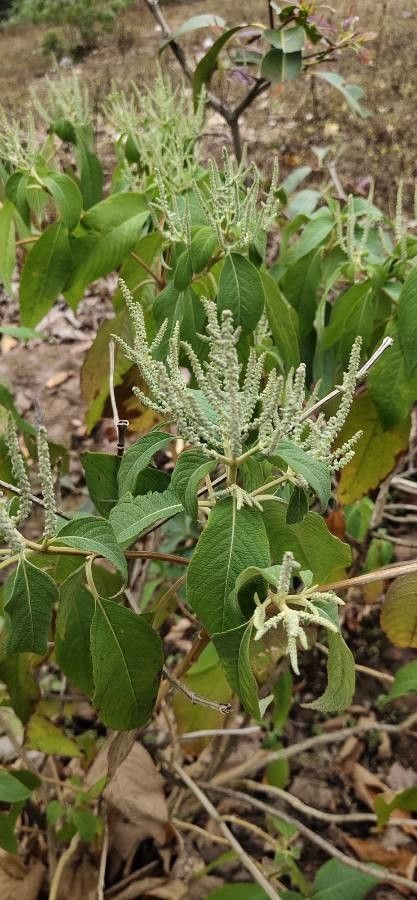
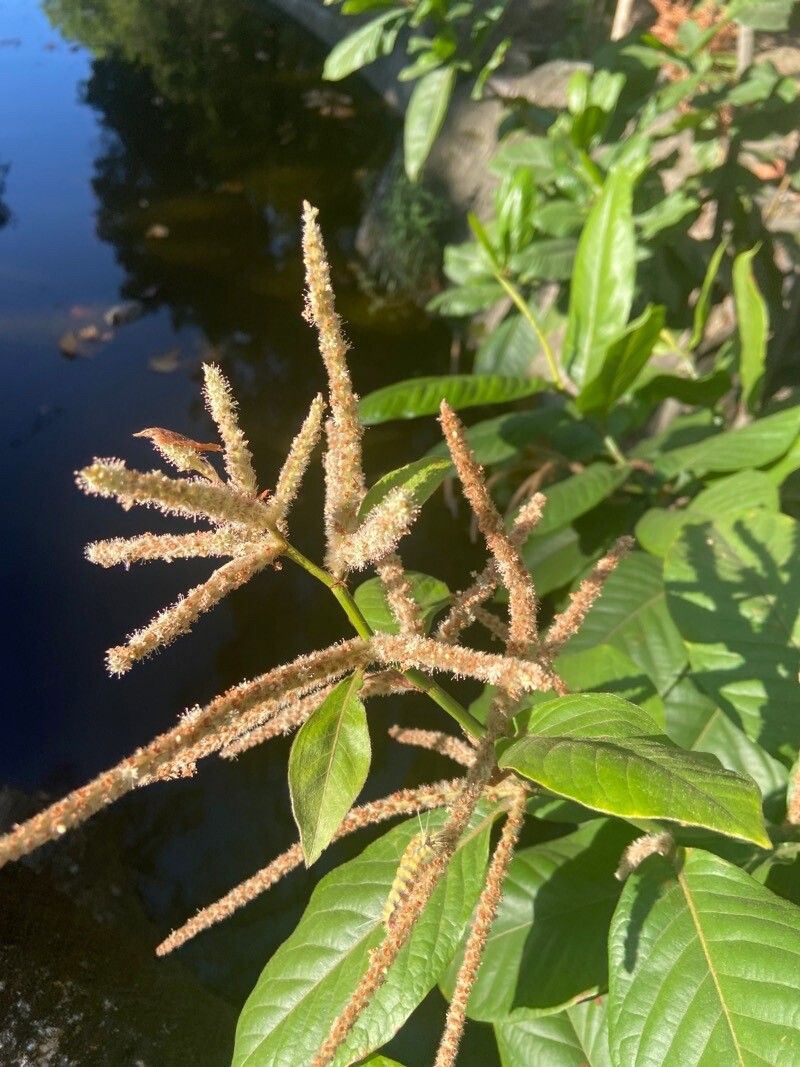
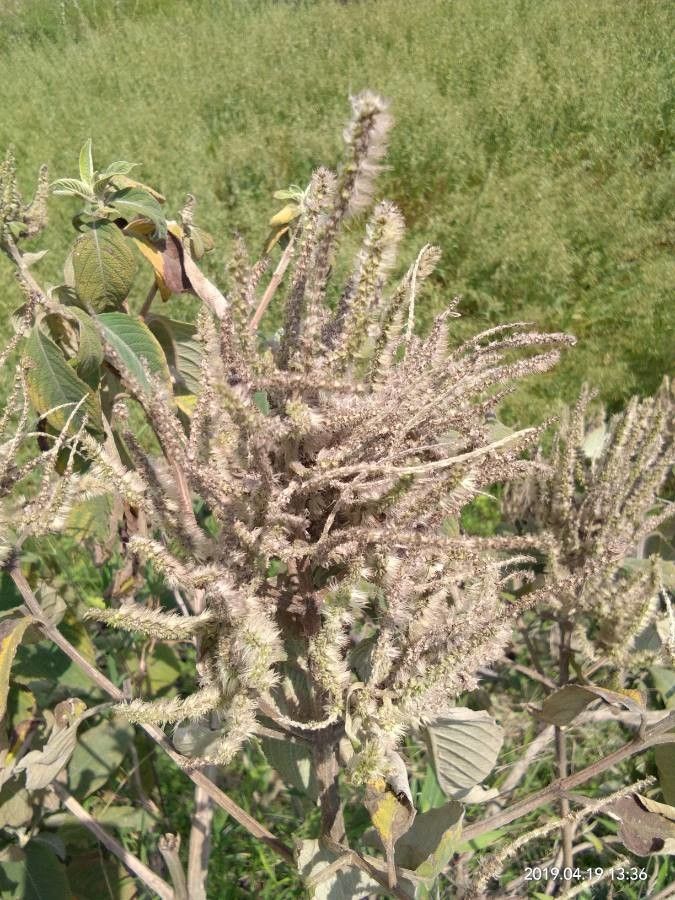
Colebrookea is a genus of plants in the family Lamiaceae, first described in 1806. It contains only one known species, Colebrookea oppositifolia, native to India, Pakistan, Nepal, Bhutan, Assam, Bangladesh, Myanmar, Thailand and Yunnan.
The Indian squirrel tail has strong disease resistance and is generally not prone to illnesses. In terms of care, this plant is fairly low-maintenance. Placed outdoors, it needs minimal watering, and larger plants typically do not require pruning. Smaller plants, however, should be pruned after they have bloomed. Indian squirrel tail is suitable for anyone with an outdoor area, such as a garden or deck, and does not demand much prior care experience.
How to keep Colebrookea Oppositifolia.
Light
Indian squirrel tail occurs naturally in habitats like forest understories and rocky areas, where it grows in natural shade. It prefers partial sun but can adapt to full sun or full shade, showing its adaptable and hardy nature.
Water
The Indian squirrel tail plant is drought-tolerant, preferring infrequent watering. It thrives during dry spells and should ideally be watered every 2-3 weeks, allowing the soil to dry out between waterings. When grown outdoors in subtropical climates, its growth is synchronized with seasonal rainfall, meaning it requires less care during the wetter months.
Temperature
Indian squirrel tail is fairly adaptable to temperature, able to endure higher heat and broader temperature fluctuations. During hot periods, care should be taken to water adequately and provide suitable shade to prevent sunburn. On the other hand, Indian squirrel tail is somewhat intolerant of low temperatures; while it can tolerate some cold, very cold conditions can cause frost damage.
Fertilizer
The timing of fertilizing Indian squirrel tail is vital. Begin fertilizing in early spring and continue every month until early summer. Fertilizer encourages lovely blooms and supplies energy during both dormant and active growth phases.
Pruning
The Indian squirrel tail plant is known for its striking flowers and foliage. To keep it healthy and looking its best, prune it in early spring. Focus on removing dead branches and thinning out crowded areas to improve air circulation. Regular pruning encourages bushier growth and more abundant flowering, but be careful not to over-prune, as this can stress the plant. Always use clean, sharp tools to minimize the risk of disease.
Botanical profile.
- Plant Type
- Shrub
- Life Cycle
- Perennial
- Genus
- Colebrookea
- Family
- Lamiaceae
- Hardiness Zone
- 9-11
- Mature Height
- 0.91 m to 3.05 m
- Mature Spread
- 0.49 m to 1.52 m
- Leaf Color
- Forest Green, Dark Green
- Leaf Type
- Deciduous
- Flower Color
- White
- Flower Size
- 0.51 cm
- Bloom Time
- Winter
- Planting Time
- Summer
- Harvest Time
- Late winter, Early spring, Mid spring
- Native Area
- Nepal, India, Vietnam, Myanmar, Bhutan, Bangladesh, Pakistan, Thailand, China
Other names.
Reader questions.
How should I water my Indian squirrel tail plant in the best way?
To promote excellent root development in plants, place a garden hose at the base rather than directly spraying the leaves. If the leaves are exposed to direct sunlight outdoors, they will require more water. Moistening the roots can be achieved by using bubblers for each plant or soaker hoses that cover the entire garden or bed. When adding or removing plants, this practice helps the roots penetrate deeply. Remember to drain excess water and allow the soil to dry before watering again. Watering at ground level is advisable to prevent diseases. On sunny days, it can be beneficial to spray the entire bush with water. Whether the plants are potted or in-ground, deep watering is preferred over light sprinkling for Indian squirrel tail.
What should I do if I give too much or too little water to an Indian squirrel tail?
If you overwater an Indian squirrel tail, the leaves can turn yellow, drop off, and wilt. The plant may look dull and unhealthy, with mushy stems. In these cases, adjusting your watering schedule is best. Wilting can also occur when the plant is underwatered, with leaves becoming crispy and dry. If the soil is dry and watering alone is not enough, give the plant a thorough watering. This will help the Indian squirrel tail recover, but the plant may still have dry and yellow leaves due to root damage. Once the plant returns to normal, the yellowing of leaves will stop. When keeping an Indian squirrel tail indoors, always check the moisture levels in the pot to avoid overwatering. Look for signs of black spots, and if present, let the soil dry out by withholding water for a few days. Overwatering can cause root rot, so if you see discolored and slimy roots, consider transferring the plant to a different pot. Preventing root rot and avoiding excessively soggy soil is important. When planting the Indian squirrel tail outdoors, make sure to check the soil's moisture levels. If the soil is too dry, it could mean underwatering, and the plant will require adequate watering for recovery.
How often should I give water to my Indian squirrel tail plant?
To ensure the healthy growth of Indian squirrel tail plants, it is important to water them properly. When planted in pots, you should soak them in a gallon of water each time because the limited water storage and fast-drying soil in pots require more attention. In cold regions, watering should be done every 3 to 5 days. It's best to water early in the morning when the soil is dry, both indoors and outdoors. You can check the moisture level by examining the top 2-3 inches of soil and give the plant a thorough watering when it's dry. On hot days, monitor the moisture daily as the potting soil can dry out quickly. If you have a garden, irrigation is necessary as well. In hot climates, watering once a week is recommended. Look out for signs of dry soil, about 2-3 inches deep, both indoors and outdoors. However, if there is ample rainfall, you may not need to water the plants additionally to avoid root rot. The Indian squirrel tail plants generally thrive in spring and fall. For outdoor plants, adding a 3-4 inch layer of mulch can help conserve water. Sandy soil requires more frequent watering due to its fast-draining nature, while clay soil needs less frequent watering. You can mark the watering dates on a calendar and pay attention to drooping leaves as an indication of when to water the plants.
How much water should I give my Indian squirrel tail plant?
The Indian squirrel tail typically needs one gallon of water on a regular basis. For potted plants, it's best to water them deeply until water drips out of the bottom of the pot. Allow the soil to dry before watering again, and you can use a water calculator or moisture meter to track how much water the plant receives in a week. During the flowering period, provide plenty of water but allow the moisture to evaporate to avoid root rot. If the Indian squirrel tail is planted outdoors and receives sufficient rainfall, additional watering may not be necessary. However, when the plant is young or recently planted, it should receive 1-2 inches of rain per week. Once the Indian squirrel tail has fully grown, it can rely solely on rainfall. Only in extremely hot weather or if there is no rainfall for 2-3 weeks should you consider giving the plant a thorough watering during the cooler parts of the day to prevent heat damage. Additional watering will be necessary during prolonged dry spells.
Should I water my Indian squirrel tail plant more or less depending on the seasons or weather conditions?
The Indian squirrel tail prefers to be outdoors, and it only needs watering during persistent dry weather. In the spring and fall, keep the soil moist but not soggy. Alternating between dry and moist soil conditions will promote healthy growth. During the hot summer, water evaporates quickly, so you may need to water more frequently if there is a lack of rainfall. Generally, the Indian squirrel tail requires less water during the winter when it goes dormant. Use a well-draining, moisture-retentive soil mixture like terracotta to help water evaporate faster. Once the Indian squirrel tail begins to leaf out and go dormant, you can rely on fall and winter rains instead of watering. After winter, encourage growth and blooming by cultivating the plant when temperatures rise. Good drainage is crucial, especially during the winter, to avoid ponding or drought. When the Indian squirrel tail is in a pot, it has limited root growth, so water it well, especially during the summer. Avoid cold and wet roots by providing adequate drainage. Watering diligently is best, ensuring the entire root system gets a deep soak once or twice a week, depending on the weather. Shallow sprinkles that reach the leaves promote fungi growth and don't reach the roots, so avoid them. Even in fall or winter dormancy, don't let the plants dry out completely. However, be careful not to drown them as they don't thrive in waterlogged soil and can die during winter. Applying mulch can help reduce stress, conserve water, and promote healthy blooms.
What do I need to watch out for when I water my Indian squirrel tail in different seasons, climates, or during different growing periods?
Indian squirrel tail primarily relies on rainfall when planted in the ground. However, if there is no rain for 2-3 weeks, it's important to water the plants deeply. When watering in the summer, it's best to do so in the morning to avoid stressing the roots with a large temperature difference. Additionally, it's important to avoid watering the plants when it's too hot outside. Mulching should be started in the spring when the ground is not too cold. For newly planted plants, lack of water is a common reason for failure to grow. Once established, watering should be reduced. During fall and winter, especially if there is a water-retaining material in the soil, watering should be decreased to account for drying winds. Potted plants dry out faster and require more watering. If the plants bloom less and the leaves begin to dry up, it's a sign that they need more water. Potted plants can be tricky to water, so it's important to avoid letting them sit in water by not using containers with saucers, bowls, or trays. Overwatering in the fall can cause mottled or yellowish foliage. Regardless of the climate or season, it's important to prevent overwatering. During the flowering months, watering frequency may need to be increased, but once the plants are fully grown, they can be given a rest. Watering should be done every 3 to 5 days, but it's important to check the dryness of the soil by sticking a finger in the pot or using a moisture meter if unsure. Overwatering or underwatering can cause root rot and result in the plants dying, so it's important to find the right balance regardless of the climate or season.
Why is it necessary to water my Indian squirrel tail?
To transport nutrients from the soil to the rest of the plant, it is important to water the Indian squirrel tail. The amount of watering needed depends on the weather and soil conditions. While they thrive on moist soil, they cannot tolerate being waterlogged. When planting them in the ground, it is important to provide enough mulch and avoid under-watering. In pots, they require regular watering until the water is moist at the base for optimal growth. If they are grown for foliage, watering up to a depth of 10 to 20 inches is necessary. During rainy periods, it is best to refrain from watering to allow the plant to receive nutrients from the rainwater.