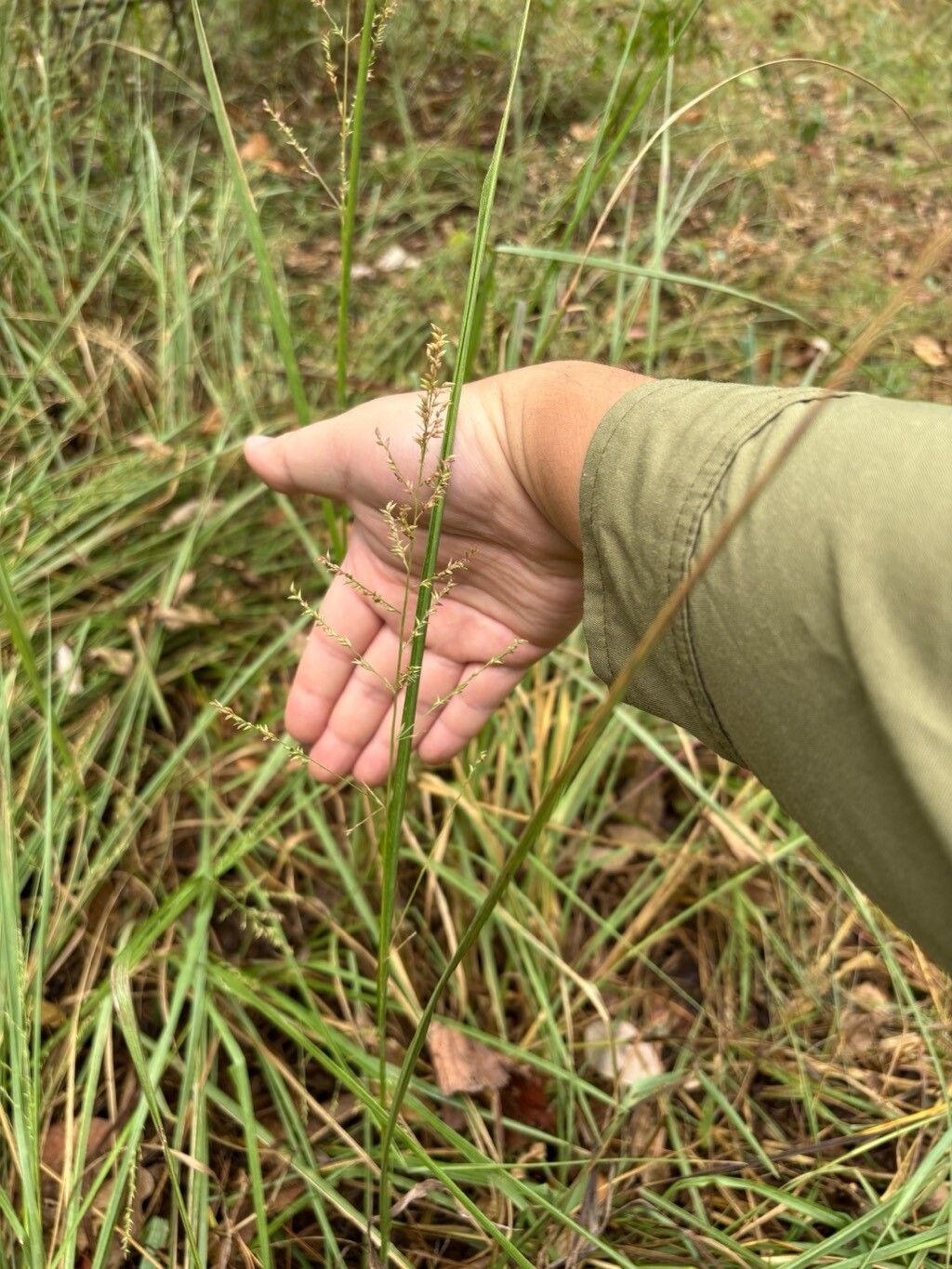
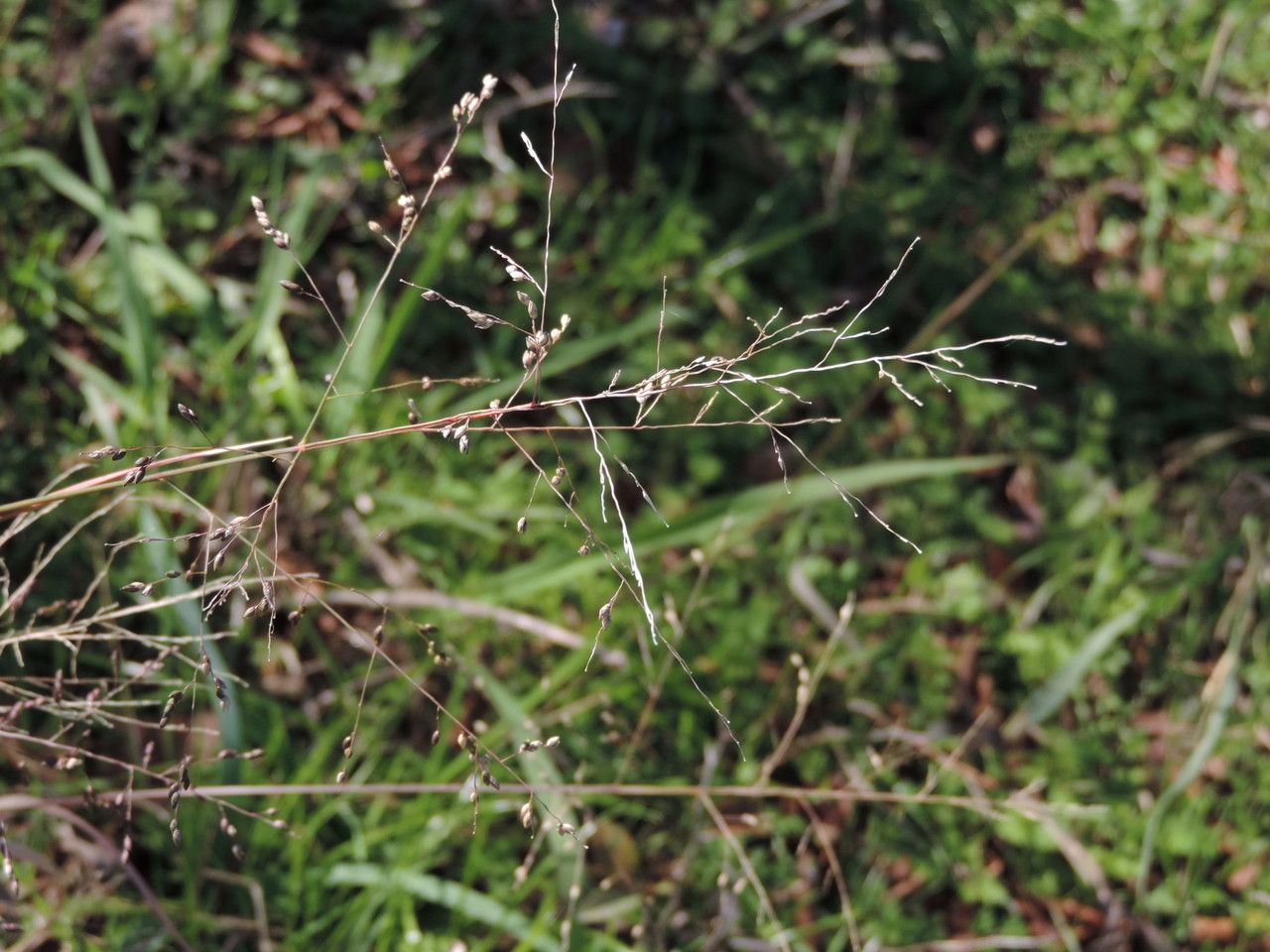
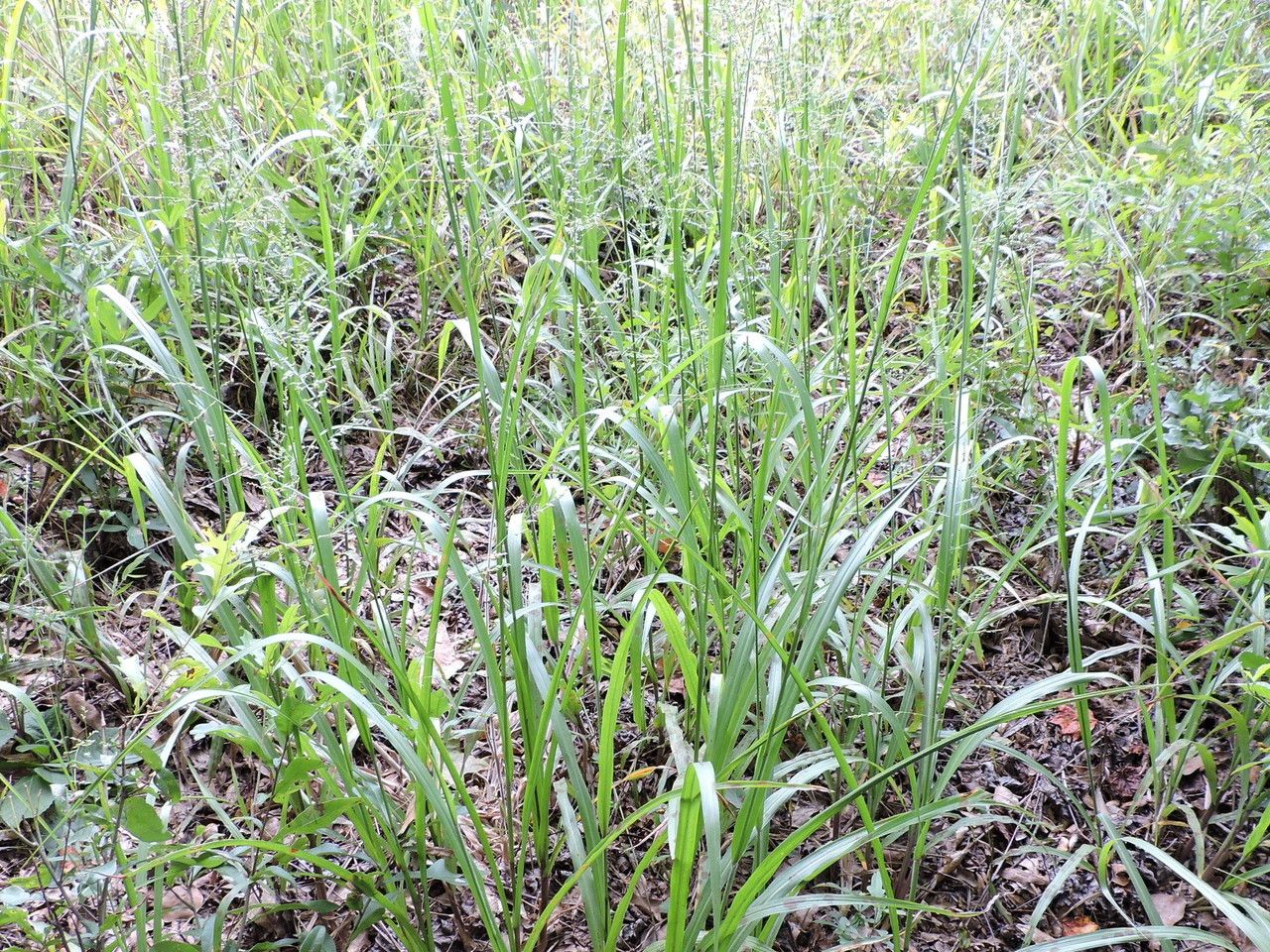
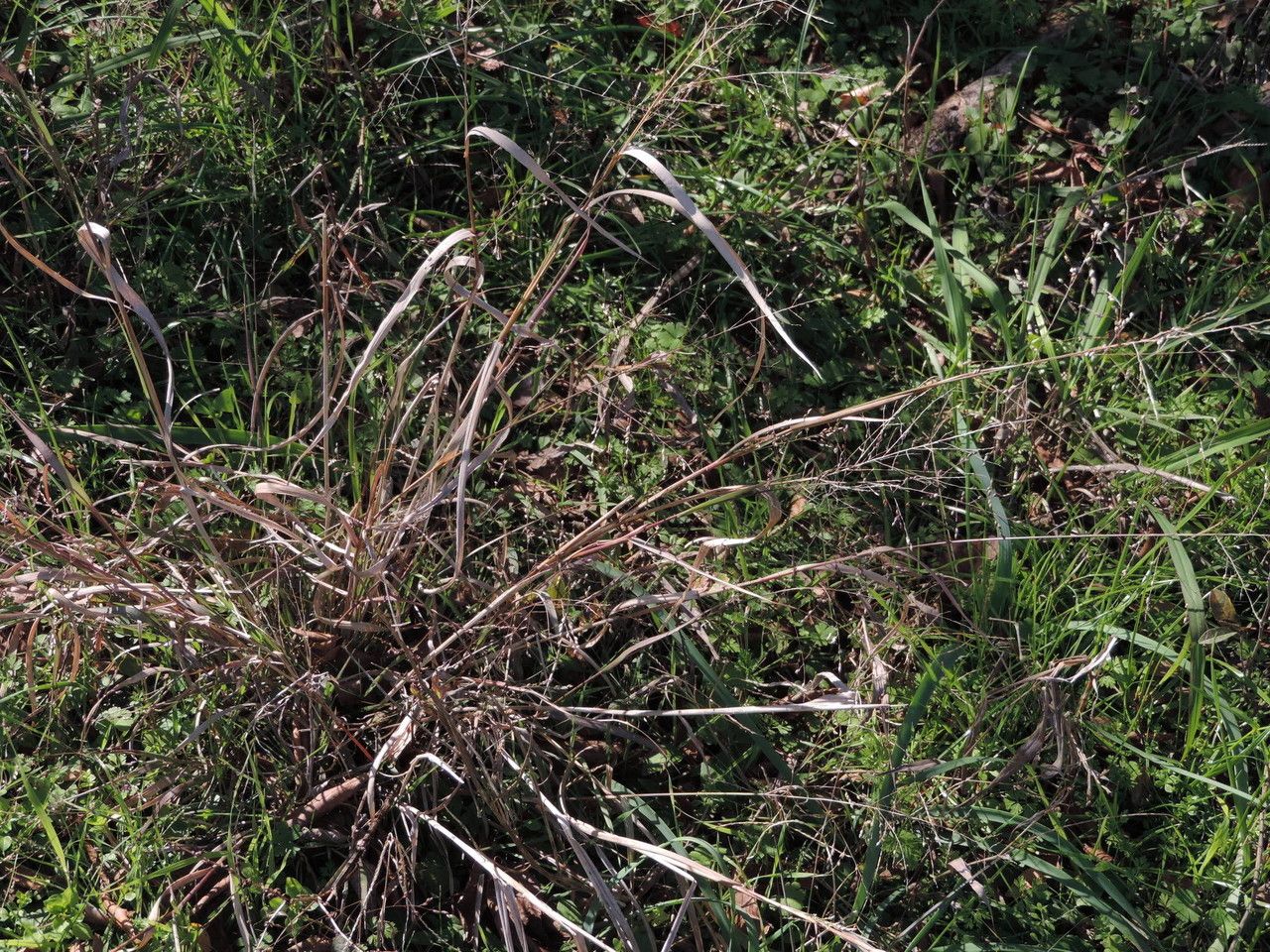
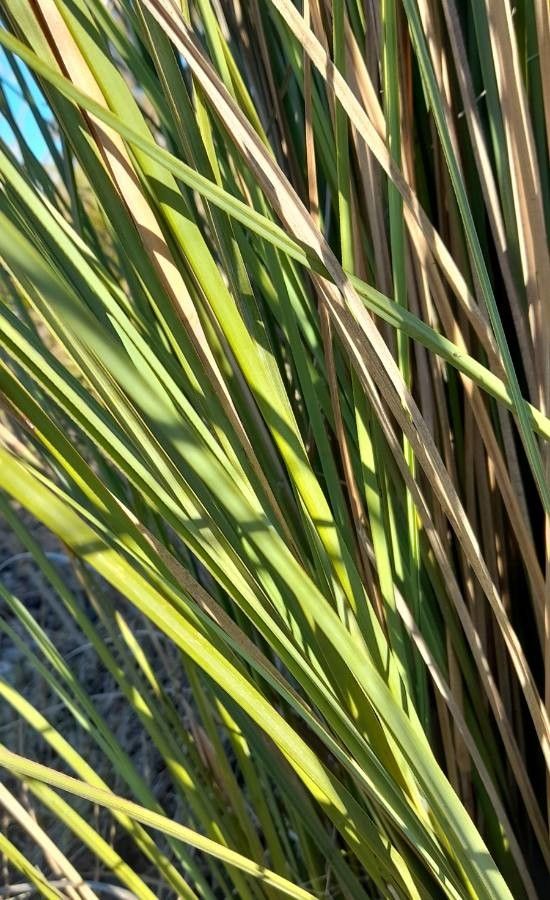
Coleataenia anceps is a species of grass known by the common name beaked panicgrass. It is native to the southeastern United States, where it occurs as far north as New Jersey and as far west as Kansas and Texas.
Beaked panicgrass is resistant to disease and is generally not prone to illnesses. Regarding care, this plant is fairly low-maintenance. When grown outdoors it needs little watering, and larger specimens usually do not require pruning. Smaller plants, however, should be pruned after they finish blooming. Beaked panicgrass is suitable for anyone with an outdoor space, such as a garden or deck, and does not require a lot of gardening experience.
How to keep Coleataenia Anceps.
Light
Beaked panicgrass flourishes with a generous amount of sunlight, and can manage pretty decently in moderately sunny environments. However, being overly exposed could potentially harm its health. From sprouting to full growth, it necessitates abundant sunshine. Having its roots in ecosystems with significant sunlight exposure, it becomes compatible in areas where other species might have difficulty.
Water
Beaked panicgrass flourishes in moist environments and needs consistently moist soil to grow well. To keep it lush, water it once a week. It thrives in garden settings that mimic its natural wetland habitat, so providing plenty of rainfall or using irrigation systems will help meet its moisture requirements.
Temperature
Beaked panicgrass is native to environments with mean temperatures between 41 and 100.4 °F (5 to 38 ℃). It is vulnerable to severe cold, but can offer some shield during particularly cold winter spells.
Fertilizer
Extra nourishment is necessary for the healthy new development of Beaked panicgrass. In the spring season, depositing compost around the plant's foundation can sufficiently supply the required nutrients. Fertilization boosts strong growth and strengthens the plant's immunity against diseases and pests.
Pruning
Beaked panicgrass is a warm-season grass that benefits from pruning in early spring. For optimal growth, trim away any dead or damaged parts, cutting them back to about 6 inches above the base. Regular pruning not only encourages healthy new growth but also improves air circulation, prevents overgrowth, and reduces the risk of fungal diseases. These practices help maintain the overall health of the plant.
Botanical profile.
- Plant Type
- Grass
- Life Cycle
- Perennial
- Genus
- Coleataenia
- Family
- Poaceae
- Hardiness Zone
- 4-11
- Mature Height
- 0.4 m to 1.22 m
- Mature Spread
- 1.22 m
- Leaf Color
- Green, Light Green
- Leaf Type
- Evergreen
- Flower Color
- Yellow, Green, Brown
- Flower Size
- 15.24 cm to 36.58 cm
- Bloom Time
- Summer
- Planting Time
- Spring, Summer, Autumn
- Harvest Time
- Late summer, Early fall, Mid fall
Other names.