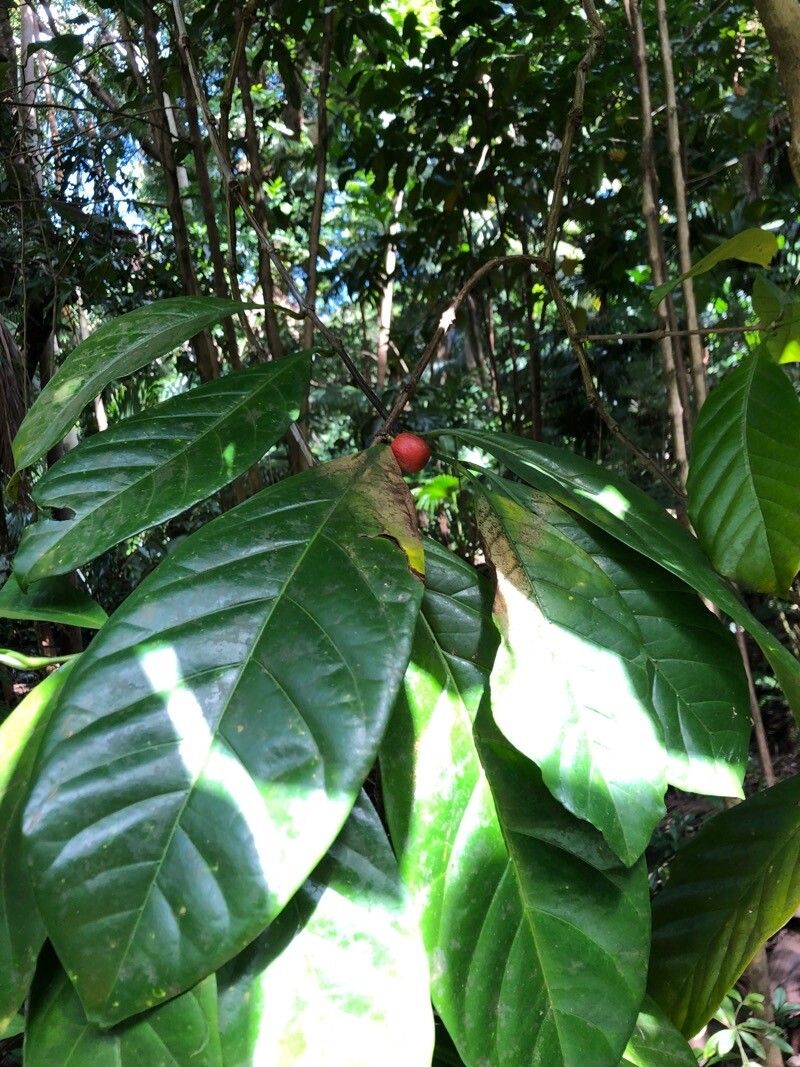
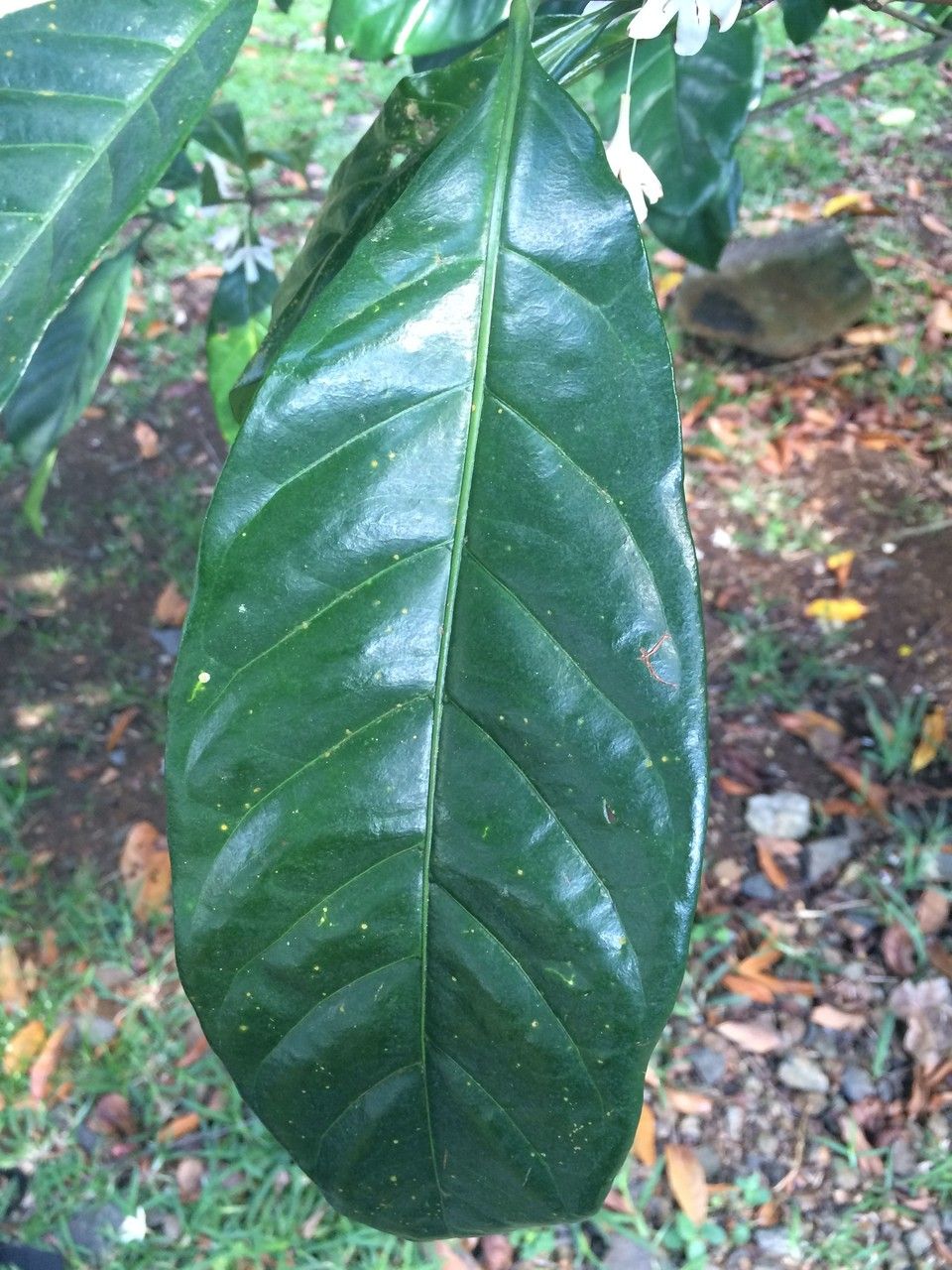
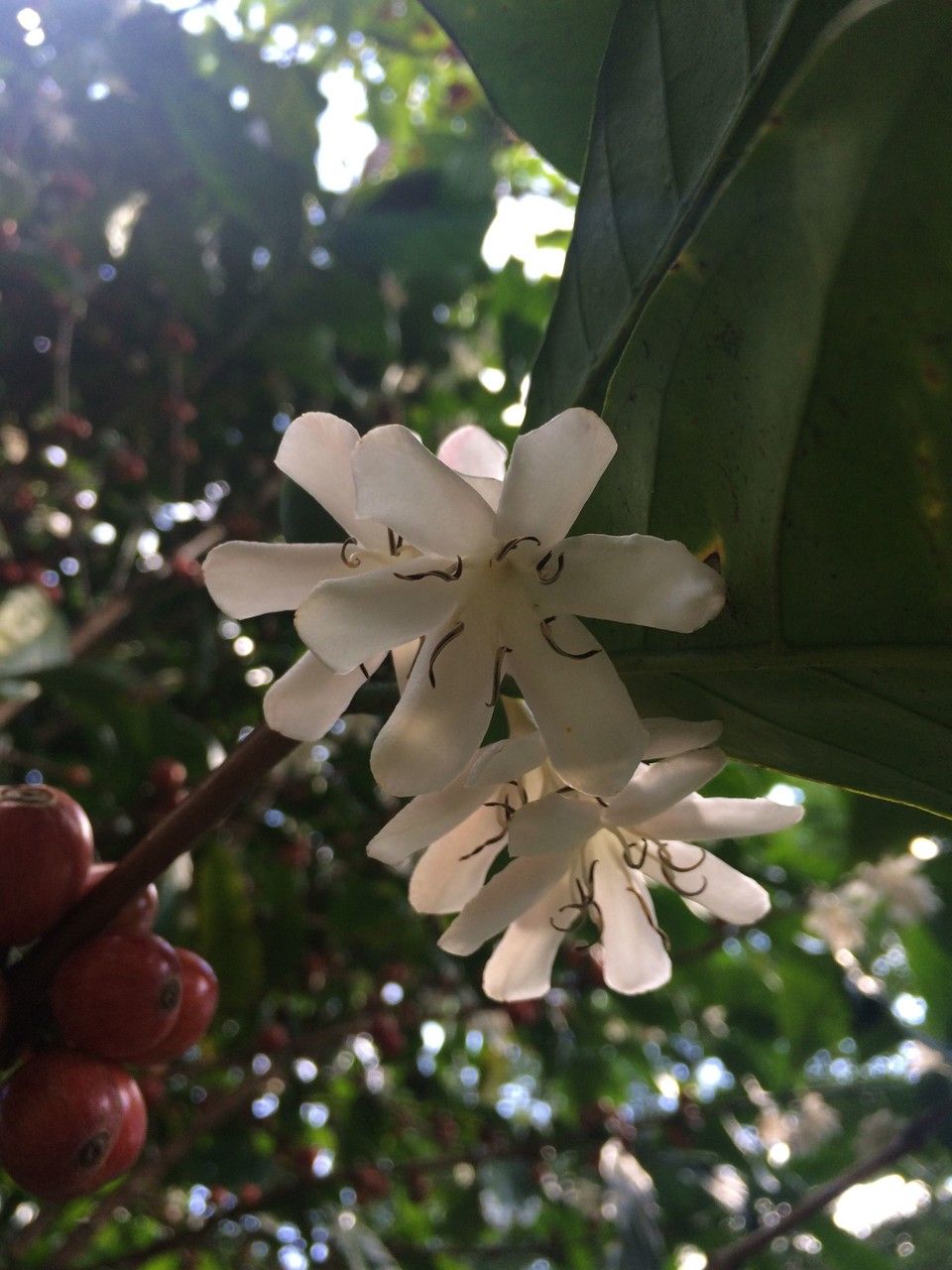
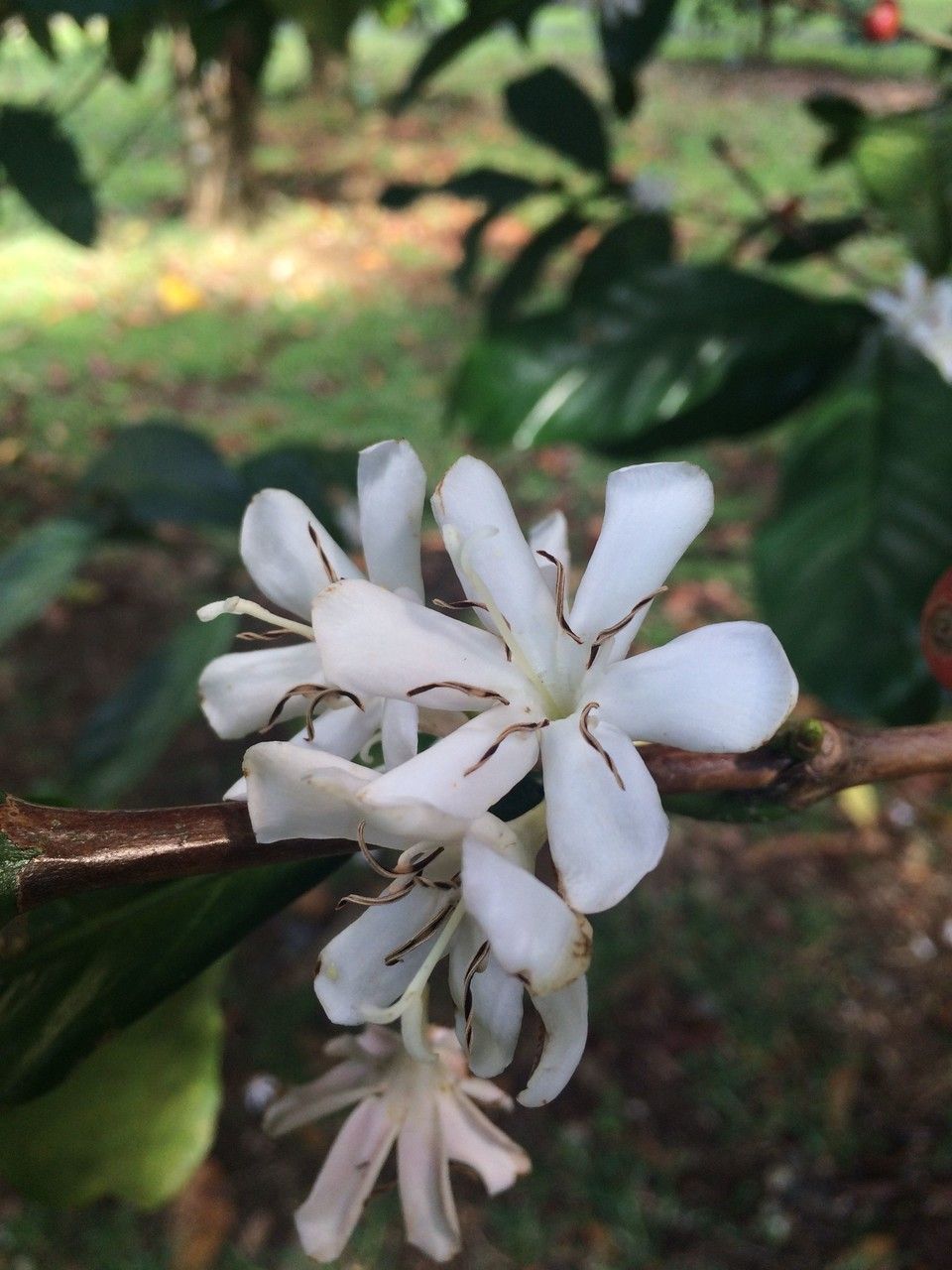
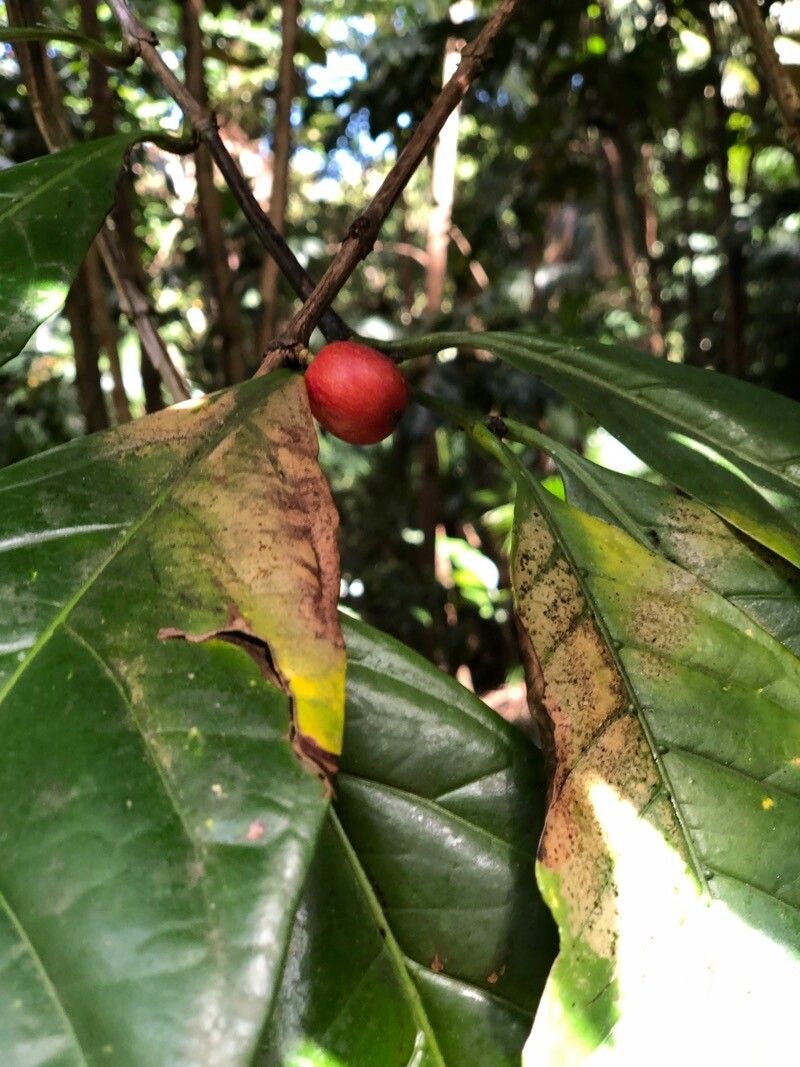
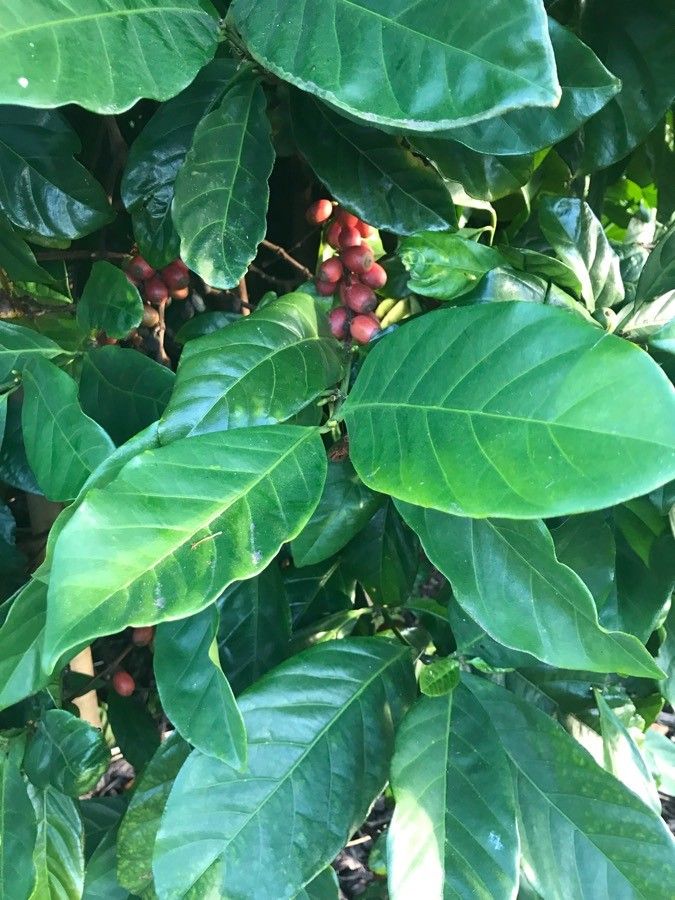
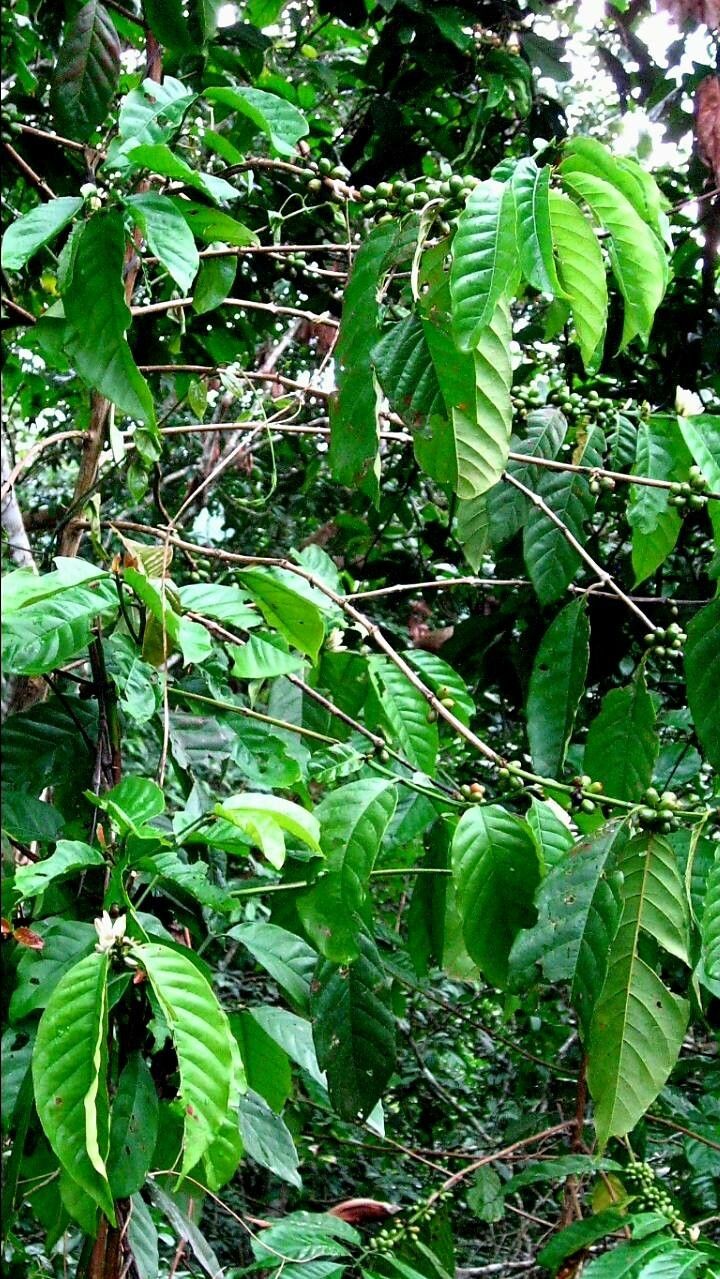
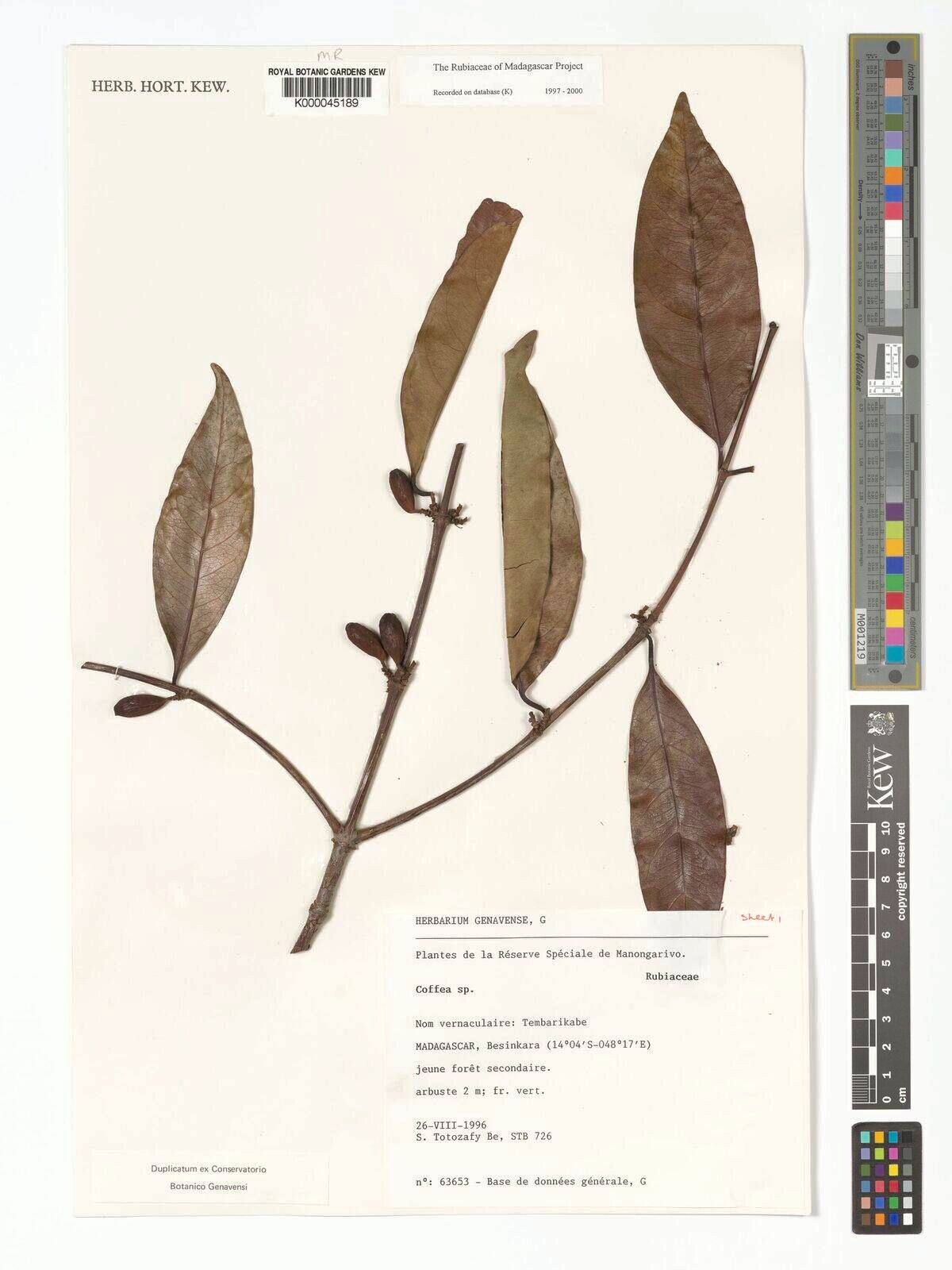
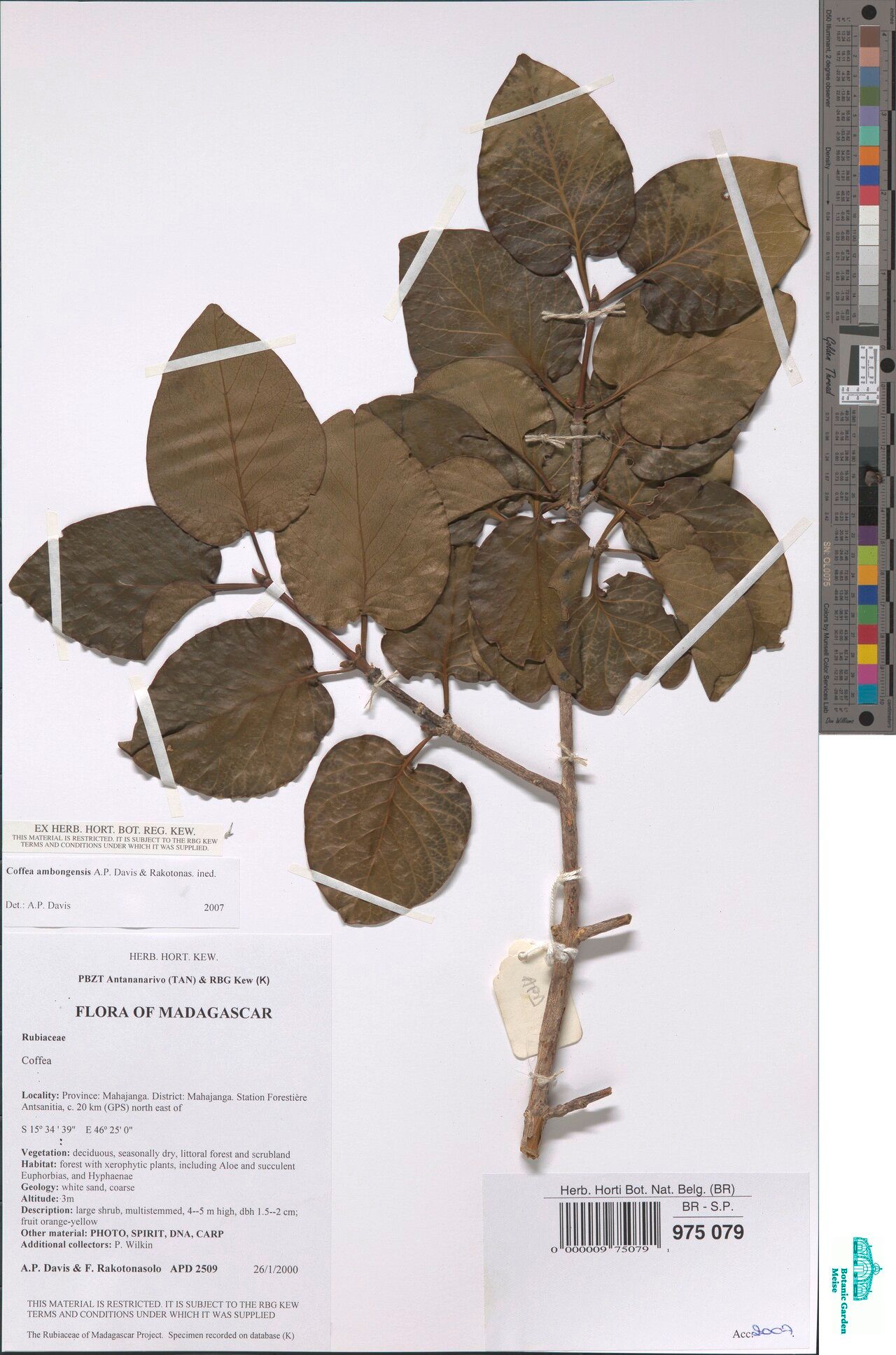
Coffea liberica is a species of coffee plant native to West and Central Africa. This large tree can grow up to 20 meters tall and features leaves that can extend up to 50 centimeters in length. The plant produces fruit in the form of berries that contain the coffee beans.
The species was first discovered in Liberia, which is reflected in its name. It was later introduced to other parts of Africa as well as Southeast Asia and has been cultivated for its coffee beans since the late 19th century.
Coffea liberica coffee beans offer a distinctive flavor profile compared to other varieties like Coffea arabica or Coffea robusta. The taste is often described as woody or smoky, with hints of fruitiness.
Though less popular than other coffee varieties, Coffea liberica remains a crucial crop for many farmers in West and Central Africa who rely on it for their livelihoods. In recent years, there has been renewed interest in this variety due to its potential resistance to certain pests and diseases that affect other types of coffee plants.
Overall, Coffea liberica plays an important cultural and economic role in many African communities where it continues to be grown today.
Liberian coffee is resistant to disease and generally not vulnerable to illnesses. In terms of care, this plant is fairly low-maintenance. When grown outdoors it needs minimal watering, and larger plants usually do not require pruning. Smaller plants, however, should be pruned after they have finished blooming. Liberian coffee is suitable for anyone with outdoor space, such as a garden or a deck, and does not demand extensive care experience.
How to keep Coffea Liberica.
Light
Liberian coffee occurs naturally in habitats like forest understories and rocky sites where it receives natural shade. It prefers partial sun but can tolerate full sun or deep shade, showing that it is adaptable and hardy.
Water
Liberian coffee thrives in a tropical climate with regular rainfall and high humidity, though it can also tolerate moderate drought. Water the plant every 1-2 weeks, ensuring the soil dries out slightly between watering sessions. As an evergreen, the plant requires consistent hydration to maintain its glossy leaves throughout the year.
Temperature
Liberian coffee comes from tropical areas where the climate is generally warm and humid. Consequently, it is adapted to high temperatures and moisture. It does not tolerate abrupt temperature shifts and prefers a steady thermal environment, so avoiding indoor temperature swings is important. It typically cannot withstand cold and needs warmer conditions to develop. If the temperature drops too far, the plant may stop growing or even die.
Fertilizer
Use organic fertilizers (for example, fish emulsion or compost) instead of chemical ones for Liberian coffee. Give young plants increased nitrogen and phosphorus in spring. Work compost or fertilizer into the soil either before or after planting. For mature plants, add a balanced fertilizer or one aimed at specific nutrient shortages in spring. Nutrient deficiency produces small leaves, shortened branches, yellow or bronze foliage, acidic (sour) fruits, early fruit drop, and fruit splitting.
Pruning
To enhance the growth of Liberian coffee, it's important to conduct winter pruning. This involves removing weak branches and thinning the canopy to ensure better air circulation. Pruning during the dormant season helps reduce stress on the plants, encourages healthy growth, controls the size of the plants, and improves light penetration, which can lead to increased fruit production. To prevent diseases, make sure to use clean, sharp tools during the pruning process.
Botanical profile.
- Plant Type
- Tree, Shrub
- Life Cycle
- Perennial
- Genus
- Coffea
- Family
- Rubiaceae
- Hardiness Zone
- 10-11
- Mature Height
- 20 m
- Mature Spread
- 3.96 m to 6.1 m
- Leaf Color
- Green
- Leaf Type
- Evergreen
- Flower Color
- White
- Flower Size
- 2.03 cm to 3.05 cm
- Bloom Time
- All year round
- Planting Time
- Spring, Summer, Autumn
- Harvest Time
- All year round
- Native Area
- Benin, Angola, Cameroon, Liberia, Togo, Sudan, Ghana, Côte d'Ivoire, Nigeria, Congo, Guinea, Gabon, Congo (DRC), Uganda, Central African Republic
Other names.
Reader questions.
What are the sunlight requirements for Liberian coffee plants?
Liberian coffee plants, known botanically as Coffea liberica, have specific sunlight requirements to thrive. For optimal growth, they require partial sun, which means the plants should get about 3-6 hours of sunlight daily. Additionally, Liberian coffee plants can tolerate full shade environments, which are defined as areas that receive less than 3 hours of sunlight per day. It's important to observe how sunlight moves through your garden throughout the day. Finding the right spots that provide a perfect balance of light and shade is crucial for ensuring the health and happiness of your Liberian coffee plants.
What is Liberian coffee?
Liberian coffee, known botanically as Coffea liberica, is a species of coffee originating from Liberia in West Africa. Unlike its more famous cousins, Arabica and Robusta, Liberian coffee offers a unique flavor profile and growth characteristics, setting it apart in the world of coffee aficionados and producers.