ON THIS PLANT
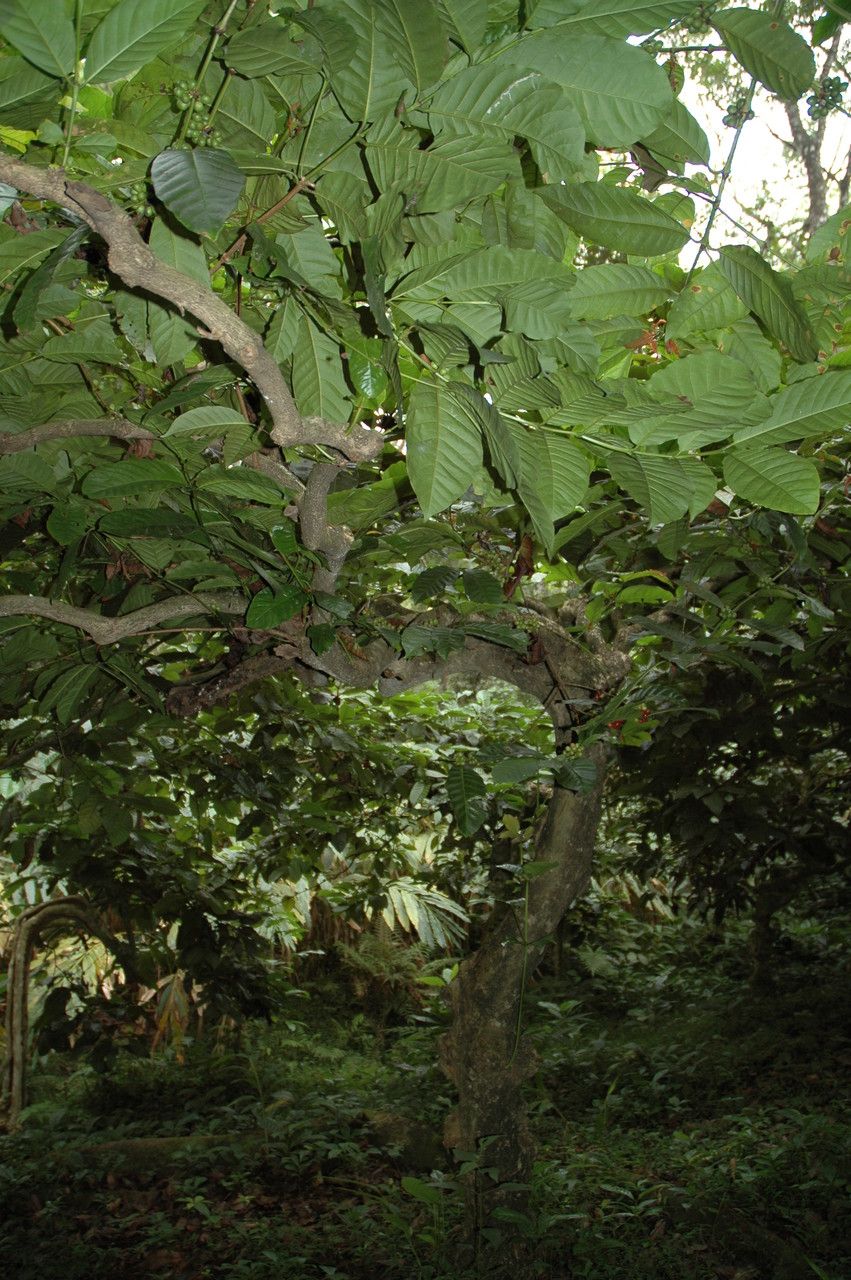
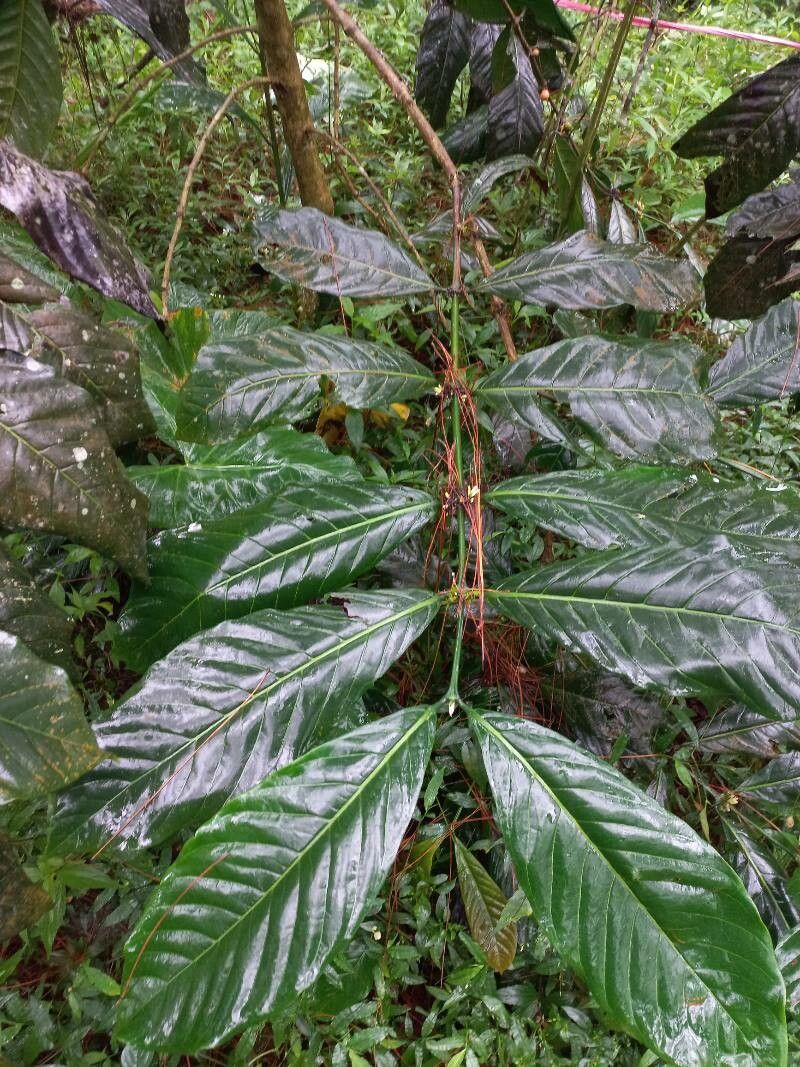
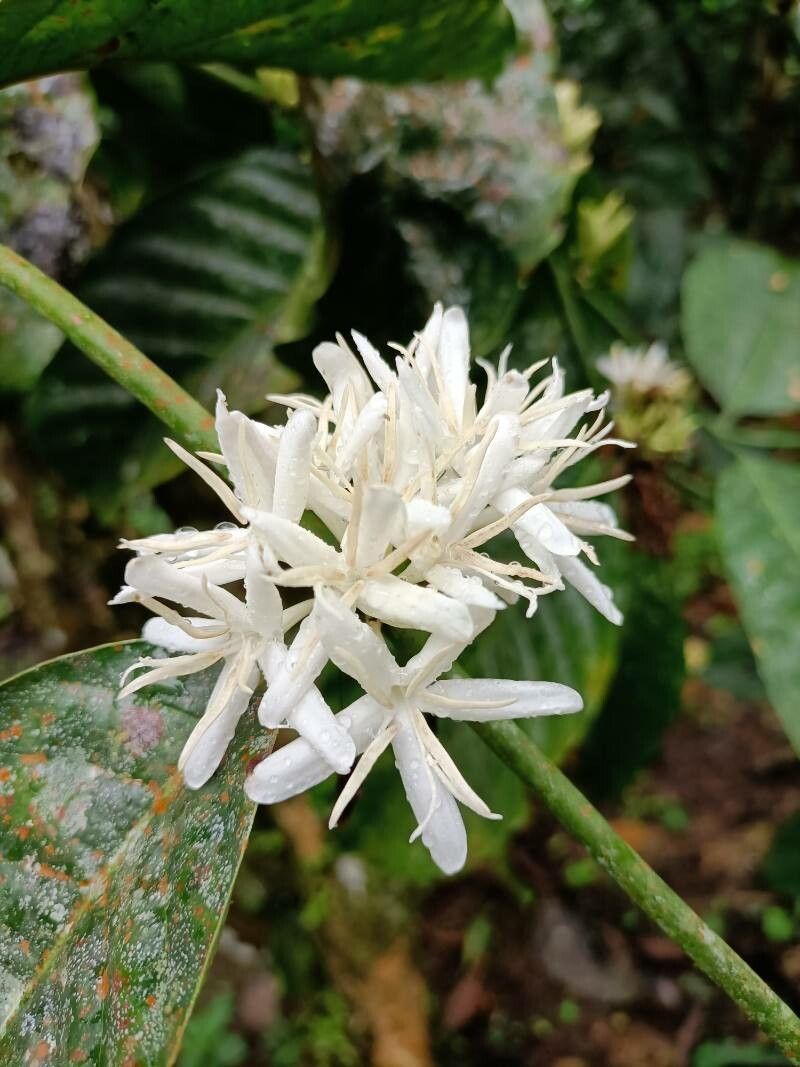
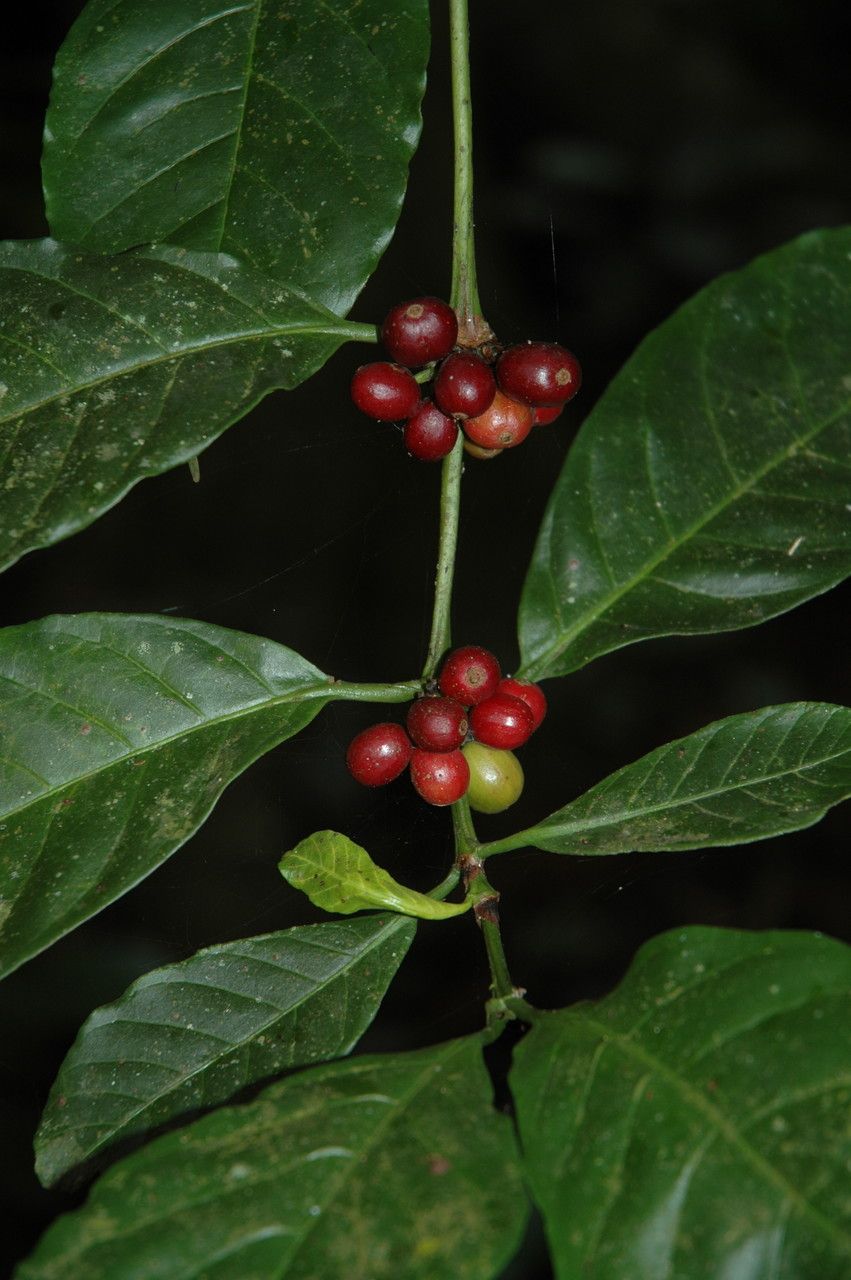
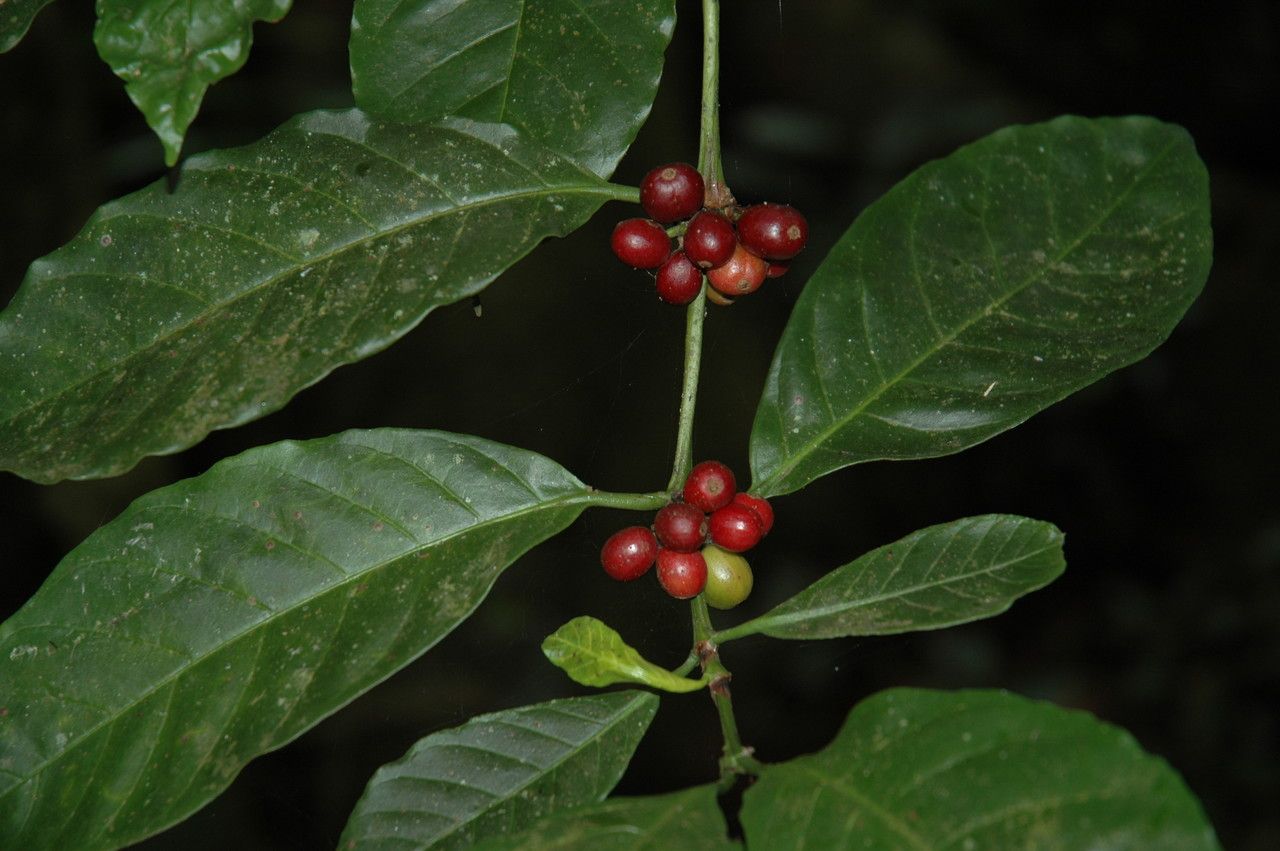
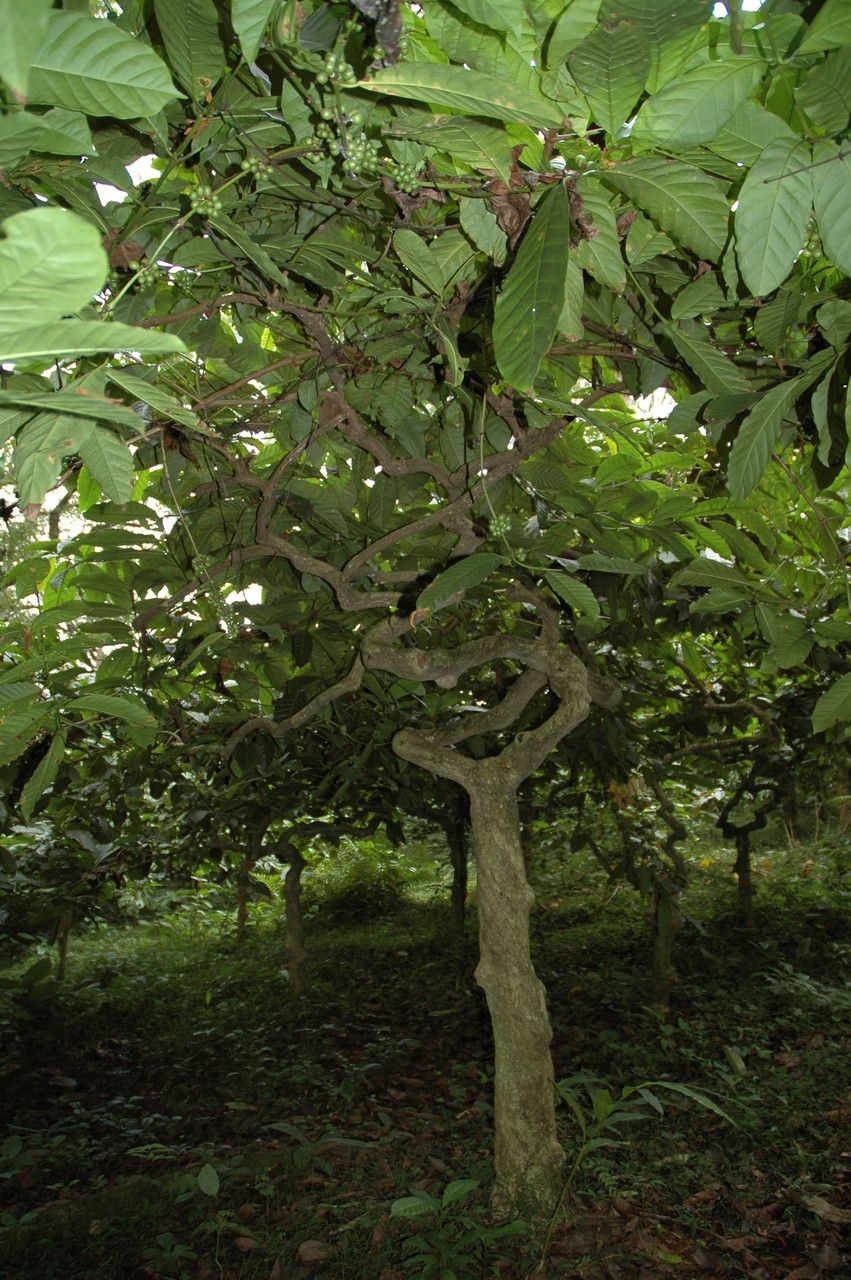
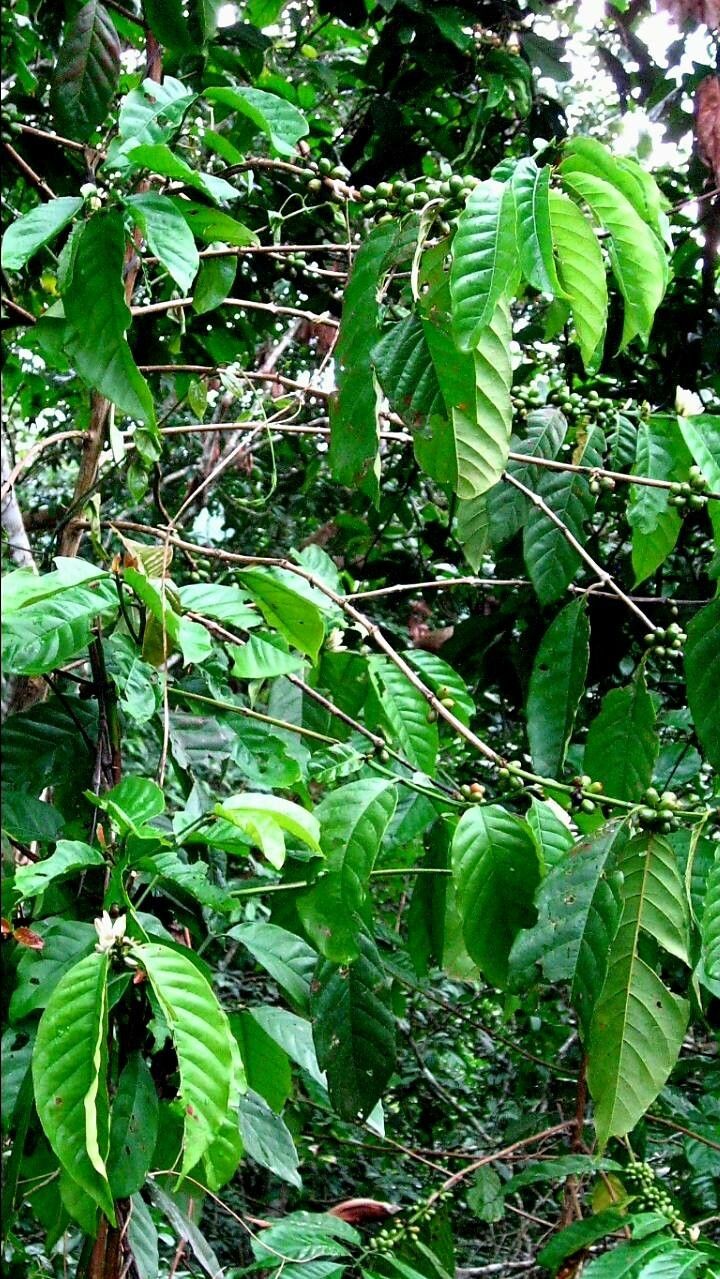
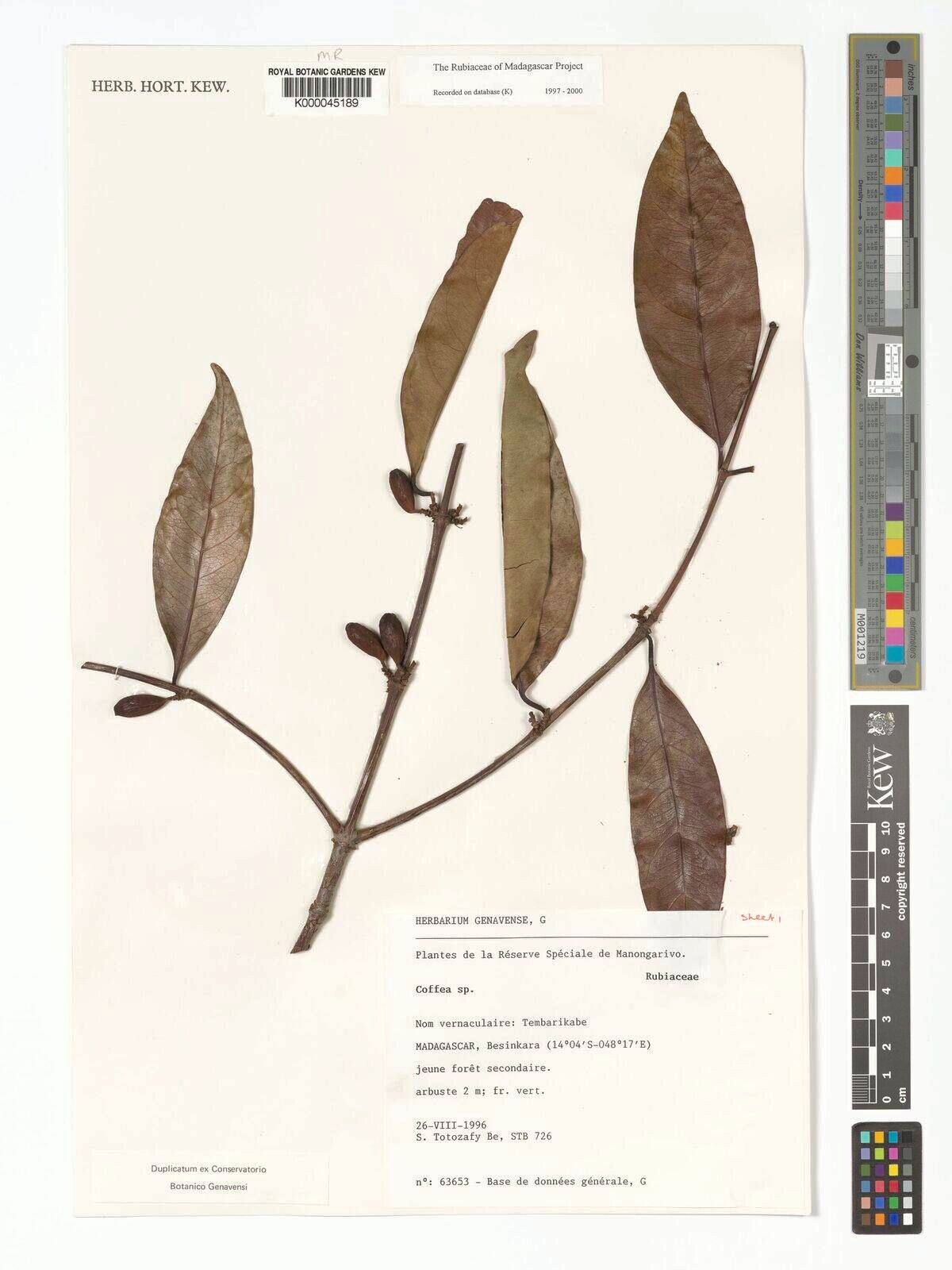
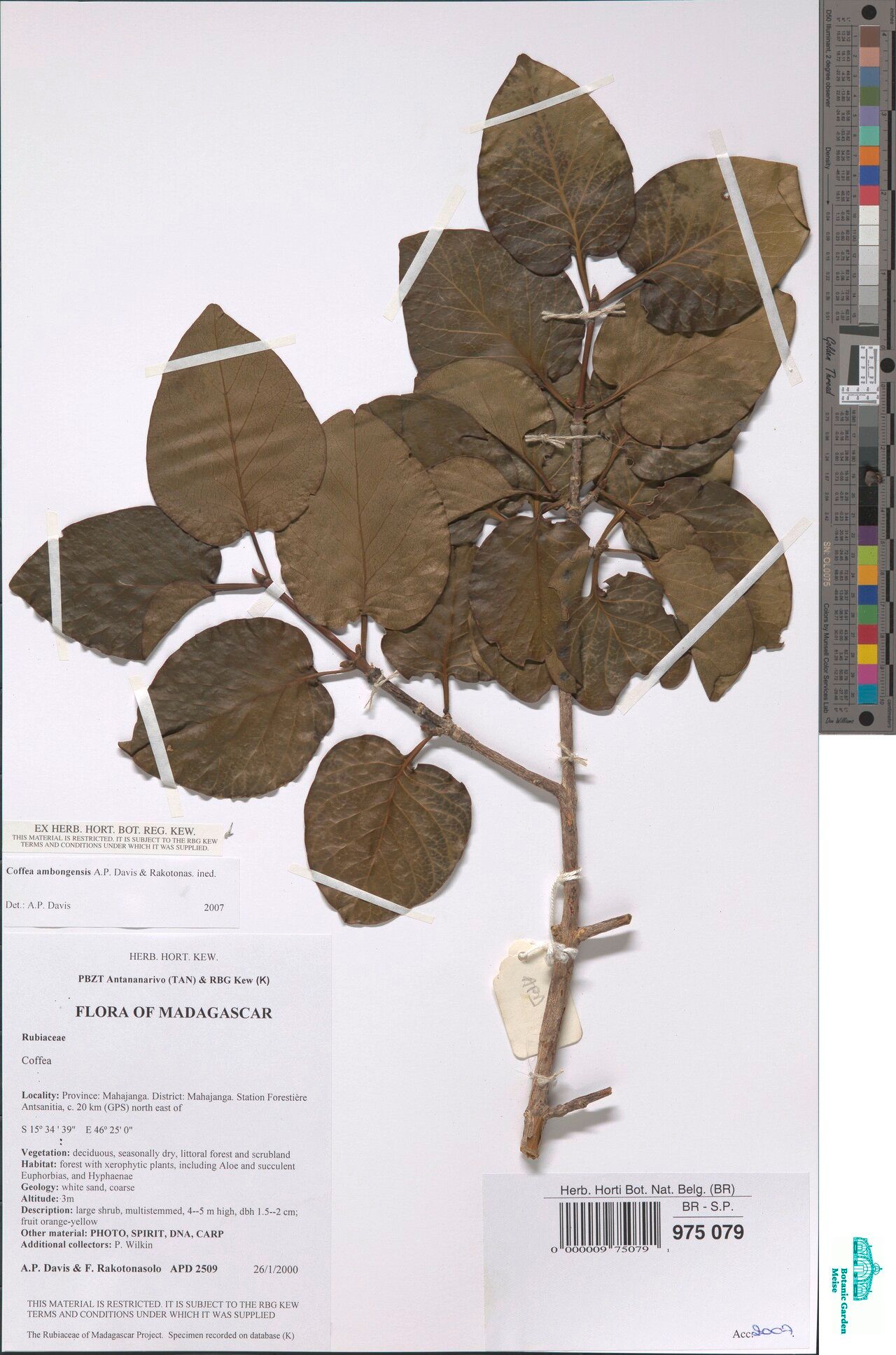
Coffea canephora (syn. Coffea robusta, commonly known as robusta coffee) is a species of coffee that has its origins in central and western sub-Saharan Africa. It is a species of flowering plant in the family Rubiaceae. Though widely known as Coffea robusta, the plant is scientifically identified as Coffea canephora, which has two main varieties, robusta and nganda.Coffea robusta represents 43% of global coffee production, with Coffea arabica constituting most of the remainder. There are several differences between the composition of coffee beans from C. arabica and C. robusta. Beans from C. robusta tend to have lower acidity, more bitterness, and a more woody and less fruity flavor compared to C. arabica beans.
CHARACTERISTICS
Botanical profile.
- Plant Type
- Tree
- Life Cycle
- Perennial
- Genus
- Coffea
- Family
- Rubiaceae
- Hardiness Zone
- 10-12
- Mature Height
- 1.83 m to 2.44 m
- Mature Spread
- 2.13 m to 3.05 m
- Leaf Color
- Green
- Leaf Type
- Evergreen
- Flower Color
- White
- Flower Size
- 2.54 cm
- Bloom Time
- All year round
- Planting Time
- Spring, Summer
- Harvest Time
- All year round
- Native Area
- Angola, Sudan, Nigeria, Congo, Guinea, Gabon, Guinea-Bissau, Uganda, Tanzania, Benin, Cameroon, Liberia, Togo, Ghana, Côte d'Ivoire, Congo (DRC), Central African Republic
ALSO KNOWN AS
Other names.
en Congo coffeetree en Robusta Coffee en Congo coffee ja ロブスタコーヒーノキ (JP)
PLATES