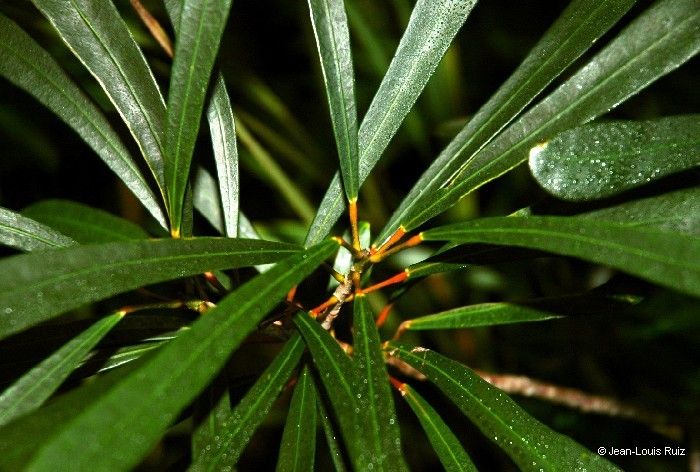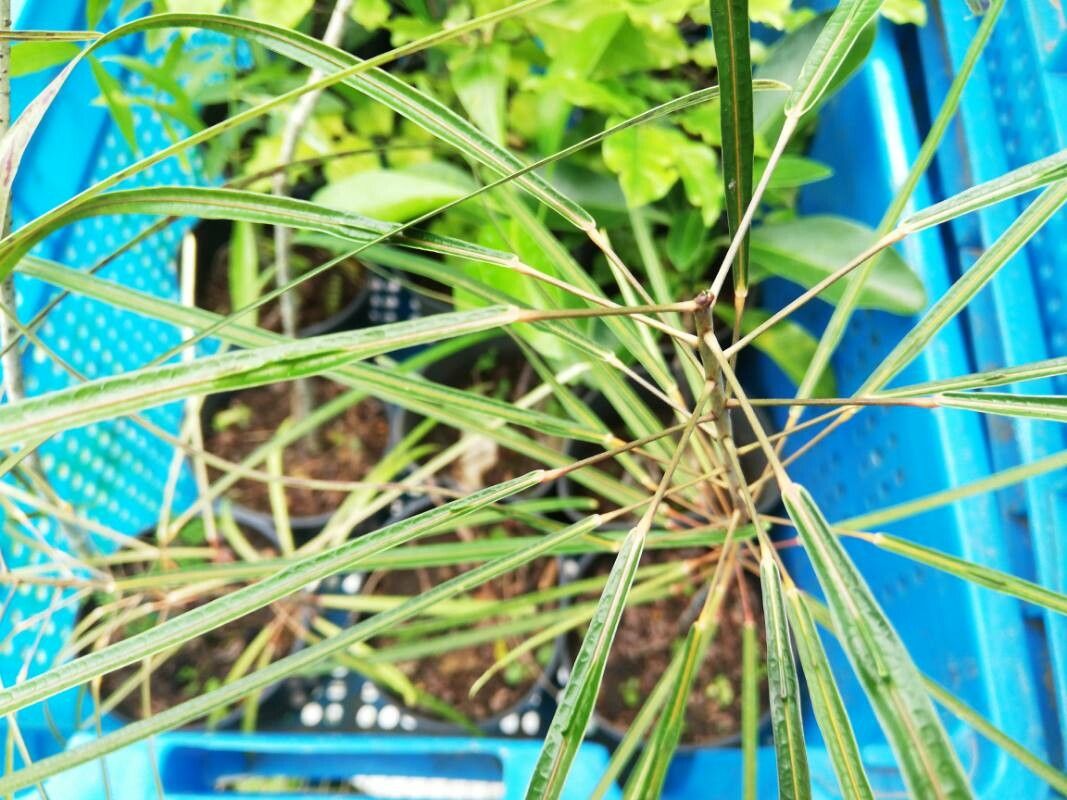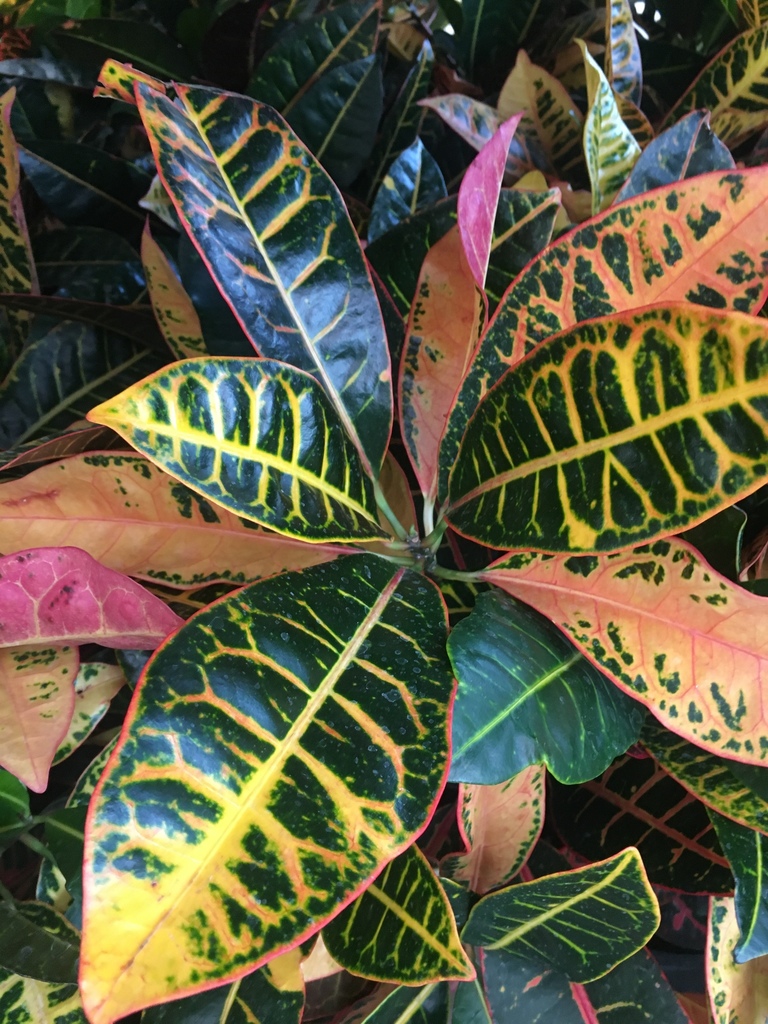
Codiaeum variegatum, commonly known as croton or variegated croton, is a tropical evergreen shrub belonging to the Euphorbiaceae family. Native to Southeast Asia and the Pacific Islands, it has been widely cultivated around the world as an ornamental plant for its striking foliage.
The plant features large, glossy leaves, often variegated with vibrant colors such as yellow, red, orange, and green. The leaves have a leathery texture and can be either lobed or unlobed, depending on the cultivar.
Codiaeum variegatum thrives in warm temperatures ranging from 60-85°F (15-29°C) and high humidity levels. It requires well-draining soil and regular watering but can tolerate short periods of drought.
The garden croton is one of the most diverse species of foliage plants in nature, known for its stunning beauty. Its unique leaf shapes and vibrant colors never fail to captivate people. Medium-sized potted crotons are often showcased in hotel lobbies, conference halls, and restaurants, exuding an air of luxury. Smaller potted crotons can be placed in bedrooms, on desks, or on tea tables, adding a lively touch to any space. FUN FACT · FROM THE LIBRARY
Renowned for its colorful foliage, the plant is commonly used for landscaping to add color and texture to gardens. It can also be grown indoors as a houseplant, provided it receives adequate light exposure.
However, Codiaeum variegatum contains toxic compounds that may cause skin irritation or allergic reactions if ingested or handled improperly. It should therefore be kept away from children and pets.
In summary, Codiaeum variegatum is an attractive ornamental plant that adds color and vibrancy wherever it is grown, provided proper care instructions are followed to ensure optimal growth conditions.
The garden croton, scientifically known as Codiaeum variegatum or Croton variegatum, is a plant that belongs to the Euphorbiaceae family. Like many plants in this family, it is toxic. The garden croton contains an oil that can cause severe diarrhea if ingested. Despite its toxicity, it is commonly planted in gardens, which is why it is often referred to as the garden croton.
Croton shows a strong level of disease resistance and is generally not prone to illnesses. Still, if it is grown in poor conditions it can become more vulnerable to disease. The plant also experiences few insect pests. Regarding care, its needs are moderate. Providing abundant sunlight is important, because insufficient light can make it more disease-prone and lead to spindly growth. Since it is frequently kept indoors, it may need to be relocated regularly to a bright spot. It does not need frequent watering. All in all, Croton is appropriate for most people, though it is best for those who can offer good lighting conditions.
How to keep Codiaeum Variegatum.
Light
The croton does best with a gentle balance of sunlight and shade, and it can tolerate prolonged sun exposure. Filtered sunlight, reflecting the conditions of its native habitat, noticeably supports its vigorous growth. With the right amount of sun, the plant's multicolored foliage appears bright and vivid. Too much sun can scorch the leaves, while insufficient light can cause it to lose its vibrant colors.
Water
Garden croton, which originates from the humid tropics, requires consistent humidity and has moderate tolerance to drought. To ensure vibrant foliage, water it every 1-2 weeks, especially when grown indoors. Maintaining the ambient humidity helps mimic its natural habitat and supports its evergreen growth.
Humidity
This plant will thrive in moderate humidity, which is probably the level in your home. However, misting it a few times a week can be very beneficial. Make sure the room has good ventilation.
Temperature
The croton is native to tropical areas and needs a warm growing environment, preferring temperatures from 68 ℉ (20 ℃) to 105 ℉ (41 ℃). In colder months, make sure the temperature does not drop below 50 ℉ (10℃).
Fertilizer
Fertilizing is essential for the care of Croton. Consistent feeding throughout the growing season helps maintain the vigor of its showy foliage and promotes overall growth. Failing to fertilize can lead to unhealthy leaves, reduced ornamental value, and stunted or fragile growth that may break easily.
Pruning
The garden croton, known for its vibrant foliage, benefits greatly from pruning between early and late winter. This helps maintain its shape and encourages bushy growth. To prevent infections, always use clean, sharp tools. Regular pruning minimizes stress on the plant, enhances its appearance, and supports its overall vitality.
Pot & Repot
When repotting a Croton, choose a pot 1-2 inches (2.5–5.1 cm) larger with ample drainage. Use a well-draining, potting mix. Repot in spring or fall, ensuring that the root ball is slightly lower than the rim of the flower pot. Water thoroughly after repotting and place in a warm spot with indirect sunlight.
Botanical profile.
- Plant Type
- Shrub
- Life Cycle
- Perennial
- Genus
- Codiaeum
- Family
- Euphorbiaceae
- Hardiness Zone
- 10-13
- Mature Height
- 0.91 m to 3.05 m
- Mature Spread
- 91 cm
- Leaf Color
- Green, Red, Yellow, Orange
- Leaf Type
- Evergreen
- Flower Color
- White, Yellow
- Flower Size
- 0.51 cm to 1.52 cm
- Bloom Time
- Mid summer, Late summer
- Planting Time
- Spring, Summer, Autumn
- Harvest Time
- All year round
- Native Area
- Malaysia, Indonesia, Vietnam, Vanuatu, Philippines, Papua New Guinea, Timor-Leste, Fiji
Other names.
Reader questions.
When Should I Water My Garden Croton?
To ensure the vibrant colors and proper growth of garden croton (Codiaeum variegatum), timely watering is essential. The plant flourishes in moist but not saturated soil. Check the soil's top one-inch layer; if it feels dry, it's time to water. Drooping leaves can indicate a need for watering, aiming to maintain moist soil without waterlogging. A lighter pot suggests the soil has dried out, necessitating watering. Be mindful to prevent over-watering or under-watering to avoid plant health issues like fungal growth, root rot, or dehydration.
Why should I fertilize my Garden croton?
Regular fertilization is important for Garden croton because they have showy leaves that require a lot of energy for production and maintenance. In addition to keeping the leaves healthy, the plant also needs energy for the growth of its stems, branches, roots, and other vital structures. Neglecting fertilization can lead to two possible outcomes. Firstly, the leaves may lose their natural color and texture, making the plant look unhealthy and less visually appealing. Secondly, the overall growth of the plant may slow down or become weak, increasing the risk of breakage.
What are the sunlight requirements for garden croton?
Garden croton thrives in conditions where it can enjoy a balance of sunlight and shade, similar to its natural habitat. It requires partial sun, meaning about 3-6 hours of sunlight per day, but it can also tolerate full sun, which is above 6 hours of sunlight daily. However, it's crucial to observe how sunlight moves through your garden to find spots providing this balance to ensure the plant's health and happiness. Excessive sun exposure can scorch the leaves, while inadequate light may result in a loss of vibrant colors.
What is the preferred temperature range for garden croton plants?
Garden croton plants, native to tropical regions, thrive in warm environments with a preferred temperature range of 68°F (20°C) to 105°F (41°C). It's crucial to ensure that during the colder months, temperatures do not fall below 50°F (10°C). As garden croton is particularly heat-loving, exposure to cold can cause significant harm. To protect the plant during autumn, it's advisable to bring outdoor plants indoors, placing them near a bright window but at a safe distance from direct heat sources like heaters, to maintain a conducive temperature for growth.
How Should I Water My Garden Croton?
Watering techniques for garden croton include bottom-watering, misting, and using a watering can with a thin spout to reach deep roots without wetting the foliage. Employing a moisture meter and focusing on watering near the stem while avoiding the leaves helps prevent diseases. Be cautious of overwatering, and ensure not to leave the plant sitting in water to avoid root rot and leaf diseases.
When should I fertilize my Garden croton plant?
Garden croton plants will benefit from occasional feedings, so there is no need to establish a regular feeding schedule when you first plant them. One simple way to fertilize your Garden croton is to apply fertilizer when you water the plant occasionally. Throughout the growing season, it is important to provide a sufficient amount of water for your Garden croton. You can feed the plant once every two to three weeks, consistently, while it is producing new growth.
What essentials should I know about garden croton's care?
Optimal care for garden croton includes ensuring it receives adequate sunlight while protecting it from harsh conditions. Its lush growth and vivid, multi-colored foliage are best supported under filtered sunlight, though it can withstand longer sun exposure. If natural sunlight is insufficient, especially during winter or in darker spaces, artificial lighting can be a suitable alternative for optimal growth. LED lights are particularly recommended for indoor plants, as they can mimic the specific wavelengths needed by the plants. The intensity and duration of artificial lighting should mimic natural sunlight conditions as closely as possible.
How should garden croton plants be cared for in low temperatures?
In the face of low temperature challenges, garden croton plants, preferring warm climates, demand temperatures to remain above a certain minimum to thrive. During winter, ensuring the temperature stays above the lower tolerable limit is vital. Exposure to temperatures below this threshold can lead to a discoloration of the leaves, turning them lighter and eventually brown or black following frost damage, alongside wilting and drooping symptoms. To mitigate such cold damage, it's recommended to trim off the frost-damaged parts and move the plant indoors to a warmer setting. A south-facing window makes an ideal location, offering ample sunlight while avoiding proximity to heaters or air conditioning vents to prevent air dryness.
How Much Water Does Garden Croton Really Need?
The amount of water garden croton needs varies with plant size, pot size, and environmental conditions. Mimicking its natural tropical habitat by ensuring well-drained, consistently moist soil is key. Saturate the soil until water drains from the bottom of the pot, adjusting for plant maturity and pot size. Healthy croton displays vibrant leaves and new growth, whereas yellow or brown leaves might indicate over or under-watering.
When is it not a good time to fertilize my Garden croton plant?
For most of the year, you can fertilize your Garden croton on a regular schedule. This includes spring, summer, and early fall, when the plant is actively growing. However, during the winter, it's important to avoid fertilizing the plant. At this time, the Garden croton goes into a dormant phase with no or minimal growth. Because the plant is conserving energy during this phase, it doesn't require additional fertilizer.
What symptoms indicate light deficiency in garden croton?
Symptoms of light deficiency in garden croton include a loss of variegation, leading to greener leaves, faster leaf drop, leggy or sparse growth, chlorosis (yellowing of the leaves), sunscald, leaf curling, wilting, and leaf scorching. These symptoms can indicate that the plant is not receiving adequate sunlight, leading to poor health and reduced growth. It's crucial to monitor these signs closely and adjust the plant's exposure to light accordingly to ensure its well-being.
What are the effects of high temperature on garden croton plants and how can they be addressed?
Garden croton plants should ideally be kept below a certain maximum temperature during the summer months to prevent high temperature stress. Exceeding this temperature range can lead to the leaves lightening in color and an increased susceptibility to sunburn. To address heat-related stress, it's advisable to trim away sunburned and dry parts of the plant. Relocating the plant to a shaded area during the intense midday and afternoon sun, along with watering in the morning and evening, can help maintain soil moisture and mitigate the negative impacts of high temperatures on the plant.