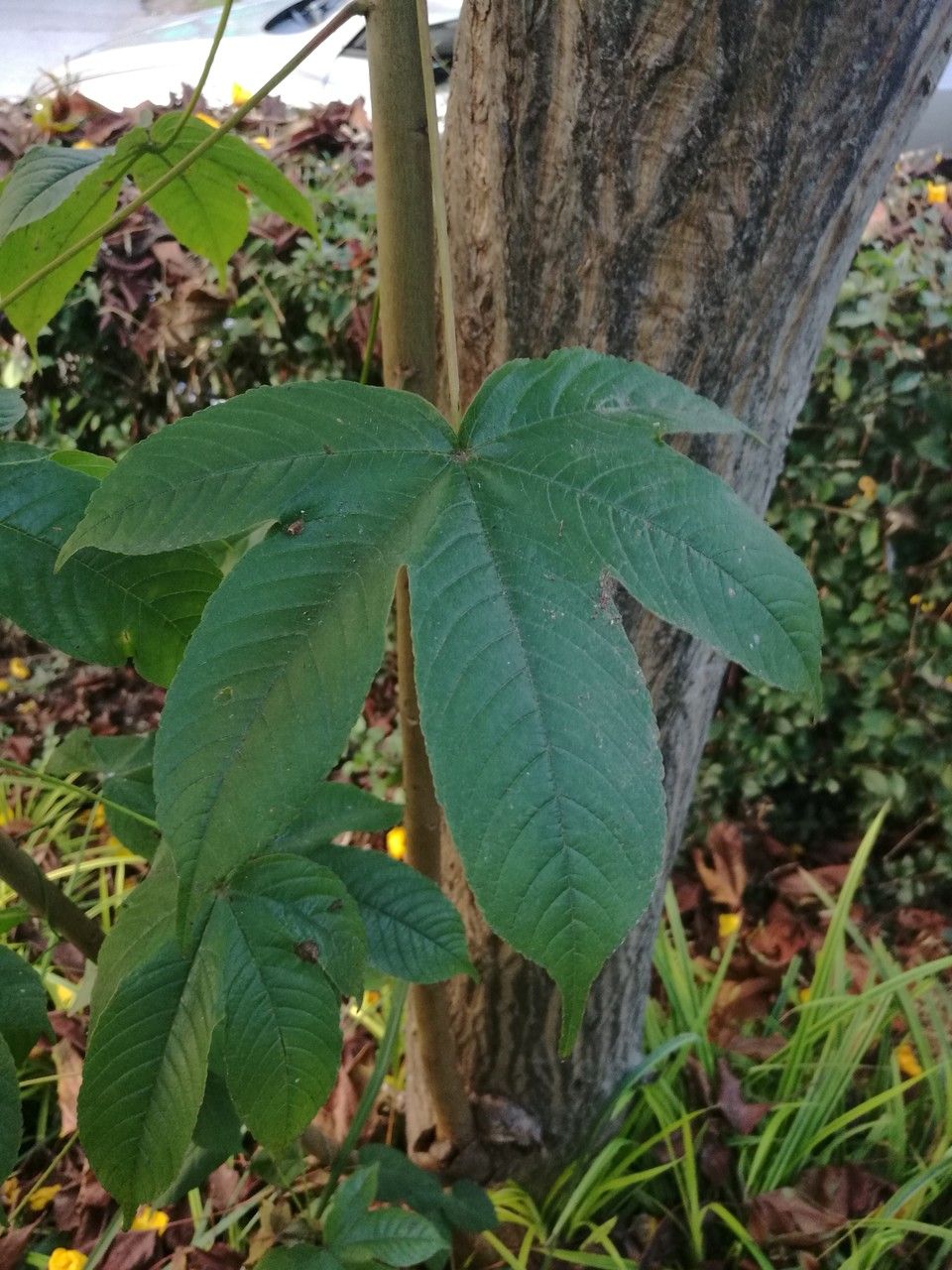
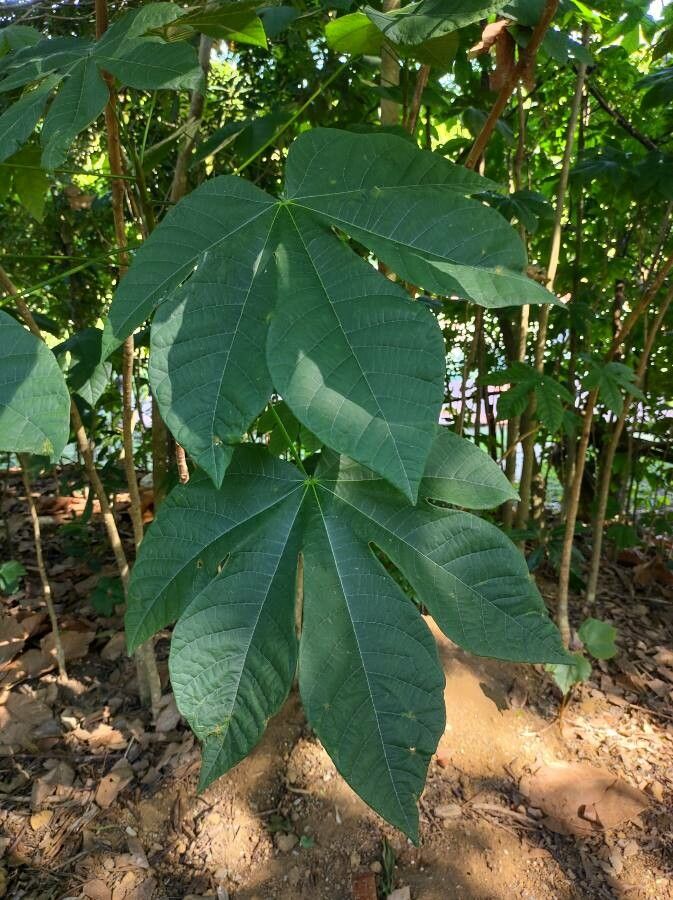
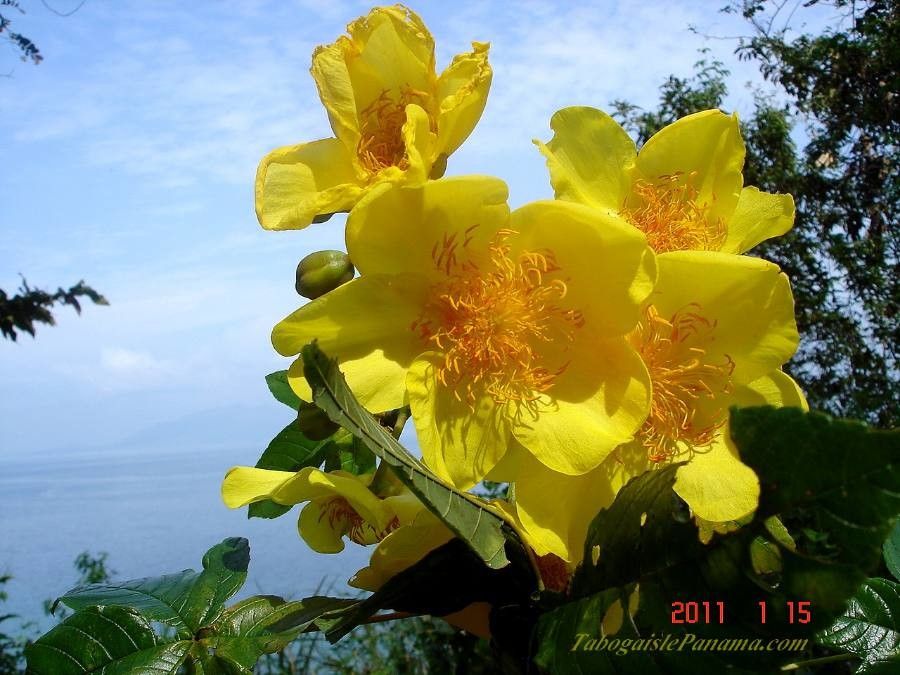
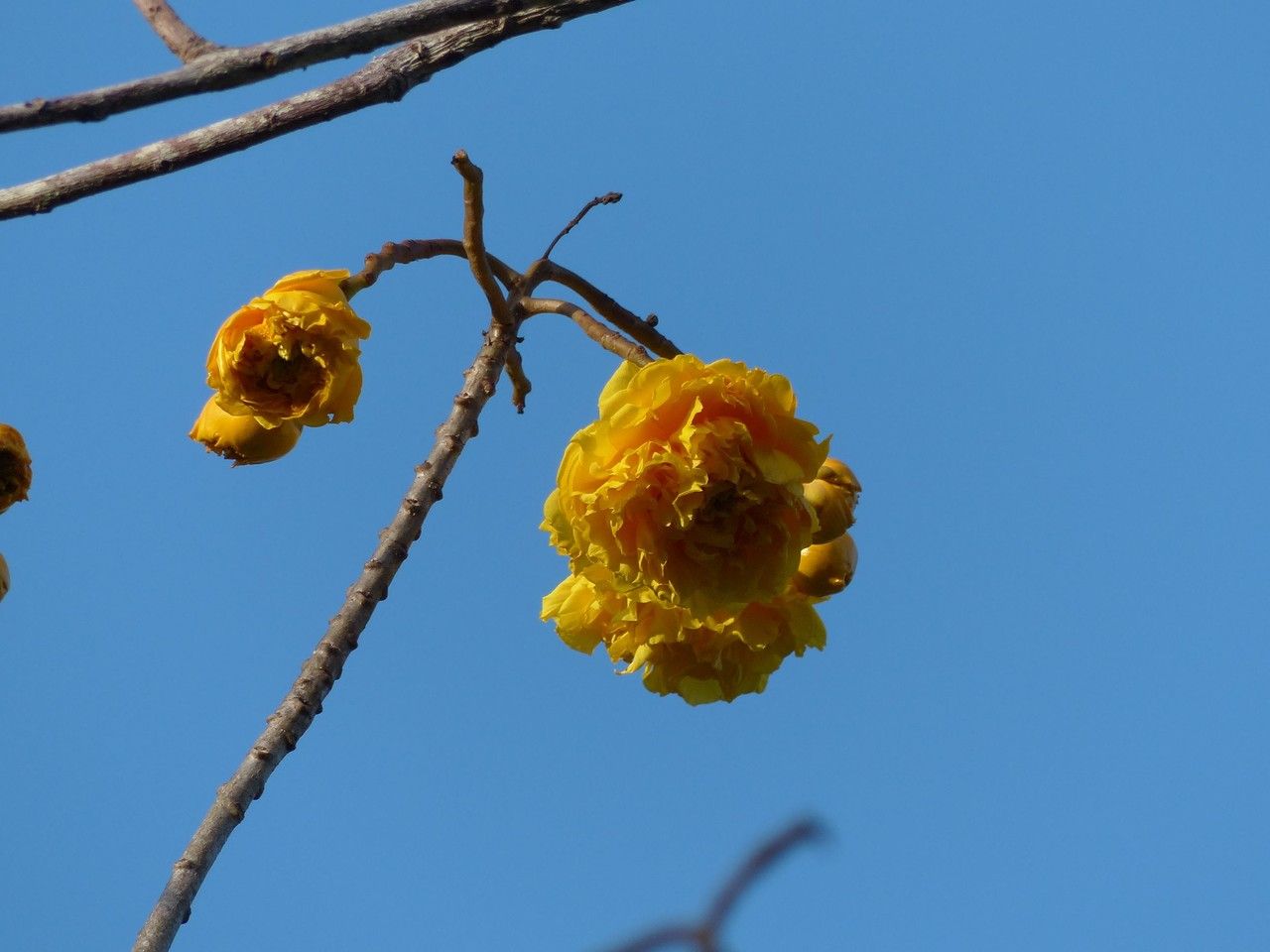
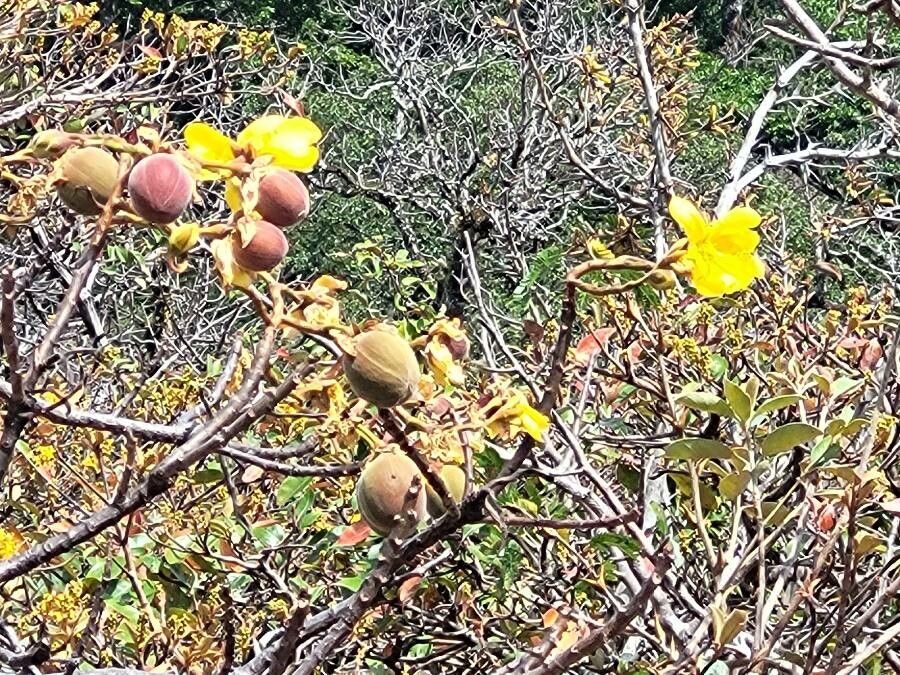
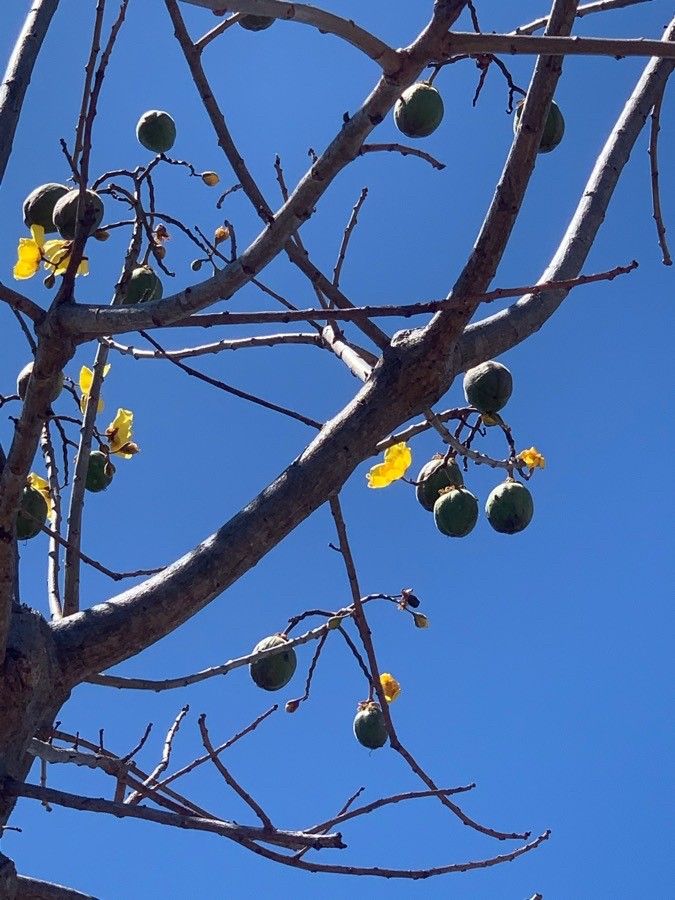
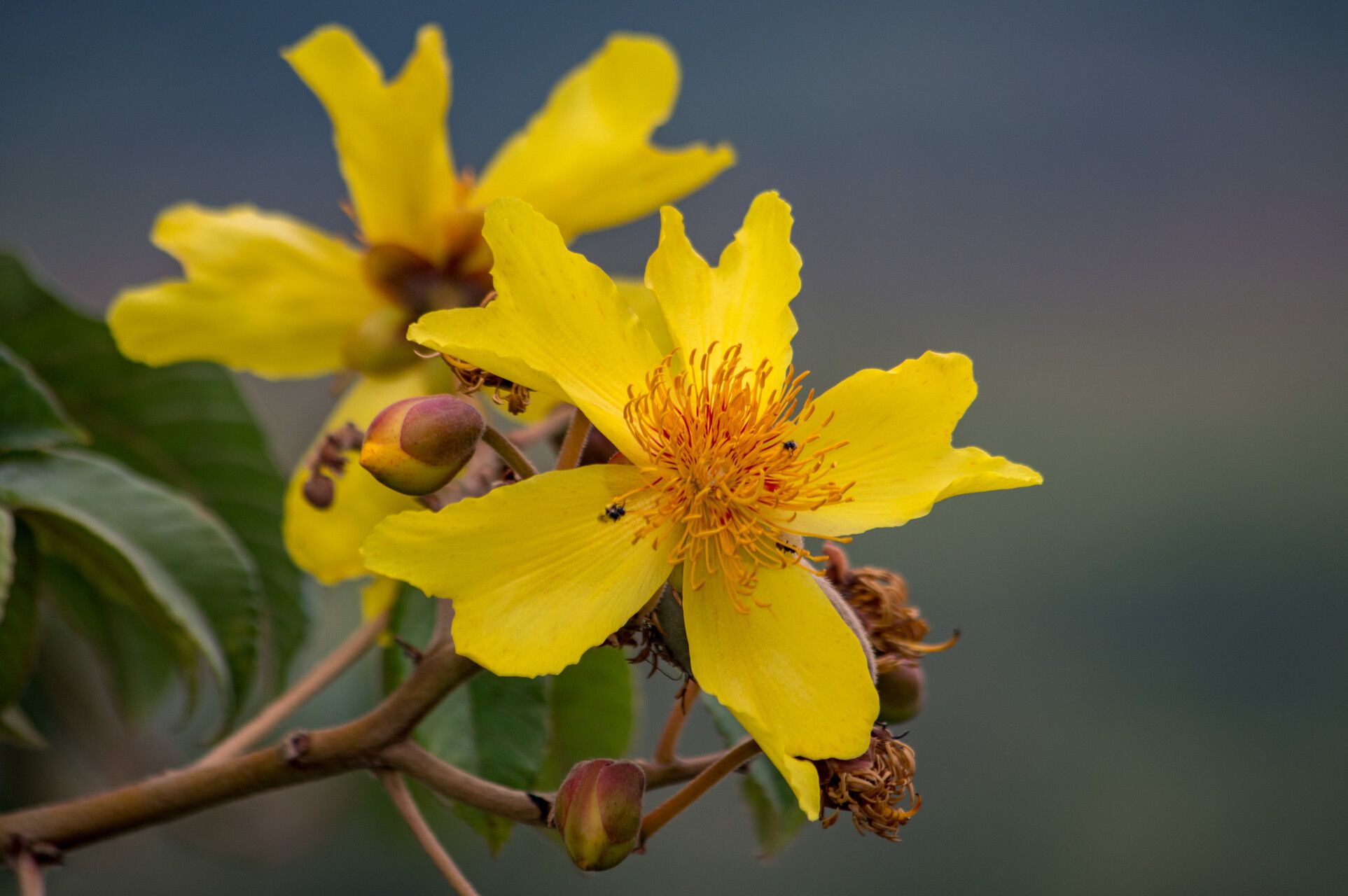
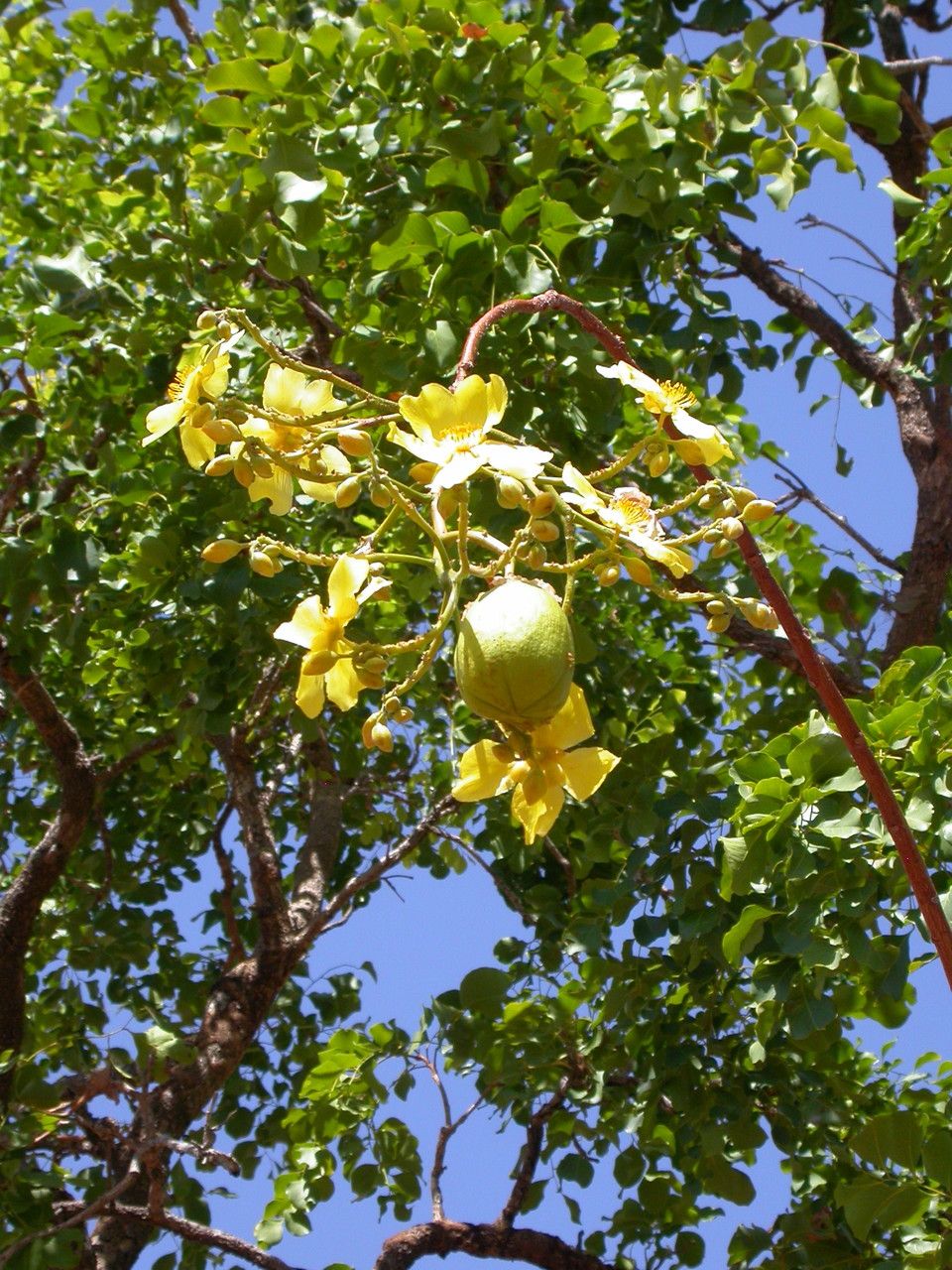
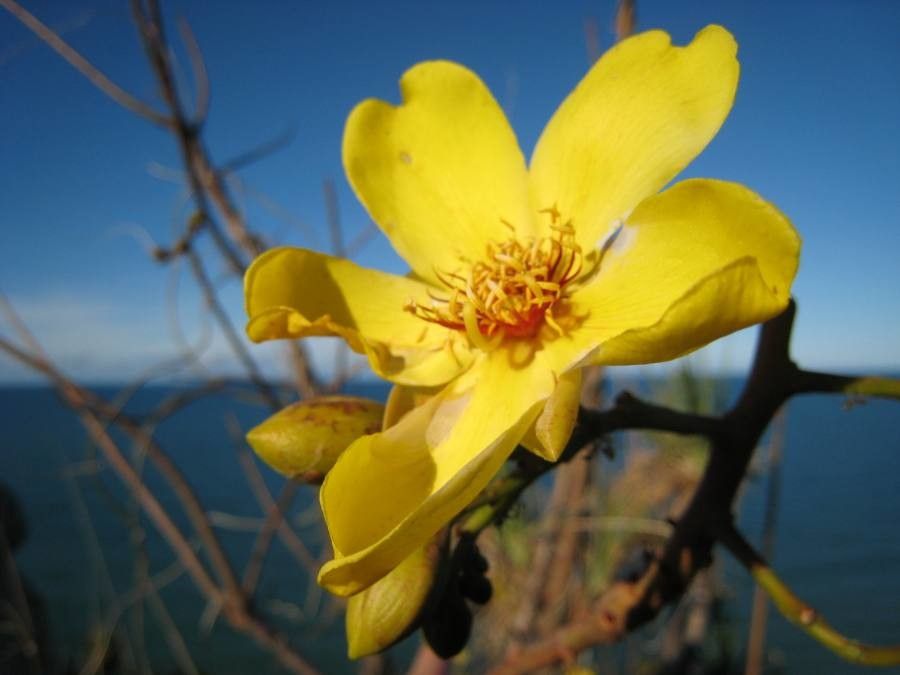
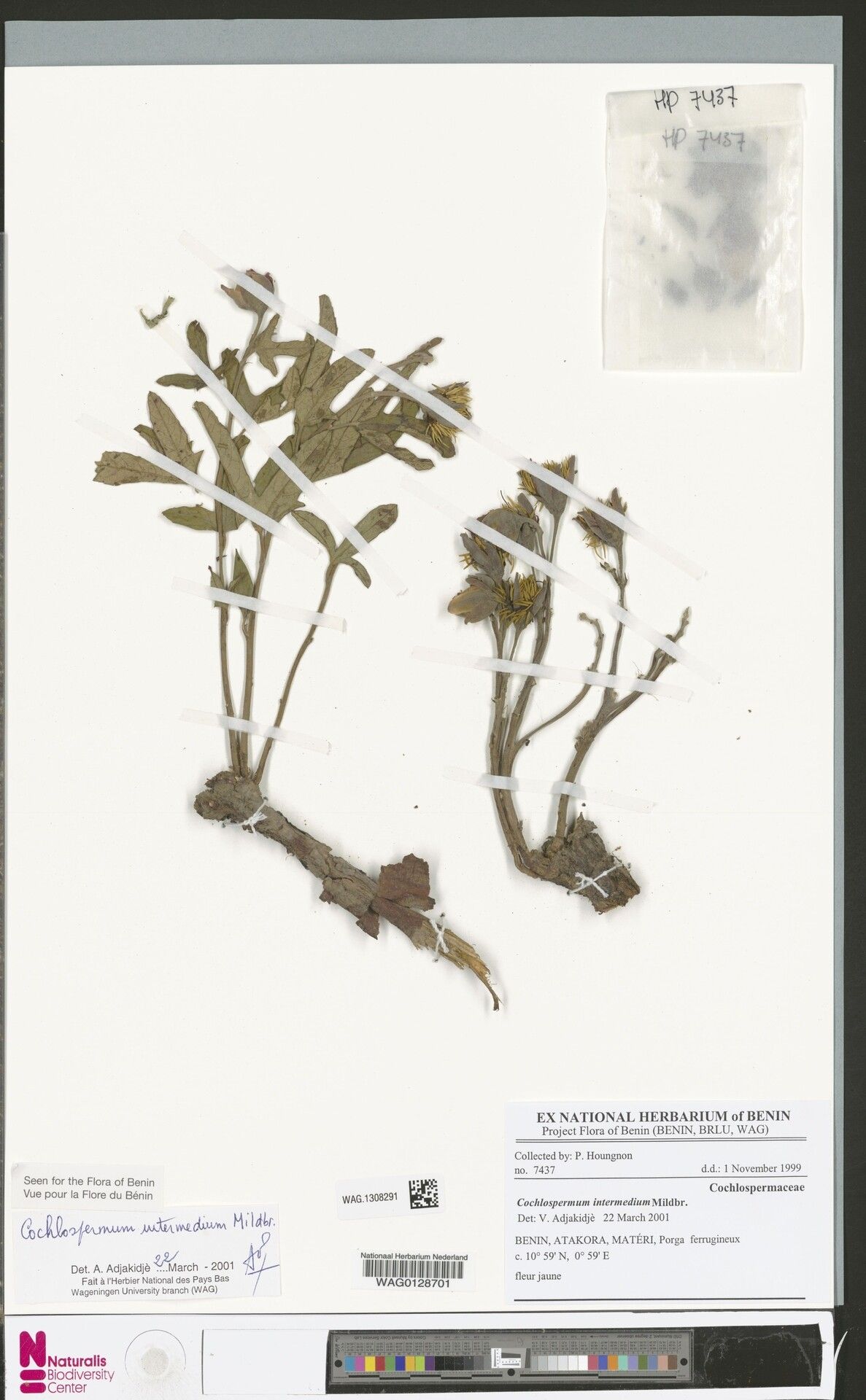
Cochlospermum vitifolium is a tree in the family Bixaceae. It is native to the Americas: from Mexico to Brazil.
The Buttercup tree shows strong resistance to disease and is generally not susceptible to illnesses. Regarding care, this plant is fairly low-maintenance. When grown outdoors, it needs little watering, and larger specimens typically do not require pruning. Smaller plants, however, should be pruned after they have finished blooming. The Buttercup tree is suitable for anyone with an outdoor space, such as a garden or deck, and does not require extensive care experience.
How to keep Cochlospermum Vitifolium.
Light
The buttercup tree does best with abundant sunlight. Native to areas with high solar radiation, it stays healthiest when grown in steady, direct light. Too little light can inhibit its growth, while very prolonged exposure does not appear to cause harm.
Water
Adapted to tropical environments, the buttercup tree thrives in conditions of heavy rain followed by dry spells. It has moderate drought tolerance and requires watering every two weeks. If grown outdoors, ensure the soil has proper drainage to prevent root rot during the rainy season.
Temperature
The buttercup tree is native to temperate regions where temperatures range from 68 to 95 °F (20 to 35 ℃). It does best in these conditions, and its growth can be hindered by unseasonal cold or by excessive heat. Depending on the climate, consider adjusting care to address temperature.
Fertilizer
Early spring, when the Buttercup tree breaks dormancy, is the best time to apply fertilizer. This helps overall growth and flower development. Fertilization improves the leaves, stems, and branches and encourages flowers that are larger, more vibrant, and longer-lasting. It also helps transport nutrients from the roots to the flowers and boosts the plant’s health and resistance to disease.
Pruning
Pruning a buttercup tree in early spring is essential for promoting healthy growth and enhancing its flowers. The key techniques include removing deadwood, shaping the tree to improve air circulation, and thinning the branches. Using clean cuts and sanitized tools helps prevent infections, ensuring the tree remains healthy and visually appealing.
Botanical profile.
- Plant Type
- Tree
- Life Cycle
- Perennial
- Genus
- Cochlospermum
- Family
- Bixaceae
- Hardiness Zone
- 10
- Mature Height
- 14.94 m
- Mature Spread
- 6.1 m to 9.14 m
- Leaf Color
- Green, Dark Green
- Leaf Type
- Deciduous
- Flower Color
- Yellow
- Flower Size
- 10.16 cm to 15.24 cm
- Bloom Time
- Late winter, Early spring, Mid spring
- Planting Time
- Spring, Summer
- Harvest Time
- Late spring, Early summer, Mid summer
- Native Area
- Colombia, Belize, Honduras, Mexico, Guatemala, Bolivia, Venezuela, Peru, Guyana, El Salvador, Nicaragua, Brazil, Ecuador, Costa Rica, Panama
Other names.
Reader questions.
What is the easiest way to water my Buttercup tree?
To promote excellent root development, place a garden hose at the base of the plant. Avoid spraying the leaves directly, especially if the plant is outdoors in direct sunlight as they will need more watering. One option is to use bubblers to moisten the roots of each plant. Another option is to use soaker hoses that cover the entire garden or bed when adding or removing plants, helping push the roots deep into the soil. Make sure to drain any excess water and allow the soil to dry before watering again. Water at ground level to prevent diseases. On a sunny day, consider spraying the entire bush with water. Whether the Buttercup tree is potted or in-ground, remember that it prefers deep watering rather than light sprinkling.
Why should I put fertilizer on my Buttercup tree?
Fertilization plays a crucial role in maintaining the overall health and well-being of a Buttercup tree. By providing the tree with the necessary energy and nutrients, it can develop lush foliage and strong stems and branches. However, the main benefit of fertilization for gardeners is the enhancement of the tree's flowers. Fertilizing the tree helps it produce large, vibrant, and long-lasting flowers. This is because the right fertilizer facilitates the transfer of essential nutrients from the roots to the stems and ultimately to the flowers. In addition, proper fertilization promotes the tree's overall health, making it more resistant to diseases.
What are the sunlight requirements for a Buttercup tree?
The Buttercup tree, known botanically as Cochlospermum vitifolium, thrives best when provided with ample sunlight. It requires over 6 hours of sunlight daily to maintain its health, as it originates from habitats with generous solar irradiation. Insufficient light may stunt its growth, but it doesn't suffer from excessively prolonged exposure to sunlight. It's essential to watch how sunlight moves through your garden and choose spots that provide a balance of light and shade, ensuring the plants' happiness.
What is the ideal temperature range for a Buttercup tree?
The Buttercup tree, botanically known as Cochlospermum vitifolium, thrives in temperate environments with temperatures ranging between 68 to 95 °F (20 to 35 °C). It is extremely heat-loving and does not tolerate cold temperatures well. The growth of the Buttercup tree may be negatively affected by unseasonal cold or excessive heat. Therefore, maintaining the temperature in the ideal range is crucial for its health and growth.
What do I do if I give Buttercup tree too much or too little water?
If a Buttercup tree is overwatered, it may develop yellow and wilting leaves, along with a dull and unhealthy appearance. Mushy stems are also a sign of excessive watering. To address these symptoms, it is important to adjust your watering schedule accordingly. However, wilting can also be a sign of under watering. In this case, the leaves may become dry and crispy. When the soil is dry and simply watering is not sufficient, a thorough watering is needed. While sufficient water can help the Buttercup tree recover, it may still exhibit yellow and dry leaves due to damage to the root system. Once the tree returns to normal, the yellowing of the leaves will cease. When keeping a Buttercup tree indoors, it is advisable to regularly check the moisture levels of the soil. Avoid overwatering and be alert for any signs of black spots. If such spots appear, allow the soil to dry in the pot with a few days of rest from watering. Overwatering can lead to root rot, which may require transferring the plant to a different pot, especially if discolored and slimy roots are present. To prevent root rot, it is essential to avoid excessively soggy soil. When planting a Buttercup tree outdoors, it is recommended to dig a bit deeper and check the soil moisture. If the soil feels too dry, it may indicate under watering, and adequate watering is necessary to assist the plant in recovering.
When should I fertilize my Buttercup tree?
To ensure the optimal growth and flower development of a Buttercup tree, the ideal time to fertilize is during early spring as it emerges from dormancy. This provides ample energy for overall growth. However, it is also beneficial to provide a smaller feeding during the fall season. Some gardeners choose to fertilize the Buttercup tree during planting, although this is not always necessary.
Can Buttercup trees grow under artificial lighting?
Yes, Buttercup trees can grow under artificial lighting, making it a viable option for indoor growth when natural sunlight is insufficient, especially during winter or in spaces with less sun exposure. Indoor plants benefit from artificial lights, such as LED lights, that can be customized to provide specific wavelengths needed for growth. The recommendation is 30-50W/sq ft for full sun plants, 20-30W/sq ft for partial sun, and 10-20W/sq ft for full shade. The light source should be placed 12-36 inches above the plant for 8-12 hours per day to mimic natural sunlight conditions.
How should I care for my Buttercup tree during the colder months?
During the colder months, it's important to protect your Buttercup tree from the cold as it can be damaged by low temperatures. If you have an outdoor-grown Buttercup tree, it's recommended to bring it indoors in autumn and place it near a bright window to ensure it gets enough light. However, make sure it is not too close to heaters to avoid harm. Keeping the indoor temperature above 20°C during winter benefits the plant's growth. Any exposure to temperatures near or below 5°C can be detrimental to the Buttercup tree.
How often should I give water to my Buttercup tree?
The Buttercup tree prefers deep and infrequent watering. When planted in pots, it is important to soak them in a gallon of water each time, as the water storage in pots is limited and the soil dries out quickly. In cold regions, watering is needed every 3 to 5 days. The best time to water is early in the morning when the soil is dry, whether the plant is outdoors or indoors. You can also check the soil moisture by feeling the top 2-3 inches of soil - if it is dry, it's time to water. On hot days, check the moisture daily as the heat can dry out the pot soil quickly. For garden plants, irrigation is necessary. In hot climates, watering once a week is sufficient. Only water if about 2 to 3 inches of soil become dry. Take into account the amount of rainfall and avoid overwatering to prevent root rot. Buttercup trees typically grow in spring and fall. When planted outdoors, adding 3 to 4 inches of mulch helps conserve water. Sandy soil drains faster and requires more frequent watering, while clay soil needs less frequent watering to avoid root rot - you can wait 2-3 days for the plant to dry. Keeping track of watering dates and observing drooping leaves can help determine if watering is needed.
When is the best time to not put fertilizer on my Buttercup tree?
During the winter, you do not need to fertilize your Buttercup tree. This is because the tree is in a dormant phase and does not require much energy from the soil to grow. Fertilizing during this time can lead to overfertilization and negative outcomes. The best times to fertilize a Buttercup tree are in early spring and fall. Therefore, during most of the spring and summer, the tree does not need fertilizer. It is also advisable to refrain from fertilizing if the tree is experiencing extremely hot or dry conditions.
What symptoms indicate insufficient light for a Buttercup tree?
Symptoms of insufficient light in a Buttercup tree include smaller new leaves compared to previous ones, leggy or sparse growth, faster leaf drop, slower or no new growth, paler new leaves, chlorosis (leaves turning yellow due to lack of chlorophyll), sunscald, leaf curling, wilting due to increased water loss, and leaf scorching, characterized by brown, dry, and crispy leaf edges. These symptoms reflect the plant's struggle in low light conditions, and addressing the light deficiency promptly can help ensure its health and growth.
What symptoms indicate damage from low temperatures in Buttercup trees?
Buttercup trees show clear signs of distress when exposed to low temperatures, which they are not tolerant of. Symptoms of cold damage include leaves lightening in color when temperatures fall below 1°C, with the color gradually turning brown or black after frost damage. Additionally, the tree may exhibit wilting and drooping. These signs indicate that the tree needs immediate care to mitigate the effects of cold exposure.