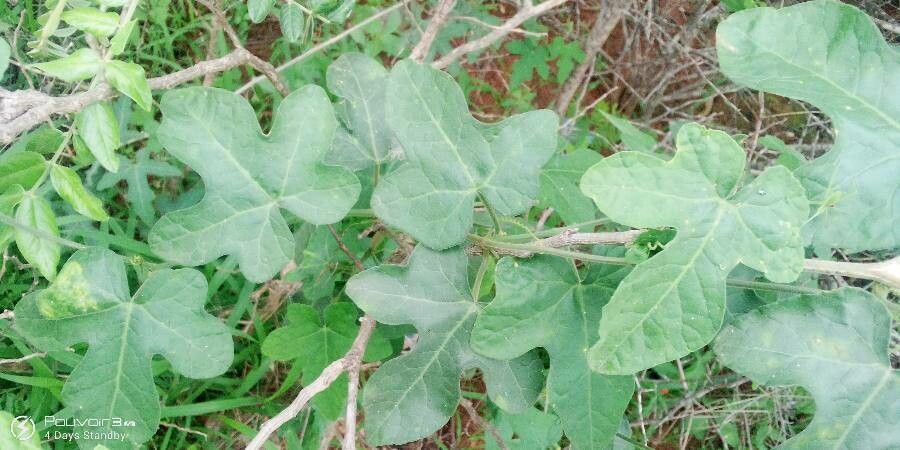
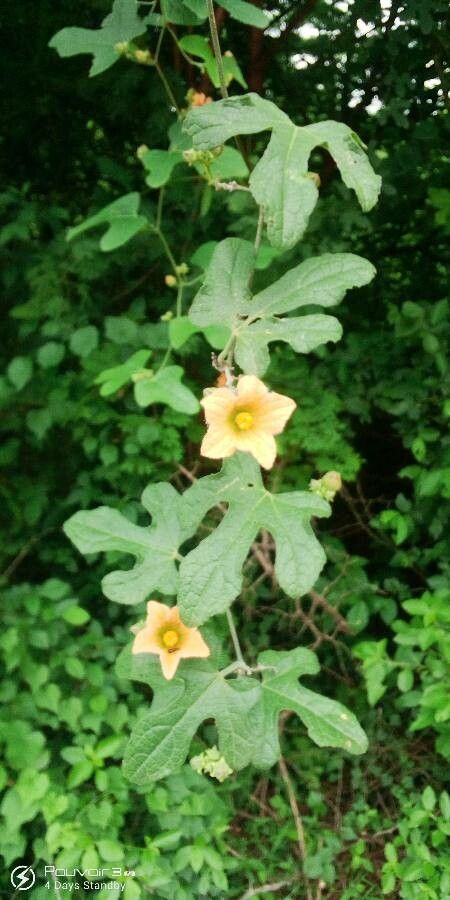
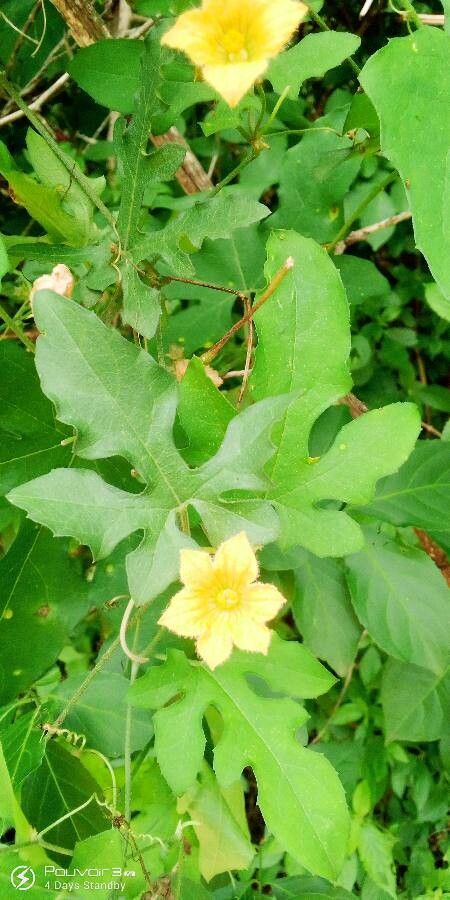
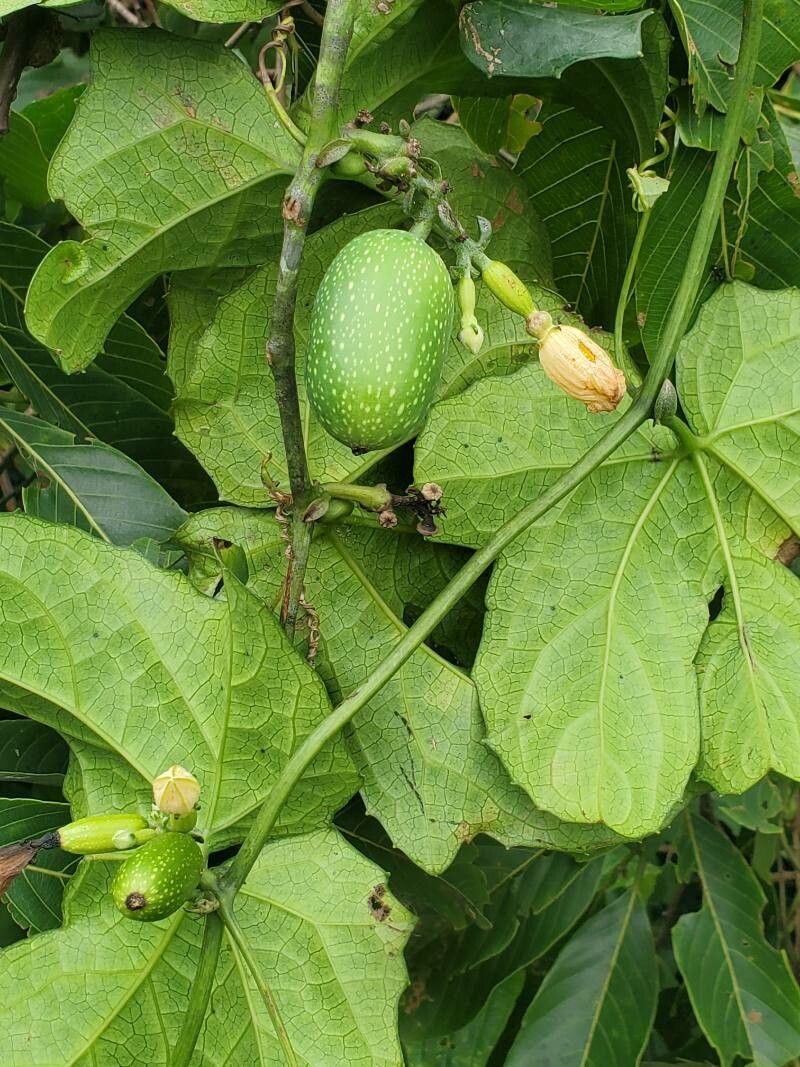
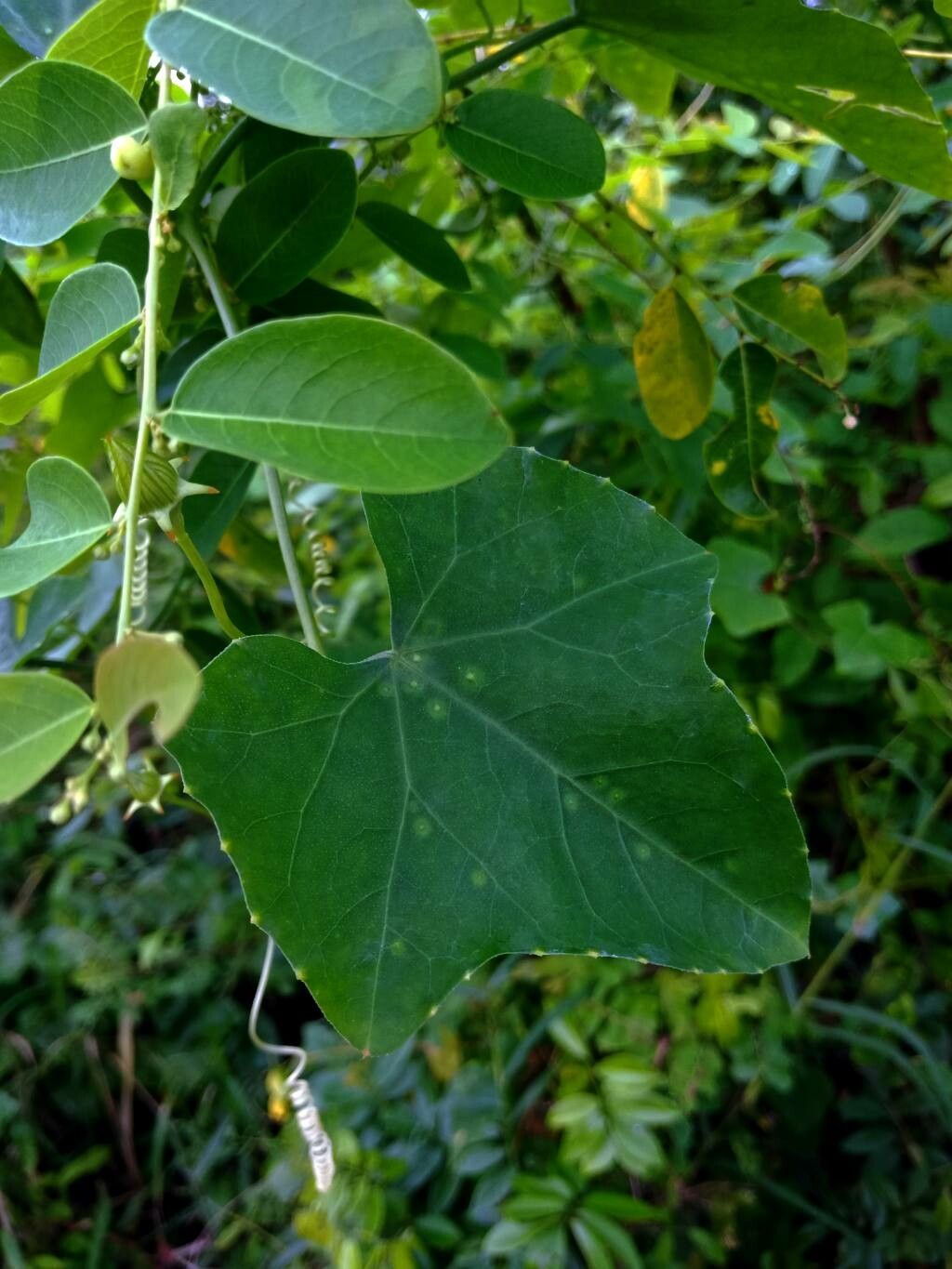
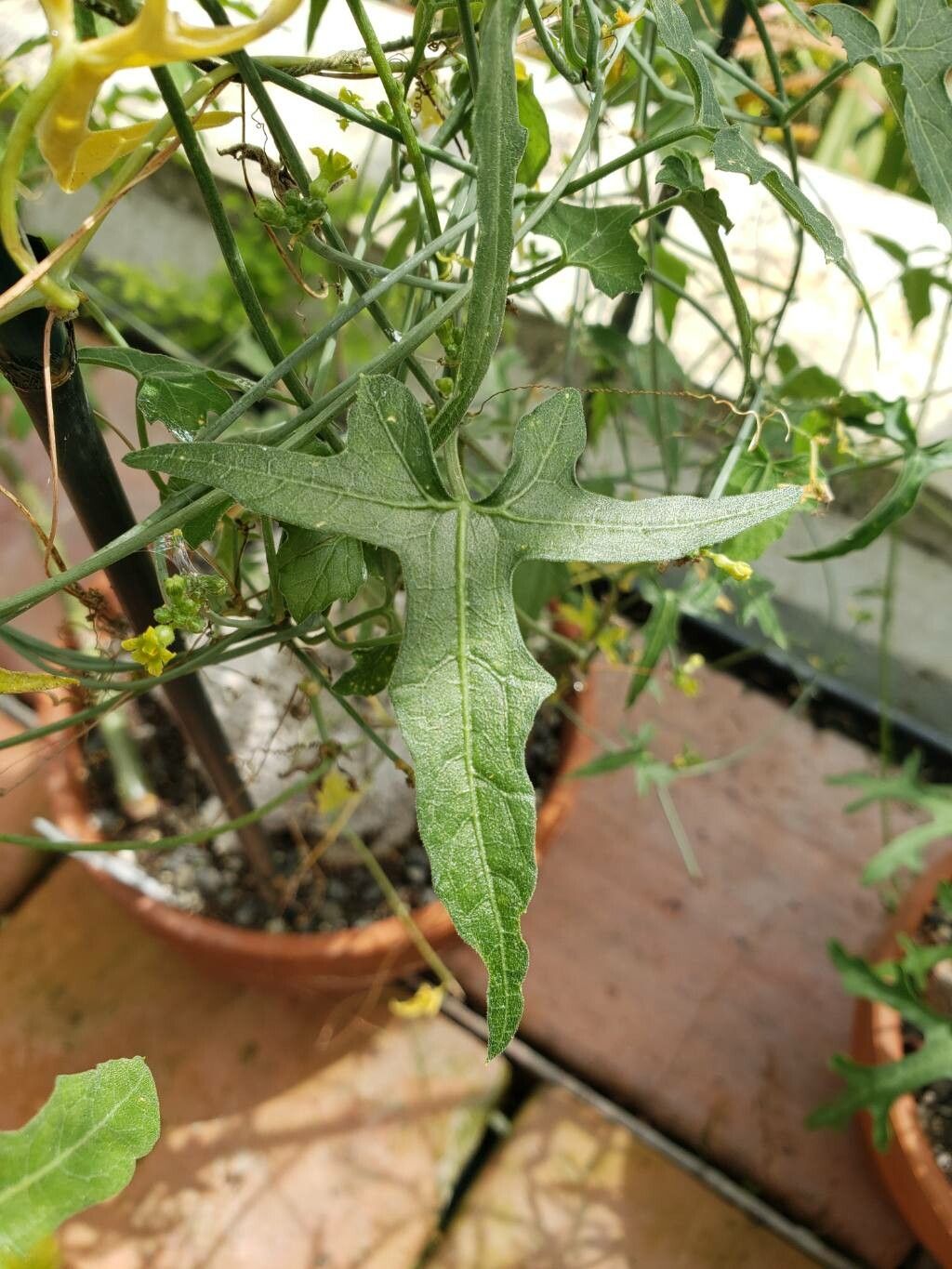
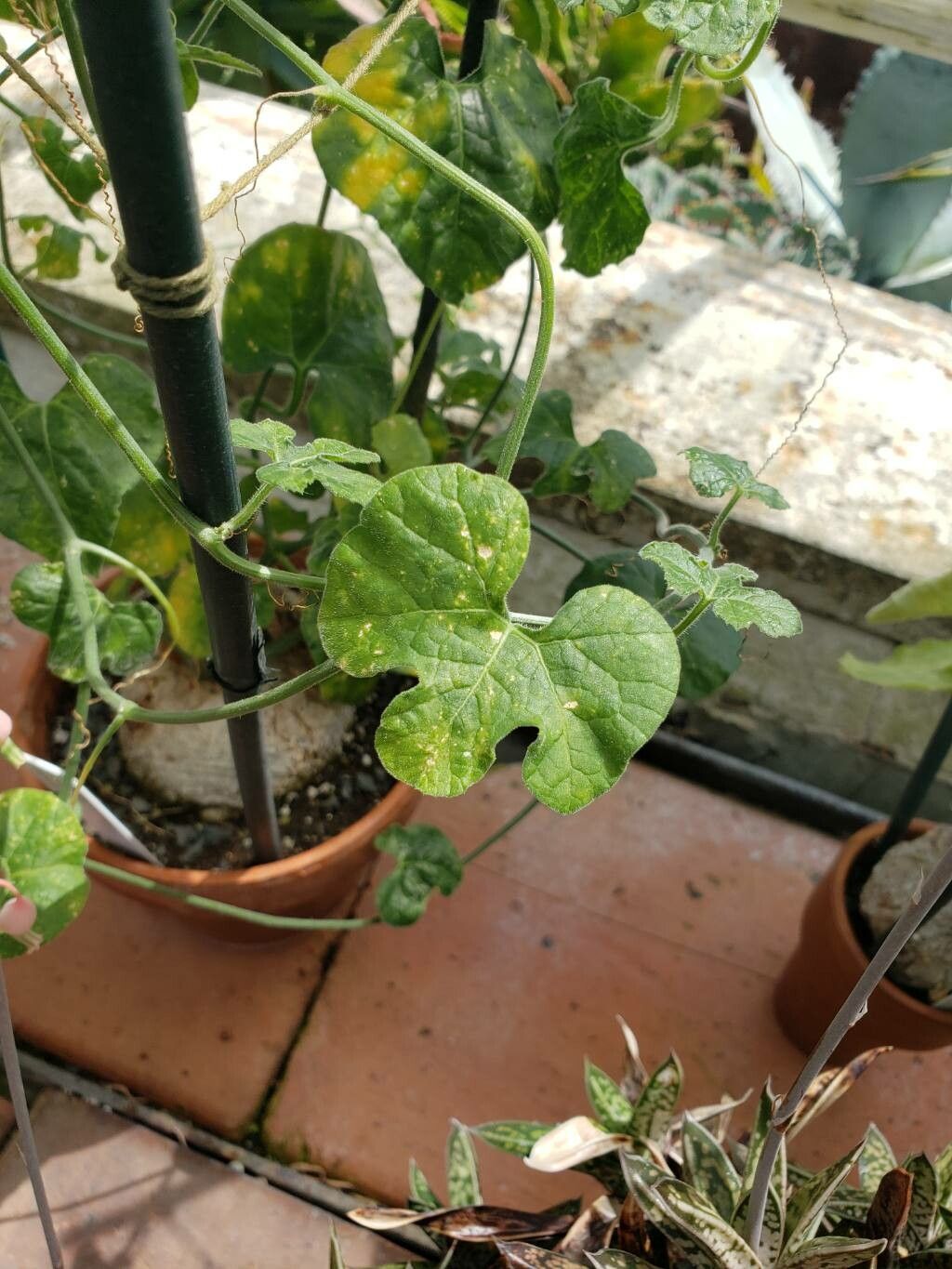
Wild spinach has low disease resistance and is vulnerable to powdery mildew, horn spot, and leaf spot. It also shows poor resistance to most insect pests. When it becomes infected, it needs treatment, though most diseases only reduce yield rather than being fatal. For care, wild spinach requires frequent watering in summer and additional fertilizer to encourage fruit growth. It does not need much pruning. This makes it appropriate for someone with a garden or outdoor space who has a bit of energy to care for it.
How to keep Coccinia Adoensis.
Light
Wild spinach comes from habitats with plenty of sunlight, such as open fields and sunlit meadows. It prefers full sun but can also tolerate partial sun.
Temperature
Wild spinach grows best in moderate temperatures similar to those most people find comfortable. It does well in conditions that are neither excessively hot nor cold. The main problem with high temperatures is the risk of sunburn, so providing some shade in summer is recommended to avoid excessive heat. When temperatures fall, wild spinach goes dormant. If you want it to keep growing, you need to maintain higher temperatures in winter. Frost can damage the plant and should be avoided.
Fertilizer
To maximize yield, wild spinach benefits from regular applications of a balanced fertilizer, especially one high in nitrogen. Apply fertilizer before planting, at planting, and again when seedlings are 2 inches tall. Adding compost or manure also supplies a steady source of nutrients. Insufficient soil nutrients lead to underdeveloped leaves and stems, thin stems, poorer flavor, and can produce a bitter taste.
Pruning
For healthy and abundant wild spinach, regular pruning is key. Ideally, this should be done in early spring to remove unhealthy stems and shape the plant's growth. Focus on targeting strong shoots for new growth, as this will improve air circulation, reduce the risk of disease, and enhance leaf production, ultimately leading to a more plentiful harvest.
Botanical profile.
- Plant Type
- Vine, Herb
- Life Cycle
- Perennial
- Genus
- Coccinia
- Family
- Cucurbitaceae
- Hardiness Zone
- 10-12
- Mature Height
- 2.13 m to 4.88 m
- Mature Spread
- 0.91 m to 2.13 m
- Leaf Color
- Green, Dark Green
- Leaf Type
- Deciduous
- Flower Size
- 3.05 cm to 5.08 cm
- Bloom Time
- Summer, Early fall, Mid fall
- Planting Time
- Spring, Summer, Autumn
- Harvest Time
- Late summer, Fall, Early winter
- Native Area
- Malawi, Namibia, South Africa, Zambia, Eritrea, Sudan, Nigeria, Kenya, Uganda, Tanzania, Zimbabwe, Chad, Cameroon, Mozambique, Ghana, Eswatini, Ethiopia, Congo (DRC), Botswana
Other names.