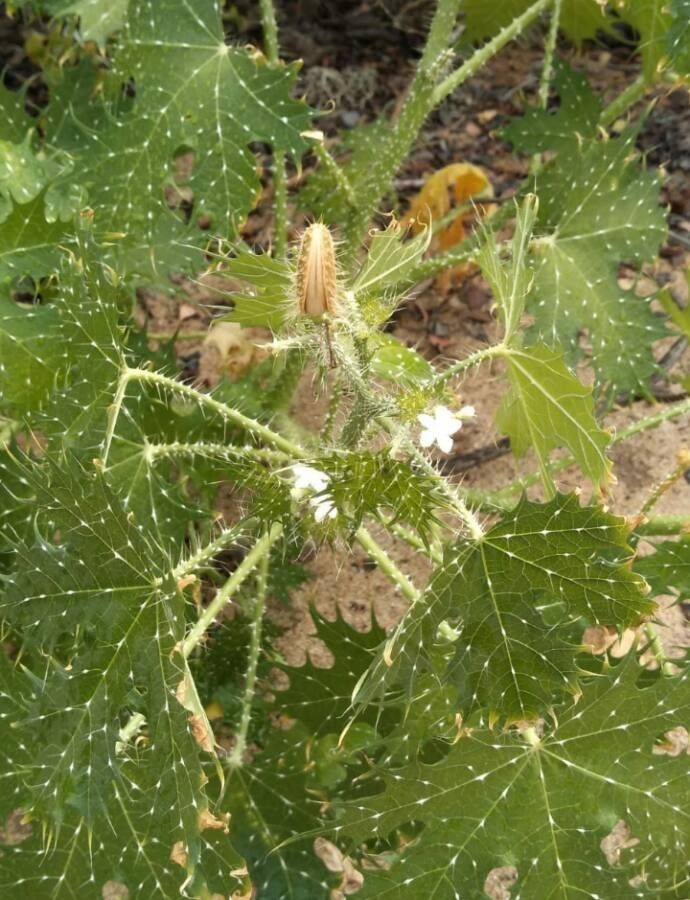
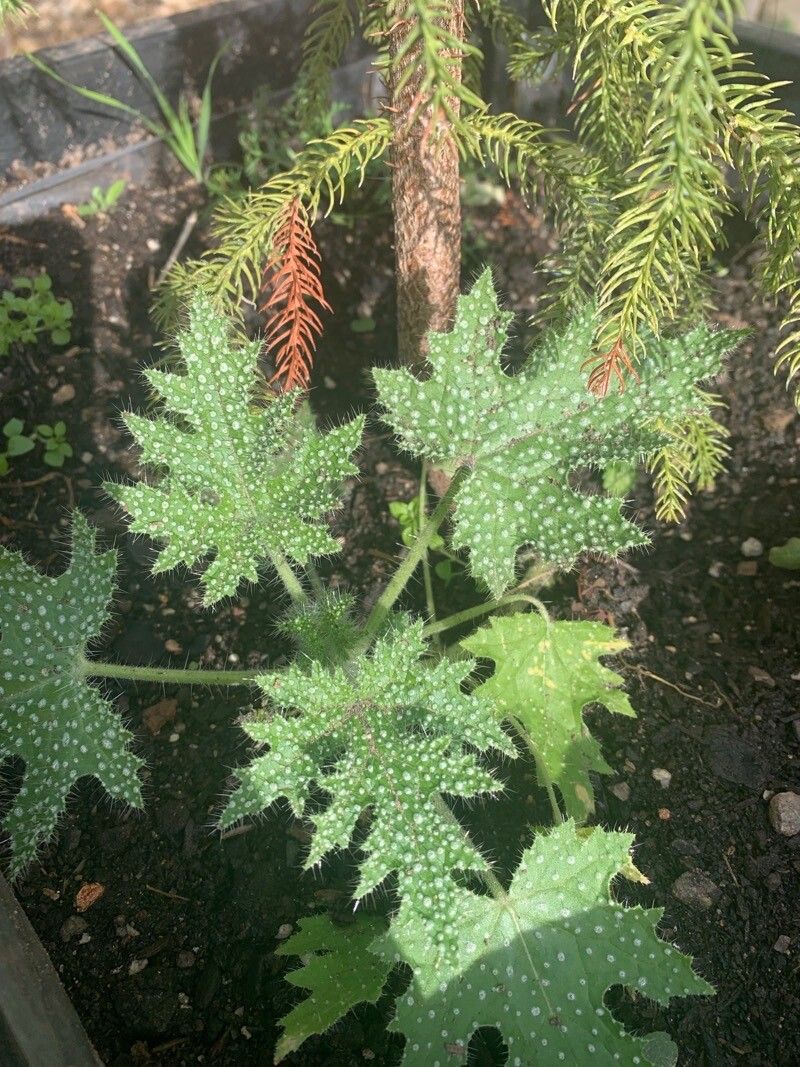
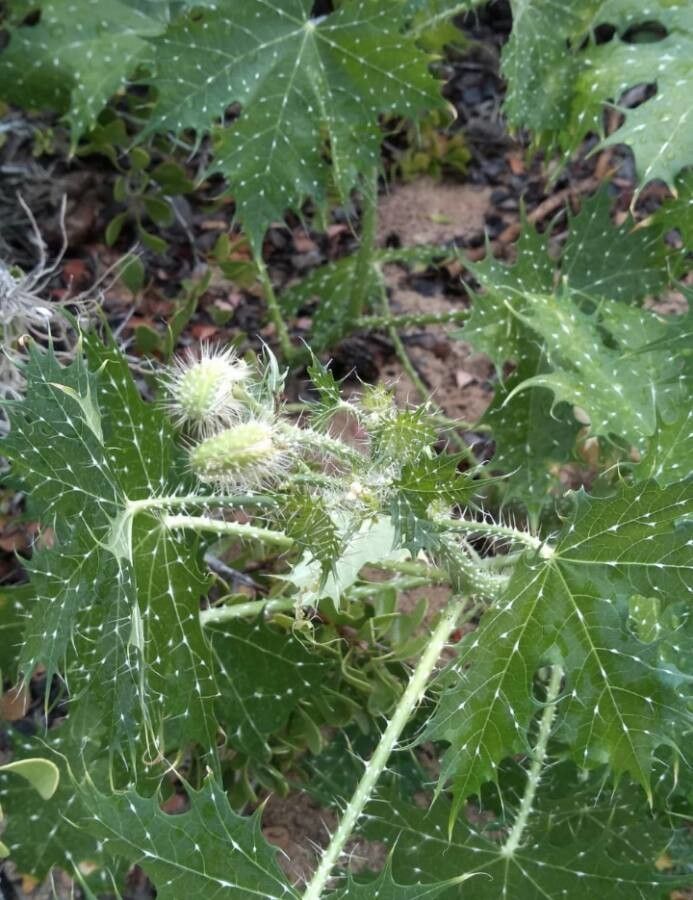
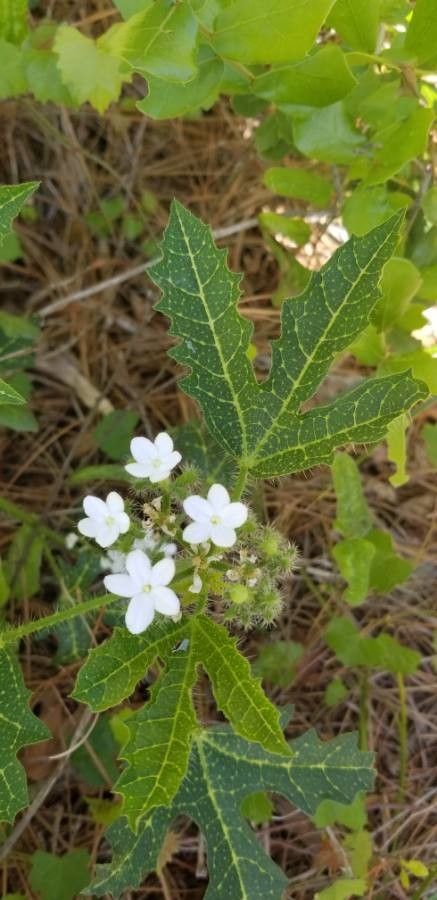
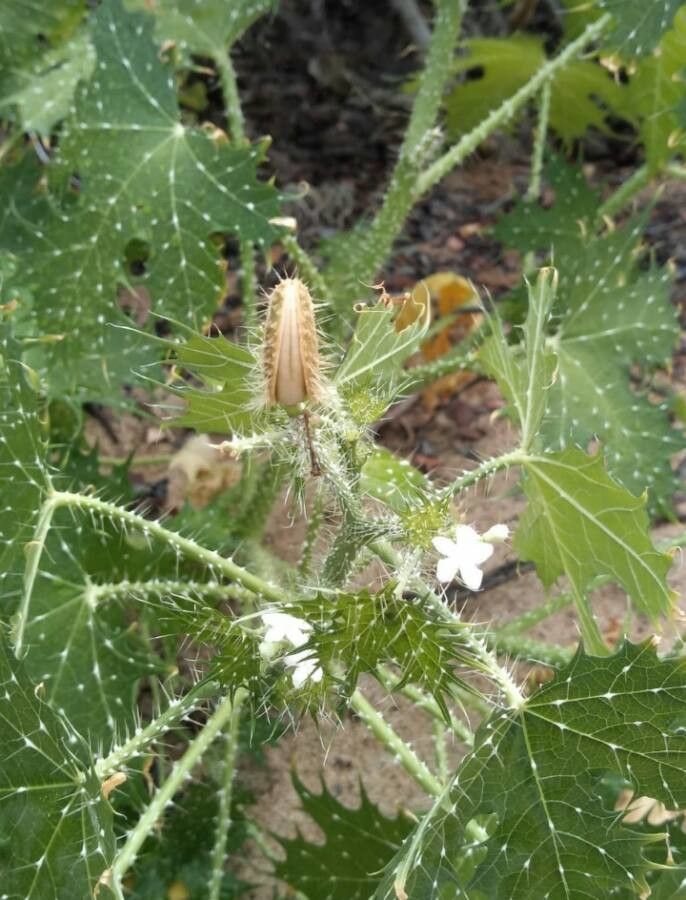
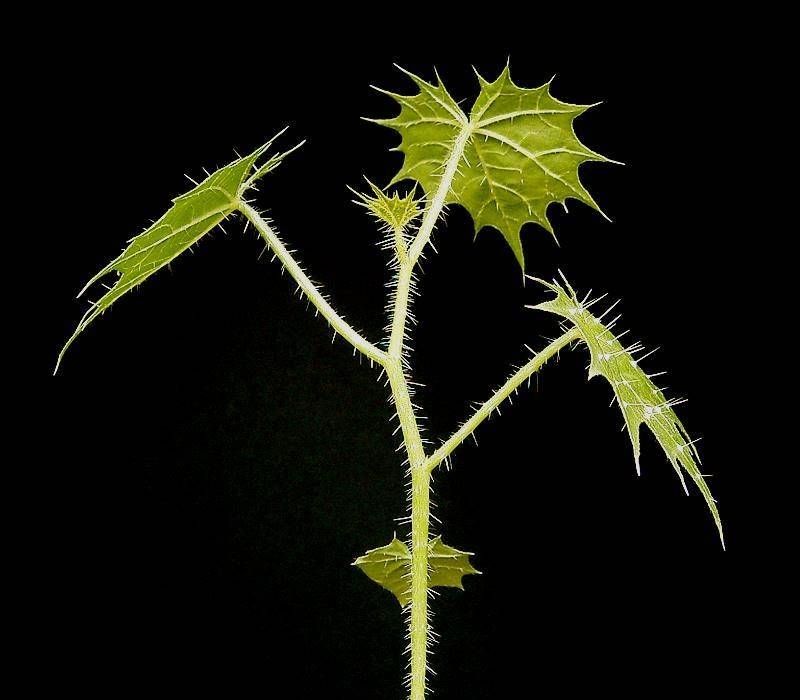
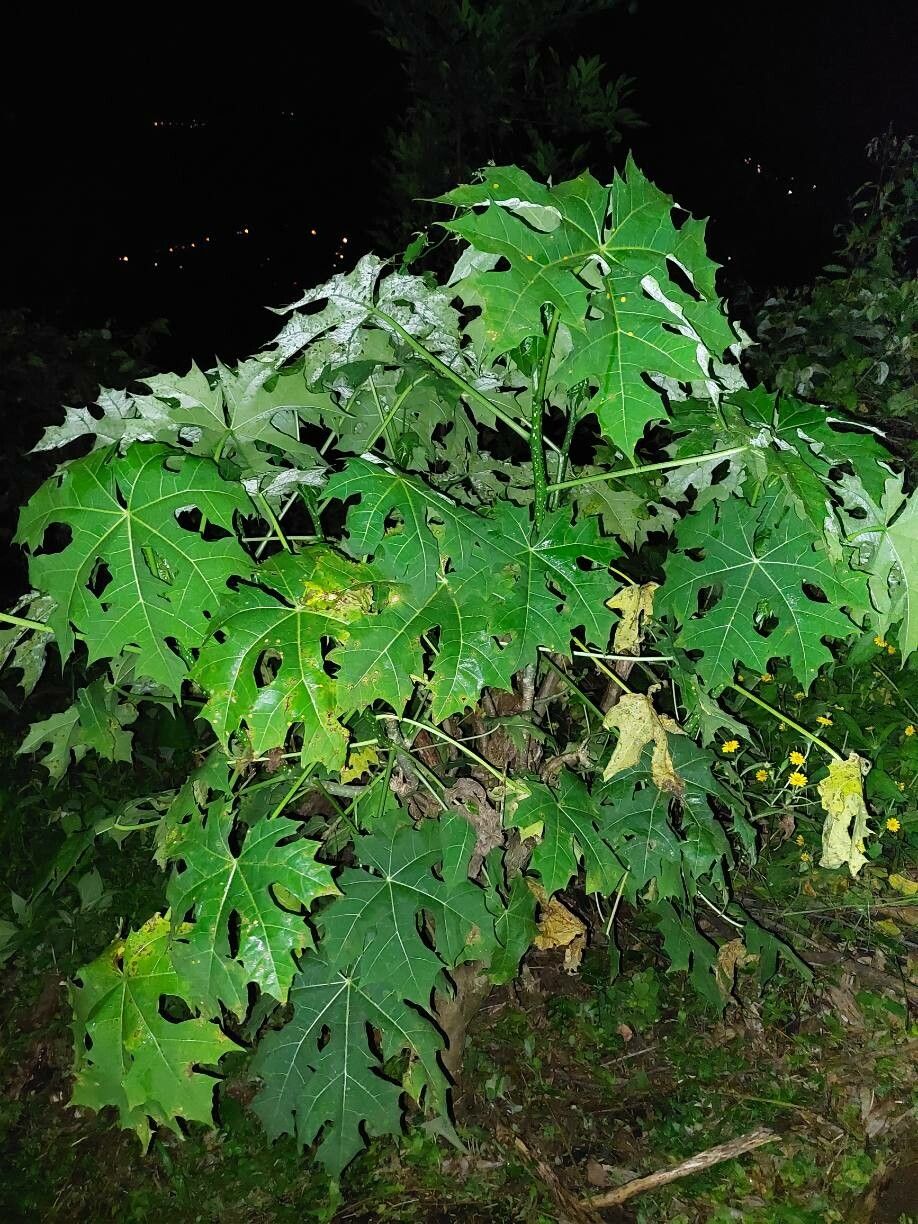
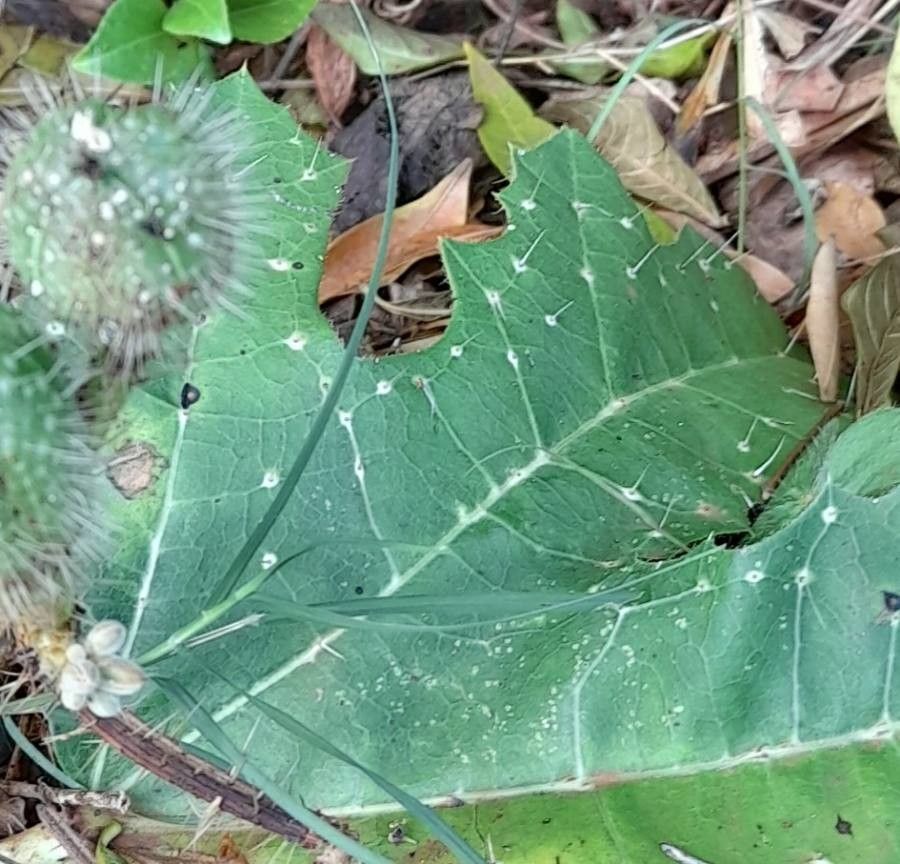
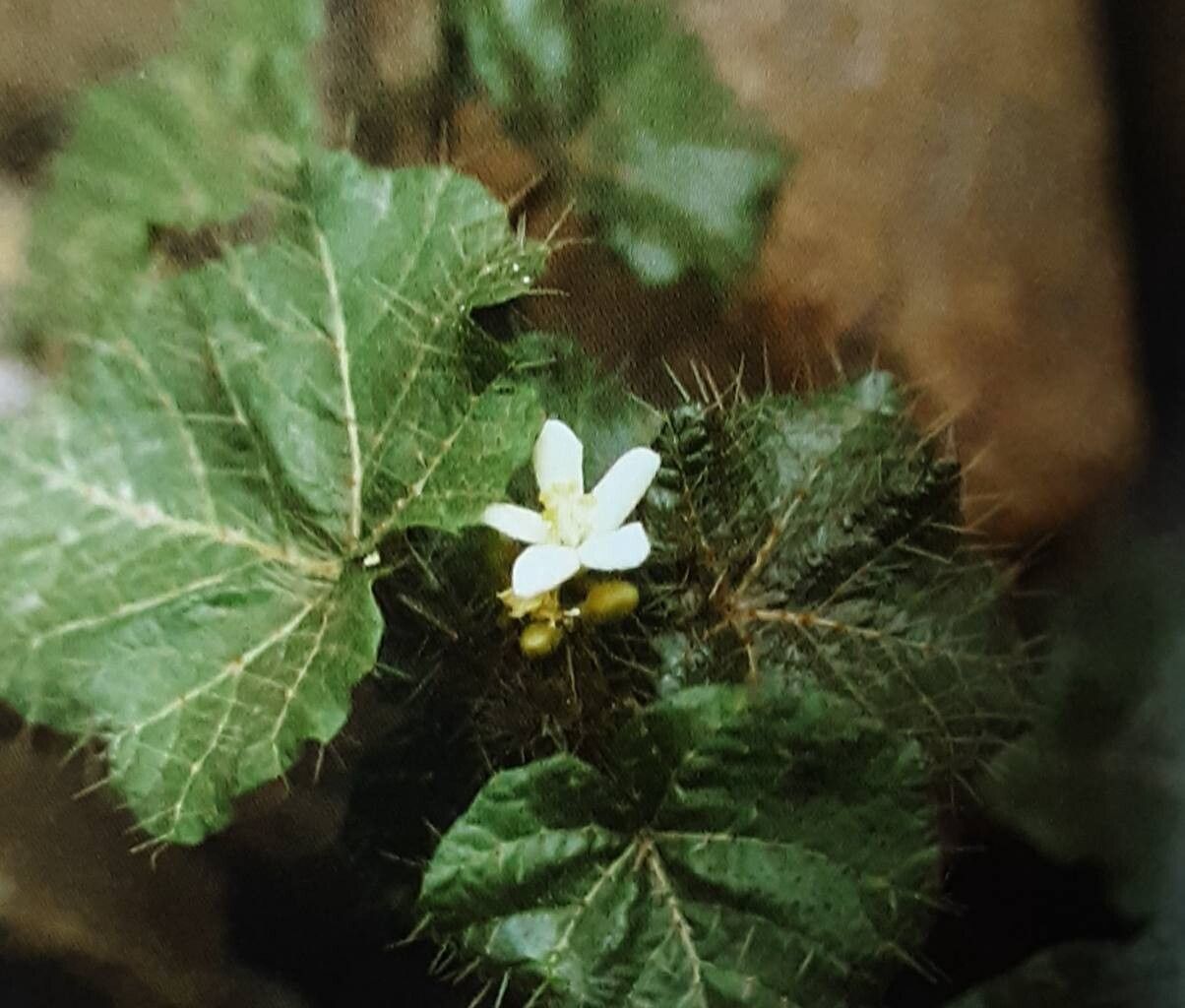
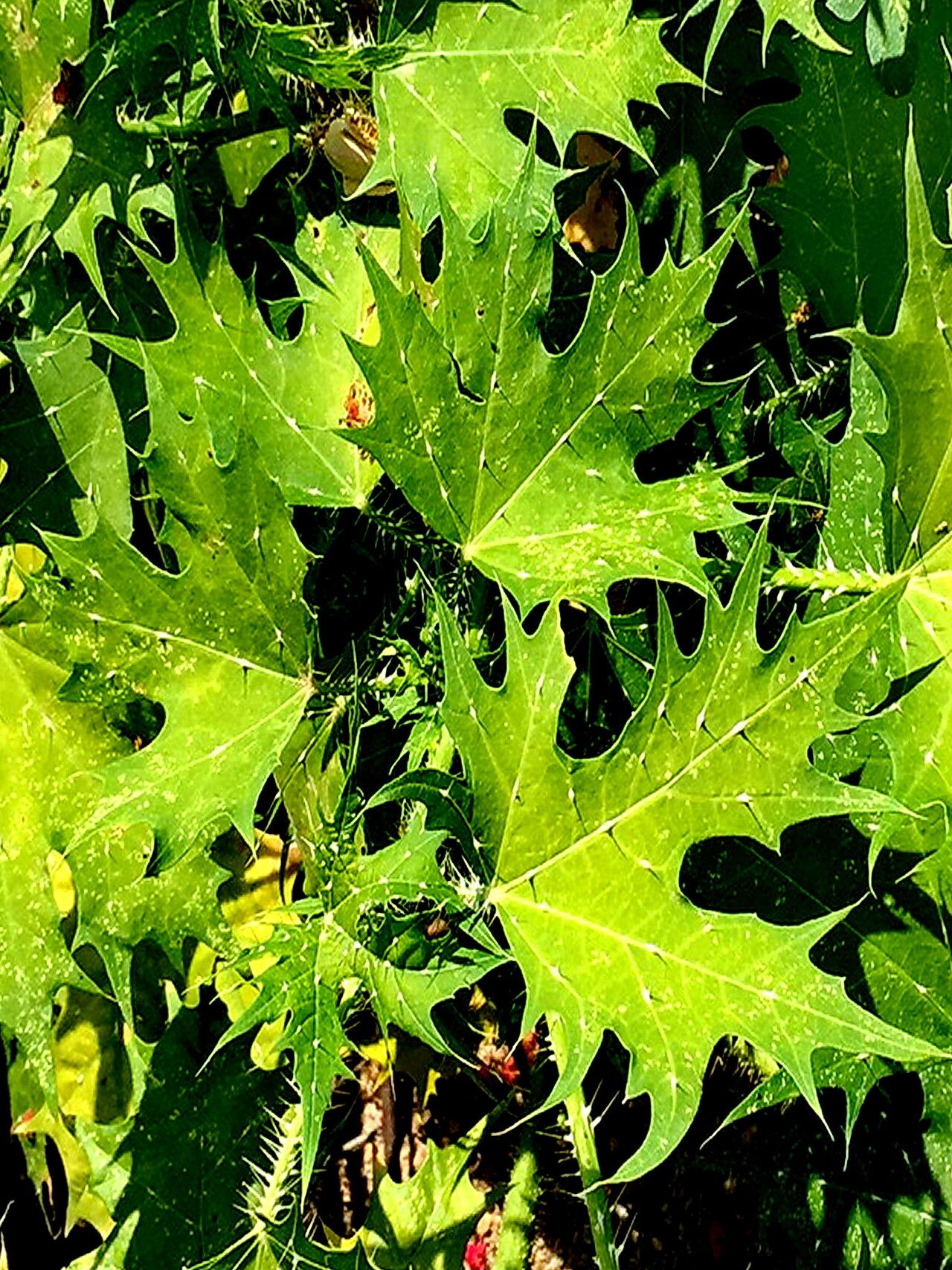
Cnidoscolus angustidens, commonly known as the toothed spurge or narrow-leaved bullnettle, is a species of flowering plant in the spurge family. Native to Mexico and Central America, it has also been introduced to other parts of the world for ornamental purposes. The toothed spurge can grow up to 1 meter tall and features narrow, serrated green leaves. Its small, yellow-green flowers bloom from late spring through summer. The plant produces small fruits containing seeds, which can be used for propagation.
This plant is renowned for its medicinal properties. Traditionally, indigenous people have used it to treat various ailments, including skin infections, inflammation, fever, and pain. It contains compounds such as flavonoids, which offer antioxidant properties that help protect against cellular damage caused by free radicals.
Cnidoscolus angustidens prefers well-drained soils with full sun exposure but can also tolerate partial shade. Although drought-tolerant once established, it requires regular watering during its initial growth period.
In some areas, the toothed spurge may be considered a weed due to its rapid spread through seed dispersal or root sprouts if not properly managed. However, it also plays an important ecological role by providing food sources for pollinators such as bees and butterflies.
Overall, Cnidoscolus angustidens is a versatile species. Its attractive foliage lends ornamental value, its traditional uses highlight its medicinal value, and its support for pollinators underscores its ecological significance. This makes it an intriguing addition to any garden or landscape design project.
How to keep Cnidoscolus Angustidens.
Water
The Mala Mujer plant, native to dry regions, thrives in arid environments due to its high drought tolerance and ability to manage with minimal moisture. For optimal growth, water it once a week to mimic its natural habitat. Its efficient root system is well-adapted to absorbing scarce rainfall, making the Mala Mujer an excellent choice for xeriscaping.
Pruning
The spiny, drought-resistant mala mujer plant benefits from pruning in early spring. This process removes dead branches, improves air circulation, and reduces pests. Use care when shaping the plant to avoid over-pruning, which could hinder growth and flowering. Be sure to wear gloves while pruning, as the sap can be irritating. Regular pruning enhances the plant's health and appearance and encourages vigorous new growth.
Botanical profile.
- Plant Type
- Herb
- Genus
- Cnidoscolus
- Family
- Euphorbiaceae
Other names.
Reader questions.
What is the botanical name of 'Mala mujer'?
The botanical name of 'Mala mujer' is Cnidoscolus angustidens.