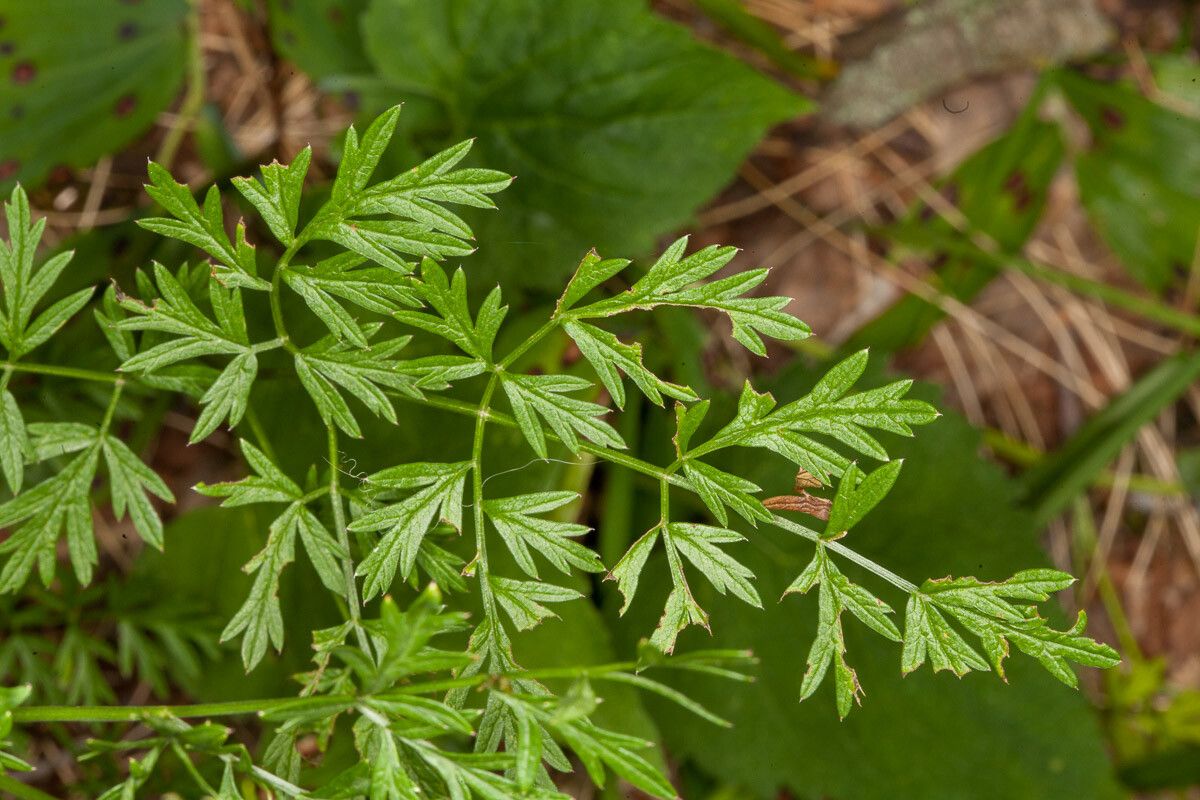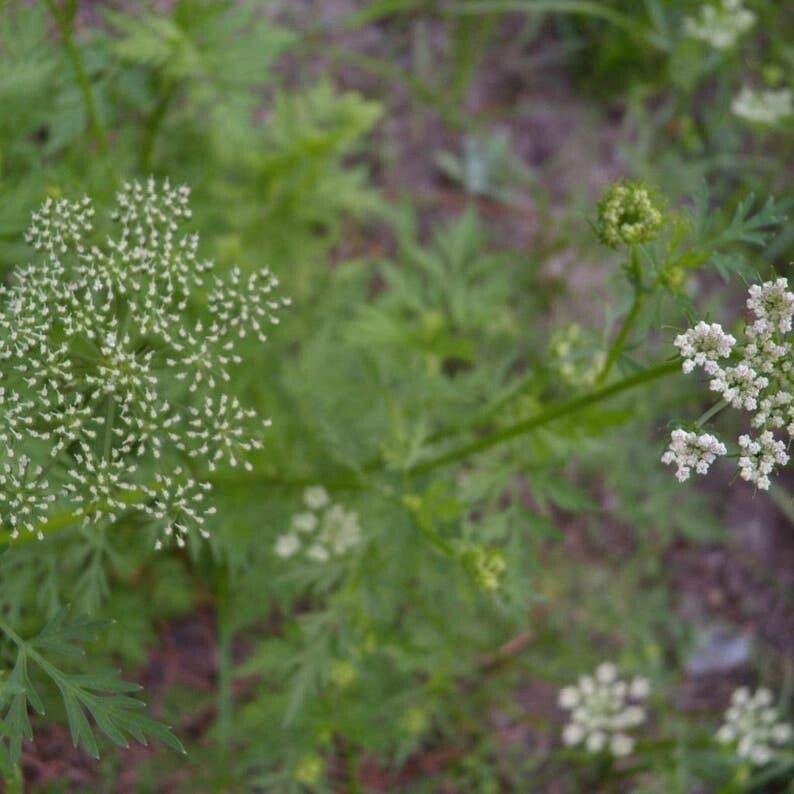
Cnidium monnieri (L.) Cusson ex Juss., Monnier's snowparsley, is a flowering plant species in the genus Cnidium. Also known as Shechuangzi, Osthole, Jashoshi, Cnidii Fructus . It may be confused with Bacopa monnieri, Ligusticum officinale, both similar but different plants. The coumarins osthol, imperatorin and xanthotoxol can be found in C. monnieri.
Monnier's snowparsley is fairly disease-resistant and generally not prone to illness. However, it can be vulnerable to pests and diseases present in its environment. These problems are typically mild. For care, the plant requires moderate maintenance. It should be pruned regularly to maintain an attractive appearance and support healthy growth. Fertilizing can also help encourage flowering. Monnier's snowparsley is well-suited for someone with outdoor space, such as a garden or patio, and does not demand extensive gardening experience. It may need more attention when grown indoors.
How to keep Cnidium Monnieri.
Light
Monnier's snowparsley is derived from well-lit, open habitats where it flourishes in direct sunlight. While it can endure some shade, it favors full sunshine for ultimate development. This plant, which completes its life cycle in either one or two years, is recognized for its affinity for sunlight.
Water
Monnier's Snowparsley originates from regions with moderate moisture levels, where it thrives in consistently moist soil without being waterlogged. To ensure its health, it's important to water it weekly, supplemented by natural rainfall during the growing season. By maintaining this balance, the plant exhibits strong growth and shows a moderate tolerance to drought.
Temperature
Monnier's snowparsley originates from habitats with moderately hot weather, ideally in the range of 68 to 95°F (20 to 35℃). These temperatures significantly promote the growth of the plant, thus, their careful regulation and alteration across various seasons are crucial for ensuring its development.
Fertilizer
When the majority of the Monnier's snowparsley flowers are fully unveiled, it signals the commencement of another fertilization cycle. Initiate fertilizing on a three to four-week basis when the flowers are at their most productive stage, provided the weather is favorable. However, once the plant begins to produce a reduced number of new flowers, halt fertilization; there is no necessity for additional nutrients if the plant is no longer capable of generating new blossoms.
Pruning
Pruning monnier's snowparsley from early to late spring is essential for maintaining its shape and promoting healthy growth. Effective strategies include removing dead stems and thinning dense areas to improve air circulation. These practices enhance the plant's appearance, encourage vigorous flowering, and reduce the risk of disease.
Botanical profile.
- Plant Type
- Herb
- Life Cycle
- Annual, Perennial
- Genus
- Cnidium
- Family
- Apiaceae
- Hardiness Zone
- 6
- Mature Height
- 10 cm to 61 cm
- Mature Spread
- 20 cm to 40 cm
- Leaf Color
- Green
- Leaf Type
- Semi-evergreen
- Flower Color
- White
- Flower Size
- 3.05 cm to 5.08 cm
- Bloom Time
- Summer
- Planting Time
- Spring, Summer, Autumn
- Harvest Time
- Late summer, Early fall, Mid fall
- Native Area
- Russia, India, Vietnam, Mongolia, Koppen, Bangladesh, Laos, South Korea, China
Other names.
Reader questions.
What are the sunlight requirements for Monnier's snowparsley?
Monnier's snowparsley thrives in environments that offer full sun, requiring above 6 hours of sunlight daily for optimal growth. It can also tolerate partial sun, which means about 3-6 hours of sunlight. It's important to watch how sunlight moves through your garden to ensure you find a location that provides a good balance of light and shade, suitable for the happiness of your plants.
What is the ideal climate for Monnier's snowparsley?
Monnier's snowparsley, or Cnidium monnieri, thrives in relatively warm climates, with ideal temperatures ranging between 68 to 95°F (20 to 35°C). These conditions should be carefully maintained and adjusted with the seasons to promote growth. Despite its remarkable cold tolerance, ensuring the soil remains moist before the first freeze in autumn can help the plant survive winter and early spring without additional frost protection measures.
How does artificial lighting benefit indoor plants like Monnier's snowparsley?
Indoor Monnier's snowparsley plants require adequate lighting, especially when natural sunlight is insufficient. Artificial lights offer a vital solution, promoting faster and healthier growth. LED lights, which can be customized to provide specific wavelengths, are a popular choice. Full sun plants need 30-50W/sq ft of artificial light, partial sun plants 20-30W/sq ft, and full shade plants 10-20W/sq ft. The light source should be placed 12-36 inches above the plant to mimic natural sunlight, and most plants will need 8-12 hours of light per day.
How does Monnier's snowparsley react to low temperatures?
Monnier's snowparsley exhibits exceptional cold tolerance, capable of withstanding winter temperatures down to -25°C. However, if the temperature falls below this threshold, you might not notice any immediate changes during the winter. The real issue becomes apparent in spring, when there can be a noticeable decrease in sprouting, or in some cases, no sprouting at all. If this occurs, the recommended course of action is to remove any parts of the plant that failed to sprout in spring.
What are the signs of insufficient light in Monnier's snowparsley?
When Monnier's snowparsley is grown indoors with inadequate light, it may exhibit symptoms such as small leaves, leggy or sparse growth, faster leaf drop, slower or no new growth, lighter-colored new leaves, chlorosis (leaves turning yellow due to lack of chlorophyll), sunscald, leaf curling, wilting, and leaf scorching. These symptoms indicate the plant's struggle to adapt to low light conditions and its attempts to conserve resources.
What should I do if Monnier's snowparsley is exposed to high temperatures?
Monnier's snowparsley isn't tolerant of high temperatures, particularly those exceeding 35°C, at which point its growth may halt and become more susceptible to rot. If the plant experiences sunburn or drying, it's advisable to trim away these damaged sections. Relocating the plant to a shadier spot or employing a shade cloth can offer protection from harsh midday and afternoon sun. To keep the soil moist and support the plant, water it during cooler times, such as in the morning and evening.
What solutions can improve the growth of light-deprived Monnier's snowparsley?
For optimal growth, gradually move Monnier's snowparsley plants to sunnier locations to ensure they receive at least 6 hours of direct sunlight daily. A south-facing window can be ideal for indoor plants, and keeping curtains open during daylight hours helps. If moving the plant is not feasible, consider using artificial light sources, like a desk or ceiling lamp for at least 8 hours daily, or invest in professional plant grow lights. Outdoors, ensure the plants are gradually adapted to sunlight to prevent sunburn. When dealing with ground plants, reducing obstructions like pruning tree branches can help, and transplanting during the plant's dormant period to a more sunlit location might be necessary for smaller plants. Parts of the plant already affected by insufficient sunlight may not recover completely, but new growth should be healthy with improved light conditions.