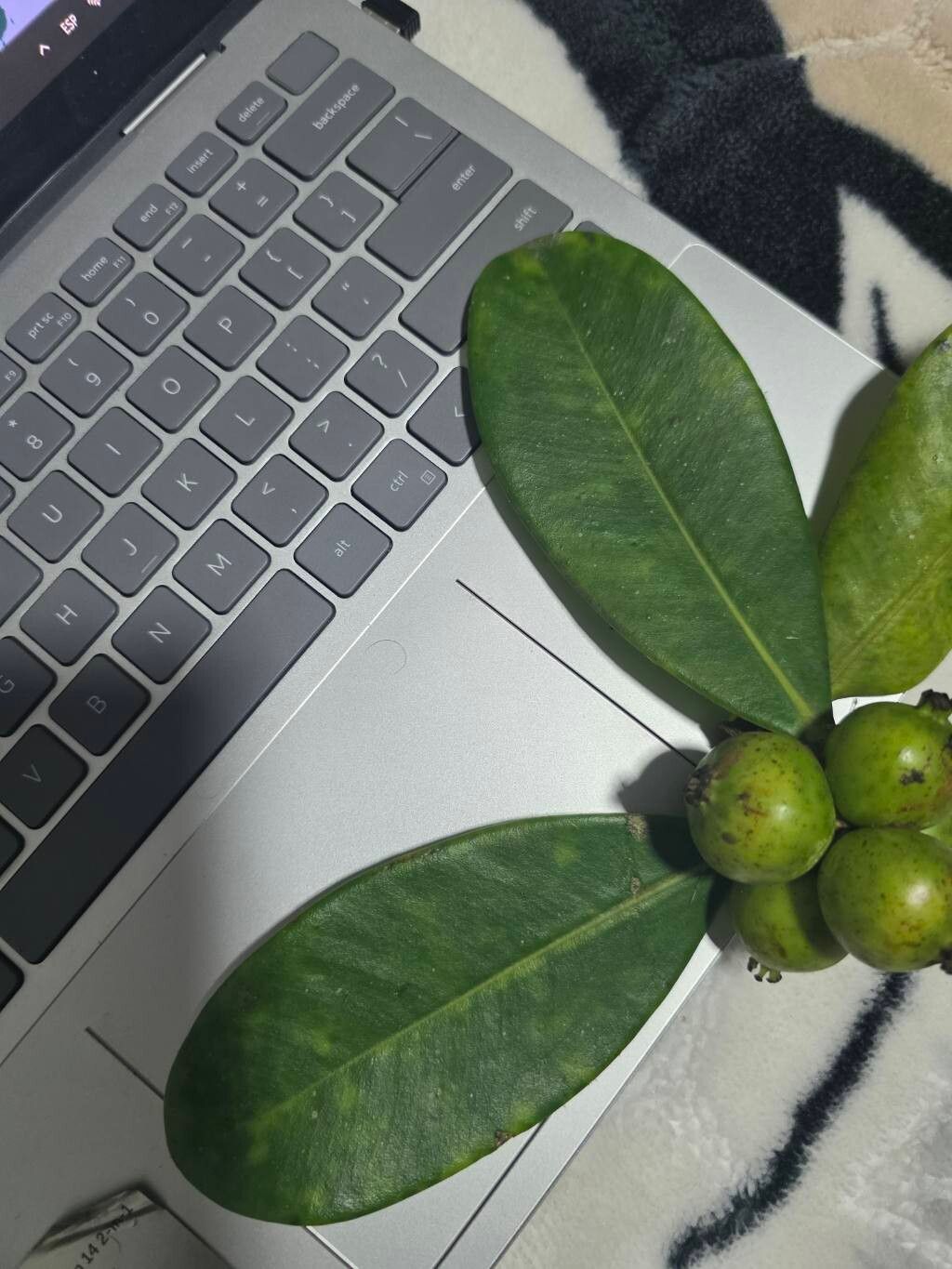
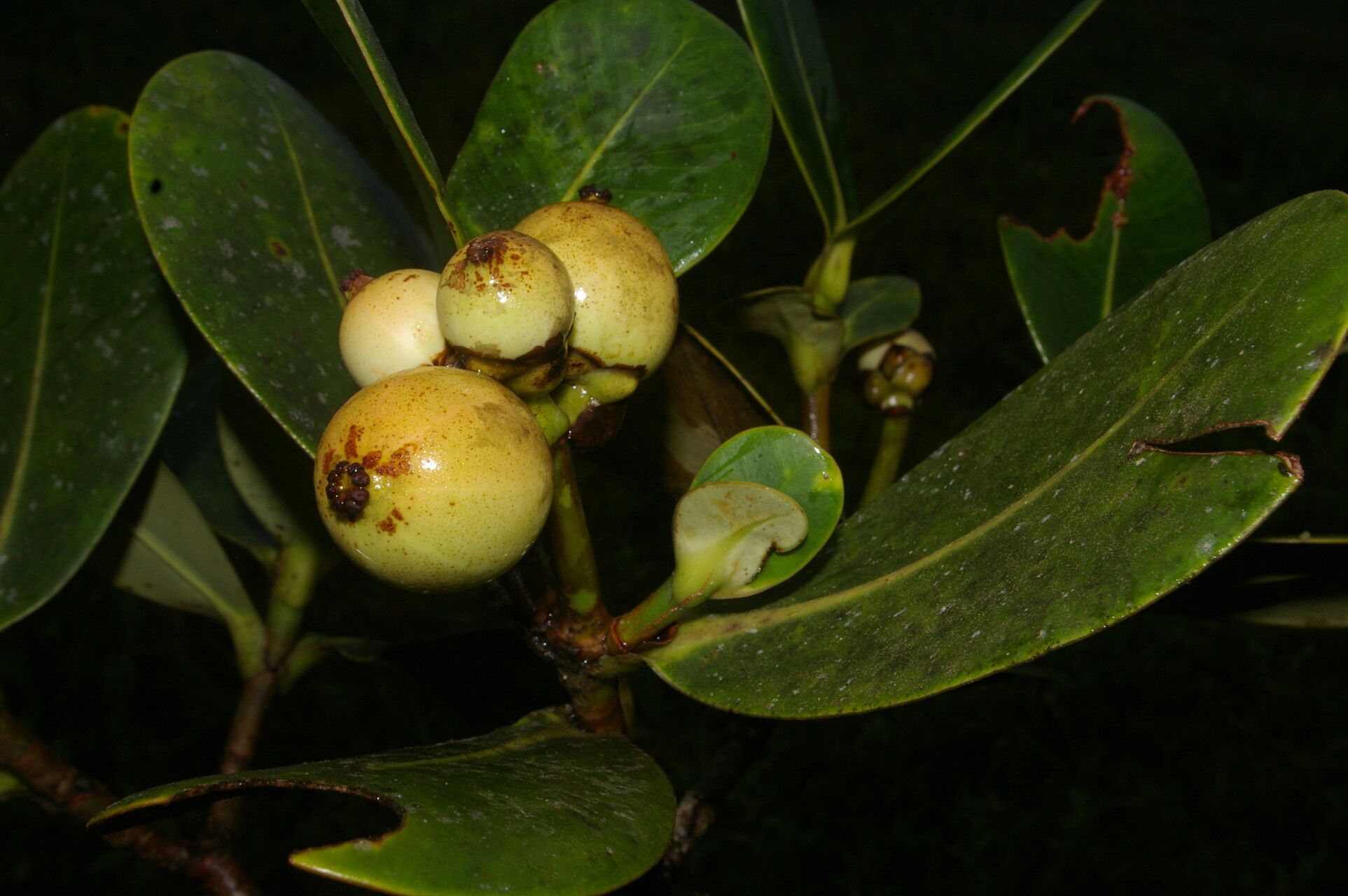
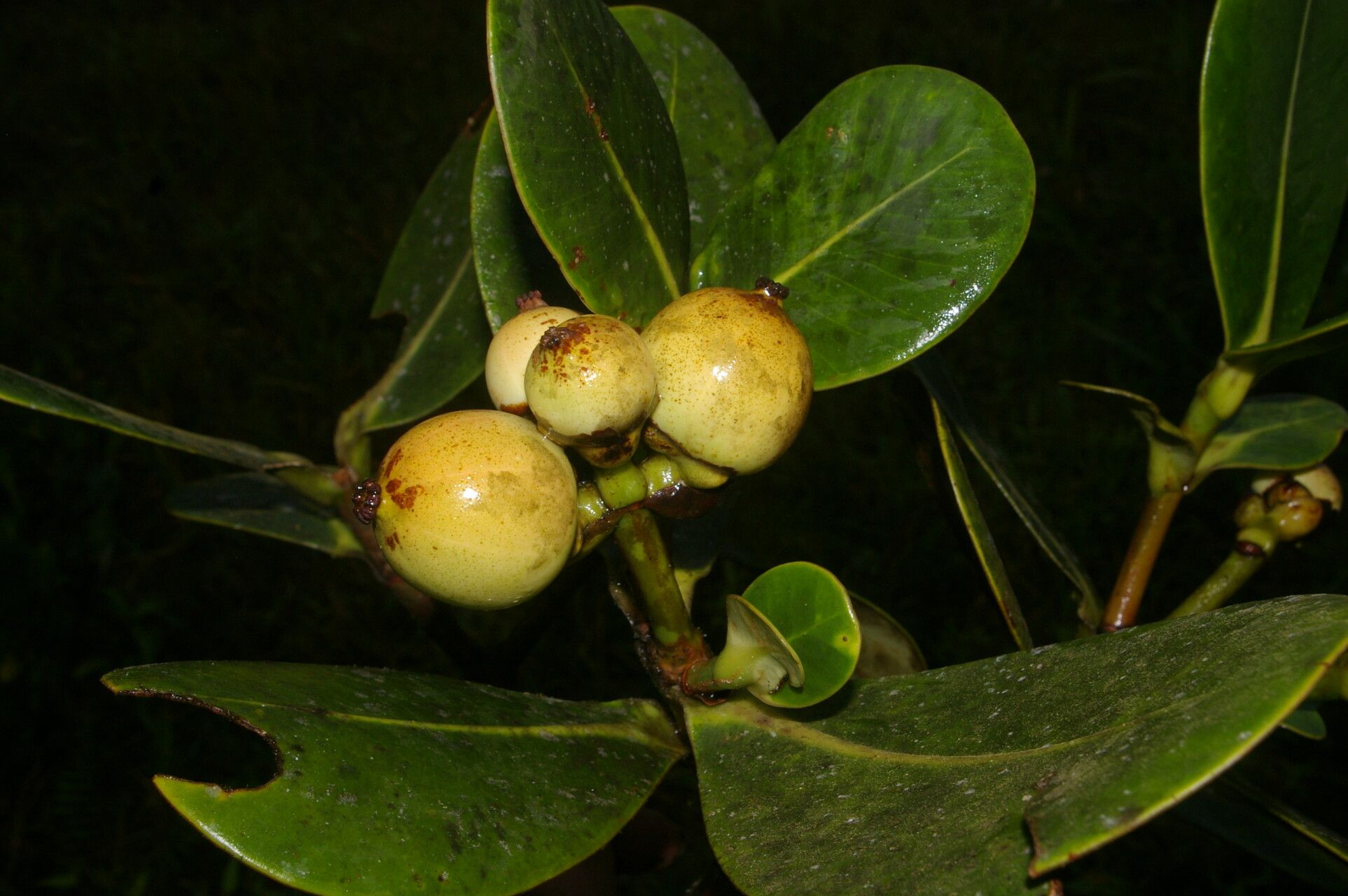
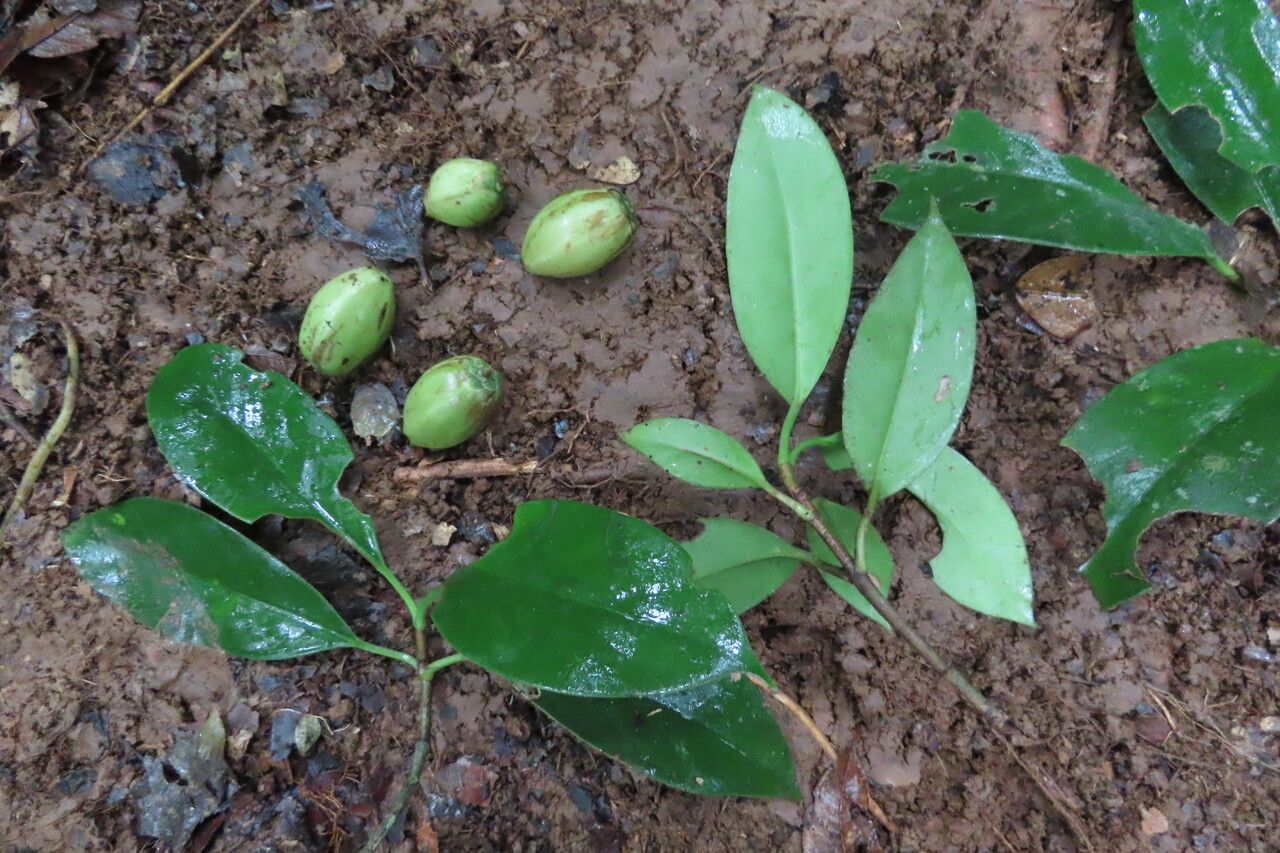
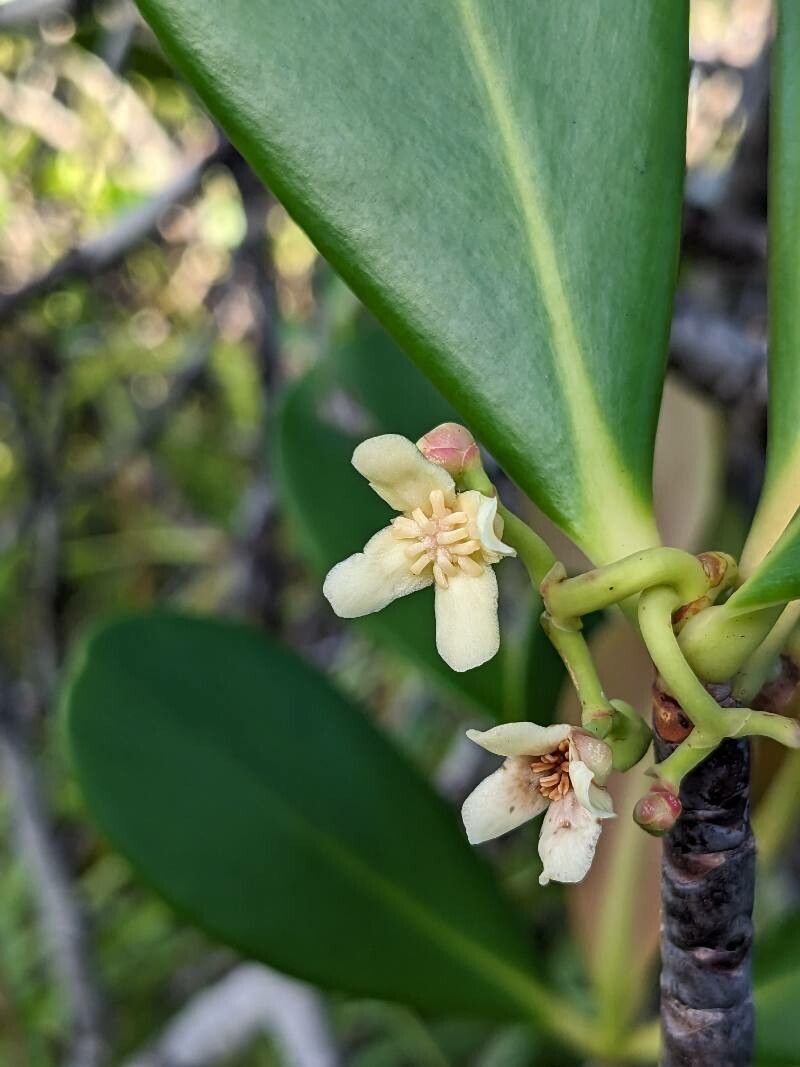
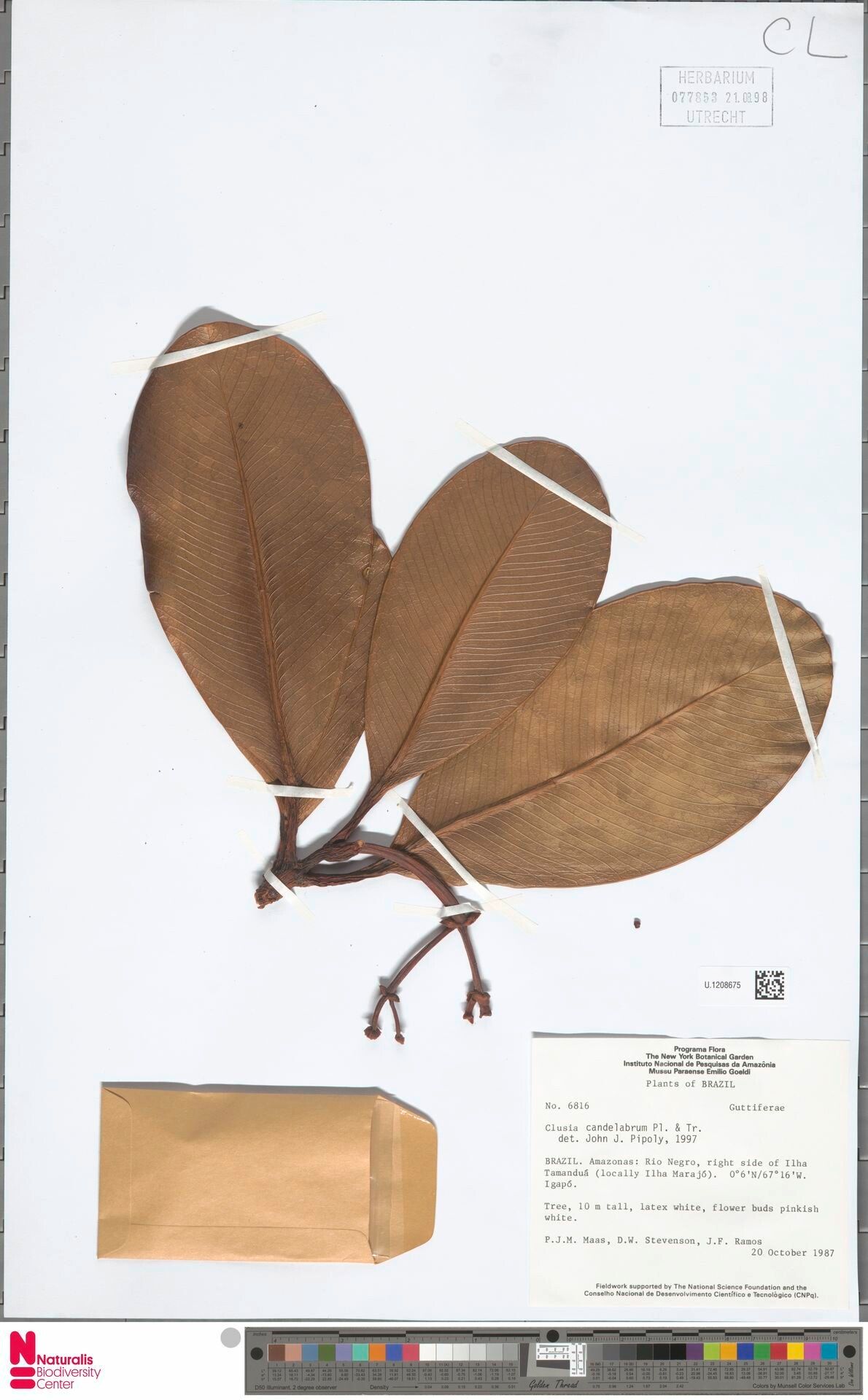
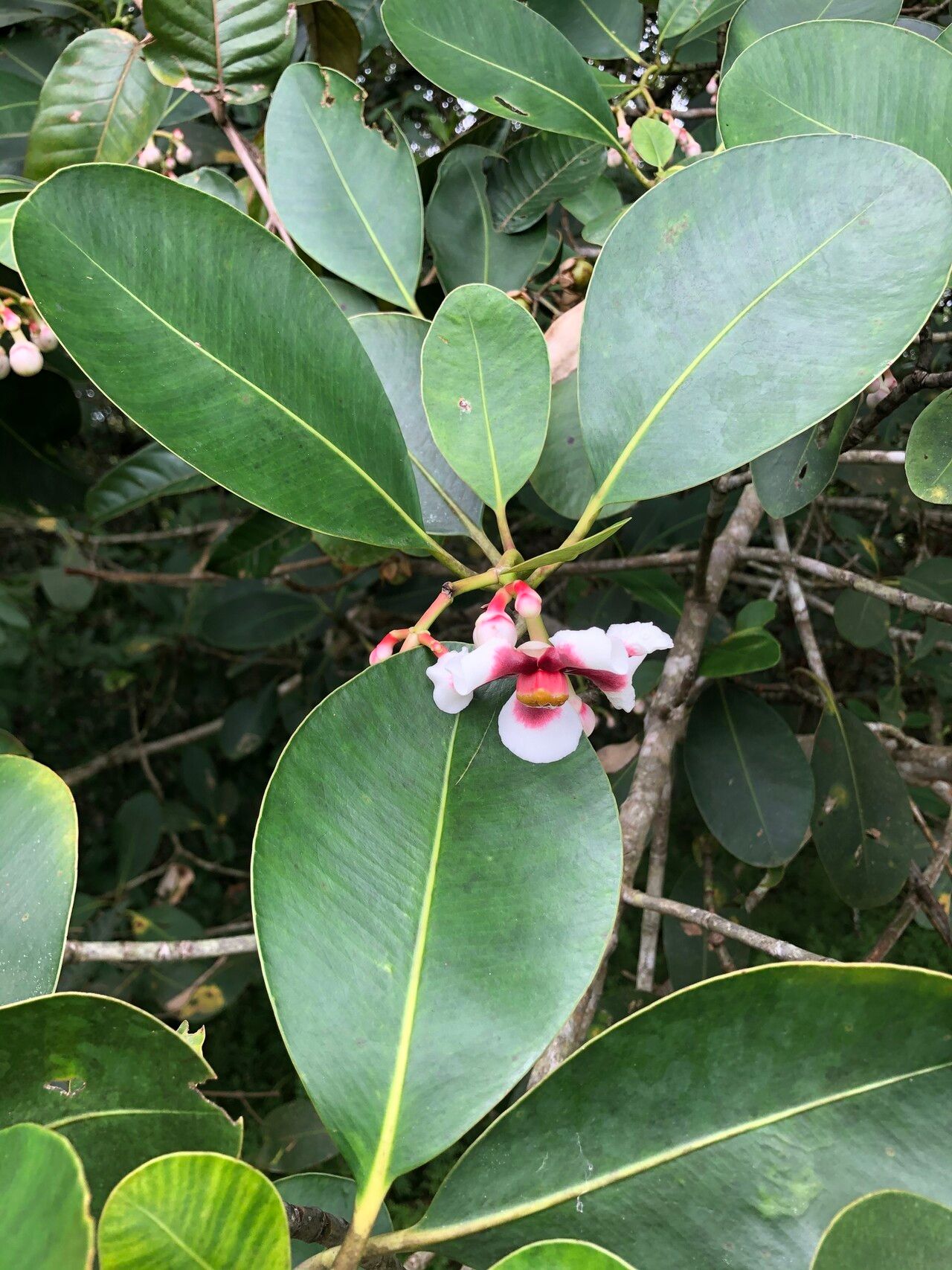
Clusia multiflora shows good resistance to disease and is generally not prone to disease. Regarding care, this plant is fairly low-maintenance. When grown outdoors it needs little watering, and larger plants typically do not require pruning. Smaller plants, however, should be pruned after they finish blooming. Clusia multiflorat is suitable for anyone with an outdoor area, such as a garden or deck, and does not demand much experience in plant care.
How to keep Clusia Multiflora.
Light
The Clusia multiflora plant is indigenous to habitats like forest undergrowth or rocky regions where it typically encounters natural shadow. It favours semi-sunlight conditions but is quite adaptable, capable of thriving in full sun or total shade, showcasing its flexible and robust characteristics.
Temperature
The Clusia multiflora plant hails from tropic areas that are known for their hot and humid climate. Therefore, it has adapted well to elevated temperatures and moisture. Dramatic changes in temperature are not favorable to this species; a consistent temperature setting is preferred so as to prevent indoor temperature variances. It generally does not withstand chilly conditions well and needs warmer temperatures to thrive. A substantial drop in environmental temperature could potentially cause the plant to either stop growing or even perish.
Fertilizer
The optimal period to apply fertilizer to a Clusia multiflora is at the beginning of spring, when it breaks from its dormant state. This action augments its comprehensive growth and the emergence of flowers. The fertilization procedure aids in the improvement of leaves, stems, and branches and encourages the production of big, brilliant, and enduring flowers. It assists in the transportation of nutrients from the roots to the flowers and advances the plant's wellness and capability to resist diseases.
Pruning
Clusia multiflora benefits from regular pruning, which boosts its growth and health. The best time to prune is in early spring, as this encourages better air circulation and disease resistance. Be sure to use sharp, sterilized tools to make clean cuts, which helps the plant heal quickly. For more detailed guidance, consult trusted sources to refine your pruning techniques.
Botanical profile.
- Plant Type
- Tree
- Life Cycle
- Perennial
- Genus
- Clusia
- Family
- Clusiaceae
- Hardiness Zone
- 10-12
- Mature Height
- 4.88 m to 10.06 m
- Mature Spread
- 3.05 m to 4.88 m
- Leaf Color
- Dark Green
- Leaf Type
- Evergreen
- Flower Color
- White, Pink
- Flower Size
- 5.08 cm to 6.35 cm
- Bloom Time
- Summer, Early fall
- Planting Time
- Spring, Summer, Autumn
- Harvest Time
- Late summer, Fall
- Native Area
- Colombia, Honduras, Bolivia, Venezuela, Peru, Ecuador, Costa Rica
Reader questions.
What are the sunlight requirements for Clusia multiflora?
Clusia multiflora thrives in two main types of sunlight conditions. For full sun exposure, it requires above 6 hours of sunlight daily. For partial sun exposure, about 3-6 hours of sunlight daily is ideal. It's important to observe how sunlight moves through your garden to select spots that offer the perfect balance of light and shade, ensuring the plants remain happy and healthy.
What is Clusia multiflora?
Clusia multiflora, also known by its botanical name Clusia multiflora, is a plant species. Information regarding its essentials and symptoms was not provided or is not applicable.
What is the botanical name of Clusia multiflora?
The botanical name of Clusia multiflora is Clusia multiflora.