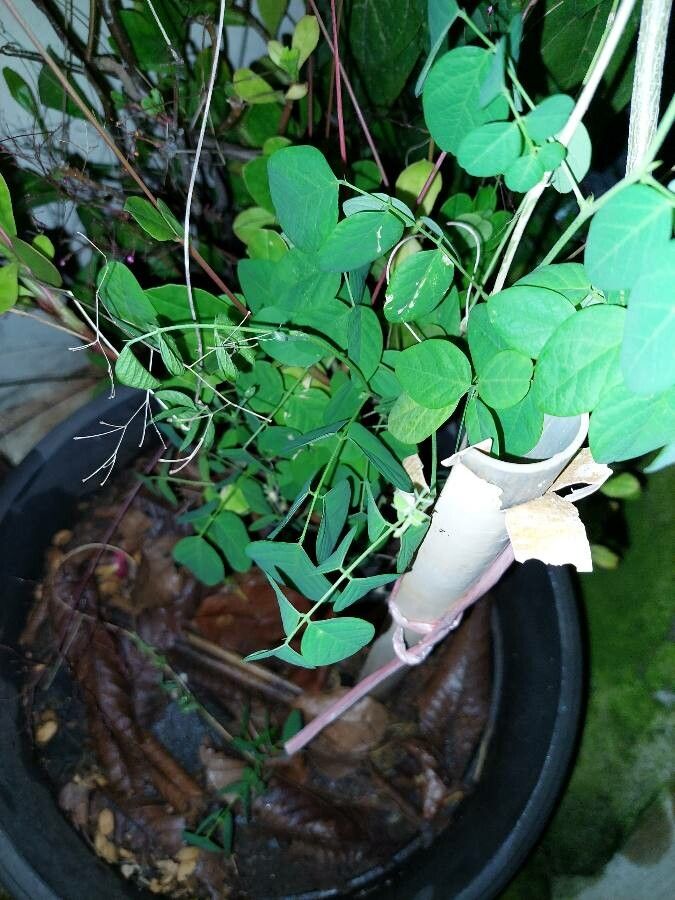
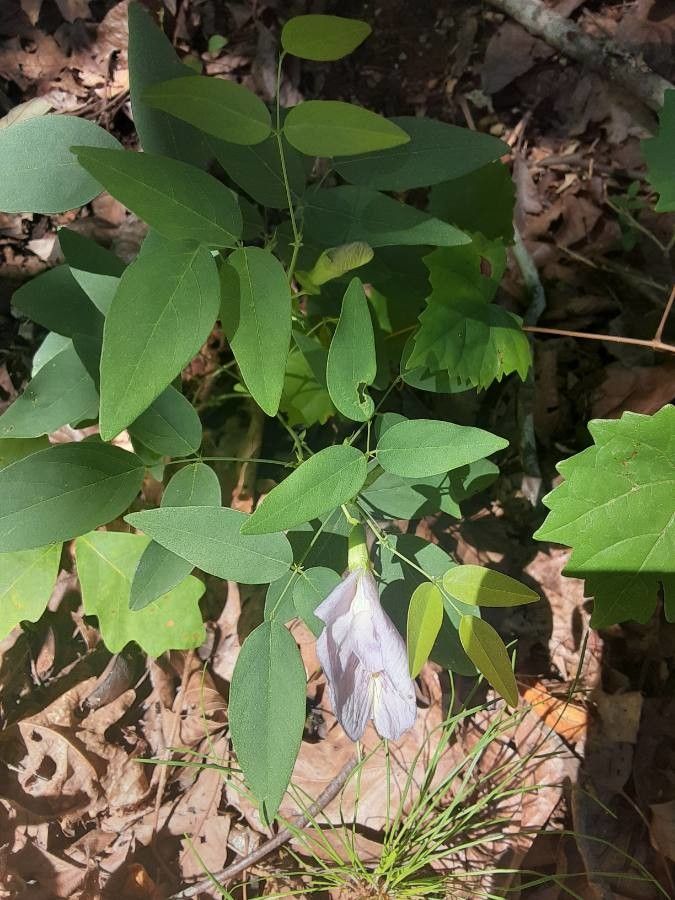
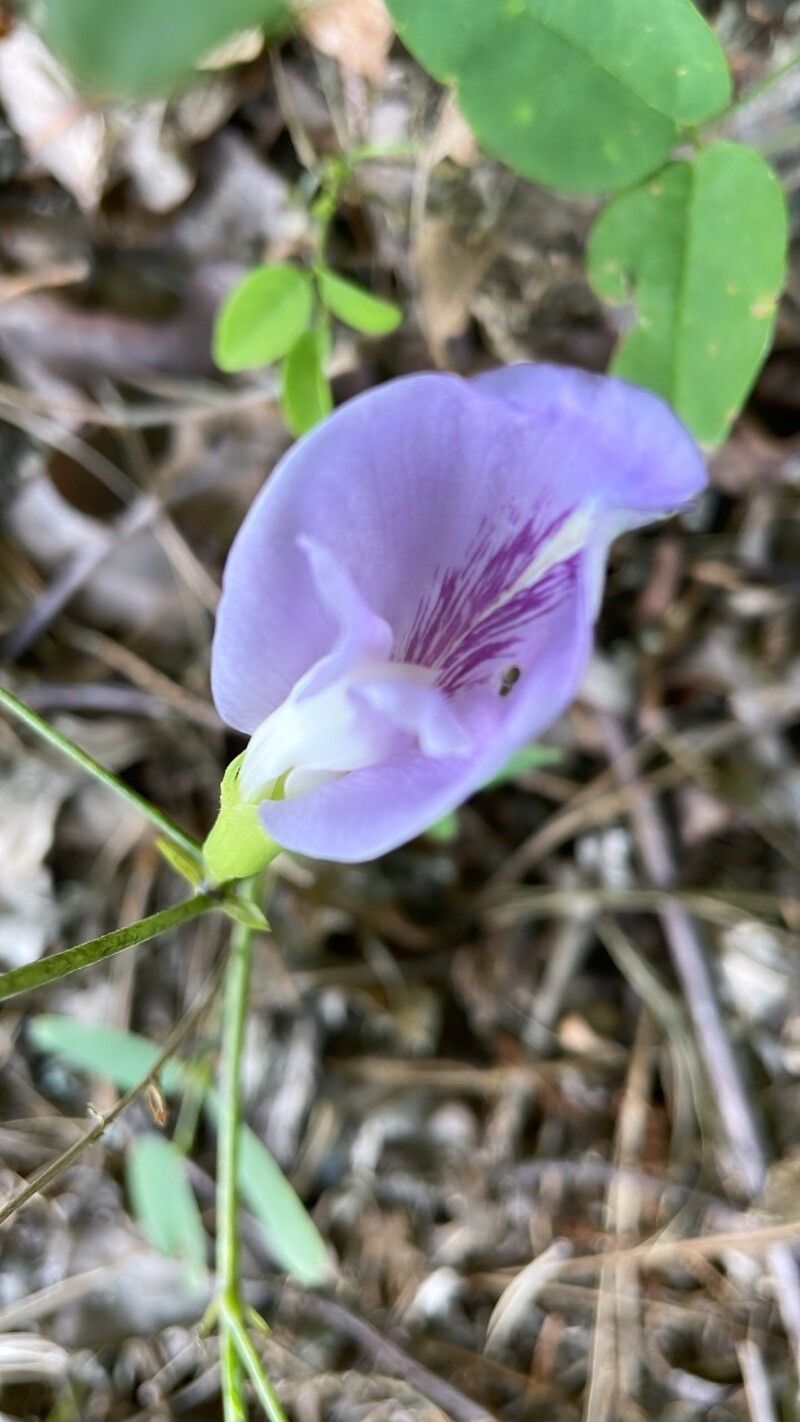
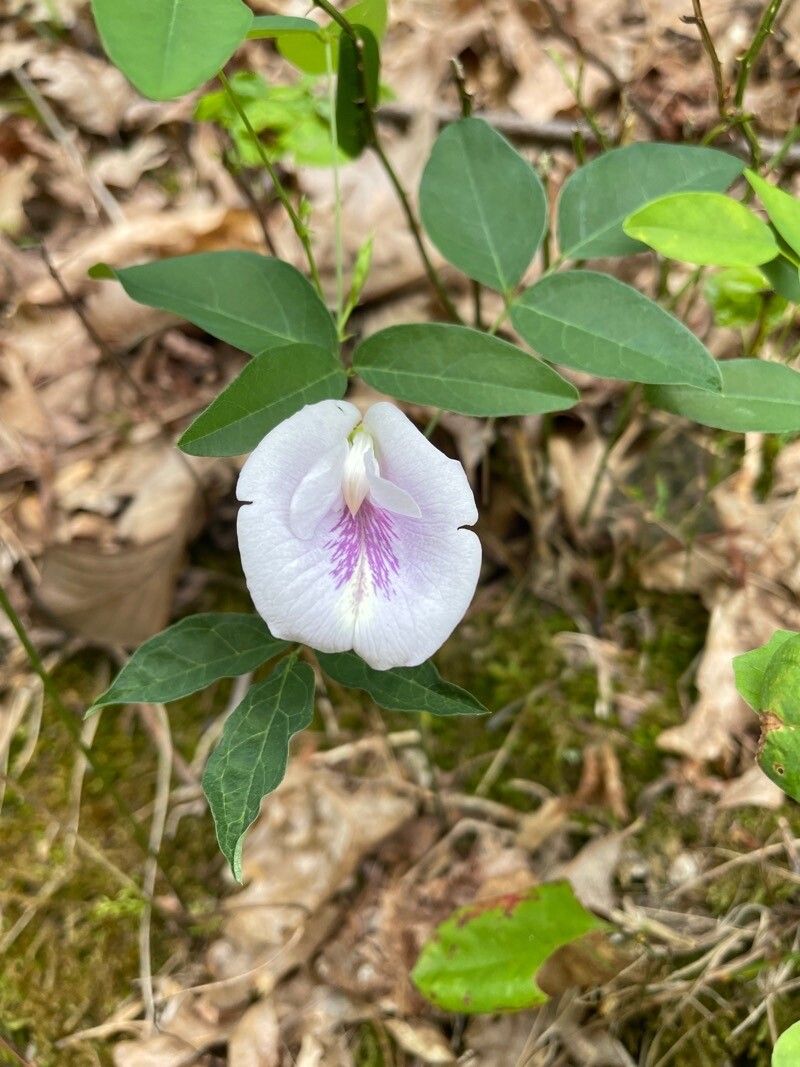
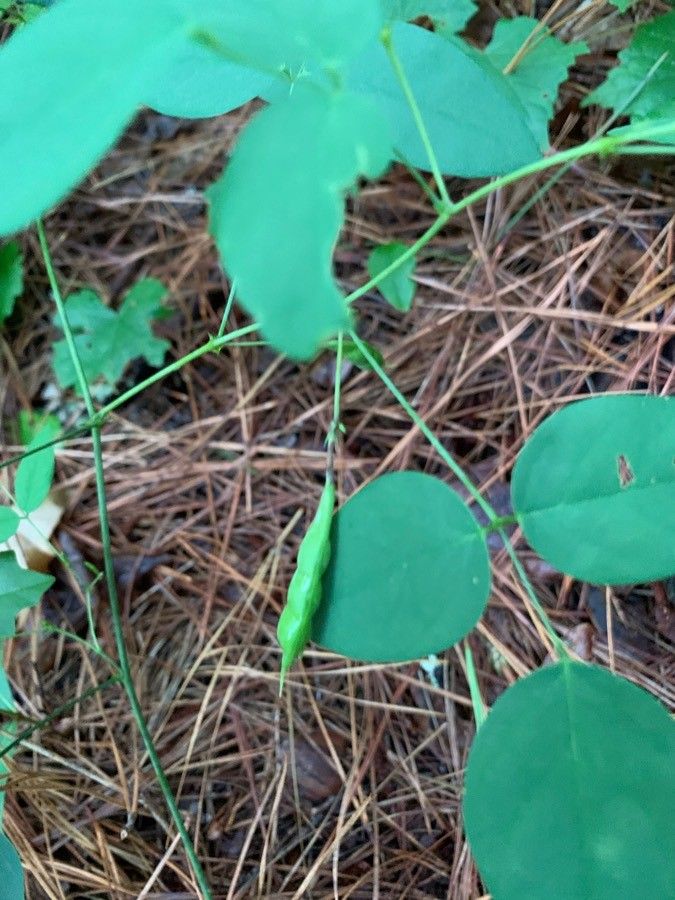
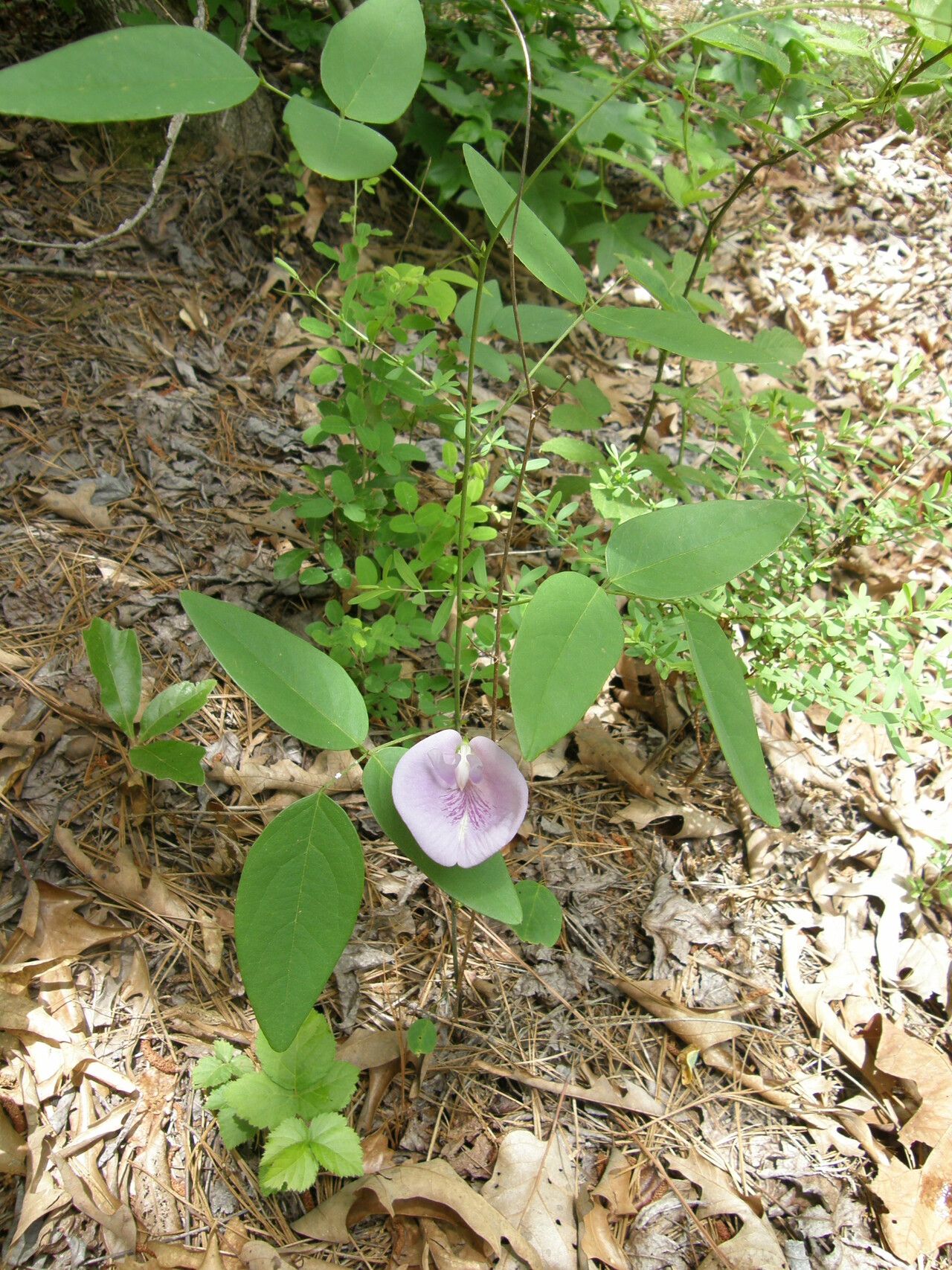
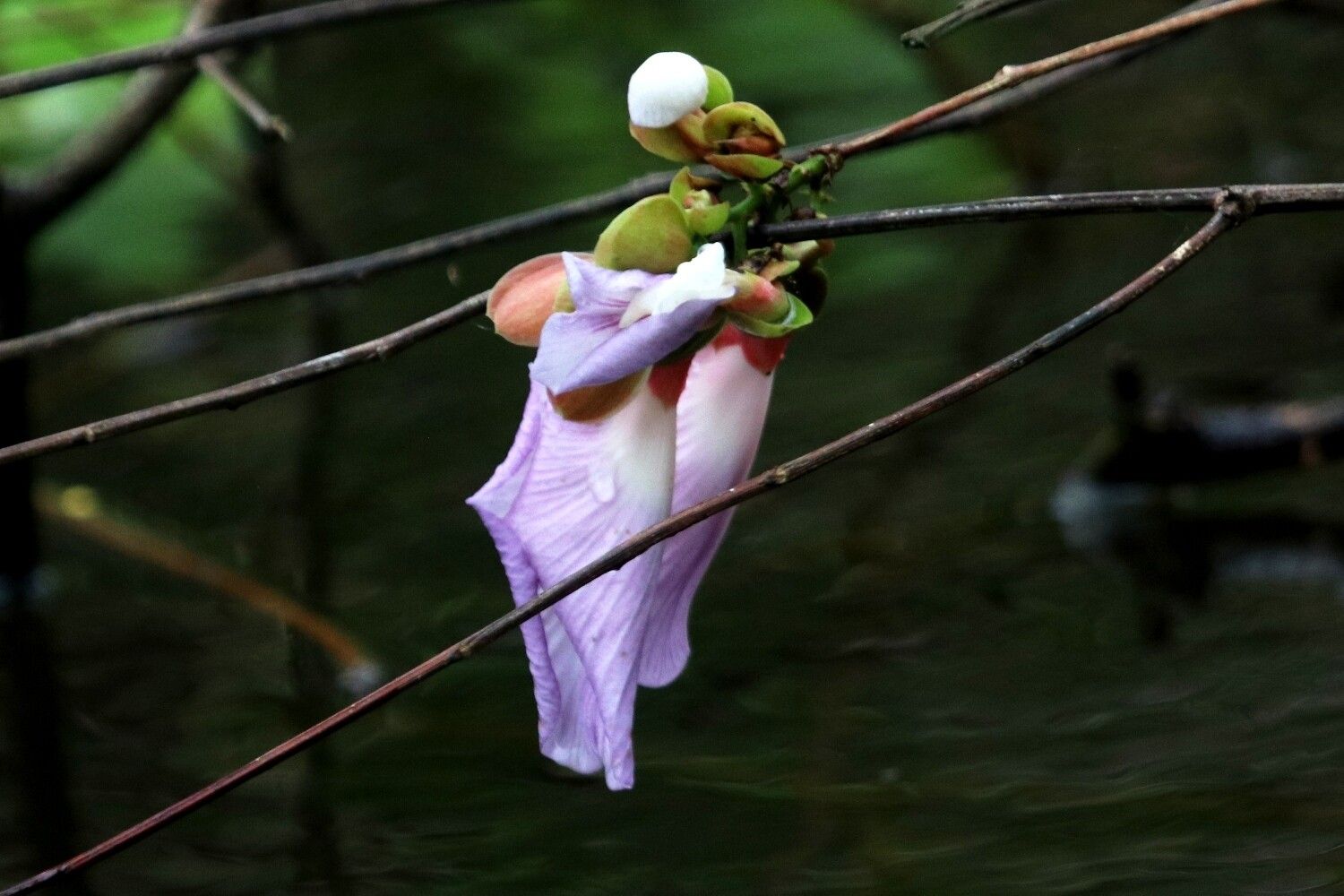
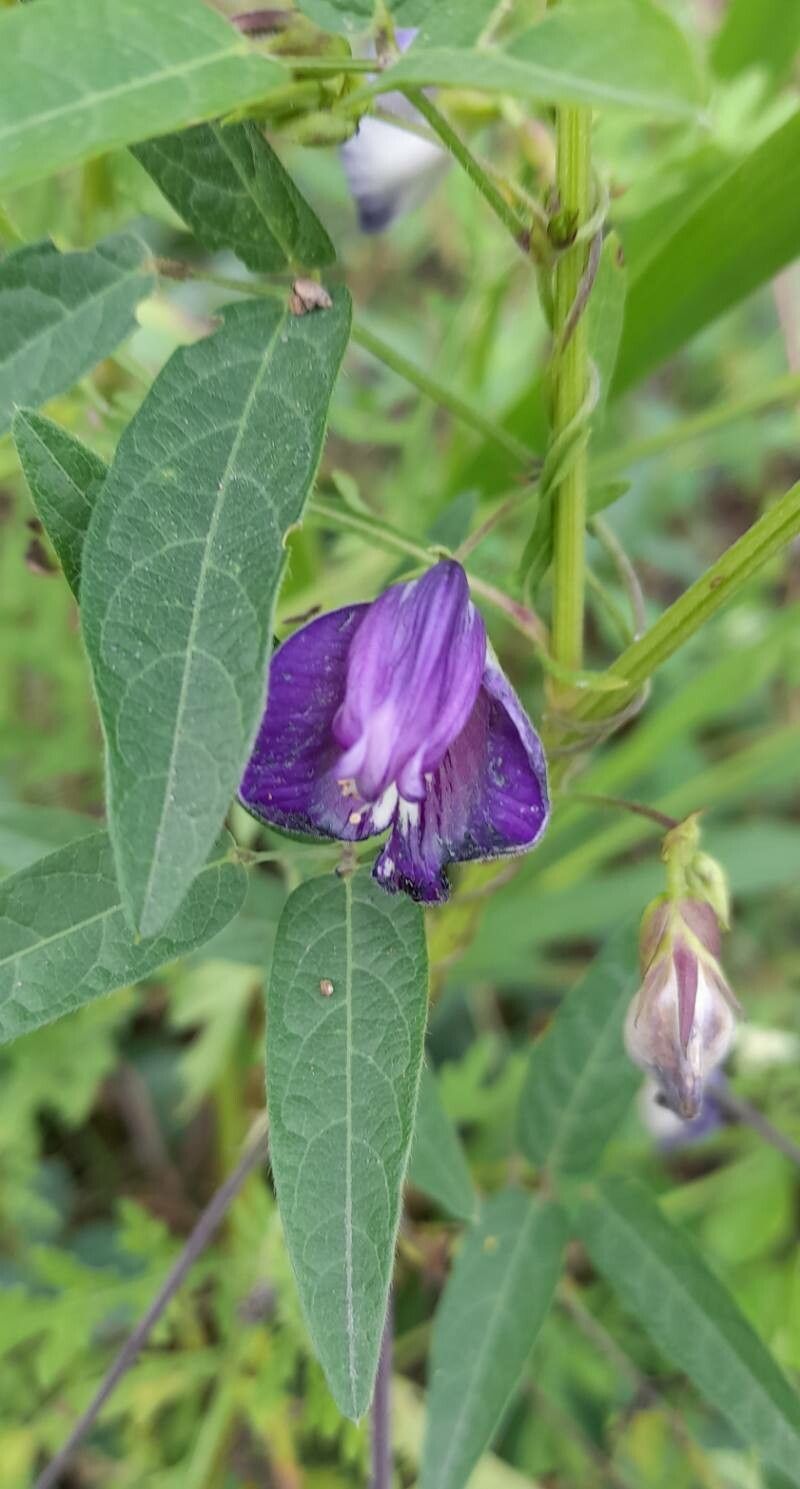
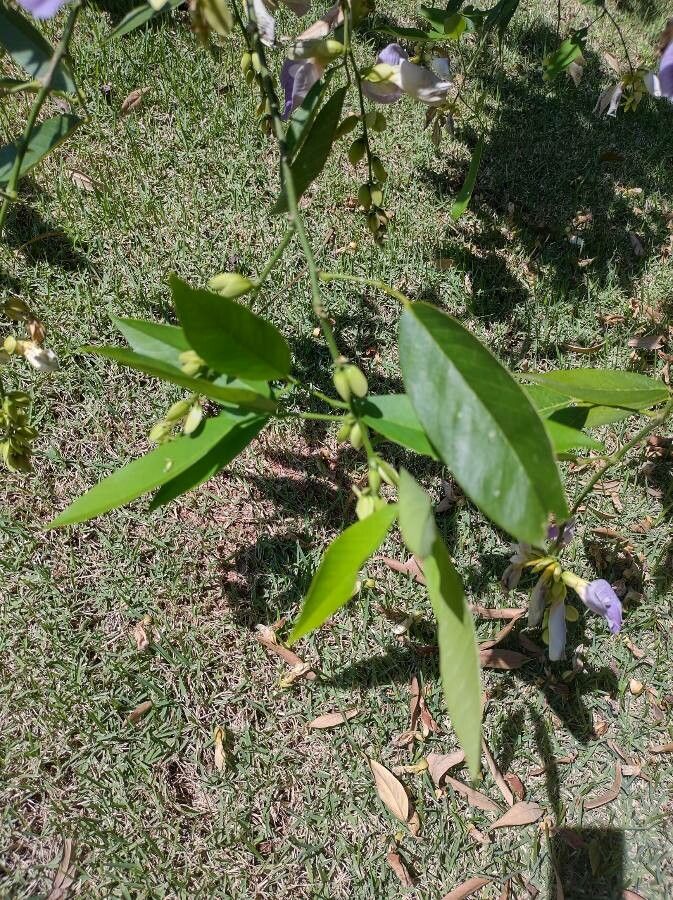
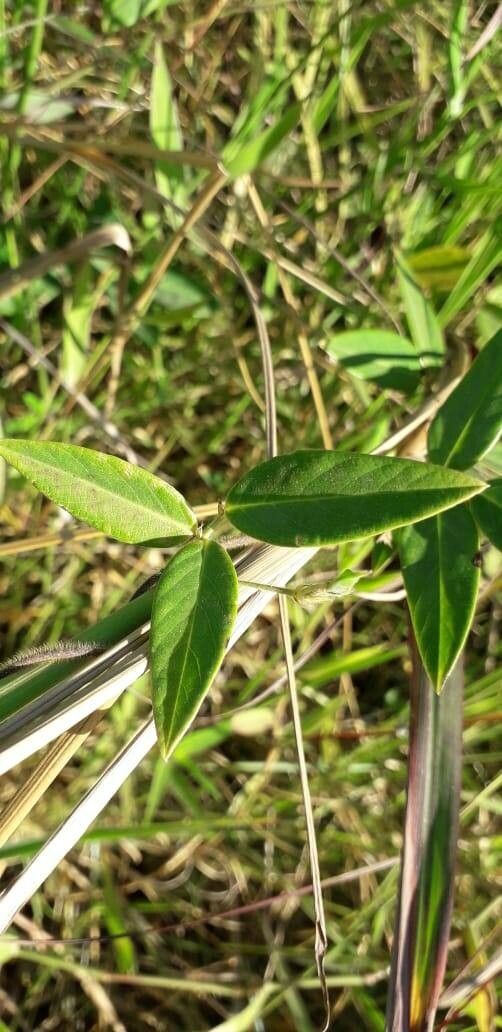
Clitoria mariana, known by the common names butterfly pea and Atlantic pigeon wings, is a perennial herbaceous plant in the pea family, Fabaceae. The plant is native to the United States.
Atlantic pigeon wings has strong resistance to disease and is generally not prone to illnesses. Still, it can be affected by pests and diseases present in its environment. Such infections are typically mild. Regarding care, this plant needs moderate maintenance. It should be pruned regularly to preserve a good appearance and encourage healthy growth. Applying fertilizer can also support flowering. Atlantic pigeon wings is appropriate for anyone with outdoor space, like a garden or patio, and does not demand extensive care experience. It may need more attention when cultivated indoors.
How to keep Clitoria Mariana.
Light
Atlantic pigeon wings thrives in conditions where sunlight bathes the plant for much of the day. It can also tolerate moderate sun exposure, reflecting its origin environment where abundant sunlight is typical. Too much or too little sunlight can impair its growth, potentially causing discoloration, wilting, or reduced flowering.
Water
The Atlantic pigeon wings plant thrives in areas with moderate rainfall. It prefers consistent moisture but can tolerate some drought conditions. To ensure it stays healthy, water the plant weekly, especially during its growing season. When growing it outdoors, take natural precipitation into account to adjust your watering schedule as needed.
Temperature
Atlantic pigeon wings originates from temperate areas and usually grows best between 50 and 95 °F (10 to 35 °C). It favors warm conditions, so cooler temperatures can slow its growth. During cold seasons, adjusting the temperature may be needed to maintain its health.
Fertilizer
The best time to fertilize an Atlantic pigeon wings is in early spring, when it is coming out of dormancy and beginning active growth. Fertilization supplies essential nutrients needed for healthy development. Although Atlantic pigeon wings have relatively low fertilizer requirements, an annual application can improve its survival and encourage better, longer-lasting flowers.
Pruning
Atlantic pigeon wings is a perennial vine known for its striking blue flowers. To ensure healthy growth and vibrant blooms, it should be pruned between early and late spring, before the flowering period begins. Start by removing dead stems and trimming any unruly vines. This encourages healthier growth and enhances the plant's overall appearance. Make sure to make clean cuts to prevent disease and promote a fuller and more aesthetically pleasing vine.
Botanical profile.
- Plant Type
- Herb, Vine
- Life Cycle
- Perennial
- Genus
- Clitoria
- Family
- Fabaceae
- Hardiness Zone
- 6-9
- Mature Height
- 46 cm to 61 cm
- Mature Spread
- 76 cm
- Leaf Color
- Green
- Leaf Type
- Deciduous
- Flower Color
- Lavender
- Flower Size
- 5.08 cm to 7.62 cm
- Bloom Time
- Summer, Early fall
- Planting Time
- Spring, Summer
- Harvest Time
- Late summer, Fall
- Native Area
- Mexico
Other names.
Reader questions.
How should I water my Atlantic pigeon wings?
To properly care for your Atlantic pigeon wings plant, it's important to follow these guidelines. Start by using filtered water at room temperature, as tap water may contain harmful particles. This plant prefers warmer water since it originates from a warm environment, and cold water can be a shock to its system. Additionally, avoid watering the plant from above to prevent foliage issues. Instead, apply the filtered room temperature water directly to the soil until it is completely soaked. This allows the roots to absorb the moisture and spread throughout the soil, ensuring they receive the necessary nutrients for growth.
How much sunlight do Atlantic pigeon wings require?
Atlantic pigeon wings thrive best when exposed to full sunlight for most of the day but can also tolerate moderate sun exposure. Ideally, plants should receive more than 6 hours of direct sunlight daily (full sun) but can also grow well with about 3-6 hours of sunlight (partial sun). The plant's origin environment, characterized by abundant sunlight, plays a crucial role in its growth. Insufficient or excessive sunlight could lead to growth issues like discoloration, wilting, or reduced flowering. It's beneficial to observe how sunlight moves through your garden and select locations that provide an ideal balance of light and shade, ensuring the plants' optimal growth.
What is the optimal temperature range for Atlantic pigeon wings?
Atlantic pigeon wings thrives in a temperature range of 50 to 95 °F (10 to 35 °C), preferring a warm environment for optimal growth. Although it has strong cold resistance, ensuring that the environment does not fall below the preferred temperature range is crucial for its well-being. Special attention should be given to maintain this temperature range, especially in colder seasons, to avoid inhibiting its growth.
What should I do if I give too much water or too little water to my Atlantic pigeon wings?
Atlantic pigeon wings can be harmed by both overwatering and underwatering, but overwatering is a more common problem. When this plant gets too much water, its stems and leaves may wilt and turn yellow. Overwatering for extended periods can also lead to diseases like root rot, mold, and mildew, which can kill the plant. Underwatering is less likely, as Atlantic pigeon wings can tolerate drought fairly well. However, when underwatering does occur, the leaves can become brittle and brown. It's important to identify signs of overwatering early and take action promptly. Some of the diseases caused by overwatering, such as root rot, may be irreversible if not addressed quickly. If you notice early signs of overwatering, reduce your watering schedule and check the soil's drainage. If the soil drains poorly, replace it with a loose, well-draining potting mix. Conversely, if you see signs of underwatering, simply water the plant more frequently until the signs improve.
What are the consequences of insufficient sunlight for Atlantic pigeon wings?
When Atlantic pigeon wings do not receive adequate sunlight, several symptoms may manifest. These include smaller new leaves, leggy or sparse growth indicating a stretched-out appearance due to elongated spaces between leaves or stems, faster leaf drop as the plant tries to conserve resources, slower or halted growth as the plant enters survival mode, paler new leaves or irregular color patterns due to a lack of chlorophyll, and conditions such as chlorosis (yellowing of leaves), sunscald (damaged areas from intense light), leaf curling (a defense mechanism against too much light), wilting (loss of turgor pressure), and leaf scorching (brown, dry edges from excessive light). These symptoms highlight the plant's struggle with inappropriate light conditions.
How do you protect Atlantic pigeon wings during winter?
Even though Atlantic pigeon wings has a strong tolerance to cold, with proper frost protection usually not being necessary, precautions should still be taken if winter temperatures are expected to drop below -25°C. Protecting the plant can be done by covering it with soil or straw to ward off the freezing cold. It is also advisable to water the plant abundantly before the first freeze in autumn, ensuring the soil remains moist and enters a frozen state. This preparation helps prevent the plant from drought and water scarcity during the winter and early spring seasons.
How often do I need to water my Atlantic pigeon wings?
If your Atlantic pigeon wings plant is in a pot, the most precise way to determine if it needs water is by checking the soil. Simply stick your finger into the soil and if you find the first two to three inches are dry, then it's time to water. On the other hand, if you are growing your Atlantic pigeon wings outdoors in the ground, you can use a similar method to test the soil. Once again, if the first few inches of soil have dried out, it's time for watering. Typically, during the spring and early fall, you will need to water this plant about once a week using this method. However, in extremely hot weather, you may have to increase watering to twice or more per week. It's worth noting that mature, well-established Atlantic pigeon wings plants have an admirable ability to withstand drought.
What solutions are recommended for Atlantic pigeon wings suffering from inadequate light exposure?
For indoor Atlantic pigeon wings lacking light, gradually move them each week toward a sunnier location until achieving at least 6 hours of direct sunlight daily, utilizing south-facing windows and keeping curtains open. If the plant is large or not easily movable, supplement with artificial light, ensuring at least 8 hours of light daily or using professional plant grow lights. Outdoors, adapt plants to sunlight by moving them to progressively sunnier spots weekly, avoiding sudden exposure changes to prevent sunburn. Minimize obstructions like trees by pruning, or, for smaller plants, consider transplanting during their dormant period to a sunnier location with good drainage. Note that parts of the plant damaged by insufficient light might not recover, but new growth will be healthy after improving light exposure.
What should you do if Atlantic pigeon wings experiences low temperatures?
While Atlantic pigeon wings is cold-tolerant and can thrive in temperatures above 10°C, it's crucial to keep it above -15°C during winter. When temperatures fall below -25°C, there might not be noticeable changes during winter, but issues like decreased sprouting or no sprouting at all might occur in spring. To manage this, any non-sprouted parts should be removed during spring to encourage new growth and recovery.
How much water does my Atlantic pigeon wings require?
To properly water your Atlantic pigeon wings, don't be conservative with the amount of water you give. When the top two to three inches of soil are dry, it's best to thoroughly water the plant. Make sure the soil is completely soaked by adding enough water. It's important to provide enough water so that excess water drains through the bottom of the pot. If you don't observe excess water draining, you may not have given enough water. However, avoid letting the water accumulate in the soil, as this can harm the plant. On the other hand, if water is not draining from the pot, it may indicate that the soil does not drain well, which can negatively affect the plant's health. If the plant is outdoors, receiving 1 inch of rainfall per week will suffice.
How can artificial lighting benefit indoor Atlantic pigeon wings, and what should be considered?
Indoor Atlantic pigeon wings benefiting from artificial lighting is crucial when natural sunlight is insufficient, especially during winter or in less sunny spaces. Artificial lights, such as LEDs that can provide specific light wavelengths needed by plants, are essential for promoting faster, healthier growth. For full sun plants, 30-50W/sq ft of artificial light is recommended, 20-30W/sq ft for partial sun plants, and 10-20W/sq ft for full shade plants. The light source should be placed 12-36 inches above the plant, simulating natural sunlight as closely as possible, and maintain a duration of 8-12 hours daily to mimic natural daylight hours, ensuring optimal growth and health.
How do you care for Atlantic pigeon wings during high temperatures?
During summer, it is essential to ensure that the temperature surrounding Atlantic pigeon wings does not exceed 35°C. Temperatures above 38°C can cause the leaves to lighten in color, curl, become prone to sunburn, and in severe cases, lead to wilting and drying out of the entire plant. To mitigate these risks, trim away the sunburned and dried-up parts. Move the plant to a shaded location, especially during the midday and afternoon sun, or use a shade cloth. Additionally, water the plant in the morning and evening to keep the soil moist and avoid dehydration.