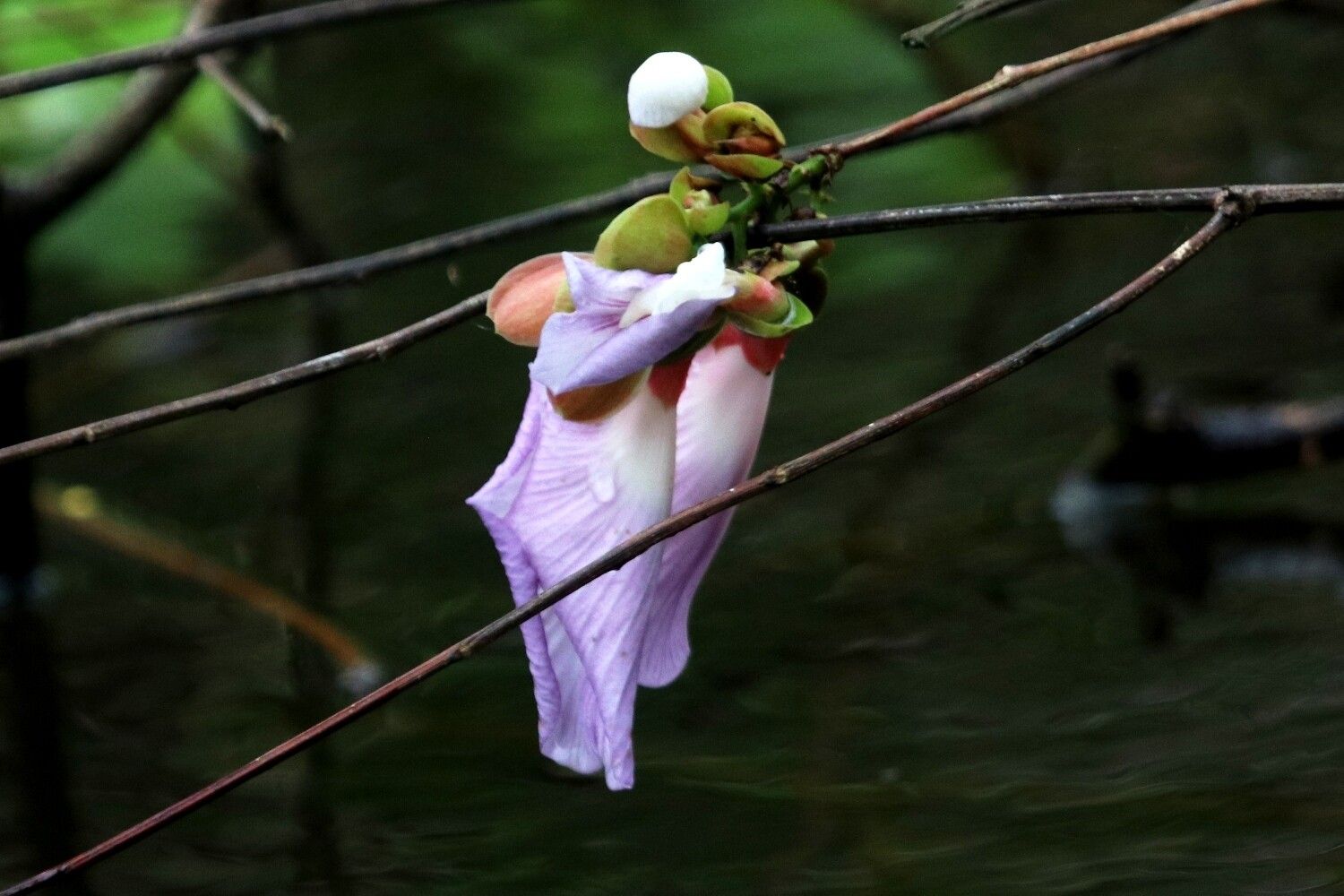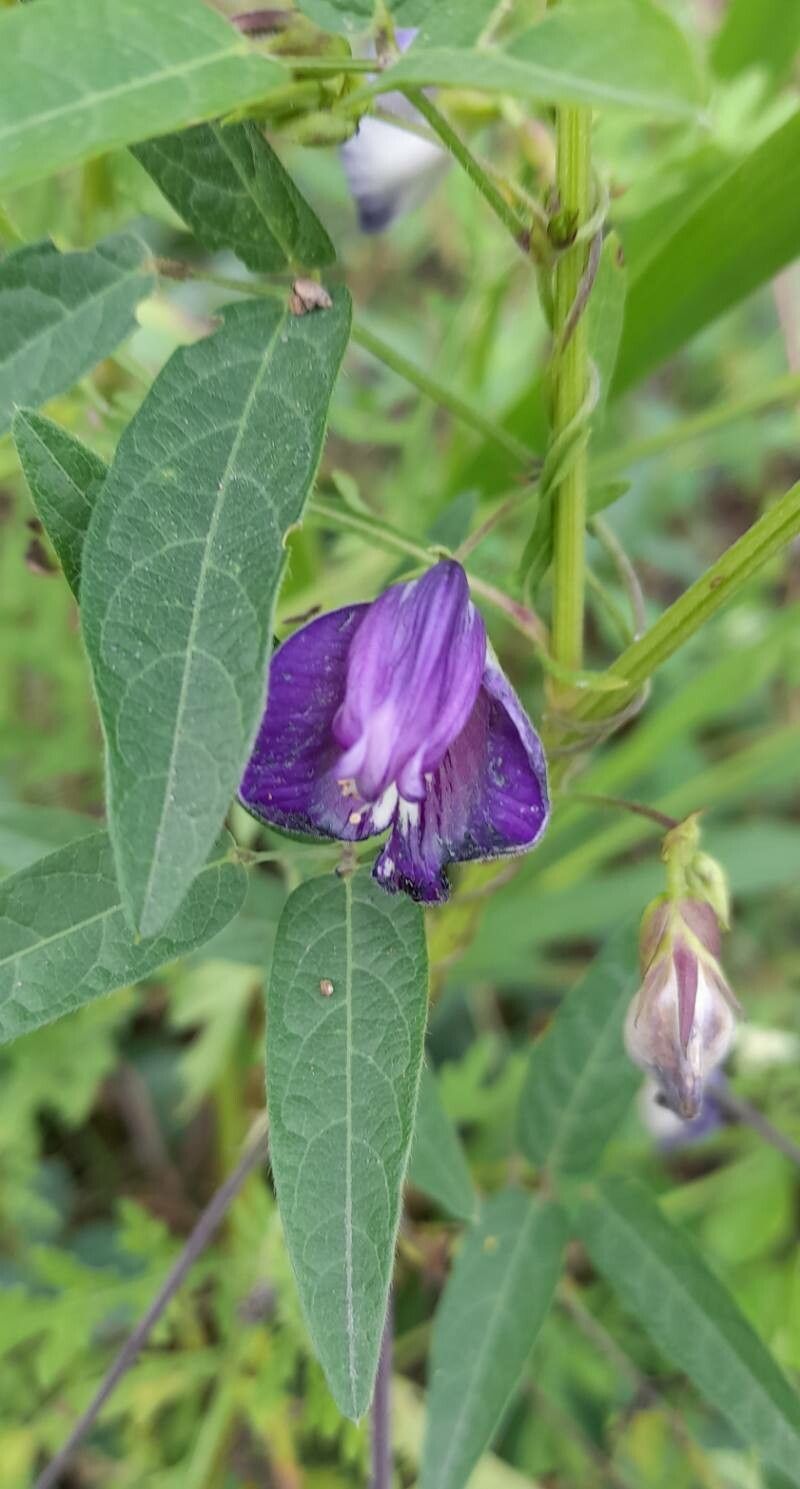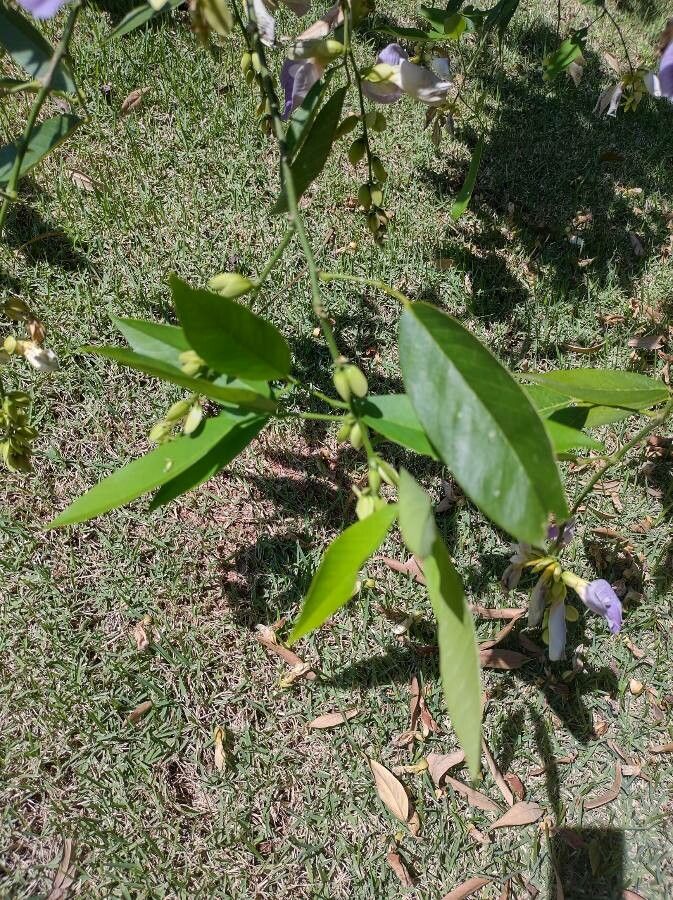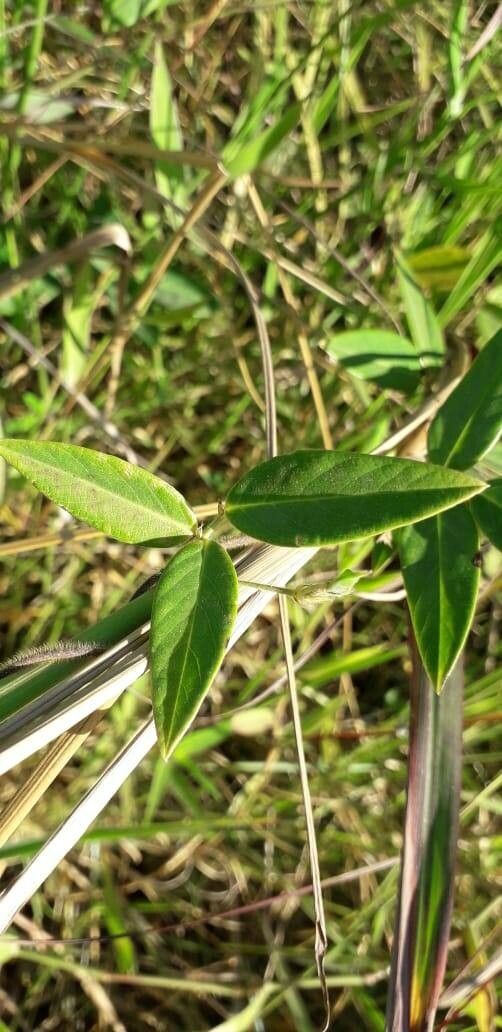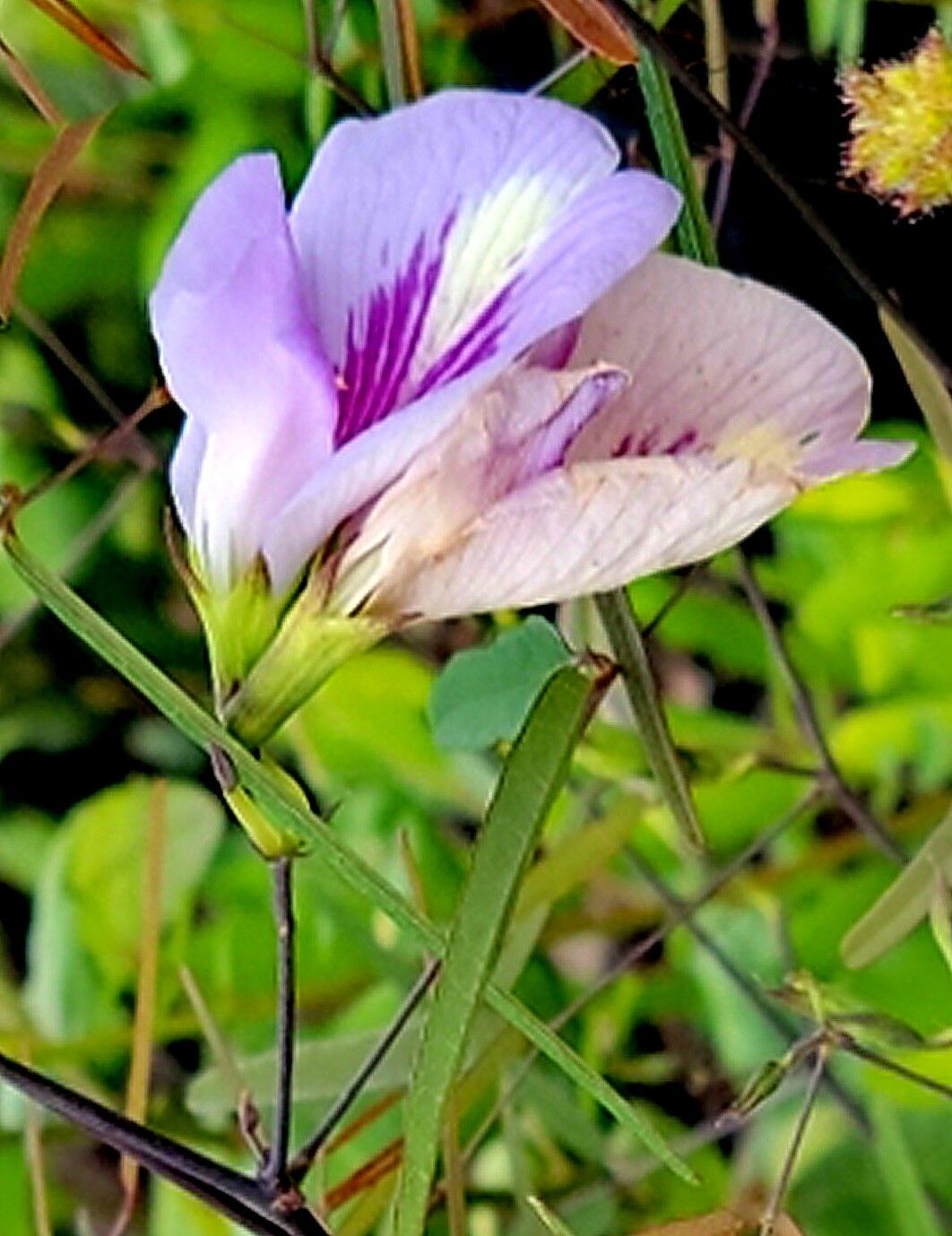
Clitoria fragrans is a rare species of flowering plant in the legume family known by the common name pigeon wings, or sweet-scented pigeon wings. It is endemic to Central Florida, where it was known most recently from an estimated 58 occurrences, but no current estimates of the total global population are available. The plant is a federally listed threatened species of the United States.
Sweetscented pigeonwings has strong disease resistance and typically isn't prone to illnesses. Still, it can be affected by pests and diseases present in its surroundings. These infections are usually mild. In terms of care, this plant requires moderate maintenance. It should be pruned regularly to maintain a good appearance and support healthy growth. Fertilizing can also help encourage flowering. Sweetscented pigeonwings is suitable for anyone with an outdoor space, such as a garden or patio, and does not demand extensive care experience. It may need more attention when grown indoors.
How to keep Clitoria Fragrans.
Light
The sweetscented pigeonwings is a perennial herbaceous plant that favors sunny environments. It naturally occurs in open spaces and frequently grows well in grasslands and meadows. While it prefers full sunlight, it can also endure conditions with partial sunlight.
Temperature
Sweetscented pigeonwings displays commendable adaptability to heat, having the ability to bear increased temperatures and broad temperature fluctuations. It is critical to monitor watering and ensure suitable shading to avoid sun damage when temperatures soar. However, its ability to endure cold temperatures is relatively weak. It can handle a certain level of cold, but in extremely cold conditions, it may suffer from frost injury.
Fertilizer
The optimal period to fertilize a Sweetscented pigeonwings is at the beginning of spring, as it emerges from its dormant phase and resumes active growth. This process supplies essential nutrients that are crucial for its healthy development. While the Sweetscented pigeonwings does not require high amounts of fertilization, yearly fertilization can boost its lifespan and encourage the development of superior, enduring flowers.
Botanical profile.
- Plant Type
- Herb
- Life Cycle
- Perennial
- Genus
- Clitoria
- Family
- Fabaceae
- Hardiness Zone
- 9-11
- Mature Height
- 30 cm
- Mature Spread
- 40 cm
- Leaf Color
- Green, Dark Green
- Leaf Type
- Deciduous
- Flower Color
- Blue, Purple
- Flower Size
- 4.06 cm to 6.35 cm
- Bloom Time
- Summer, Early fall, Mid fall
- Planting Time
- Spring, Autumn
- Harvest Time
- Late summer, Fall, Early winter