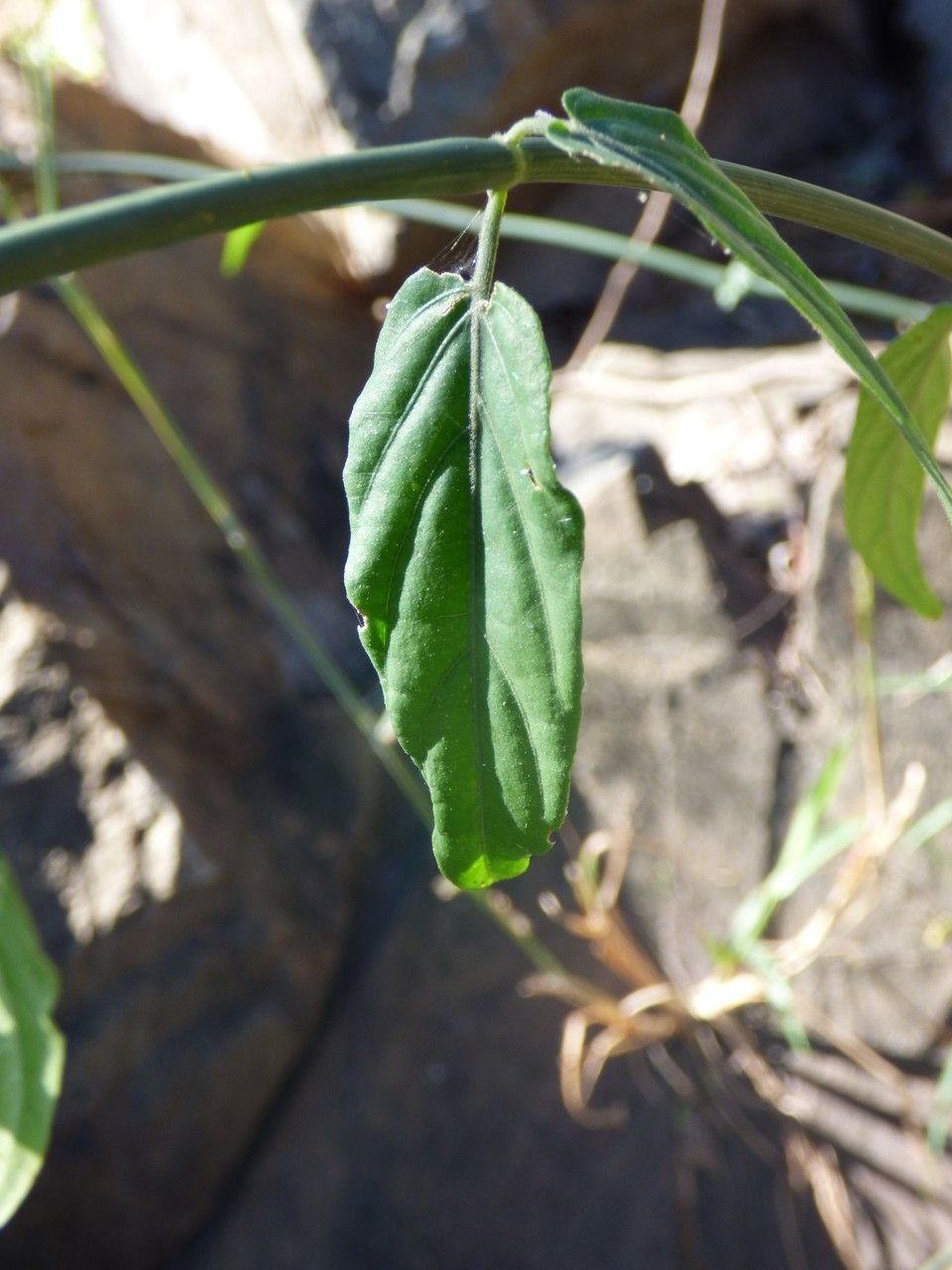
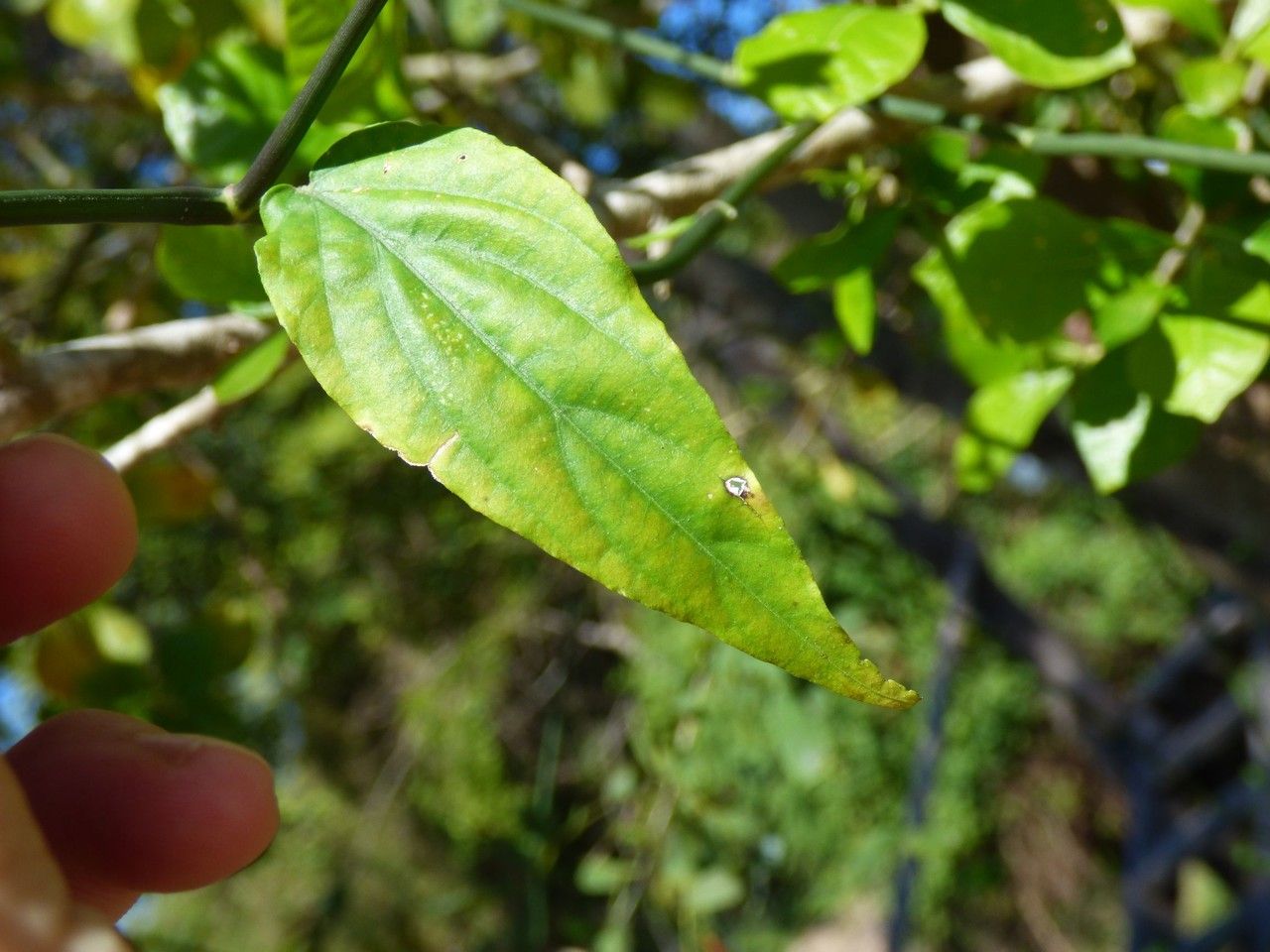
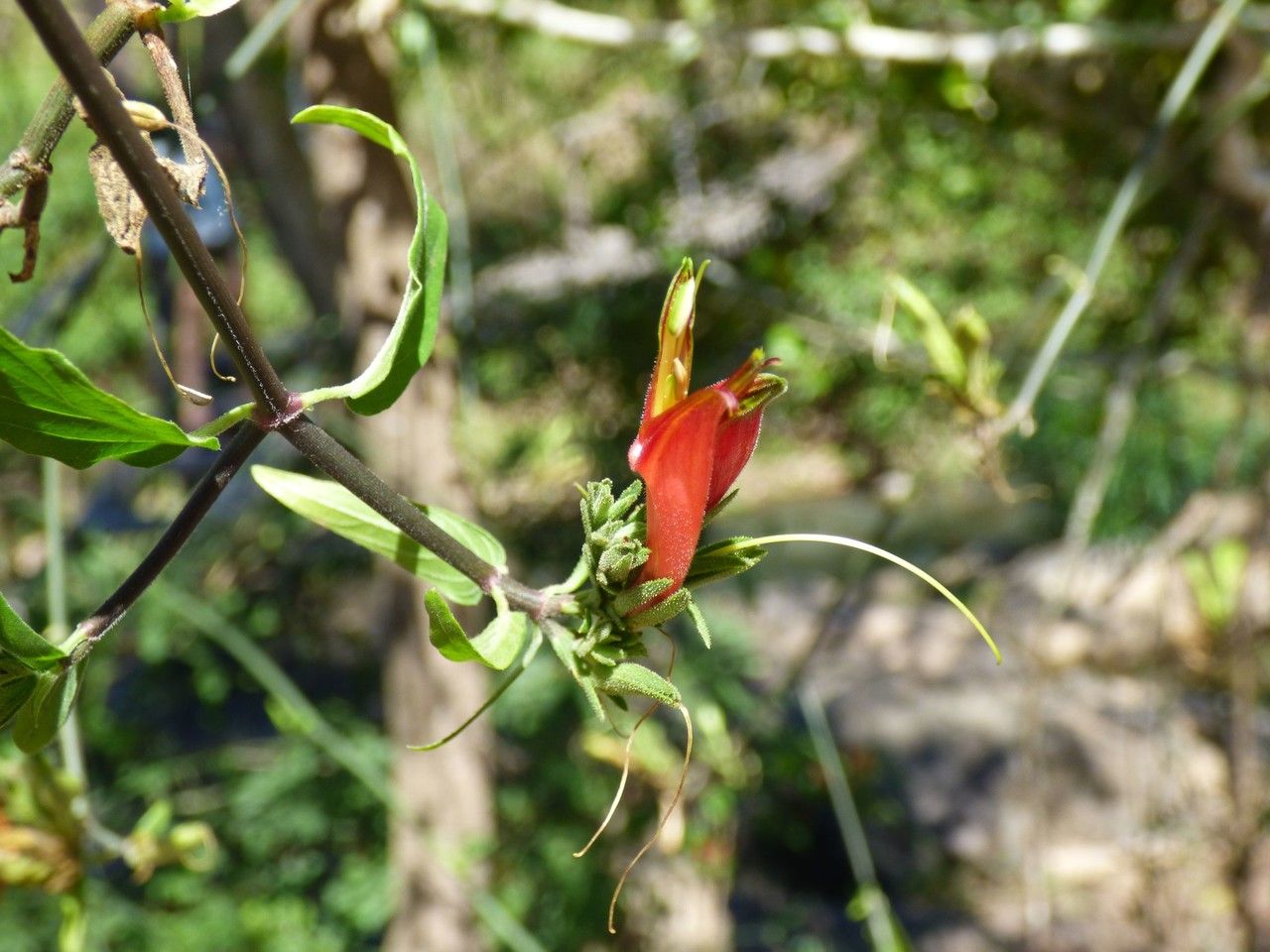
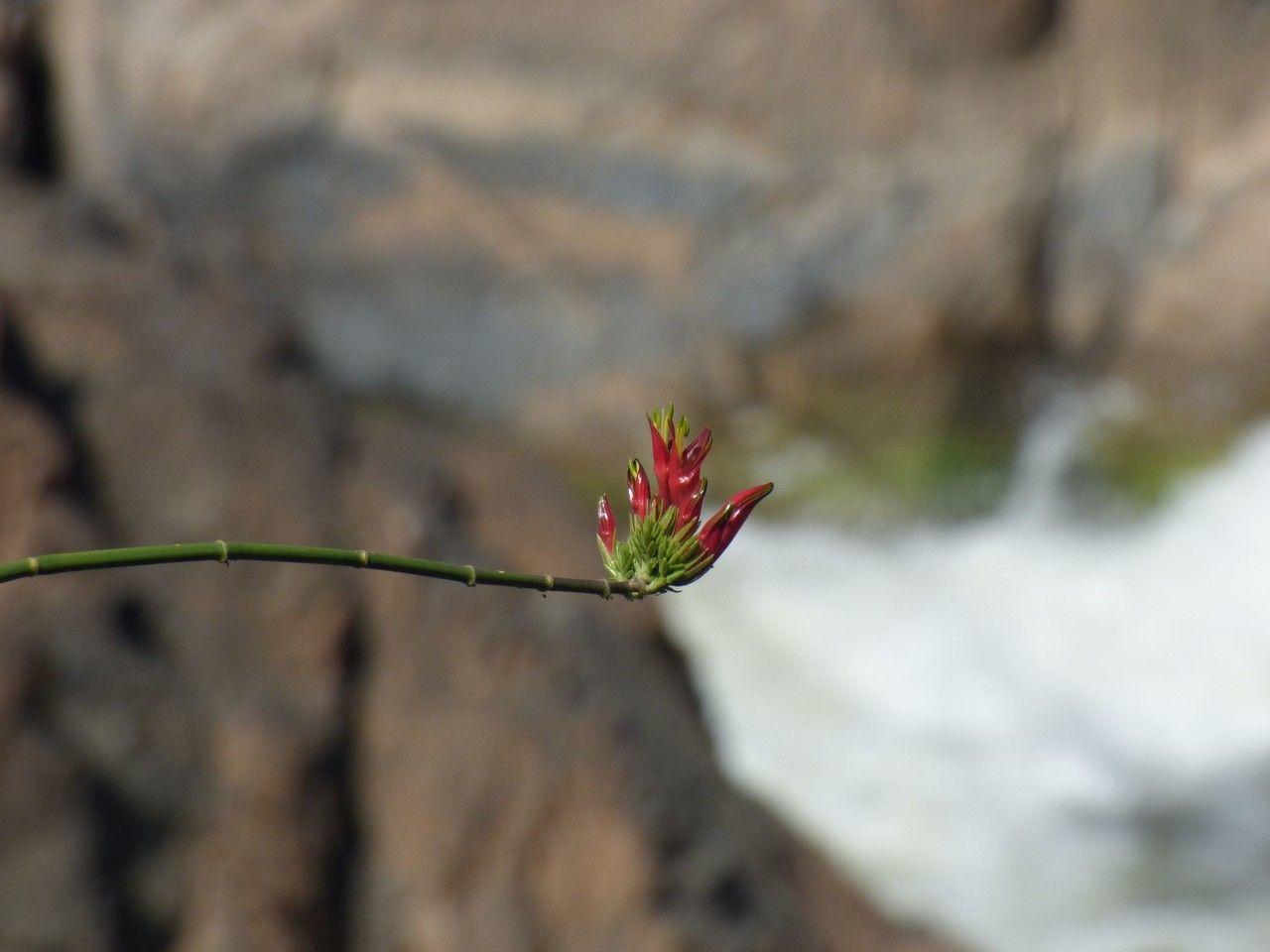
Clinacanthus nutans is a species of plant in the family Acanthaceae. It is also known by the common names belalai gajah (Malay), phaya yo (Thai), Sabah snake grass, ki tajam (Sunda), and dandang gendis (Jawa). This plant is used in the traditional herbal medicines of Malaysia, Indonesia, Thailand, and China. It has been used in Indonesia in the treatment of dysentery and diabetes.
Sabah snake grass is fairly disease-resistant and generally does not tend to get sick. However, it can be vulnerable to pests and diseases present in its environment. These infections are generally mild. In terms of care, the plant requires moderate maintenance. It should be pruned regularly to keep a good appearance and support healthy growth. Fertilizing can also help encourage flowering. Sabah snake grass is suitable for anyone with outdoor space, such as a garden or patio, and does not demand much care experience. It may need more attention when kept indoors.
How to keep Clinacanthus Nutans.
Light
Sabah snake grass does best in environments with ample sunlight, though it can tolerate lower light levels. Native to areas with plentiful sun, the plant's growth and vigor are strongly linked to light exposure. Nonetheless, both excessive and insufficient sunlight can harm its health.
Water
Sabah snake grass, which originates from Southeast Asia, thrives in humid environments and requires consistent moisture. Although it can tolerate short periods of drought, watering the plant weekly helps to promote healthy growth. During its active growing season, natural rainfall also supports its water needs.
Temperature
Sabah snake grass occurs naturally in areas where average temperatures range from 59 to 100.4 °F (15 to 38 ℃). This plant flourishes in these temperate climates, although it may require careful adjustment of its surroundings to cope with seasonal variations.
Fertilizer
The best time to fertilize Sabah snake grass is in early spring, as it comes out of dormancy and begins active growth. Fertilizing supplies essential nutrients for healthy development. Although Sabah snake grass generally needs little fertilizer, applying it once a year can improve its survival and encourage better, longer-lasting flowers.
Pruning
Sabah snake grass is known for its vibrant green leaves and medicinal properties. To keep the plant healthy and well-shaped, prune it in early spring or late winter. This is the best time to remove any dead stems, which will improve airflow and help reduce the risk of disease. Regularly removing flowers also helps redirect the plant's energy towards the foliage, enhancing its vitality. When pruning, be sure to use clean, sharp tools to avoid causing unnecessary damage to the plant.
Pot & Repot
Repot Sabah snake grass every 2 to 3 years in late spring. Choose a pot that is one size larger than the current one. Use well-draining soil and ensure the plant has consistent moisture. This plant thrives in bright, indirect light and benefits from regular pruning to encourage fuller growth.
Botanical profile.
- Plant Type
- Herb
- Life Cycle
- Perennial
- Genus
- Clinacanthus
- Family
- Acanthaceae
- Hardiness Zone
- 8-11
- Mature Height
- 0.91 m to 3.05 m
- Mature Spread
- 49 cm to 91 cm
- Leaf Color
- Green
- Leaf Type
- Evergreen
- Flower Color
- White
- Flower Size
- 4.06 cm to 6.35 cm
- Bloom Time
- All year round
- Planting Time
- Spring, Summer, Autumn
- Harvest Time
- All year round
- Native Area
- Malaysia, Indonesia, Cambodia, Vietnam, Laos, Thailand, China
Other names.
Reader questions.
How should I water my Sabah snake grass?
To ensure the health of your Sabah snake grass, it is recommended to use filtered water at room temperature. Tap water may contain harmful particles for this plant. As the Sabah snake grass thrives in warm environments, it is best to avoid using cold water, which can shock the plant. When watering, it is advised to refrain from overhead watering, as it can cause issues with the foliage. Instead, simply water the soil with filtered room temperature water until it is completely soaked. This helps to moisten the roots and support their spread throughout the soil, ensuring adequate nutrient absorption.
Why should I use fertilizers on my Sabah snake grass?
Fertilization is important for the growth of Sabah snake grass and other plants. It provides essential nutrients for both above and below ground growth. However, Sabah snake grass has relatively low fertilization needs and can survive without it. Annual fertilization is highly beneficial as it helps the plant stay alive and promotes the development of longer-lasting flowers. Those who want their Sabah snake grass to look its best should prioritize annual fertilization.
What kind of sunlight does Sabah snake grass require?
Sabah snake grass requires full sun every day, relying on a minimum of six hours of sunlight to keep its leaves, roots, and blooms healthy. While most perennials also need six hours of sunlight daily, plants like the Orange Daylily or Giant Coreopsis can survive on as little as three hours of sun. However, these flowering perennials won't thrive as well as they would in sunnier conditions with more direct sunlight.
What temperature is best for Sabah snake grass?
Plants are affected by colder temperatures because they adjust to the temperature of the surrounding air. While exposure to sunlight can warm them up, this is not possible during winter. The ideal temperature range for the Sabah snake grass is between 70~85℉(21~30℃). They can tolerate temperatures as low as 20~30℉(-6~0℃), and even 15℉(-10℃) but only for a limited time as it can cause frost damage. To prevent wilting, it is important to keep the maximum temperature within the range of 70~85℉(21~30℃), while also providing occasional water spraying and shade.
What should I do if I give my Sabah snake grass too much water or too little water?
Overwatering is a more common issue and can harm your Sabah snake grass by causing wilting, yellowing of leaves, and diseases like root rot, mold, and mildew. Underwatering is less common due to the plant's drought tolerance, but it can lead to brittle, brown leaves. It's important to recognize signs of overwatering early to prevent irreversible damage. Reduce watering if you notice these signs and ensure the soil drains well. If underwatering is a problem, increase watering until the signs improve.
When should I fertilize my Sabah snake grass?
The best time to fertilize a Sabah snake grass is in late winter to early spring. During this time, the plant is transitioning from dormancy to active growth, and fertilization at this stage promotes healthy growth for the season. Fertilizing during spring is ideal, but it is also acceptable to fertilize in the fall. However, it is not recommended to fertilize during the summer or winter seasons.
Can the sun harm Sabah snake grass? How can we shield Sabah snake grass from sun and heat damage?
In warm climates, some Perennial Flowering Plants may struggle with excessive heat and suffer from sun damage. They can wilt, dry out, or even experience growth problems if they are consistently exposed to the intense afternoon sun. However, not all plants require protection from the light afternoon sun. For those that are harmed by intense afternoon exposure, it is recommended to provide them with some shade in warmer climates. Gardeners can achieve this by planting these plants in areas that do not receive direct heat during the afternoon, such as under trees or behind bushes.
Do I need to change the temperature for Sabah snake grass at different stages of growth?
Ensure the temperature is suitable for growing Sabah snake grass by conducting research. Some growers may consider lowering the plants' thermostats during the growing season to save on HVAC costs. However, it is important to understand that temperature can impact flowering, pest control, and plant quality. During the winter, certain species may enter a dormant state, causing growth to cease. As the seasons change and the temperature rises, Sabah snake grass can grow more quickly. Species native to warm habitats have higher optimal temperatures compared to those thriving in cooler climates. Exposing Sabah snake grass seeds to cool temperatures can lead to reduced uniformity and delays. Lowering the temperature during flowering is beneficial, but not during other phases. Cooler nighttime temperatures require less water, so adjust irrigation accordingly.
How frequently should I water my Sabah snake grass?
If your Sabah snake grass is in a pot, the best way to determine if it needs water is by checking the soil. Stick your finger into the soil and if the top two to three inches are dry, it's time to water it. If you have your Sabah snake grass planted outdoors in the ground, you can use the same method to test the soil. Once the first few inches of soil have dried out, it's time to water it. Typically, during spring and early fall, you should water this plant about once a week using this method. However, in extremely hot weather, you may need to water it twice or more per week. It's worth noting that mature and well-established Sabah snake grass has a remarkable ability to tolerate drought.
When is the best time to not add fertilizer to my Sabah snake grass?
To properly care for your Sabah snake grass, it is important to only fertilize during late winter and early spring. This plant has low fertilization needs, so a single annual feeding is enough. Fertilizing during spring, summer, and fall can lead to overfertilization and its complications, unless you missed fertilizing in spring, in which case fall feeding is permissible. Additionally, you should not fertilize this plant during winter because it is in a dormant phase and does not put forth new growth.
Should I make sure that Sabah snake grass doesn't get too much sun?
Certain perennial plants require ample sunlight to reach their maximum bloom. However, in warmer climates, some of these plants actually benefit from less sun. For instance, individuals residing in hotter regions might find it beneficial to shade their flowering perennials during the intense afternoon sun, especially during summer months. Although many perennial flowering plants prefer partial shade in the hottest climates, there are exceptions. Take the Giant Coreopsis, for example, as it is not bothered by excessive sun exposure. These plants can flourish even when placed in the full sun during scorching weather.
How do I keep Sabah snake grass warm during cold seasons?
To help the plant adapt to colder temperatures, stop using fertilizer to prevent new growth and allow the existing ones to become more resistant. You can protect the Sabah snake grass by constructing cages or trellises around it, or using heat mats to gently warm the soil and maintain an ideal temperature range.