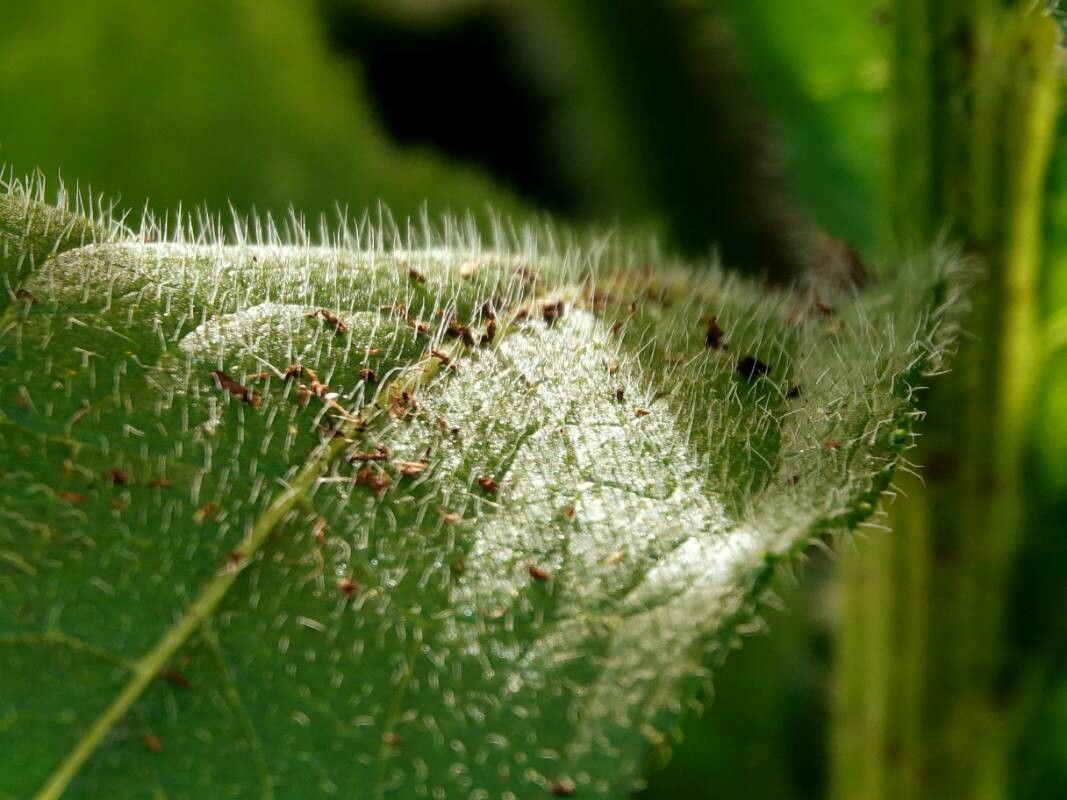
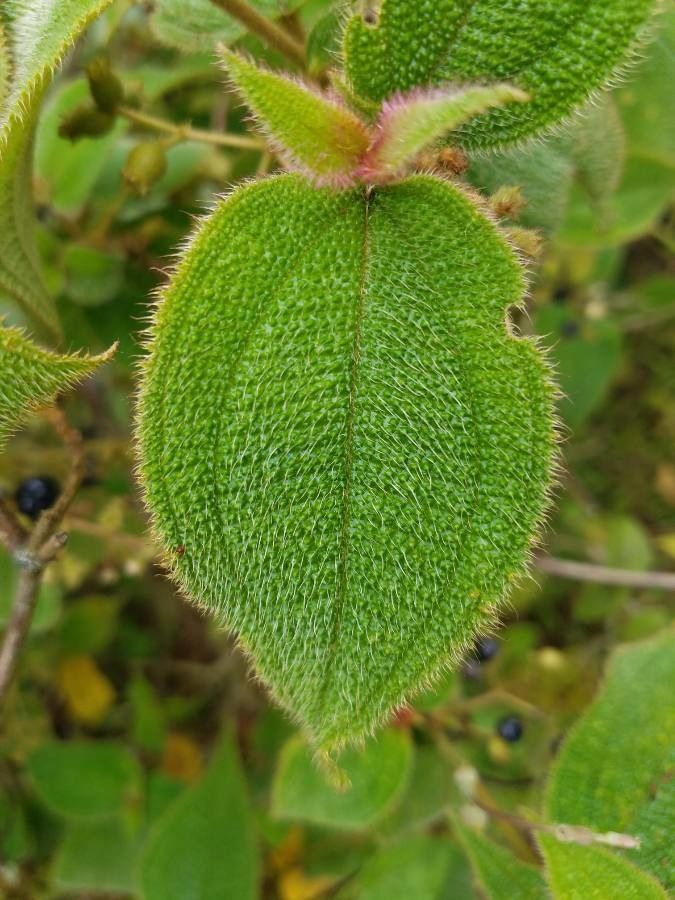
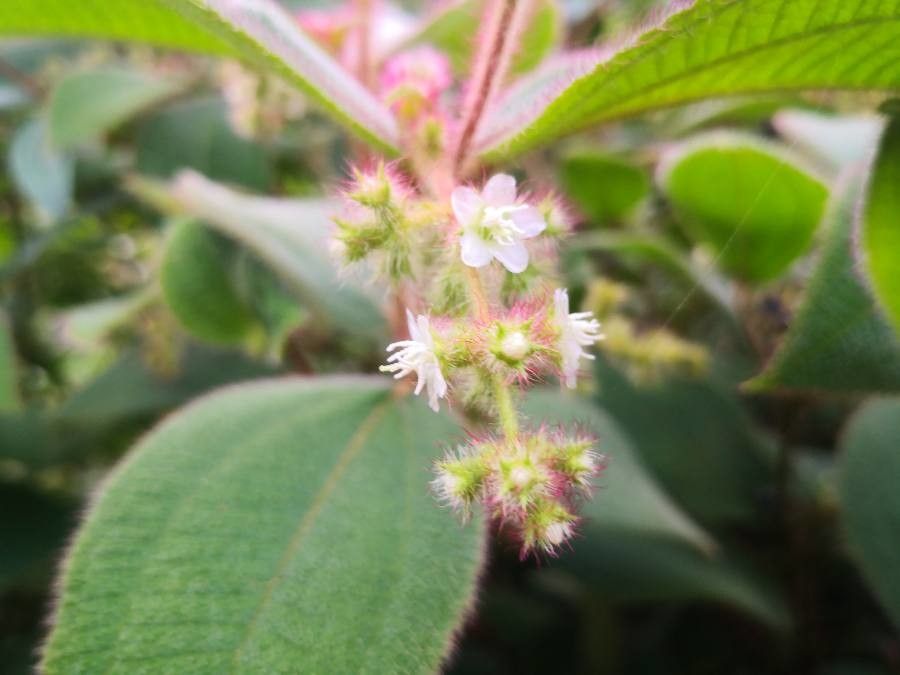
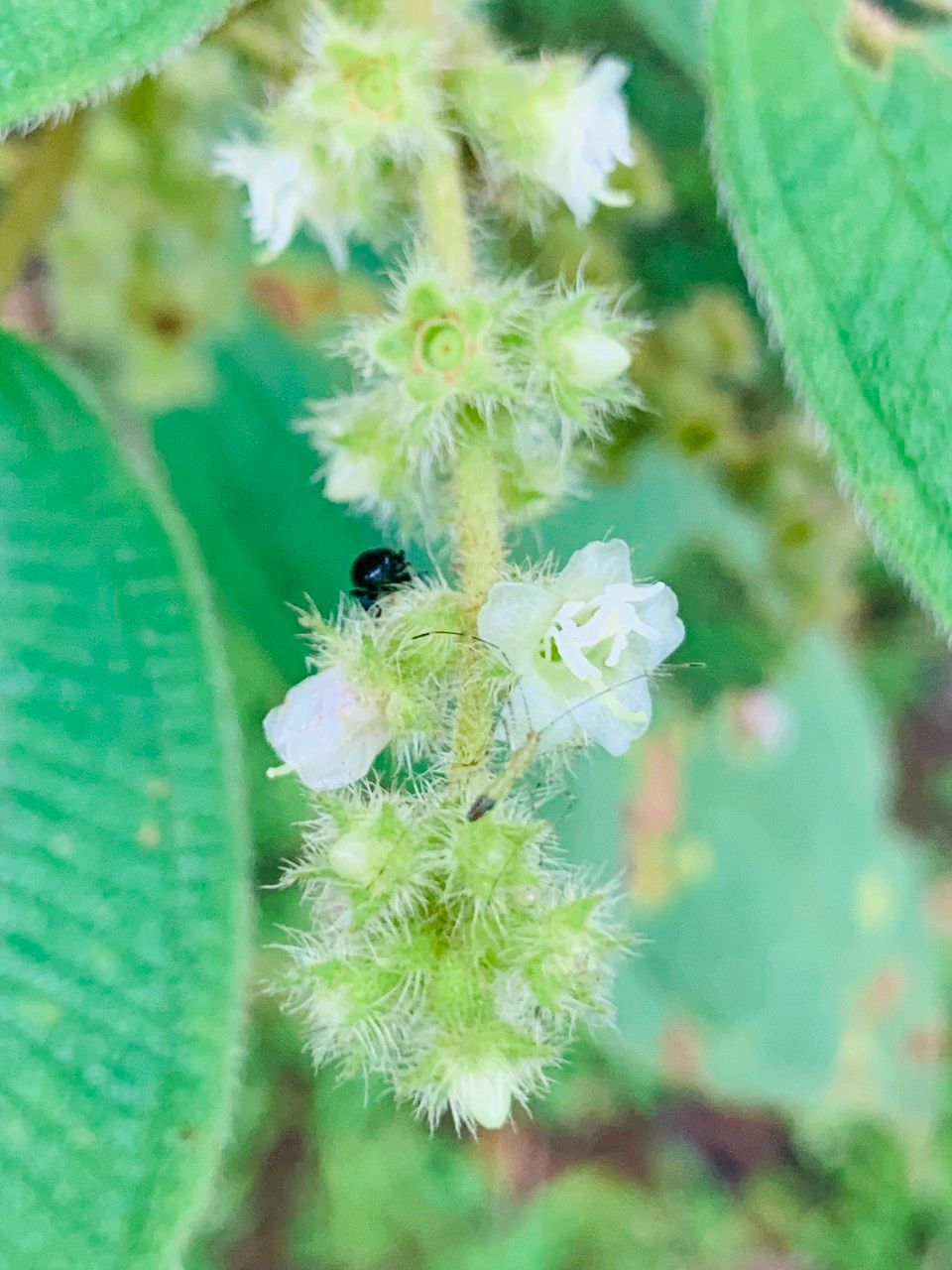
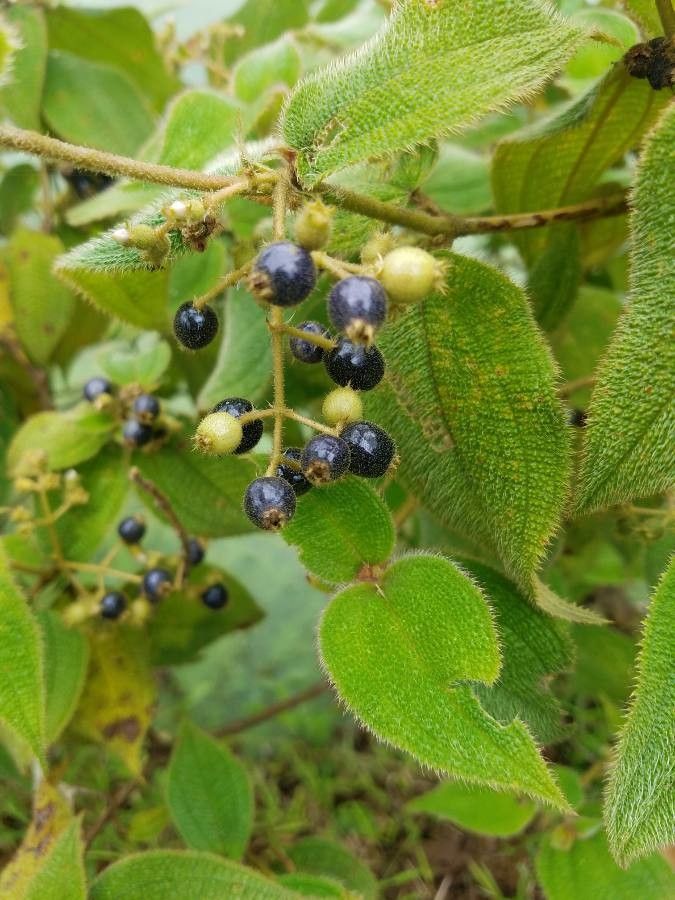
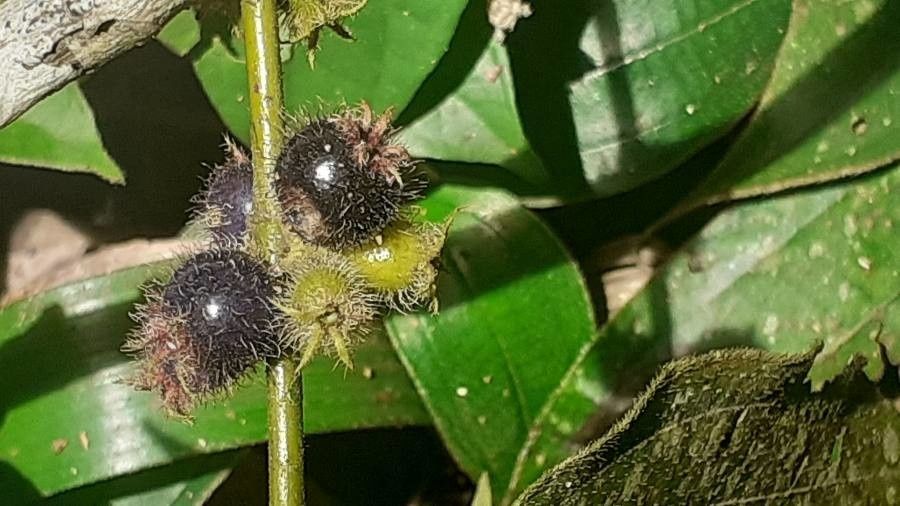
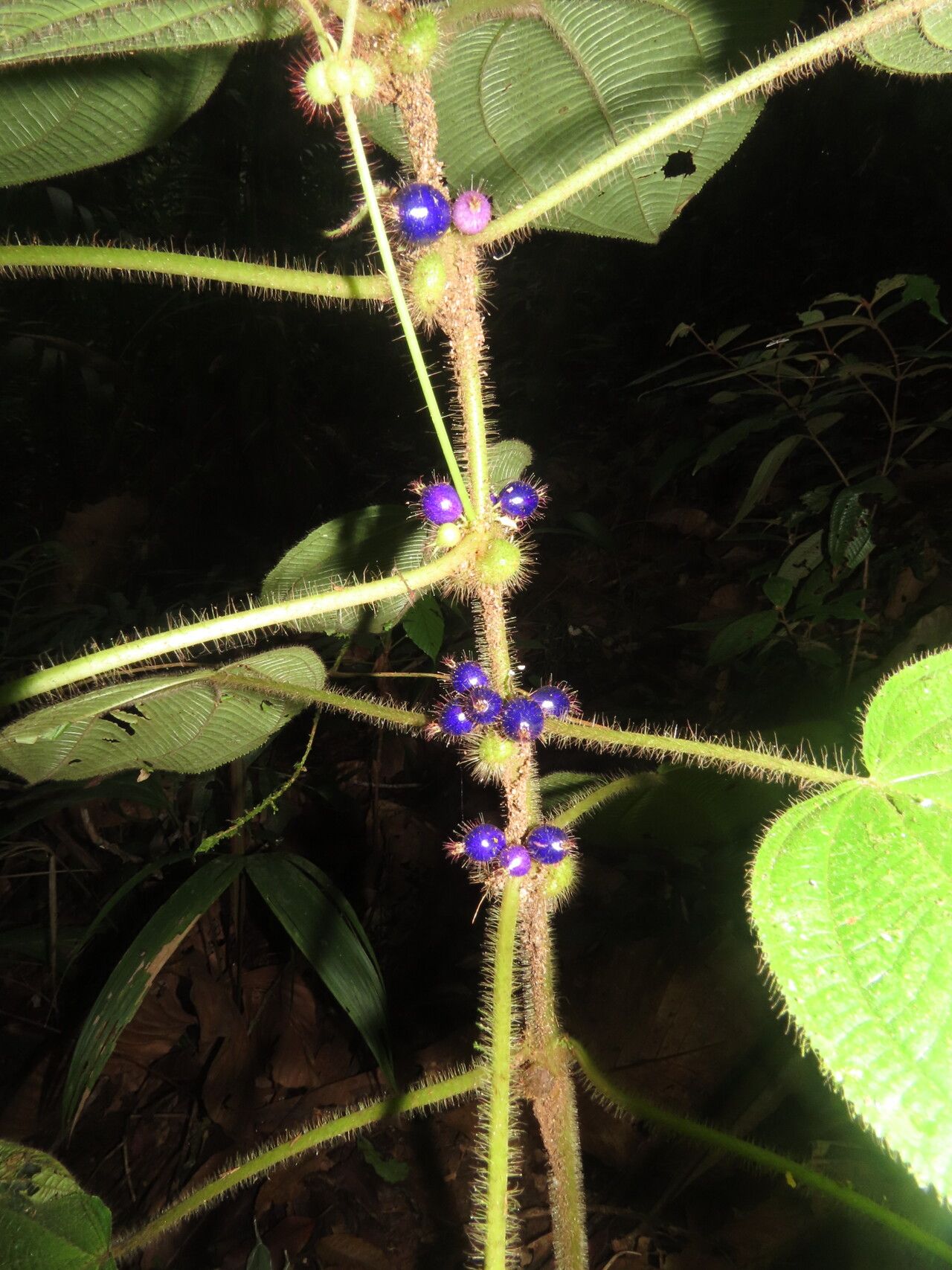
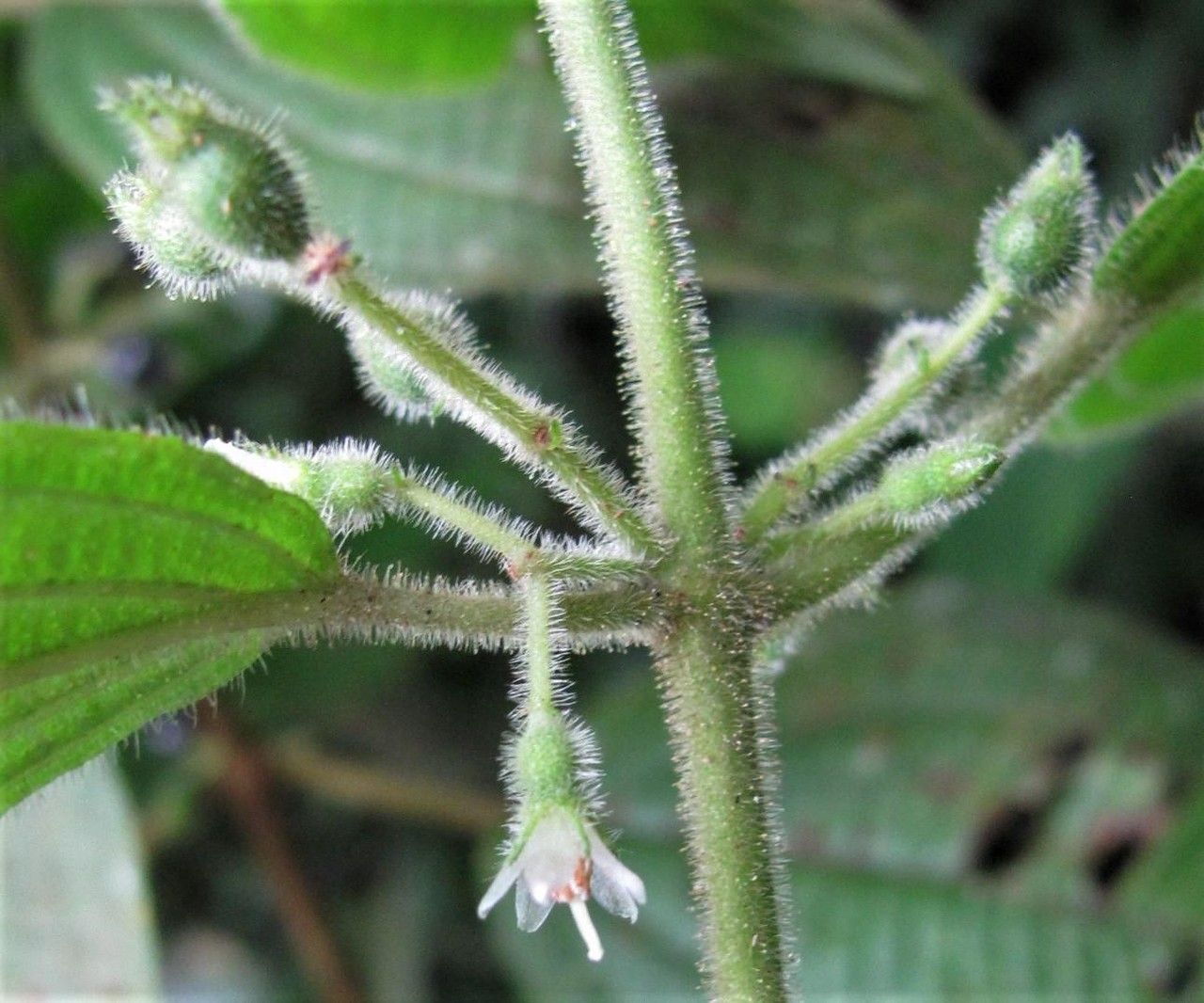
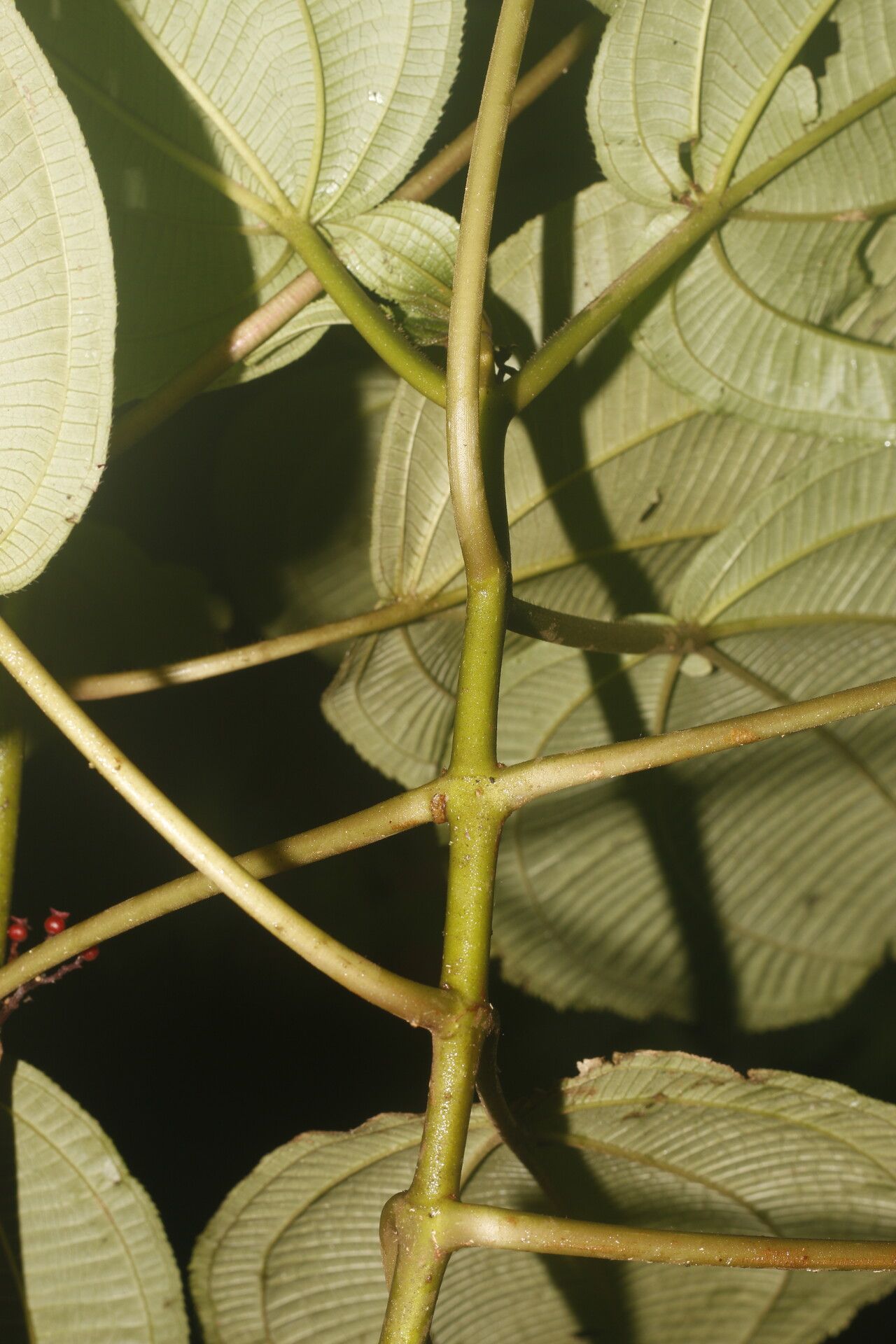
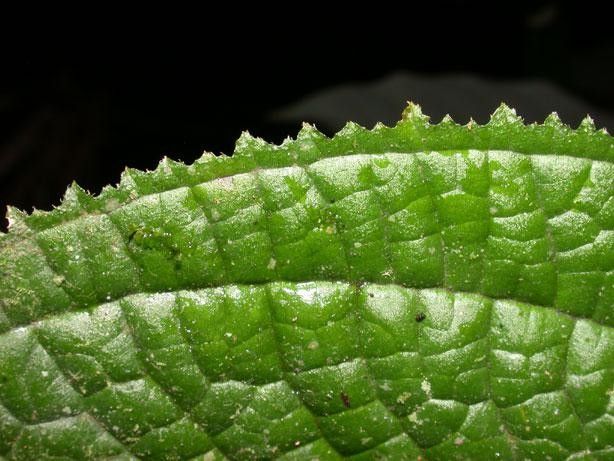
Clidemia capitellata has strong disease resistance and is usually not susceptible to disease. For care, this plant is fairly low maintenance. When grown outdoors it needs only minimal watering, and larger plants typically do not require pruning. Smaller plants, however, should be pruned after they finish blooming. Clidemia capitellatat is suitable for anyone with an outdoor area, such as a garden or deck, and does not need much gardening experience.
How to keep Clidemia Capitellata.
Light
Clidemia capitellata originates from habitats like forest underlayers or stony regions, where it naturally encounters shade. It prefers conditions of partial sunlight, though it is also capable of adjusting to complete sun or total shade, showcasing its adaptability and robust character.
Temperature
Clidemia capitellata is native to the tropics, which are known for their warm and moist climate. Consequently, this plant thrives in high heat and humidity. It doesn't take well to abrupt changes in temperature and prefers a consistently temperate environment, making it crucial to prevent variations in indoor temperatures. Generally, the plant struggles to survive in cold weather and is dependent on higher temperatures for its growth. The plant might stop growing or could even perish if the surrounding temperature falls excessively low.
Fertilizer
The health and maintenance of Clidemia capitellata highly depend on fertilization. Providing the necessary nutrients consistently during its growth phase ensures vibrant leaves and facilitates general growth. Failing to put enough emphasis on fertilization could lead to sickly leaves, lesser aesthetic charm, and frail or inhibited growth that is susceptible to damage.
Botanical profile.
- Plant Type
- Shrub
- Life Cycle
- Perennial
- Genus
- Clidemia
- Family
- Melastomataceae
- Hardiness Zone
- 10-12
- Mature Height
- 0.91 m to 2.13 m
- Mature Spread
- 49 cm to 91 cm
- Leaf Color
- Forest Green
- Leaf Type
- Evergreen
- Flower Color
- White
- Flower Size
- 0.51 cm to 0.76 cm
- Bloom Time
- Late spring, Summer, Early fall
- Planting Time
- Summer, Autumn
- Harvest Time
- Mid summer, Late summer, Fall