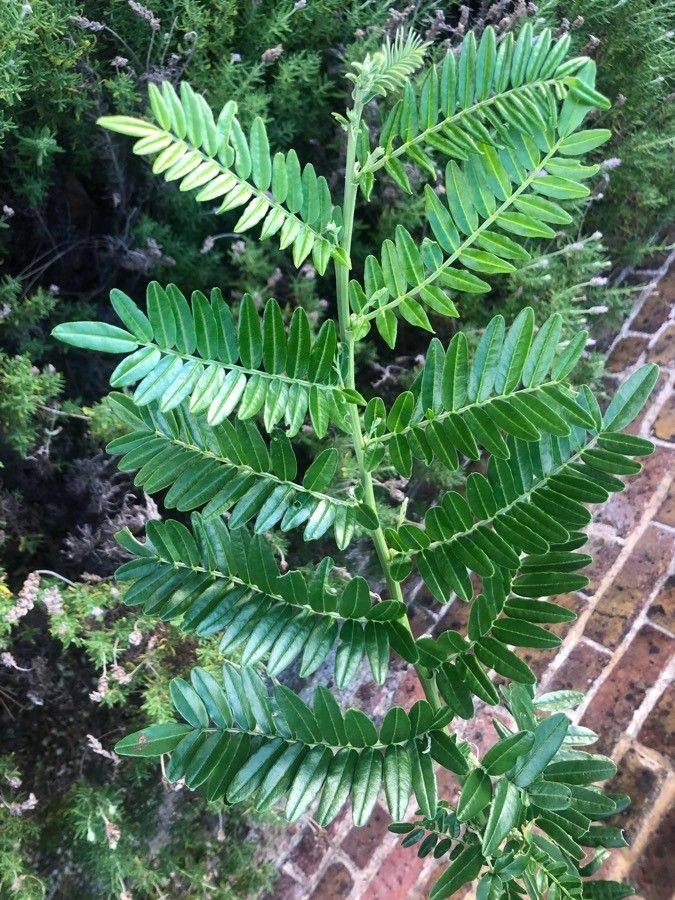
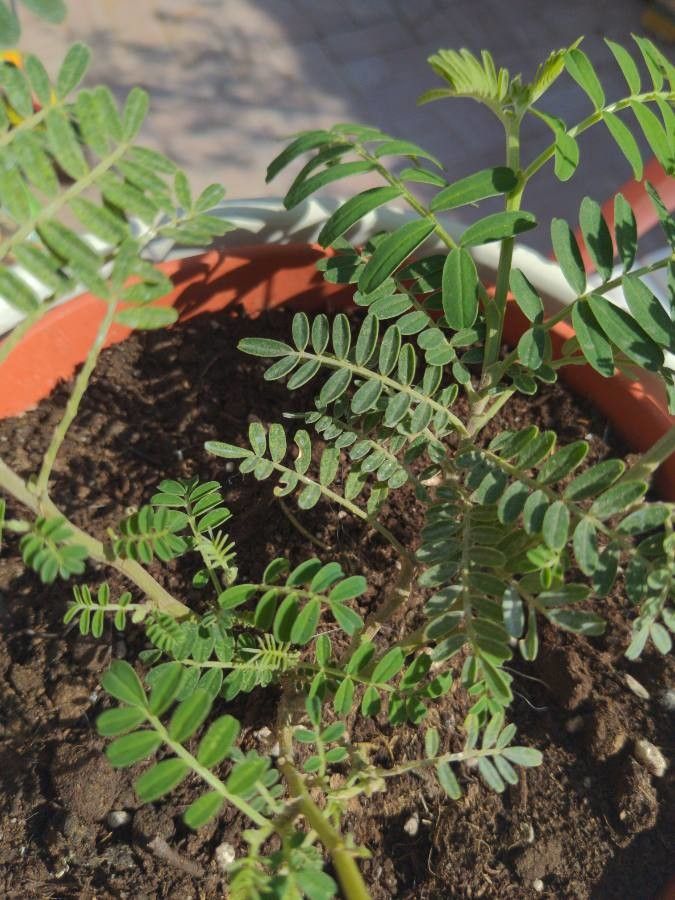
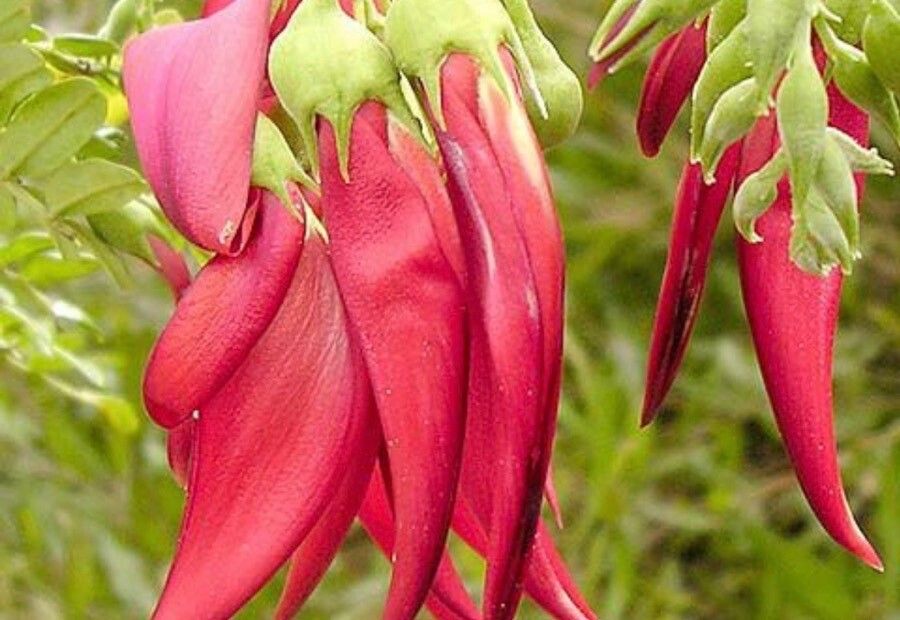
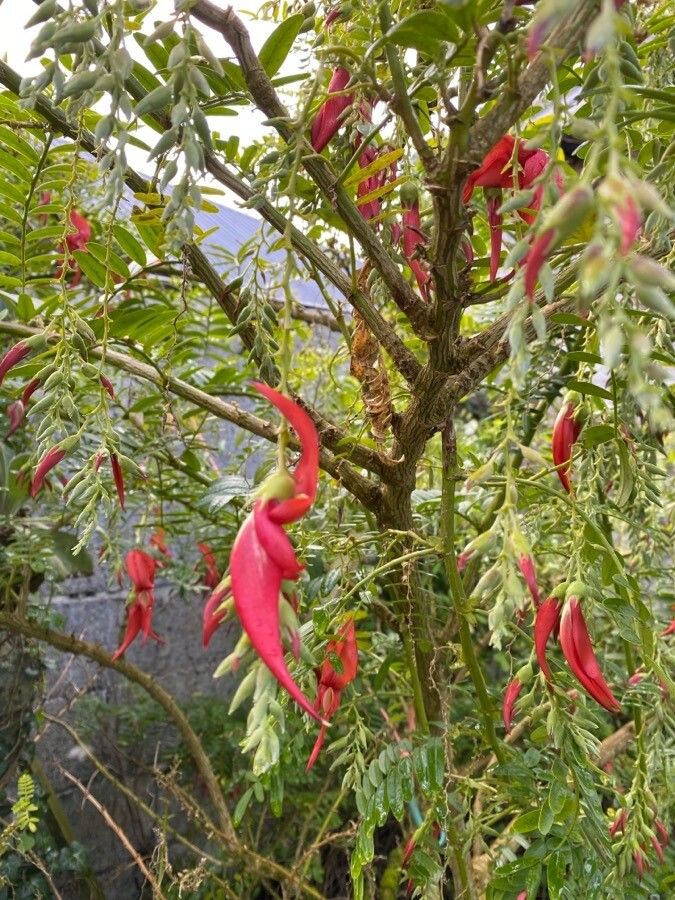
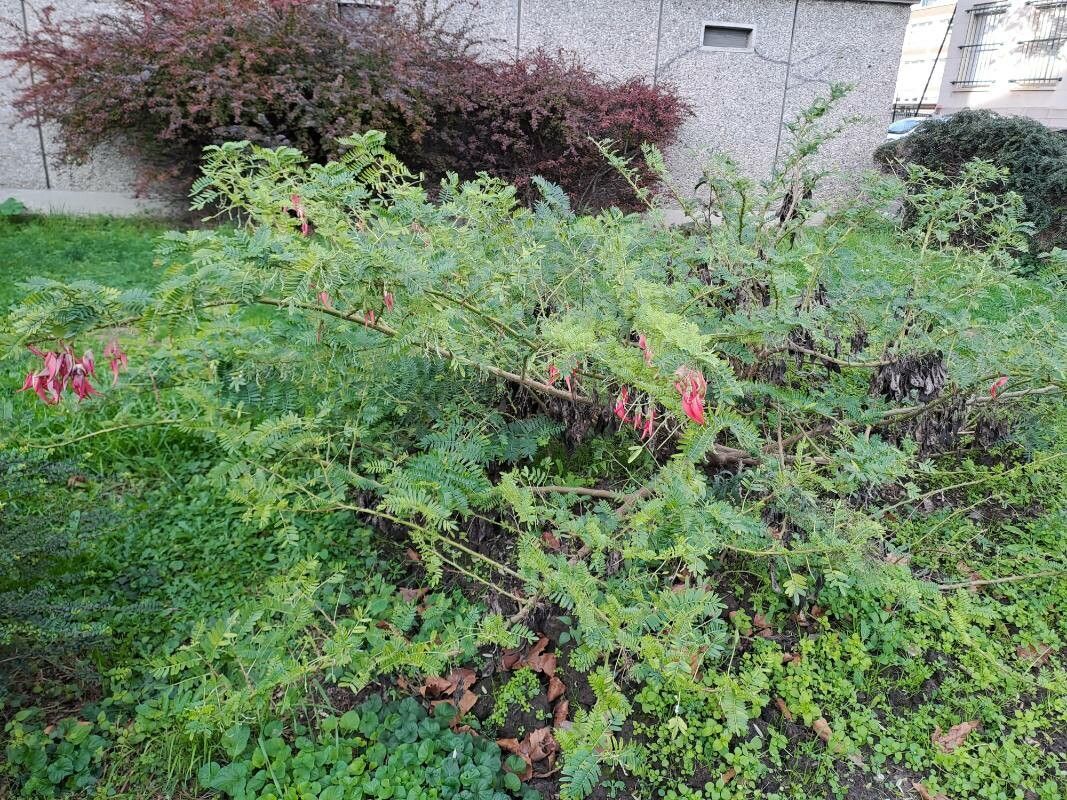
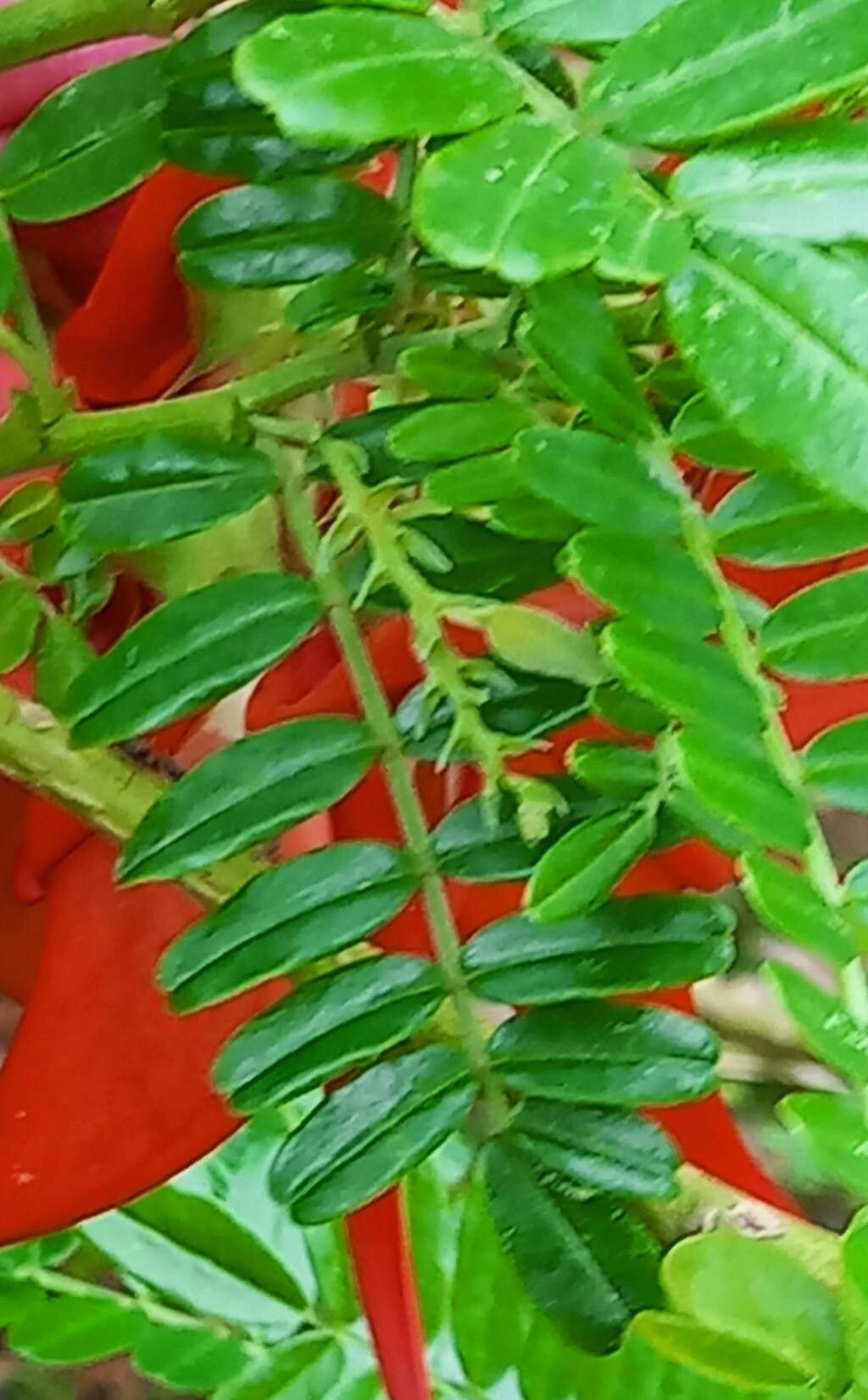
Clianthus puniceus, common name kaka beak (Kōwhai Ngutu-kākā in Māori), is a species of flowering plant in the genus Clianthus of the legume family Fabaceae, native to New Zealand's North Island.
Glory pea is resistant to disease and is generally not prone to illnesses. In terms of care, this plant is fairly low-maintenance. When grown outdoors it needs only light watering, and larger specimens typically do not require pruning. Smaller plants, however, should be cut back after they have finished blooming. Glory peat is suitable for anyone with an outdoor area, such as a garden or a deck, and does not demand much experience in plant care.
How to keep Clianthus Puniceus.
Light
Glory pea does best when it gets plenty of natural light throughout the day, which is vital for healthy growth, especially during flowering. Coming from a habitat with abundant sunshine, it does poorly without sufficient illumination. Both excessive and inadequate light can hinder its development and overall health.
Water
The glory pea, a plant native to New Zealand, thrives best in well-drained soil and can withstand short dry spells. For optimal growth and abundant flowering, it benefits from weekly watering. When grown outdoors, it flourishes in moist environments with sufficient rainfall.
Temperature
Glory pea shows good temperature adaptability, tolerating higher heat and wide temperature fluctuations. In hot weather, attention should be given to watering and providing suitable shade to avoid sunburn. However, Glory pea is relatively sensitive to low temperatures. While it can endure some cold, overly low temperatures can cause frost damage.
Fertilizer
Timing is important when fertilizing Glory pea. Apply fertilizer in early spring and continue monthly until early summer. Fertilizer encourages attractive blooms and supplies energy during both dormant and active growth phases.
Pruning
The glory pea thrives when properly pruned. This involves removing dead branches and thinning it out so light can penetrate. It's best to prune in late spring, after the plant has finished flowering, to promote health and encourage more blooms. By pruning regularly, you can maintain the plant's shape and size, ensuring that its beauty and vitality continue throughout the seasons.
Botanical profile.
- Plant Type
- Shrub
- Life Cycle
- Perennial
- Genus
- Clianthus
- Family
- Leguminosae
- Hardiness Zone
- 9-11
- Mature Height
- 3.96 m
- Mature Spread
- 3.05 m
- Leaf Color
- Green
- Leaf Type
- Evergreen
- Flower Color
- Red
- Flower Size
- 5.08 cm to 7.62 cm
- Bloom Time
- Spring, Early summer, Mid summer
- Planting Time
- Spring, Summer
- Harvest Time
- Summer, Early fall, Mid fall
- Native Area
- New Zealand
Other names.
Reader questions.
What are the sunlight requirements for Glory Pea?
Glory Pea, or Clianthus puniceus, requires full sun, which means it needs above 6 hours of sunlight daily to thrive. Adequate sunlight is crucial throughout the day, especially during the flowering period, as it originates from an environment with plentiful sun rays. Insufficient light can hamper its growth and vitality. It's important to observe how sunlight moves through your garden to ensure you choose spots that provide a perfect balance of light and shade, ensuring the plant's happiness.
What is the Glory pea?
The Glory pea, known botanically as Clianthus puniceus, is a plant that lacks further detailed description in this context. Specific information about its essential characteristics, symptoms (if applicable), and any additional information are not provided.
Can artificial lighting be used for Glory Pea, and if so, how?
Yes, artificial lighting can be used for Glory Pea, especially when natural sunlight is insufficient, such as in winter or less sunny spaces. Adequate lighting is essential for optimal growth. LED lights are a preferred choice because they can provide specific wavelengths needed by plants. For full sun plants, 30-50W/sq ft of artificial light is recommended. The light source should be placed 12-36 inches above the plant to mimic natural sunlight, and most plants require 8-12 hours of light per day.
What are some common symptoms of inadequate sunlight for Glory Pea?
Glory Pea may show several symptoms when it's not getting enough sunlight, including smaller new leaves, leggy or sparse growth, faster leaf drop, slower or no new growth, lighter-colored new leaves, chlorosis, sunscald, leaf curling, wilting, and leaf scorching. These symptoms indicate that the plant is struggling with light deficiency or excessive exposure and may require adjustments to its lighting conditions.
How can I ensure optimal growth for my indoor Glory Pea in terms of sunlight?
To ensure optimal growth for indoor Glory Pea, gradually move the plant to a sunnier location each week until it receives at least 6 hours of direct sunlight daily. Use a south-facing window and keep curtains open during the day for maximum exposure. If the plant is large or not easily movable, consider using artificial light. Keep a desk or ceiling lamp on for at least 8 hours daily or invest in professional plant grow lights to provide ample light.
What steps should I take for outdoor Glory Pea plants to get sufficient sunlight?
For outdoor Glory Pea plants, it's crucial to gradually move them to the best spot for sunlight. This allows the plants to adapt by moving them to a sunnier location each week. Avoid sudden changes in light intensity to prevent sunburn. Note that parts of the plant affected by insufficient sunlight may not recover, but new growth should be healthy after increasing light exposure.
What methods can help reduce obstructions to sunlight for Glory Pea?
To minimize obstructions to sunlight for Glory Pea, start by observing which areas are blocking the light. If trees are the main culprits, consider pruning branches and leaves to let sunlight through. For smaller plants, consider transplanting during the plant's dormant period, typically late winter or early spring, to a location with ample sunlight and good drainage.