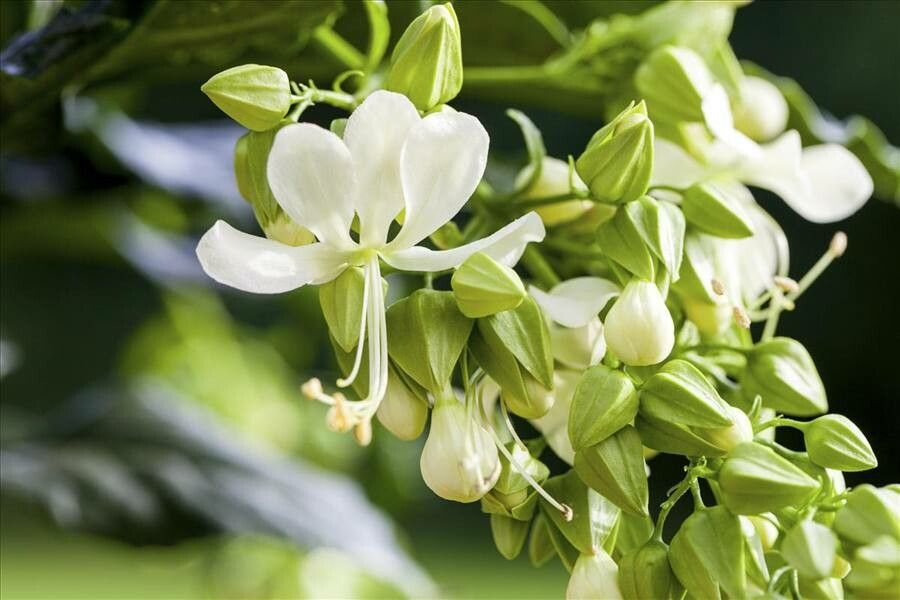
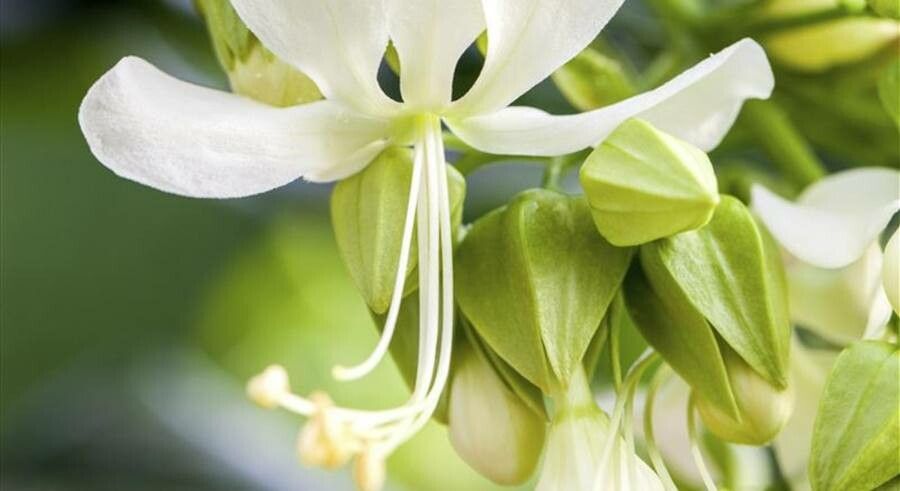
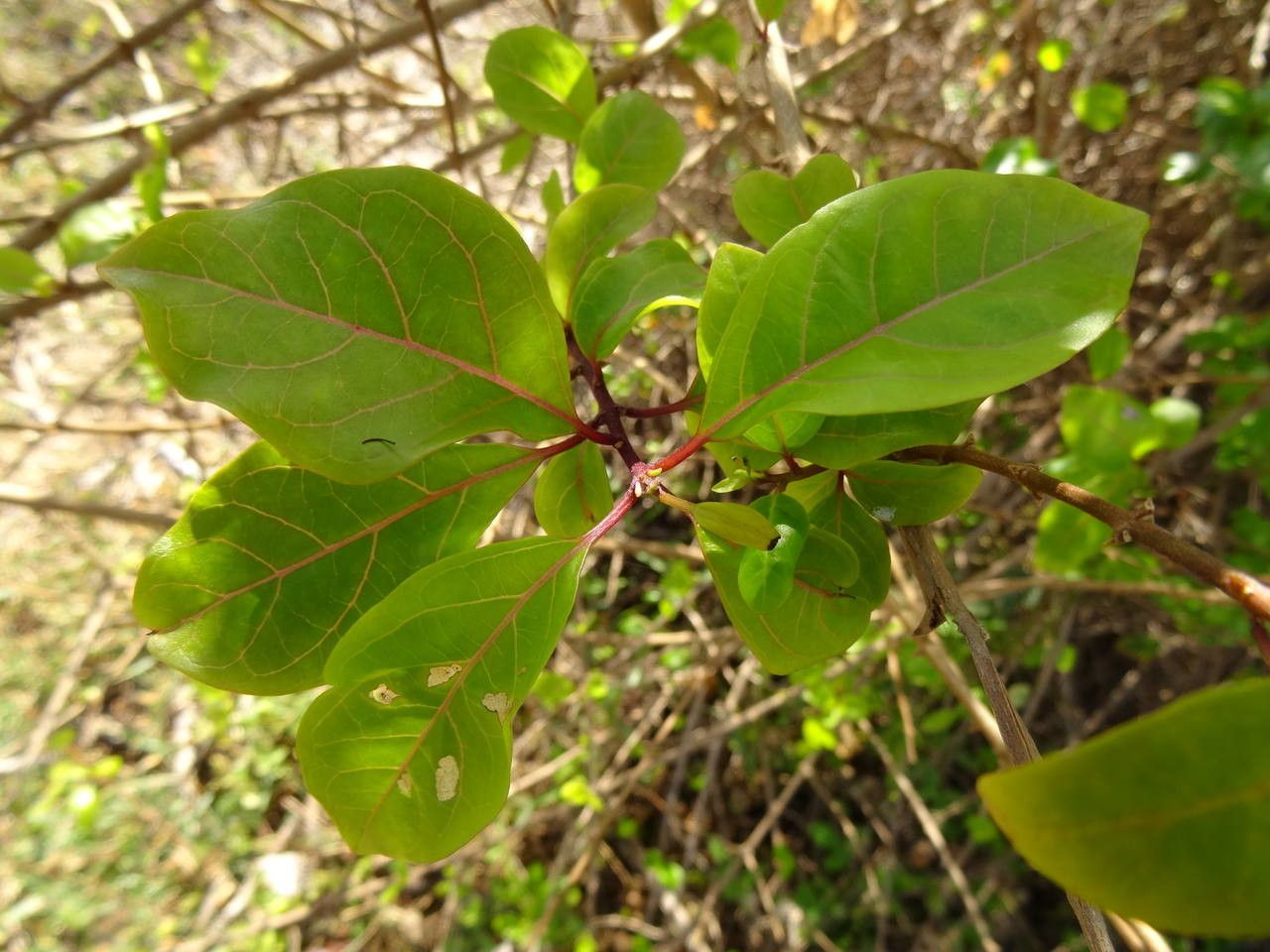
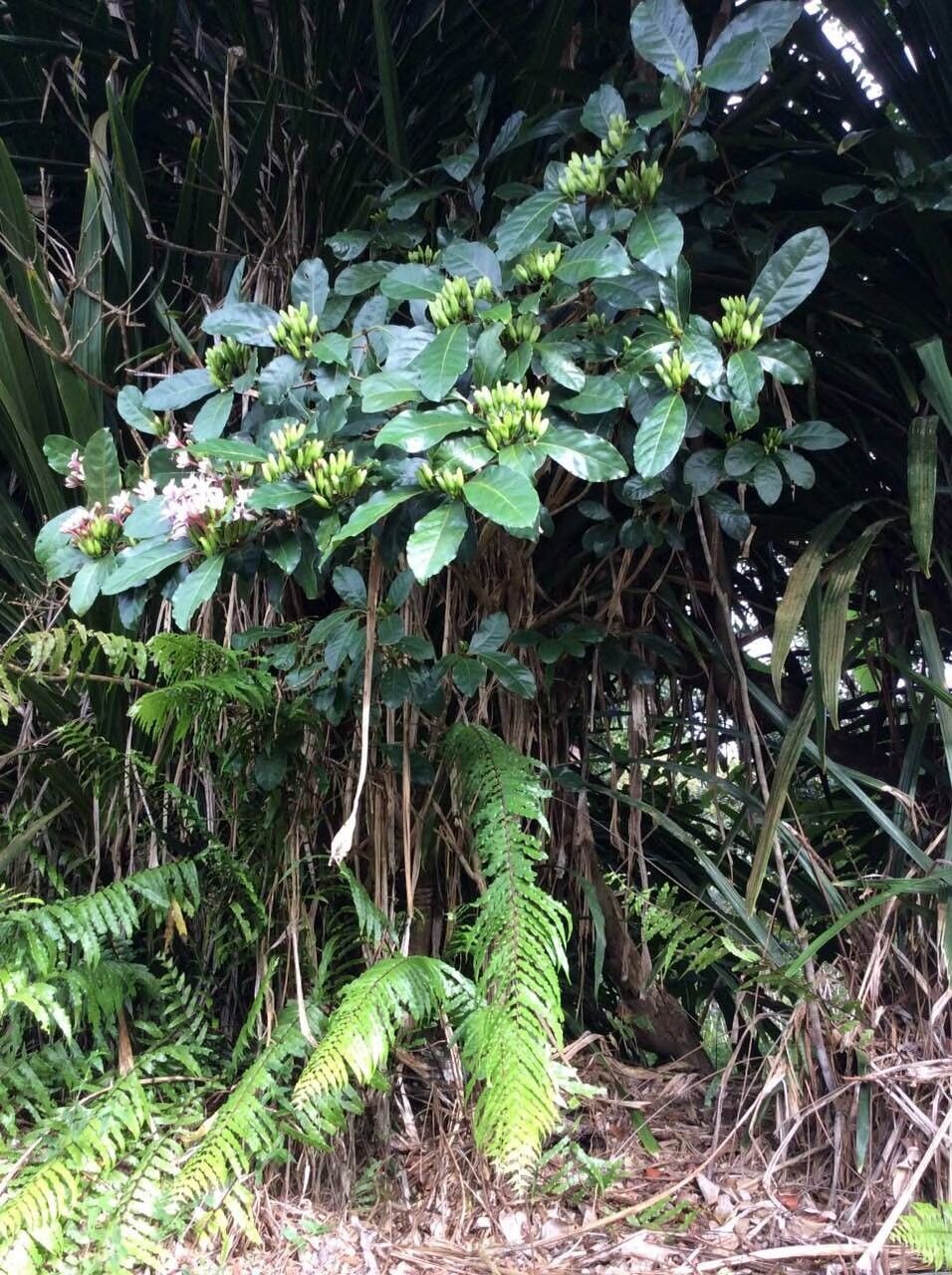
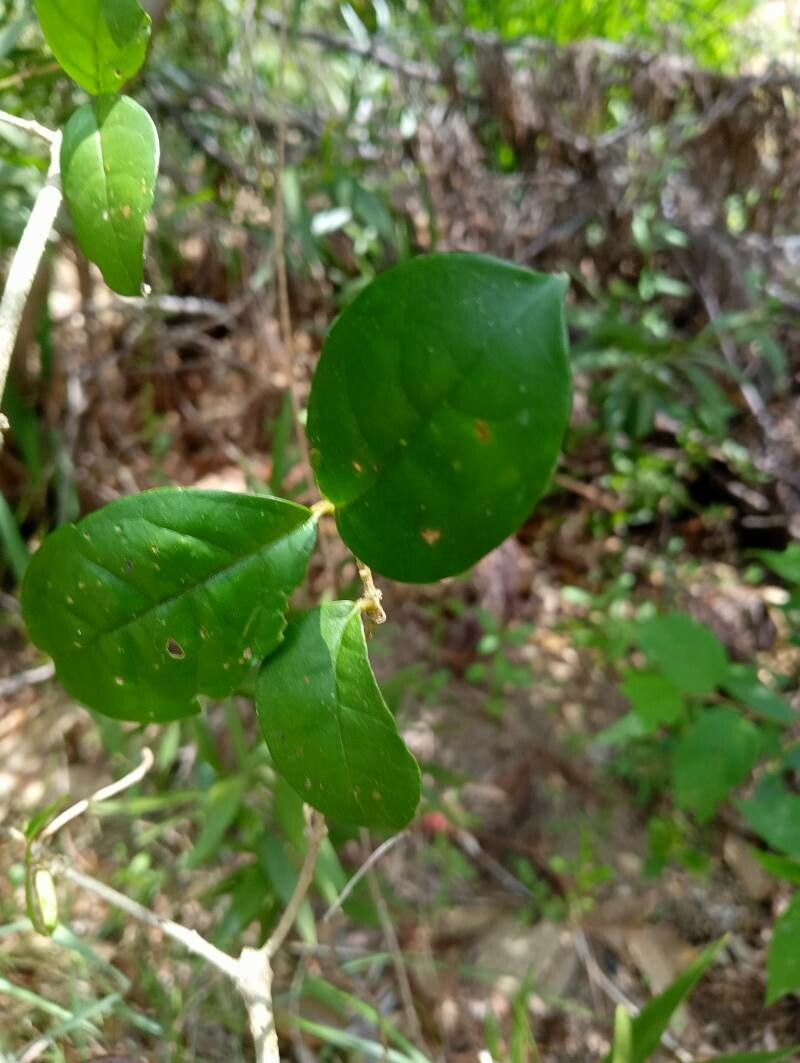
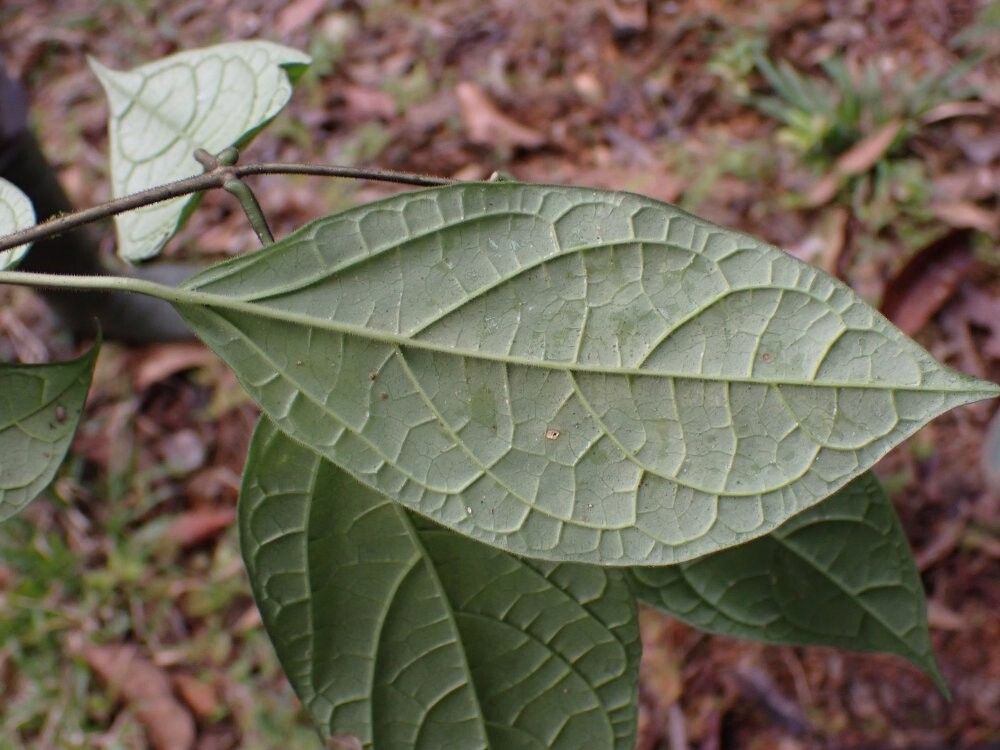
The Swaddling flower shows good resistance to disease and is generally not prone to illness. As for care, this plant is fairly low-maintenance. Planted outdoors, it needs only minimal watering, and larger plants usually do not require pruning. Smaller plants, however, should be pruned after they finish blooming. The Swaddling flower is suitable for anyone with an outdoor area, such as a garden or a deck, and does not require extensive gardening experience.
How to keep Clerodendrum Wallichii.
Light
Swaddling flower prefers an environment of full exposure with a steady stream of sunlight. While it thrives under intense light, it can tolerate less brightly lit conditions. The plant's origin is not specified by region but is noted for its abundant sun exposure, which also points to its need for ample sunlight. Excessive shading can reduce its vigor, while overly strong light may similarly cause drying or scorched leaves.
Temperature
The swaddling flower is native to temperate regions and naturally prospers in temperatures from 59 to 100.4 °F (15 to 38 ℃). For best growth, keep temperatures within this range year-round, adjusting them when necessary.
Fertilizer
The timing of fertilizing Swaddling flower is important. Apply fertilizer in early spring and continue monthly until early summer. Fertilizer encourages attractive blooms and supplies energy during both dormant and active growth stages.
Botanical profile.
- Plant Type
- Shrub
- Life Cycle
- Perennial
- Genus
- Clerodendrum
- Family
- Lamiaceae
- Hardiness Zone
- 8-11
- Mature Height
- 2.13 m
- Mature Spread
- 1.52 m
- Leaf Color
- Green
- Leaf Type
- Evergreen
- Flower Color
- White
- Flower Size
- 1.02 cm to 1.52 cm
- Bloom Time
- Summer, Early fall, Mid fall
- Planting Time
- Spring, Summer
- Harvest Time
- Fall, Early winter, Mid winter
- Native Area
- Nepal, India, Myanmar, Bhutan, Bangladesh, Thailand, China
Other names.