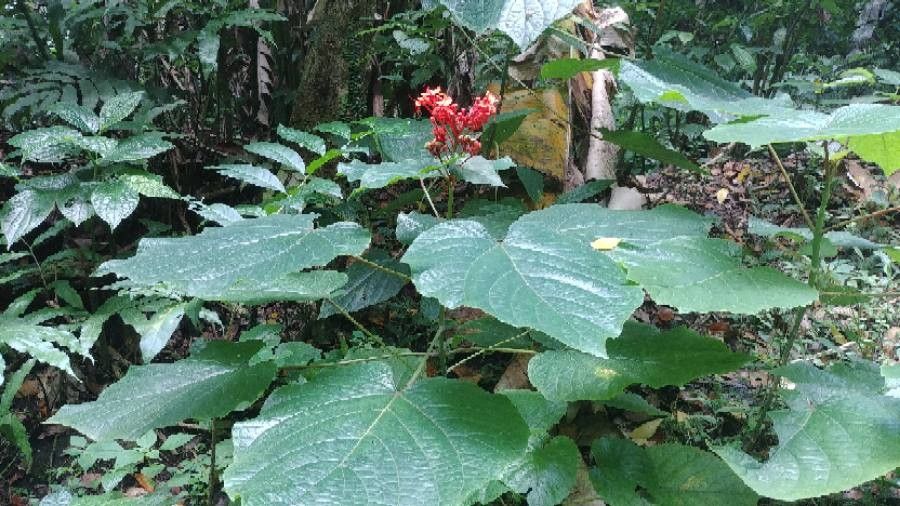
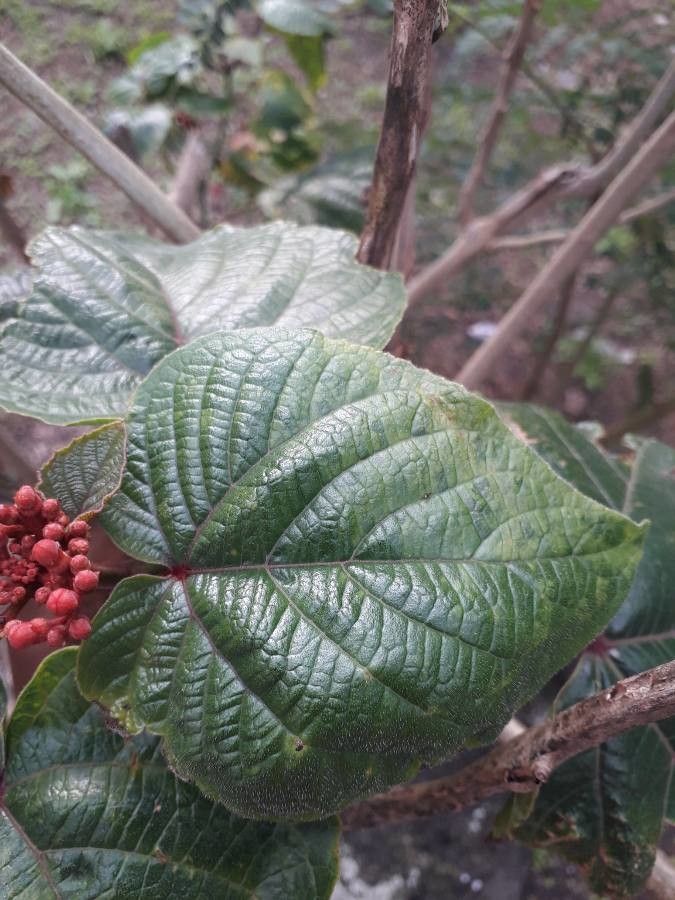
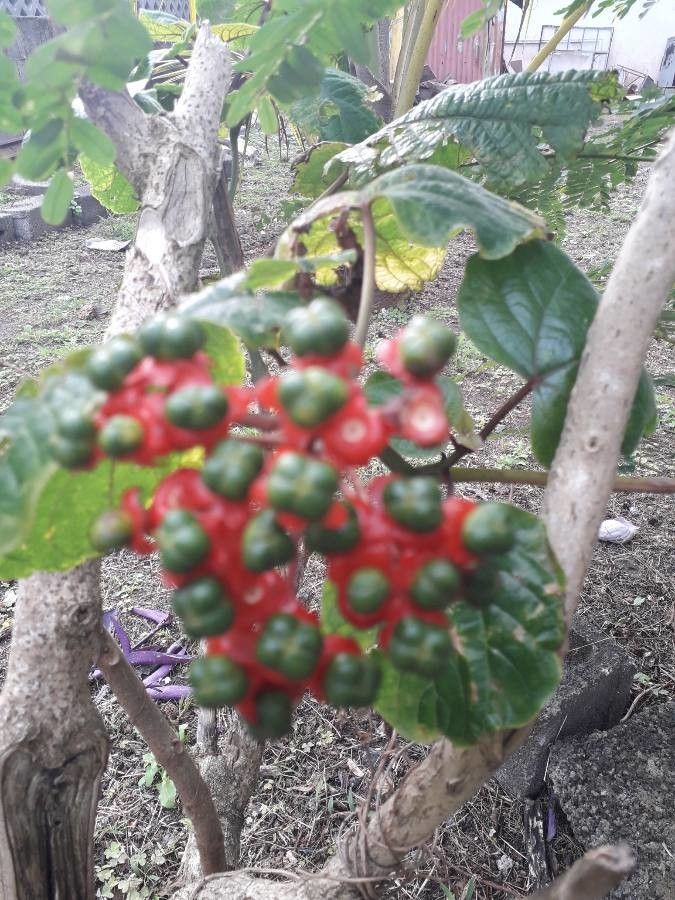
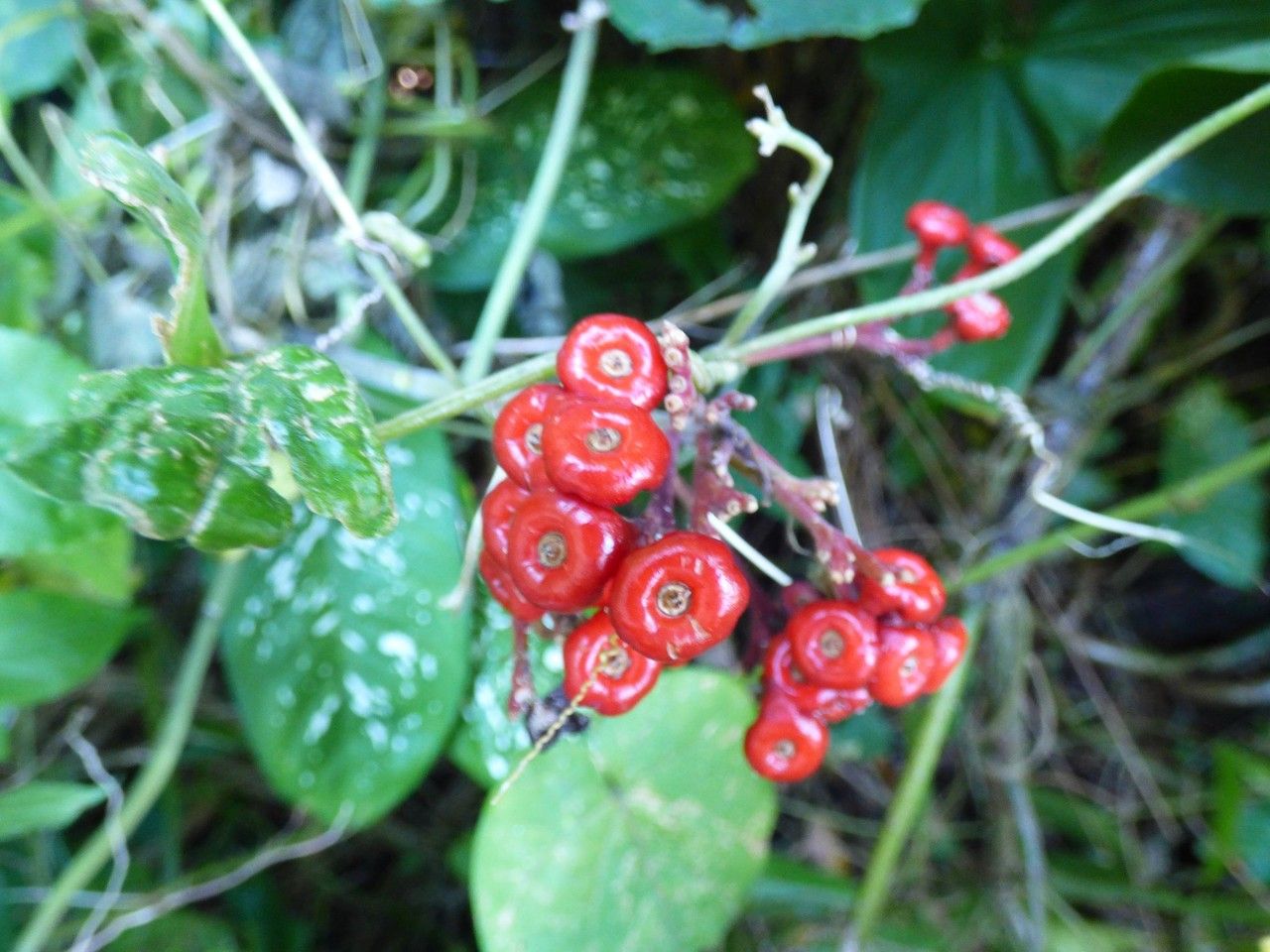
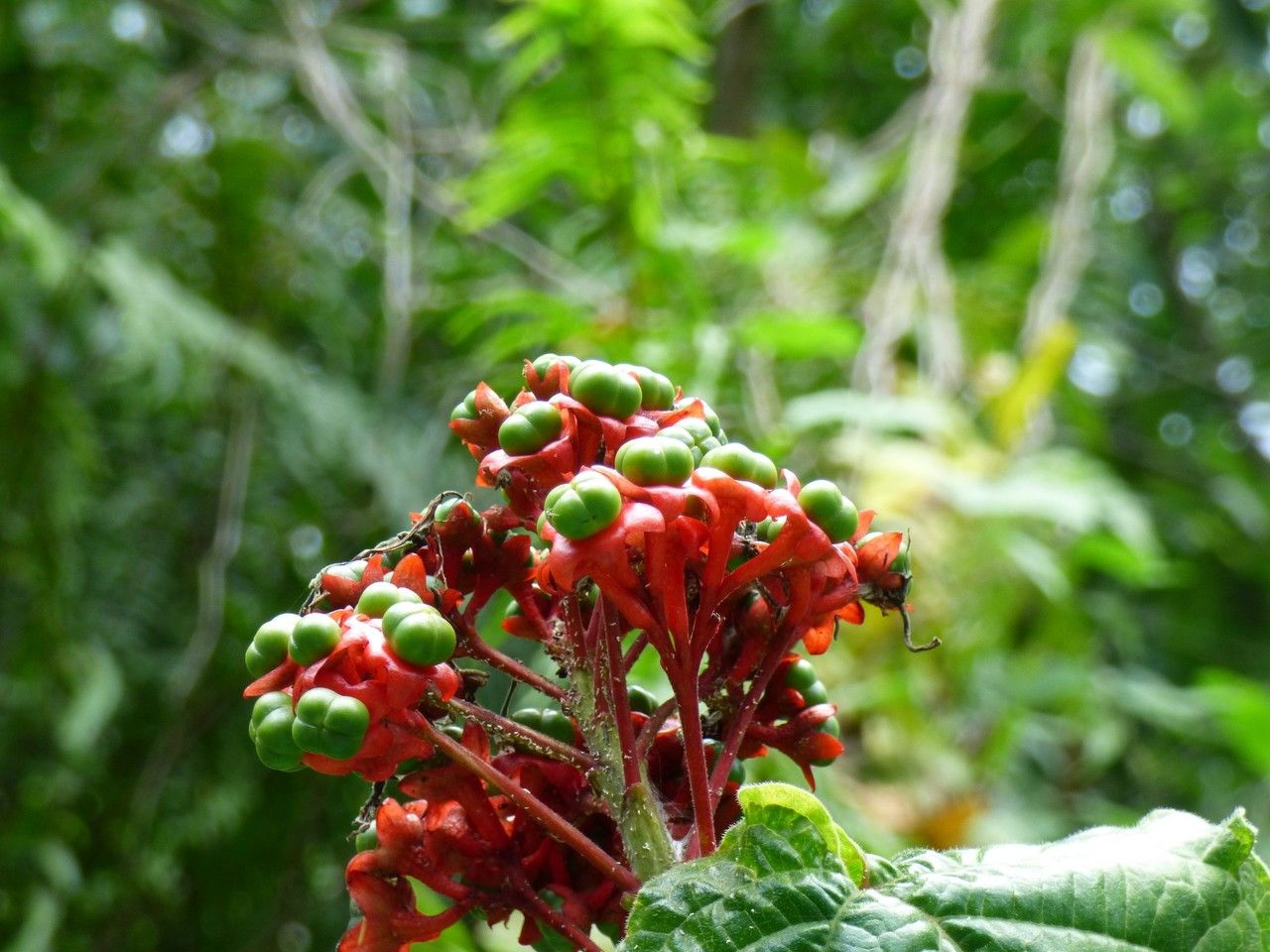
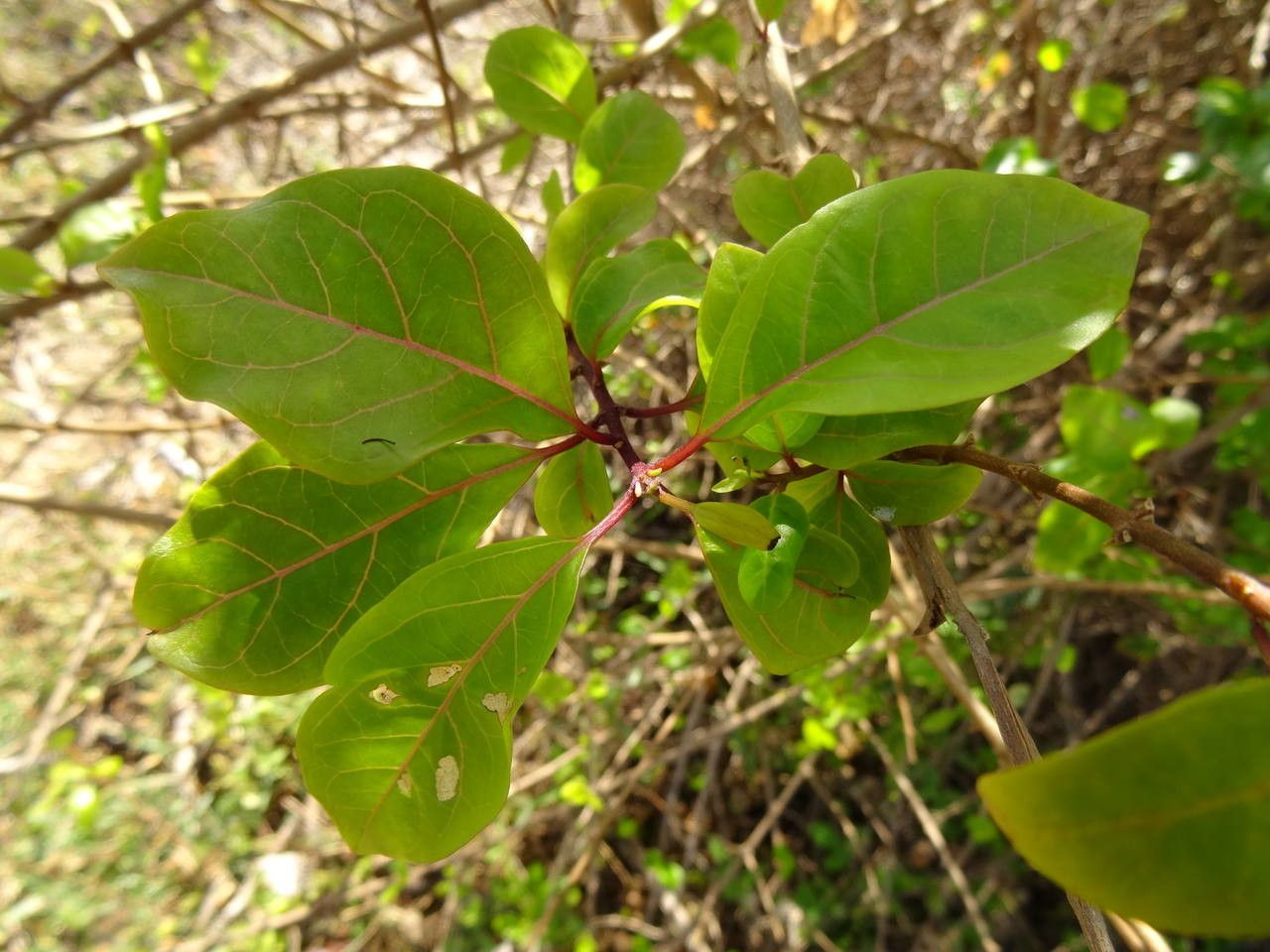
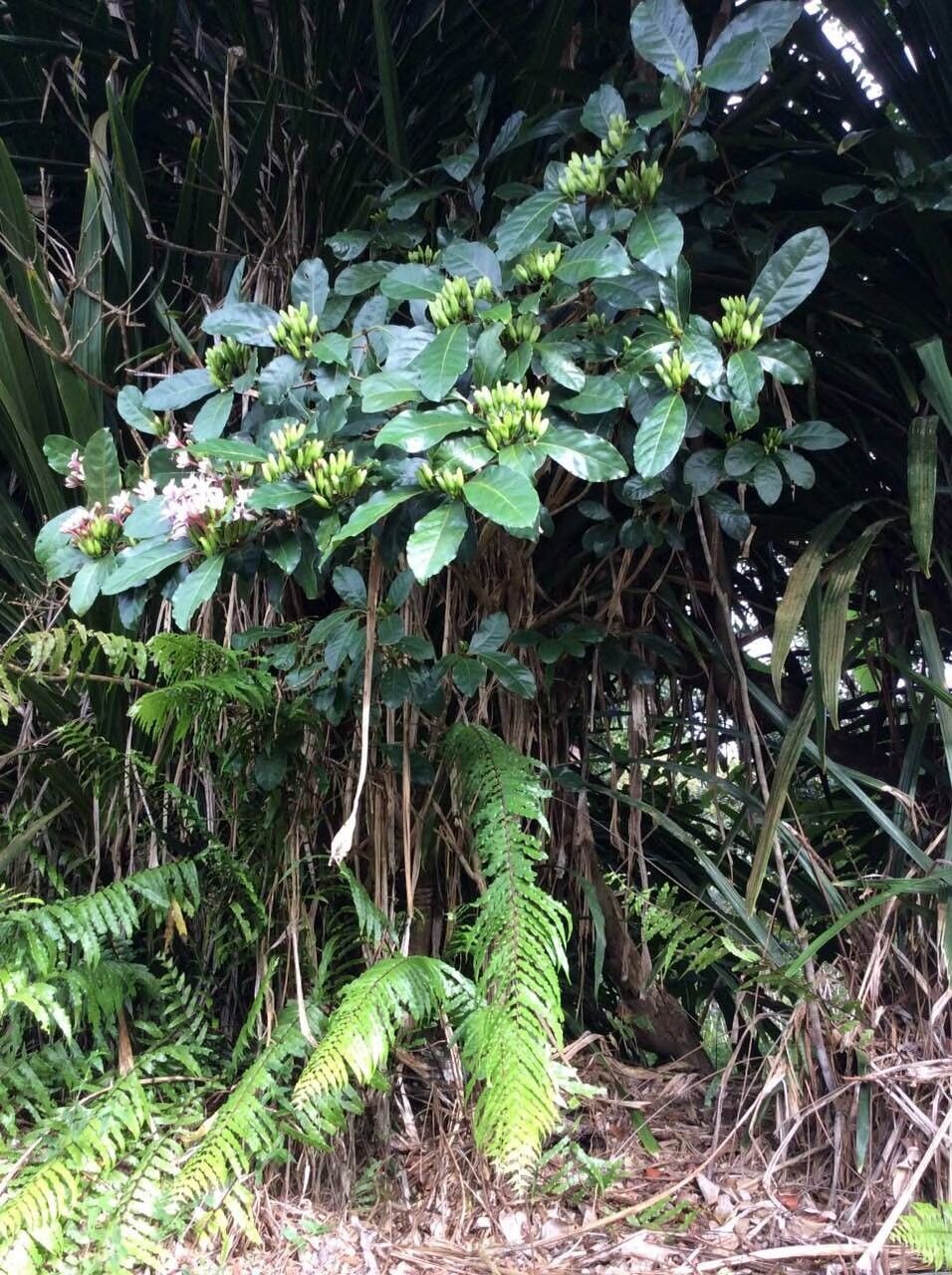
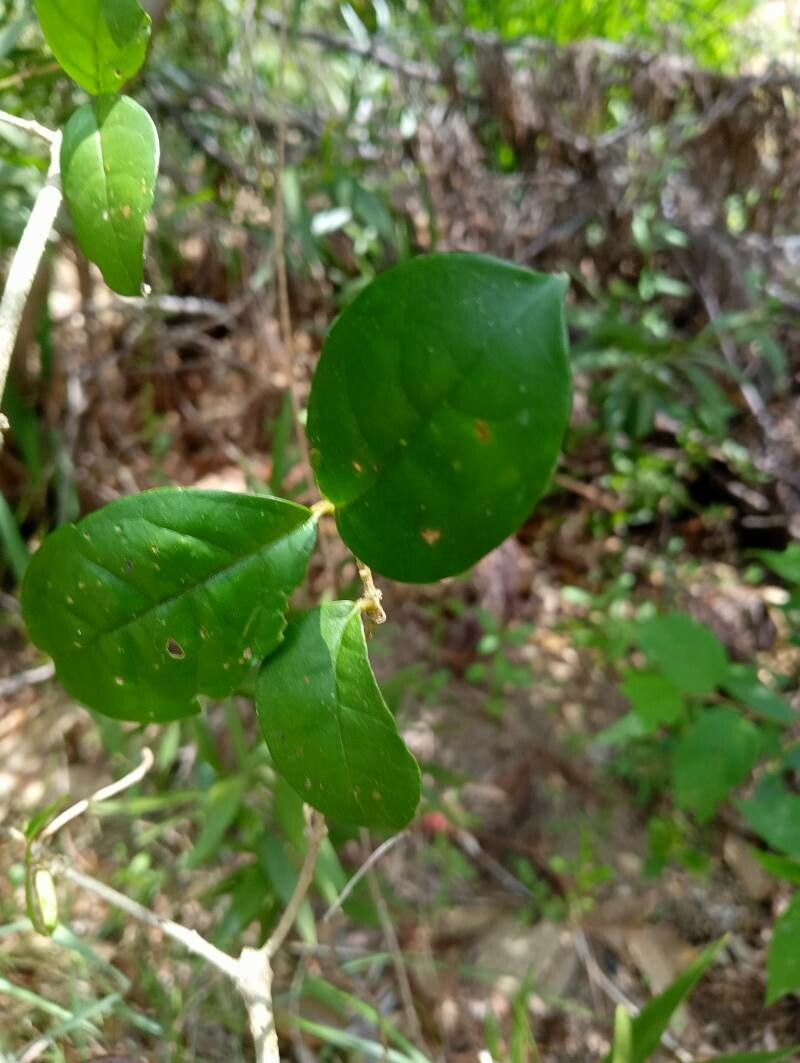
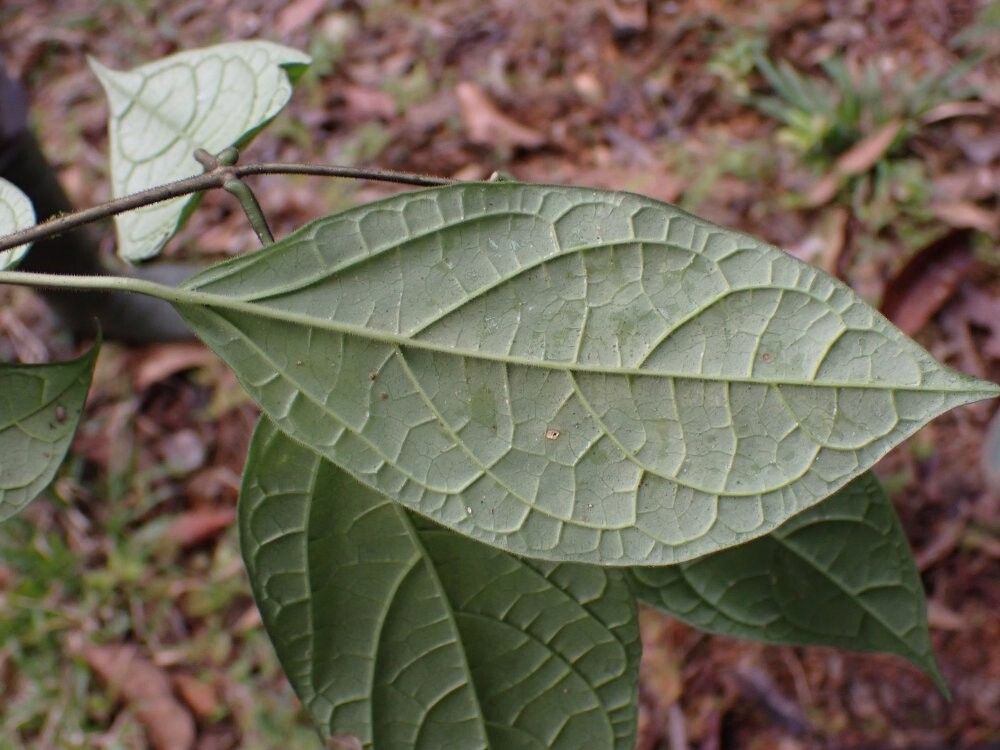
Clerodendrum speciosissimum, commonly known as glory bower, is a striking tropical flowering plant from the family Lamiaceae. Native to Southeast Asia, it can be found in countries such as Thailand, Malaysia, and Indonesia. This plant can reach a height of up to 6 meters and features large, dark green leaves.
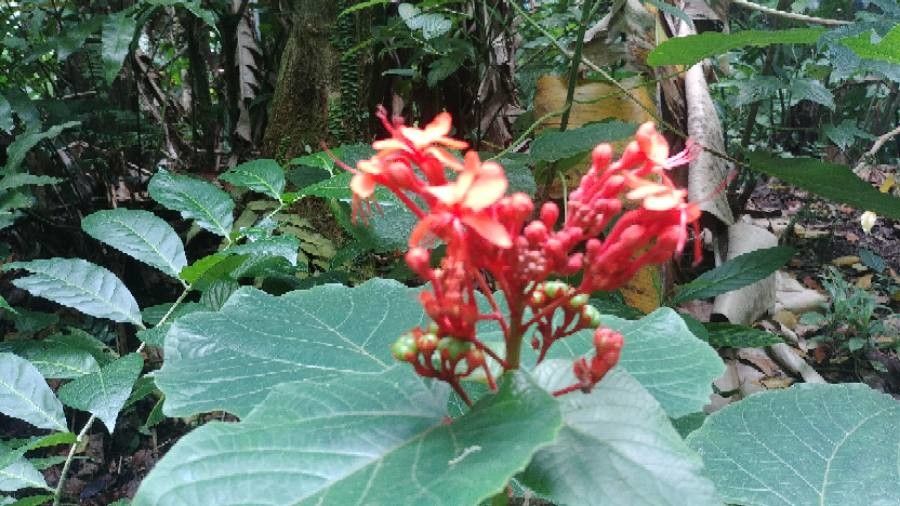
The primary attraction of Clerodendrum speciosissimum is its flowers. These flowers are large, showy, and consist of bright red petals encircling a white center. Blooming in clusters at the ends of long stems, they appear from late summer through the fall.
Clerodendrum speciosissimum thrives in warm temperatures and high humidity, though it can endure some drought once established. It grows best in well-draining soil with regular watering during dry periods.
Traditionally, the plant has been used for medicinal purposes due to its anti-inflammatory properties. Additionally, it is a popular ornamental plant thanks to its stunning flowers.
Overall, Clerodendrum speciosissimum is a breathtaking tropical plant that brings color and beauty to any garden or landscape. Moreover, it offers potential health benefits through its medicinal properties.
Flaming glory bower has strong resistance to disease and typically does not suffer from many illnesses. Regarding care, this plant is fairly low-maintenance. When grown outdoors it needs only light watering, and mature plants usually do not require pruning. Smaller plants, however, should be pruned after they finish blooming. Flaming glory bower is suitable for anyone with outdoor space, such as a garden or deck, and does not need extensive care experience.
How to keep Clerodendrum Speciosissimum.
Light
Flaming glory bower prefers abundant sunlight; its vigor depends on strong light to grow well. Like in its native habitat, ample light is beneficial, though it can tolerate reduced illumination. Both excessive and insufficient light can lessen its vigor.
Water
The flaming glory bower thrives in humid environments and needs regular moisture to grow lush and healthy. It requires weekly watering to maintain its vibrant appearance. As an outdoor plant, it benefits from rainwater, which increases humidity and encourages blooming.
Temperature
Flaming glory bower is adapted to its native growing environment, where temperatures range from 59 to 95 °F (15 to 35 °C). To replicate this, maintain indoor temperatures within that span. Seasonal adjustments are usually unnecessary unless the climate becomes unusually cold or hot.
Fertilizer
Timing is critical when fertilizing the Flaming glory bower. Apply fertilizer in early spring and continue once a month until early summer. The fertilizer encourages attractive blooms and supplies energy during both dormant and active growth stages.
Pruning
Flaming Glory Bower is known for its vibrant red flowers and lush foliage. To promote bushier growth and healthy blooms, prune the plant from early to late winter. Focus on removing any dead wood and shaping the long branches. Be sure to use clean, sharp tools to prevent disease and preserve the plant's visual appeal.
Botanical profile.
- Plant Type
- Tree, Shrub
- Life Cycle
- Perennial
- Genus
- Clerodendrum
- Family
- Lamiaceae
- Hardiness Zone
- 7-10
- Mature Height
- 1.22 m to 2.44 m
- Mature Spread
- 0.91 m to 1.22 m
- Leaf Color
- Green
- Leaf Type
- Evergreen
- Flower Color
- Red
- Flower Size
- 2.54 cm to 5.08 cm
- Bloom Time
- Summer, Early fall, Mid fall
- Planting Time
- Spring, Summer, Autumn
- Harvest Time
- Fall
- Native Area
- Vanuatu, Indonesia, Solomon Islands
Other names.
Reader questions.
How should I water my Flaming glory bower plant?
Watering your Flaming glory bower is not too complicated. You can use any regular watering tool like cans, hoses, or cups. Just make sure to apply the water directly to the soil. It's important to distribute the water evenly to all parts of the root system. Filtering the water is a good idea, as tap water may have harmful particles. Also, avoid using very cold or hot water, as it can be a bit too much for the plant. However, the Flaming glory bower is generally adaptable and can handle different types of water.
Why should I put fertilizer on my Flaming glory bower?
To ensure your Flaming glory bower produces beautiful blooms, it is important to fertilize it. Fertilizing in early spring is especially beneficial as it helps provide excellent flowers during that season. Additionally, fertilizer gives the plant energy that it can store during its dormant growth phases. By providing extra nutrients during the fall planting process or in late spring, your Flaming glory bower will have more energy to utilize when active growth resumes.
What are the sunlight requirements for Flaming Glory Bower?
Flaming Glory Bower thrives with ample sun exposure, requiring above 6 hours of full sunlight for robust growth, though it can tolerate about 3-6 hours of partial sunlight. It's essential to observe the sunlight movement in your garden to ensure your plants receive the optimal balance of light and shade, as mentioned in the warning to watch how sunlight moves through your garden for plant happiness. Despite its preference for a lot of light, similar to its native habitat, Flaming Glory Bower can also withstand lower light conditions. However, both too much and too little light can lead to reduced plant vitality.
What is the ideal temperature range for Flaming Glory Bower?
Flaming Glory Bower thrives in its native environment with temperature ranges between 59 to 95 °F (15 to 35 °C). Indoor climates should be regulated within this range for optimal growth. Seasonal adjustments are not typically necessary unless you're dealing with unusually cold or hot climates. The plant has strong cold resistance and usually doesn't require special frost protection measures in winter. However, if temperatures are expected to drop below -15°C, protecting the plant by wrapping its trunk and branches with non-woven fabric or cloth is recommended. Additionally, abundant watering before the first freeze in autumn helps keep the soil moist, preventing drought and water scarcity during winter and early spring.
What should I do if I give too much or too little water to my Flaming glory bower?
Outdoor plants, especially newly planted ones or seedlings, are susceptible to lack of watering. It is important to consistently water them for a few months until their roots are established. Once established, they can rely on rain for hydration. When growing a Flaming glory bower in a pot, overwatering is a common risk. If you accidentally overwater, there are steps you can take to fix it. Stop watering immediately to minimize the impact. Inspect the roots by removing the plant from its pot. If there is no root rot, you can return it to the container. If there is root rot, trim the affected roots and apply a fungicide to prevent further damage. Repot the Flaming glory bower in well-draining soil. On the other hand, underwatering is easily resolved. If the leaves are drooping and drying out, simply water the plant more frequently. Adjust your watering schedule promptly when underwatering occurs.
When should I fertilize my Flaming glory bower for the best results?
To effectively fertilize Flaming glory bower, it is important to consider timing. Applying fertilizer too early, while the plant is still dormant, will not be effective and can be washed away by rainwater, resulting in waste and pollution. It is recommended to begin applying fertilizer in early spring, and continue doing so once a month until early summer.
How do you supplement lighting for indoor Flaming Glory Bower plants?
Indoor Flaming Glory Bower plants require adequate lighting, especially when natural sunlight is insufficient. In such cases, artificial lights serve as a vital solution to promote healthier and faster growth. LED lights, recommended due to customizable wavelengths, should provide 30-50W/sq ft for full sun plants, 20-30W/sq ft for partial sun, and 10-20W/sq ft for full shade plants. Place these lights 12-36 inches above the plant to mimic natural sunlight and keep them on for 8-12 hours per day to simulate the length of natural daylight hours, ensuring optimal growth conditions indoors.
How does low temperature affect Flaming Glory Bower and what are the solutions?
Flaming Glory Bower is cold-tolerant and prefers temperatures to remain above 15°C. When temperatures fall below -15°C, the plant may not show immediate changes in winter, but in spring, its branches can become brittle, dry, and fail to produce new shoots. To combat this, dead branches that failed to produce new leaves should be pruned away in the spring. This maintenance encourages the plant's health and promotes new growth.
How often should I water my Flaming glory bower plant?
Most outdoor plants can rely on rainfall for their water needs. However, if you live in an area with low rainfall, it's important to water your plants adequately to ensure their growth. In the spring and fall, watering every 2 weeks should be sufficient. But in the summer, when plants need more water, you will need to water them more frequently. During the slower growth period of winter, you can water them less often, or even not at all. If you have a young or newly planted Flaming glory bower, it's important to water it more frequently to help it establish and grow to become more drought tolerant. For potted plants, there are two main ways to determine how often to water your Flaming glory bower. One way is to follow a set watering schedule, such as watering once every week or every other week. However, this may not be suitable for your specific growing conditions. Another option is to monitor the moisture level of the soil. It's generally best to wait until the top 2 to 4 inches of soil, which is about ⅓ to ½ depth of the pots, have dried out completely before watering again. Keep in mind that during the summer, your plant will require more frequent watering compared to other seasons.
When is it best not to use fertilizer on my Flaming glory bower?
To ensure optimal growth and blooming of the Flaming glory bower, it is important to take certain precautions when fertilizing. Avoid using a fertilizer high in nitrogen as this can lead to an abundance of leaves but fewer blooms. Look for a fertilizer with a lower nitrogen level compared to other nutrients. Additionally, refrain from fertilizing after early autumn as this can cause excessive growth just before winter. Fertilizing during hot and dry periods should also be avoided as dry soil is less effective at delivering nutrients. In such conditions, fertilizing can stimulate growth that requires more water, which may not be available. It is best to apply fertilizer earlier in the season when temperatures are cooler. Lastly, bear in mind that the Flaming glory bower can absorb nearby fertilizer from other plants or lawns, so take care to avoid inadvertently giving the tree or shrub a double-dose of fertilizer.
What are the signs of inappropriate lighting for Flaming Glory Bower?
Inadequate lighting conditions can lead to several symptoms indicating the health of Flaming Glory Bower. These include small, less developed new leaves, leggy or sparse growth due to long spaces between leaves or stems, early dropping of older leaves as a conservation measure, a halt in the production of new leaves indicating poor growth or survival mode, leaves with lighter color or irregular patterns due to lack of essential nutrients or chlorophyll, and conditions such as chlorosis, sunscald, leaf curling, wilting, and leaf scorching, all of which reflect the plant's struggle with either too much or too little sunlight.
How does high temperature affect Flaming Glory Bower and what are the solutions?
During summer, it's crucial to keep Flaming Glory Bower below 35°C. If temperatures soar above 41°C, the plant may exhibit signs of stress such as lighter colored leaves, dry and withered tips, and an increased susceptibility to sunburn. To help the plant recover, trim away the sunburned and dried-up parts. Moreover, relocating the plant to a shaded area during midday and afternoon sun or using a shade cloth can offer protection. Ensuring the soil stays moist through watering in the morning and evening will also mitigate heat stress.