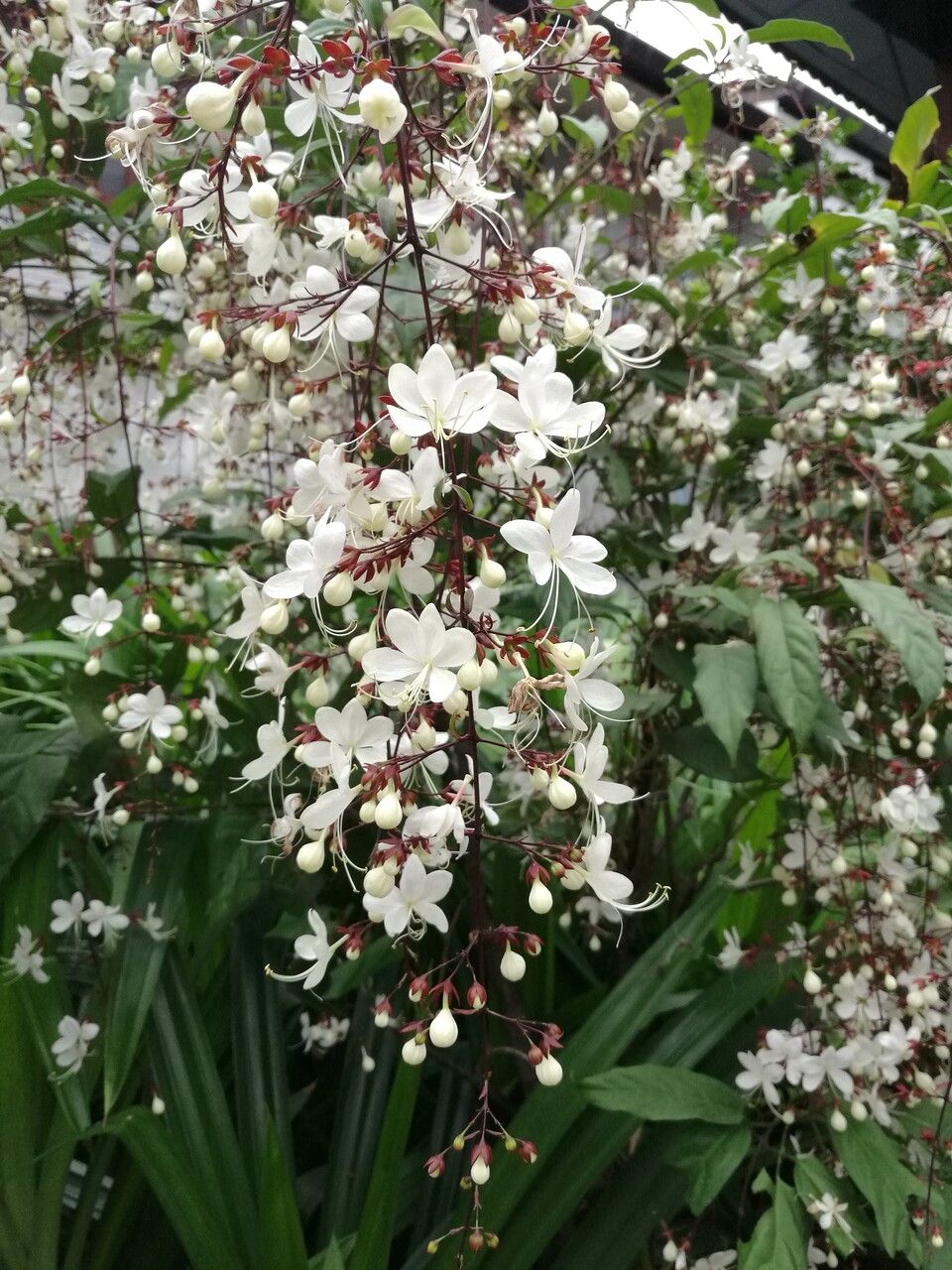
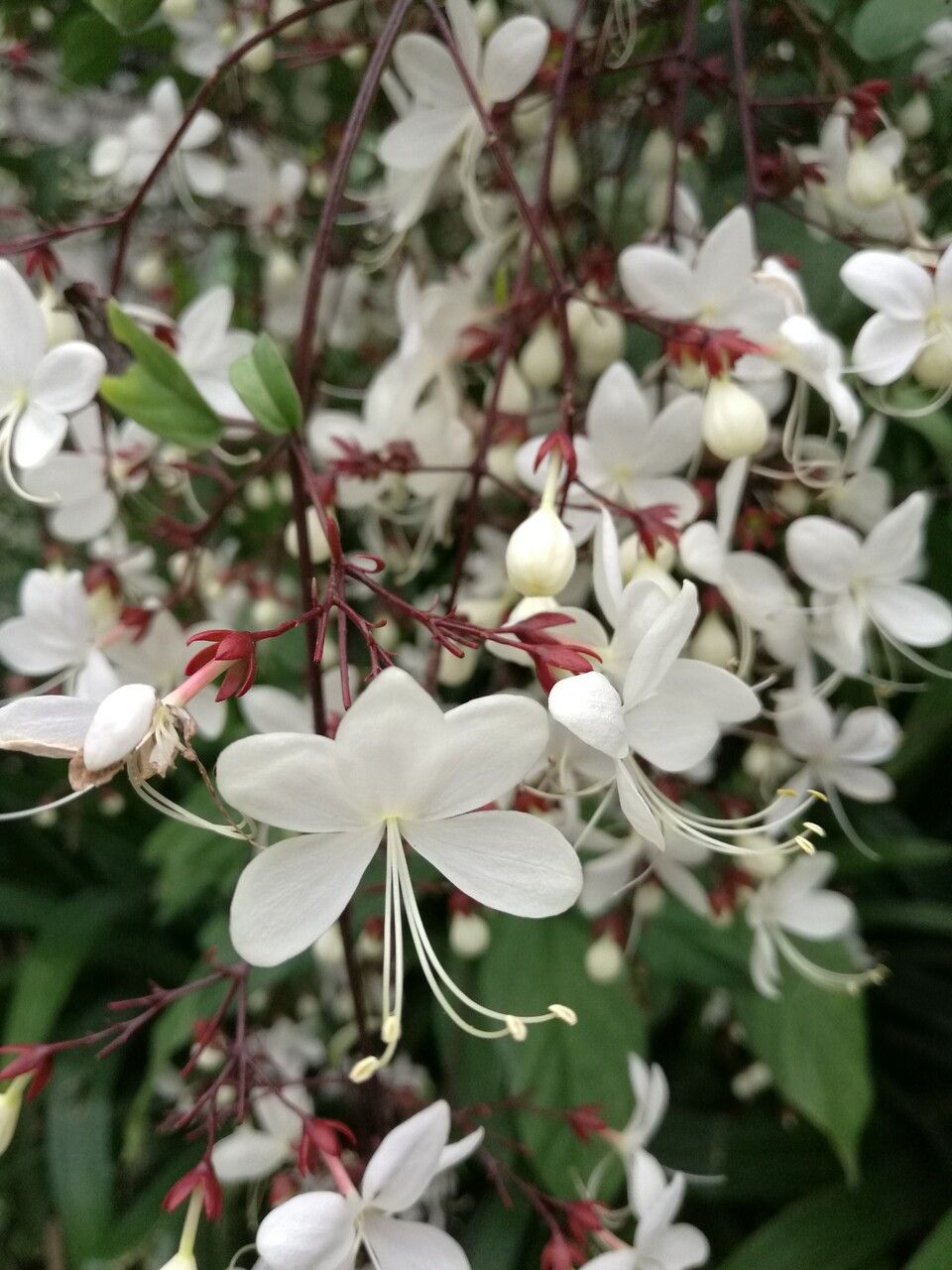
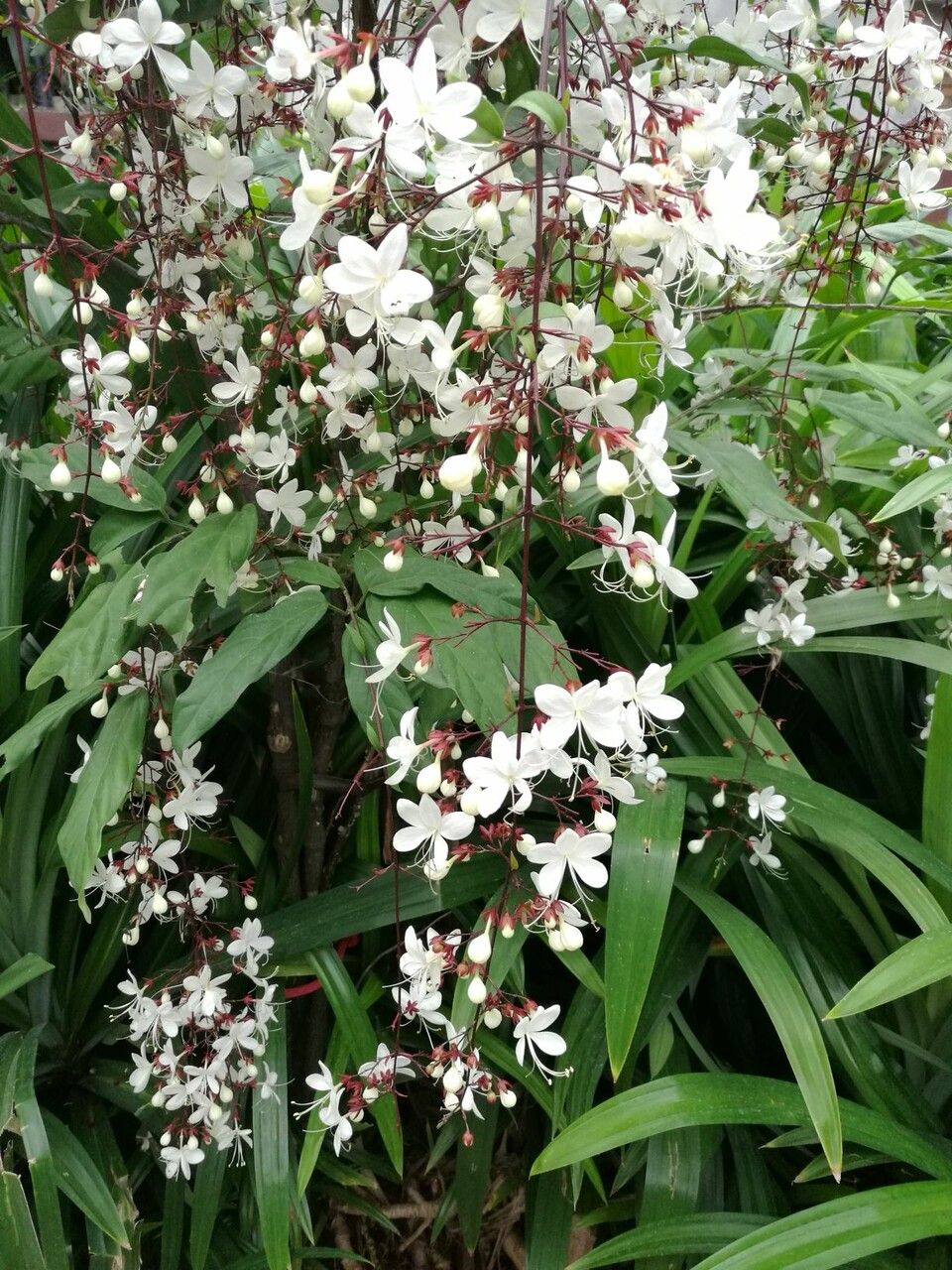
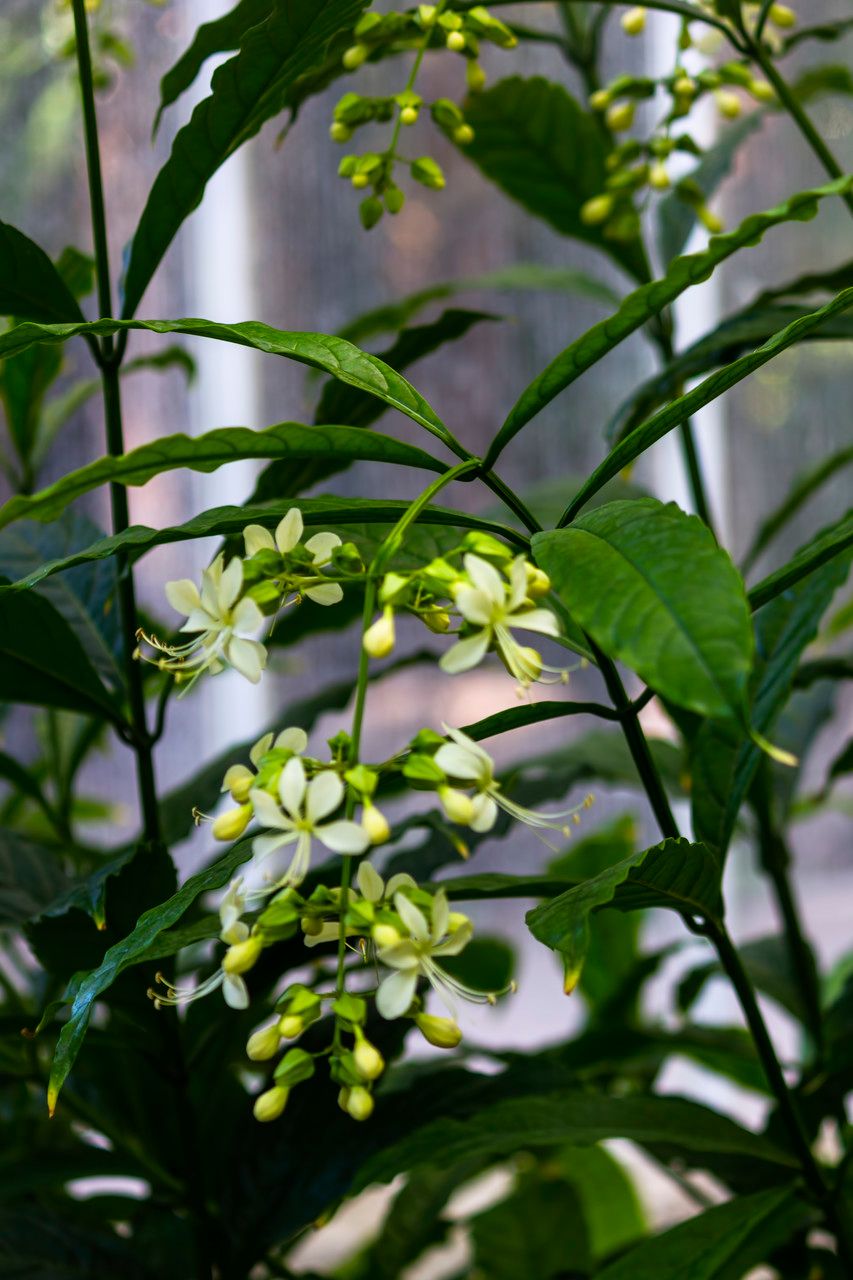
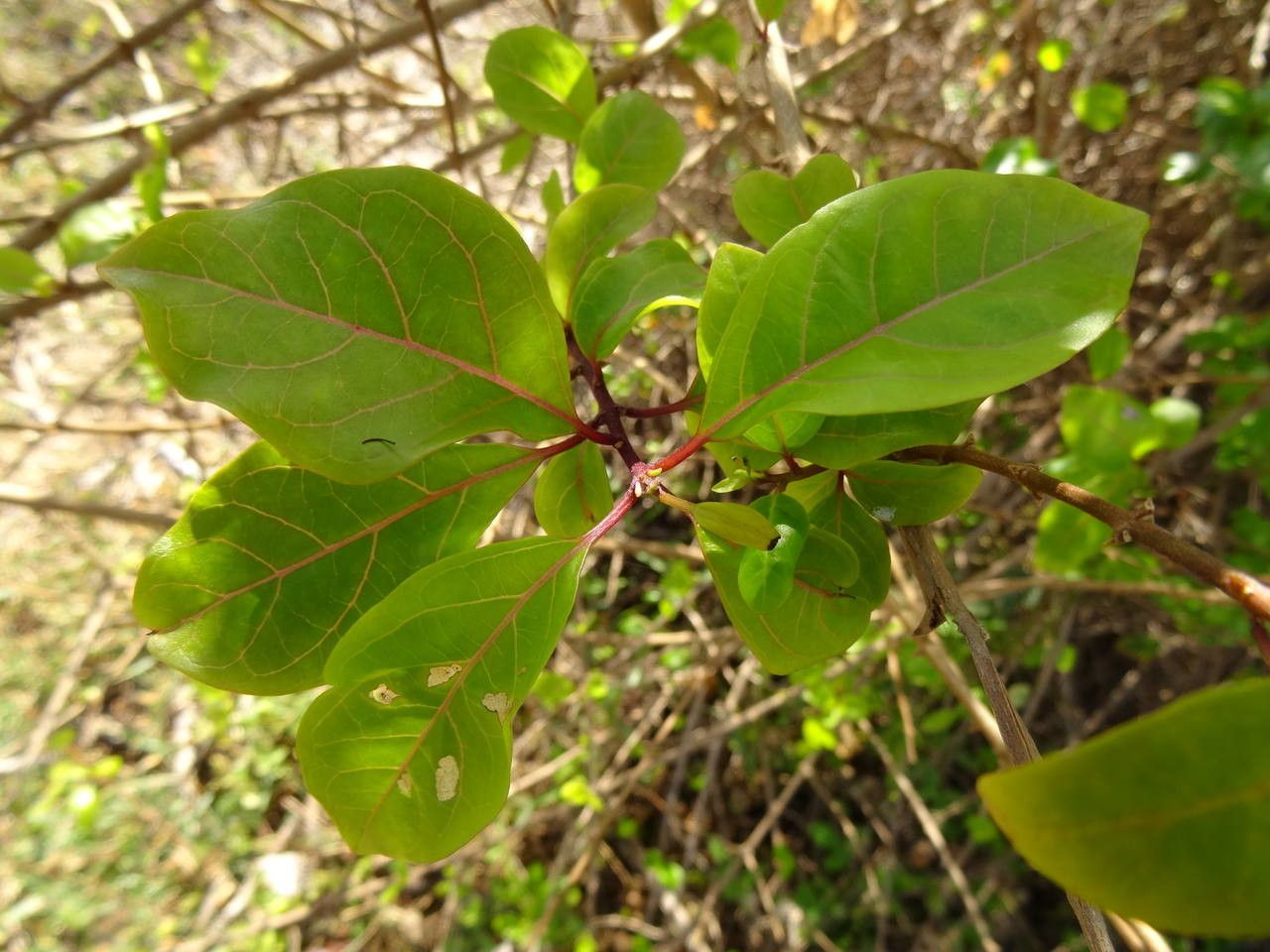
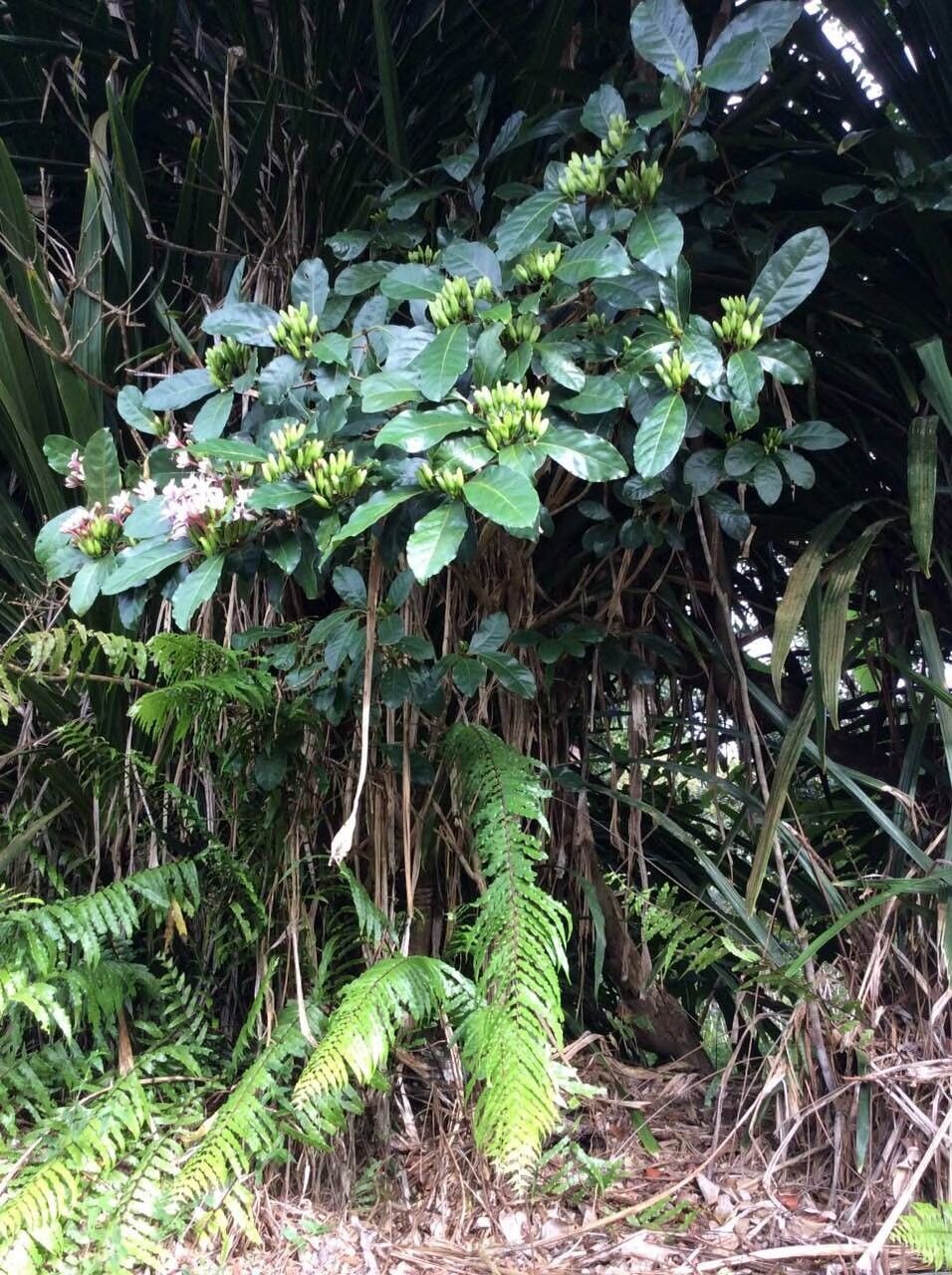
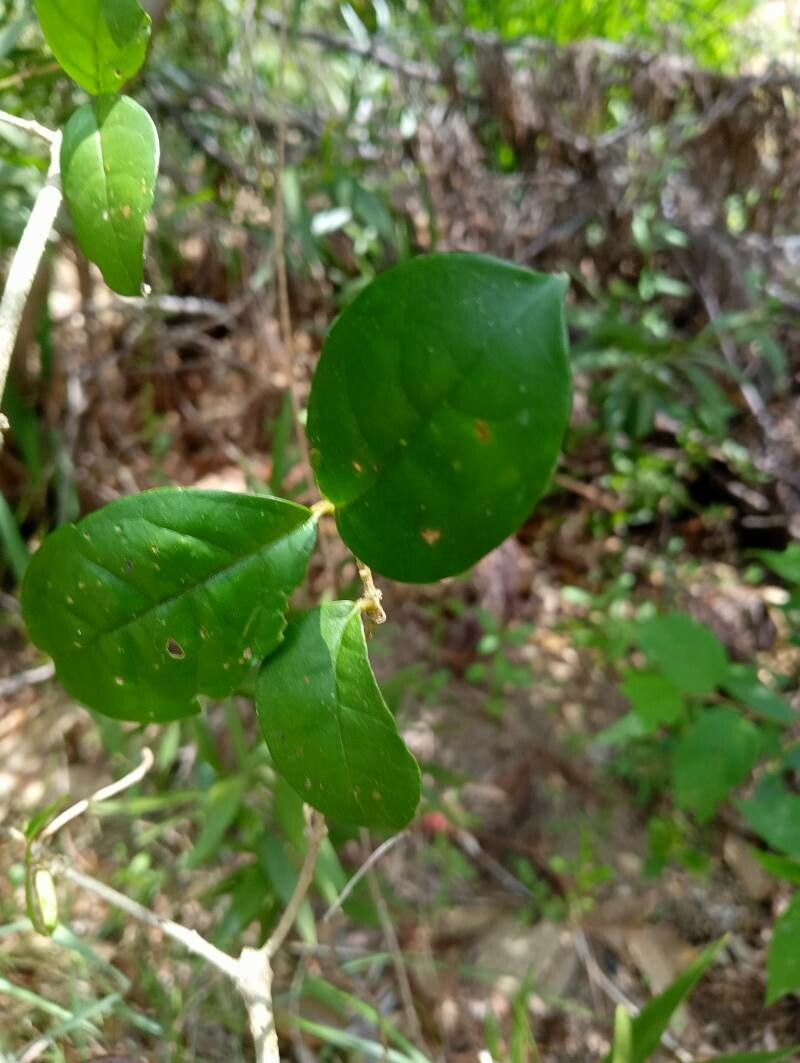
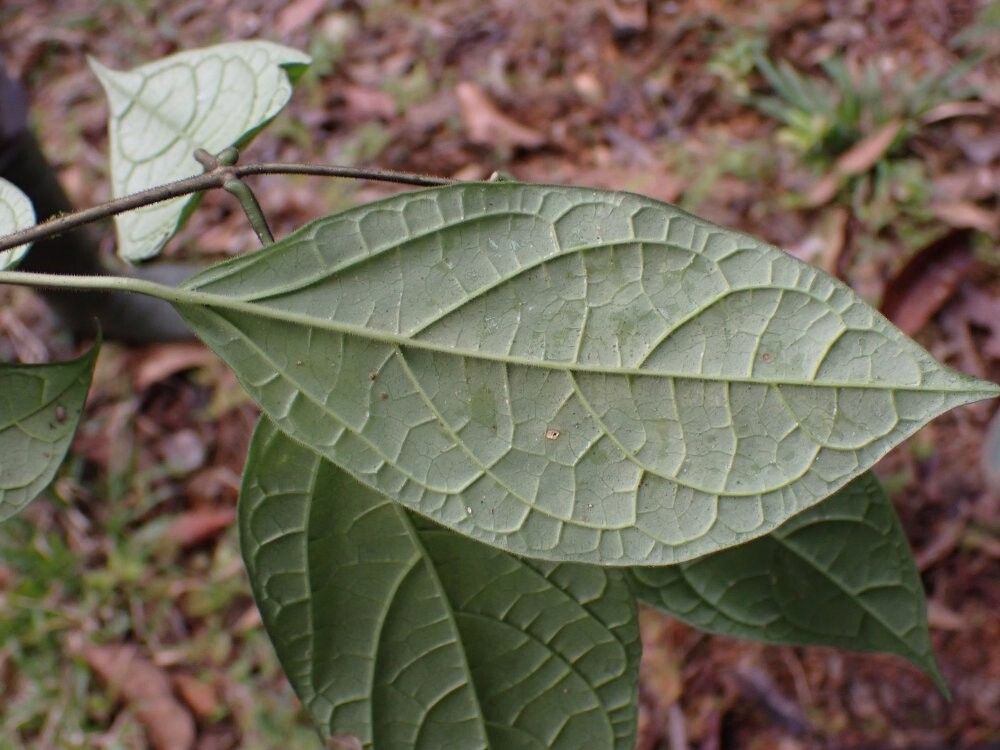
The Swaddling flower shows good resistance to disease and is generally not prone to illness. As for care, this plant is fairly low-maintenance. Planted outdoors, it needs only minimal watering, and larger plants usually do not require pruning. Smaller plants, however, should be pruned after they finish blooming. The Swaddling flower is suitable for anyone with an outdoor area, such as a garden or a deck, and does not require extensive gardening experience.
How to keep Clerodendrum Laevifolium.
Light
Swaddling flower prefers an environment of full exposure with a steady stream of sunlight. While it thrives under intense light, it can tolerate less brightly lit conditions. The plant's origin is not specified by region but is noted for its abundant sun exposure, which also points to its need for ample sunlight. Excessive shading can reduce its vigor, while overly strong light may similarly cause drying or scorched leaves.
Water
The swaddling flower thrives in humid, tropical-like conditions. It requires watering every 2 to 3 weeks, allowing the soil to partially dry between waterings. Regular misting, especially during the growing season, helps support its lush foliage and maintain adequate moisture levels.
Temperature
The swaddling flower is native to temperate regions and naturally prospers in temperatures from 59 to 100.4 °F (15 to 38 ℃). For best growth, keep temperatures within this range year-round, adjusting them when necessary.
Fertilizer
The timing of fertilizing Swaddling flower is important. Apply fertilizer in early spring and continue monthly until early summer. Fertilizer encourages attractive blooms and supplies energy during both dormant and active growth stages.
Pruning
Swaddling flower is characterized by its vibrant blossoms and glossy foliage. To encourage growth and blooming, prune from early to late winter. During pruning, concentrate on removing dead branches, thinning out dense areas, and shaping the plant to improve air circulation and light penetration. Regular pruning helps control the plant's size and enhances its flowering vigor.
Botanical profile.
- Plant Type
- Shrub
- Life Cycle
- Perennial
- Genus
- Clerodendrum
- Family
- Lamiaceae
- Hardiness Zone
- 8-11
- Mature Height
- 2.13 m
- Mature Spread
- 1.52 m
- Leaf Color
- Green
- Leaf Type
- Evergreen
- Flower Color
- White
- Flower Size
- 1.02 cm to 1.52 cm
- Bloom Time
- Summer, Early fall, Mid fall
- Planting Time
- Spring, Summer
- Harvest Time
- Fall, Early winter, Mid winter
- Native Area
- Nepal, India, Myanmar, Bhutan, Bangladesh, Thailand, China
Other names.
Reader questions.
What are the sunlight requirements for Swaddling Flower?
Swaddling Flower, or Clerodendrum laevifolium, thrives best in environments that offer full sun, which means it needs more than 6 hours of sunlight daily. It can also tolerate partial sun, receiving about 3-6 hours of sunlight. It's important to monitor the movement of sunlight through your garden to find spots that provide the right balance of light and shade for these plants, ensuring their growth and happiness.
What is the ideal temperature range for growing Swaddling Flower?
The Swaddling Flower, also known by its botanical name Clerodendrum laevifolium, is indigenous to temperate regions and thrives best in temperatures ranging from 59 to 100.4 °F (15 to 38 °C). It is naturally adapted to these temperature conditions, and for optimal growth, it's important to maintain temperatures within this range throughout the year, making adjustments as necessary.
What are the essential requirements for growing Swaddling Flower?
The Swaddling Flower prefers an environment where it can bask in the full exposure of sunlight, enjoying a constant stream of sunbeams. Although it originates from regions with abundant solar exposure, implying a need for ample sunlight, this plant can gracefully endure less sunny conditions. Excessive shading can diminish its vitality, and too much direct sunlight might lead to drying or scorching of the leaves. In indoor settings where natural light is insufficient, especially during winter or in less sunny spaces, artificial lighting such as LED lights can be a crucial solution. These lights should be customized to provide the specific wavelengths needed by the plant, with full sun plants requiring 30-50W/sq ft, partial sun plants needing 20-30W/sq ft, and full shade plants needing 10-20W/sq ft.
How does Swaddling Flower respond to cold temperatures?
Swaddling Flower has a moderate tolerance to cold, generally not requiring extra cold protection measures if the temperature stays above -5°C. However, should temperatures dip below -5°C, temporary measures are necessary to shield the plant from the cold. This could involve wrapping it with plastic film, fabric, or other materials for protection. Once temperatures rise, it's essential to remove these coverings promptly. When temperatures fall below -10°C, the plant's leaves may droop; they can recover in mild cases but will wilt and might eventually fall off in severe scenarios.
What are the symptoms of light deficiency or overexposure in Swaddling Flower?
Light deficiency in Swaddling Flower can lead to several symptoms: new leaves may grow smaller, the plant might display leggy or sparse growth, experience faster leaf drop, show slower or no new growth, and have lighter-colored new leaves due to insufficient sunlight. These indicate a lack of chlorophyll and essential nutrients. Overexposure to sunlight can cause chlorosis, sunscald, leaf curling, wilting, and leaf scorching. Proper monitoring and adjustment of light exposure are crucial for maintaining the plant's health.
What should I do if my Swaddling Flower is affected by low temperatures?
If your Swaddling Flower is damaged by frost or suffers due to low temperatures, you should trim away the frost-damaged parts of the plant. To prepare it for any future cold spells, wrap the plant with non-woven fabric or cloth and set up a wind barrier to protect it from chilling winds. These steps can help mitigate the effects of cold stress and preserve the plant's health during the winter months.
How can I address sunlight-related issues for my Swaddling Flower?
To ensure optimal growth for your Swaddling Flower, gradually move the plant to a location with more sunlight each week, aiming for at least 6 hours of direct sunlight daily. For indoor plants, using a south-facing window with curtains open during the day maximizes sunlight exposure. Artificial lighting, like desk lamps or professional grow lights, can supplement light for at least 8 hours a day. Outdoors, gradually acclimate your plants to brighter spots while avoiding sudden changes to prevent sunburn. If sunlight is obstructed, consider pruning or relocating smaller plants to sunnier locations. Unfortunately, parts of the plant that suffer from light deficiency may not recover, but new growth should be healthy with proper light exposure.
How does Swaddling Flower react to high temperatures?
During the summer season when temperatures can soar, it is crucial to keep the Swaddling Flower below 38°C to prevent heat stress. Exposure to temperatures exceeding 43°C can lead to symptoms such as lighter leaf color, dry and withered leaf tips, curling leaves, and an increased susceptibility to sunburn.
What measures should be taken if Swaddling Flower experiences high temperature stress?
To address high temperature stress on Swaddling Flower, trim away any sunburned or dried-up parts of the plant. Moving the plant to a shaded location or using a shade cloth to block out the intense midday and afternoon sun can also be beneficial. Additionally, watering the plant in the morning and evening to maintain soil moisture can help mitigate the effects of high temperatures and protect the plant from heat stress.