Japanese glorybower has strong disease resistance and is generally unlikely to suffer from diseases. In terms of care, this plant is fairly low-maintenance. When planted outdoors, it needs only light watering, and larger plants typically do not require pruning. Smaller plants, however, should be pruned after they finish blooming. Japanese glorybowert is suitable for anyone with outdoor space, such as a garden or deck, and does not need much prior experience in plant care.
How to keep Clerodendrum Japonicum.
Light
The Japanese glorybower prospers when exposed to direct, unobstructed sunlight. Its development and overall health depend on plentiful light. In its native habitat, this plant does well in open sites that receive considerable solar radiation. Although it favors those conditions, it is robust enough to endure environments with less light. Both heavy shade and excessively strong light can impede its growth.
Water
The Japanese glorybower flourishes in humid subtropical areas, where it benefits from consistent moisture and moderate humidity. To keep its foliage lush, water it weekly, making sure it has good drainage. If grown outdoors, adjust the watering schedule according to the seasonal rainfall, especially during the active growing season, to promote vigorous growth.
Temperature
Japanese glorybower is quite adaptable to temperature, able to tolerate high heat and wide temperature fluctuations. In hot weather, attention should be paid to watering and providing proper shade to avoid sunburn. Its tolerance of low temperatures, however, is relatively poor. While it can endure some cold, very low temperatures may cause frost damage.
Fertilizer
The timing of fertilization is important for Japanese glorybower. Apply fertilizer in early spring and continue once a month until early summer. Fertilizer encourages attractive blooms and supplies energy during both dormancy and periods of active growth.
Pruning
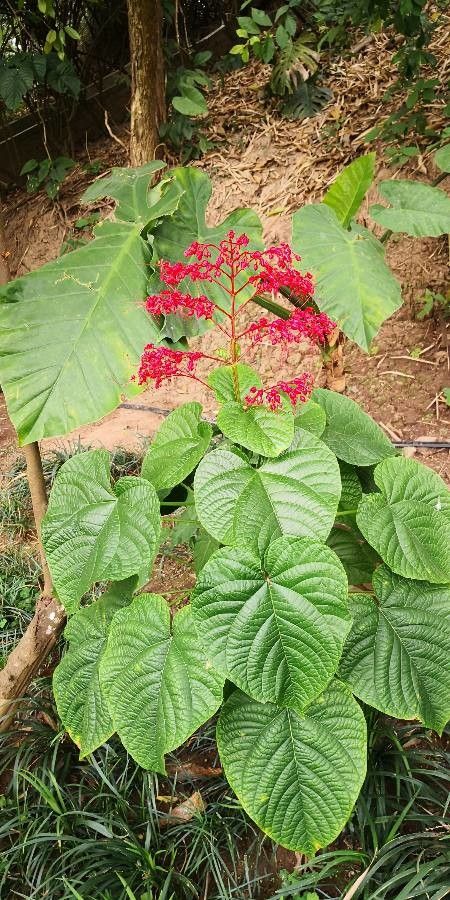
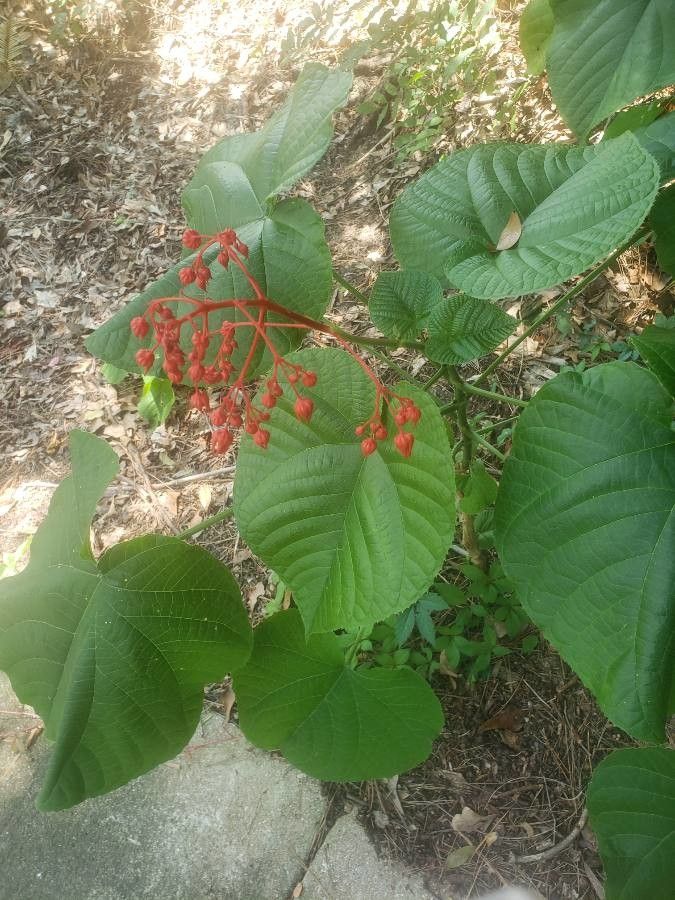
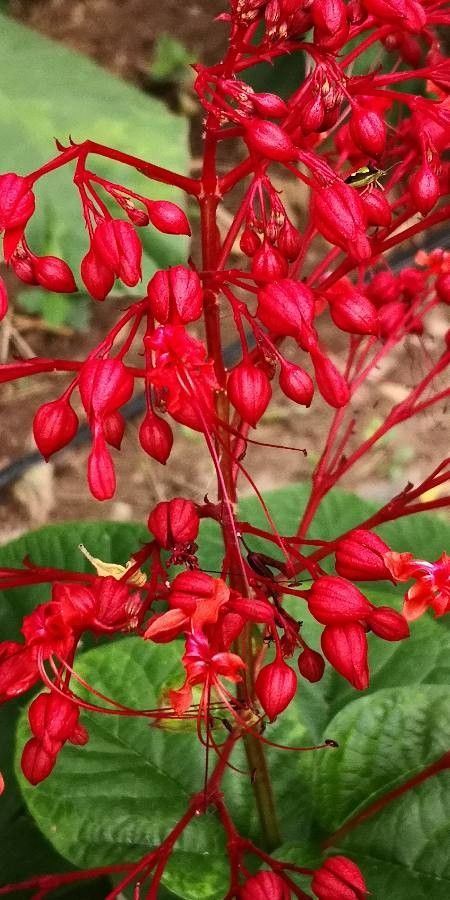
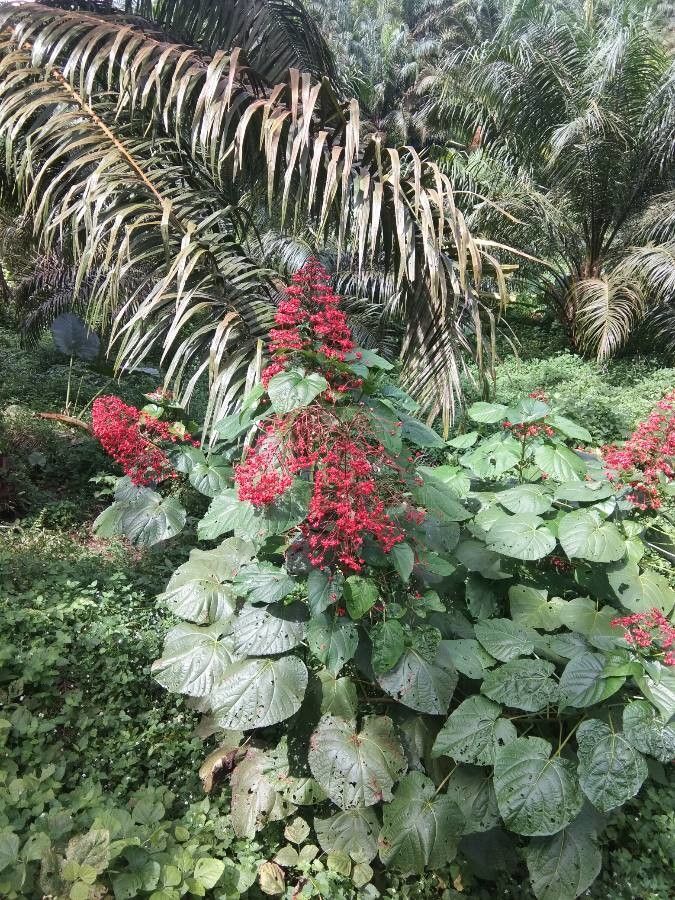
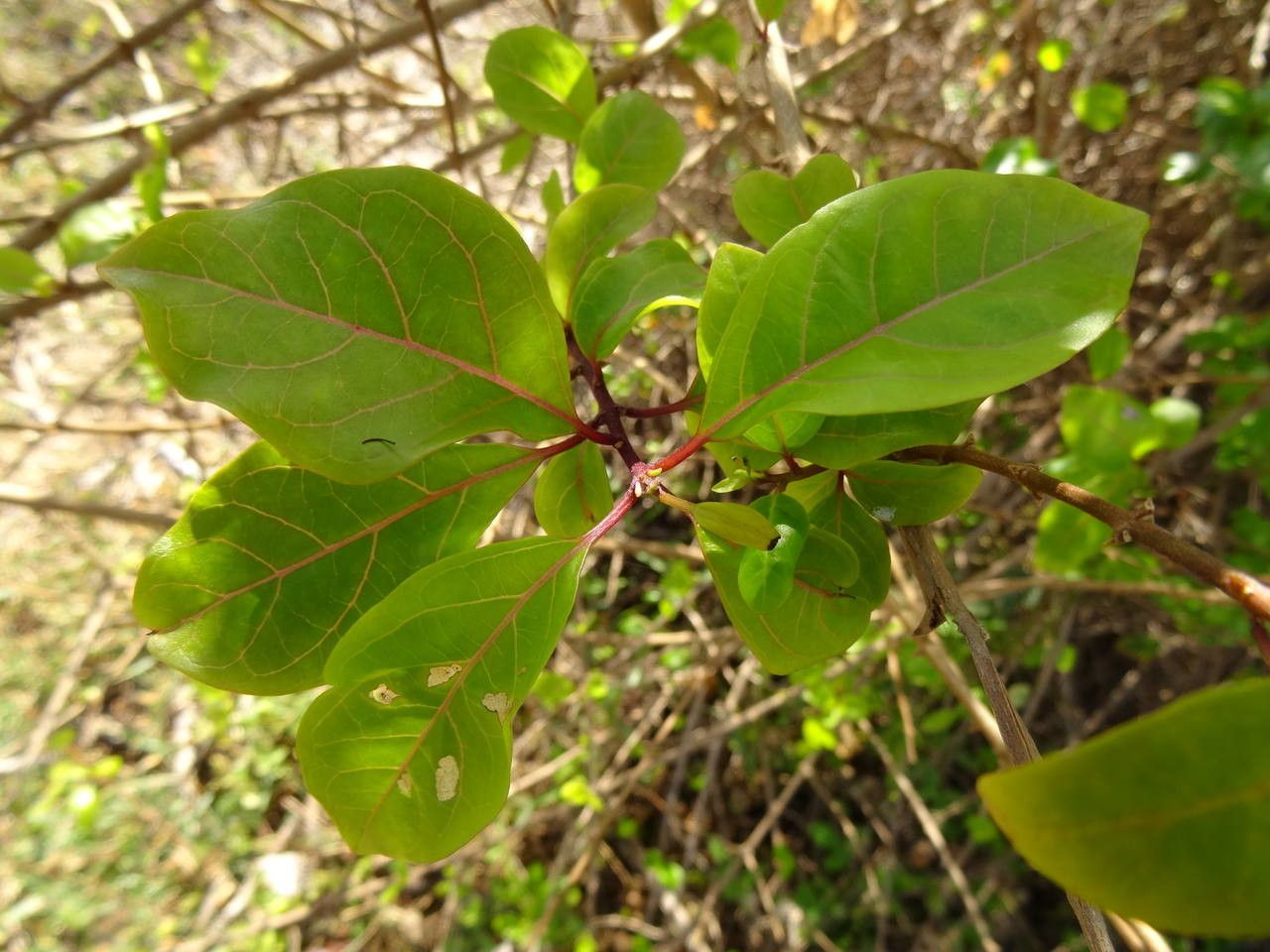
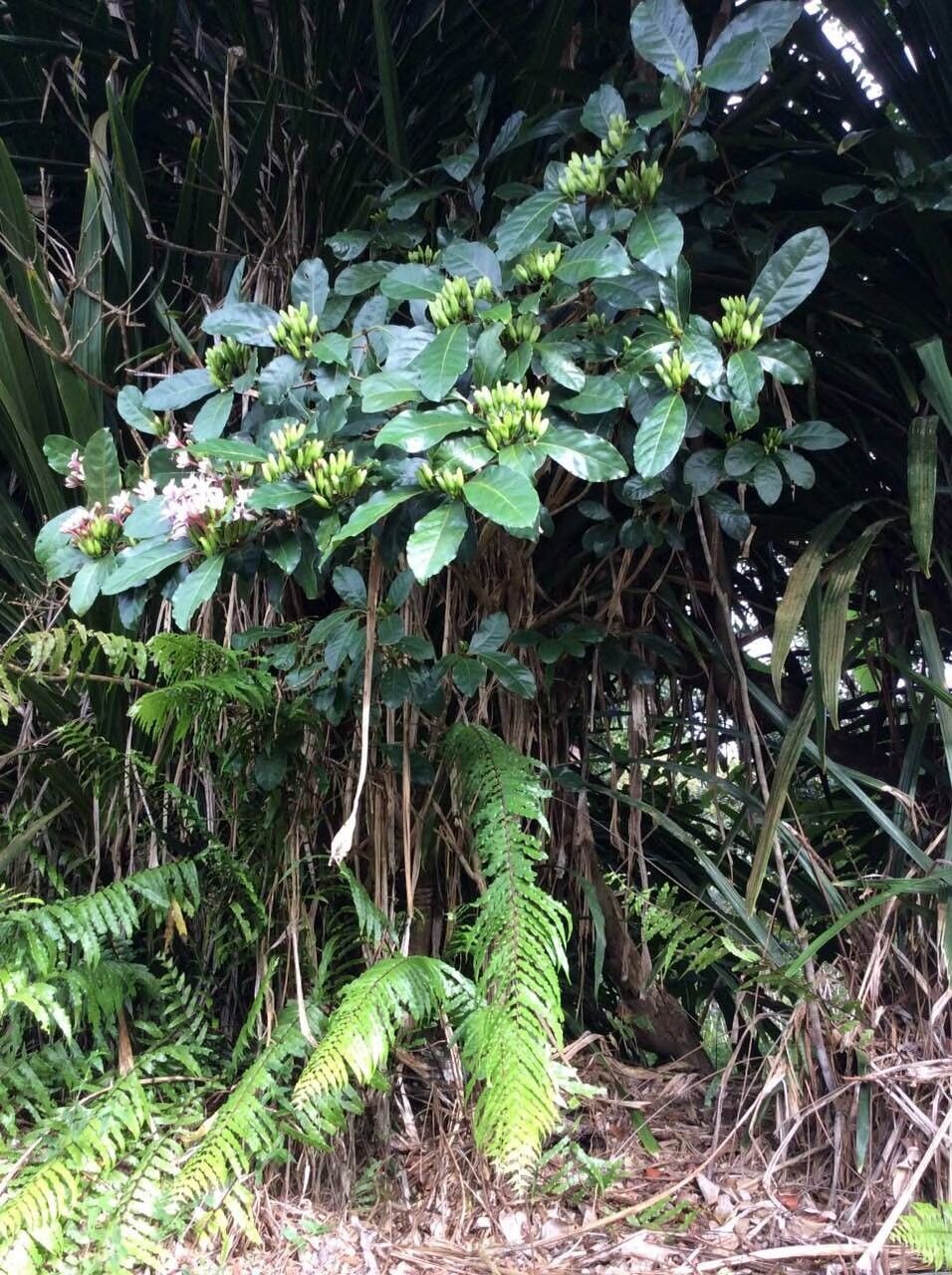
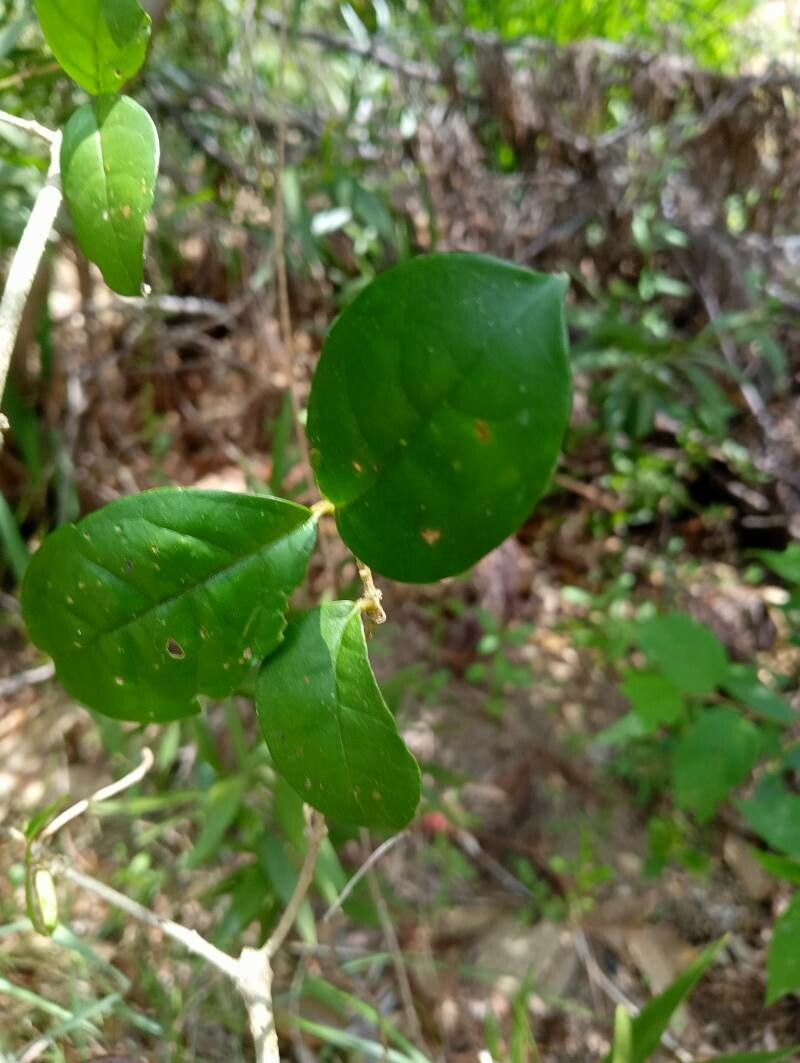
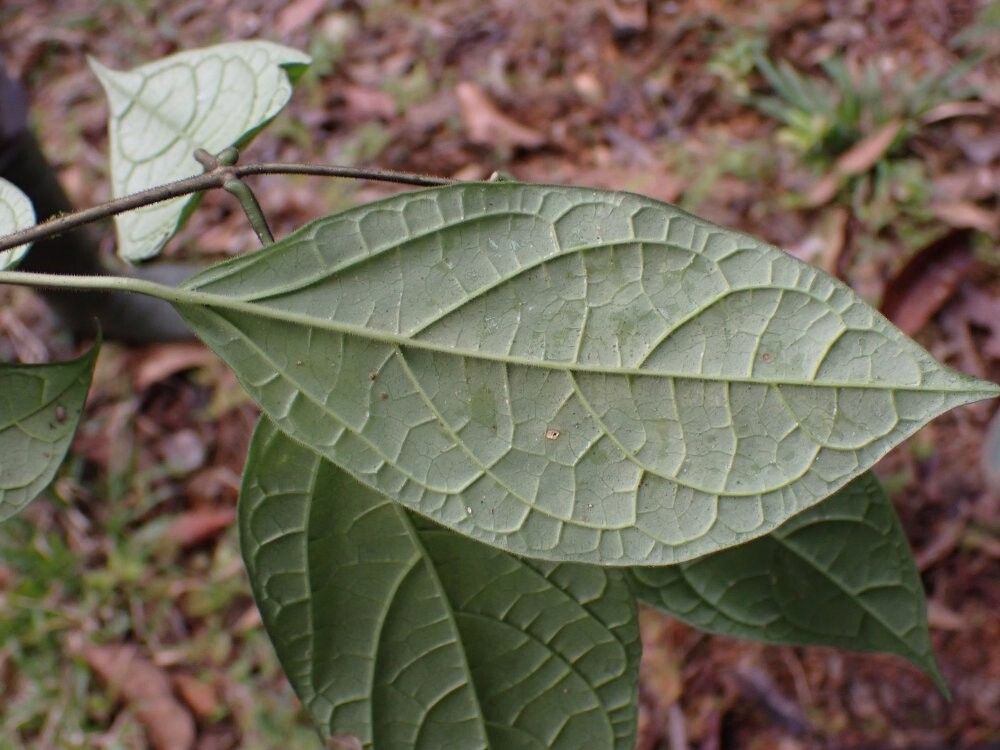
The Japanese glorybower is known for its vibrant red flower clusters and large, heart-shaped leaves. To promote blooming and improve air circulation, prune the plant in early spring by removing any dead stems and shaping it as desired. Be sure to use clean, sharp tools to minimize stress on the plant and support its recovery.
Botanical profile.
- Plant Type
- Shrub
- Life Cycle
- Perennial
- Genus
- Clerodendrum
- Family
- Lamiaceae
- Hardiness Zone
- 9-11
- Mature Height
- 0.91 m to 3.96 m
- Mature Spread
- 0.61 m to 1.52 m
- Leaf Color
- Green
- Leaf Type
- Evergreen
- Flower Color
- Red
- Flower Size
- 12.70 cm to 33.53 cm
- Bloom Time
- Mid summer, Late summer
- Planting Time
- Spring, Autumn
- Harvest Time
- Mid summer, Late summer, Early fall
- Native Area
- Nepal, Sri Lanka, India, Malaysia, Indonesia, Vietnam, Myanmar, Philippines, Bhutan, Bangladesh, Thailand, China
Other names.
Reader questions.
What are the sunlight requirements for Japanese Glorybower?
The Japanese Glorybower (Clerodendrum japonicum) thrives under full sun, requiring above 6 hours of sunlight to grow optimally. It can also tolerate partial sun, preferring about 3-6 hours of sunlight. It's important to watch how sunlight moves through your garden and choose spots that provide a balance of light and shade, ensuring the plant's happiness. Despite its preference for bright light, it can adapt to less illuminated environments, although both shadowy conditions and overly intense light can inhibit its growth.
What is the botanical name of the Japanese glorybower?
The botanical name of the Japanese glorybower is Clerodendrum japonicum. This name helps in accurately identifying the plant, distinguishing it from others in the Clerodendrum genus.
What are some symptoms of light issues in Japanese Glorybower?
Japanese Glorybower may exhibit several symptoms due to light issues. In low light, you might see small leaves, leggy or sparse growth, faster leaf drop, slower or no new growth, lighter-colored new leaves, indicating insufficient light. Excessive sunlight can cause chlorosis (leaves turning yellow), sunscald, leaf curling, wilting, and leaf scorching, which are signs of too much direct exposure. These symptoms highlight the plant's sensitivity to light conditions and the need for a balanced environment.
How can artificial lighting benefit indoor Japanese Glorybower plants?
For indoor Japanese Glorybower plants, artificial lighting can be crucial, especially when natural sunlight is insufficient. LED lights, which can be customized to provide specific wavelengths, are a popular choice. Full sun plants need 30-50W/sq ft of artificial light, partial sun plants need 20-30W/sq ft, and full shade plants need 10-20W/sq ft. The artificial lights should be placed 12-36 inches above the plant, mimicking natural sunlight for 8-12 hours per day, promoting healthier and faster growth.
What solutions can address Japanese Glorybower's light issues?
To address light issues in Japanese Glorybower, consider gradual relocation to sunnier spots, ensuring at least 6 hours of direct sunlight daily. For indoor plants, use south-facing windows or artificial grow lights for additional light. Outdoors, gradually moving the plant to sunnier locations each week can help avoid sunburn. If light obstruction is an issue, pruning or transplanting during the dormant period can improve sunlight access. For affected plants, note that while affected parts may not recover, new growth should be healthy with improved light exposure.