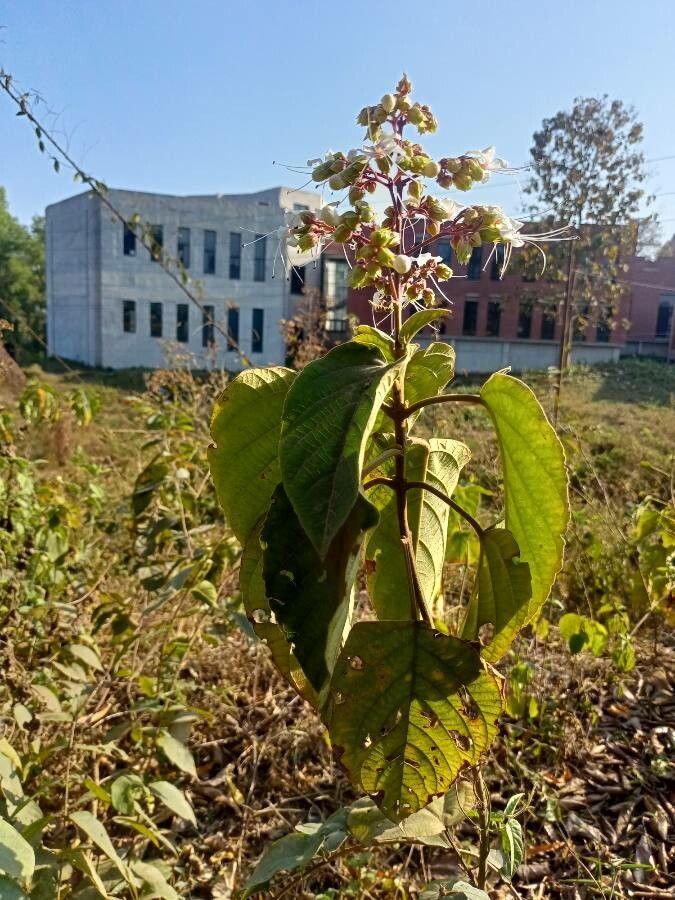
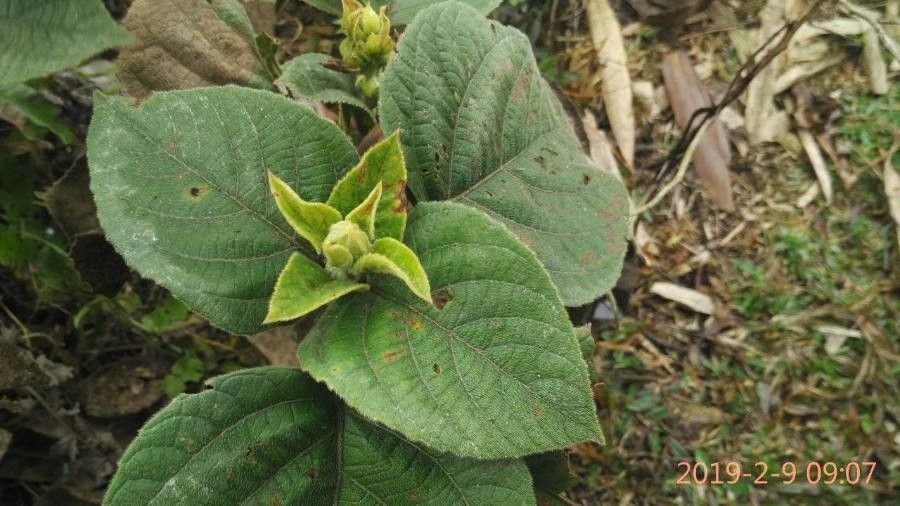
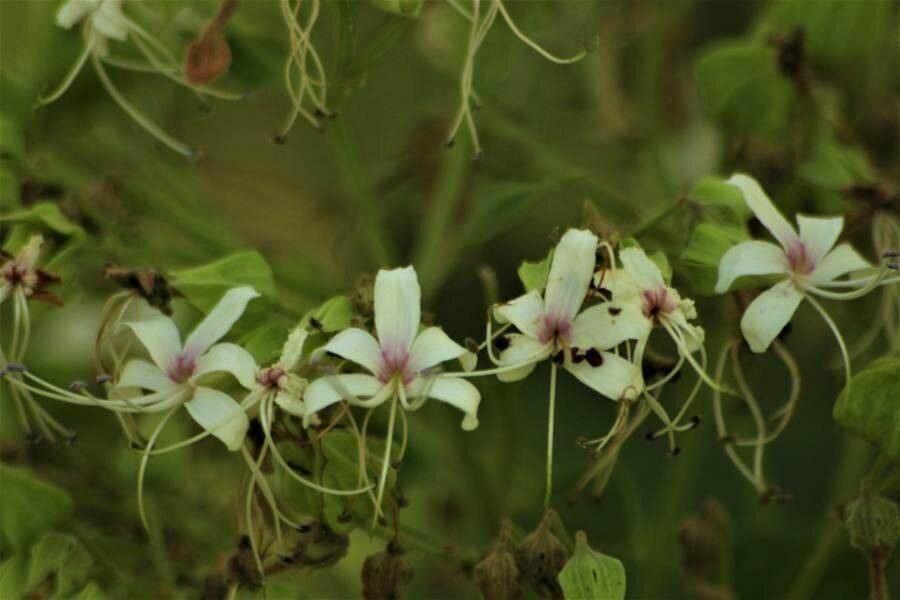
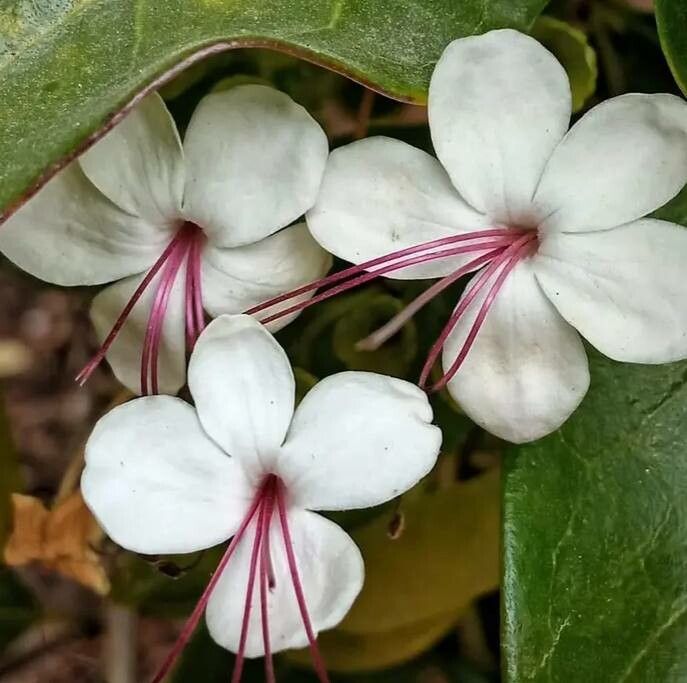
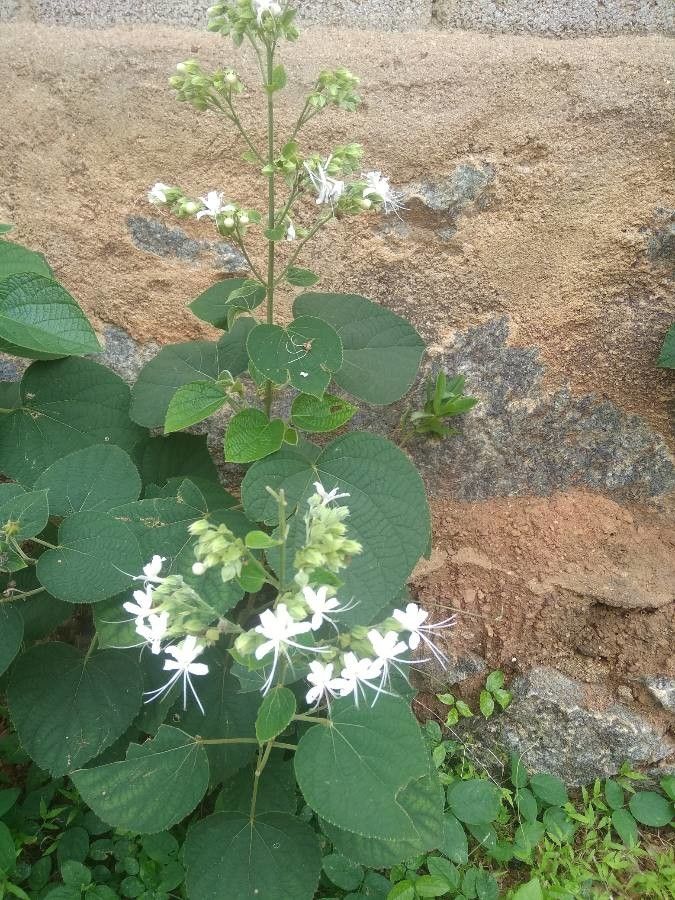
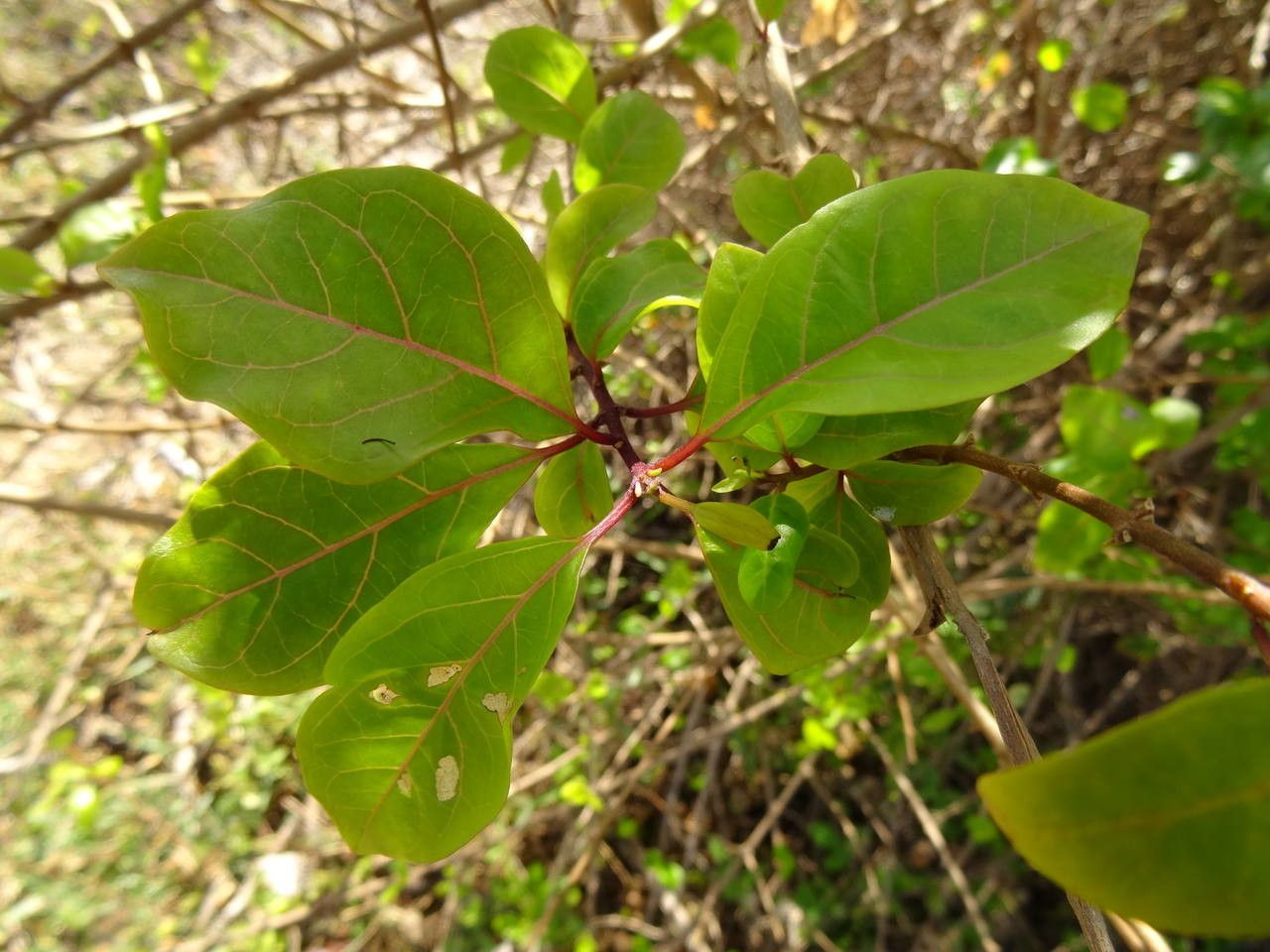
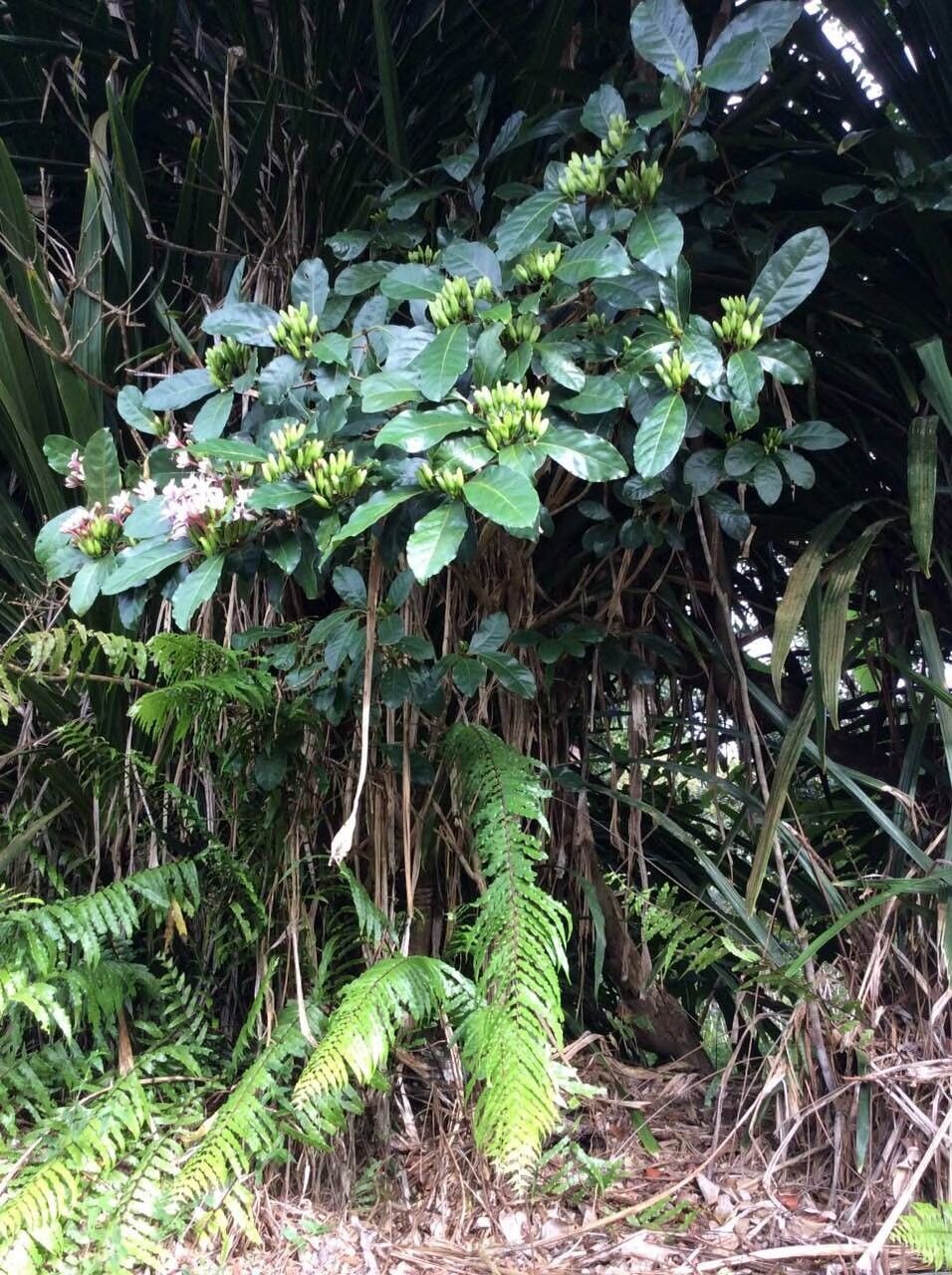
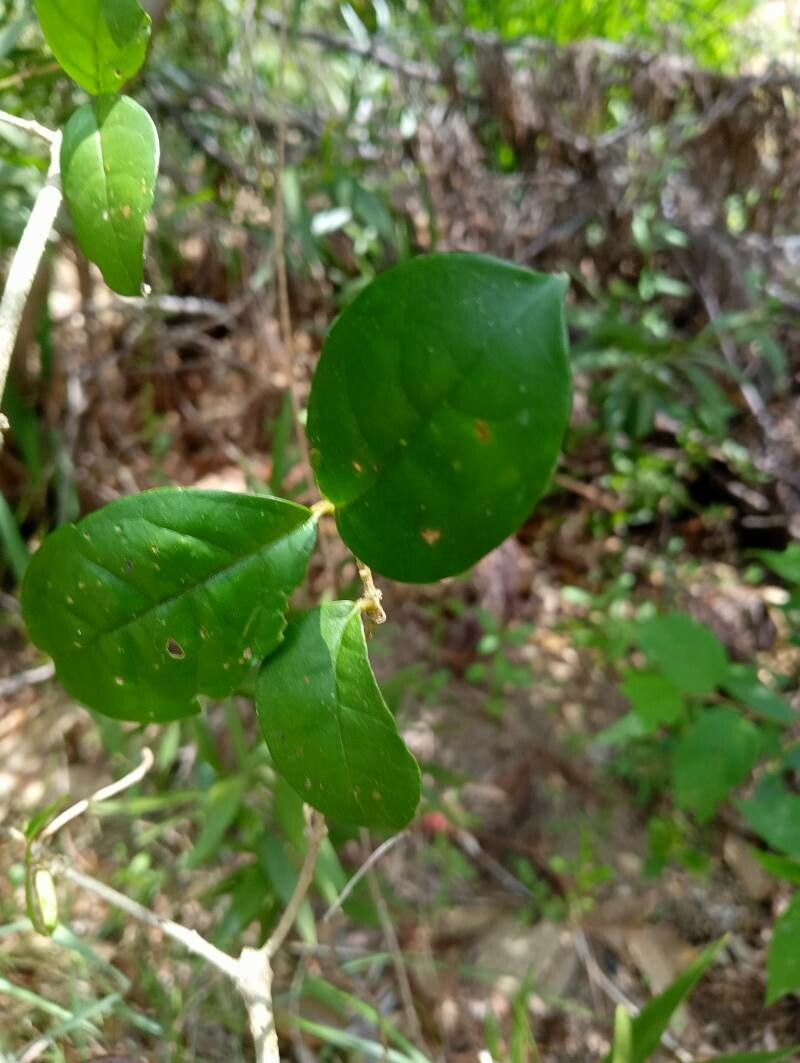
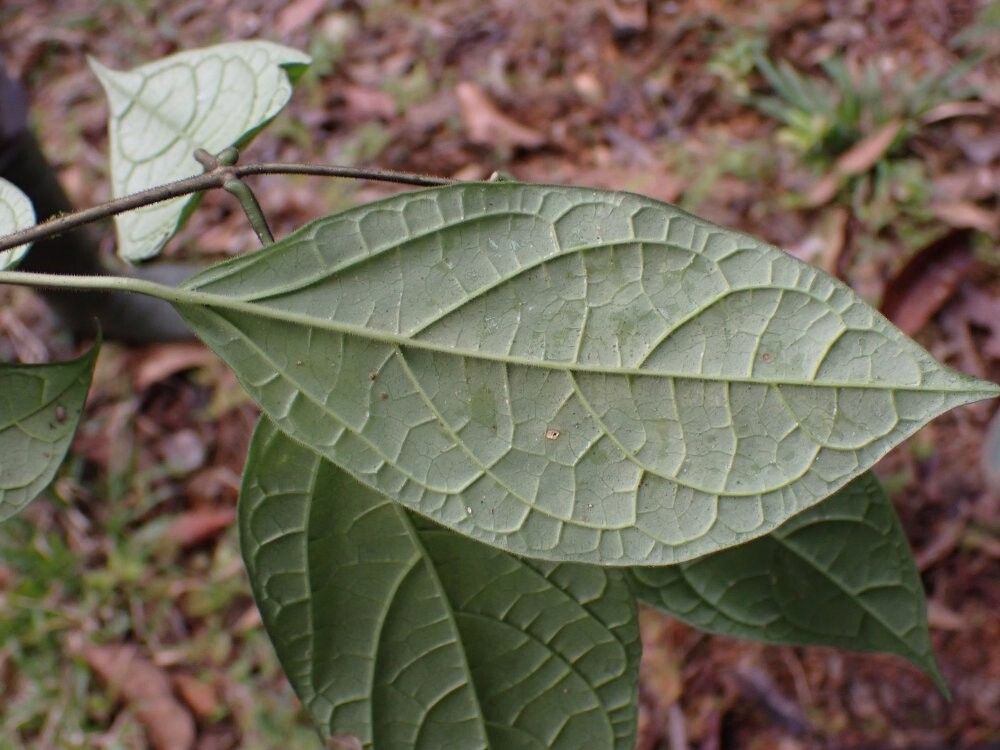
Clerodendrum infortunatum, known as bhat or hill glory bower, is a perennial shrub belonging to the family Lamiaceae, also sometimes classified under Verbenaceae. It is the type species among ~150 species of Clerodendrum. It is one of the most well-known natural health remedies in traditional practices and siddha medicine. The species is native to tropical regions of Asia including Bangladesh, India, Myanmar, Pakistan, Thailand, Malaysia, the Andaman Islands, and Sri Lanka.
Bhat has strong resistance to disease and is generally not prone to illnesses. In terms of care, the plant is relatively low maintenance. When grown outdoors, it requires minimal watering and larger plants generally do not need pruning. However, smaller plants should be pruned after they have bloomed. Bhatt is suitable for anyone with outdoor space, such as a garden or deck, and does not require much care experience.
How to keep Clerodendrum Infortunatum.
Light
Bhat grows most successfully in plenty of direct, unfiltered sunlight but can also establish in spots that receive sun only part of the day. In its native range, it commonly occurs in areas with strong light exposure. Too little or too much light can impede its growth, causing reduced vigor and less abundant flowering.
Water
Bhat, a plant native to tropical regions, thrives in humid environments where it can consistently stay moist without becoming waterlogged. To ensure optimal growth, it should be watered weekly and ideally placed outdoors in natural light. Maintaining balanced soil moisture levels is crucial, as this reflects the conditions of its natural habitat.
Temperature
Bhat is well suited to environments with temperatures of about 68–100°F (20–38°C). For optimal growth, make sure seasonal adjustments do not move temperatures outside this range.
Fertilizer
The best time to fertilize a Bhat is in early spring as it breaks dormancy. This encourages overall growth and flower development. Fertilization improves the foliage, stems, and branches, and supports large, vibrant, long-lasting flowers. It helps transfer nutrients from the roots to the blooms and strengthens the plant's health and disease resistance.
Pruning
Bhat is an ornamental shrub that thrives with annual pruning during its dormant period in early to late winter. To maintain the plant’s health, focus on removing dead branches, thinning out crowded areas, and trimming back overgrown stems. Regular maintenance enhances air circulation, minimizes the risk of disease, and encourages healthier, more vibrant flowering.
Botanical profile.
- Plant Type
- Tree, Shrub
- Life Cycle
- Perennial
- Genus
- Clerodendrum
- Family
- Lamiaceae
- Hardiness Zone
- 11
- Mature Height
- 0.49 m to 3.96 m
- Mature Spread
- 0.91 m to 2.13 m
- Leaf Color
- Green
- Leaf Type
- Evergreen
- Flower Color
- White, Pink
- Flower Size
- 1.52 cm to 2.54 cm
- Bloom Time
- Spring, Summer
- Planting Time
- Spring, Summer, Autumn, Winter
- Harvest Time
- Summer, Fall
- Native Area
- Nepal, India, Myanmar, Bhutan, Philippines, Bangladesh, Pakistan, Thailand, China
Other names.