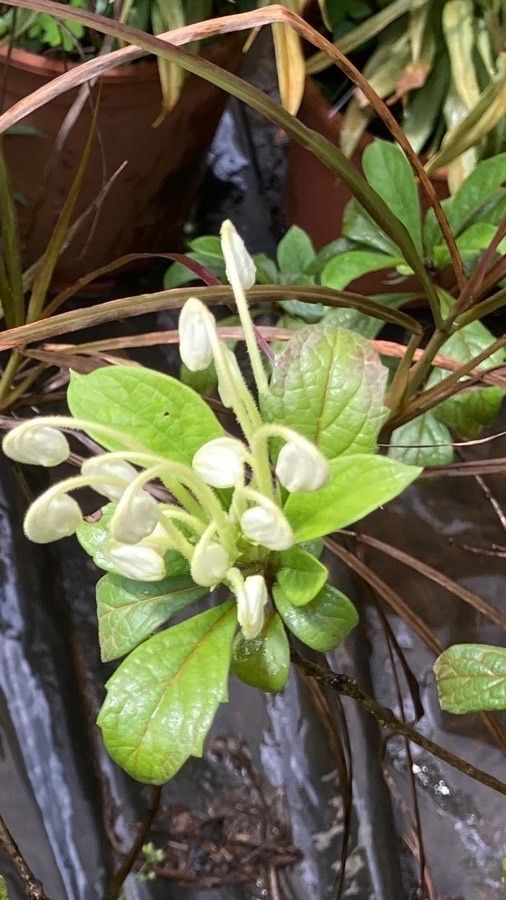
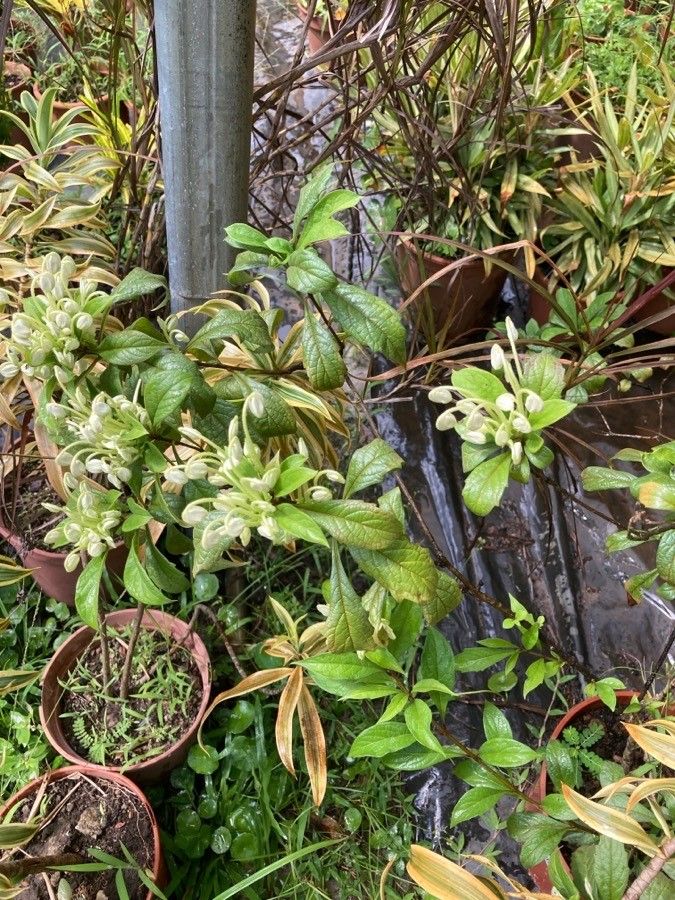
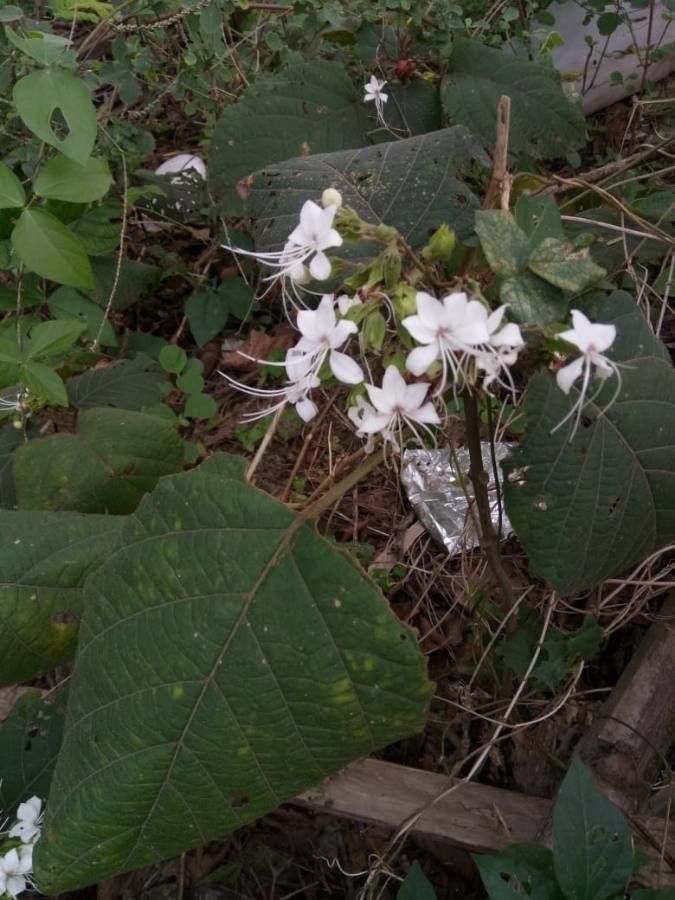
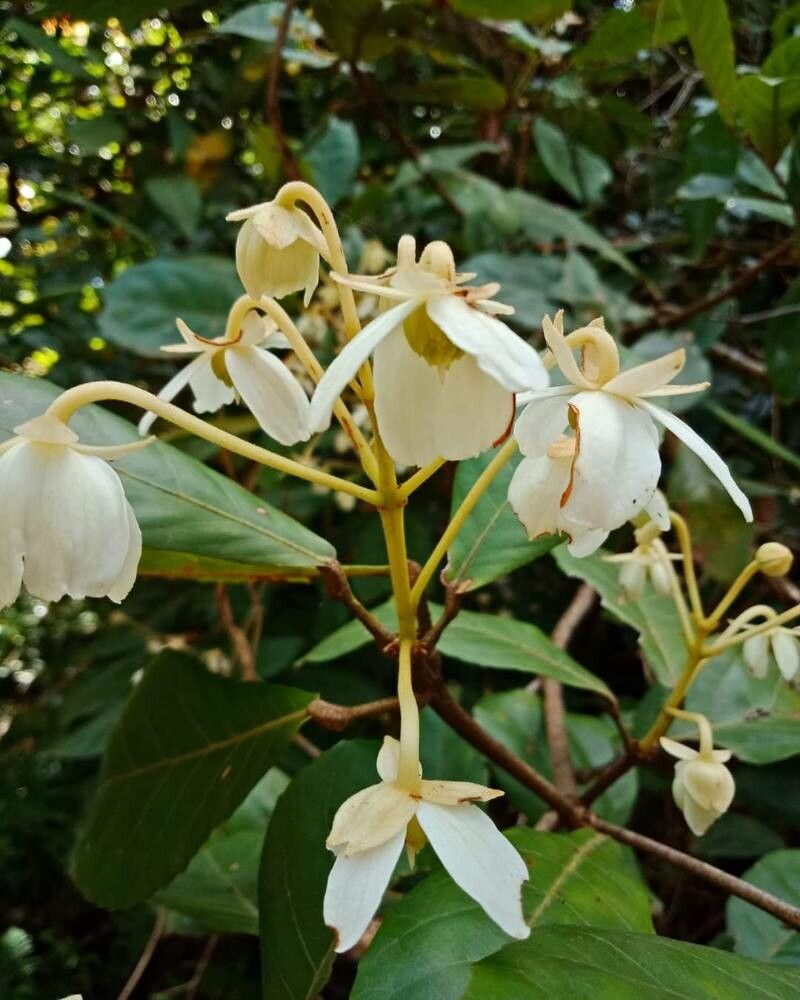
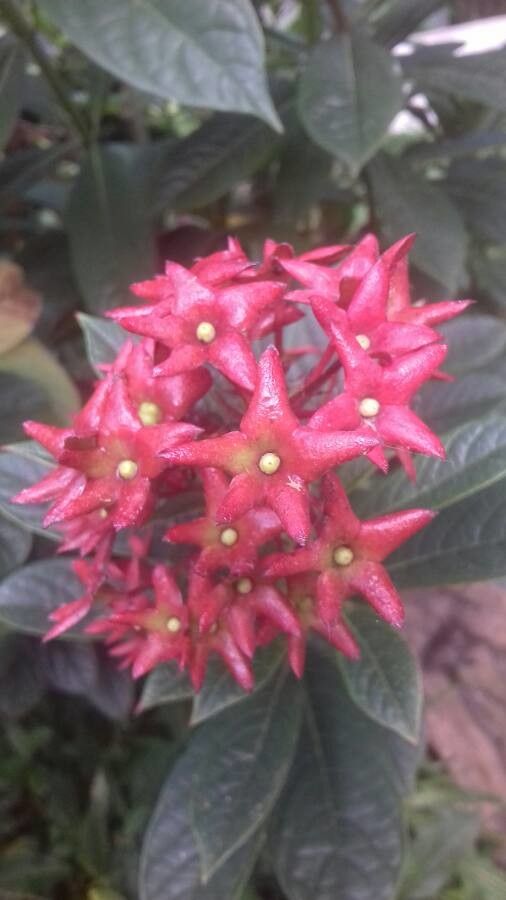
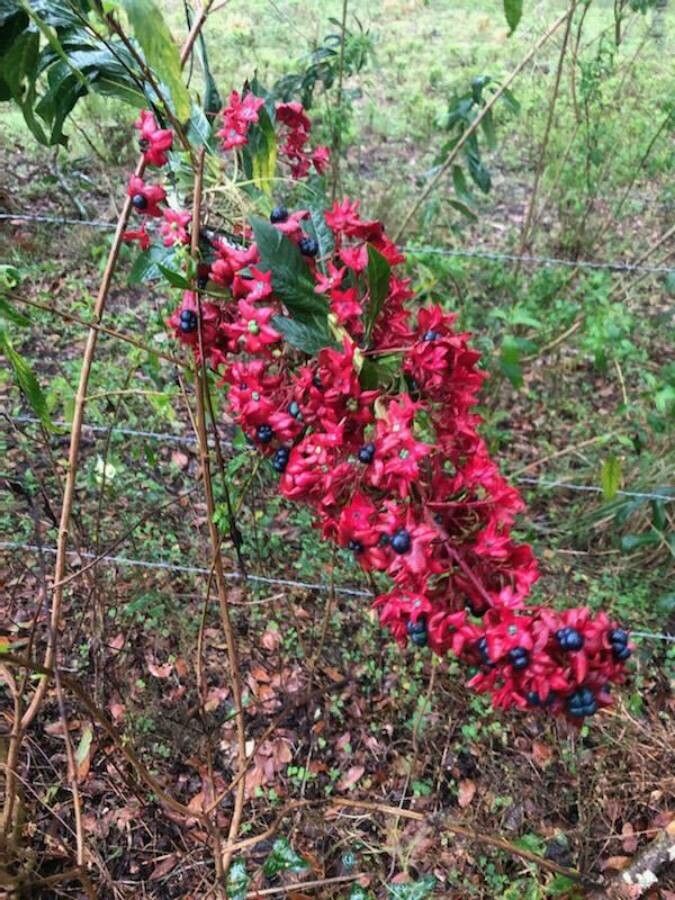
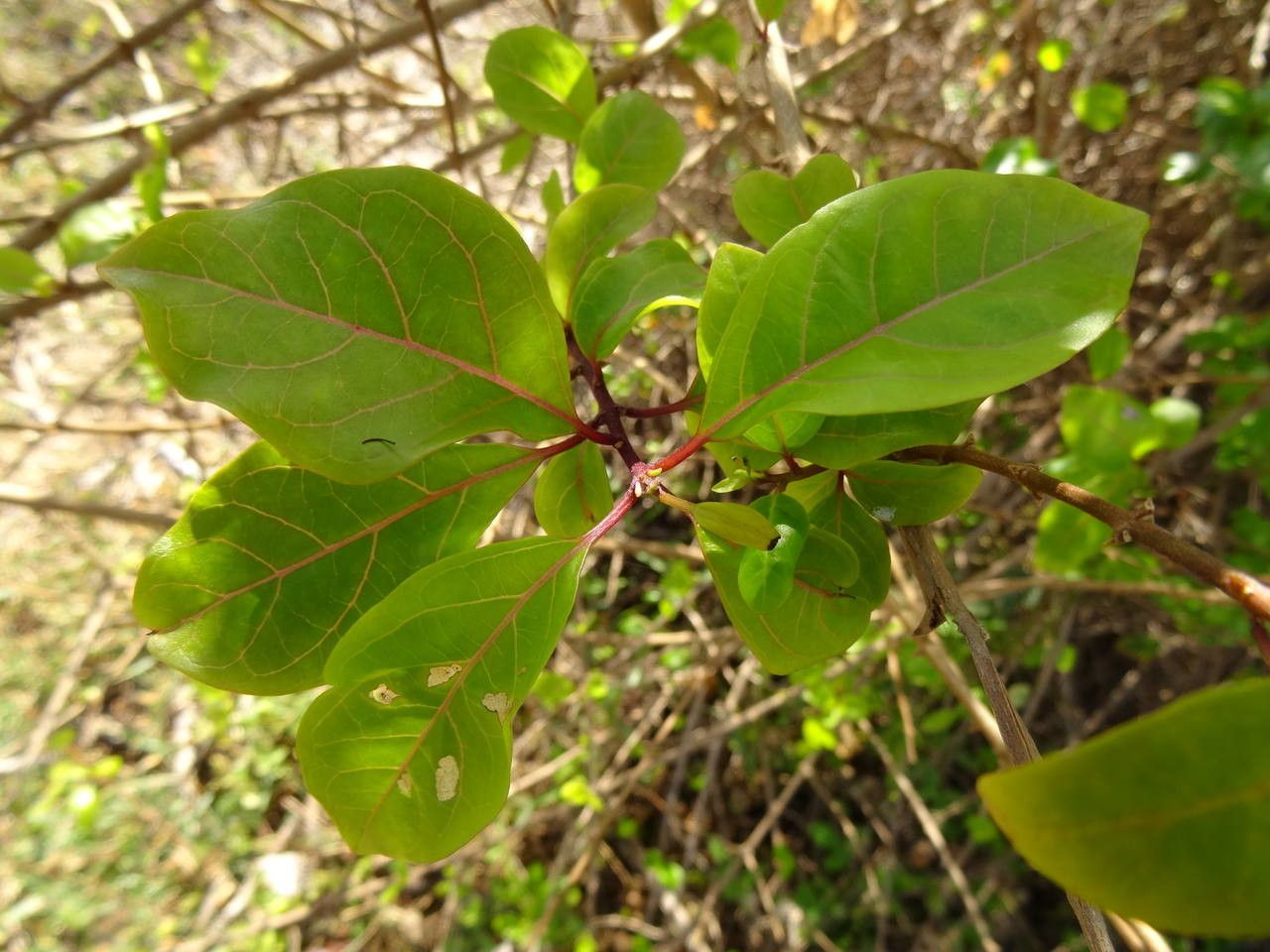
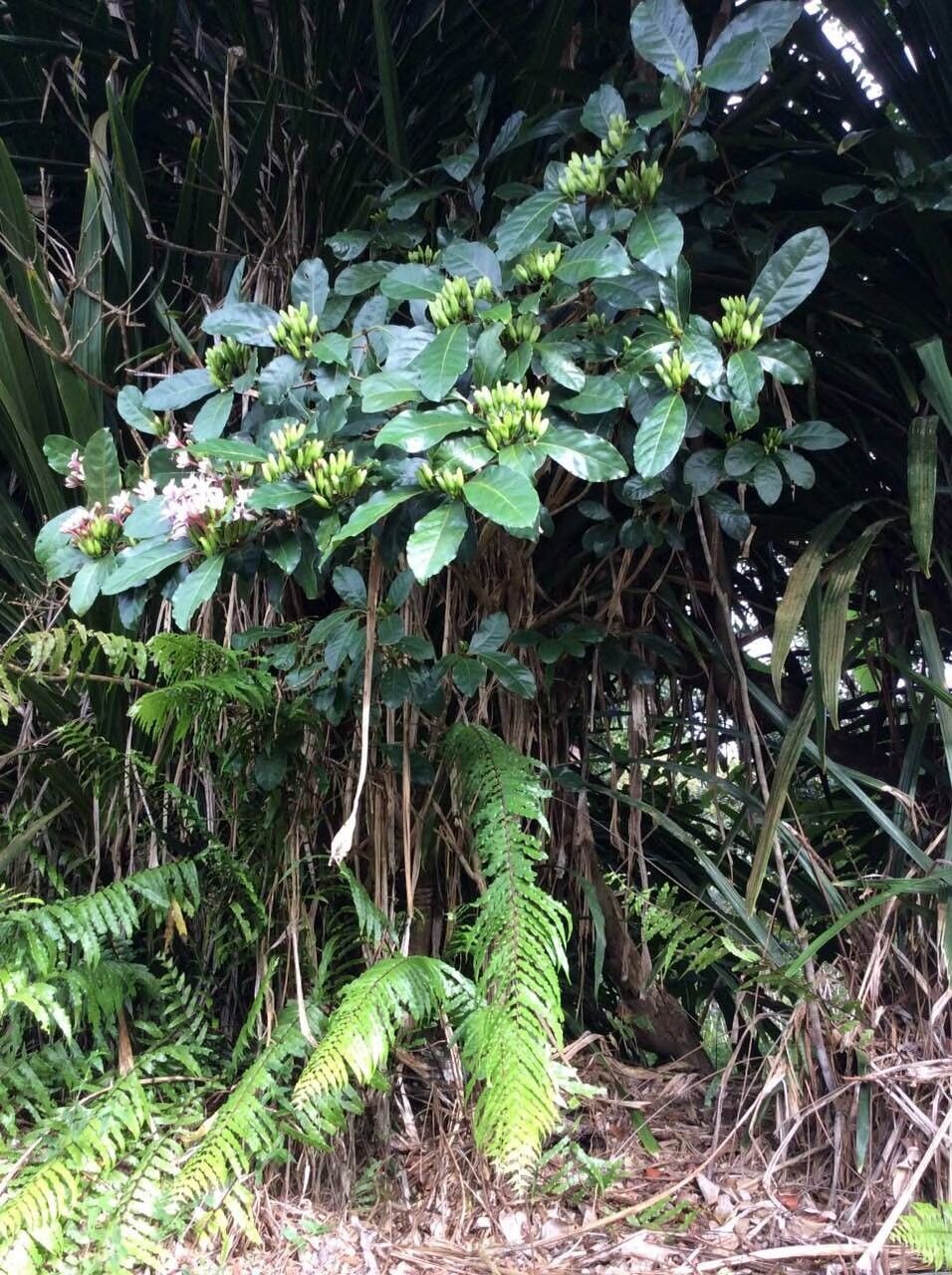
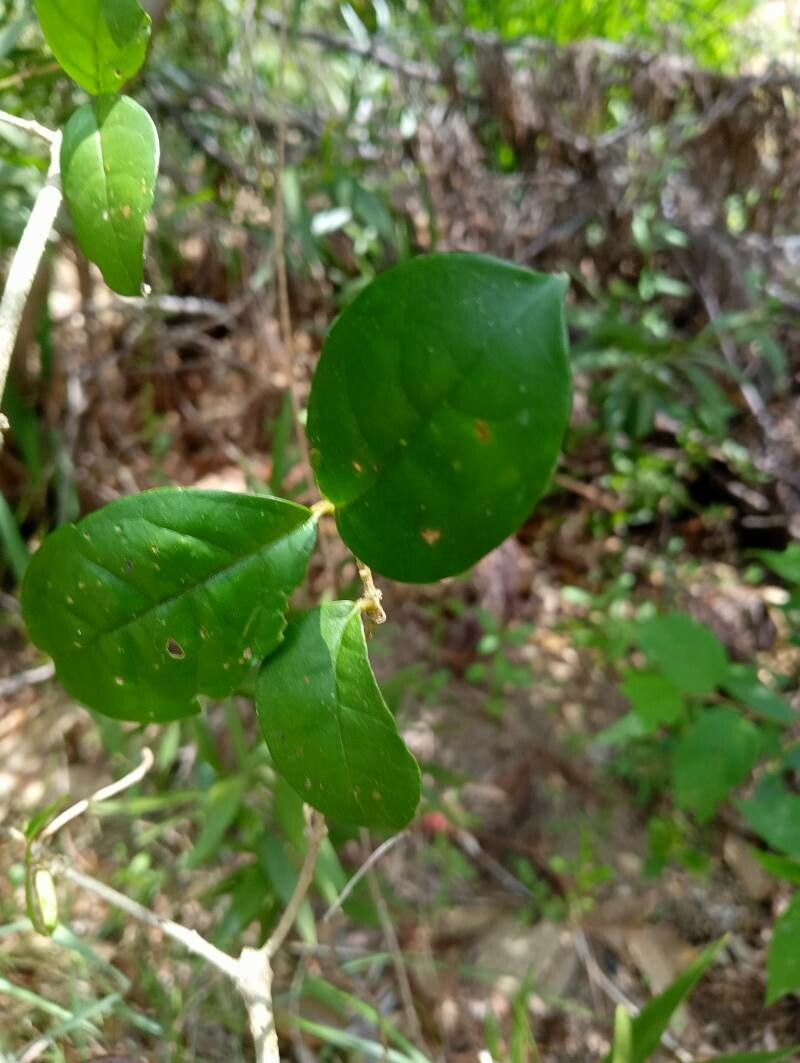
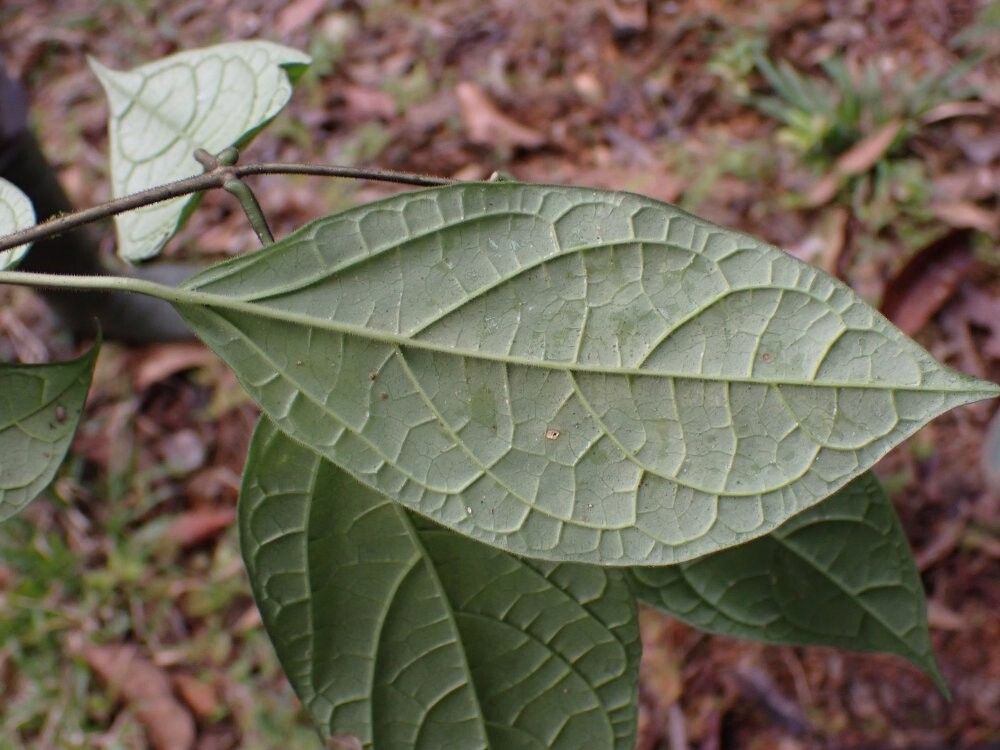
Clerodendrum indicum, commonly known as Turk's Turban or Bleeding Heart, is a flowering plant native to Southeast Asia and India. Belonging to the Lamiaceae family, it can grow up to 3 meters tall. The plant features glossy green, ovate-shaped leaves that can reach up to 15 centimeters in length. Its tubular flowers, which are bright red when they bloom and fade to pink as they age, appear in clusters at the ends of branches from late summer through fall.
Clerodendrum indicum is widely used for medicinal purposes due to its anti-inflammatory, analgesic, and antipyretic properties. Traditionally, it has been employed to treat various ailments such as fever, headaches, arthritis pain, and skin diseases like eczema or psoriasis.
The plant thrives in well-drained soil with partial shade or full sun exposure but is adaptable to a wide range of soil types, including sandy soils with low fertility.
Overall, Clerodendrum indicum is an attractive ornamental plant that enhances the beauty of any garden while providing medicinal benefits when used appropriately under medical supervision.
Turk's turbin has strong disease resistance and is generally not prone to illnesses. However, it can be vulnerable to pests and diseases present in its surroundings; such infections are usually mild. Regarding care, this plant needs a moderate level of maintenance. It should be pruned regularly to preserve a good appearance and healthy growth. Fertilizing can also encourage flowering. Turk's turbin is suitable for anyone with outdoor space, like a garden or patio, and does not require extensive care experience. It may need more attention when grown indoors.
How to keep Clerodendrum Indicum.
Light
Turk's turbin is indigenous to habitats like forest understories or rocky sites, where it grows under natural shade. It favors partial sun but can tolerate full sun or complete shade, illustrating its hardy and adaptable nature.
Water
The Turk's turban plant thrives in tropical regions with high humidity. It prefers to be watered every 1-2 weeks, maintaining consistent moisture without becoming waterlogged. This evergreen plant benefits from natural rain showers, which mimic its native habitat, making it ideal for outdoor cultivation.
Temperature
Turk's turbin comes from tropical areas, where the climate is generally warm and humid. As a result, it is well suited to high temperatures and moisture. It does not like sudden temperature changes and prefers a steady thermal environment, so avoiding indoor temperature fluctuations is important. It typically cannot tolerate cold and needs higher temperatures to grow. If the surrounding temperature falls too low, the plant may stop growing or even die.
Fertilizer
Proper fertilization is essential for the health and appearance of Turk's turbin. Fertilize Turk's turbin during the summer, repeating the application monthly throughout the season. The nutrients supply energy for growth and help maintain the plant's parts. Fertilization improves Turk's turbin's flower display, ensuring the best blooms.
Pruning
Prune Turk's turban in early spring to encourage new growth and shape the plant. Remove any dead branches and thin out dense areas to improve air circulation. Trim long stems to create a bushier form and enhance flowering. Regular pruning helps maintain the plant's size, prevents legginess, and promotes overall health. Be sure to use clean, sharp tools to prevent the spread of disease.
Botanical profile.
- Plant Type
- Herb, Shrub
- Life Cycle
- Perennial
- Genus
- Clerodendrum
- Family
- Lamiaceae
- Hardiness Zone
- 9-11
- Mature Height
- 1.52 m to 3.05 m
- Mature Spread
- 0.91 m to 1.52 m
- Leaf Color
- Green, Dark Green
- Leaf Type
- Deciduous
- Flower Color
- White, Pink
- Flower Size
- 2.03 cm to 3.05 cm
- Bloom Time
- Summer, Early fall, Mid fall
- Planting Time
- Spring, Summer, Autumn
- Harvest Time
- Fall, Early winter, Mid winter
- Native Area
- Nepal, Sri Lanka, India, Malaysia, Indonesia, Cambodia, Vietnam, Myanmar, Philippines, Bhutan, Bangladesh, Pakistan, Laos, Thailand, China
Other names.
Reader questions.
How much sunlight does a Turk's Turbin require?
The Turk's Turbin (Clerodendrum indicum) requires varying amounts of sunlight depending on its needs for optimal growth. For those plants requiring 'full sun,' they should receive above 6 hours of sunlight daily. Alternatively, for 'partial sun' requirements, about 3-6 hours of sunlight is necessary. It's important to observe the movement of sunlight through your garden to select the ideal locations that offer the right balance of light and shade, which ensures the thriving of your plants.
What is the botanical name of Turk's Turbin?
The botanical name of Turk's Turbin is Clerodendrum indicum.