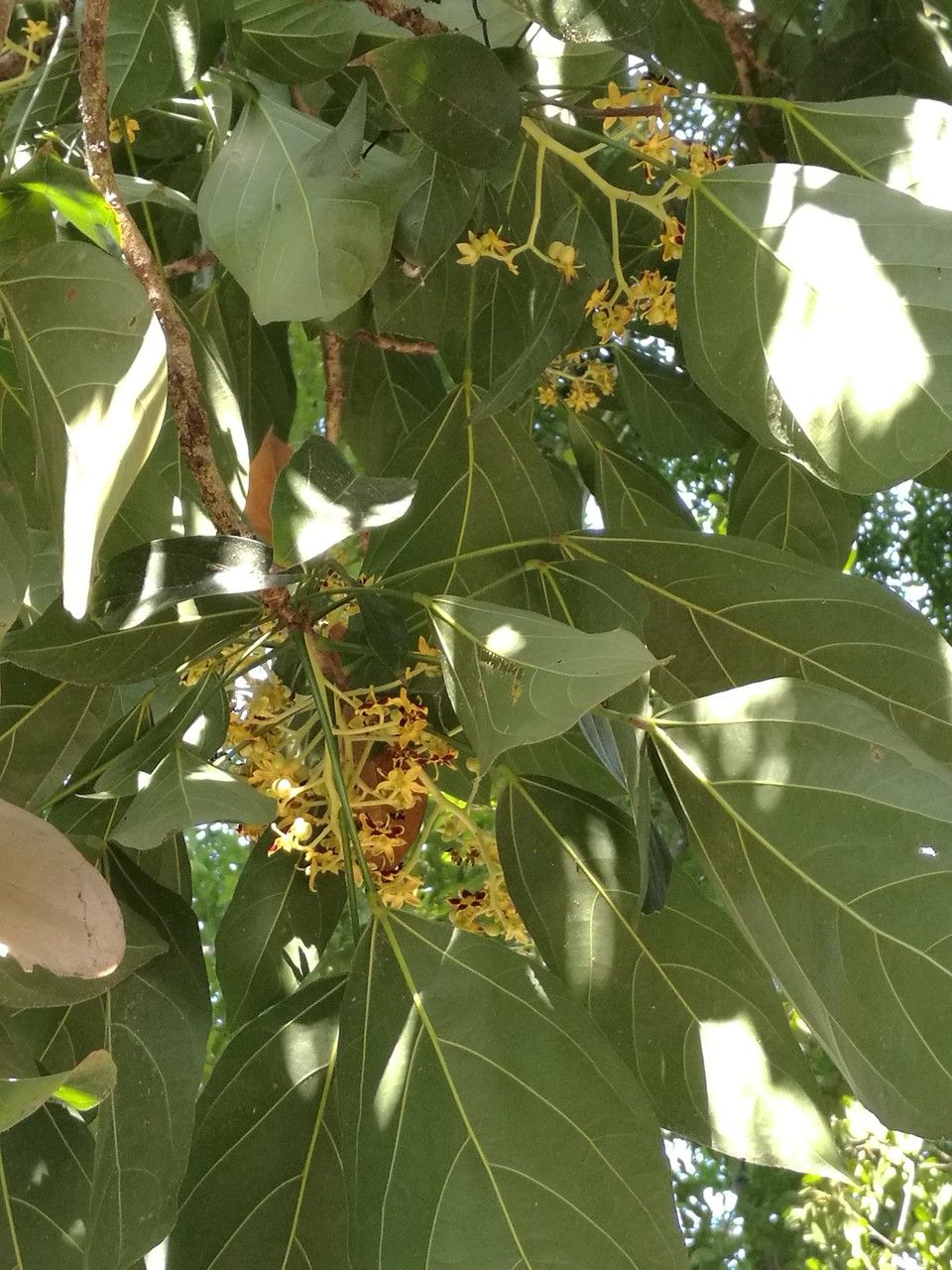
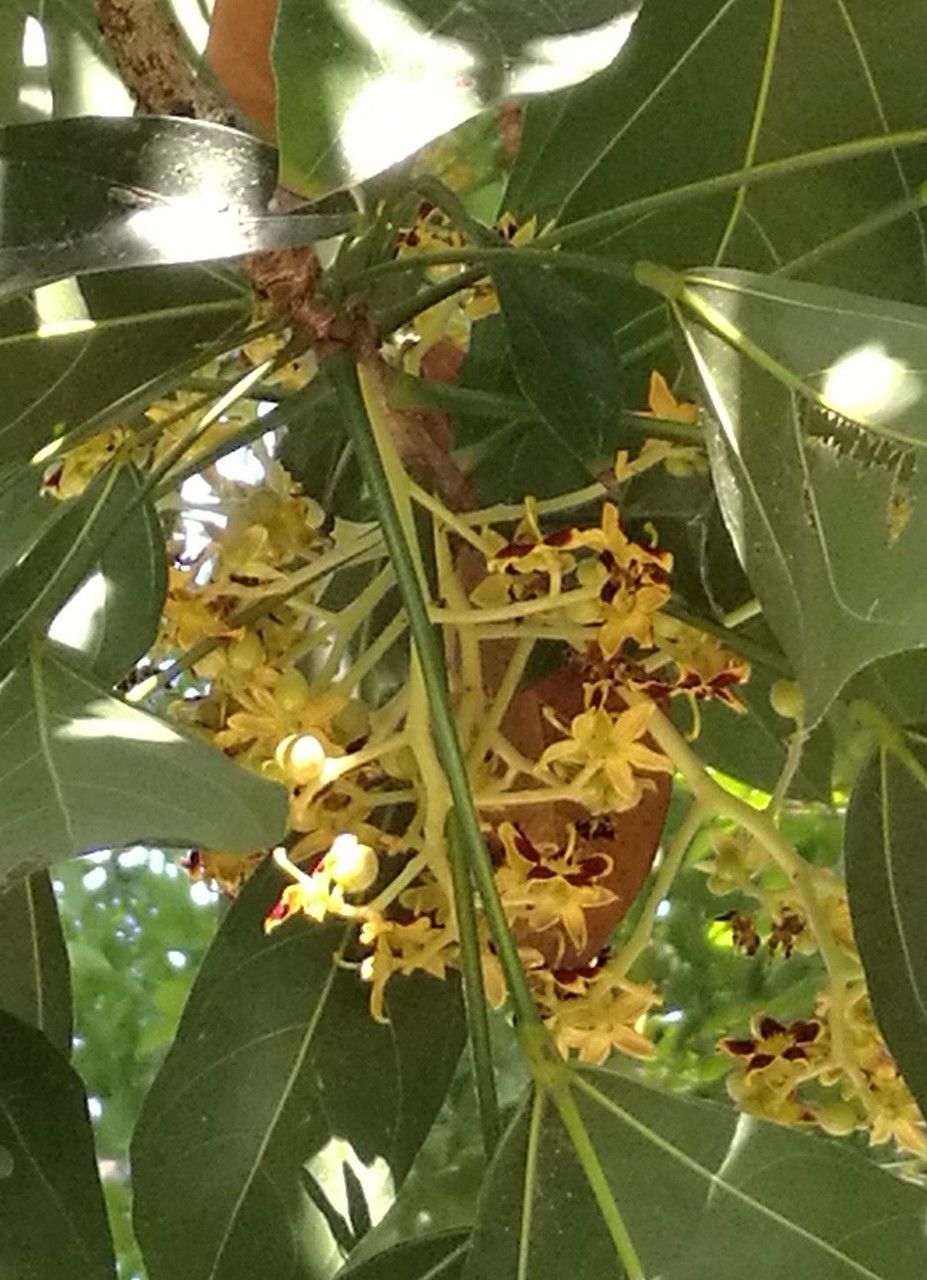
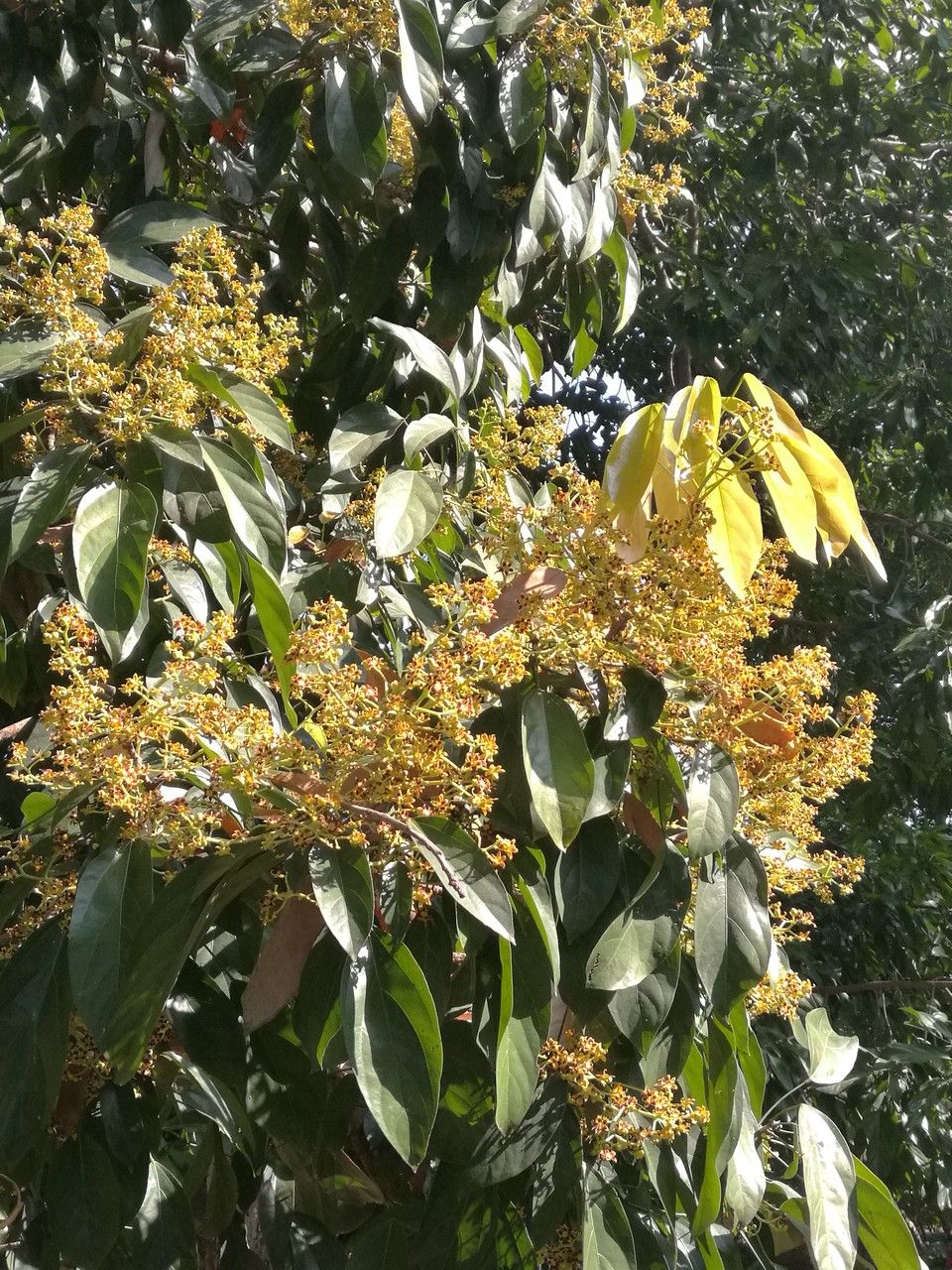
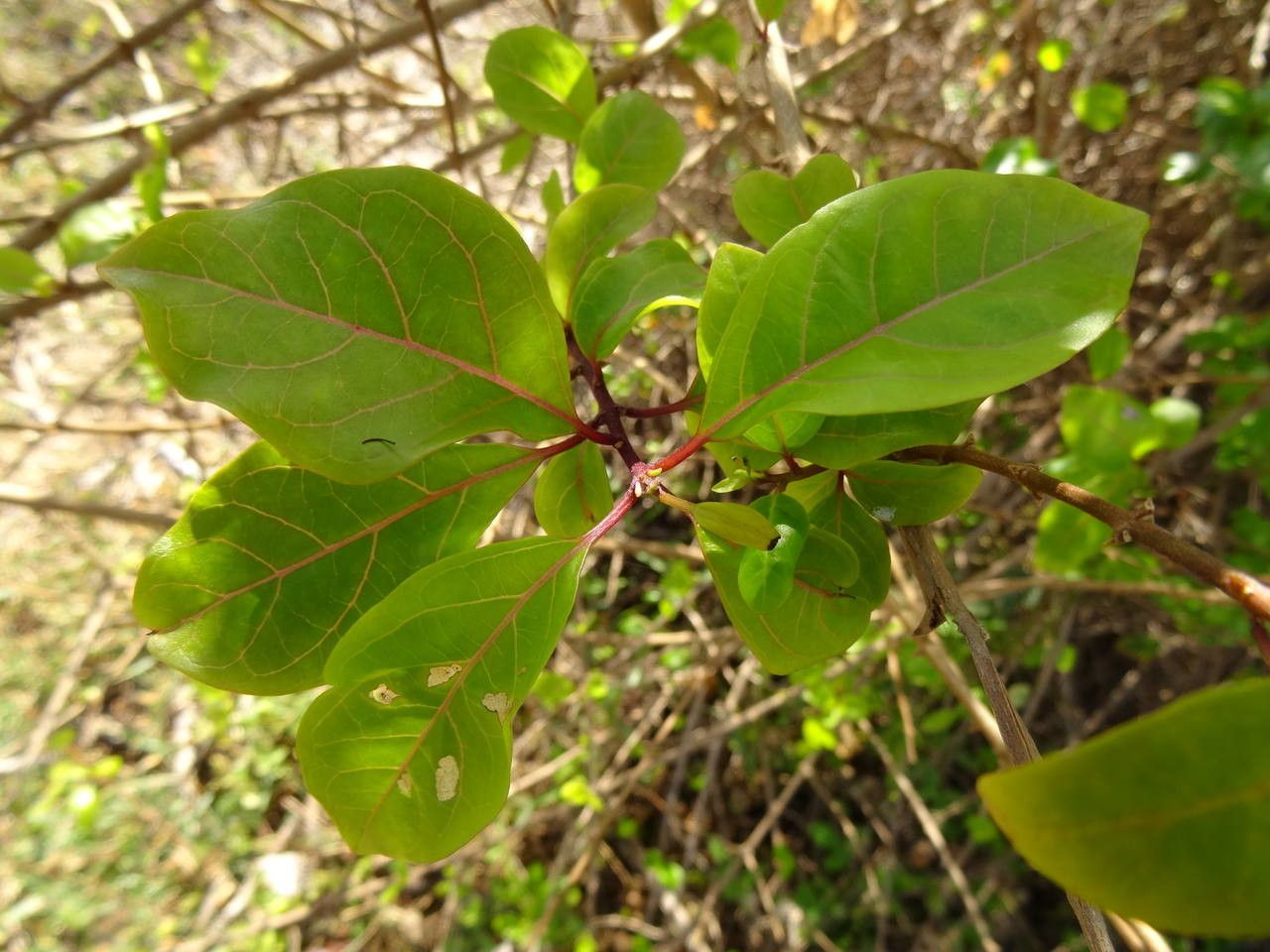
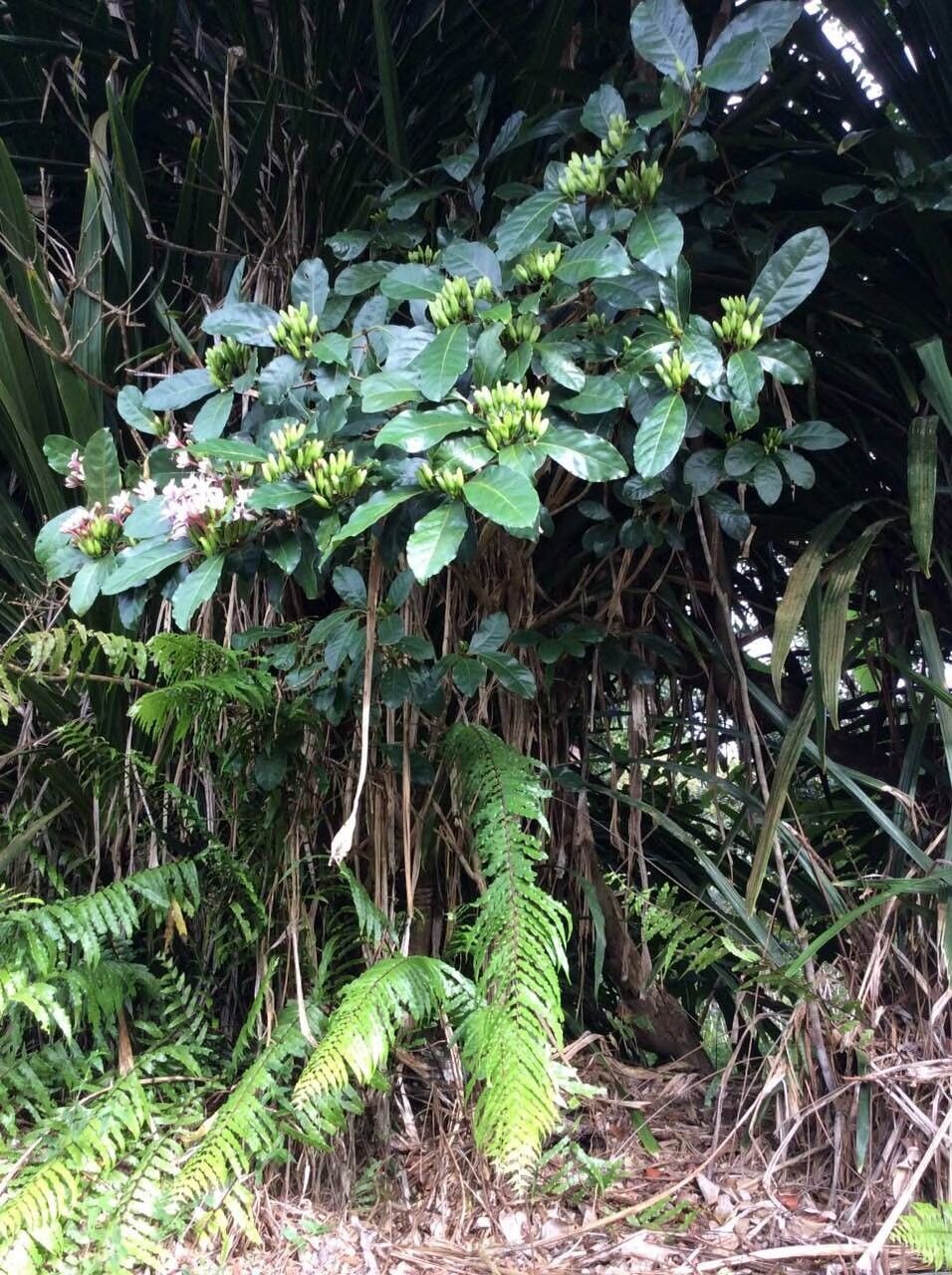
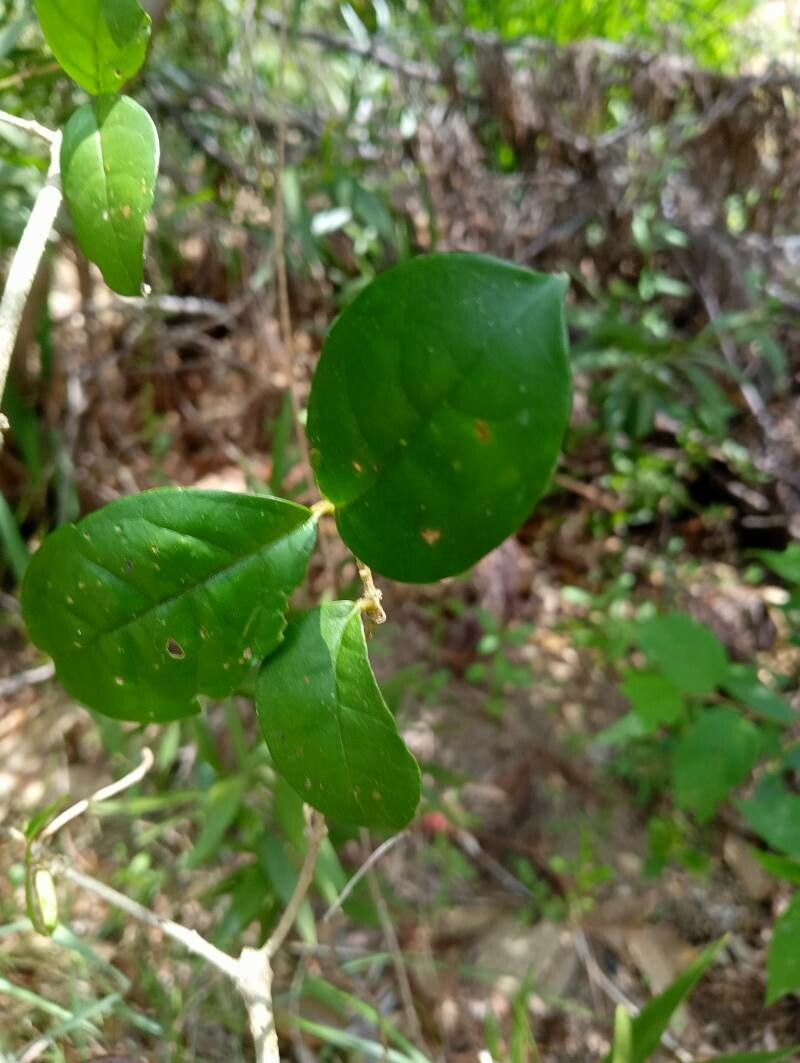
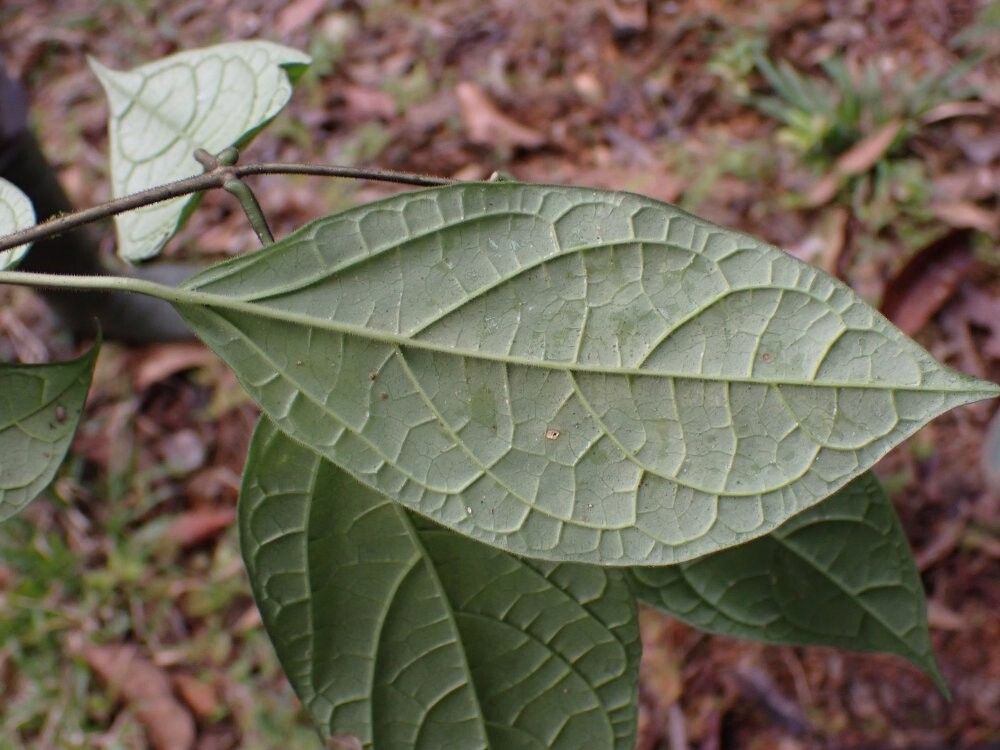
Mayflower glorybower has strong disease resistance and is generally not prone to disease. As for care, the plant is fairly low-maintenance. When grown outdoors it needs little watering, and larger specimens typically do not require pruning. Smaller plants, however, should be pruned after they finish blooming. Mayflower glorybower is suitable for anyone who has an outdoor area, such as a garden or deck, and does not demand extensive care experience.
How to keep Clerodendrum Cyrtophyllum.
Light
Mayflower glorybower naturally occurs in habitats like forest understories or rocky sites, where it grows in natural shade. It prefers partial sun but can survive in full sun or full shade, showing its versatility and hardiness.
Water
The Mayflower glorybower, native to tropical regions, thrives in high humidity and consistent moisture. It should be watered twice a week to keep the soil damp, though it can endure short periods of dryness. As an ornamental outdoor plant, it flourishes best when it receives rainwater during the growing season, promoting optimal health and flowering.
Temperature
Mayflower glorybower comes from tropical areas, where the weather is usually warm and humid. Consequently, it is suited to high temperatures and humidity. It is sensitive to abrupt temperature changes and prefers a steady thermal environment, so avoiding temperature swings indoors is important. It typically cannot tolerate cold and needs warmer conditions to grow. If the ambient temperature becomes too low, the plant may stop growing or even die.
Fertilizer
The best time to fertilize a Mayflower glorybower is in early spring, when it emerges from dormancy. This encourages overall growth and flower formation. Fertilizing improves the foliage, stems, and branches, while encouraging large, vibrant, long-lasting flowers. It helps move nutrients from the roots to the blooms and enhances the plant’s health and resistance to disease.
Pruning
To help your Mayflower glorybower thrive, it's important to prune it early in the spring. Begin by removing any dead or weak branches and thin out dense areas to improve air circulation. By cutting the plant back by one-third, you encourage fuller growth and more blooms. Regular pruning helps maintain the plant's size and shape, promoting overall health. Always use clean, sharp tools when pruning.
Botanical profile.
- Plant Type
- Tree, Shrub
- Life Cycle
- Perennial
- Genus
- Clerodendrum
- Family
- Lamiaceae
- Hardiness Zone
- 9-11
- Mature Height
- 10.06 m
- Mature Spread
- 2.13 m to 3.05 m
- Leaf Color
- Green
- Leaf Type
- Semi-evergreen
- Flower Color
- White
- Flower Size
- 20.32 cm to 25.40 cm
- Bloom Time
- Summer
- Planting Time
- Spring, Summer, Autumn
- Harvest Time
- Fall
- Native Area
- Vietnam, Laos, China
Reader questions.
What are the sunlight requirements for Mayflower glorybower (Clerodendrum cyrtophyllum)?
Mayflower glorybower, or Clerodendrum cyrtophyllum, flourishes in different sunlight conditions depending on the type of growth you want to encourage. For full sun exposure, it requires above 6 hours of sunlight a day, which is ideal for robust growth and health. On the other hand, partial sun, involving about 3-6 hours of sunlight per day, is also suitable for its growth. It's important to observe how sunlight moves through your garden throughout the day. Choosing the right spots that offer a good balance of light and shade ensures your Mayflower glorybower plants will be happy and healthy. Remember, the right amount of sunlight is crucial for plant happiness and ensuring they thrive beautifully.
What is the botanical name of Mayflower glorybower?
The botanical name of Mayflower glorybower is Clerodendrum cyrtophyllum. It's a distinctive plant known for its unique characteristics, though specific details about its essentials, content, and symptoms are not provided.