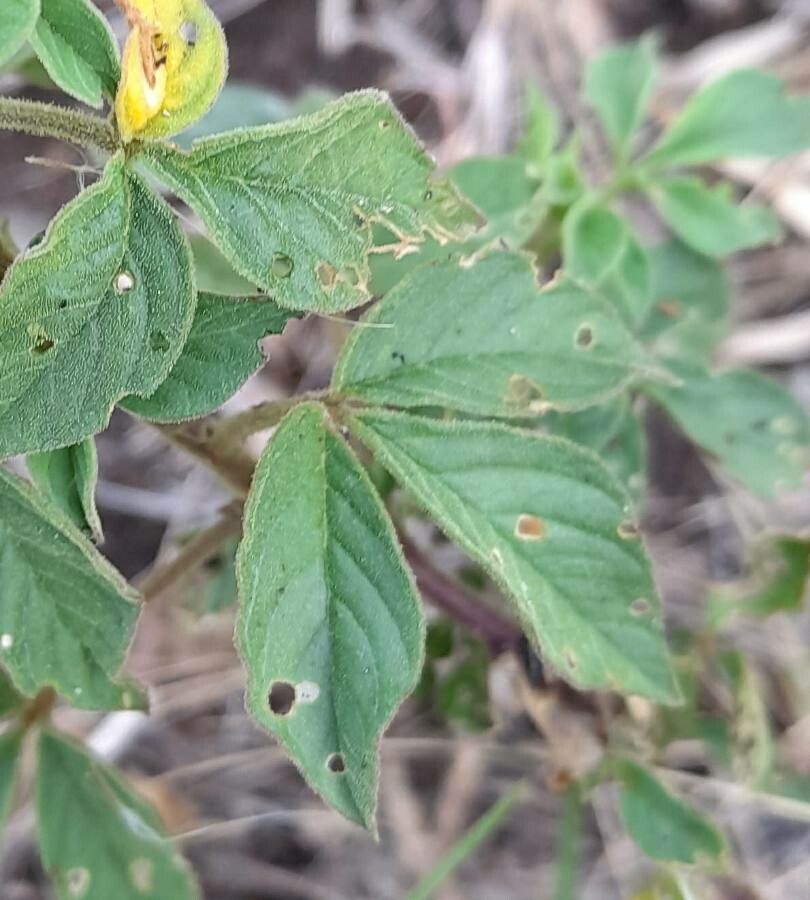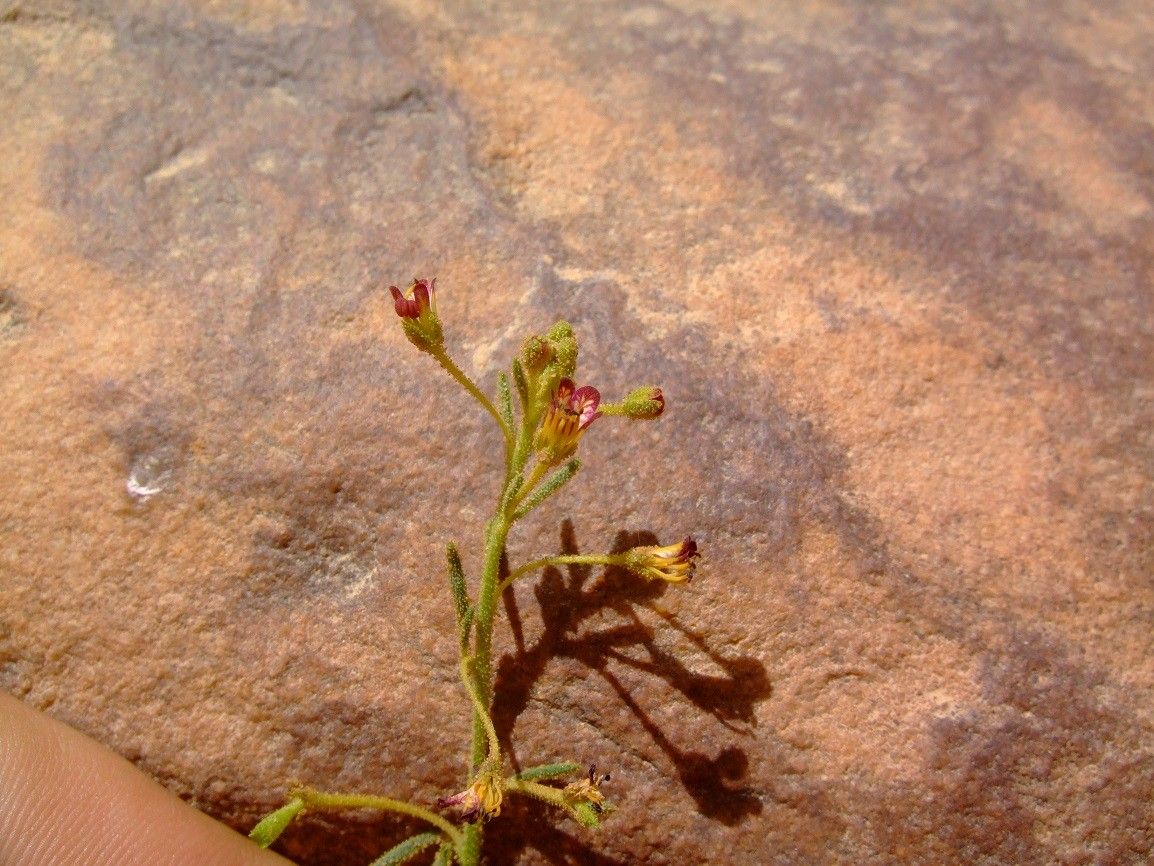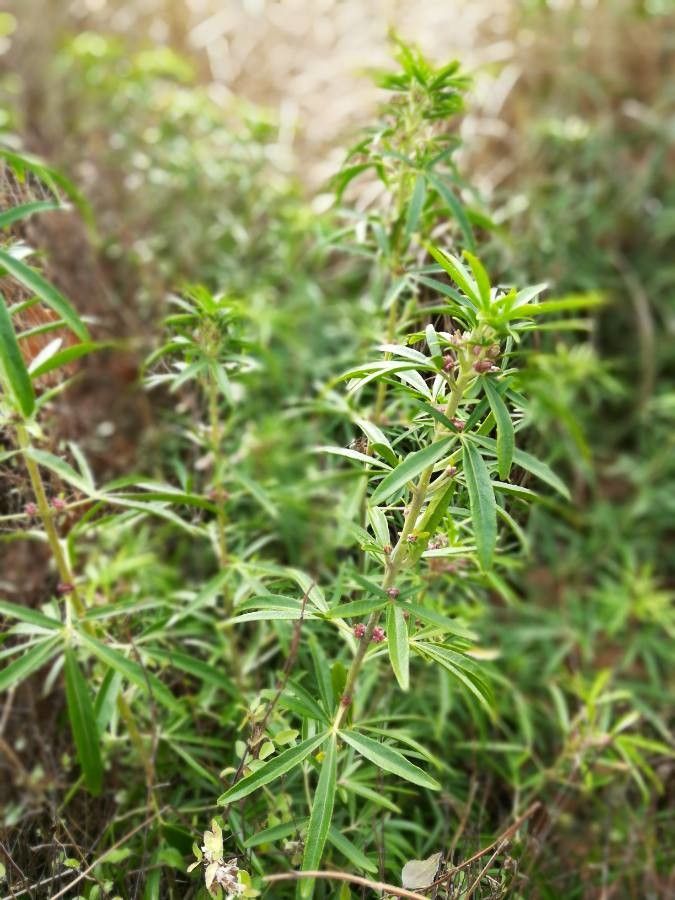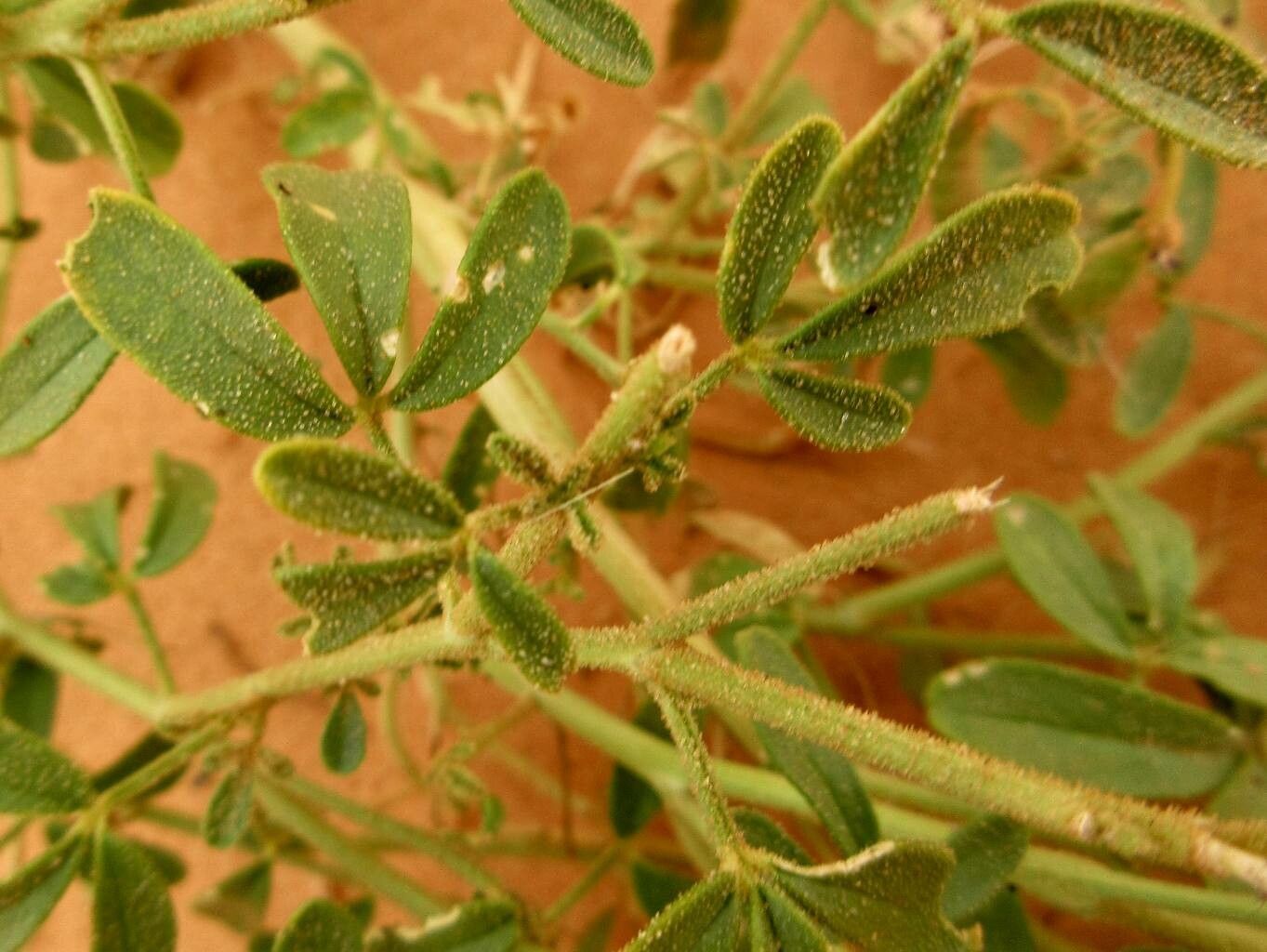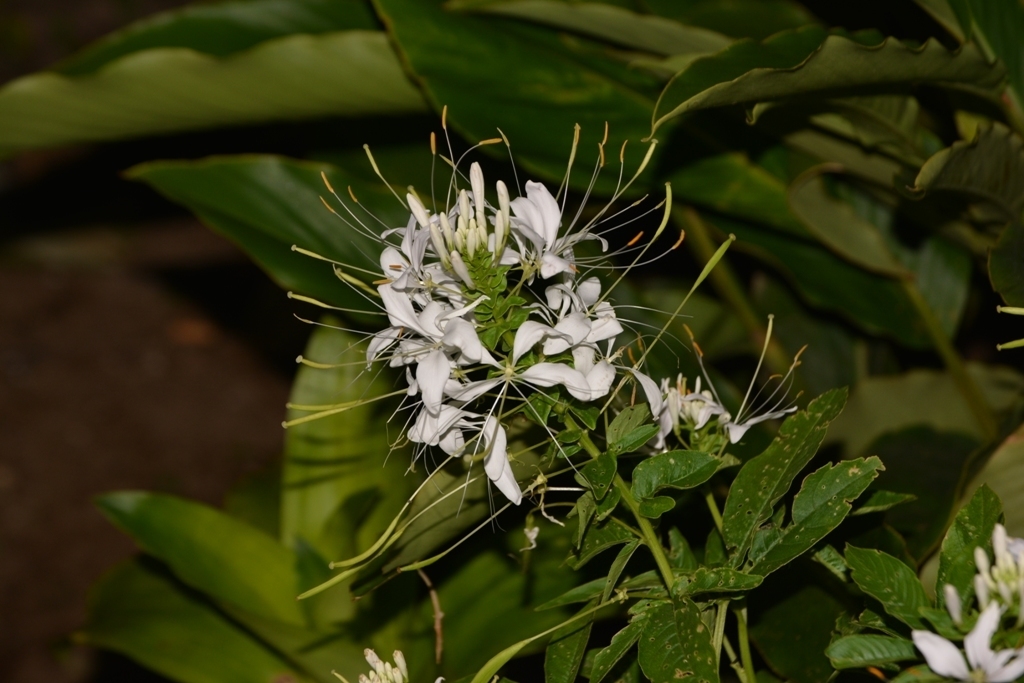
Cleome spinosa, called the spiny spiderflower, is a species of flowering plant in the genus Cleome. It is native to the New World Tropics, and has been has been introduced to the United States, tropical Africa, the Indian Subcontinent, Vietnam, New Caledonia, and Korea. It is pollinated by bats.
Tarenaya spinosa is fairly resistant to disease and generally not susceptible to many illnesses. However, it can be affected by pests and diseases present in its surroundings. These problems are typically mild. For care, this plant requires moderate maintenance. It should be pruned regularly to maintain an attractive appearance and healthy growth. Fertilizing can also help encourage flowering. Tarenaya spinosa is suitable for anyone with outdoor space, such as a garden or patio, and does not demand extensive plant-care experience. It may need more attention when cultivated indoors.
How to keep Cleome Spinosa.
Light
Tarenaya spinosa is native to bright, open habitats where it flourishes in full sun. It tolerates partial sun but prefers direct sunlight for optimal growth. As an annual or biennial, this plant is noted for its sun-loving habit.
Humidity
This plant prefers dry conditions, so don't mist it. However, watering it less often can also thrive in higher humidity.
Temperature
Tarenaya spinosa comes from tropical areas, where the climate is generally warm and humid. Therefore, it is well adapted to high temperatures and humidity. It does not tolerate sudden temperature changes and prefers a steady temperature, so avoiding temperature fluctuations indoors is important. It typically cannot withstand cold and needs warmer conditions for growth. If the ambient temperature falls too low, the plant may stop growing or even die.
Fertilizer
After Tarenaya spinosa has opened most of its flowers to full size, resume fertilizing. When the blooms are at their peak production, fertilize every three to four weeks, weather permitting. Once Tarenaya spinosa begins to produce fewer new blooms, stop fertilizing; there is no need to feed the plant when it can no longer produce more flowers.
Botanical profile.
- Plant Type
- Herb
- Life Cycle
- Annual
- Genus
- Cleome
- Family
- Cleomaceae
- Hardiness Zone
- 9-11
- Mature Height
- 0.61 m to 1.22 m
- Mature Spread
- 30 cm to 61 cm
- Leaf Color
- Green, Dark Green
- Leaf Type
- Semi-evergreen
- Flower Color
- Pink, White, Purple
- Flower Size
- 2.03 cm to 3.05 cm
- Bloom Time
- Summer, Early fall, Mid fall
- Planting Time
- Spring, Summer, Autumn
- Harvest Time
- Late summer, Fall, Early winter
- Native Area
- Belize, Honduras, Mexico, Guatemala, Peru, Panama, Jamaica, Colombia, Cuba, Bolivia, Venezuela, Guyana, El Salvador, Nicaragua, Brazil, Ecuador, Costa Rica