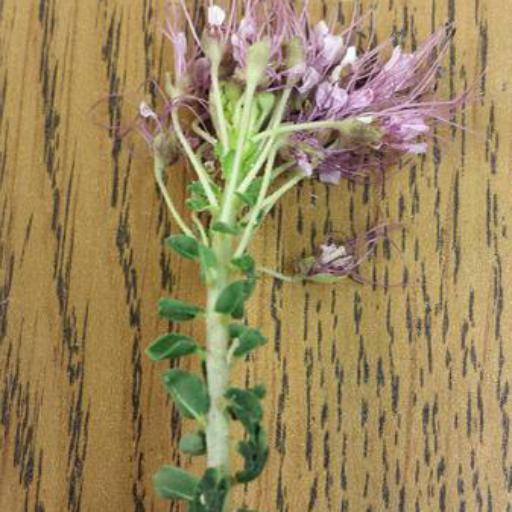
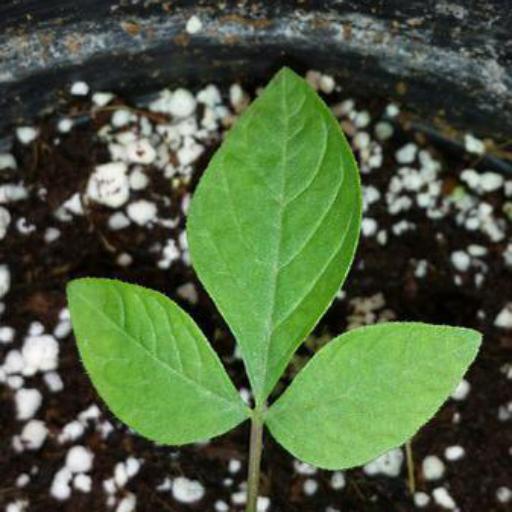
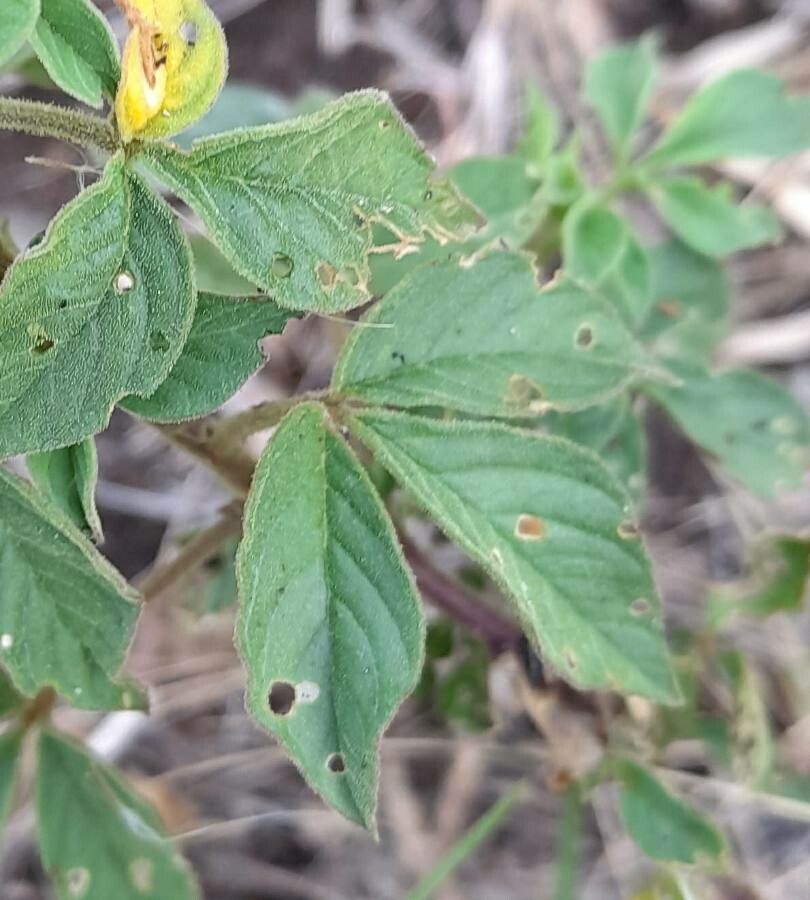
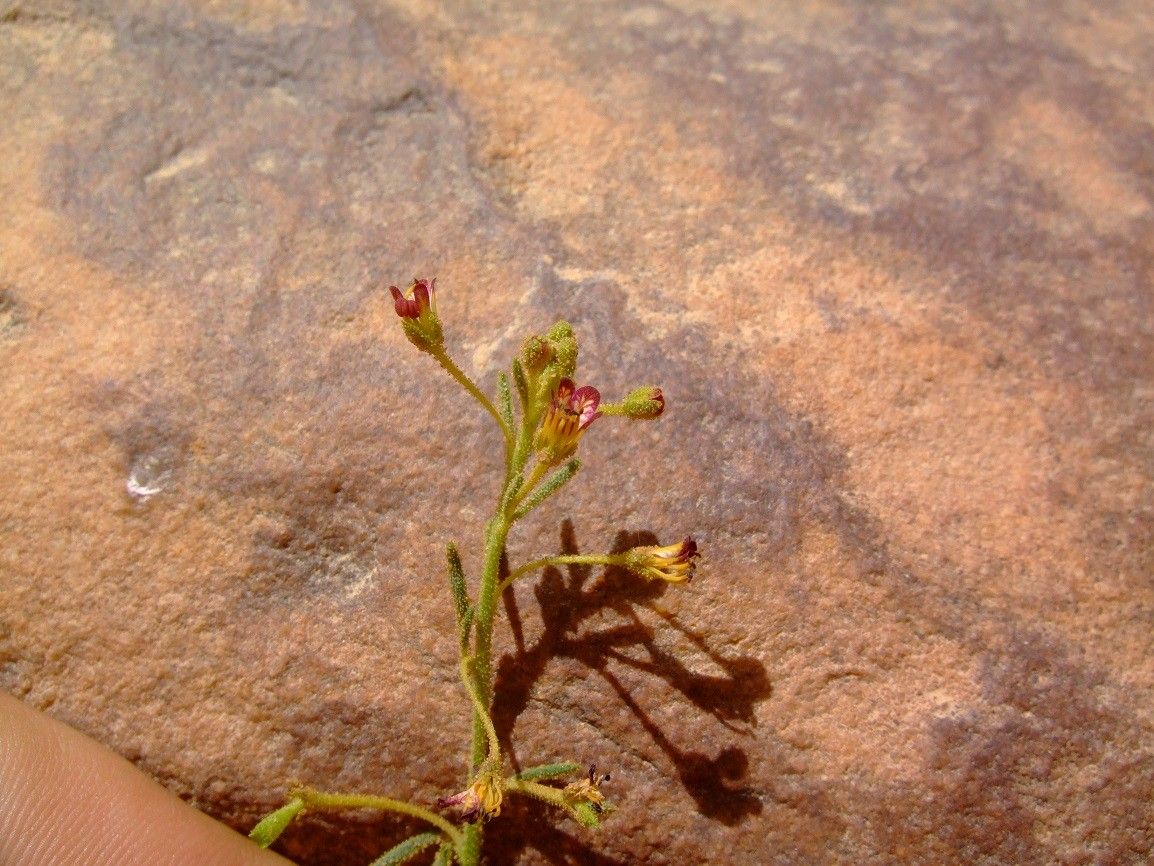
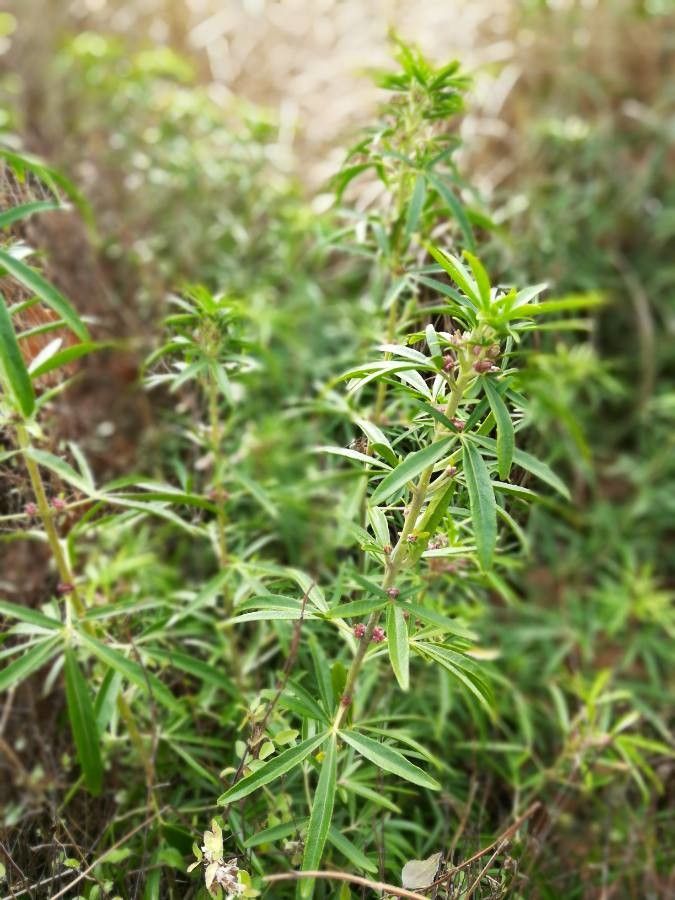
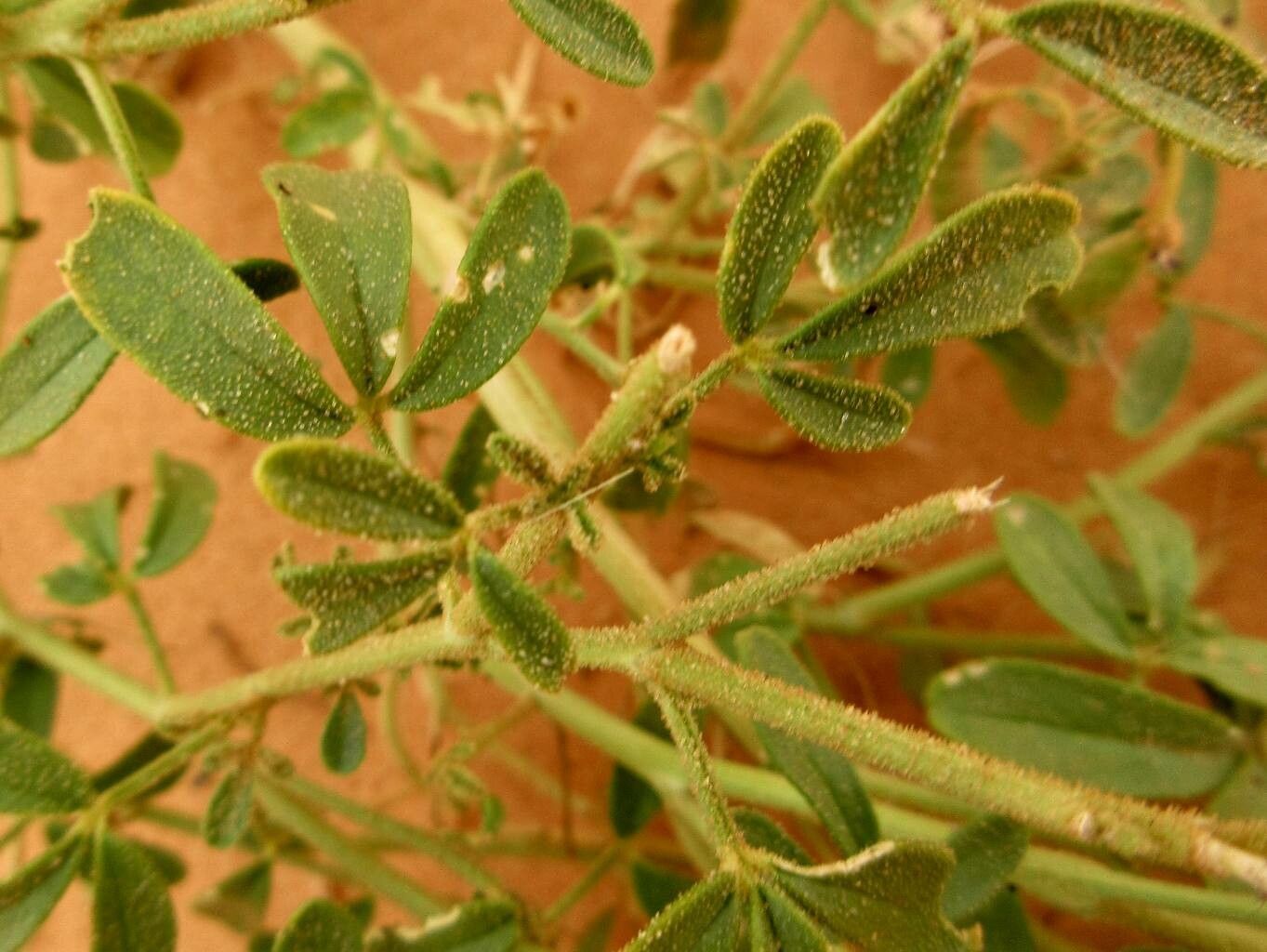
Polanisia dodecandra is a species of flowering plant in the Cleomaceae family, known by the common name redwhisker clammyweed or clammyweed, and there are three subspecies of Polanisia. Usually annual, occasionally perennial, Polanisia is native to North America, and is found throughout much of Canada and the United States. It favors full sun, mesic to dry conditions, and barren, sandy or gravelly soils, even highly disturbed areas where there is little other ground vegetation. It looks similar to a close relative, the spider flower (Cleome).
Fringed spider flower has good disease resistance and is generally not prone to illnesses. However, it can be vulnerable to pests and diseases present in its surroundings. These problems are usually not serious. Regarding care, this plant needs moderate maintenance. It should be pruned regularly to maintain an attractive appearance and healthy growth. Fertilizing can also help encourage flowering. Fringed spider flower is appropriate for anyone with outdoor space, such as a garden or patio, and does not require extensive plant-care experience. It may need more attention when grown indoors.
How to keep Cleome Dodecandra.
Light
Fringed spider flower comes from bright, open habitats where it does best in full sun. It can tolerate partial sun but prefers direct sunlight for optimal growth. This plant, which may be annual or biennial, is noted for its sun-loving nature.
Temperature
Fringed spider flower comes from tropical areas, where the climate is generally warm and humid. As a result, it is well suited to high temperatures and moisture. It does not tolerate sudden shifts in temperature and prefers a consistent thermal environment, so avoiding temperature fluctuations indoors is important. It usually cannot handle cold conditions and needs warmer temperatures to grow. If the surrounding temperature drops too low, the plant may stop growing or even die.
Fertilizer
Fringed spider flower benefits from regular, weak fertilizer applications to encourage healthy leaf growth. Fertilize the Fringed spider flower about once a month during the summer. Nitrogen is essential for foliage, and providing nitrogen-rich sources helps the Fringed spider flower thrive.
Botanical profile.
- Plant Type
- Herb
- Life Cycle
- Annual
- Genus
- Cleome
- Family
- Cleomaceae
- Hardiness Zone
- 8-12
- Mature Height
- 15 cm to 91 cm
- Mature Spread
- 20 cm to 40 cm
- Leaf Color
- Green, Dark Green
- Leaf Type
- Evergreen
- Flower Color
- Lavender, Pink
- Flower Size
- 1.02 cm
- Bloom Time
- Early summer, Mid summer
- Planting Time
- Spring, Summer, Autumn
- Harvest Time
- Mid summer, Late summer
- Native Area
- India, Angola, Zambia, Sudan, Nigeria, Congo, Guinea, Gabon, Uganda, Tanzania, Chad, Benin, Sierra Leone, Cameroon, Liberia, Togo, Ghana, Senegal, Côte d'Ivoire, Congo (DRC), Central African Republic
Other names.