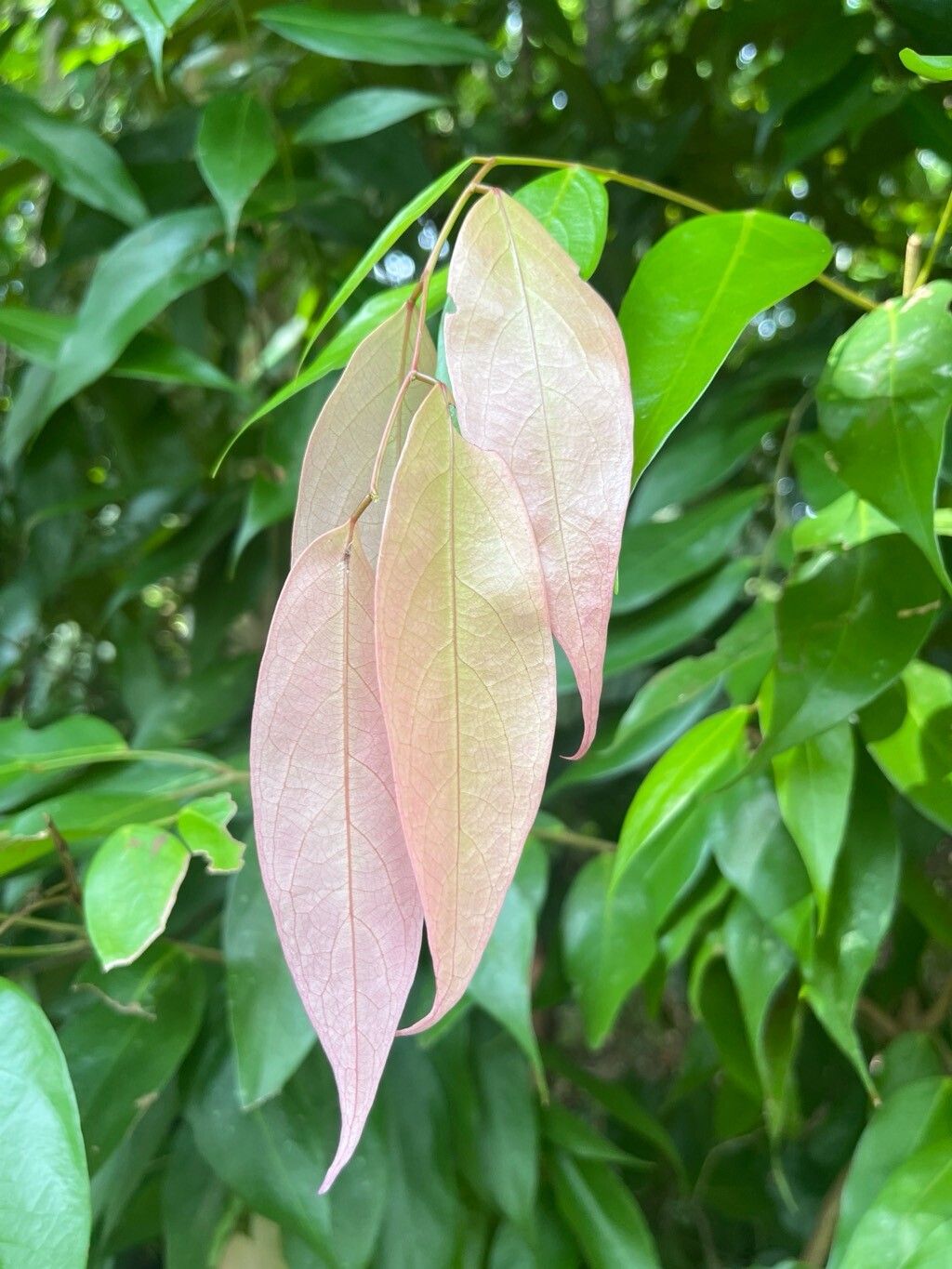
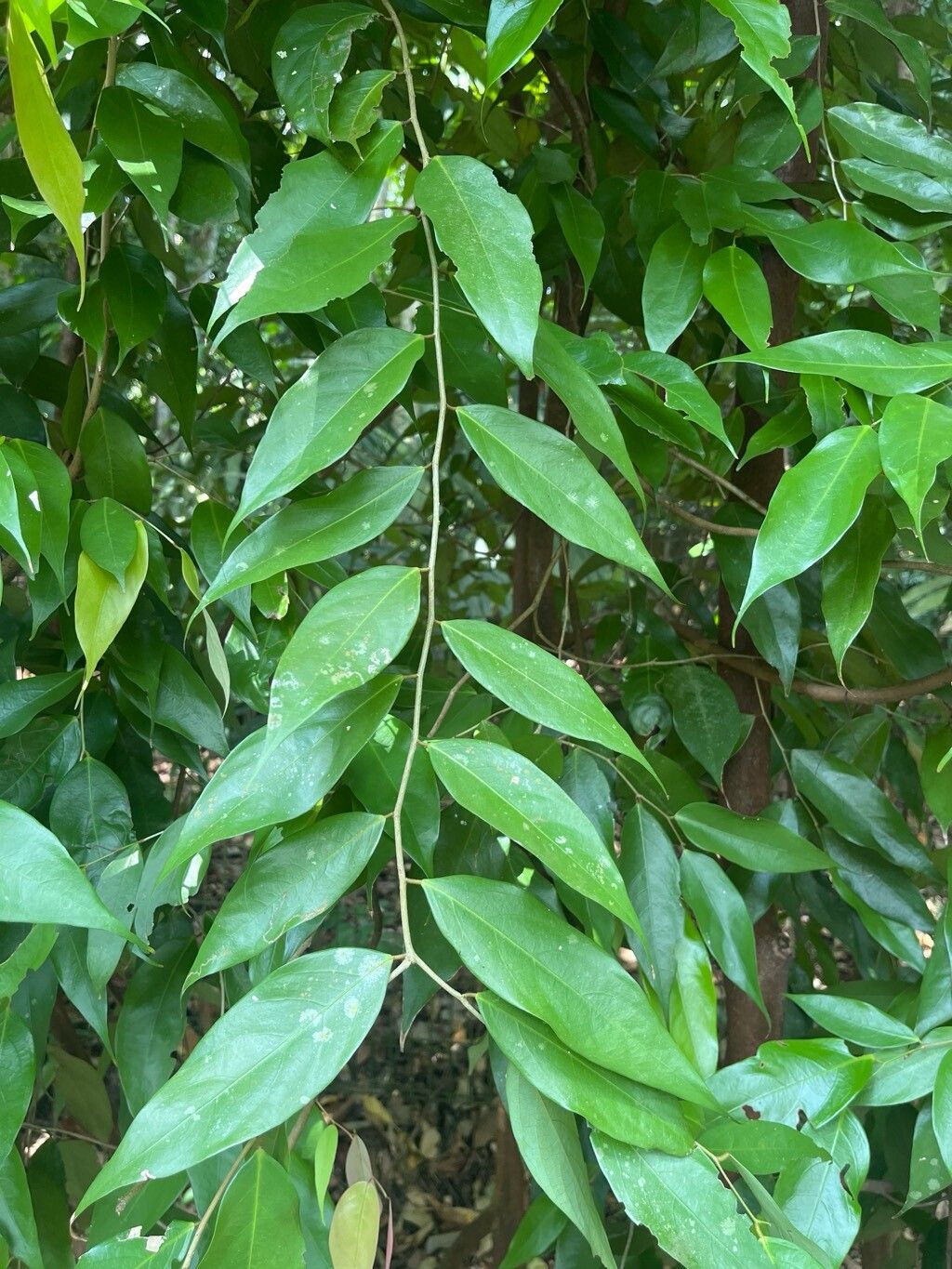
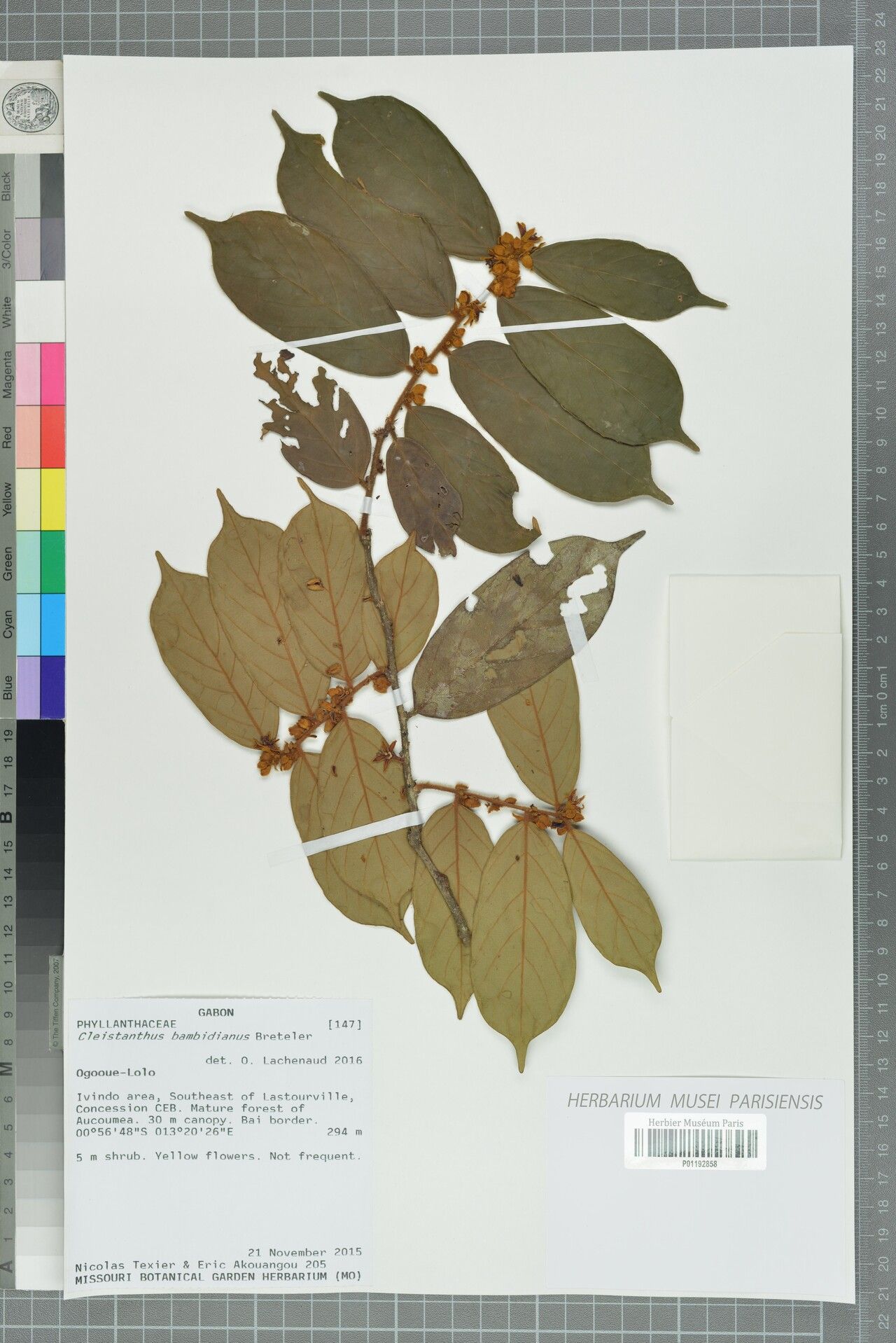
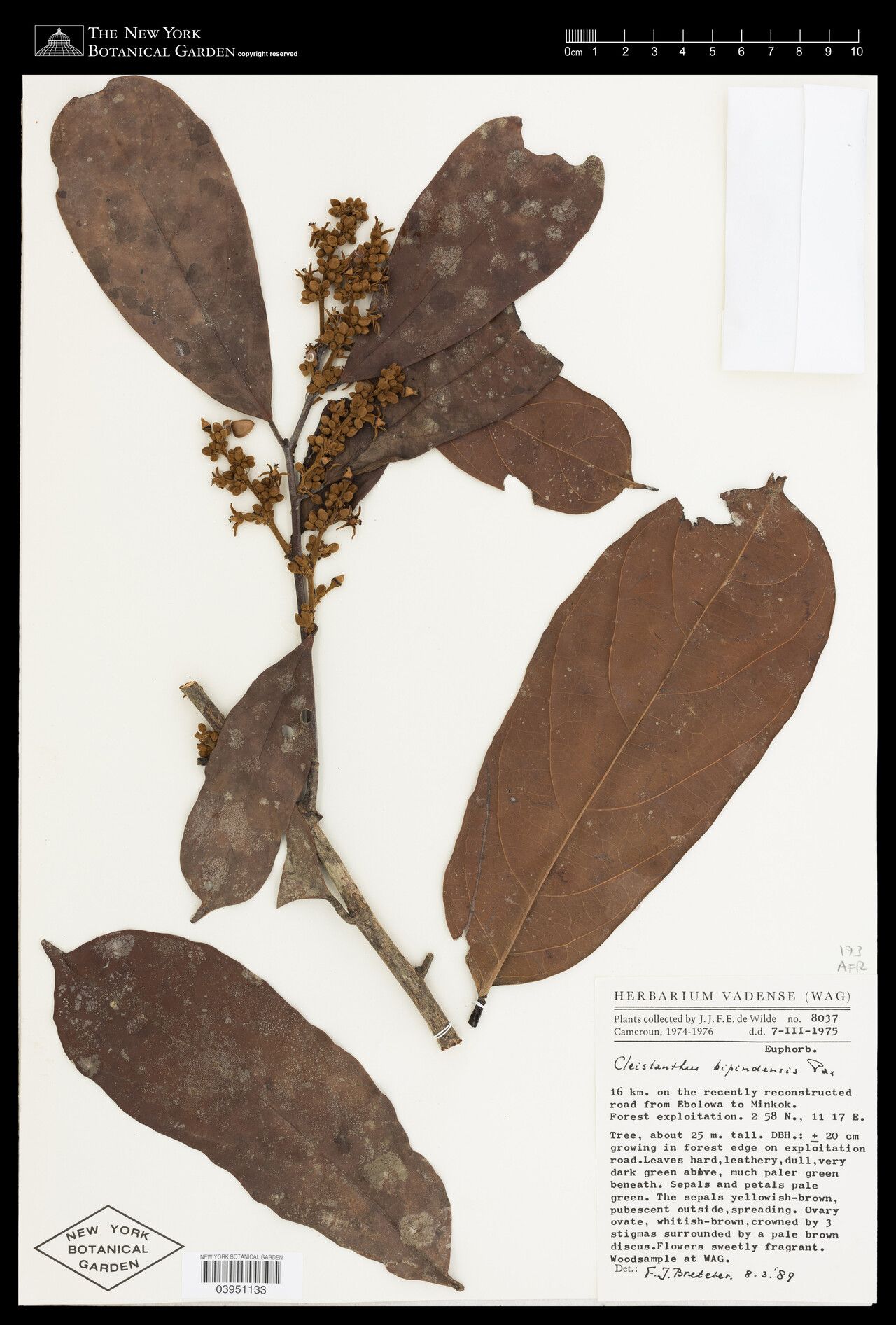
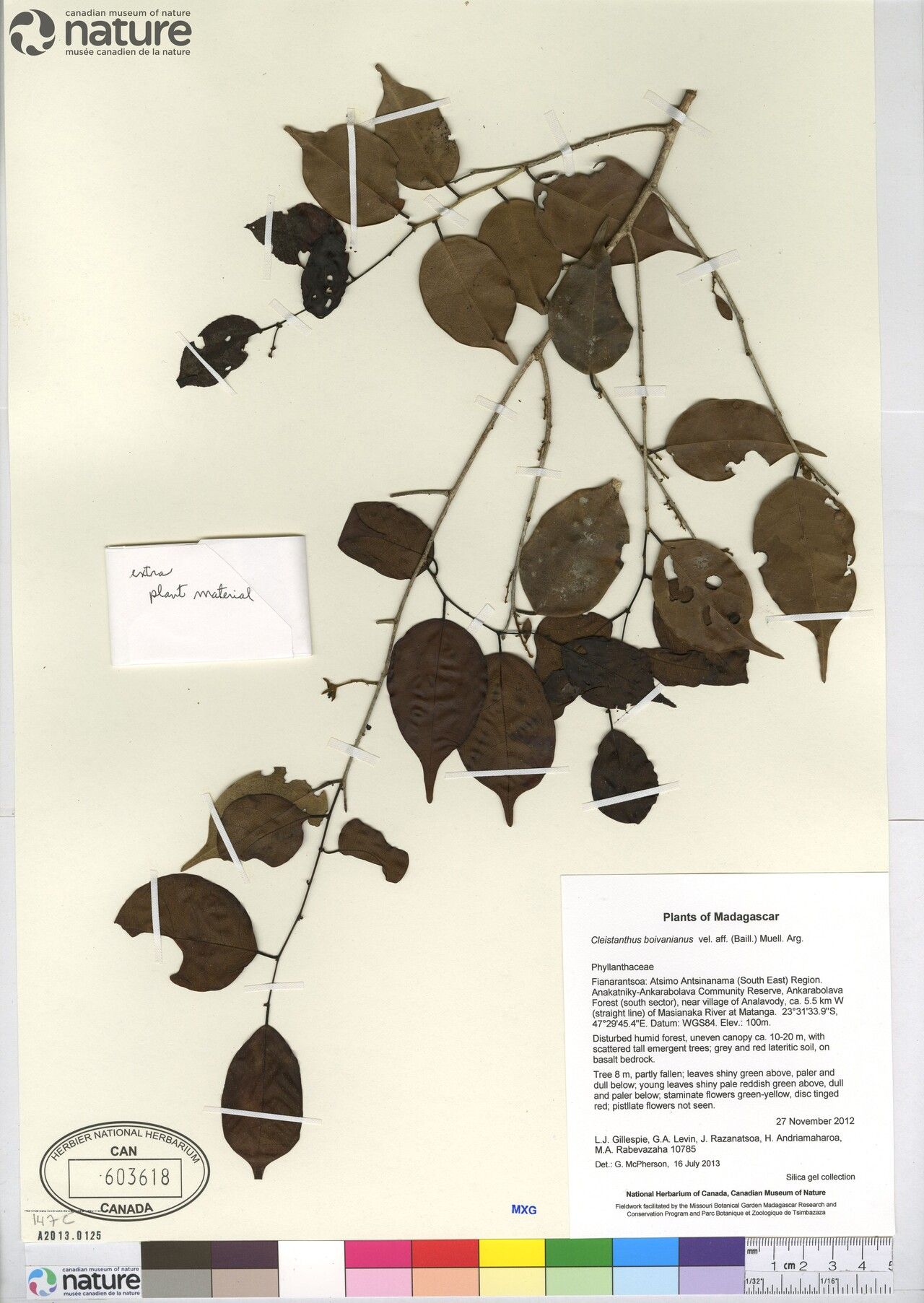
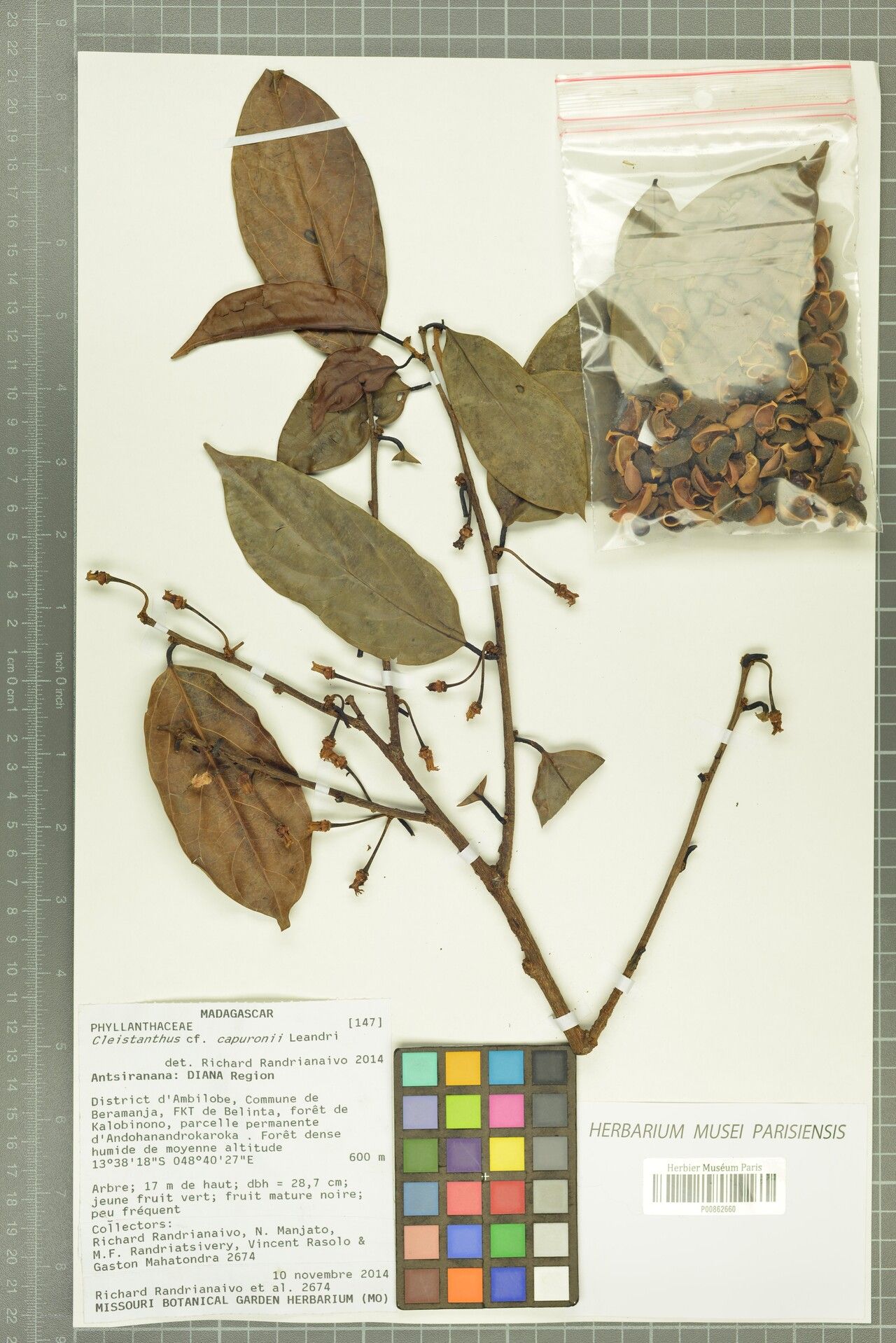
Cleistanthus sumatranus is an accepted name of a tree species in the genus Cleistanthus. No subspecies are listed in the Catalogue of Life.
Cleistanthus sumatranus is resistant to diseases and is generally not susceptible to them. Regarding care, this plant is fairly low maintenance. When grown outdoors it needs little watering, and larger plants usually do not require pruning. However, smaller plants should be pruned after they have bloomed. Cleistanthus sumatranust is suitable for anyone with an outdoor space, such as a garden or deck, and does not demand much care experience.
How to keep Cleistanthus Sumatranus.
Light
Cleistanthus sumatranus prospers in conditions that are abundant in sunlight, similar to its natural surroundings. Insufficient or excessive sunlight can impede its overall vitality, impacting the state of its leaves and bloom. Every stage of its growth requires unblocked sunlight. However, it cannot withstand varying light conditions.
Water
Cleistanthus sumatranus thrives in tropical climates, easily adapting to both heavy rain and dry spells. It is moderately drought-tolerant and benefits from watering every 2-3 weeks, with the soil being permitted to dry out slightly between waterings. Maintaining consistent soil moisture is essential for preserving its evergreen foliage. This plant is typically cultivated outdoors.
Temperature
Cleistanthus sumatranus comes from tropical areas, where the climate is generally warm and humid. Because of this, it is well suited to high temperatures and moisture. It does not tolerate abrupt temperature changes and prefers a steady thermal environment, so avoiding temperature fluctuations indoors is important. It typically cannot endure cold conditions and needs higher temperatures to grow. If the surrounding temperature falls too low, the plant may stop growing or even die.
Fertilizer
The care of Cleistanthus sumatranus greatly depends on fertilization. Maintaining consistent nutrition during the growth phase is important for vibrant leaf production and general development. By overlooking the need for fertilization, the leaves can become unhealthy and it can have a negative effect on its decorative aesthetics. Moreover, it may result in inferior and fragile growth that is likely to be damaged.
Pruning
Prune Cleistanthus sumatranus in early spring to align with its growth cycle. Start by removing any dead branches, then thin out crowded areas to improve air circulation. Shape the plant for aesthetics by making clean, angled cuts to prevent water accumulation. Regular pruning encourages flowering and helps prevent disease, enhancing the overall appeal of your garden.
Botanical profile.
- Plant Type
- Tree
- Life Cycle
- Perennial
- Genus
- Cleistanthus
- Family
- Phyllanthaceae
- Hardiness Zone
- 10-12
- Mature Height
- 17.98 m
- Mature Spread
- 4.88 m to 10.06 m
- Leaf Color
- Dark Green, Forest Green
- Leaf Type
- Semi-evergreen
- Flower Color
- Yellow, Green
- Flower Size
- 0.51 cm to 0.51 cm
- Bloom Time
- Late spring, Summer
- Planting Time
- Spring, Summer, Autumn
- Harvest Time
- Late summer, Fall
- Native Area
- Malaysia, Indonesia, Cambodia, Vietnam, Philippines, Singapore, Laos, Brunei, Thailand, China
Reader questions.
What are the sunlight requirements for Cleistanthus sumatranus?
Cleistanthus sumatranus requires full sun, meaning it needs above 6 hours of sunlight daily to thrive optimally. It's essential to watch how sunlight moves through your garden, choosing locations that offer a perfect balance of light and shade to ensure the plants' happiness. This species thrives in environments rich in sunlight, mirroring its native habitat, and needs unobstructed sunlight at every growth stage. However, it has no tolerance for varying light conditions. Artificial lighting can be used for indoor plants when natural sunlight is insufficient, using LED lights to mimic sunlight conditions.
What are the symptoms of inadequate light exposure in Cleistanthus sumatranus?
When Cleistanthus sumatranus is exposed to inadequate light, it may show several symptoms, including small, new leaves, leggy or sparse growth, faster leaf drop, slower or halted new growth, lighter-colored new leaves, chlorosis, sunscald, leaf curling, wilting, and leaf scorching. These symptoms indicate the plant's struggle with suboptimal lighting conditions, affecting its growth, foliage, and overall health.
How can you address light deficiency issues in Cleistanthus sumatranus?
To address light deficiency in Cleistanthus sumatranus, gradually move plants to areas with at least 6 hours of direct sunlight daily, using south-facing windows for indoor plants. Consider using artificial light sources, like desk or ceiling lamps or professional grow lights, for at least 8 hours daily for additional support. Outdoor plants should be gradually relocated to sunnier spots to avoid sunburn. If natural light is blocked by obstacles like trees, consider pruning to improve sunlight penetration. For smaller plants experiencing sunlight deficiency, transplanting them during their dormant period to a location with ample sunlight and good drainage could be beneficial.