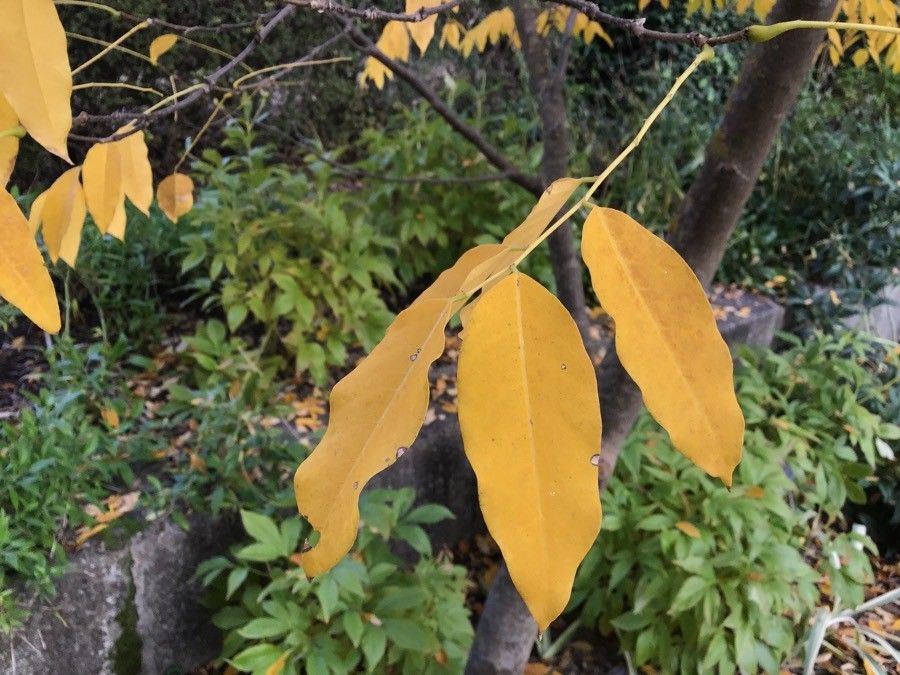
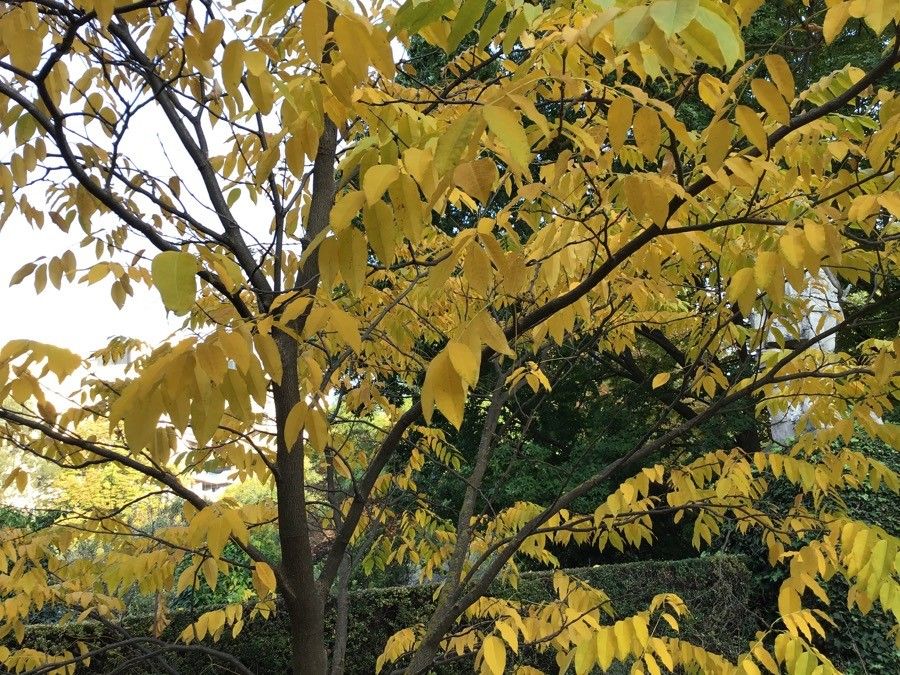
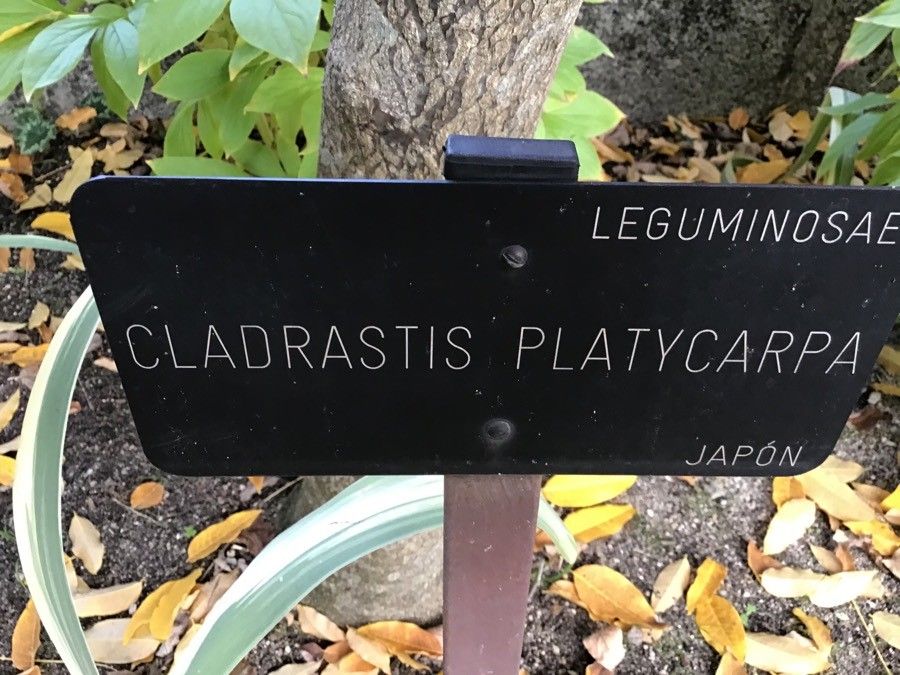
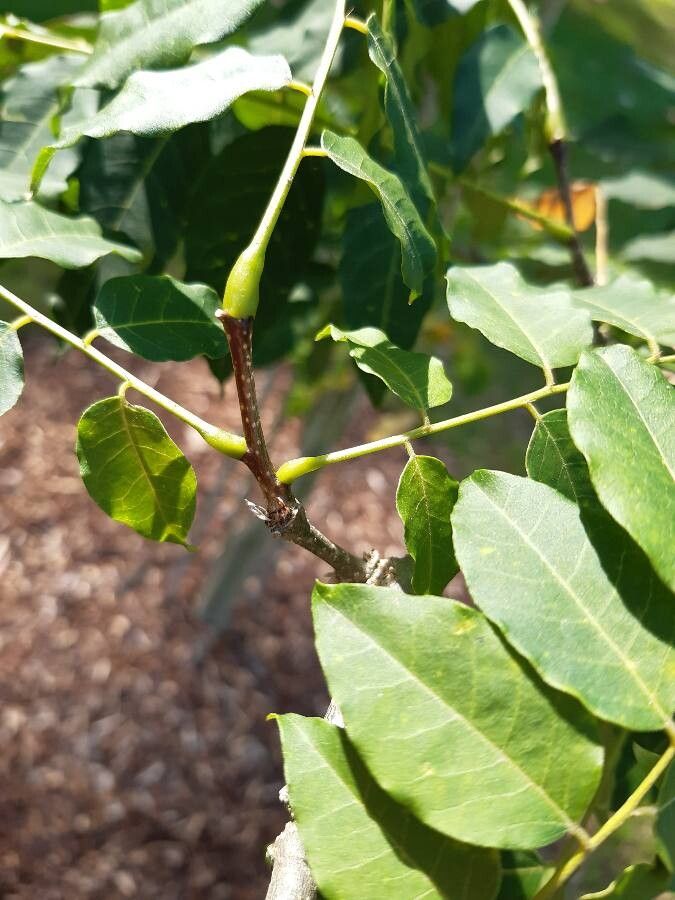
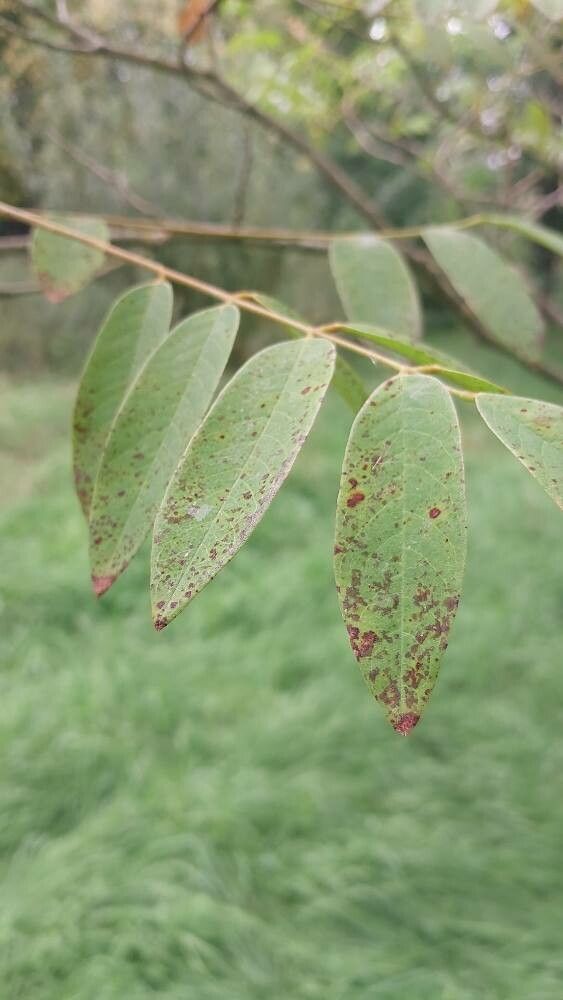
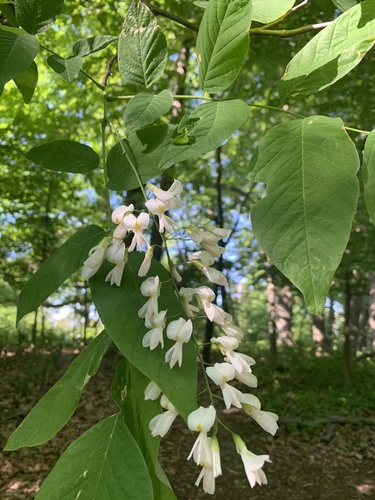
Japanese yellow-wood is quite disease-resistant and generally not susceptible to illnesses. With respect to care, this plant is fairly low-maintenance. When grown outdoors it needs only minimal watering, and larger specimens typically do not require pruning. Smaller plants, however, should be pruned after they finish blooming. Japanese yellow-wood is suitable for anyone who has outdoor space, such as a garden or deck, and does not demand extensive gardening experience.
How to keep Cladrastis Platycarpa.
Light
Japanese yellow-wood is native to open habitats, such as sunny meadows and forest edges, that provide abundant light. It flourishes in Full Sun but can also tolerate Partial Sun, adjusting well to a range of sunlight conditions.
Water
The Japanese yellow-wood is well-suited for areas with moderate rainfall, and it is also drought-tolerant. It thrives in conditions with balanced moisture and well-draining soil. To care for it, water the Japanese yellow-wood every 2-3 weeks, allowing the soil to dry out between waterings. This plant is ideal for outdoor landscapes that prioritize water conservation or experience seasonal dry spells.
Temperature
Japanese yellow-wood shows strong adaptability to a range of climates, from scorching summers to freezing winters. Nonetheless, it has a preferred temperature range for growth. If temperatures climb too high, the plant becomes vulnerable to heat and humidity stress, which can lead to its death. In places where temperatures approach the lower threshold of its cold tolerance, taking insulating measures to shield the plant is important.
Fertilizer
Timing is important for fertilizing Japanese yellow-wood. Apply fertilizer in early spring and continue monthly through early summer. Fertilizer helps produce attractive blooms and supplies energy during both dormant and active growth phases.
Pruning
The Japanese yellow-wood is a deciduous tree known for its fragrant white flowers and smooth bark. To maintain its health and appearance, it’s best to prune the tree in early spring. Focus on removing dead branches and thinning out areas to improve airflow. Avoid heavy pruning, as this can stress the tree. Instead, aim for minimal, regular pruning to optimize blooming and enhance the tree’s natural shape.
Botanical profile.
- Plant Type
- Tree
- Life Cycle
- Perennial
- Genus
- Cladrastis
- Family
- Leguminosae
- Hardiness Zone
- 4-8
- Mature Height
- 10.06 m to 14.94 m
- Mature Spread
- 7.92 m to 11.89 m
- Leaf Color
- Green, Dark Green
- Leaf Type
- Deciduous
- Flower Color
- White
- Flower Size
- 1.52 cm to 2.03 cm
- Bloom Time
- Mid spring, Late spring
- Planting Time
- Spring, Summer, Autumn
- Harvest Time
- Late summer, Early fall, Mid fall
- Native Area
- South Korea, Japan, China
Other names.
Reader questions.
What are the sunlight requirements for Japanese yellow-wood?
Japanese yellow-wood, also known as Cladrastis platycarpa, thrives under full sun conditions, which means it requires more than 6 hours of sunlight daily. However, it can also adapt well to partial sun, receiving about 3-6 hours of sunlight. It's important to observe how sunlight moves through your garden to find the perfect balance of light and shade for these plants, ensuring their growth and happiness.
How do artificial lights support the growth of indoor Japanese yellow-wood plants?
When natural sunlight is insufficient, especially during winter or in less sunny spaces, artificial lighting becomes crucial for the optimal growth of indoor Japanese yellow-wood plants. Choosing the right type of artificial light, such as LED lights, is vital as they can provide specific wavelengths needed by the plants. Full sun plants need 30-50W/sq ft, partial sun plants require 20-30W/sq ft, and full shade plants should have 10-20W/sq ft of light. The light source should be placed 12-36 inches above the plant, mimicking natural sunlight, and it should be on for 8-12 hours per day, depending on the specific needs of the plant.
What are the symptoms of light deficiency in Japanese yellow-wood?
Japanese yellow-wood plants that don't receive adequate sunlight may show several symptoms of light deficiency, including smaller new leaves, leggy or sparse growth, faster leaf drop, slower or halted growth, lighter-colored new leaves, and signs of chlorosis where leaves lose their green color and turn yellow. Additionally, excessive sunlight can cause symptoms like sunscald, leaf curling, wilting, and leaf scorching, indicating damage and stress due to overexposure.
What are the solutions for Japanese yellow-wood plants not getting enough sunlight?
For plants not getting enough sunlight, gradually moving them to a sunnier location each week until they receive at least 6 hours of direct sunlight daily can be beneficial. For indoor plants, using a south-facing window or artificial light, such as a desk or ceiling lamp for at least 8 hours daily, can provide additional light. Outdoors, it's crucial to avoid sudden changes in light intensity to prevent sunburn. Reducing obstructions like pruning trees that block sunlight or transplanting to a location with better light and drainage can also help. It's important to note that while parts of the plant damaged from insufficient light may not recover, new growth after increasing light exposure will be healthy.