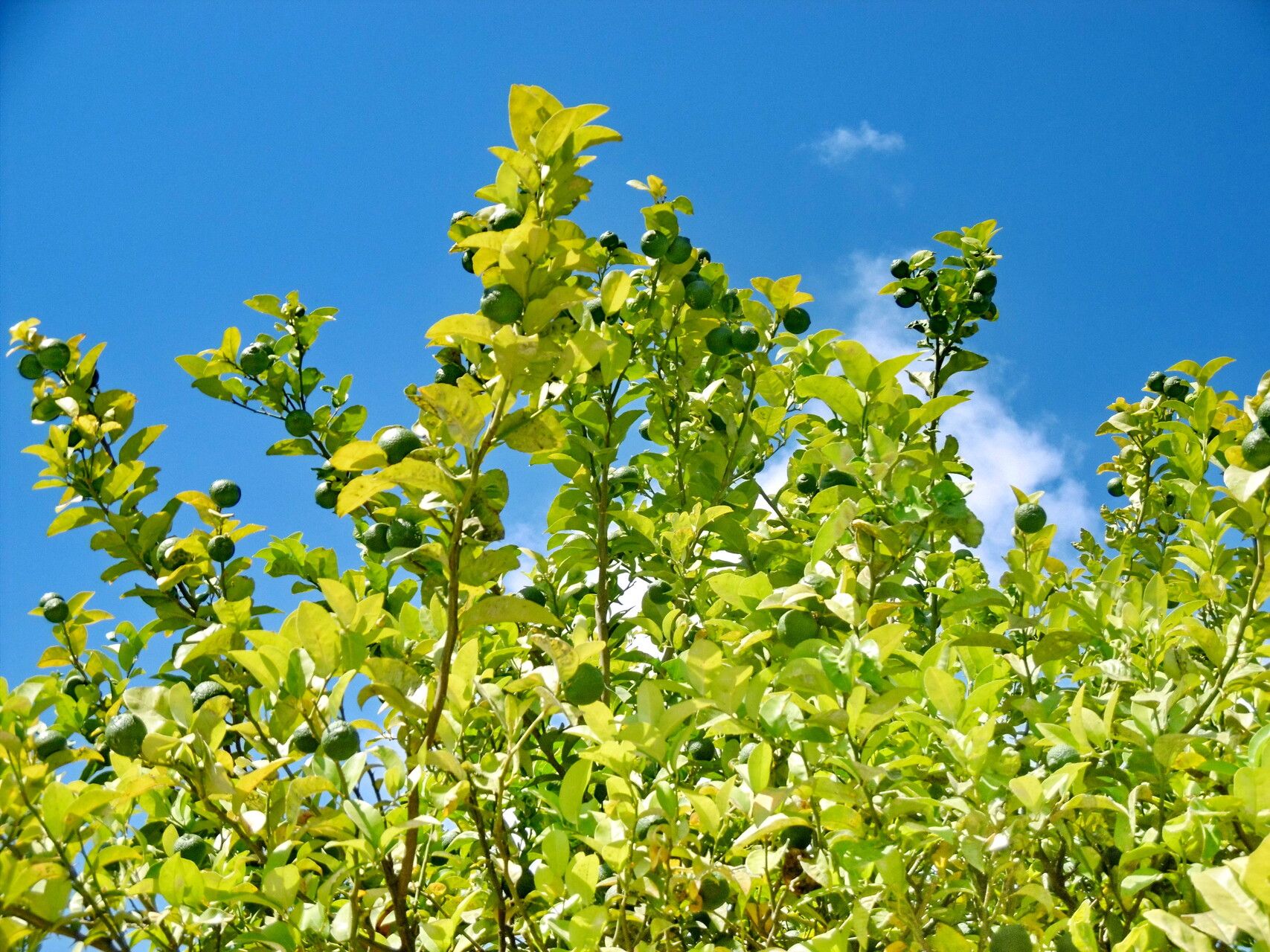
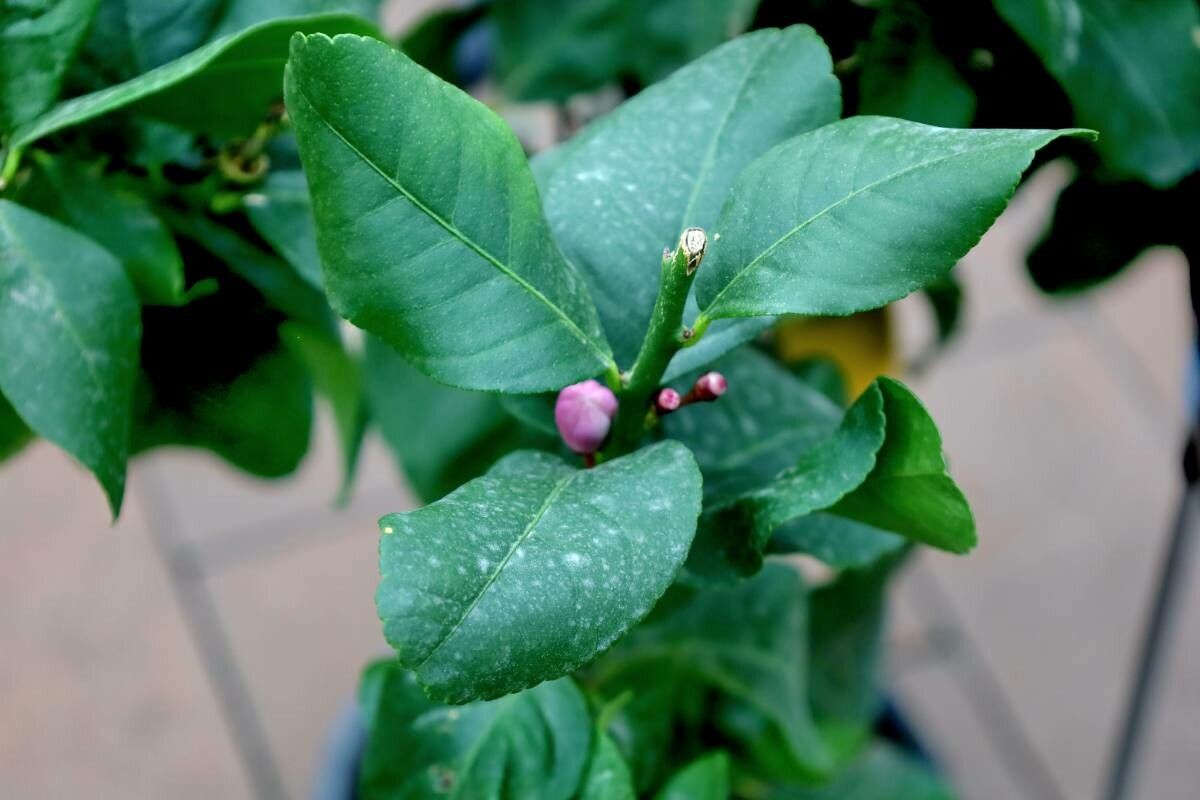
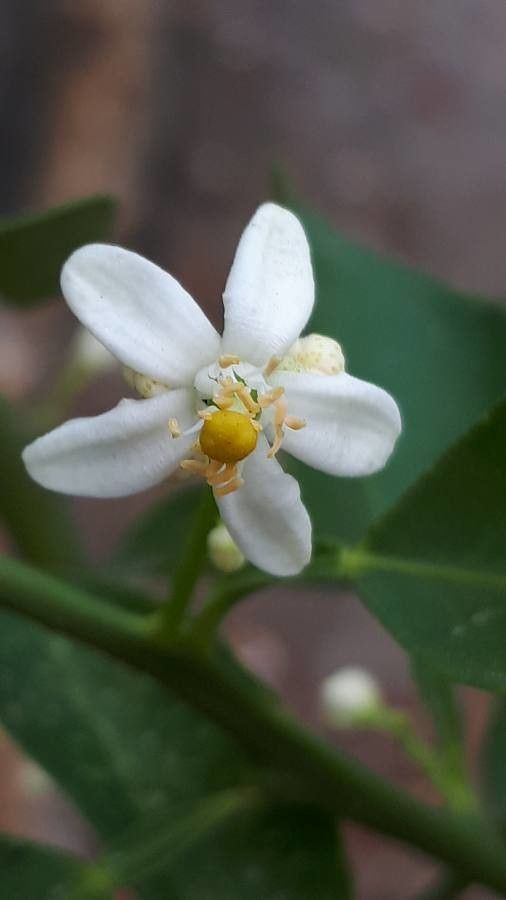
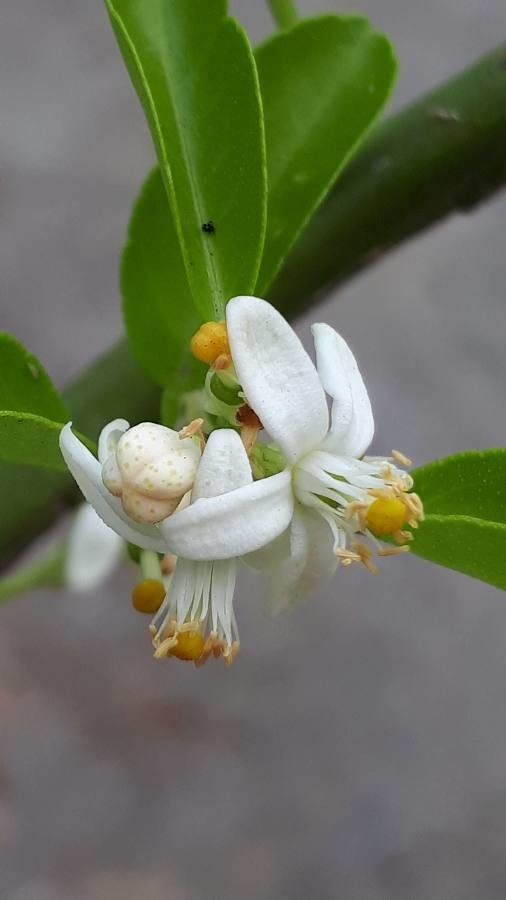
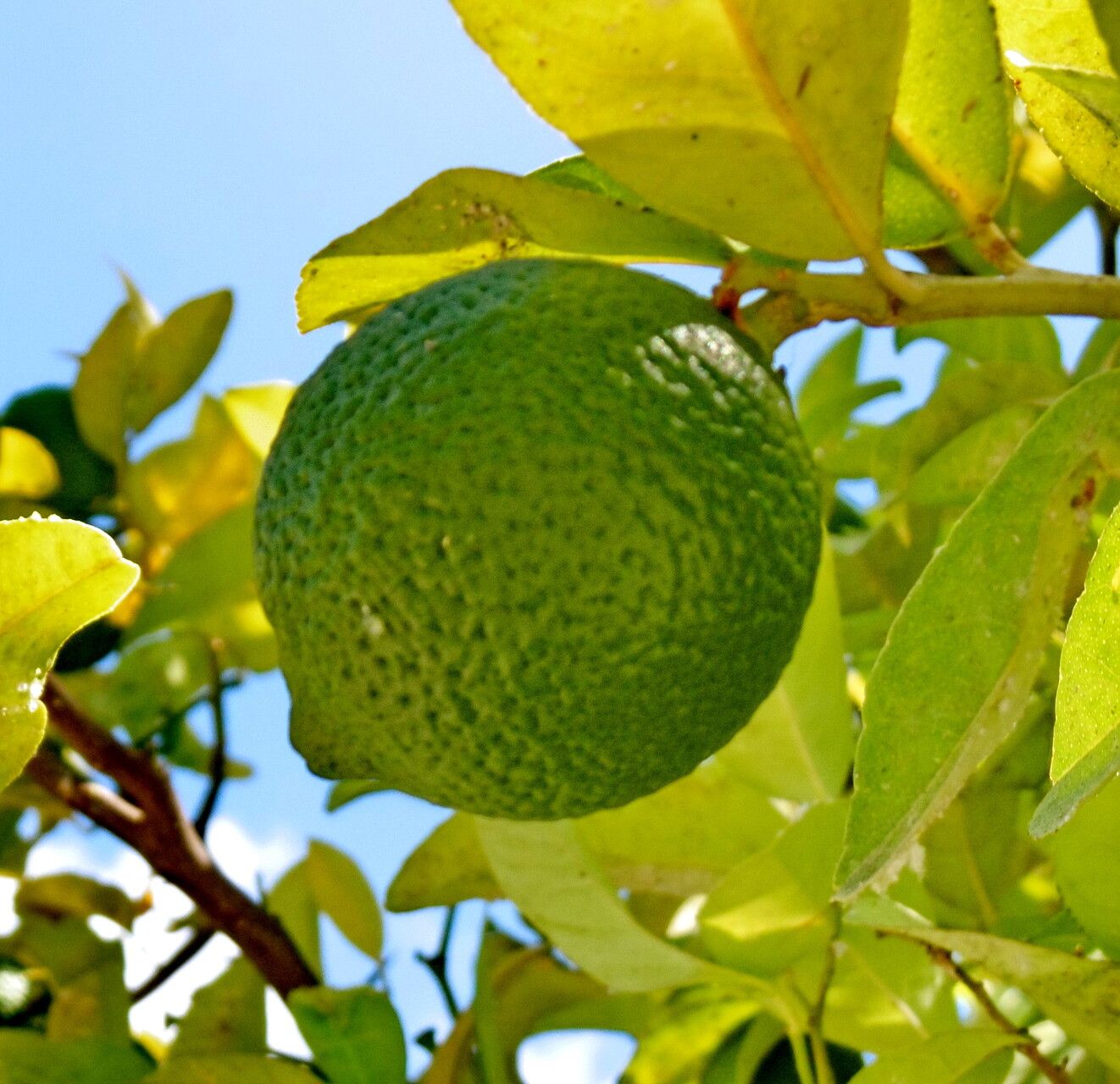
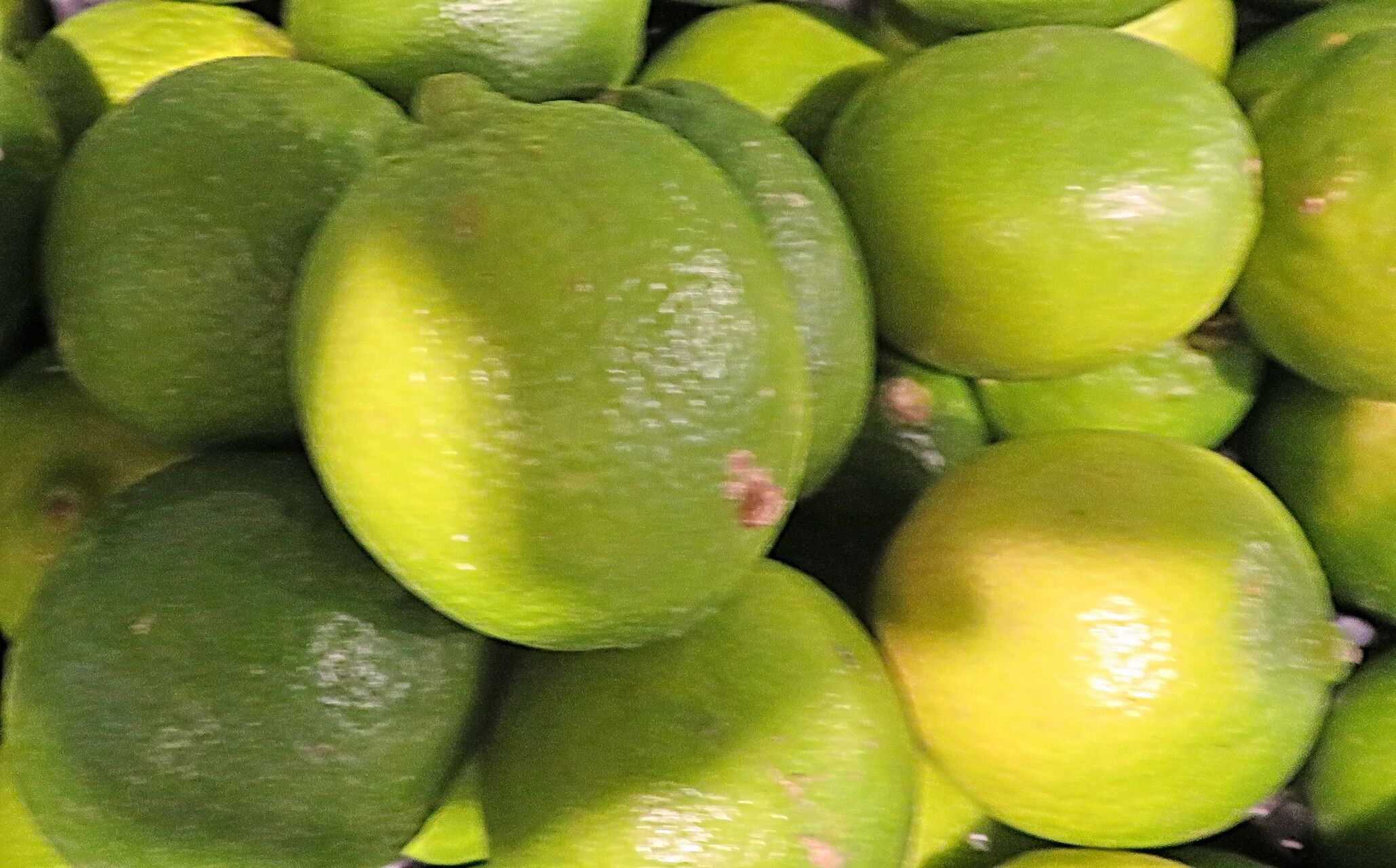
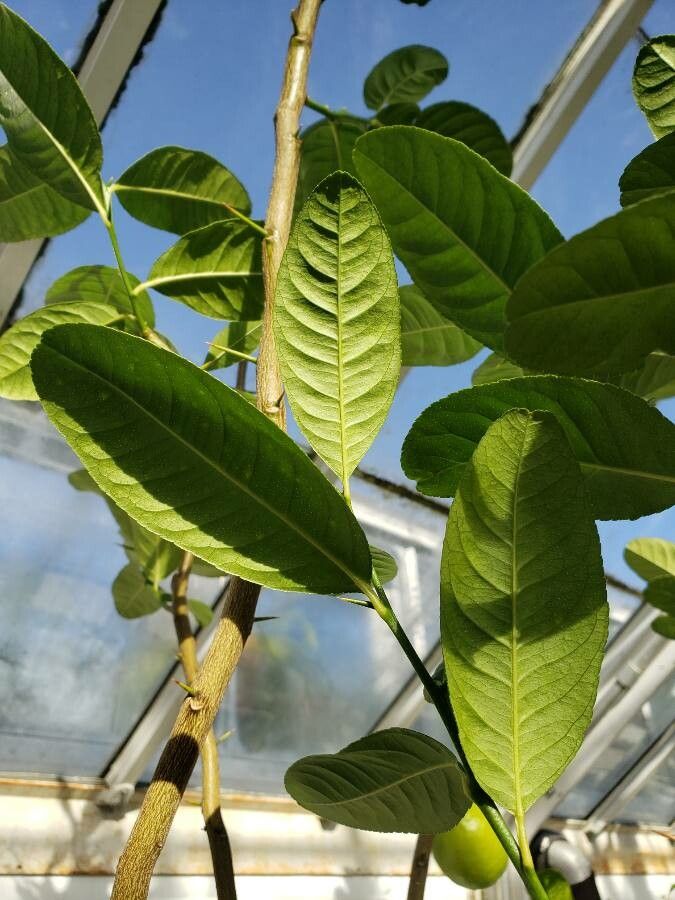
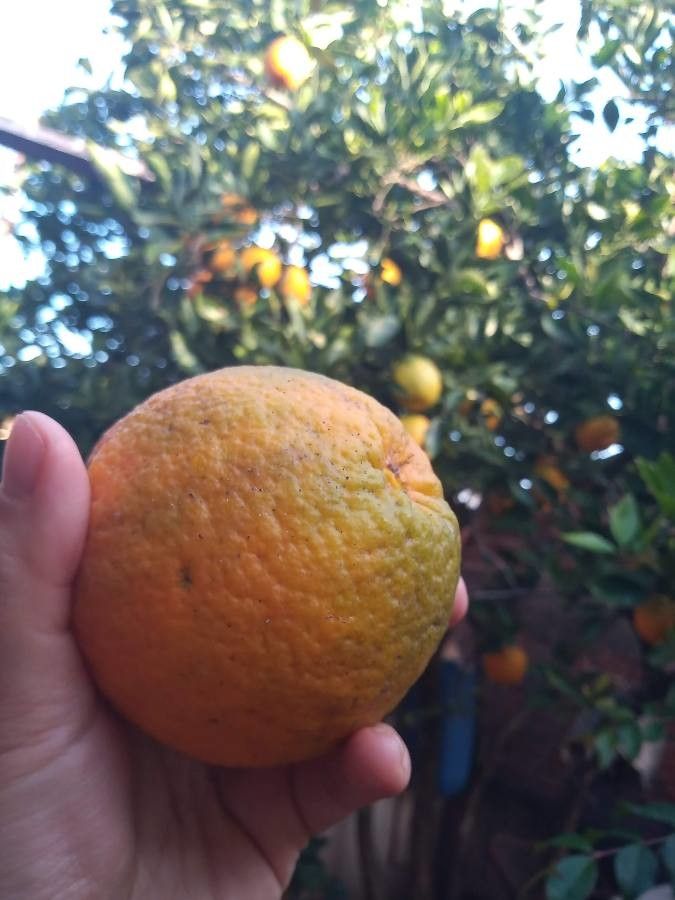
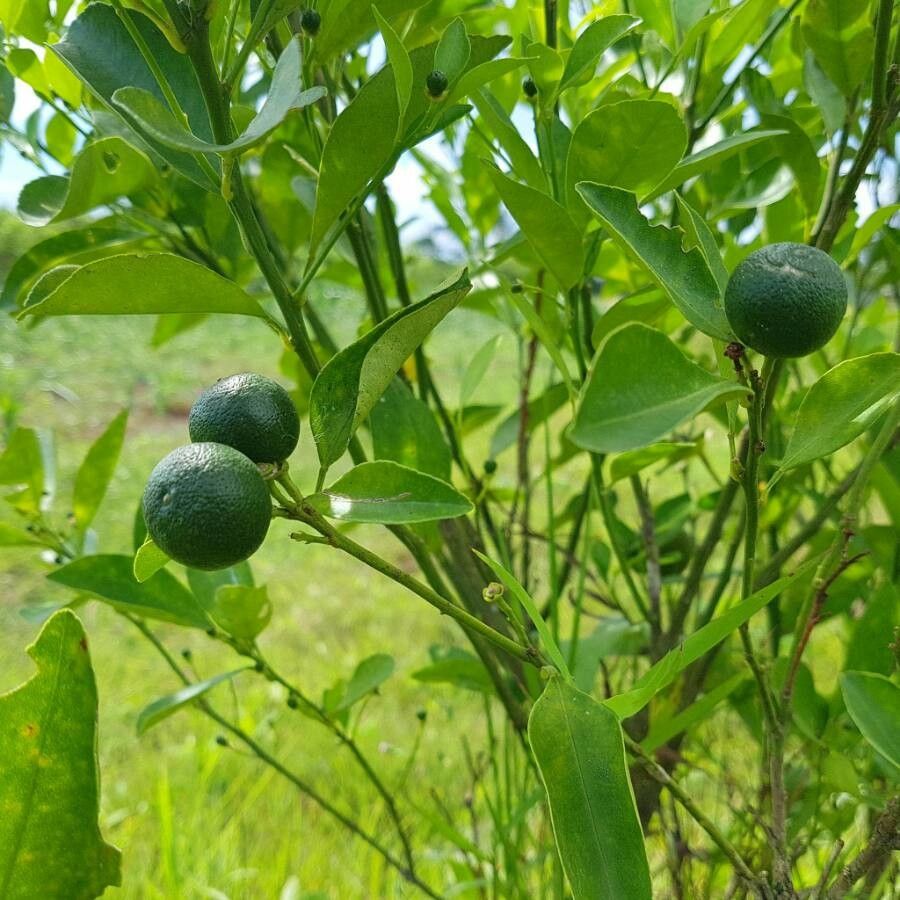
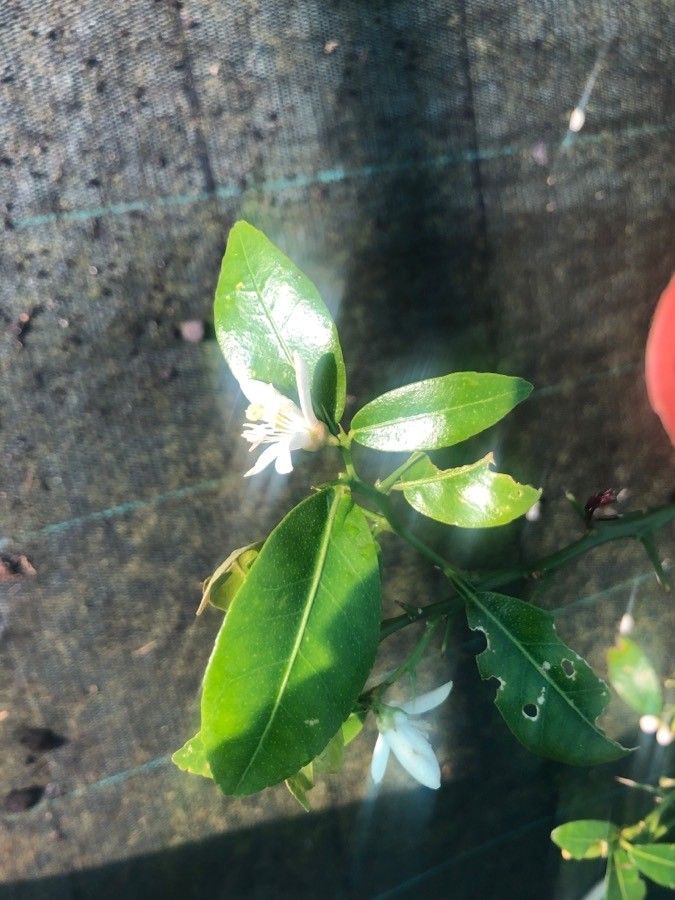
Key lime tree is a hybrid of Kaffir lime and Citron. Native to Southeast Asia, it is hardy in zones 9-11. Key lime can also be grown in other areas as a potted tree. This bushy tree has an upright growing habit, and grows to 6-12 feet when mature. Its leaves are pointy and pale green, and it has fragrant twhite and pinkish flowers. Known for their flavor, the fruits grow to the size of a golf ball and turn yellow as they ripen. The most obvious example of Key lime usage is Key lime pie.
How to keep Citrus Ux Aurantiifolia.
Water
Key lime enjoys lots of water while it's young, requiring less of it as it matures. Give water to your newly planted tree 1-2 times a week, then reduce it to once every week. The top layer of soil should be dry before you water the tree. Remember that excess water can cause root rot.
Humidity
This plant prefers dry conditions, so don't mist it. However, watering it less often can also thrive in higher humidity.
Temperature
This tropical plant does not tolerate cold temperatures. You’ll need to reproduce the tropical conditions that this tree thrives in. Keep it in temperatures higher than 60°F, and shield it from drafts. If you’re growing a potted tree, make sure to bring it indoors in winter. Under no circumstances should you expose it to temperatures lower than 32°F. The tree loves high humidity levels. Consider misting and using a humidifier if you have an indoor Key lime.
Fertilizer
Key lime trees are heavy feeders, so it’s necessary to fertilize them. Use a granular fertilizer specifically made for citrus trees (an 8-3-9 formula would work). Start fertilizing in spring before the tree blooms, then again in summer once the first fruits appear. Feed your tree every 6 weeks. The last portion should be added in the fall. Avoid winter fertilization since trees go dormant during this time.
Pruning
Pruning promotes good air circulation, which is crucial for your tree’s growth. It also helps keep the desired shape of your lime tree. Key lime trees do not require pruning. A yearly spring pruning should be enough.
Toxicity
Even though the fruits are safe for humans, key lime trees are toxic to dogs because they contain psoralens, limonene, and linalool.
Further reading →
The toxicity and danger assessments provided are for reference only. We do not assure their accuracy, so it's crucial not to depend on them. Seek professional advice when necessary for accurate guidance.
Botanical profile.
- Plant Type
- Perennial
- Genus
- Citrus
- Family
- Rutaceae
- Hardiness Zone
- 9-11
- Bloom Time
- Spring
- Native Area
- Southeast Asia
Other names.