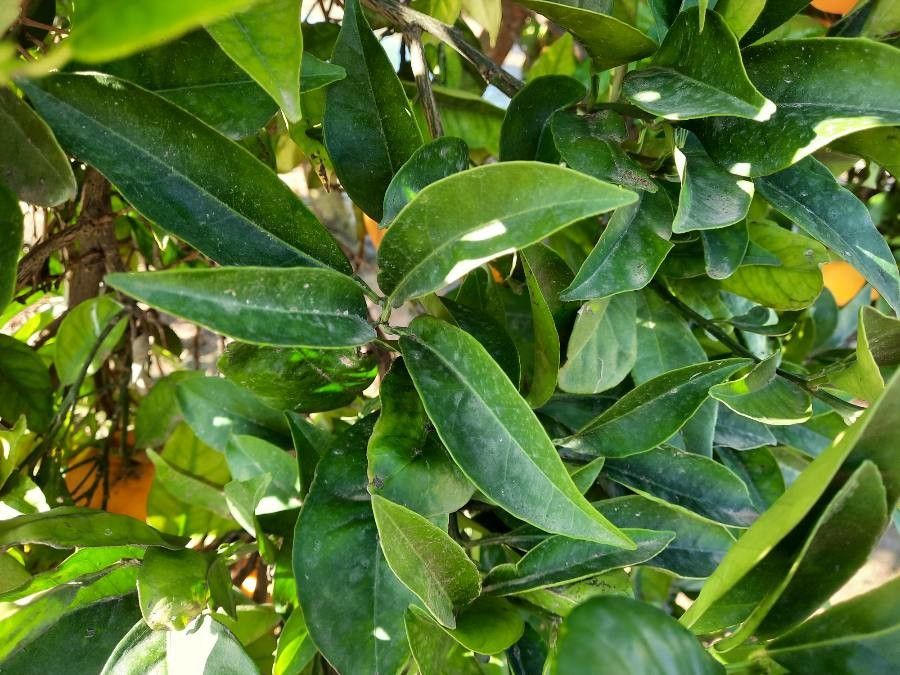
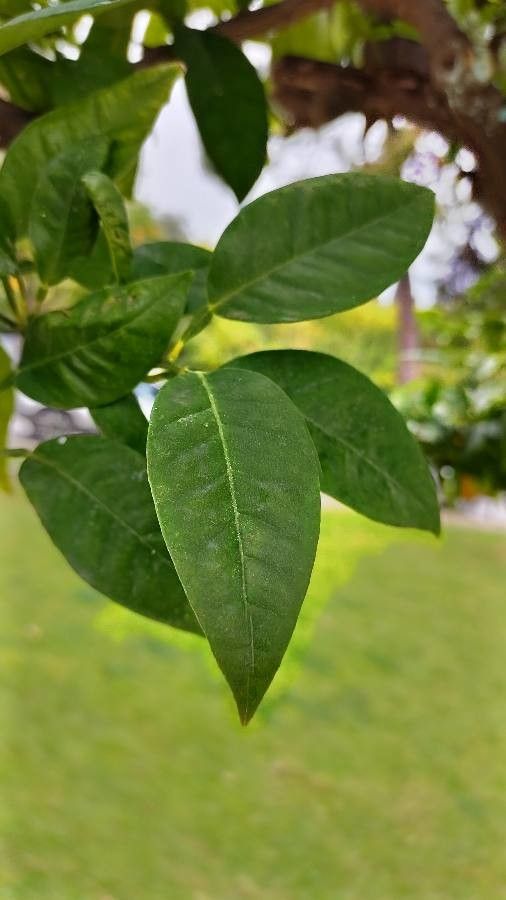
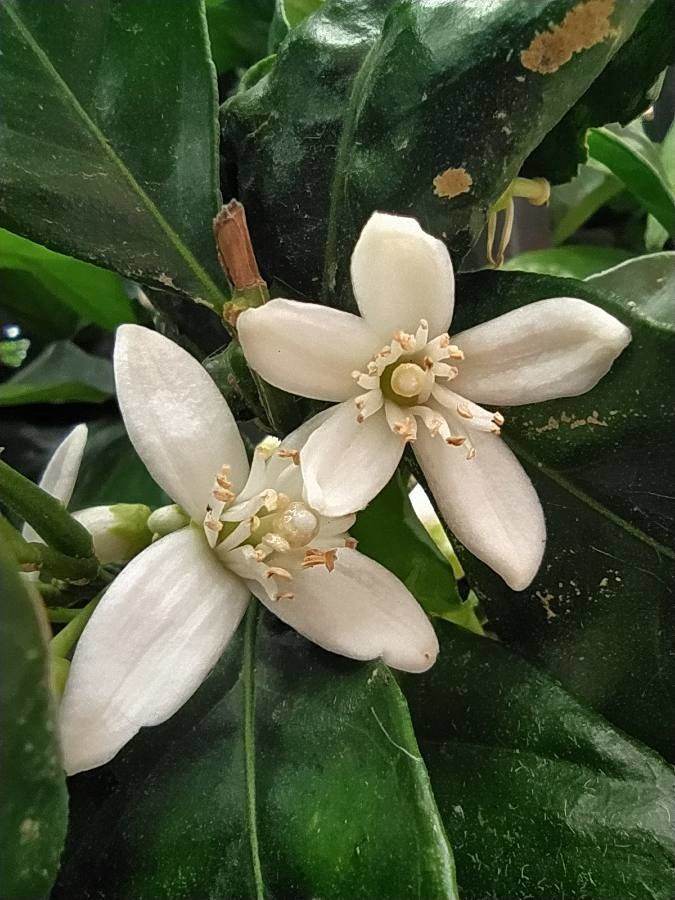
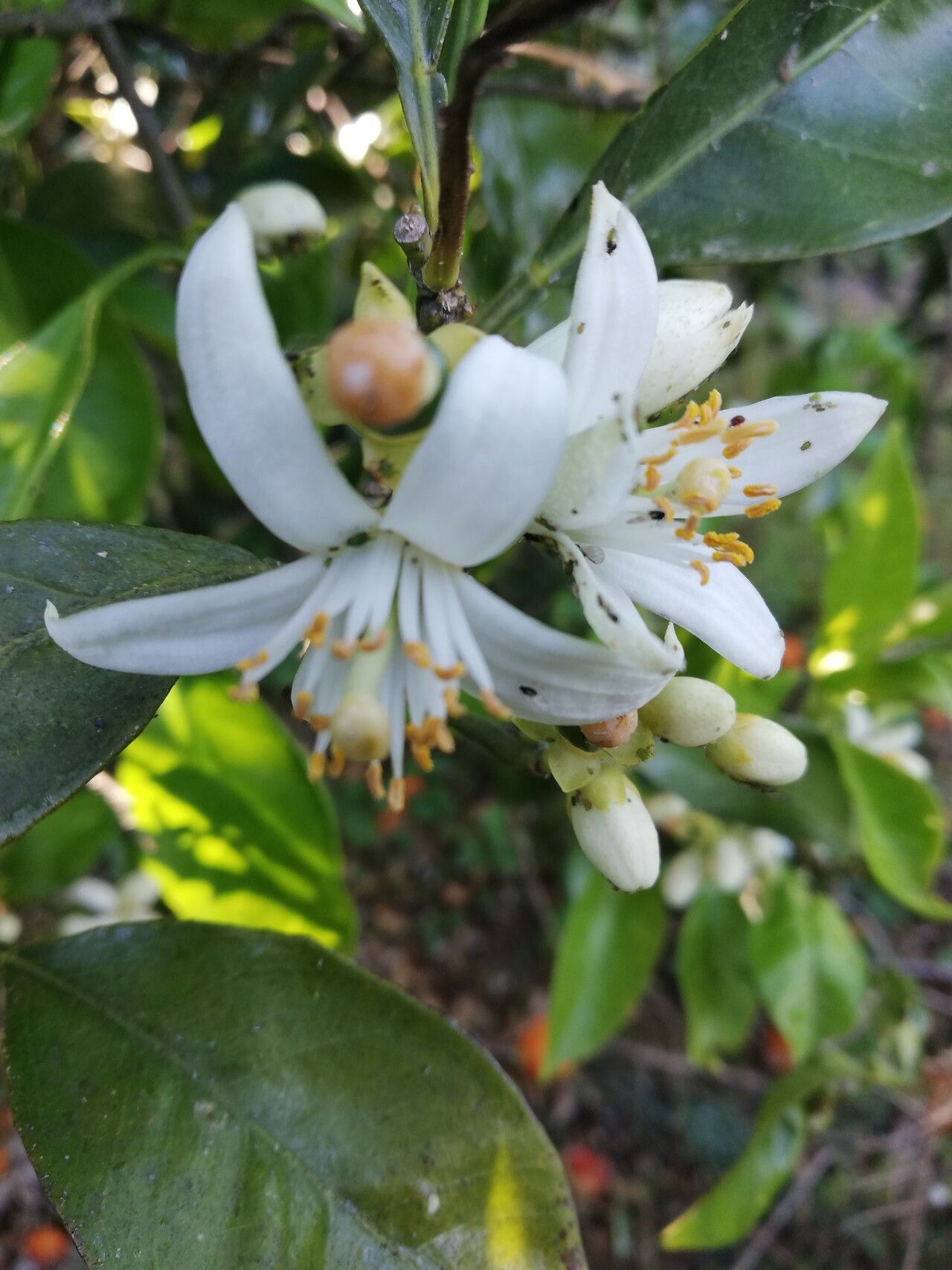
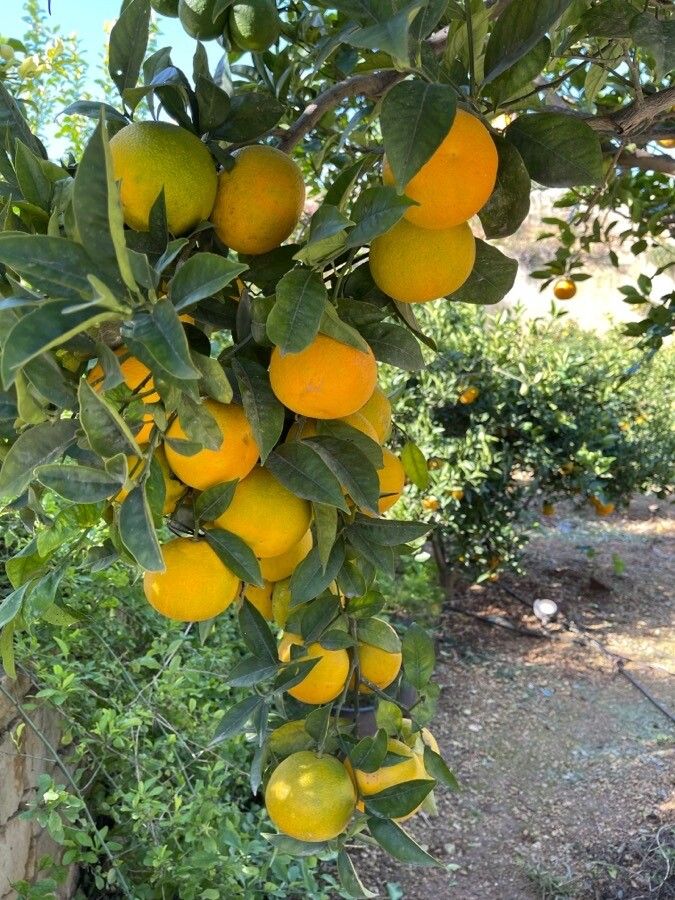
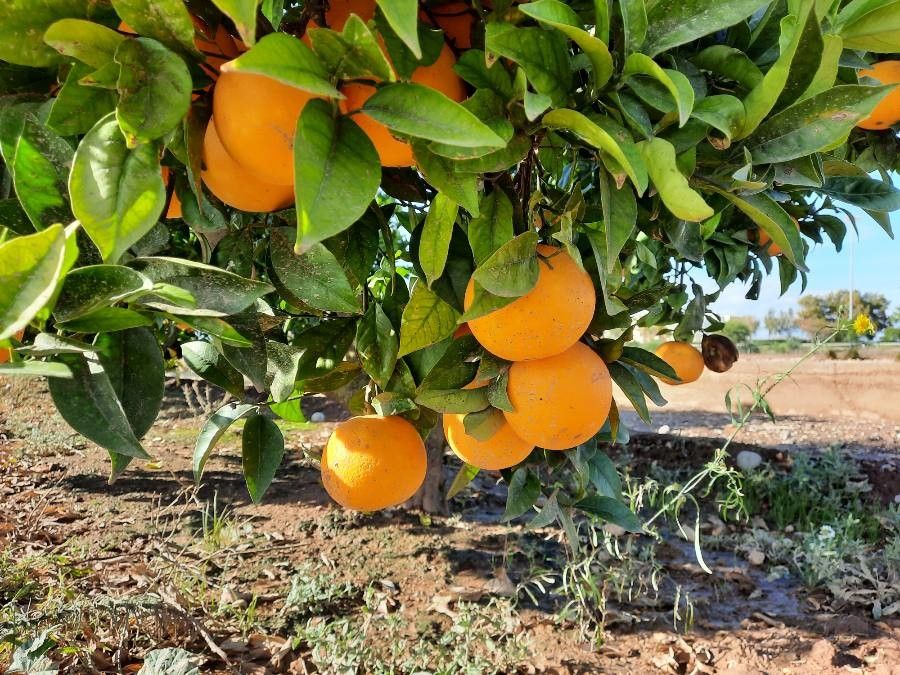
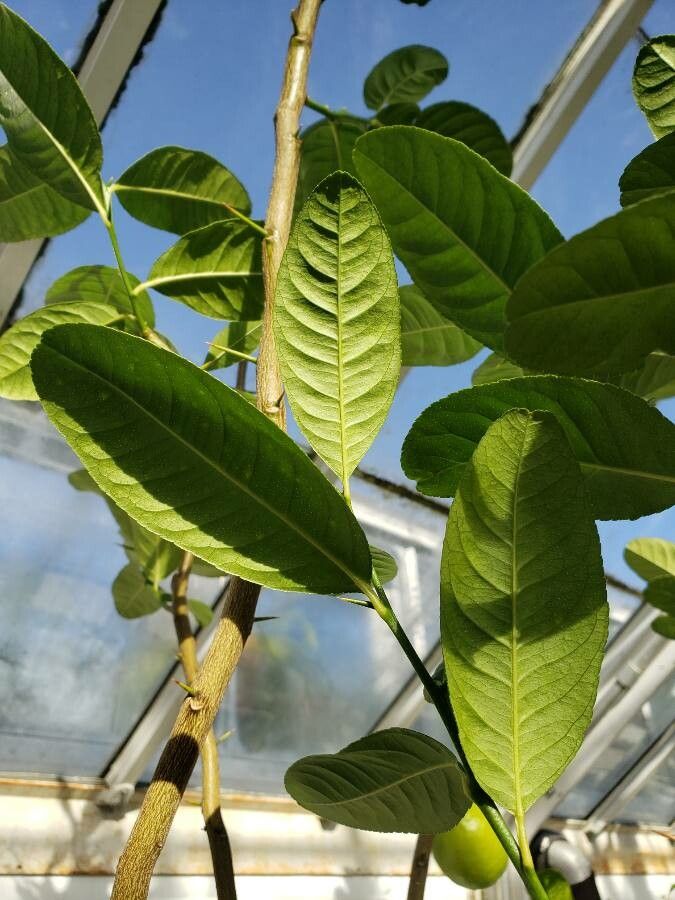
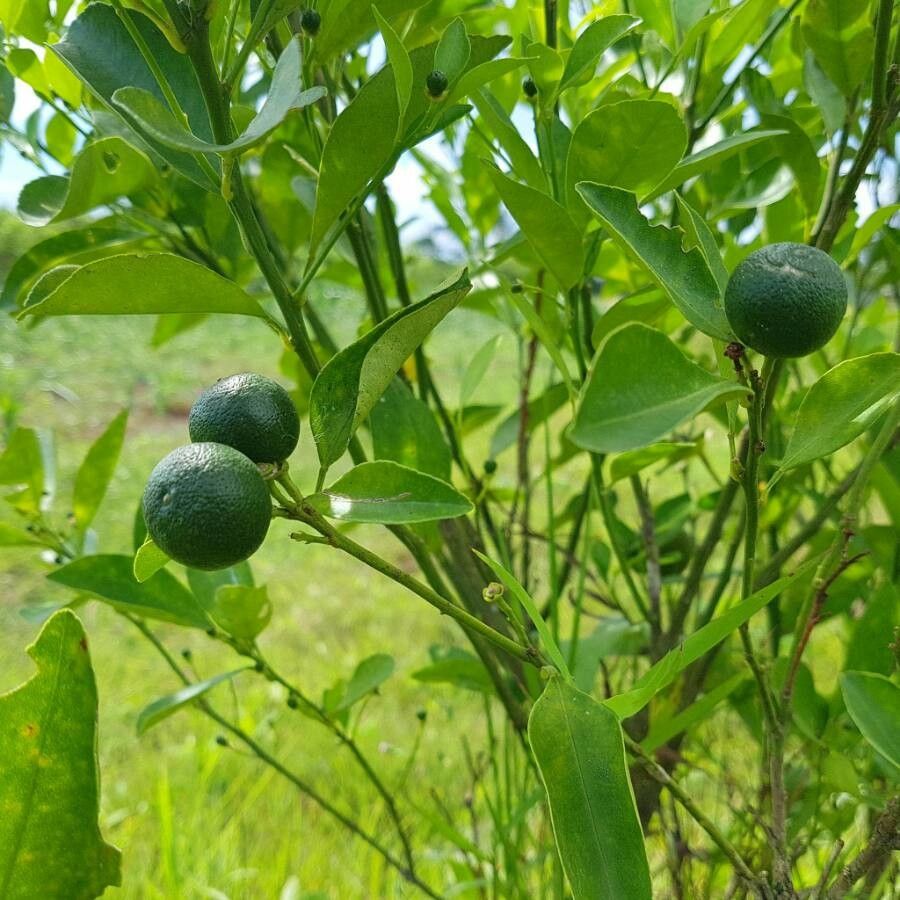
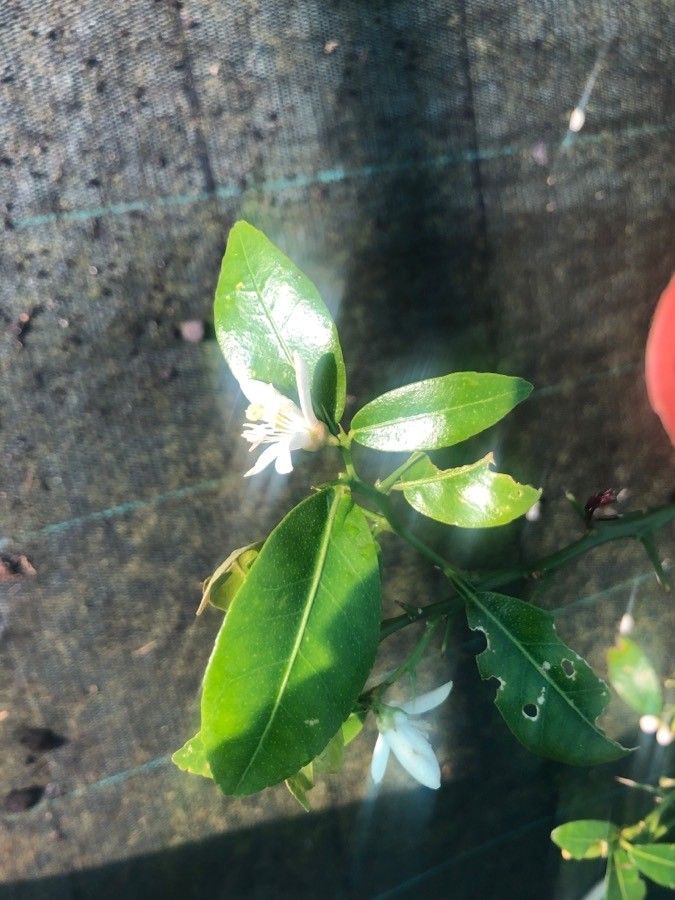
Citrus sinensis, commonly known as the sweet orange, is a fruit-bearing tree that belongs to the Rutaceae family. Native to Southeast Asia, this tree has been cultivated for thousands of years. It can grow up to 10 meters tall and features glossy green leaves along with fragrant white flowers that bloom in spring.
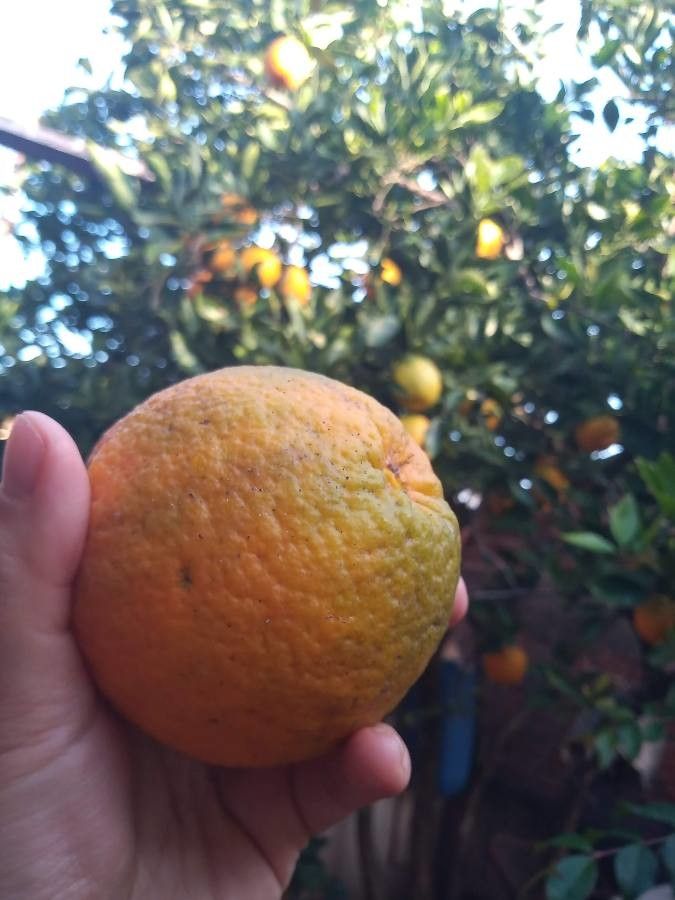
The fruit of Citrus sinensis is a round or oval-shaped berry with a thick, orange-colored rind encasing its juicy pulp, which is divided into segments. This pulp is rich in vitamin C and contains other essential nutrients such as folate, potassium, and fiber.
Sweet oranges are widely consumed around the world in various forms, including fresh juice and sliced segments for snacking. They are also valued in cooking for their sweet flavor and aroma.
Citrus sinensis trees require warm temperatures and ample sunlight to thrive. They grow best in tropical or subtropical regions but are sensitive to frost damage.
Overall, Citrus sinensis is an important global fruit crop, highly valued for its nutritional content and versatility in culinary applications.
Bitter orange has a fairly high level of disease resistance and is generally not prone to illnesses. Still, if the plant is kept in poor conditions it can become more vulnerable to disease. It also experiences few insect pest problems. Care-wise, this plant has moderate requirements. It needs plenty of sunlight, because inadequate light can make it more susceptible to disease and cause spindly growth. Since it is frequently kept indoors, it may need to be moved regularly to a bright spot. It does not need frequent watering. Overall, Bitter orange is suitable for most people, though it is best for those who can provide good light conditions.
How to keep Citrus Sinensis.
Light
The bitter orange plant flourishes when exposed to ample sunlight daily, yet it can also adjust to spaces with lower light exposure. However, insufficient light might have a negative impact on the plant's health. As its natural habitat is generally bathed in bountiful sunlight, similar lighting conditions are beneficial for its development.
Water
Citrus sinensis prefers moist soil and is somewhat drought tolerant, but it cannot grow well when waterlogged. Water deeply in spring before the leaves sprout, and then once per week during the budding season to keep the soil moist. During rainy periods, keep the soil well-drained without any standing water to prevent the buds from falling. Increase watering in dry weather, as the fruits may fall if the soil is too dry.
Humidity
This plant will thrive in moderate humidity, which is probably the level in your home. However, misting it a few times a week can be very beneficial. Make sure the room has good ventilation.
Temperature
The bitter orange thrives in balmy weather conditions ranging from 68 to 100 ℉ (20 to 38 ℃). It naturally grows in subtropical to tropical areas where the winter temperatures are above 50 ℉ (10 ℃). When it comes to cooler climates, it's recommended to relocate potted plants inside during the winter season.
Fertilizer
Opt for organic fertilizers, like fish emulsion or compost, instead of synthetic ones for Bitter orange. Supply younger plants with more nitrogen and phosphorus during the spring season. Incorporate compost or fertilizer either before or after planting. For established plants, add balanced or specific fertilizer to address deficiencies in spring. Lack of nutrients can result in small leaves, shorter branches, leaves that are yellow or bronze, more acidic fruits, early fruit drop, and fruit splitting.
Pot & Repot
During the repotting of Bitter orange, select a container that is 1-2 inches (2.5-5 cm) wider, ensuring it has plentiful drainage. Opt for a potting mixture that drains well. Carry out the repotting process during spring or autumn, making sure the root ball is positioned marginally below the flower pot's edge. After you've finished repotting, water the plant abundantly, then situate it in a warm location where it can enjoy indirect sunlight.
Toxicity
Toxic to dogs,cats and horses. It has no toxic effects to human.
Further reading →
The toxicity and danger assessments provided are for reference only. We do not assure their accuracy, so it's crucial not to depend on them. Seek professional advice when necessary for accurate guidance.
Botanical profile.
- Plant Type
- Shrub
- Life Cycle
- Perennial
- Genus
- Citrus
- Family
- Rutaceae
- Hardiness Zone
- 9-11
- Mature Height
- 6.1 m to 9.14 m
- Mature Spread
- 6.1 m
- Leaf Color
- Green
- Leaf Type
- Evergreen
- Flower Color
- White
- Flower Size
- 2.03 cm to 3.56 cm
- Bloom Time
- Late spring, Early summer
- Planting Time
- Spring, Autumn
- Harvest Time
- Mid summer, Late summer, Fall, Winter
Other names.